Wimbledon Records That May Never Be Broken
There’s something about Wimbledon that makes records feel permanent in a way no other tournament manages. Maybe it’s the grass, or the whites, or the fact that the place has been running since 1877 and still carries the posture of somewhere that believes it invented tennis.
Whatever the reason, the records set at the All England Club tend to accumulate a kind of weight — not just as numbers, but as statements about what’s humanly possible on a surface that forgives almost nothing. Some of these marks will fall eventually. But several of them? Don’t hold your breath.
Roger Federer’s Eight Singles Titles
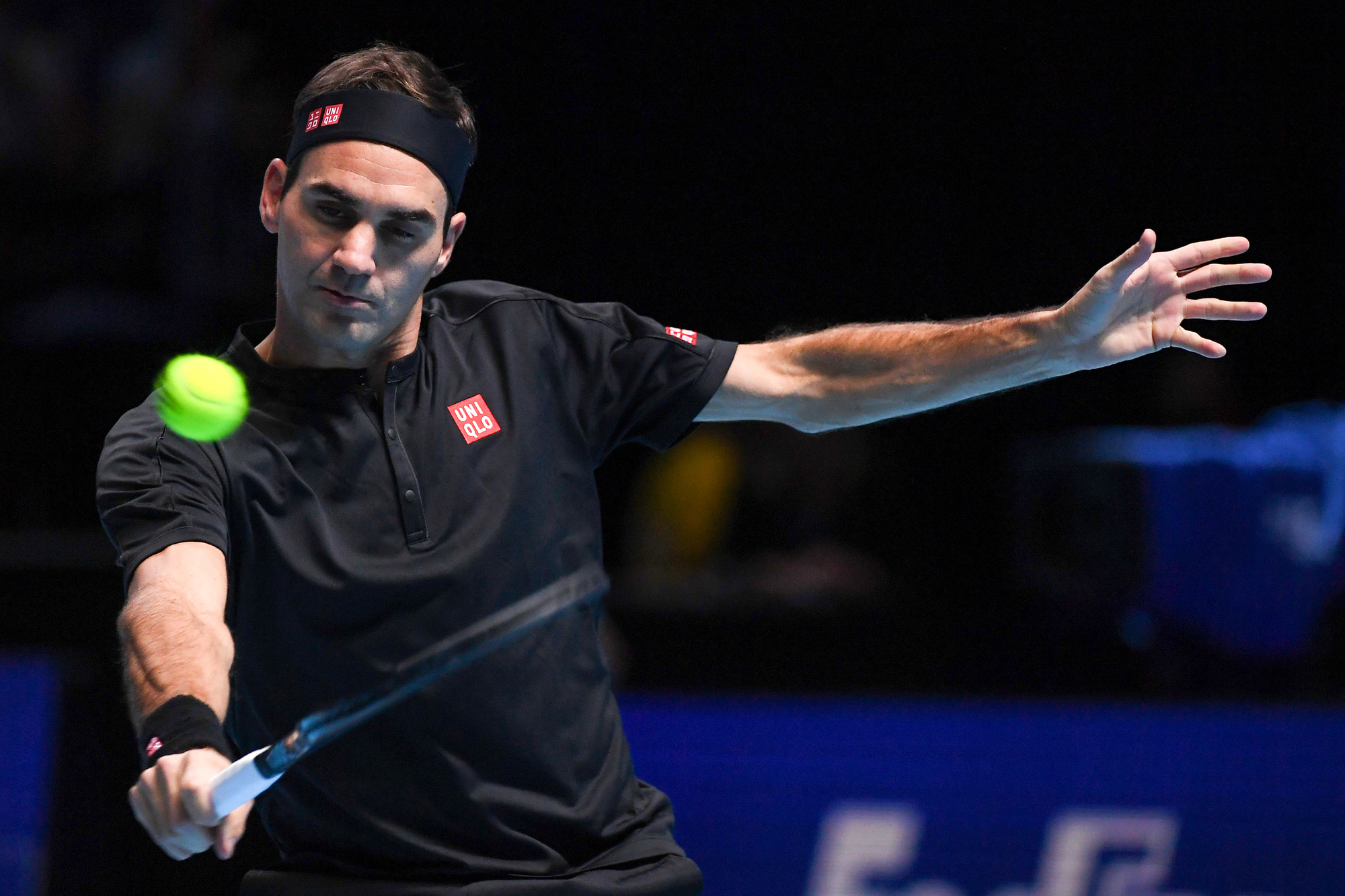
Eight Wimbledon singles titles is a number that still doesn’t feel entirely real. Federer won his first in 2003 and his last in 2017, collecting them with the kind of quiet regularity that made it easy to underestimate how extraordinary it was.
No other man in the Open Era has come close.
Martina Navratilova’s Nine Singles Titles
Nine. Navratilova owns the all-time women’s singles record at Wimbledon, winning from 1978 through 1990 across a span that covered more than a decade of near-total dominance.
Serena Williams reached six and couldn’t get closer. For any current player to surpass Navratilova’s total, they would need to win Wimbledon repeatedly well into their mid-thirties — which is not impossible, but is also not something that’s happened yet.
The Longest Match in Grand Slam History
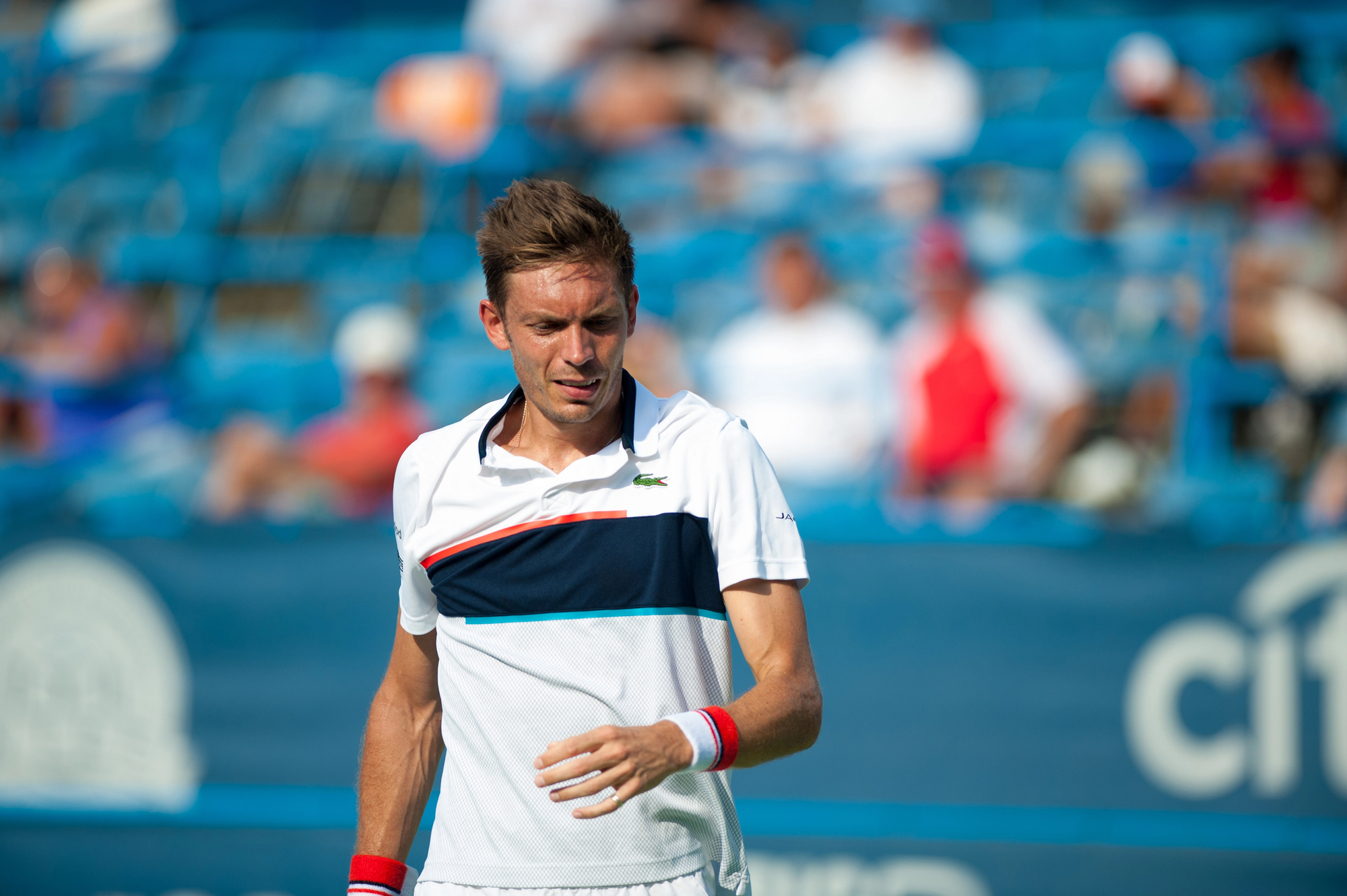
The 2010 first-round match between John Isner and Nicolas Mahut lasted 11 hours and 5 minutes across three days. The fifth set alone — 70 games to 68 — is longer than most complete matches in professional tennis.
It’s a record that the introduction of final-set tiebreaks has essentially made unrepeatable by design.
Navratilova’s Six Consecutive Titles
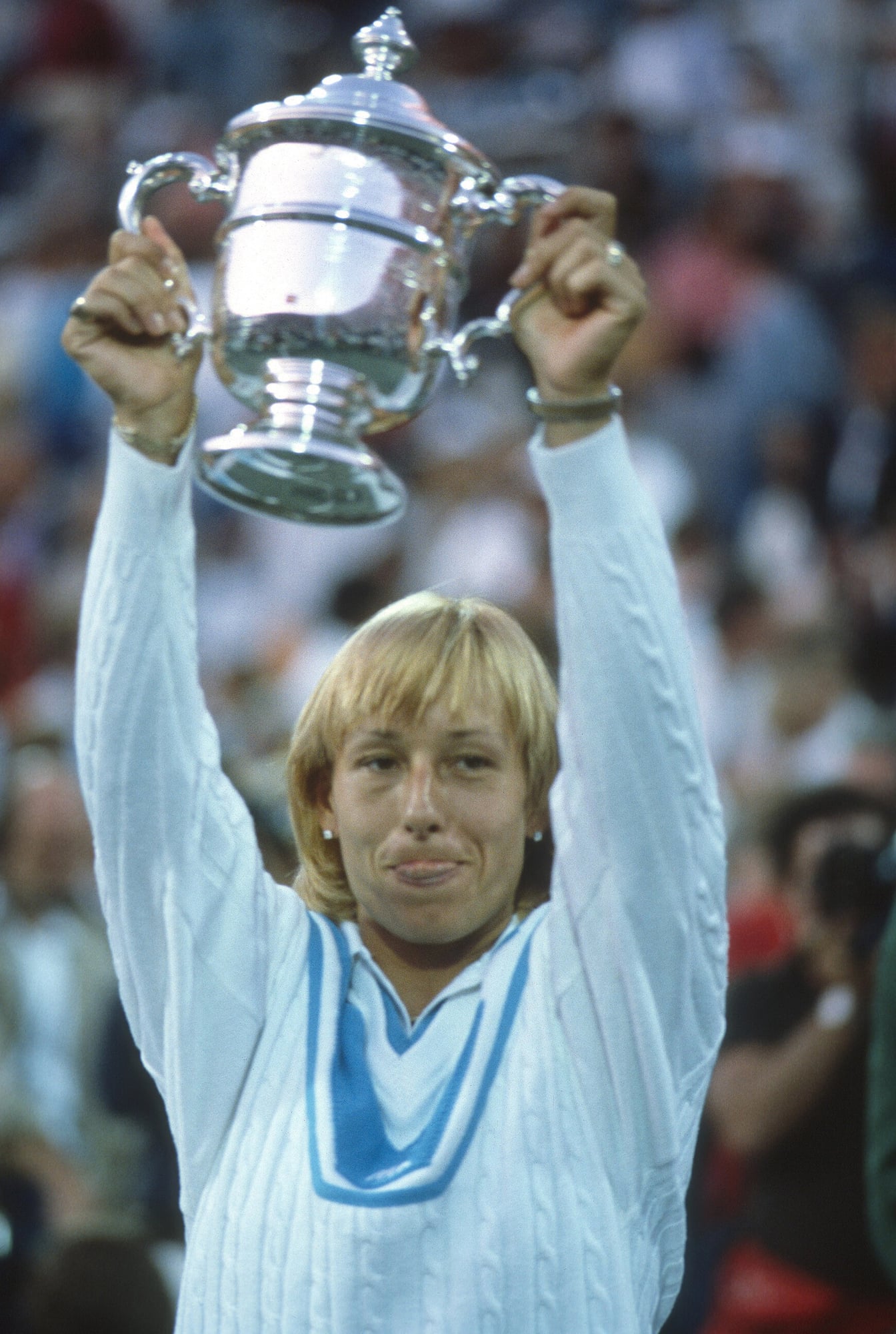
Winning Wimbledon six years in a row, from 1982 to 1987, is the kind of record that reveals itself as extraordinary only when you sit with it for a moment — because six consecutive years means weathering six different draws, six different opponents in their prime, six different patches of form, and still arriving at Centre Court on the last Sunday as the best player in the world.
No player in the Open Era, man or woman, has matched that streak. And the nature of modern professional tennis, with its depth of talent and its physical demands, makes a run of that length feel increasingly theoretical.
Goran Ivanišević’s Wildcard Title
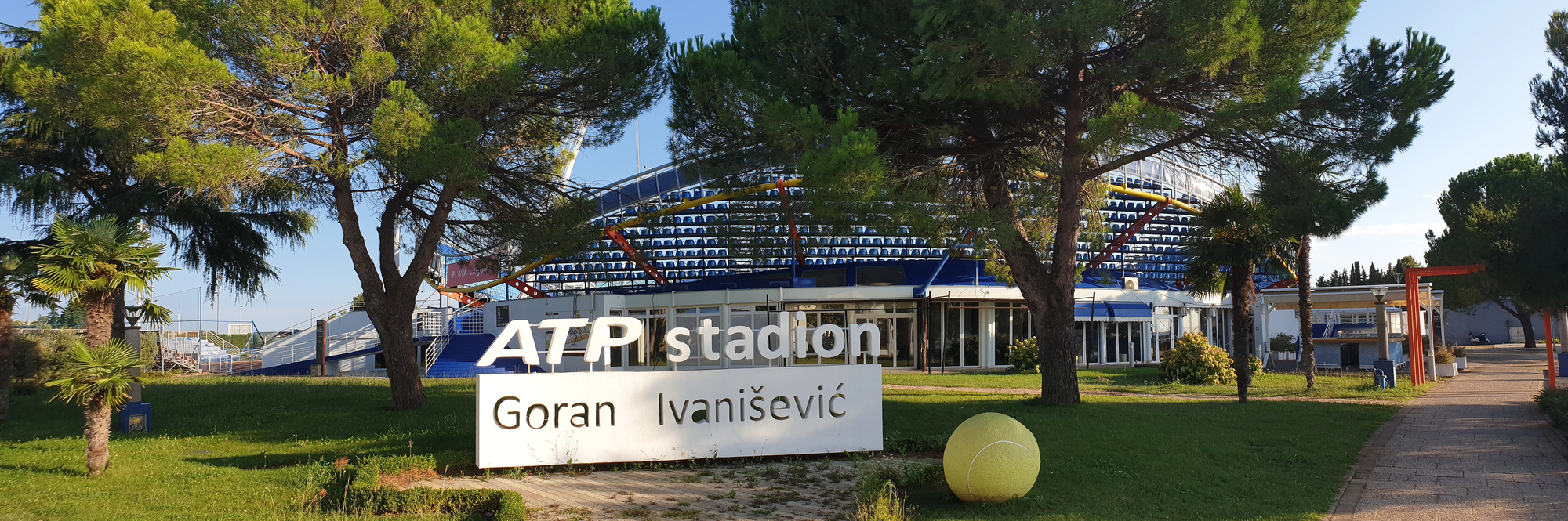
Ivanišević won Wimbledon in 2001 as a wildcard, ranked 125th in the world at the time. That’s the only time a wildcard has ever won a Grand Slam singles title — full stop.
The entry system, the draw depth, and the brutal attrition of seven best-of-five matches make it structurally improbable that it happens again, let alone at a major.
Serena Williams’s Seven Open Era Women’s Titles
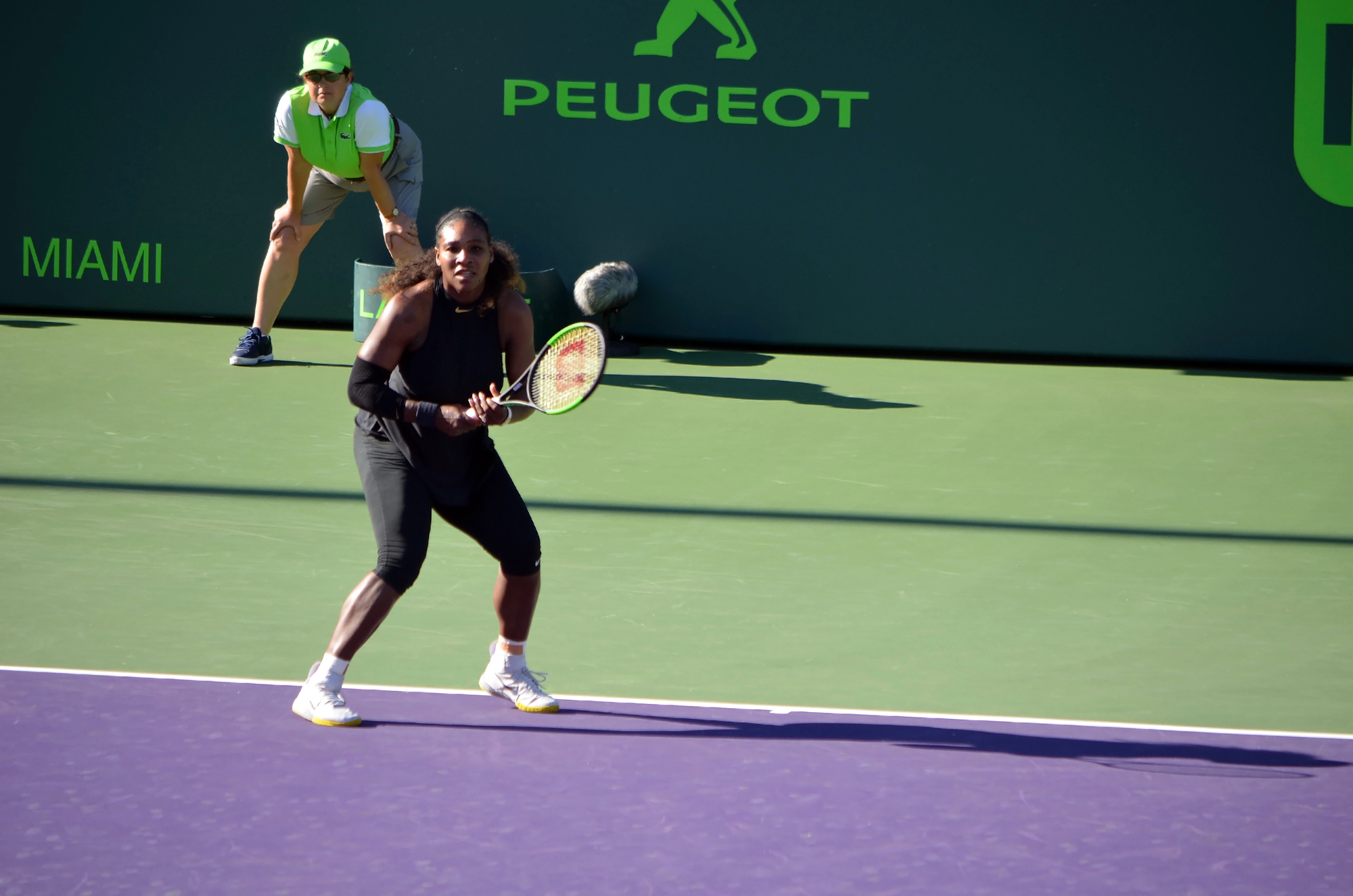
Seven Wimbledon singles titles in the Open Era is the women’s record for the modern game, and Serena Williams holds it. The closest any active player has come is three.
To match Williams, a current champion would need to win four more, which requires remaining competitive at the highest level of grass-court tennis for at least another four years — assuming they win every single time they show up.
Boris Becker’s 1985 Title Run
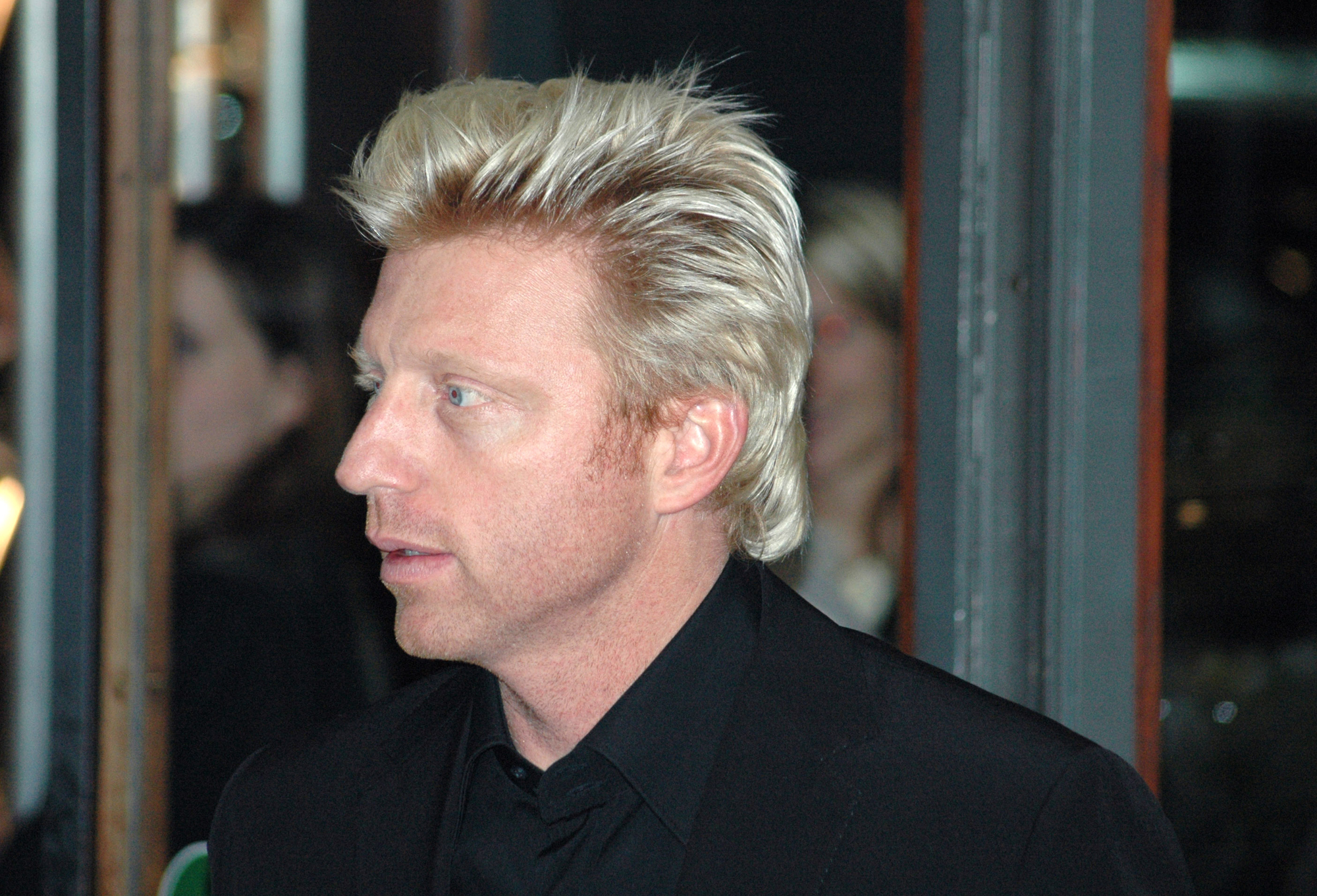
Becker won Wimbledon in 1985 at seventeen years and 227 days old, making him the youngest men’s singles champion in the tournament’s history. He was also the first unseeded player to win the title.
Those two facts together — youngest ever, and unseeded — form a combination that’s essentially unrepeatable without a very specific kind of accident, and tennis has grown too organized and its junior pathways too structured for accidents of that magnitude to slip through.
Pete Sampras’s Record of Seven Titles (Before Federer)
Before Federer arrived, Pete Sampras’s seven Wimbledon titles were considered the untouchable benchmark of men’s grass-court greatness — a record that stood for years and seemed to represent a ceiling. Federer didn’t just match it; he passed it.
What that tells you is that records at Wimbledon are breakable, but only by players who come along once in a generation. And the point here isn’t the seven — it’s the pace at which Sampras assembled them, winning five consecutive from 1997 to 2000 and then returning in 2000 and again in 2002 as though grass was simply a different surface than the one his opponents were playing on.
Charlotte Cooper’s Five Singles Titles

Charlotte Cooper won five Wimbledon singles titles between 1895 and 1908 — which, depending on how generously you read the historical record, makes her one of the most decorated champions the tournament has ever produced. She competed in an era before the Open, before prize money, and before the women’s game drew the professional infrastructure it does today.
Her record won’t be erased; it’ll just stay quietly there, belonging to a version of the game that no longer exists.
The 2012 Final’s Duration
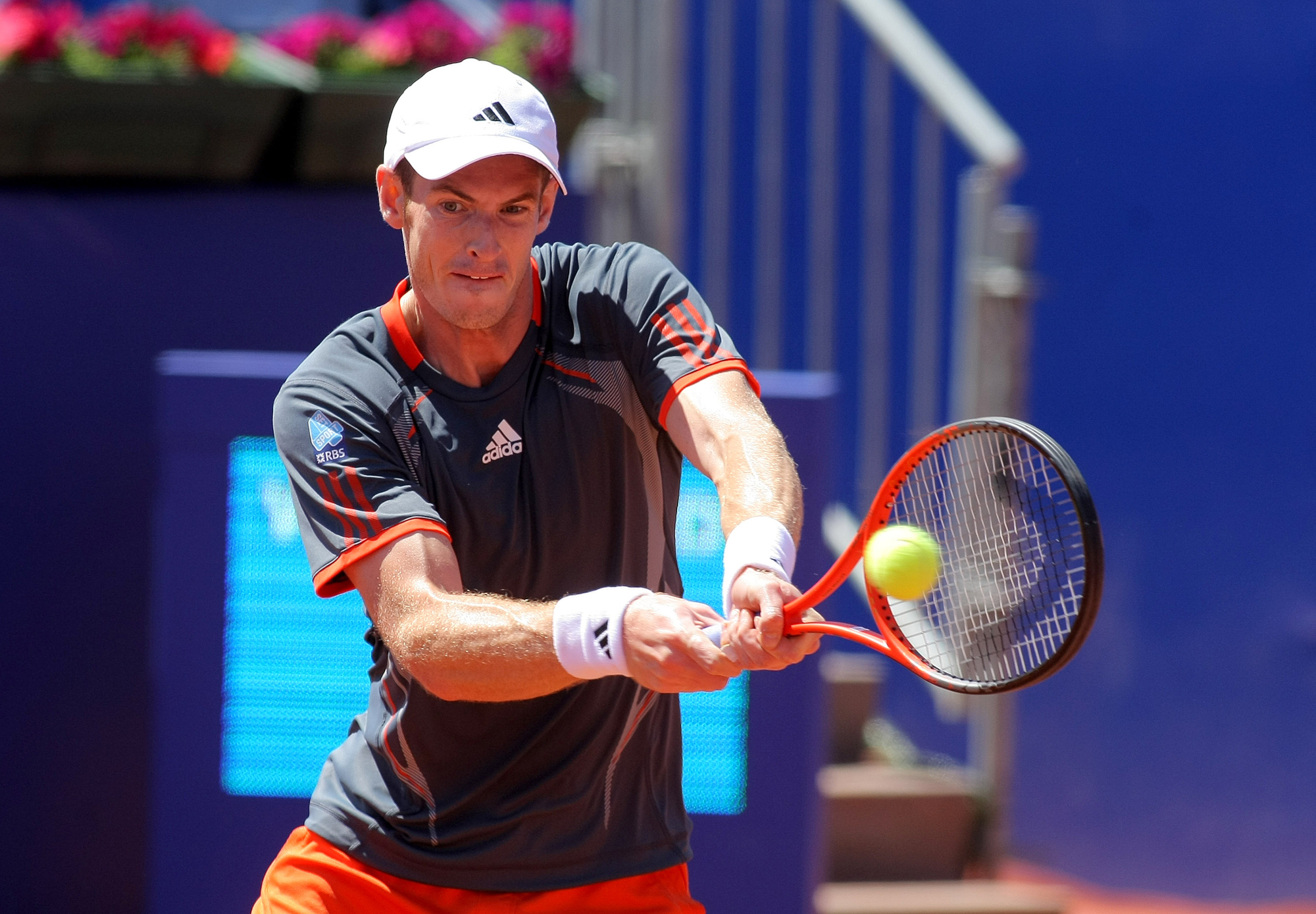
The 2012 Wimbledon men’s final between Federer and Andy Murray lasted four hours and 57 minutes, making it the longest men’s singles final in the tournament’s history. For a final to run longer, two players of comparable quality would need to reach a fifth set, trade games at roughly equal pace for two sets’ worth of time, and do it on grass — a surface that typically accelerates points rather than extending them.
It’s not impossible. It’s just deeply unlikely.
Martina Navratilova’s Doubles Dominance

Navratilova won the women’s doubles title at Wimbledon seven times with Pam Shriver — four consecutive titles from 1981 to 1984, and three additional titles across the mid-to-late eighties (1986, 1987, 1988). In doubles, at Wimbledon, across seven years.
That partnership (and its results) represents a level of sustained partnership-specific excellence that the professional doubles circuit hasn’t seen replicated since.
The Consecutive Title Streaks in the Men’s Game
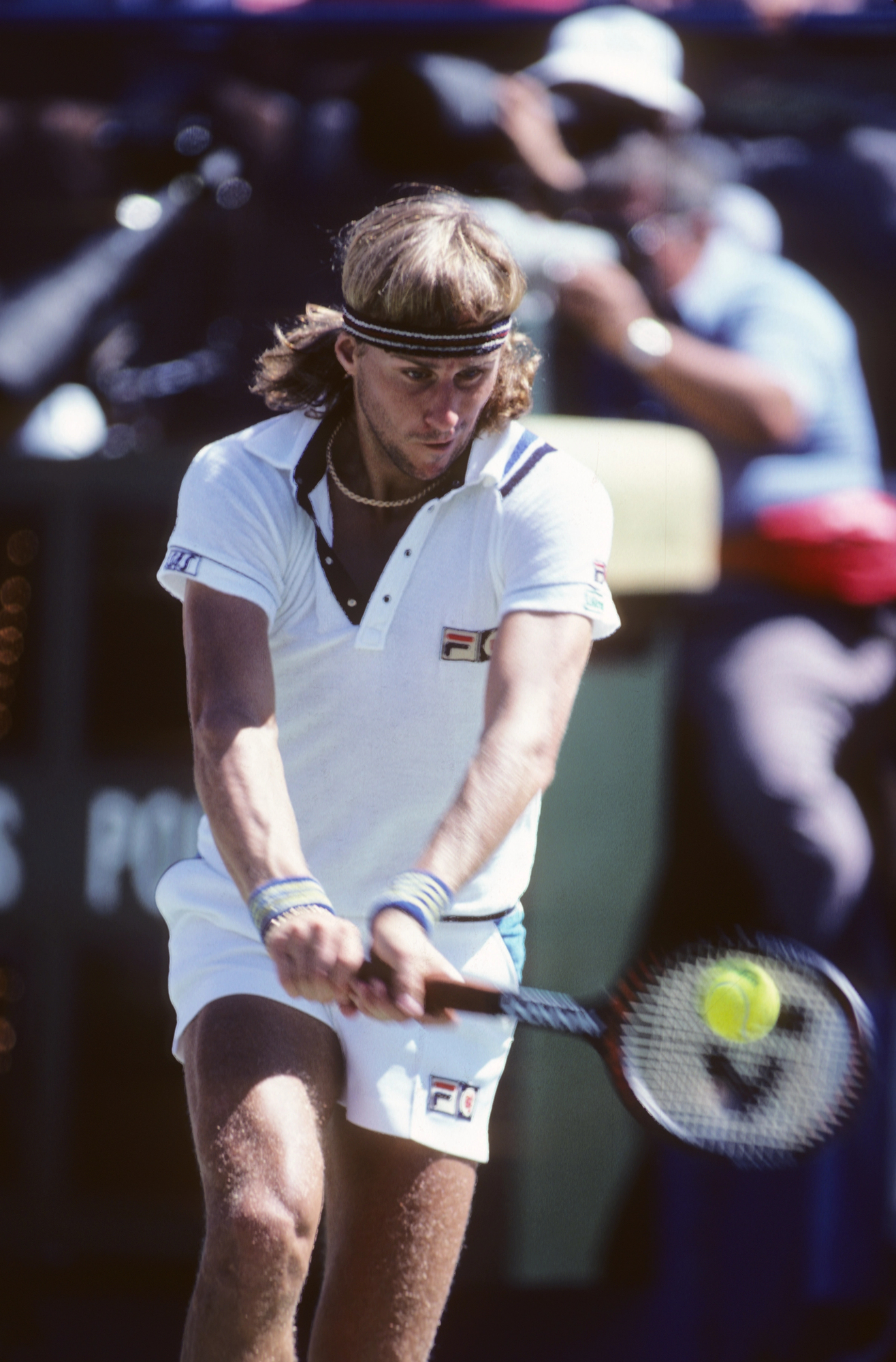
Federer won five consecutive Wimbledon titles from 2003 to 2007. Björn Borg won five consecutive from 1976 to 1980.
Two players in the modern era achieved the same streak by entirely different means — Borg with topspin and calm, Federer with everything at once — and neither has been matched since. Novak Djokovic has won four consecutive, which is remarkable on its own terms, but the gap between four and five at Wimbledon turns out to be considerable.
Virginia Wade’s 1977 Title
Virginia Wade won Wimbledon in 1977 — the tournament’s centenary year — in front of Queen Elizabeth II, making it the last time a British woman won the singles title. That’s not a record in the traditional sense, but 47 years of absence is its own kind of stubborn statistic.
The expectation, the weight of occasion, the grass — British women have come close, and still the gap remains.
Andy Murray’s Position in the British Men’s Record Books
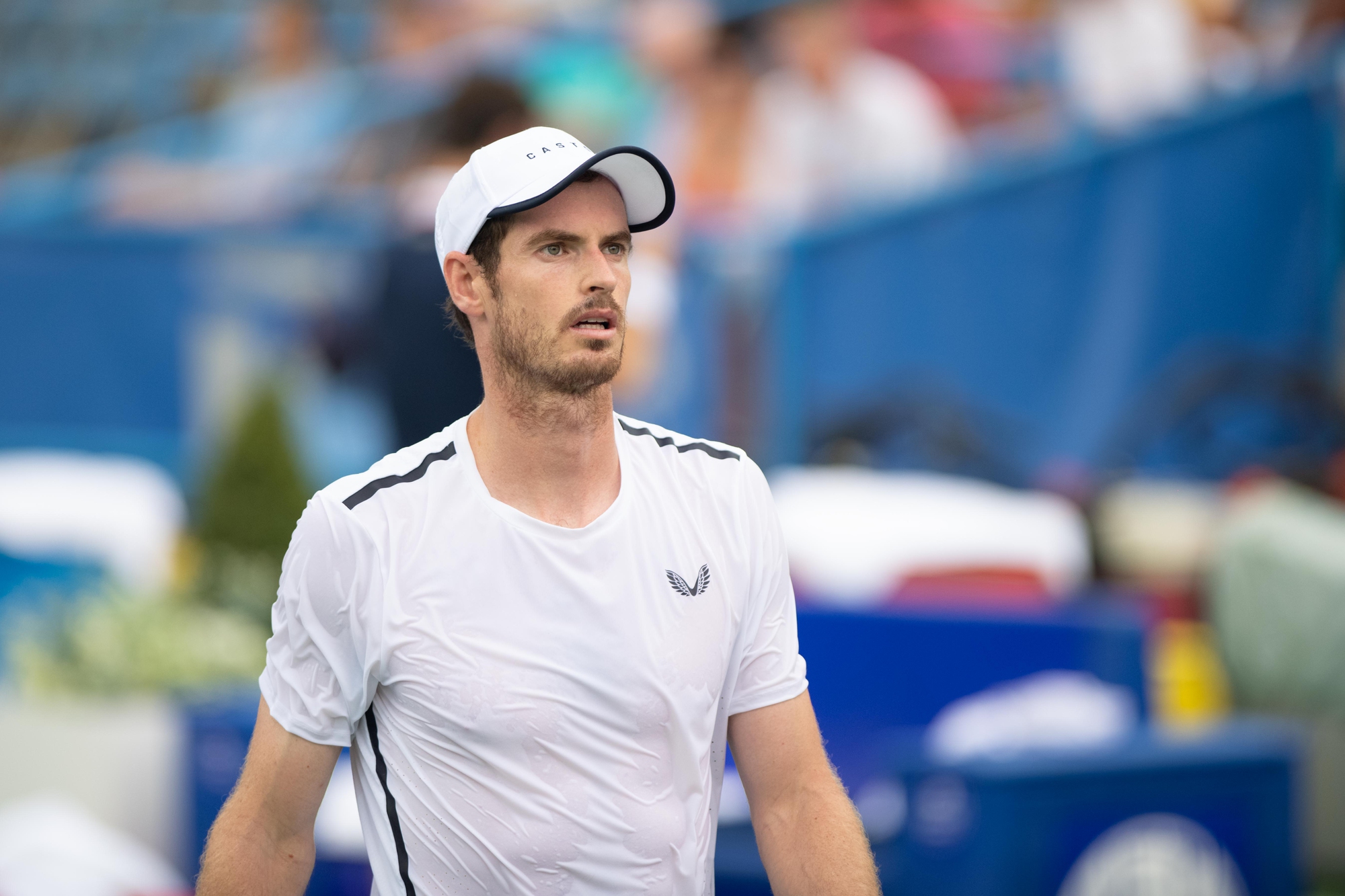
Andy Murray won Wimbledon in 2013 and 2016, ending a 77-year wait for a British men’s singles champion when he claimed the 2013 title. The 77-year drought itself is a record — a generational absence in a home tournament that doubles as a national obsession.
Whether that gap ever shrinks to something more reasonable depends on a pipeline of British talent that hasn’t yet produced anyone capable of winning seven matches on grass against the best players in the world.
The Fastest Serve Recorded at Wimbledon
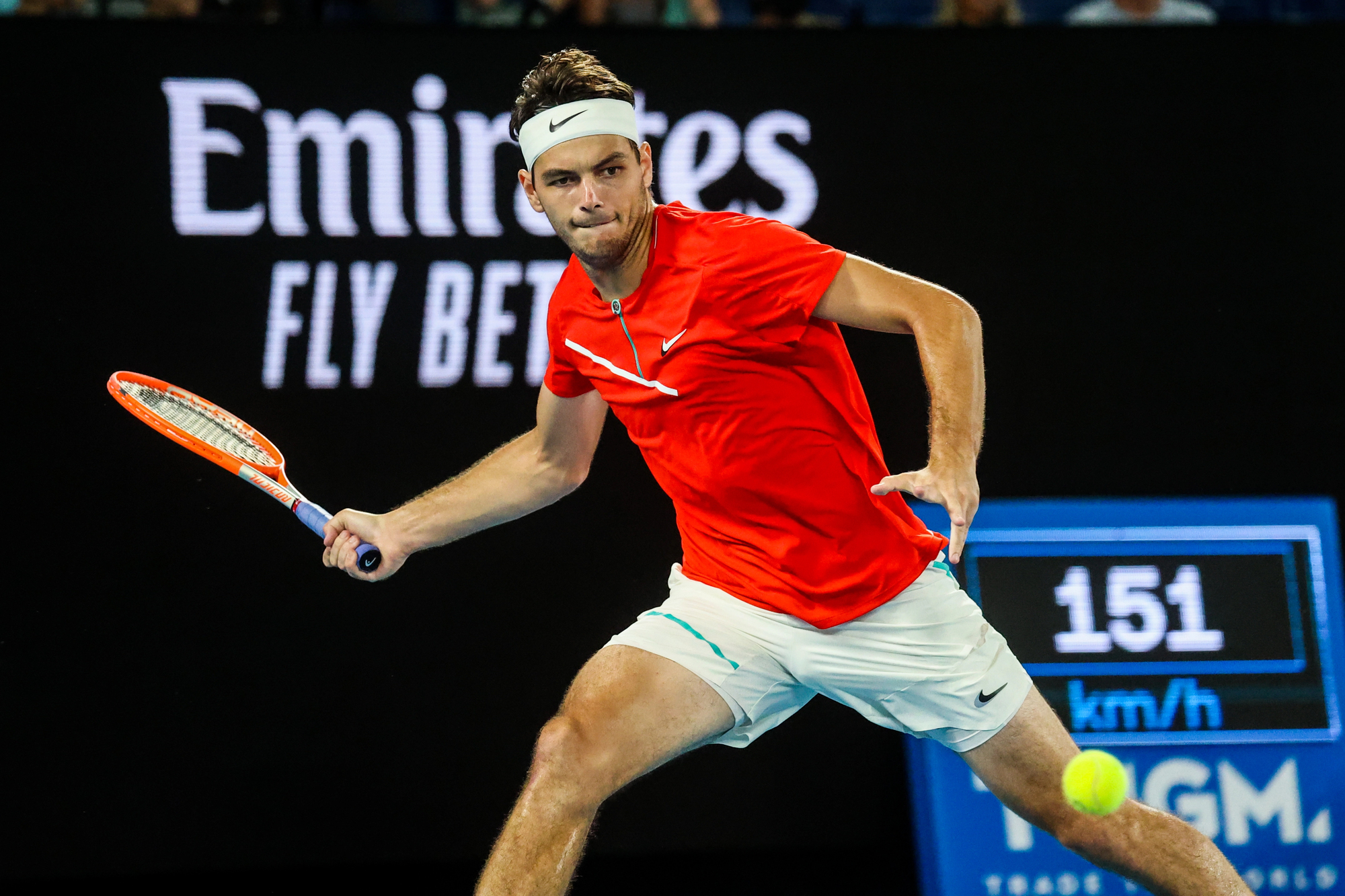
Taylor Fritz served at 147.8 mph at Wimbledon in 2023 — the fastest serve ever recorded at the tournament. Serves of that speed exist at the absolute outer edge of what the human shoulder can generate without disintegrating, and radar equipment at Wimbledon has been reliable long enough that the record carries genuine credibility.
Somebody will eventually hit 148. Whether they hit 150 is a different question entirely.
Steffi Graf’s Golden Slam in 1988
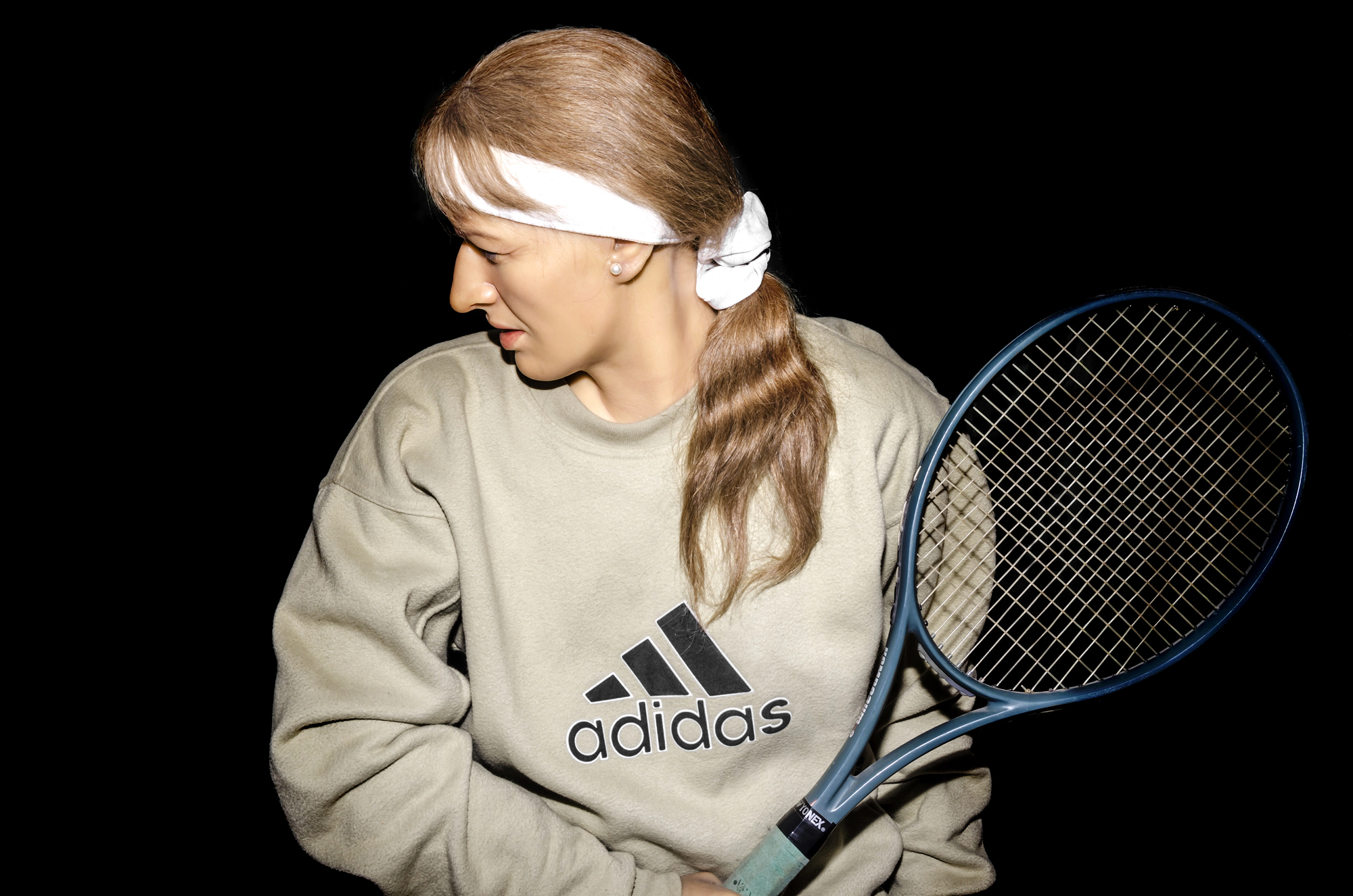
Steffi Graf won all four Grand Slams and the Olympic gold in 1988, a feat that will never have a better name than the Golden Slam — because she invented the category. Wimbledon was the centerpiece of that run, and the achievement as a whole has never been repeated.
To win all four majors and Olympic gold in the same calendar year requires a level of sustained excellence across every surface that the current scheduling and depth of the professional game make almost structurally impossible.
The 1980 Final Between Borg and McEnroe
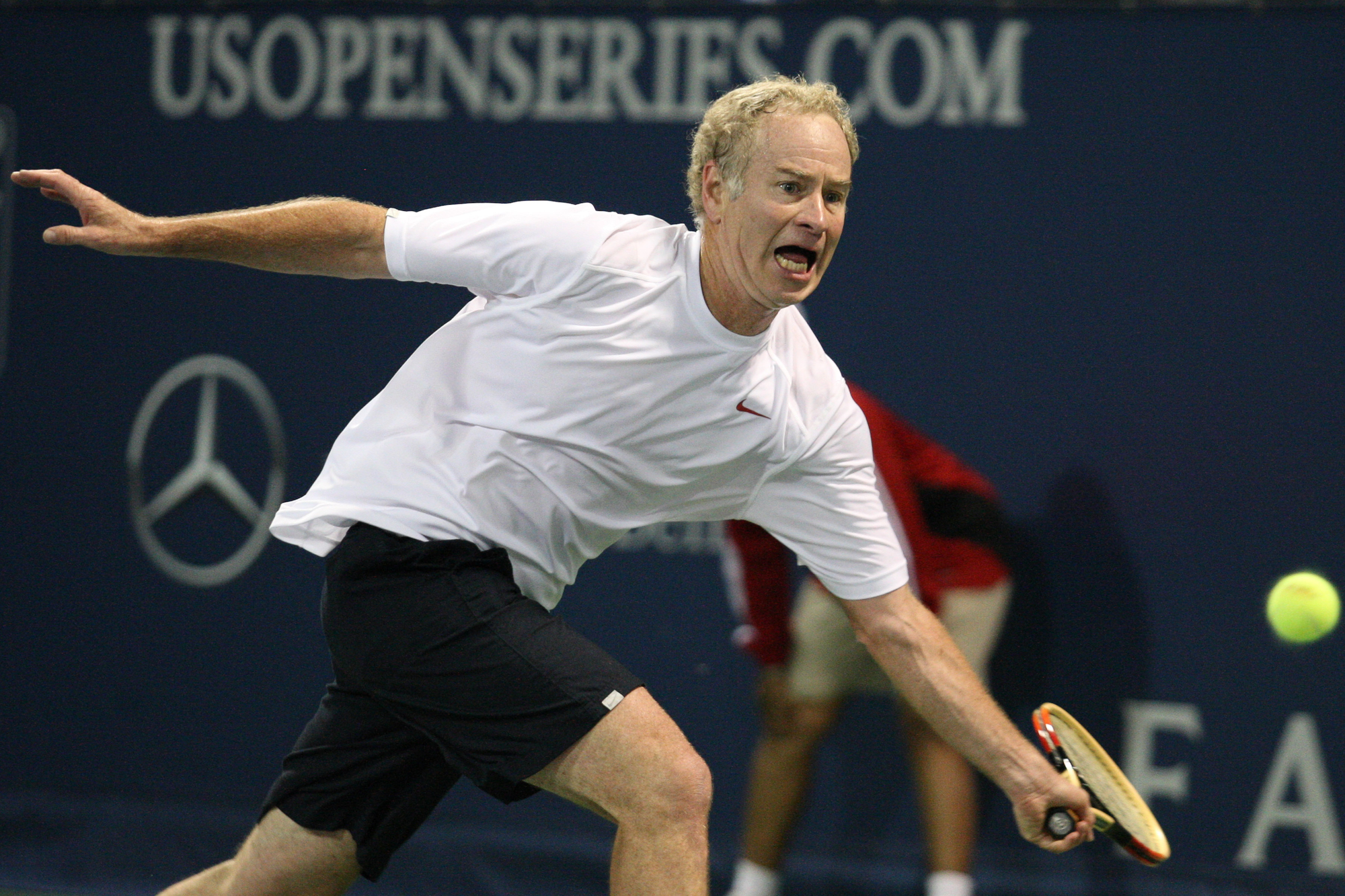
The 1980 Wimbledon final is widely regarded as the greatest match ever played at the All England Club, and possibly anywhere. Borg defeated McEnroe 1–6, 7–5, 6–3, 6–7, 8–6 in a match that produced a fourth-set tiebreak so tense it lasted 34 points and 20 minutes on its own.
That tiebreak — which McEnroe won 18–16 — remains the longest in a Wimbledon final. The match as an event can’t be measured purely by statistics, but the 18–16 tiebreak scoreline in a major final stands as the kind of number that requires two extraordinary players to simultaneously refuse to yield, and that’s a recipe the draw doesn’t regularly serve up.
Leyton Hewitt and Venus Williams: The Defending Streak

When Leyton Hewitt defended his Wimbledon title in 2002 and Venus Williams defended hers across 2000–2001 and again across 2007–2008, both demonstrated that back-to-back titles on grass are achievable — but the cumulative difficulty of repeating across even two years is steep enough that three consecutive remains rare and four is rarefied air.
The Williams sisters between them produced the most sustained run of women’s finals appearances in the Open Era, combining for a record in Wimbledon final appearances that no current player is close to matching.
The Longest Winning Streak on Wimbledon Grass
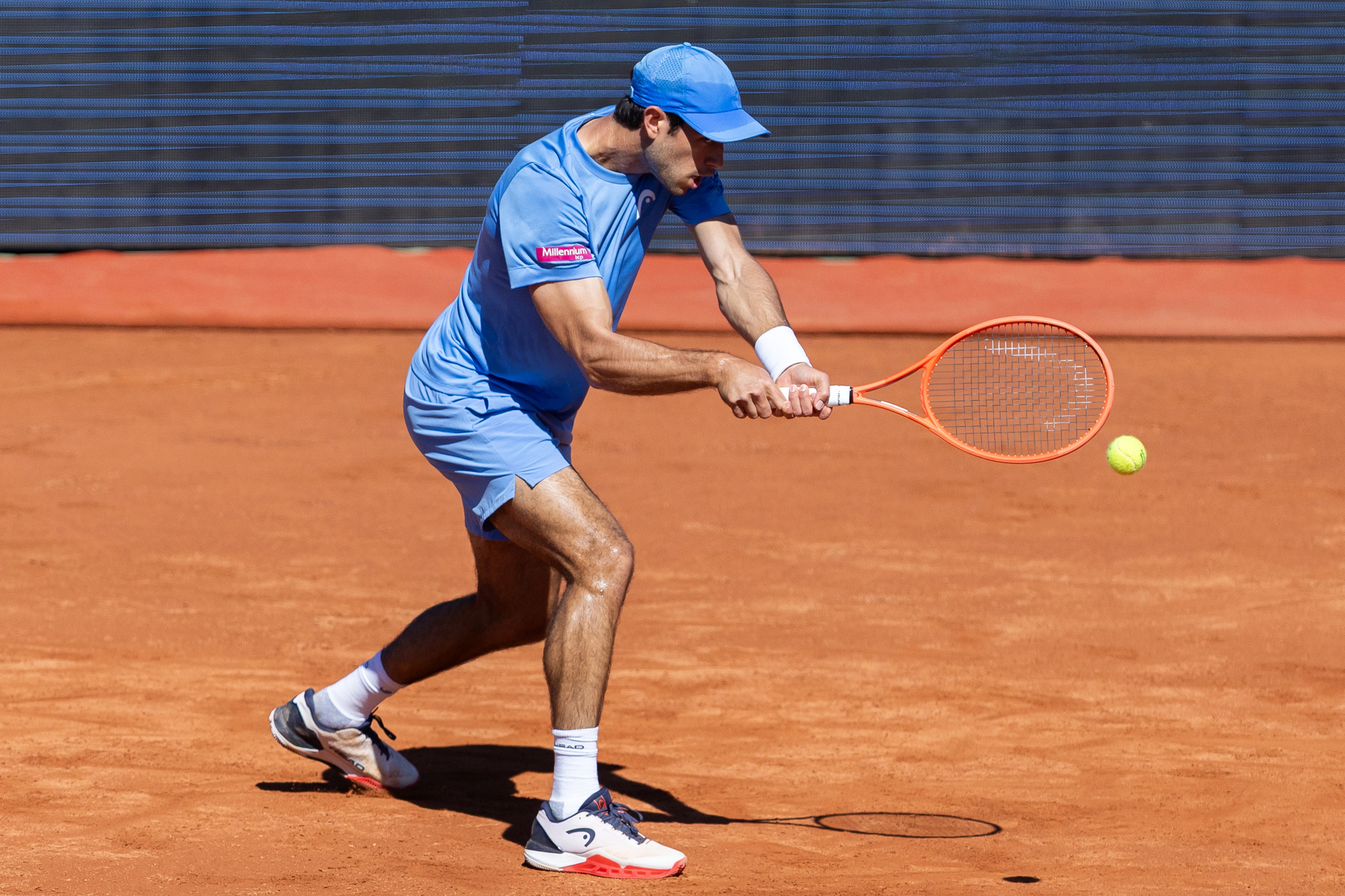
Borg went 41 consecutive matches without a loss at Wimbledon, a streak that ran from 1976 until McEnroe finally ended it in the 1981 final. Forty-one matches across five years of competition on the same surface, without a single loss.
The record requires not just excellence but a specific kind of grass-court adaptability that Borg possessed and that the field struggled to replicate or counter. Federer came close in his own dominant stretch, but 41 is still Borg’s number.
Billie Jean King’s Total of 20 Wimbledon Titles
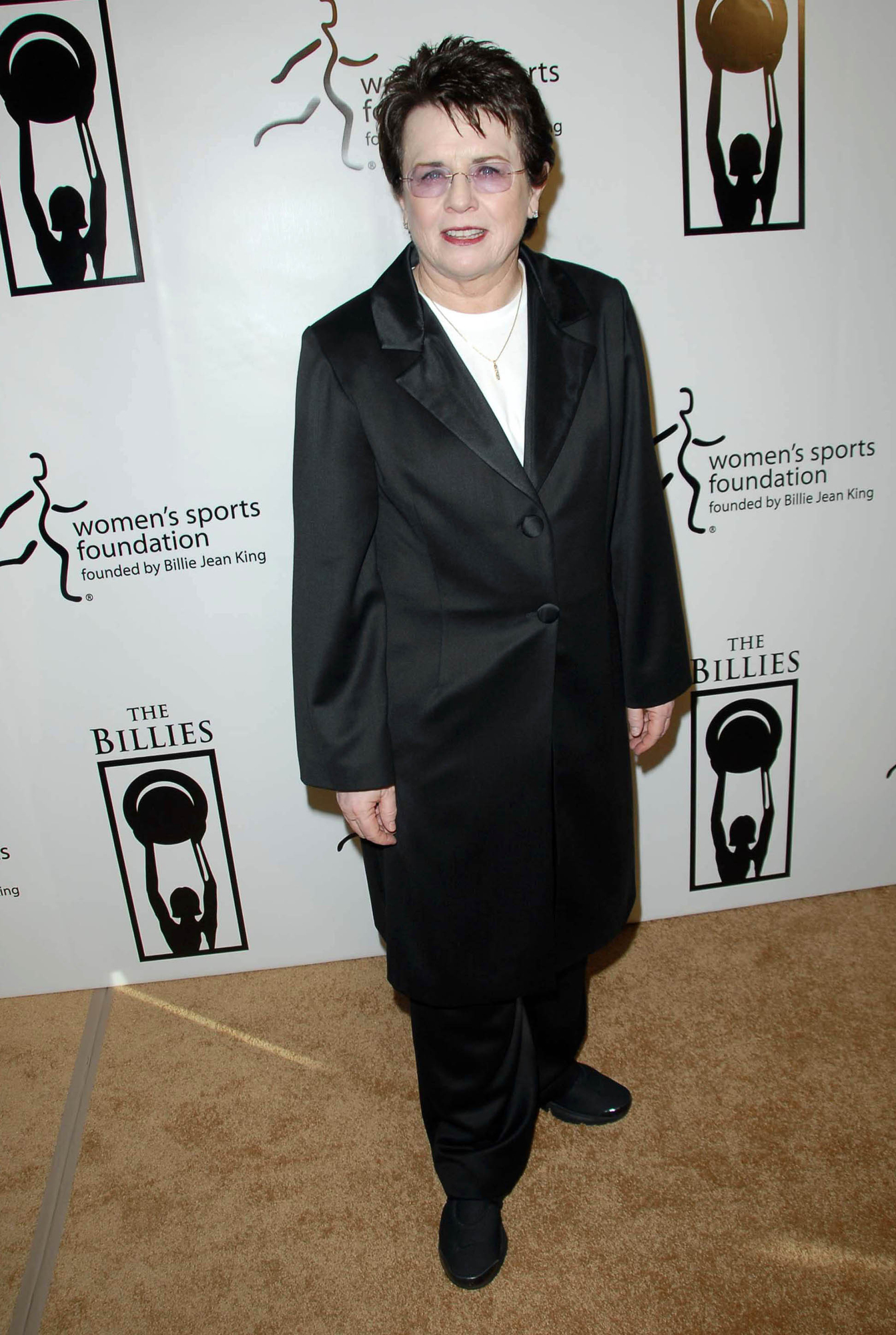
Billie Jean King won 20 Wimbledon titles across singles, doubles, and mixed doubles — a total that includes six singles crowns, ten women’s doubles titles, and four mixed doubles titles. As an aggregate record, across all three categories, it’s 20.
Nobody else is within reach of that number, and the era in which King competed — longer careers, fewer competing tournaments on the calendar — gave her a structural opportunity that today’s professionals don’t have.
The Record for Youngest Wimbledon Champion, Women’s Side
Lottie Dod won the Wimbledon women’s singles title in 1887 at fifteen years and 285 days old. The current age eligibility rules, which restrict full professional competition for players under 16, make it categorically impossible for this record to fall under the modern framework.
It’s not a question of talent — it’s a question of structure. The record is safe not because no one could match it, but because the system won’t allow the attempt.
Jimmy Connors’s Run to the 1991 Quarterfinals
At age 39, Jimmy Connors reached the quarterfinals of the US Open in 1991, but his comparable longevity at Wimbledon — competing deep into draws well past the point most players retire — represents a kind of record-by-persistence that the current physical demands of the professional game make increasingly rare.
Connors made the Wimbledon final as late as 1982 when he was thirty years old, and continued competing at a high level into his mid-thirties on grass. Veteran deep runs still happen, but the margin between the top players and the aging ones has narrowed in some ways and widened in others.
The Record for Consecutive Finals Appearances, Men’s Side
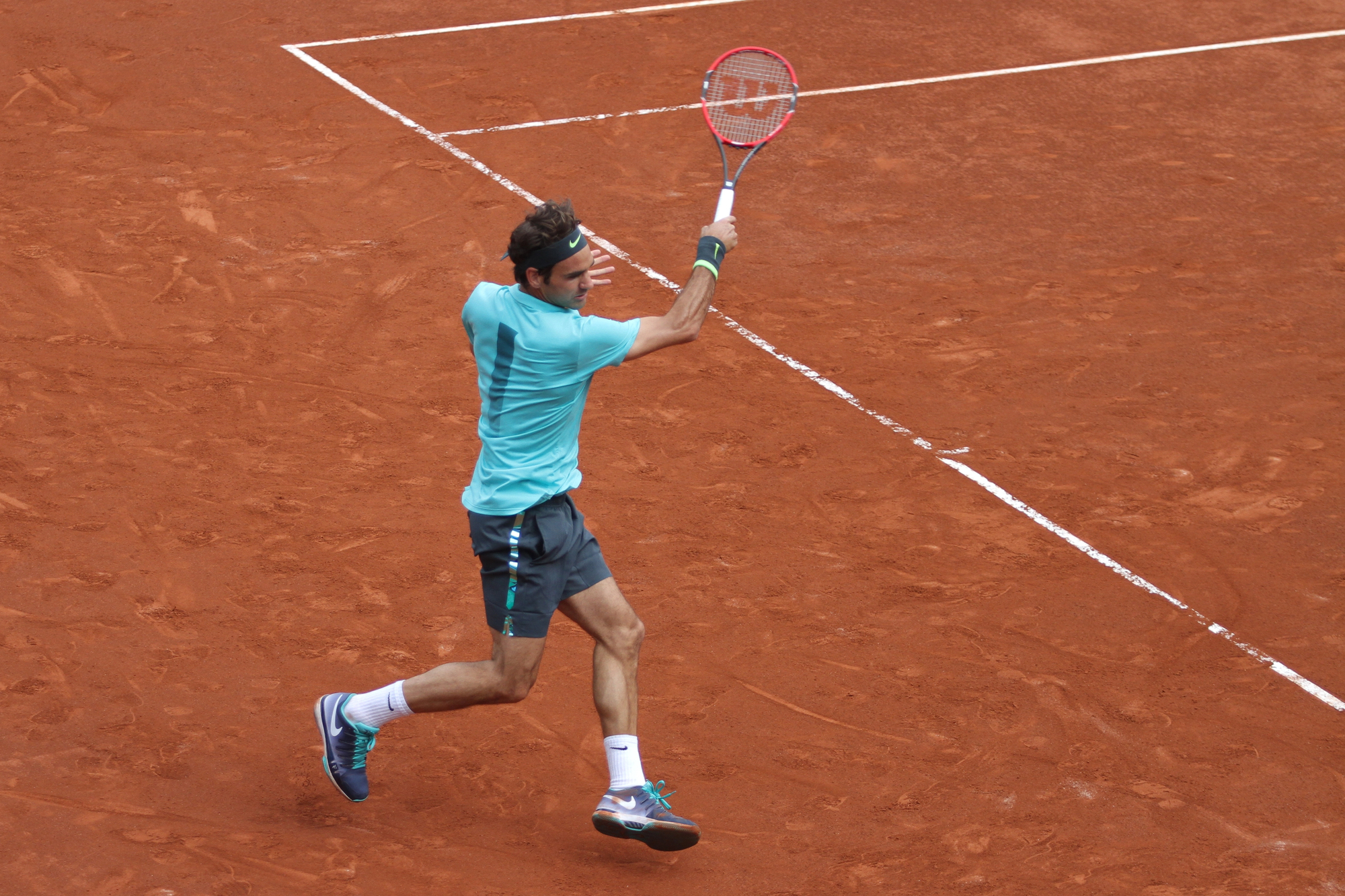
Federer appeared in ten Wimbledon finals — winning eight and losing two. But the streak of seven consecutive finals appearances, from 2003 to 2009, is its own particular achievement: seven years, same tournament, same surface, same final Sunday.
That kind of sustained presence at the last stage of a Grand Slam requires not just talent but the ability to navigate a draw for seven consecutive years without losing a match that matters before the final. It hasn’t been replicated.
The Quieter Records That Live in the Margins
Not every Wimbledon record arrives wearing a crown. The longest tie-break in a non-final context, the most aces in a single match, the widest victory margin in sets — these accumulate quietly in the tournament’s statistical archive, many of them belonging to players whose names have faded from casual memory.
Records like these tend to survive not because they’re impossible to beat, but because nobody is specifically trying to beat them. They just sit there, indifferent to the passing years, waiting for the exact right match to come along and never finding it.
Where Records Go to Wait
The thing about Wimbledon records is that the tournament itself seems almost designed to preserve them. The grass slows down each year as its preparation evolves; the draw gets deeper; the players arrive better-conditioned and more strategically prepared than any previous generation.
And still, somehow, the old numbers hold. Some of them will fall — the right player in the right decade will find the right draw and the right form and simply overwrite whatever stood before. But several of the records covered here aren’t just numbers. They’re portraits of specific human excellence in specific historical moments, and those don’t really get overwritten. They just get company — and even that’s not guaranteed.
More from Go2Tutors!

- The Romanov Crown Jewels and Their Tragic Fate
- 13 Historical Mysteries That Science Still Can’t Solve
- Famous Hoaxes That Fooled the World for Years
- 15 Child Stars with Tragic Adult Lives
- 16 Famous Jewelry Pieces in History
Like Go2Tutors’s content? Follow us on MSN.



