16 Wholesome Childhood Habits We Should Never Outgrow
There’s something bittersweet about watching children navigate the world with their particular brand of unguarded enthusiasm and relentless curiosity. They approach each day as if it’s hiding something wonderful just around the corner, which — more often than not — it actually is.
But somewhere between learning to drive and paying taxes, most people abandon these instincts in favor of what feels more adult, more sophisticated, more appropriate for someone who’s supposed to have everything figured out. The thing is, those childhood habits weren’t just charming quirks to outgrow. They were survival mechanisms for staying human in a world that often rewards the opposite.
Asking “Why” About Everything

Questions don’t stop being valid just because you hit thirty. The same impulse that made you pester adults about why the sky looks blue should be driving you to understand your mortgage, your relationships, and why certain news stories make you feel uneasy.
Most adults get embarrassed about not knowing things. Children get excited about finding out.
Reading For Pure Joy

Before book reports and college syllabi turned reading into work, you picked up books because you wanted to know what happened next. That curiosity doesn’t have an expiration date.
Yet somehow, many adults convince themselves that reading should be productive — educational, career-relevant, personally enriching. Sometimes (and this might sound radical) a book can just be fun.
Collecting Random Treasures
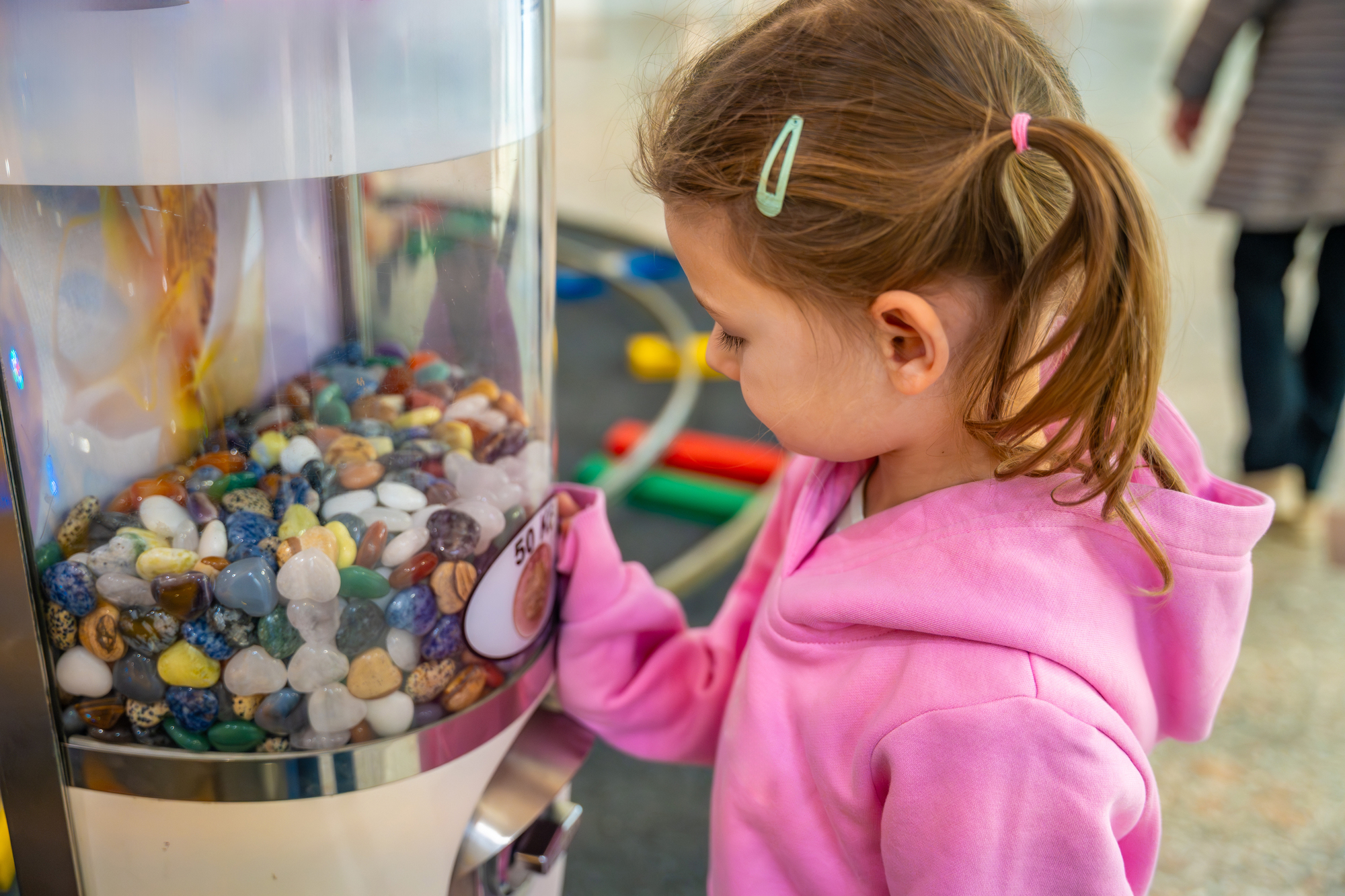
So there was this kid who kept smooth rocks in a shoebox, arranged them by color and size, and would spend entire afternoons just looking at them — not because they were valuable or rare (though to that kid, they absolutely were), but because something about their weight in small hands felt important.
And maybe that impulse to gather things that speak to you, to arrange them in ways that make sense only to you, to find beauty in objects other people walk past without noticing — maybe that’s not childish at all. Maybe it’s just being alive to the world in a way that costs nothing but pays attention. Even so, most adults abandon this entirely, as if the capacity to be charmed by a perfect acorn or an unusually shaped piece of driftwood were something embarrassing rather than something to protect.
Making Friends Easily

Adults have convinced themselves that friendship requires extensive background checks and carefully managed expectations. Children walk up to strangers at playgrounds and ask if they want to be friends.
The success rate is surprisingly high. This isn’t naive — it’s efficient.
Napping When Tired

The adult world treats midday exhaustion as a character flaw rather than useful information from your body. Children sleep when they’re tired, which turns out to be exactly what tired people should do.
Revolutionary concept.
Being Excited About Small Things

There’s nothing dignified about pretending that finding a perfect parking spot or discovering your favorite snack is on sale doesn’t brighten your entire afternoon. Adults seem to think excitement should be reserved for major life events — promotions, vacations, marriages.
Children understand that joy comes in whatever size it comes in, and the smart money is on noticing it when it shows up.
Believing In Magic

Not literal magic (though who’s to say), but the stubborn conviction that the world contains more wonder than meets the eye — that coincidences might mean something, that strangers might become important, that ordinary Tuesday afternoons might turn extraordinary without warning.
This isn’t about believing in fairy tales; it’s about staying open to possibilities that can’t be calculated in advance. Adults who lose this don’t become more rational. They just become harder to surprise.
Playing Dress-Up

Fashion magazines spend hundreds of pages trying to recapture what children already know: clothes are costumes, and costumes are invitations to become someone else for a while. The difference is that children don’t need permission or a special occasion.
They understand that sometimes you want to be a pirate, sometimes you want to be elegant, and sometimes you want to wear your cape to the grocery store because Tuesday feels like a cape day.
Taking Creative Shortcuts

The shortest distance between two points is a straight line, but children rarely travel in straight lines. They hop on one foot, walk backwards, balance on curbs, and generally treat every journey as an opportunity for small adventures.
Adults call this inefficient. Children call it interesting.
Getting Absorbed In Projects

When children discover something that captures their attention — building a fort, drawing a comic book, organizing their trading cards — they disappear into it completely. Time stops existing.
Food becomes irrelevant. This is flow state, and researchers spend careers studying how to achieve it. Children just do it naturally whenever something feels worth doing.
Asking For Help Without Shame

Pride is expensive. Children ask for help reaching tall shelves, understanding confusing instructions, or figuring out how things work.
They don’t interpret needing assistance as personal failure — just practical problem-solving. Adults would rather struggle alone than admit they don’t know something, which is how simple problems become complicated ones.
Singing Randomly

Music doesn’t need an audience or a reason. Children sing in grocery stores, in bathroom stalls, while walking down hallways.
They sing songs they know, songs they’re making up, and songs that exist only for the duration of that particular moment. This isn’t performance — it’s just what happens when you feel something and want to make a sound about it.
Defending Their Favorites Fiercely

Children will argue passionately about which cartoon character is best, why purple is obviously superior to green, and how anyone who doesn’t like pizza needs to seriously reconsider their life choices.
They stake their hearts on things other people might find trivial (though someone who’s willing to go to the mat for their favorite movie or band probably understands loyalty better than someone who shrugs about everything). And the fierce certainty that their preferences matter, that the things they love deserve to be loved openly and defended proudly — well, that’s not childish. That’s having a personality.
Being Curious About People

Adults make small talk. Children ask real questions.
They want to know where you live, what your job actually involves, whether you have pets, and why you chose that particular shirt. This isn’t nosiness — it’s genuine interest in the humans around them. Adults have learned to treat curiosity about others as intrusive, which is how conversations become boring.
Celebrating Tiny Victories

Losing a tooth, reaching a high shelf, successfully tying shoes — children treat minor accomplishments like major victories because, from their perspective, they are. Adults save celebration for promotions and birthdays.
Children understand that progress comes in small increments and deserves recognition as it happens.
Seeing Ordinary Things As Adventures

The park becomes an enchanted forest. The grocery store becomes a treasure hunt. The car ride becomes an expedition.
Children don’t need special circumstances to find life interesting — they just pay attention to what’s actually happening around them and let their imagination fill in the details. Adults wait for vacation to feel like they’re living an interesting life. Children create interest wherever they happen to be.
Never Losing That Sense Of Wonder
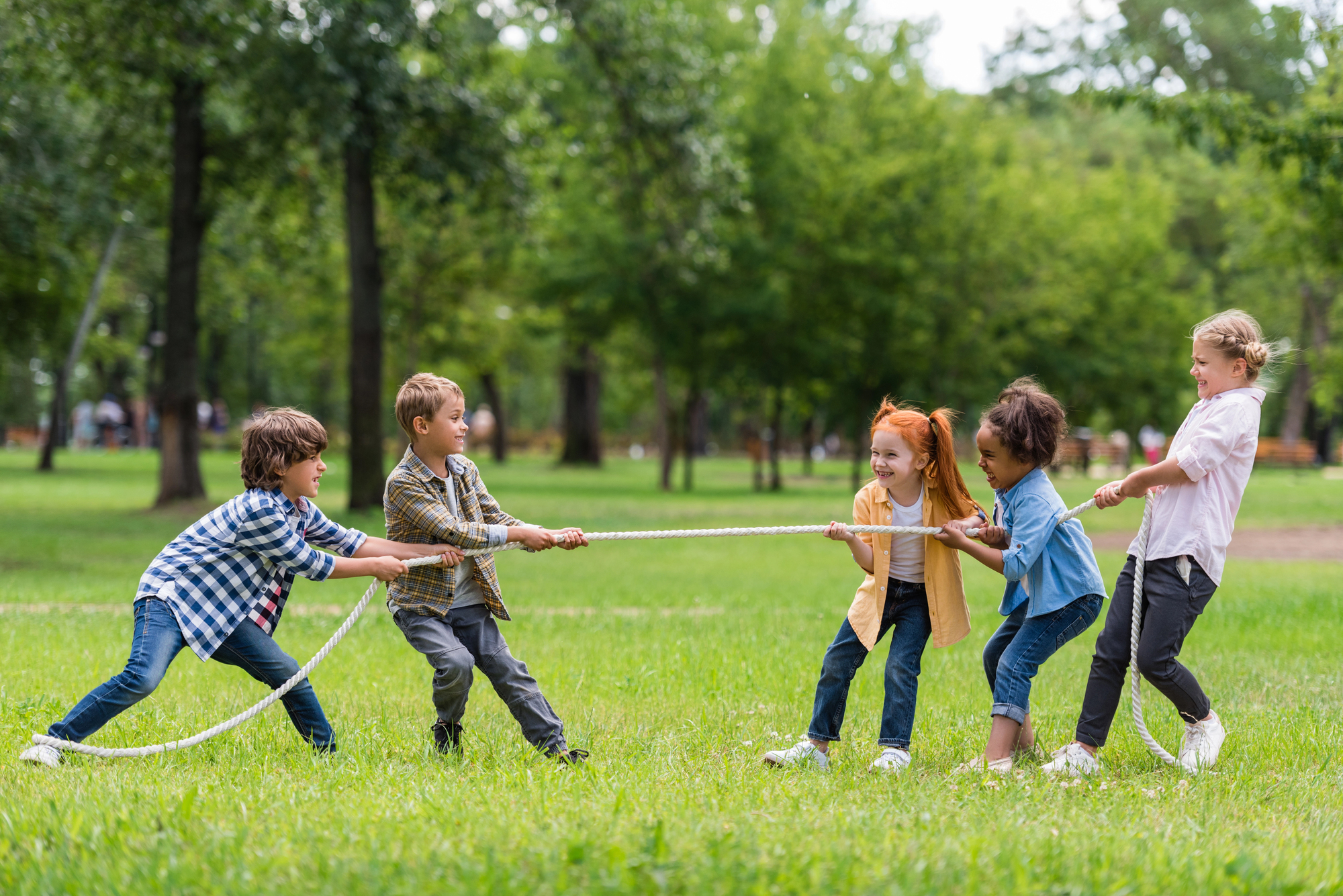
Wonder isn’t something you outgrow — it’s something you choose to keep or let slip away. Children look at the world like it’s full of secrets waiting to be discovered, mysteries worth solving, and beauty worth noticing.
They haven’t learned yet that growing up means taking things for granted or that sophistication requires being unimpressed. Maybe the real mark of maturity isn’t learning to be jaded. Maybe it’s learning to protect your capacity for amazement despite all the reasons the world gives you to stop paying attention.
More from Go2Tutors!

- The Romanov Crown Jewels and Their Tragic Fate
- 13 Historical Mysteries That Science Still Can’t Solve
- Famous Hoaxes That Fooled the World for Years
- 15 Child Stars with Tragic Adult Lives
- 16 Famous Jewelry Pieces in History
Like Go2Tutors’s content? Follow us on MSN.