World Records Hidden in Natural Wonders
Nature doesn’t compete for titles or chase recognition. Yet somehow, across millions of years, geological forces and evolutionary pressures have created places that break every scale humans try to measure them by.
The tallest. The deepest. The oldest. These records exist whether anyone notices them or not.
Angel Falls Drops Further Than Any Other
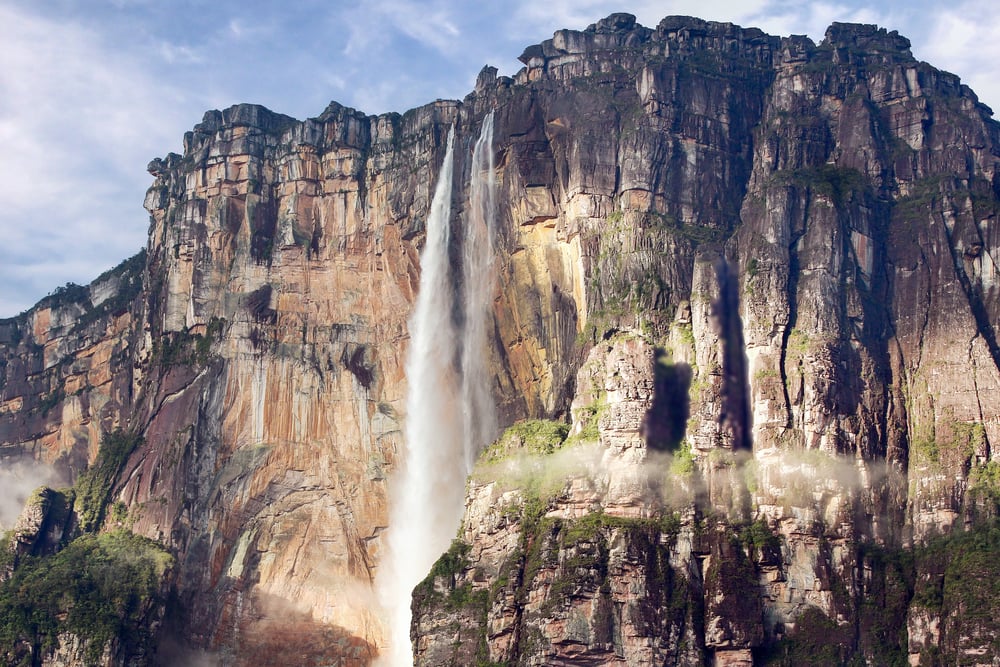
Water plunges 3,212 feet from the top of Auyán-tepuí in Venezuela. That’s Angel Falls, and nothing else comes close.
The drop is so long that much of the water turns to mist before reaching the bottom. You can feel the spray from hundreds of feet away on a windy day.
The falls were named after Jimmie Angel, a pilot who flew over the area in 1933. Local indigenous people knew about it long before any outsider arrived.
Antarctica Holds All the Cold Records
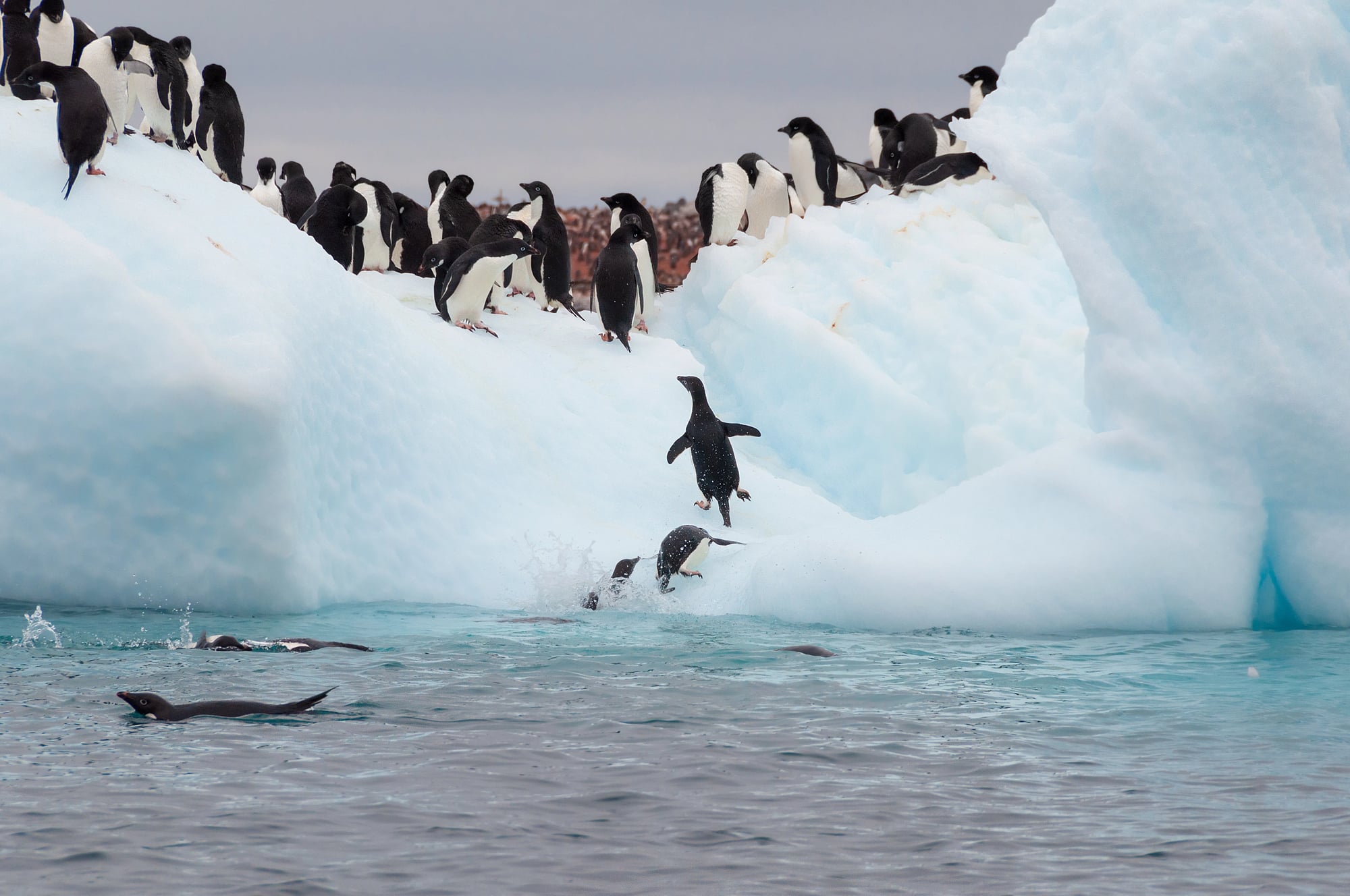
The coldest temperature ever recorded on Earth hit minus 128.6 degrees Fahrenheit at Vostok Station in 1983. Antarctica also claims the record for the coldest place overall, with the East Antarctic Plateau reaching minus 136 degrees in some spots.
The continent stores about 90 percent of the planet’s ice, which makes it the largest desert too. Most people think of sand when they hear “desert,” but the technical definition just means precipitation stays extremely low.
The Mariana Trench Goes Down Seven Miles
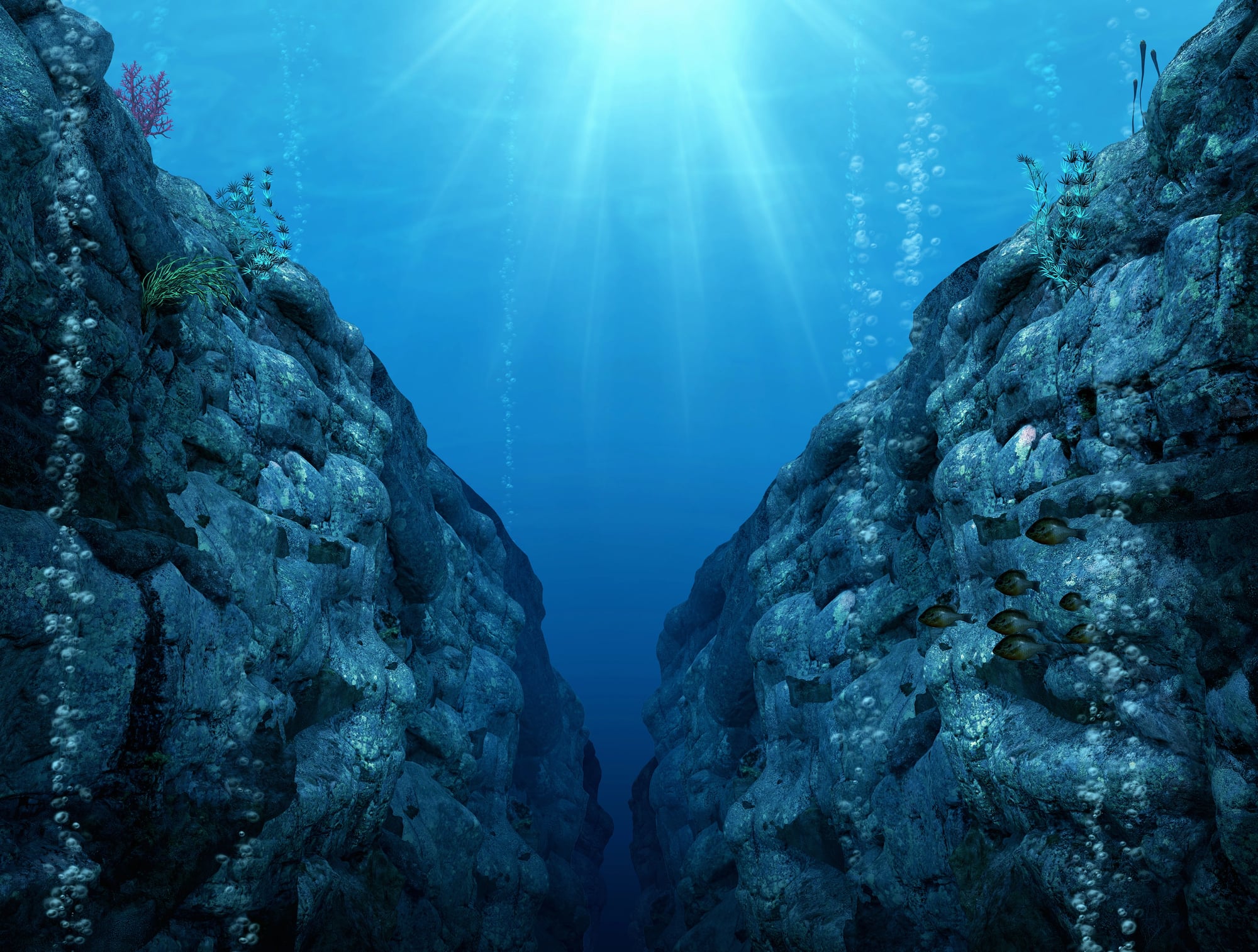
If you dropped Mount Everest into the Challenger Deep, the deepest part of the Mariana Trench, more than a mile of water would still cover the peak. The pressure down there exceeds 1,000 atmospheres.
Only three people have ever made the journey to the bottom. James Cameron went in 2012, and two others descended in 1960.
The trench sits in the western Pacific Ocean. It lies east of the Philippines.
Hyperion Reaches 380 Feet High
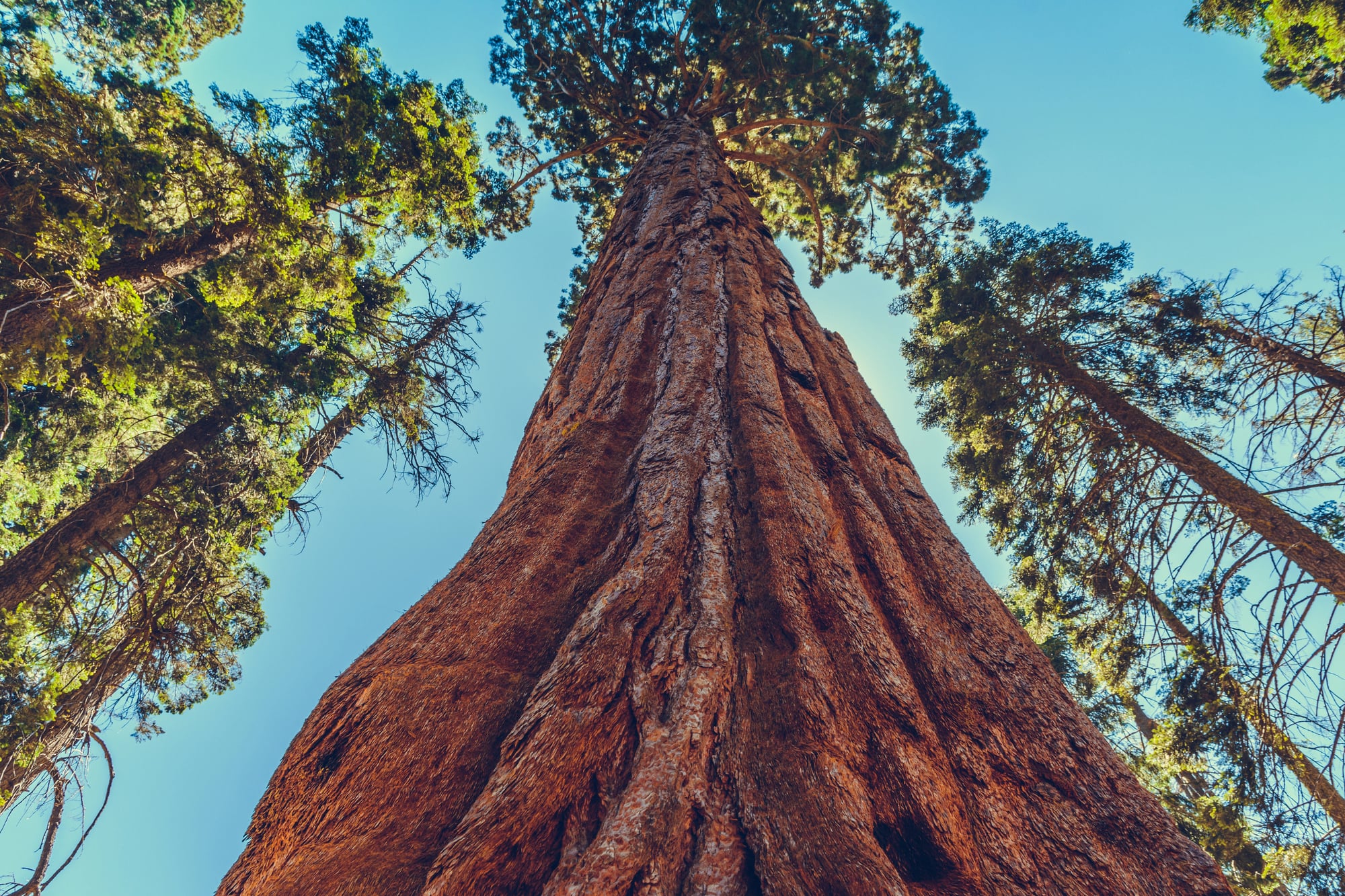
The tallest tree on Earth lives somewhere in Northern California’s Redwood National Park. Its exact location stays secret to protect it from foot traffic that could damage the root system.
The coastal redwood, named Hyperion, measures 380.3 feet tall. It’s been growing for 600 to 800 years.
Sequoia trees grow wider. Redwoods claim the height record.
Mammoth Cave Stretches for 420 Miles
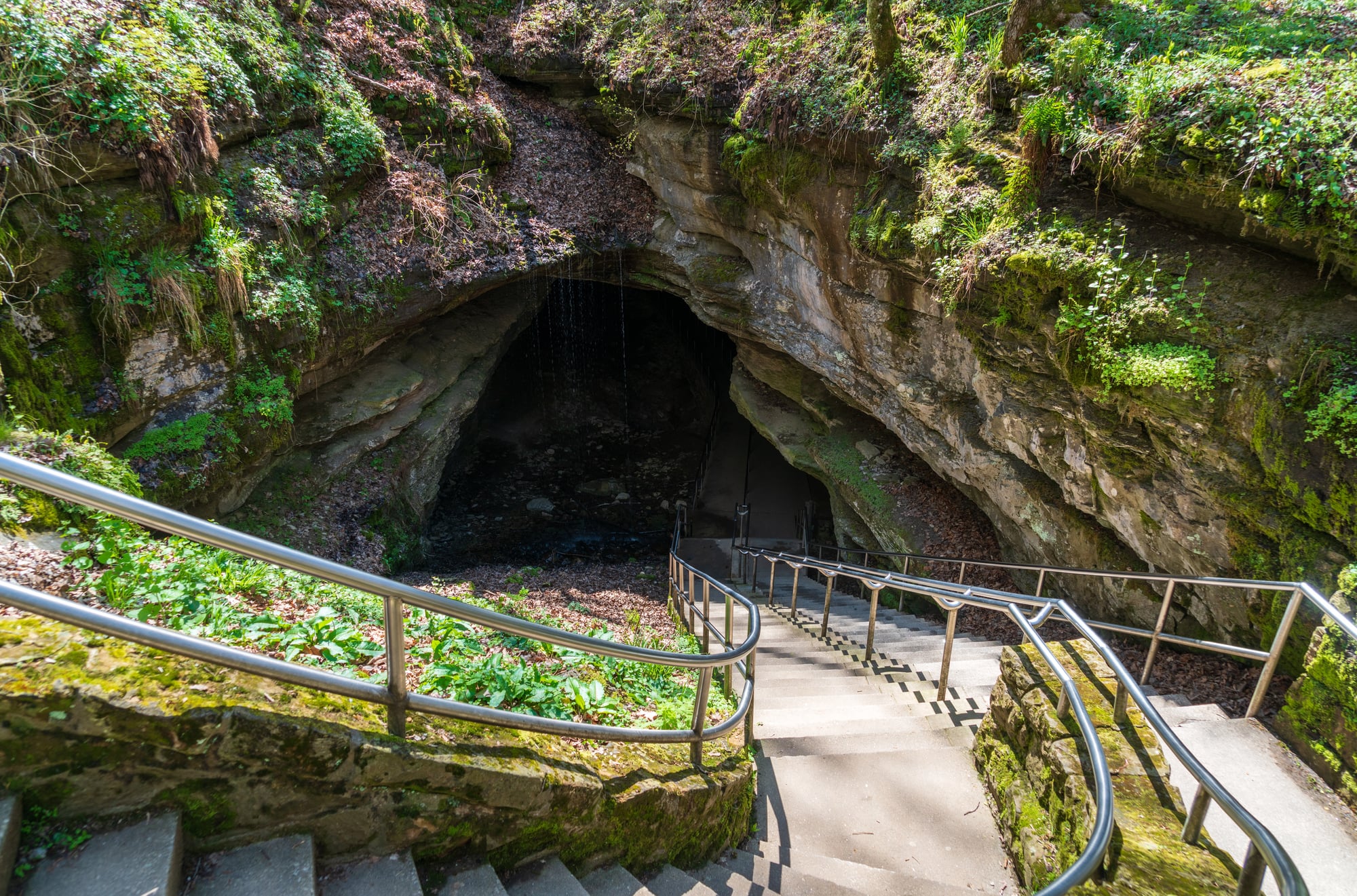
Kentucky’s Mammoth Cave system holds the record for the longest cave network mapped anywhere. Over 420 miles of passageways have been surveyed, and explorers find more every year.
The limestone labyrinth formed over millions of years as water carved through rock. Park rangers lead tours through a small fraction of the system.
The rest remains wild territory. It is reserved for experienced cavers.
The Sahara Spans 3.6 Million Square Miles
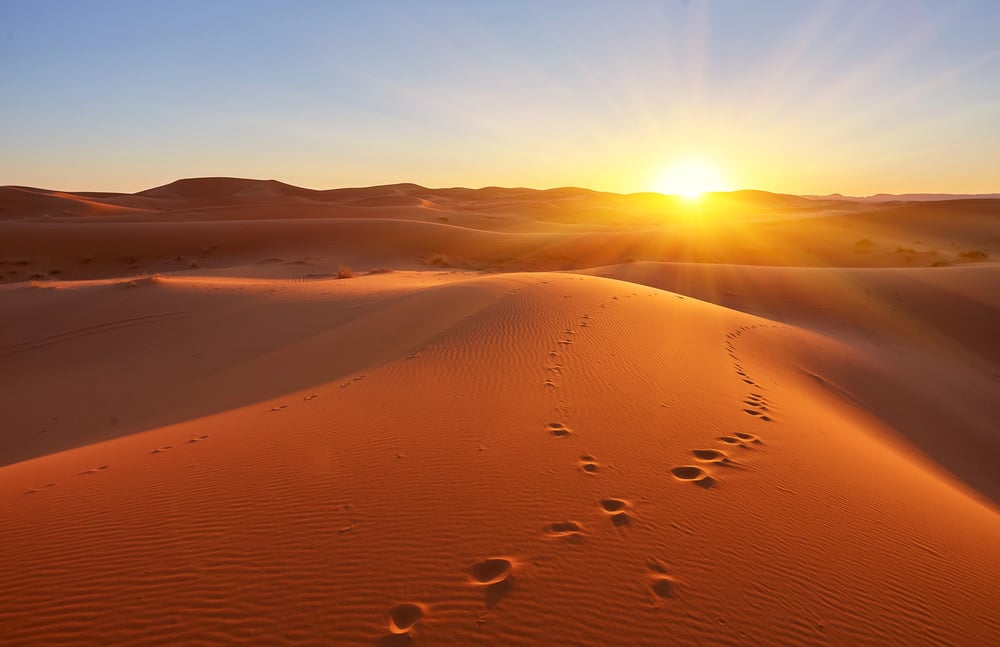
You probably know the Sahara as the world’s largest hot desert. It covers most of North Africa and keeps expanding.
The desert grew by about 10 percent over the past century as climate patterns shifted. Temperatures regularly top 120 degrees Fahrenheit.
Sand dunes get all the attention. Rocky plateaus and gravel plains make up most of the landscape.
Lake Baikal Contains a Fifth of Earth’s Freshwater
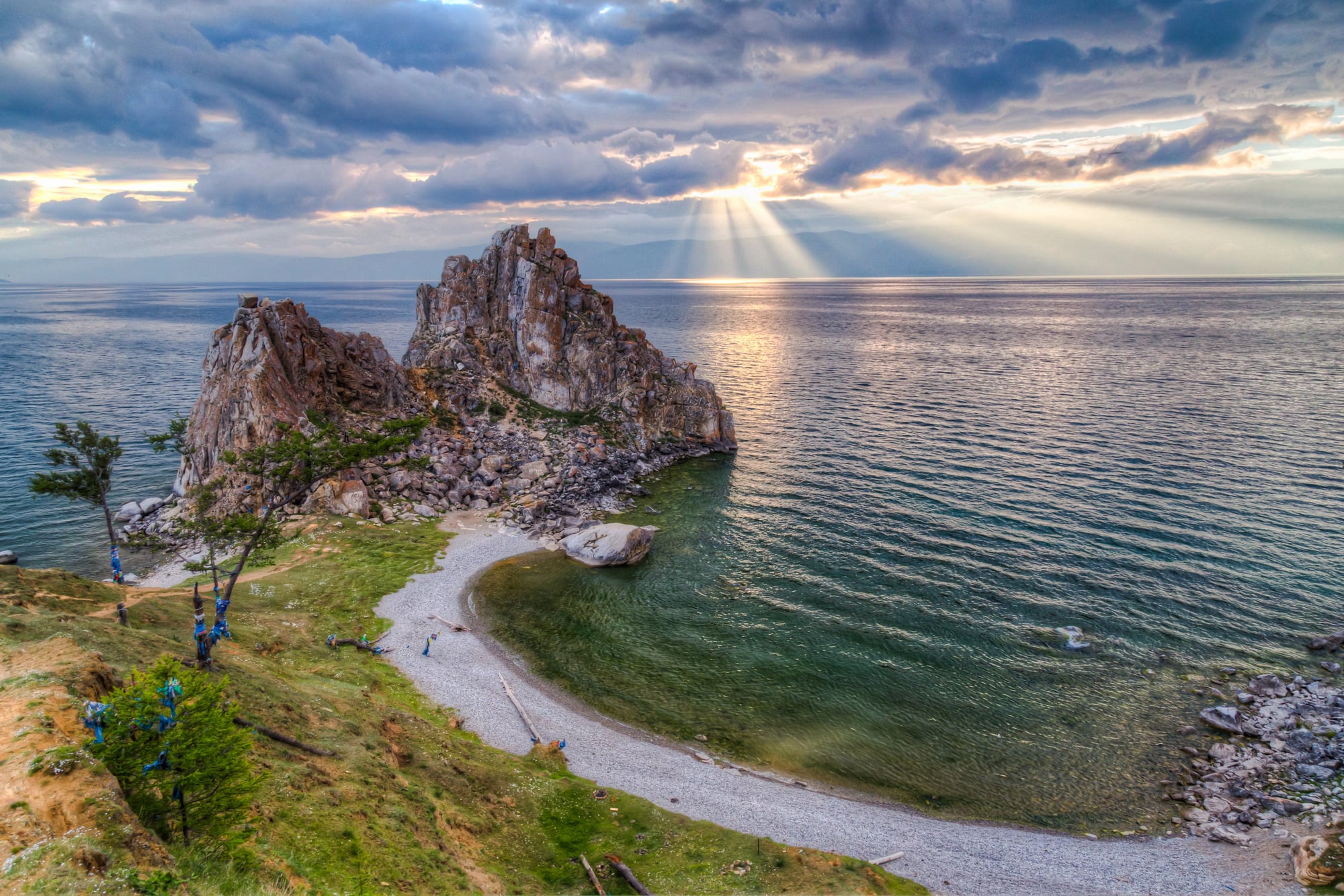
Siberia’s Lake Baikal holds about 20 percent of all unfrozen freshwater on the planet. It also ranks as the deepest lake at 5,387 feet.
The water is so clear you can see down more than 130 feet in some areas. The lake formed in an ancient rift valley and continues to widen by about an inch per year.
Hundreds of species live nowhere else on Earth. They exist only in this lake.
Pando Covers 106 Acres
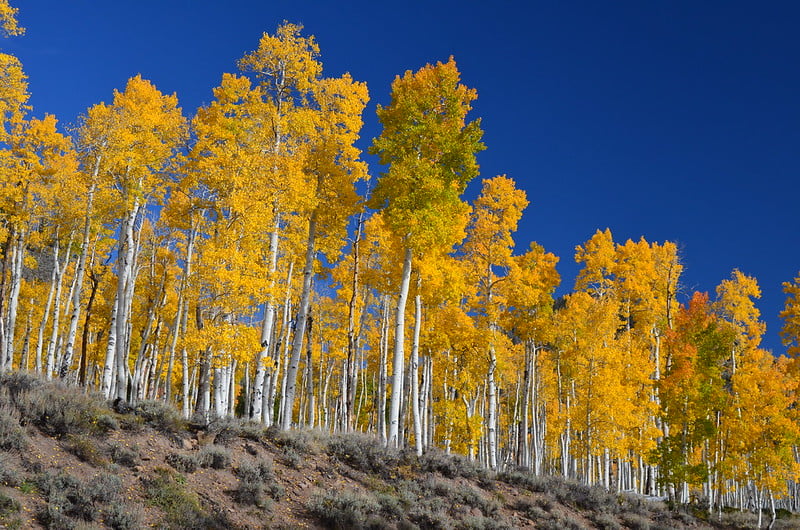
A grove of quaking aspens in Utah shares a single root system, making it one organism. Called Pando, which means “I spread” in Latin, this colony weighs about 6,000 tons and covers 106 acres.
Scientists estimate it started growing at least 80,000 years ago. It may be much older.
Each trunk lives only 130 years or so. The root system regenerates new growth continuously.
The Great Barrier Reef Spans 1,400 Miles
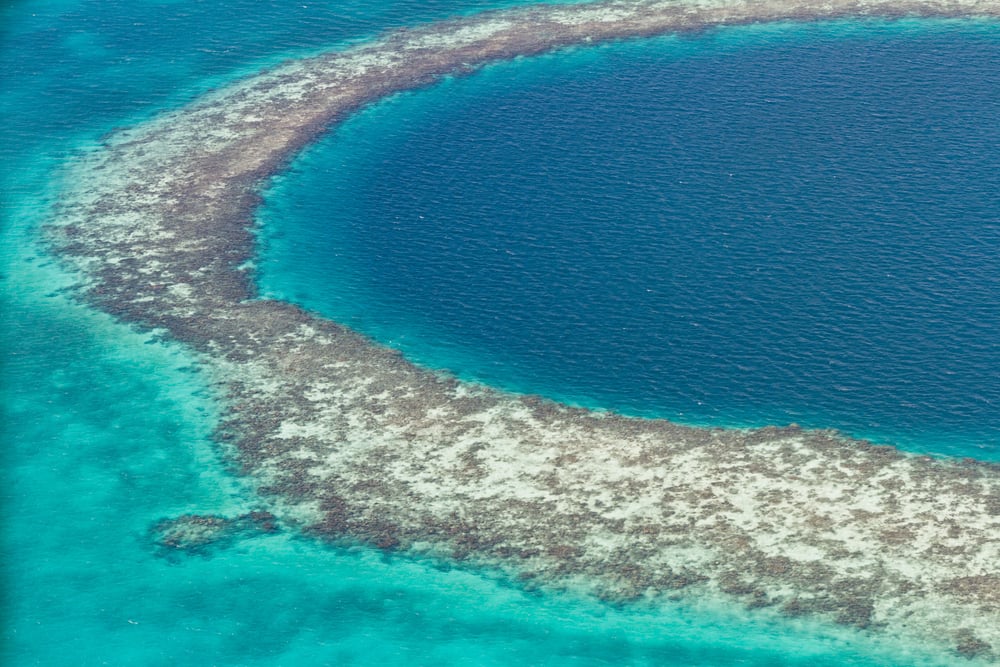
Australia’s Great Barrier Reef is the largest living structure visible from space. It stretches for 1,400 miles along the Queensland coast and covers an area bigger than Italy.
Billions of coral polyps built this ecosystem over thousands of years. The reef supports incredible biodiversity but faces threats from warming waters and ocean acidification.
Death Valley Recorded 134 Degrees Fahrenheit
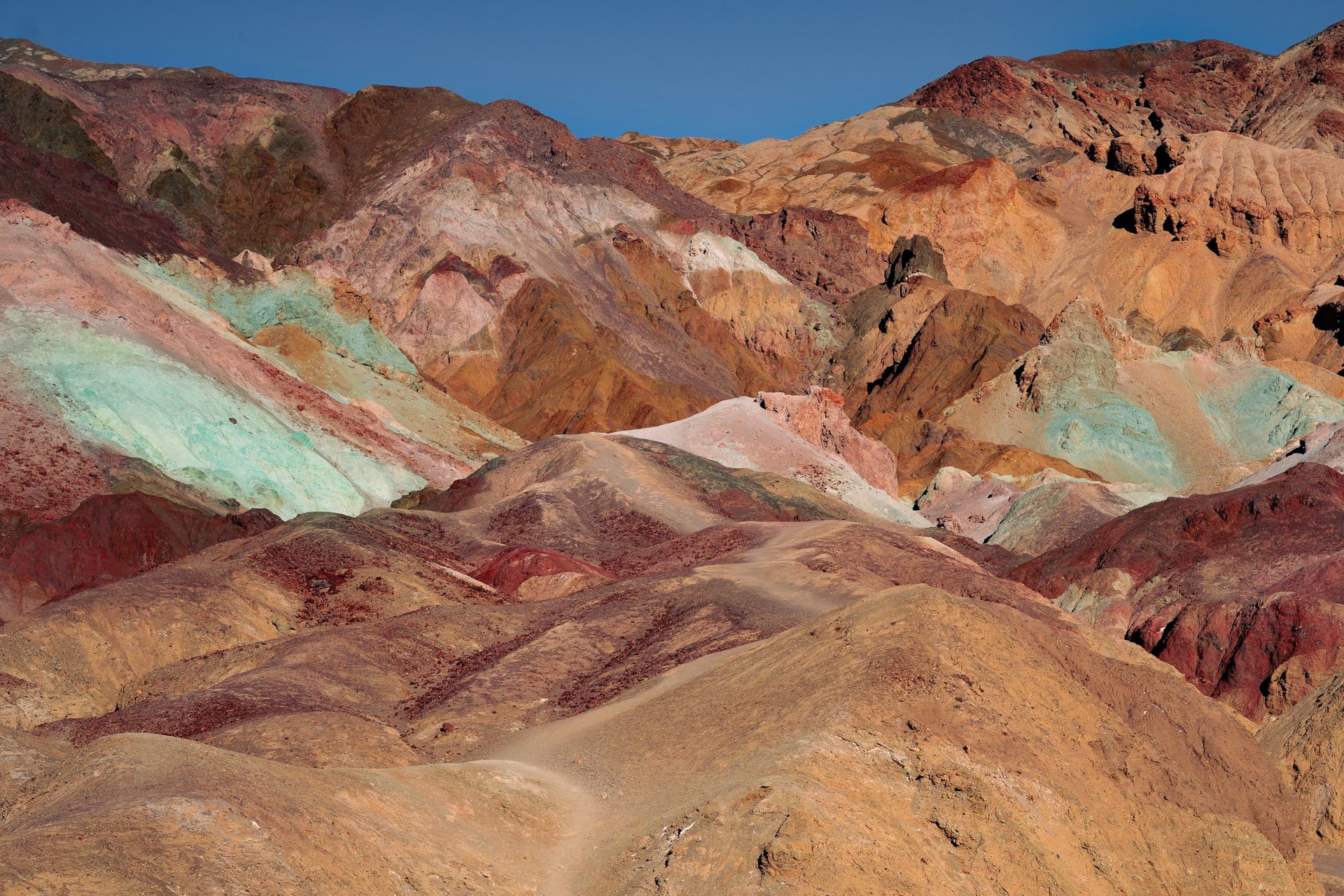
California’s Death Valley holds the record for the highest reliably recorded air temperature on Earth. On July 10, 1913, the thermometer hit 134 degrees Fahrenheit.
The valley sits 282 feet below sea level, which traps hot air. Summer visitors need to understand the risks.
People have died from heat exposure. Their cars broke down.
Mauna Kea Stands Taller Than Everest
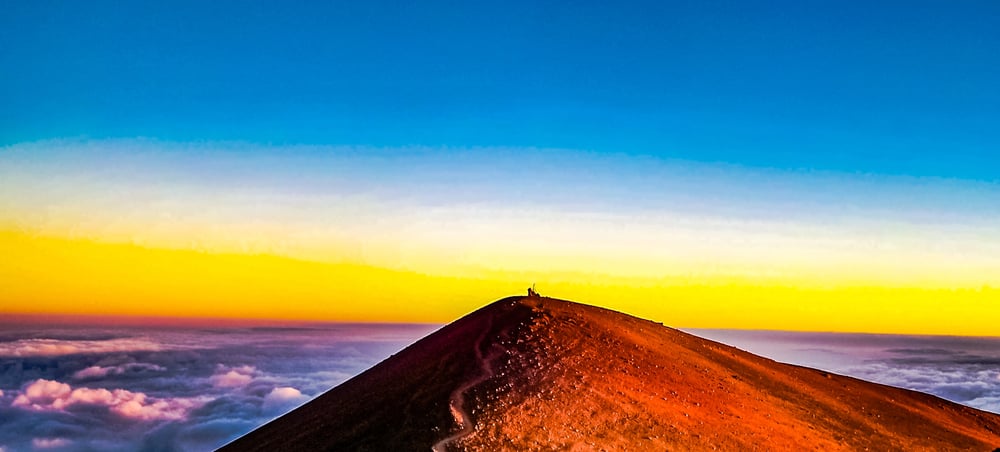
If you measure from base to peak, Hawaii’s Mauna Kea exceeds Mount Everest’s height. About 19,700 feet of the volcano rises from the ocean floor, with another 13,800 feet above sea level.
That total height of 33,500 feet makes it the tallest mountain on the planet. Everest only claims the highest elevation above sea level at 29,032 feet.
Victoria Falls Produces the Largest Sheet of Falling Water
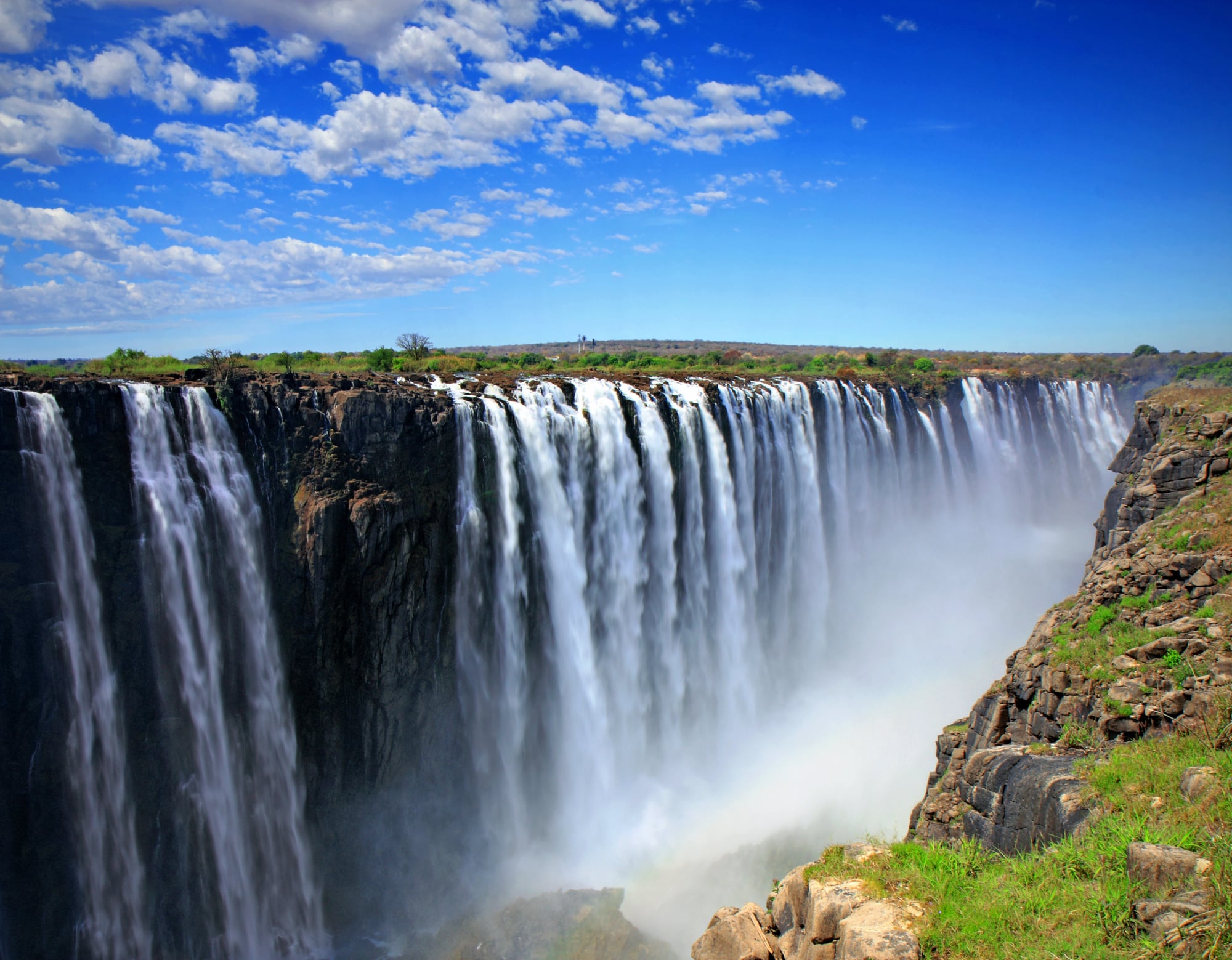
The Zambezi River creates a curtain of water 5,604 feet wide and 354 feet high where it tumbles over Victoria Falls between Zambia and Zimbabwe. This makes it the largest sheet of falling water in the world.
During peak flow, over 33,000 cubic feet of water pour over the edge every second. The local name, Mosi-oa-Tunya, means “the smoke that thunders.”
The spray rises hundreds of feet. It creates rainbows you can see for miles.
The Amazon River Discharges More Water Than Any Other
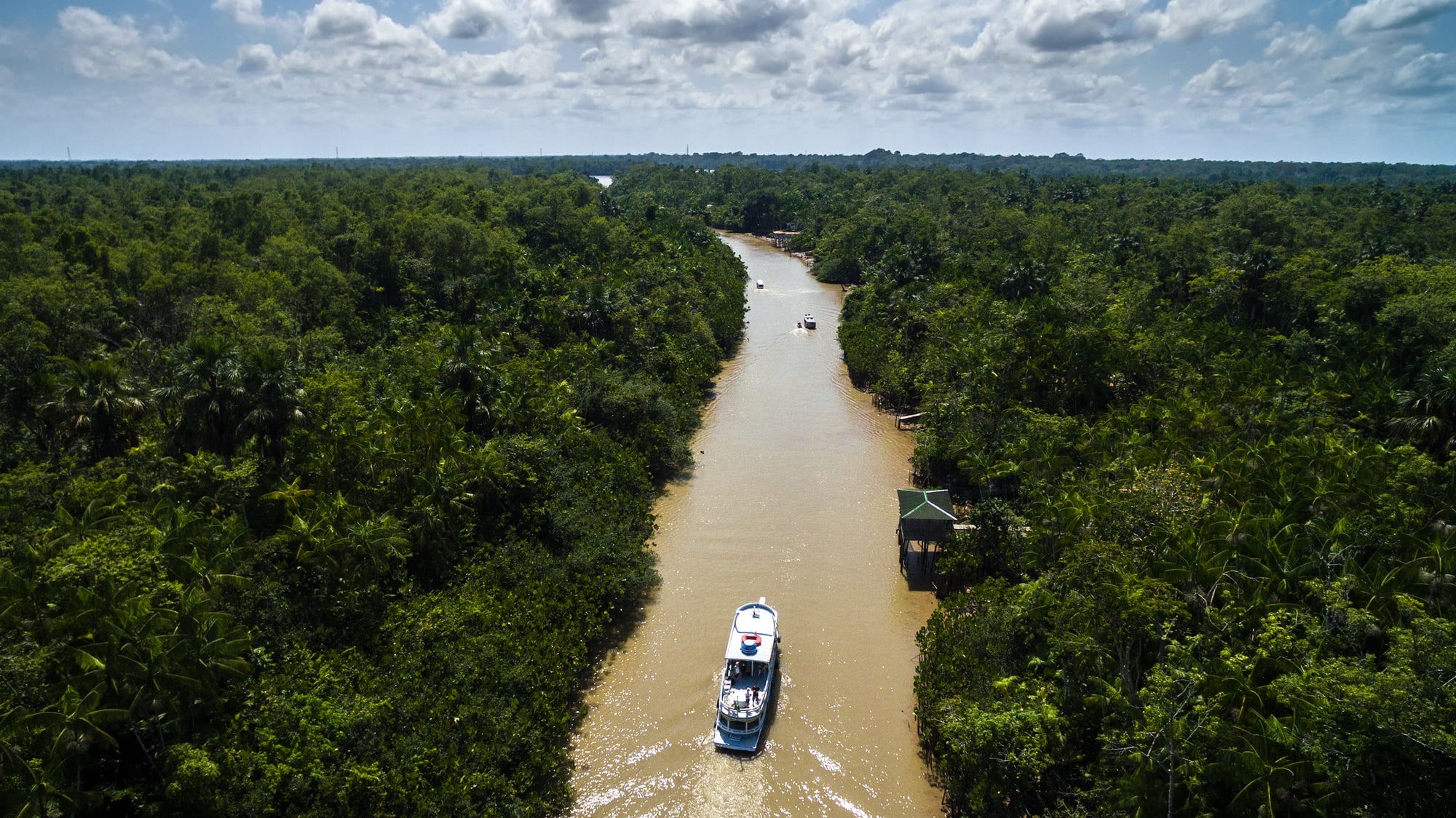
The Amazon dumps about 209,000 cubic meters of water into the Atlantic Ocean every second. That’s more than the next seven largest rivers combined.
The river also claims the title of longest in some measurements. The Nile holds the record by other counts.
The Amazon basin covers 2.7 million square miles. It holds the world’s largest rainforest.
Where Records Become Stories
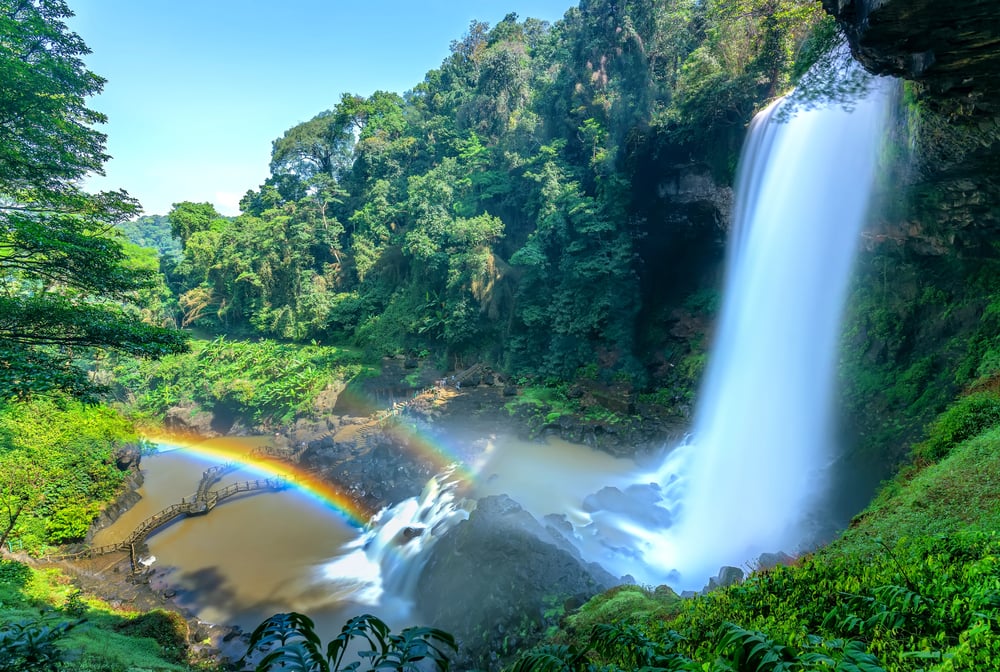
These measurements matter less than the places themselves. A number tells you how tall or deep or old something is, but standing at the edge of Victoria Falls or looking up at a 380-foot redwood changes how you understand scale.
The records exist as facts. The experience of being there resists description.
Maybe that’s the real record worth noting.
More from Go2Tutors!

- The Romanov Crown Jewels and Their Tragic Fate
- 13 Historical Mysteries That Science Still Can’t Solve
- Famous Hoaxes That Fooled the World for Years
- 15 Child Stars with Tragic Adult Lives
- 16 Famous Jewelry Pieces in History
Like Go2Tutors’s content? Follow us on MSN.