17 Animals That Sleep in Strange Positions
Sleep is one of life’s most universal needs, yet the animal kingdom has evolved some truly bizarre ways to catch those much-needed z’s. While humans toss and turn on our comfortable mattresses, countless creatures have adapted sleeping habits that would leave us scratching our heads in bewilderment.
From hanging upside down like living chandeliers to keeping one eye perpetually open, these remarkable adaptations serve crucial survival purposes. Here’s a list of 17 animals whose sleeping positions are anything but ordinary.
Bats

Bats have turned the world upside down when it comes to sleep, literally hanging from their feet while they rest. This position keeps them out of the way of predators while ensuring they’re in the perfect position to fly away if needed.
Their specialized tendons actually lock in place when they hang, so there’s no worry about falling off during their slumber. Most bat species can sleep for up to 20 hours a day hanging in this inverted position.
Dolphins

Dolphins only close one eye when they sleep; the left eye closes when the right half of the brain sleeps, though the reverse happens too. This remarkable adaptation, called unihemispheric sleep, allows them to continue swimming while breathing as half their brain rests.
It’s basically having a built-in security system that never fully shuts down. They can maintain this sleeping pattern for up to eight hours while still being able to respond to threats.
Like Go2Tutors’s content? Follow us on MSN.
Giraffes

Despite their towering height, giraffes become surprisingly compact sleepers when it’s time to rest. They fold their legs down then curl up into a sphere with their heads resting on their backsides.
Though this pretzel-like position might look uncomfortable, it serves their needs perfectly — especially since they can get by on just 30 minutes of sleep per day.
Elephants

Elephants in the wild sleep for only two hours each day, mostly while standing upright — though they’ll also sleep lying down for short periods. Their massive weight makes lying down quite a production, so standing sleep helps them stay alert for potential threats while still getting rest.
Individual elephants often show preferences for sleeping on their left or right sides when they do lie down.
Chinstrap Penguins

These Antarctic birds have mastered the art of power napping to an extreme degree that’s hard to imagine. Chinstrap penguins sleep for 11 hours daily — but in thousands of micro-sleeps lasting just four seconds each.
Think of taking over 10,000 tiny naps throughout the day instead of one long sleep.
Like Go2Tutors’s content? Follow us on MSN.
Seals

Like their dolphin cousins, seals have developed the ability to sleep with half their brain staying active. In eared seals, unihemispheric sleep provides the benefits of rest while maintaining breathing, thermoregulation, and vigilance — all at once.
This means they can rest while floating in water or lounging on rocks, always ready to respond to danger.
Polar Bears

These Arctic giants create cozy snow dens for their winter slumber, though their sleeping position is what makes them unique. Polar bears often sleep curled up in tight spaces — sometimes covering their noses with their paws to conserve heat.
During summer months, they’ll dig shallow pits in the ground to stay cool while maintaining their distinctive curled position.
Sea Otters

Sea otters have solved the problem of drifting away while sleeping by holding hands with their companions — plus they wrap themselves in kelp like a natural anchor. They float on their backs while they rest, which keeps them from floating out to sea.
This behavior allows them to stay together as a group, creating adorable ‘rafts’ of sleeping otters.
Like Go2Tutors’s content? Follow us on MSN.
Flamingos

These pink birds have perfected the art of one-legged sleeping — tucking one leg up into their body while balancing on the other. This position isn’t just for show, though; it helps them conserve body heat by reducing the surface area exposed to cold water.
They can maintain this balance even while completely asleep, thanks to a locking mechanism in their leg joints.
Parrotfish

The parrotfish, which lives in coral reefs, blows a protective mucus bubble around itself before sleeping — creating what’s essentially a slimy sleeping bag. This barrier protects them from parasites while keeping predators at bay as they rest among the coral.
It’s like having a built-in tent that they can create whenever bedtime arrives.
Koalas

These Australian marsupials sleep up to 20 hours a day while wedged into tree forks. Their strong grip allows them to sleep sitting upright without falling, and their thick fur provides cushioning against the rough bark.
They basically turn tree branches into their personal recliners, complete with built-in armrests
Like Go2Tutors’s content? Follow us on MSN..
Sloths
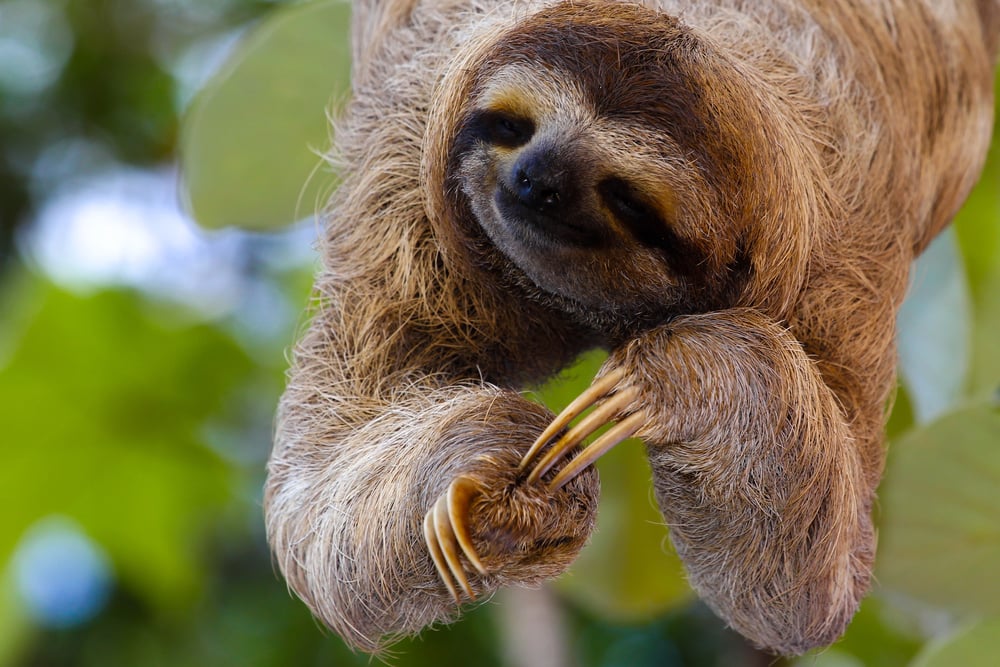
True to their name, sloths take sleeping to the extreme by hanging from tree branches while they rest. They use their powerful claws to grip branches securely, allowing them to sleep upside down without fear of falling.
This position also helps them blend in with the tree canopy, making them nearly invisible to predators below.
Walruses

These massive marine mammals can sleep both in water and on land, but their water sleeping position is particularly impressive. Walruses can inflate air sacs in their necks to act like built-in life jackets, allowing them to float vertically while sleeping.
They bob up and down like living buoys, automatically surfacing to breathe without fully waking up.
Meerkats
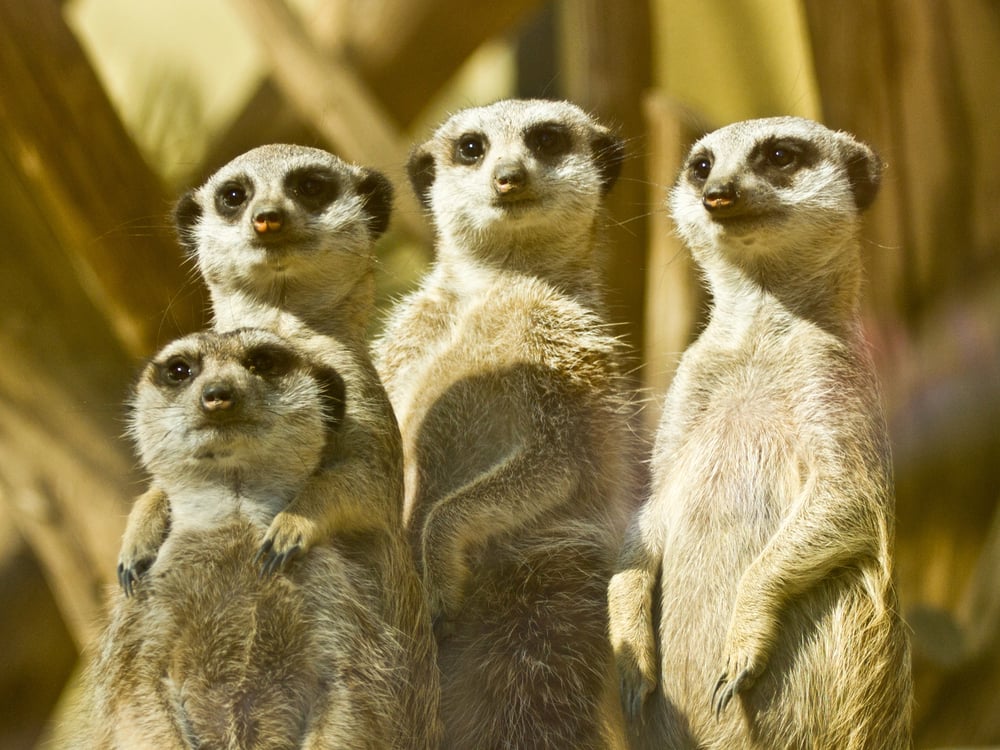
These small mammals sleep in underground burrows while standing upright in groups. They huddle together in their tunnels, creating a furry wall of sleeping bodies that helps maintain warmth and security.
This position allows them to quickly respond to alarm calls and rush to the surface if danger threatens their colony.
Like Go2Tutors’s content? Follow us on MSN.
Horses

Wild horses have mastered the art of sleeping while standing up, using a special locking mechanism in their legs called the ‘stay apparatus.’ This allows them to doze while remaining ready to flee from predators at a moment’s notice.
They do lie down for deeper sleep phases, but most of their rest happens on four legs.
Sperm Whales
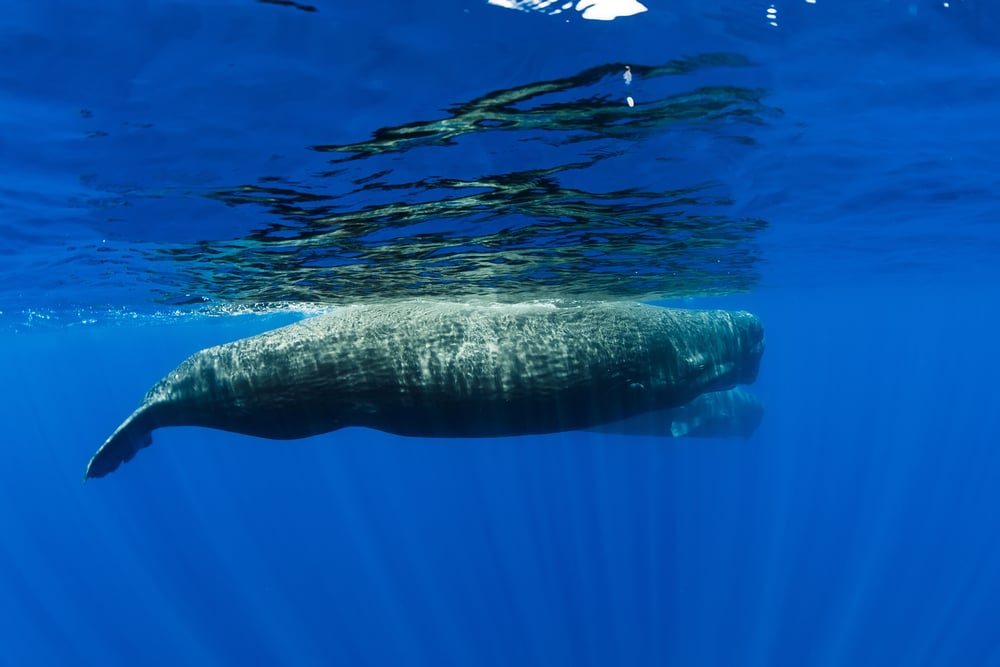
These deep-diving giants sleep in a vertical position near the ocean surface, looking like floating logs. Groups of sperm whales will often sleep together in vertical formations, gently bobbing up and down while they rest.
This position allows them to surface quickly for air while maintaining their social bonds during vulnerable sleeping periods.
Alpine Swifts

These incredible birds can sleep while flying, using a technique called ‘micro-sleep’ where parts of their brain rest while others remain active for navigation. They catch brief moments of sleep during their continuous flight, sometimes staying airborne for months without landing.
It’s the ultimate multitasking experience – traveling and sleeping at the same time.
Like Go2Tutors’s content? Follow us on MSN.
Nature’s Endless Creativity

The incredible variety of sleeping positions across the animal kingdom shows just how creative evolution can be when it comes to survival. These strange sleeping habits aren’t just quirky behaviors – they’re finely tuned solutions to the challenges each species faces in their environment.
Whether it’s staying alert for predators, conserving energy, or maintaining social bonds, every unusual sleeping position serves a purpose that’s kept these species thriving for millions of years.
More from Go2Tutors!

- 16 Historical Figures Who Were Nothing Like You Think
- 12 Things Sold in the 80s That Are Now Illegal
- 15 VHS Tapes That Could Be Worth Thousands
- 17 Historical “What Ifs” That Would Have Changed Everything
- 18 TV Shows That Vanished Without a Finale
Like Go2Tutors’s content? Follow us on MSN.



