Video Games Banned in Multiple Countries
Governments around the world regularly restrict or outright ban video games. The reasons vary wildly, from legitimate safety concerns to political sensitivities to cultural values that clash with game content.
Understanding these bans reveals as much about the countries issuing them as it does about the games themselves.
The Grand Theft Auto Controversy

The Grand Theft Auto series holds a dubious distinction as one of the most widely banned franchises globally. Thailand took the most dramatic action in 2008 after an 18-year-old allegedly killed a taxi driver in a manner similar to gameplay mechanics from the series.
The entire franchise became illegal to sell overnight. Australia, Germany, and South Korea have all restricted various entries in the series at different points, though some of those bans were later lifted or modified.
The games’ combination of extreme violence, criminal activity, and mature content makes them lightning rods for government scrutiny.
PUBG Mobile’s Global Troubles
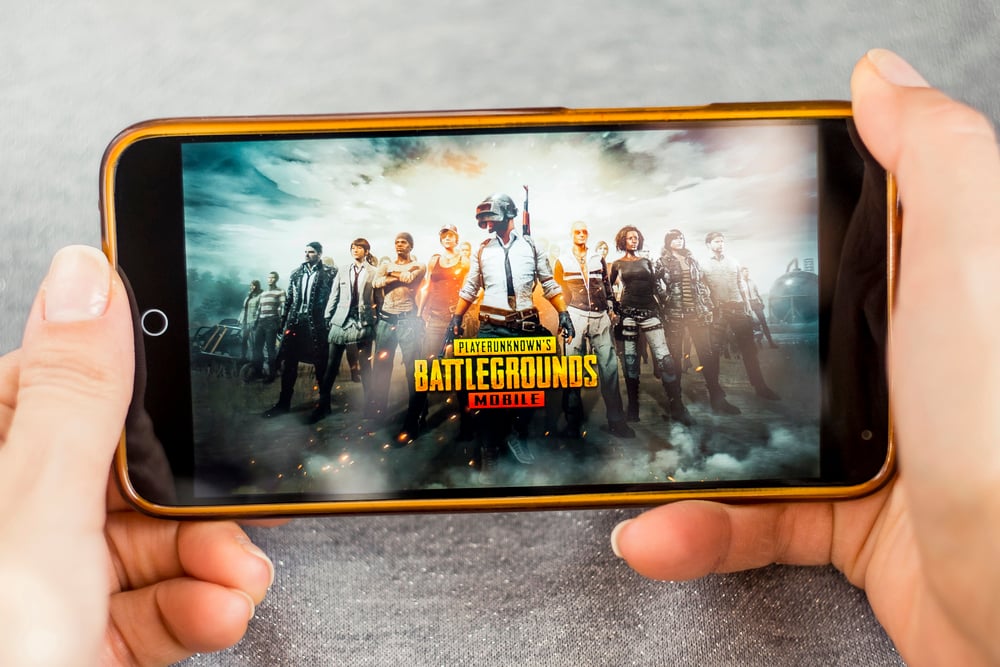
PlayerUnknown’s Battlegrounds faced widespread restrictions that surprised many in the gaming community. India banned the mobile version in 2020, initially citing concerns about youth violence, then expanding the ban to include data privacy issues related to its Chinese ownership.
Afghanistan maintains a ban under Taliban rule to protect younger generations from what officials call a bad influence. Pakistan also restricted the game, joining a growing list of countries uncomfortable with its battle royale format.
The game’s popularity made these bans particularly notable, affecting millions of players who suddenly lost access.
China’s Extensive Blacklist

China bans more games than any other country, with an estimated 60 titles currently restricted. The government blocks games that depict drugs, excessive blood, organized crime, or content it deems defamatory to the state.
Battlefield 4 earned a ban for portraying China in what officials called a harmful light. Football Manager 2005 was pulled from shelves for the seemingly innocuous reason of listing Tibet and Taiwan as independent countries.
The list also includes Fortnite, Animal Crossing: New Horizons, Command & Conquer Generals, and numerous other major releases. Publishers often create modified versions specifically for the Chinese market to avoid these restrictions.
Mortal Kombat’s Violent Legacy
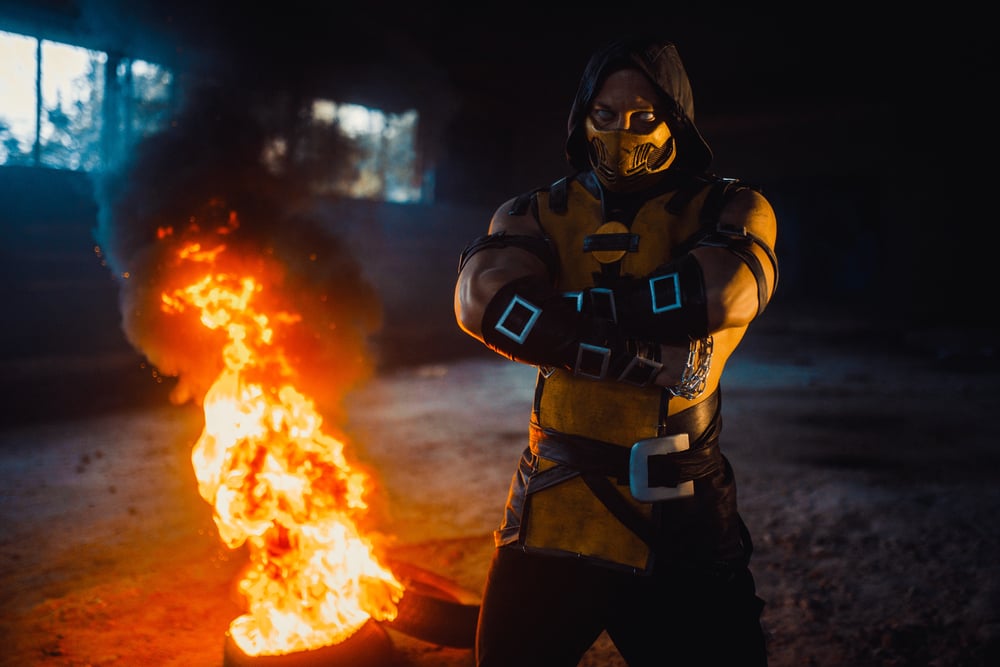
The Mortal Kombat franchise built its reputation on graphic violence, and that reputation has gotten it banned repeatedly. South Korea maintains a standing ban on the series despite loosening other gaming restrictions in 2006.
Indonesia blocked Mortal Kombat 11 for excessive gore and for depicting communist symbolism, which violates the country’s laws. Australia refused classification for several entries before eventually allowing modified versions.
The spine-ripping fatalities and decapitations that made the series famous also made it persona non grata in multiple jurisdictions.
Manhunt and the Extreme Violence Debate

Rockstar’s Manhunt games pushed violence to levels that even tolerant countries couldn’t accept. The original Manhunt and its sequel feature graphic execution-style kills that players must perform to progress.
The UK banned the first game for a decade, marking one of the rare times the British Board of Film Classification refused to classify a title. Australia, Germany, and New Zealand also blocked both games.
South Korea keeps them on its restricted list alongside other ultra-violent content. The controversy stemmed not just from the violence itself but from the interactive nature that required players to commit these acts.
Pokemon’s Surprising Saudi Ban
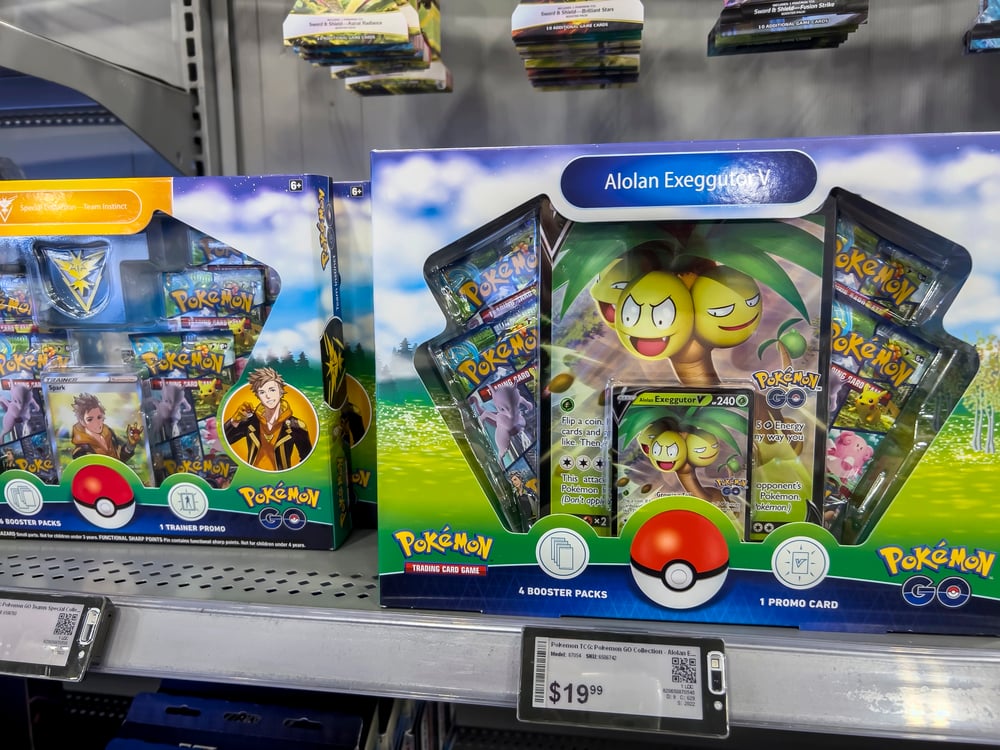
Pokemon seems like the last franchise that would face government prohibition, but Saudi Arabia banned the trading card game and related products in 2001. The religious authority claimed the games promoted Zionism and gambling, pointing to symbols like the Star of David that they interpreted as un-Islamic.
The competitive nature of card collecting, which involves exchanging money, was compared to gambling. Nintendo issued statements explaining that no religious symbolism was intended, but the ban remained in place.
The decision demonstrated how cultural and religious interpretations can target even the most family-friendly content.
Postal 2’s Nihilistic Violence

Few games have been banned as widely as Postal 2. The deliberately provocative title encourages players to commit extreme violence against civilians, earning prohibitions in 13 countries including New Zealand, where possession can result in a $50,000 fine.
Australia, Germany, and Malaysia all cited concerns that the game’s nihilistic approach could inspire real-world violence. The developers marketed the game with the tagline “Remember, it’s only as violent as you are,” which did nothing to ease official concerns.
The franchise continued anyway, with Postal 4 releasing in 2019 despite the widespread restrictions.
Animal Crossing’s Political Problem

Animal Crossing: New Horizons earned a ban in China that baffled players worldwide. The game lets you catch bugs, water plants, and develop a peaceful island town.
What got it blocked? Players created custom graphics with anti-government messages, including images comparing Chinese President Xi Jinping to Winnie the Pooh and phrases supporting Hong Kong independence.
The game’s social features and ability to meet virtually with other players made it a platform for political expression that authorities couldn’t tolerate. This ban showed how even the most innocent-seeming games can become threats when they enable communication.
The Guy Game’s Legal Disaster

The Guy Game became one of the few titles banned worldwide for legal rather than moral reasons. This trivia game featured footage of women on spring break progressively removing clothing as players earned points.
The developers faced a lawsuit after discovering that one woman featured in the game was only 17 when filmed, despite providing fake identification. A court injunction immediately halted all sales.
The case serves as a cautionary tale about including real people in game content without proper verification. Unlike other bans based on subjective moral standards, this one stemmed from clear legal violations.
Devotion’s Political Easter Egg

Red Candle Games released Devotion in 2019, a horror game that received critical acclaim. Then players discovered an Easter egg referencing the internet meme comparing Xi Jinping to Winnie the Pooh.
China banned the game immediately. The developers removed the reference and apologized, but the ban persisted.
The game remains unavailable in one of the world’s largest gaming markets over a brief visual joke. This incident highlighted how sensitive political figures can trigger disproportionate responses that affect entire products.
Wolfenstein’s Nazi Imagery Problem

The Wolfenstein series faced unique challenges in Germany due to strict laws prohibiting Nazi symbolism outside educational contexts. Games depicting swastikas, Hitler portraits, and Third Reich imagery violated criminal codes.
Developers created German editions that replaced swastikas with triangular symbols and removed Hitler’s mustache to secure approval. Germany has somewhat relaxed these restrictions in recent years, recognizing video games as art, but earlier entries in the series remain banned or only available in censored versions.
The situation illustrated how historical sensitivities shape content regulations differently across borders.
Call of Duty’s Regional Offenses
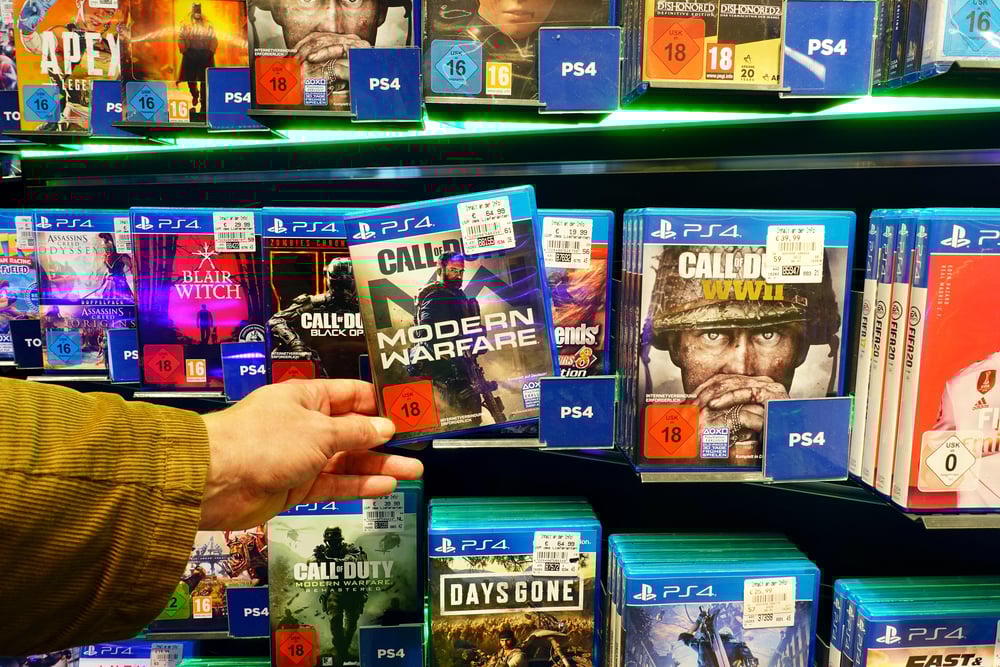
Pakistan banned Call of Duty: Black Ops 2 and Medal of Honor: Warfighter for portraying the country as a failed state and depicting it negatively. Cuba took issue with Black Ops featuring a mission where players attempt to kill Fidel Castro.
These bans stemmed from concerns about national image and political sensitivities rather than violence or mature content. The developers faced criticism for how they represented these countries in their fictional narratives.
These cases demonstrate that geopolitical considerations can matter as much as content concerns.
Carmageddon’s Vehicular Violence

Carmageddon earned bans and modifications in multiple countries for its central mechanic of running over pedestrians with cars. Germany banned it completely, while the UK removed it from shelves for ten months until developers could modify the violent content.
The game’s premise, killing people with motor vehicles for points, crossed lines that even countries tolerant of shooter games couldn’t accept. Argentina banned it in Buenos Aires specifically for these depictions.
The controversy followed the franchise through multiple sequels.
Belgium’s Loot Box Crackdown

Besides focusing on themes, Belgium went after gameplay systems instead. They labeled loot boxes as gambling, blocking all games using such features.
Titles like Gears of War 4 got hit hard – so did many sports games with card-based upgrades. This move showed rising unease over shady ways developers push real-money purchases for chance-based prizes.
Some nations kept an eye on Belgium’s trial while talks over loot boxes went on across the globe. That move shows a change – away from blocking content toward controlling how companies make money.
The Dead Island Zombie Dilemma

Dead Island got blocked in several places because of bloody zombie fights, even though similar games flew under the radar. Chopping up zombies in gory detail was a step too far for certain rating groups.
In Germany, officials said no at first but changed their minds later down the line. Elsewhere, leaders held firm – worried players might get desensitized to cruelty through hands-on combat scenes like these.
Over the years, some spots dropped the ban, proving what’s seen as extreme today could feel normal tomorrow.
Where Pixels Meet Policy

Video game bans reveal what a society cares about. One nation’s fun is another’s forbidden, thanks to clashing norms.
Millions of gamers feel the impact – creativity gets clipped, makers adjust their reach. Certain companies tweak games to fit strict zones; others just skip those areas altogether.
The scene keeps changing when fresh titles push limits while nations rethink outdated rules. Every prohibition marks a point where officials stood firm, saying this mix of images and programming was simply too risky to tolerate at home.
More from Go2Tutors!

- The Romanov Crown Jewels and Their Tragic Fate
- 13 Historical Mysteries That Science Still Can’t Solve
- Famous Hoaxes That Fooled the World for Years
- 15 Child Stars with Tragic Adult Lives
- 16 Famous Jewelry Pieces in History
Like Go2Tutors’s content? Follow us on MSN.