World’s Hottest Spots Where Humans Barely Survive
Temperatures can climb so high in certain corners of the planet that stepping outside feels like standing inside an oven. These places aren’t simply hot — they’re hostile, where survival depends on shade, water, and a fair amount of luck.
Here’s a list of the world’s most blistering locations where humans manage to live — but just barely.
Death Valley, California
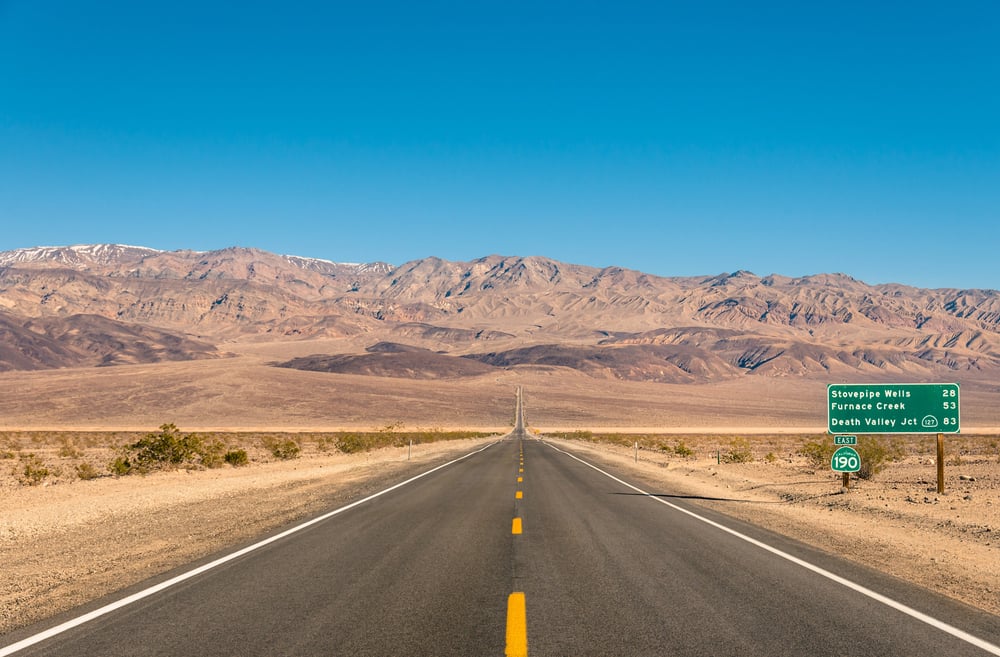
Death Valley holds the world record for the hottest air temperature ever measured: 56.7°C (134°F) back in 1913. Days here can feel like a furnace left on high — the rocky ground reflecting heat back at anyone who dares cross it.
And nights? Still oppressive. Imagine sweating under a canopy of stars with not the slightest relief in sight.
Lut Desert, Iran
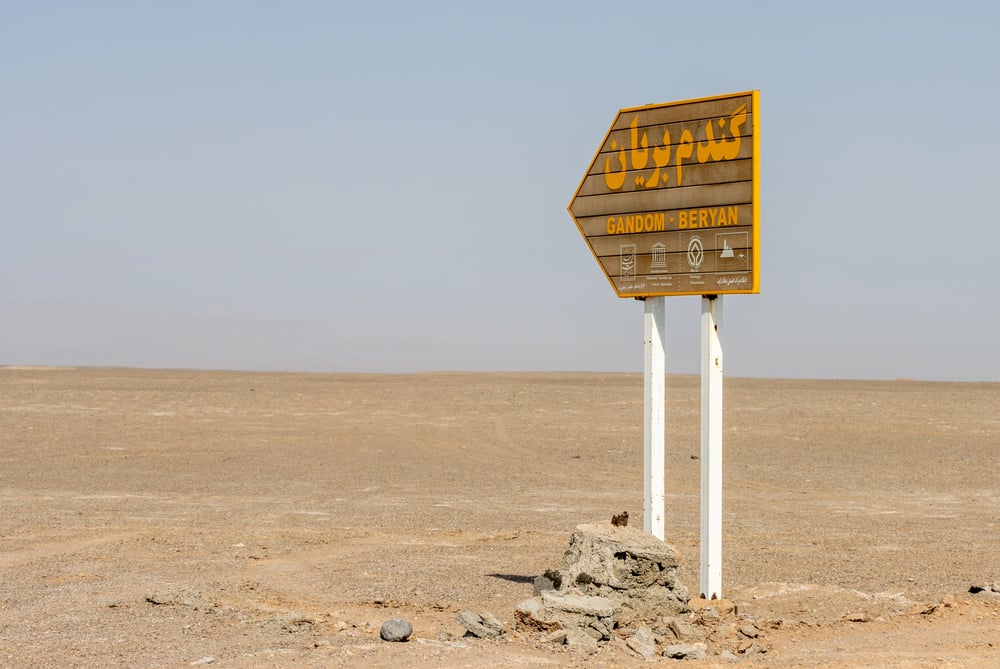
— Photo by Tminaz
Known locally as Dasht-e Lut, this salt desert once reached ground surface temperatures of 70.7°C (159.3°F). Its black volcanic terrain absorbs sunlight with relentless efficiency, creating conditions few living organisms can tolerate.
Even so, the scenery is striking. Sweeping dunes and scorched plateaus stretch for miles, while strong winds carve the land into eerie patterns. The whole place feels almost otherworldly.
Kebili, Tunisia
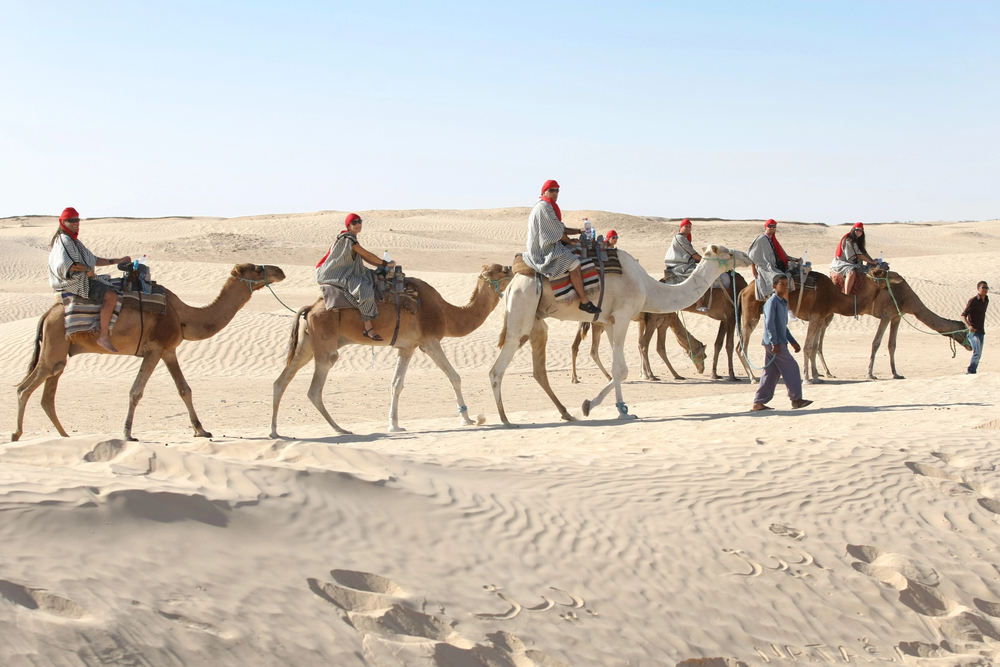
— Photo by GoranJakus
This North African town has seen air temperatures rise above 55°C (131°F). Residents rely on thick mud-brick houses to keep interiors cooler and continue the centuries-old practice of date farming.
Yet daily life is shaped entirely by the extremes. Water is scarce, shade is everything, and the blistering midday sun dictates when people can move about.
Dallol, Ethiopia
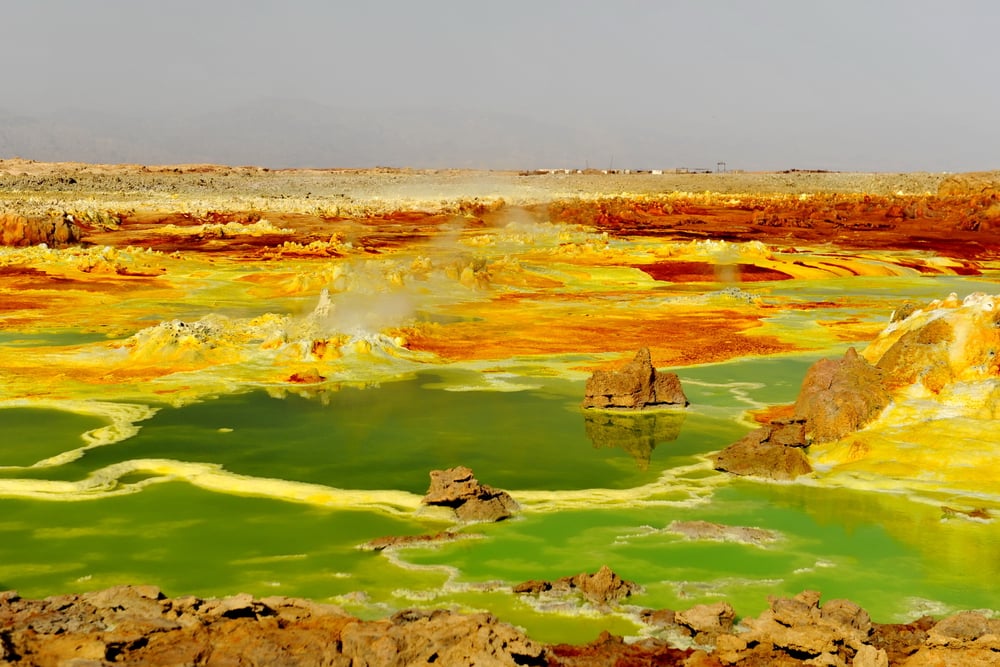
Dallol sits deep in the Danakil Depression, a place where volcanic forces shape an unforgiving landscape. Pools of acid bubble, salt geysers hiss, and the air carries a heavy mineral sting. Temperatures hover around 45°C (113°F) nearly year-round.
Heat without respite.
Air dense with chemicals.
Colours as if painted by fire.
It stands as one of Earth’s most alien environments.
Mitribah, Kuwait
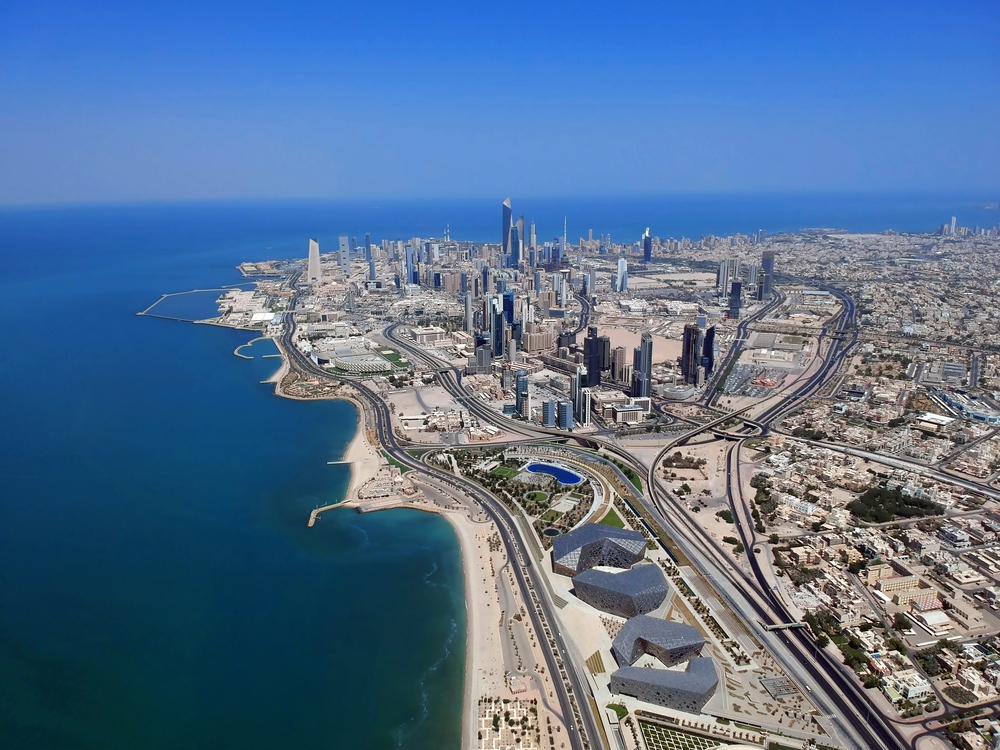
In 2016, this desert station reached 54.0°C (129.2°F) — among the highest modern readings ever verified. Unlike remote wastelands, Mitribah is a lived-in region. Roads shimmer, air conditioners roar, and somehow life continues.
Even so, outdoor labour is dangerous. Without regular breaks and constant hydration, the risk of collapse is real.
Flaming Mountains, China
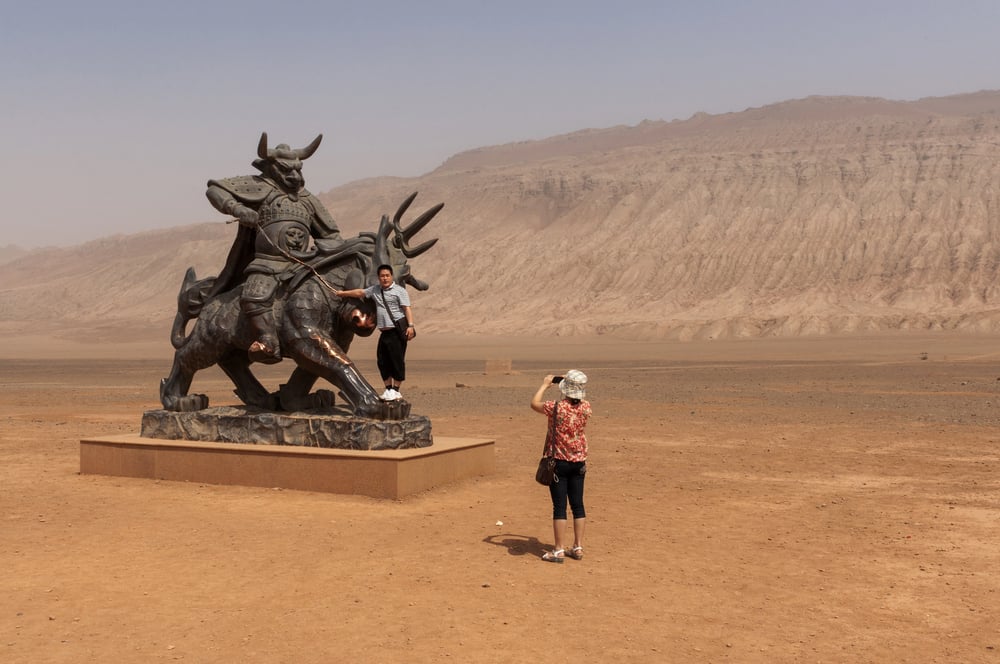
— Photo by tiagofernandez
The red sandstone ridges near Turpan in Xinjiang glow like embers beneath the sun. Surface heat has been measured above 70°C (158°F). The name “Flaming Mountains” isn’t an exaggeration — they truly blaze.
Travellers often describe it as stepping into a giant oven. Yet, curiously, hardy watermelon farms thrive nearby — a reminder that life adapts even where it seems impossible.
Timbuktu, Mali
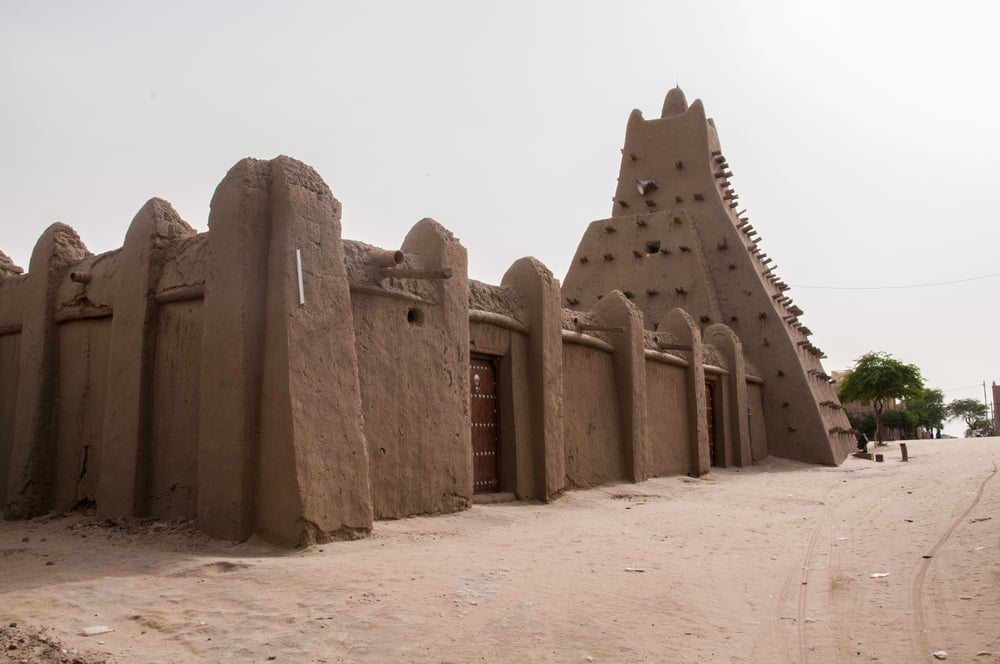
Timbuktu carries a legendary reputation for history and learning, though its climate deserves mention too. Summer highs push beyond 47°C (117°F), while sandstorms whip across the region, biting skin and clouding the sky.
Despite this, culture persists. Ancient libraries, mosques, and markets still operate, testimony to resilience in the face of unrelenting heat.
Ghadames, Libya
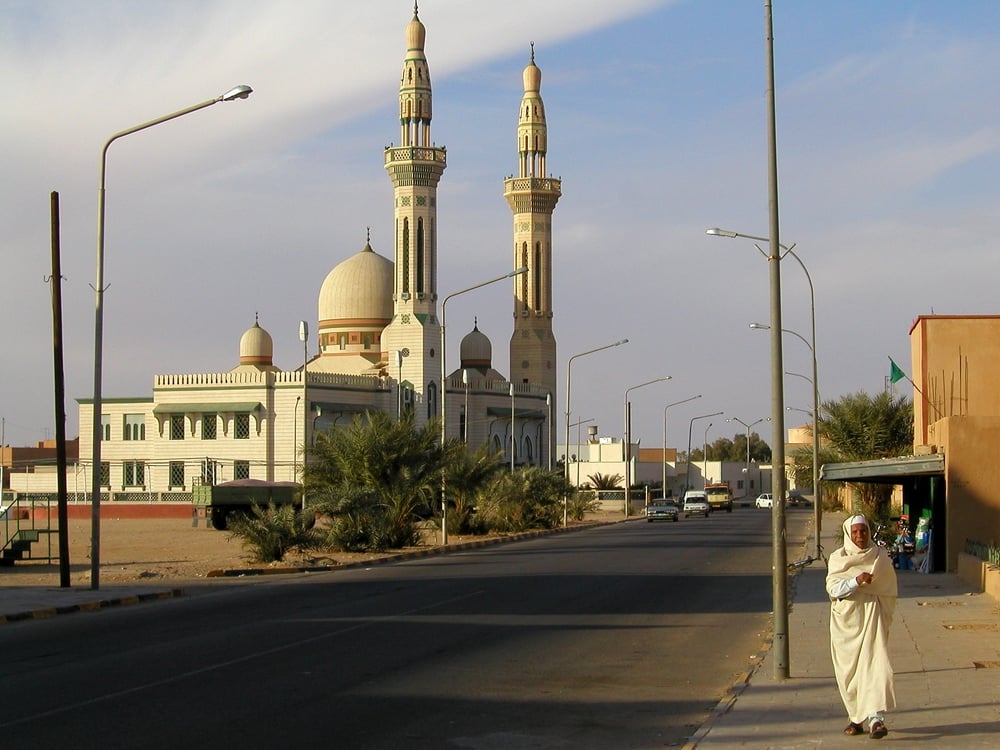
— Photo by akimbohr
Called the “pearl of the desert,” Ghadames endures summers where the thermometer tops 55°C (131°F). Its old quarter forms a labyrinth of covered alleyways, designed to shield inhabitants from the burning sun.
Still, step into open ground, and it feels less like warmth — more like a wall of fire.
The Empty Quarter, Arabian Peninsula
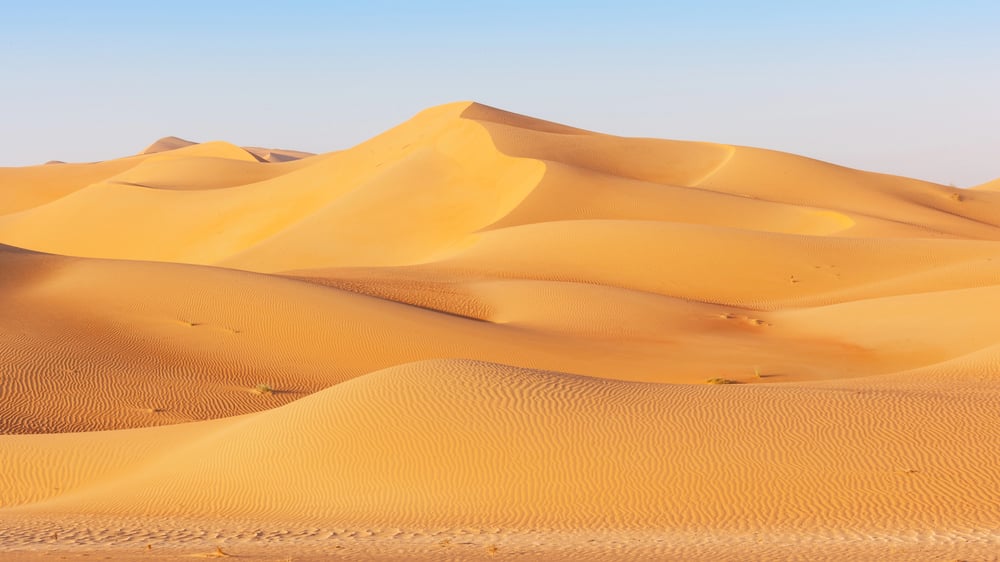
The Rub’ al Khali, better known as the Empty Quarter, is the largest continuous sand desert on Earth. It stretches across Saudi Arabia, Oman, the UAE, and Yemen. Temperatures here often exceed 50°C (122°F).
It isn’t only the heat — it’s the immensity. Endless dunes roll into the horizon, water is virtually absent, and the silence presses down with weight. Even so, nomadic groups have crossed it for centuries, guided by camels and meticulous planning.
Turpan Basin, China
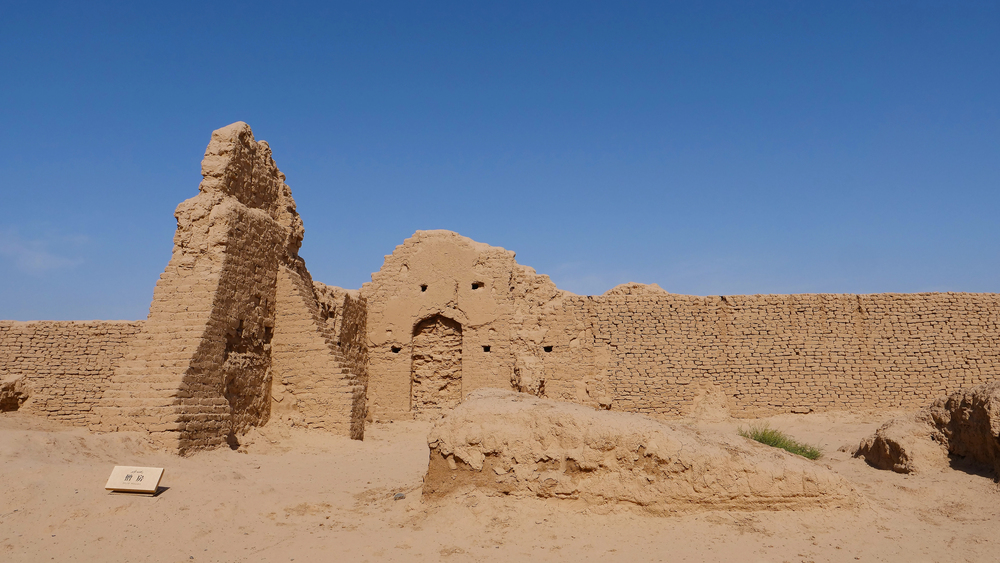
One of China’s lowest depressions, the Turpan Basin bakes in summer with highs near 50°C (122°F). Yet vineyards thrive thanks to underground irrigation channels that carry meltwater from distant mountains.
A small but vivid detail: stepping off a bus here feels exactly like opening an oven door. The sensation hits instantly.
Ounianga Lakes, Chad
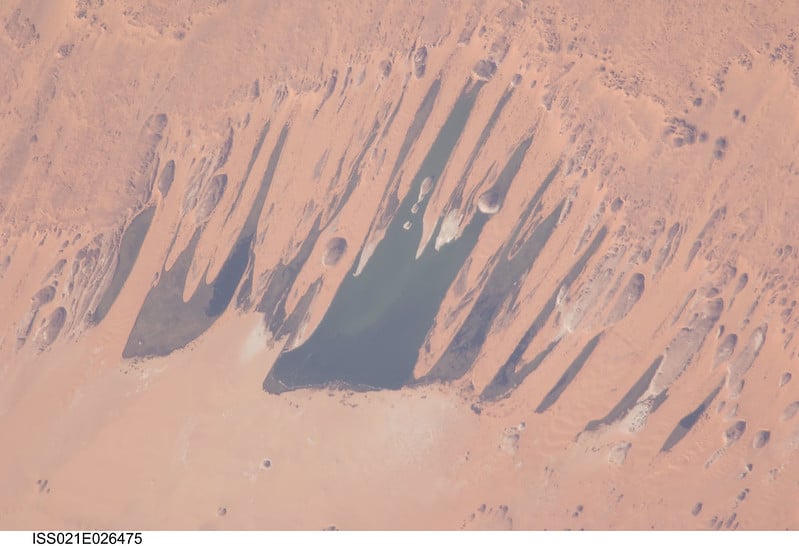
These desert lakes occupy one of Earth’s hottest and driest zones, where annual rainfall barely reaches an inch. Their survival depends on hidden underground reserves.
Daytime heat frequently exceeds 45°C (113°F). Against this backdrop, the shimmering lakes appear surreal — a vivid blue contrast to scorched sand, proof that life endures in defiance of the climate.
Furnace Creek, California
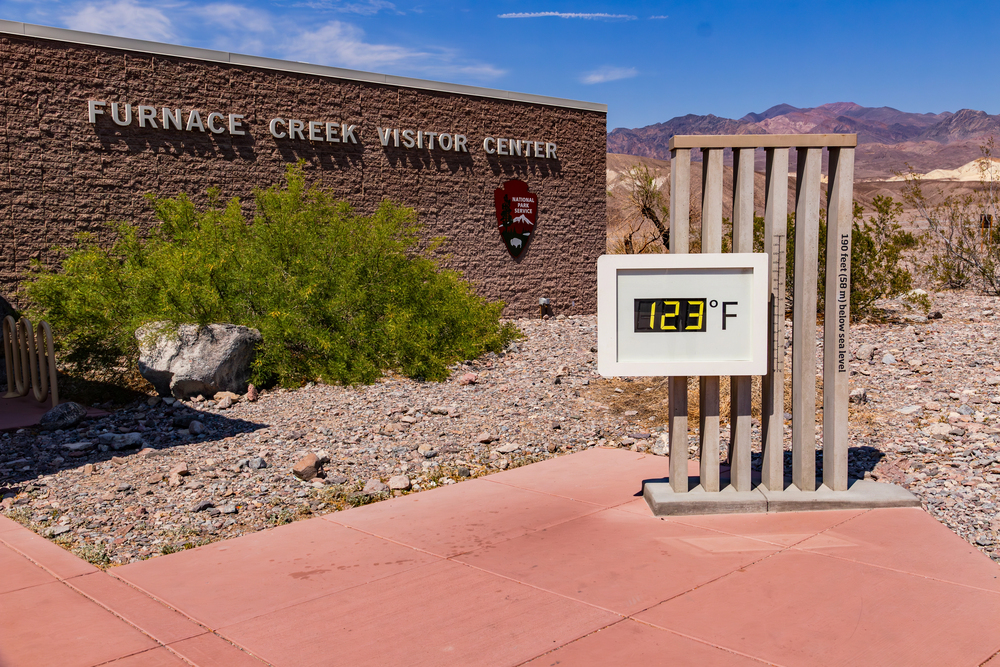
Part of Death Valley but notable in its own right, Furnace Creek is a settlement where summer highs remain above 45°C (113°F) for months on end. Here, air conditioning isn’t a luxury — it’s a necessity.
Still, people stay. Tourists visit. And each year, newcomers learn firsthand just how punishing the heat can be.
Where Fire Meets Flesh

These extreme places remind us that human survival is ultimately about adaptation — shade, water, and perseverance. The hottest points on Earth push the limits of what’s livable, yet communities still find ways to endure, even when the land itself seems determined to burn them away.
More from Go2Tutors!

- 16 Historical Figures Who Were Nothing Like You Think
- 12 Things Sold in the 80s That Are Now Illegal
- 15 VHS Tapes That Could Be Worth Thousands
- 17 Historical “What Ifs” That Would Have Changed Everything
- 18 TV Shows That Vanished Without a Finale
Like Go2Tutors’s content? Follow us on MSN.