15 Old Tools That Are Surprisingly Valuable to Collectors
The rusty relics gathering dust in your grandfather’s workshop might be worth far more than you realize. Vintage tools have become hot commodities in collecting circles, with dedicated enthusiasts willing to pay premium prices for well-preserved specimens. Some of these utilitarian items that once built America have transformed into coveted treasures that command impressive sums at auctions and specialty markets.
Here is a list of 15 old tools that fetch surprising amounts from dedicated collectors who appreciate their craftsmanship, history, and increasing rarity.
Stanley Planes
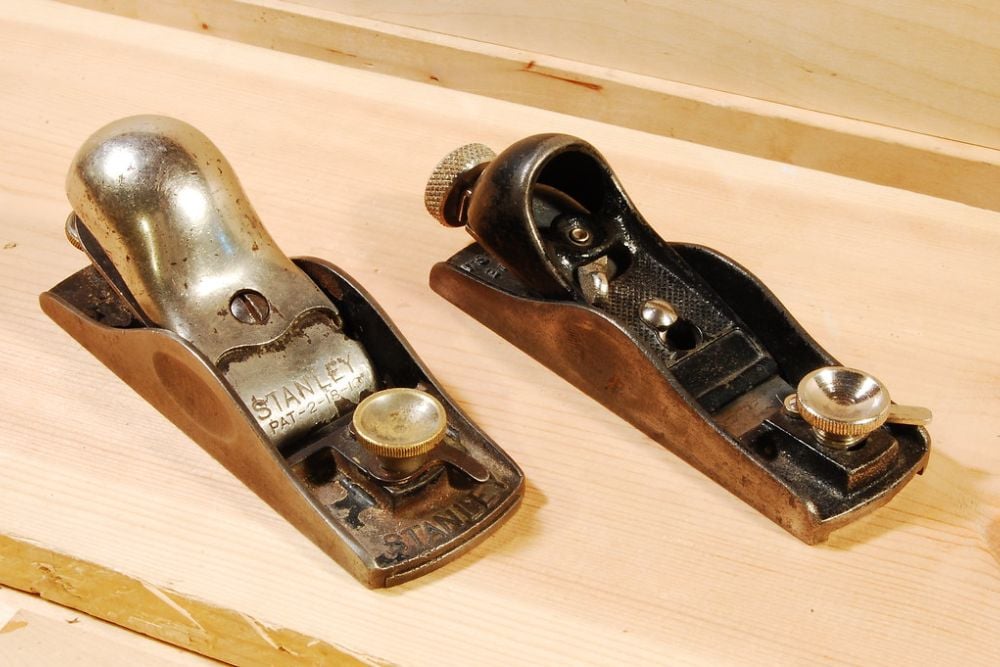
Serious collectors will pay hundreds or even thousands of dollars for vintage Stanley woodworking planes, especially those made before 1940. Complete sets of matching planes can sell for even more than $1,500, and a rare Stanley No. 1 bench plane in superb condition has sold for over $1,500.
Their timeless appeal is a result of their exquisite design as well as the high caliber of metals utilized in their early production techniques.
Disston Handsaws
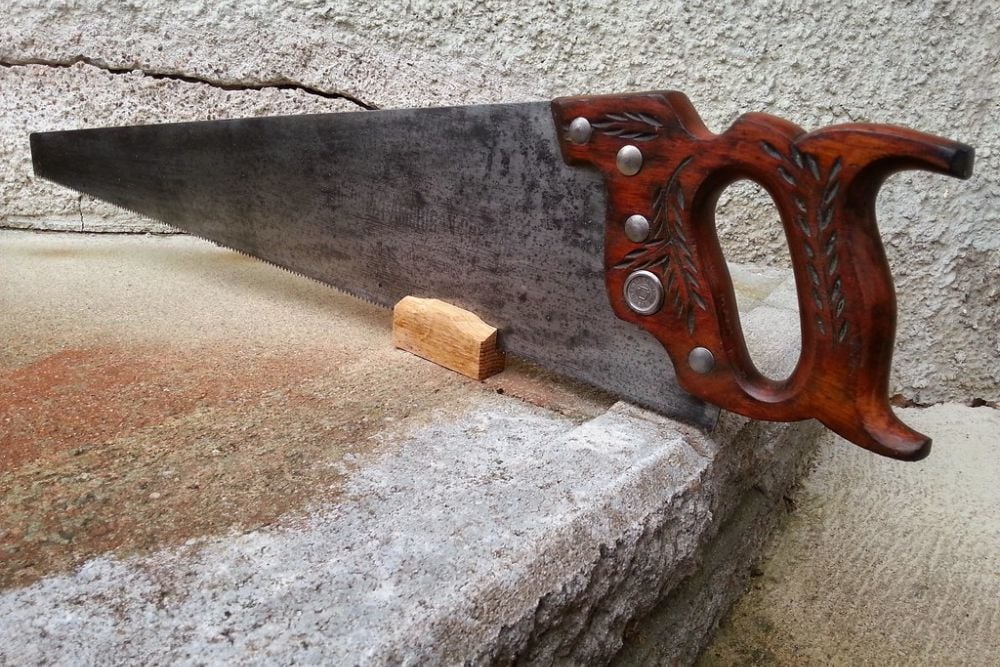
With their recognizable medallions and hand-etched plates, antique Disston hand saws stand for American industrial prowess that is rarely equaled by contemporary instruments. Rare versions fetch significantly higher prices, whereas pre-1940s ones with original handles still in place and no rust can readily sell for $100 to $300.
Specialized collectors are especially drawn to the most valuable examples because of their unique handle designs, decorative etchings, or restricted production runs.
Winchester Tools
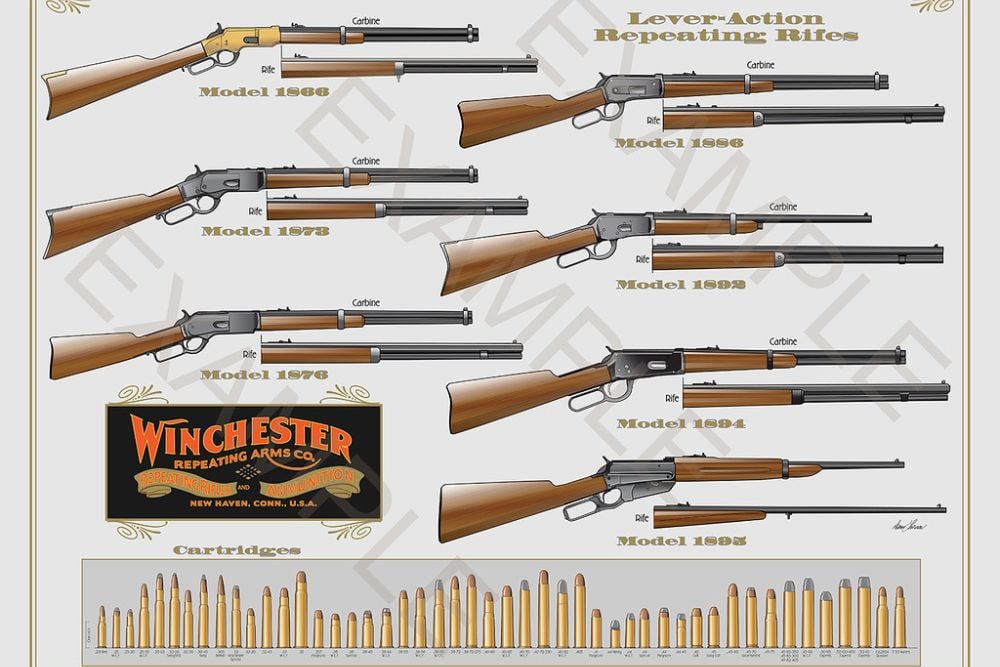
Most people think of guns when they hear the name Winchester, but the company made excellent tools for a short time between 1920 and 1929, which makes them extremely rare today. Hammers, wrenches, and particularly their rare measuring instruments bearing the Winchester brand can fetch 10–20 times the price of similar vintage tools made by other companies.
Values soar due to the ideal fusion of rarity and name recognition created by their restricted manufacturing run and affiliation with the well-known gun brand.
Early Measuring Devices
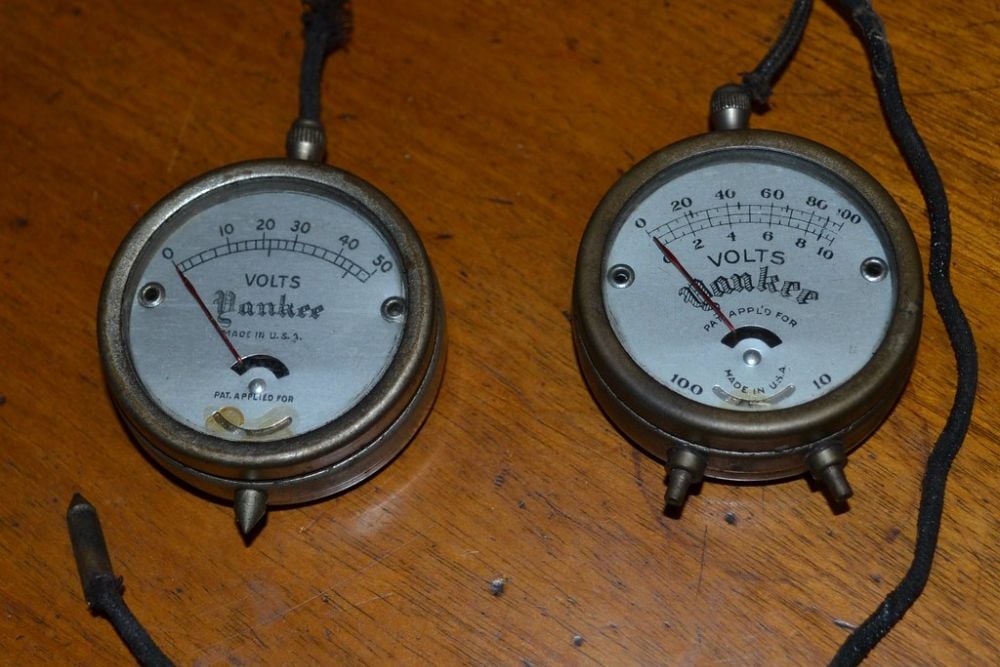
Antique calipers, micrometers, and precision tools from manufacturers like Starrett, Brown & Sharpe, and Lufkin can command surprising prices, especially those with intricate mechanisms or unusual designs. Ivory-scaled measuring devices from the 19th century regularly sell for hundreds of dollars, while rare combination tools in pristine condition can reach four-figure sums.
Their precise craftsmanship and beautiful materials make them both functional instruments and displayable art pieces.
Wooden Molding Planes
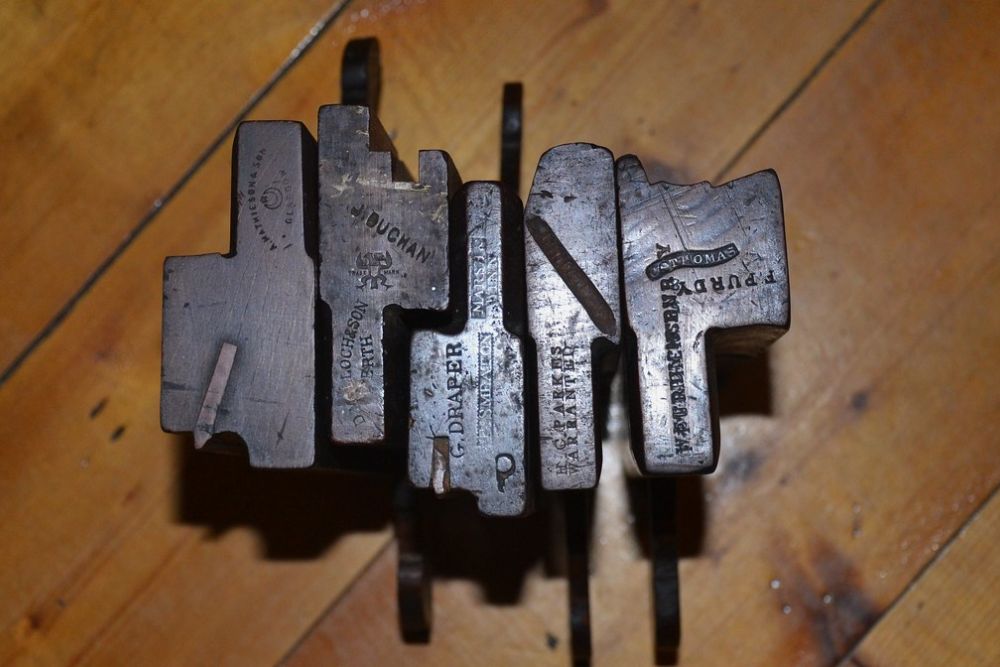
Modern woodworkers continue to appreciate the disappearing art form of handcrafted wooden molding planes from the 18th and 19th centuries. Notable manufacturers like as Tidey, Davenport, or Goldsmith may sell rare profile planes for $200 to $500 each, with matching pairs fetching even higher prices.
Because they are all handmade, there are minute variations among them, offering devoted collectors a nearly limitless selection to choose from.
Antique Levels

Vintage levels with unique materials or mechanisms—particularly those with brass fittings, exotic woods, or decorative elements—can be worth substantial sums to the right buyers. Brass-bound levels with etched vials or unusual designs regularly fetch $100-500, while rare examples from premium makers can exceed $1,000.
Their combination of precision engineering and beautiful materials makes them naturally displayable collectibles.
Early Power Tools
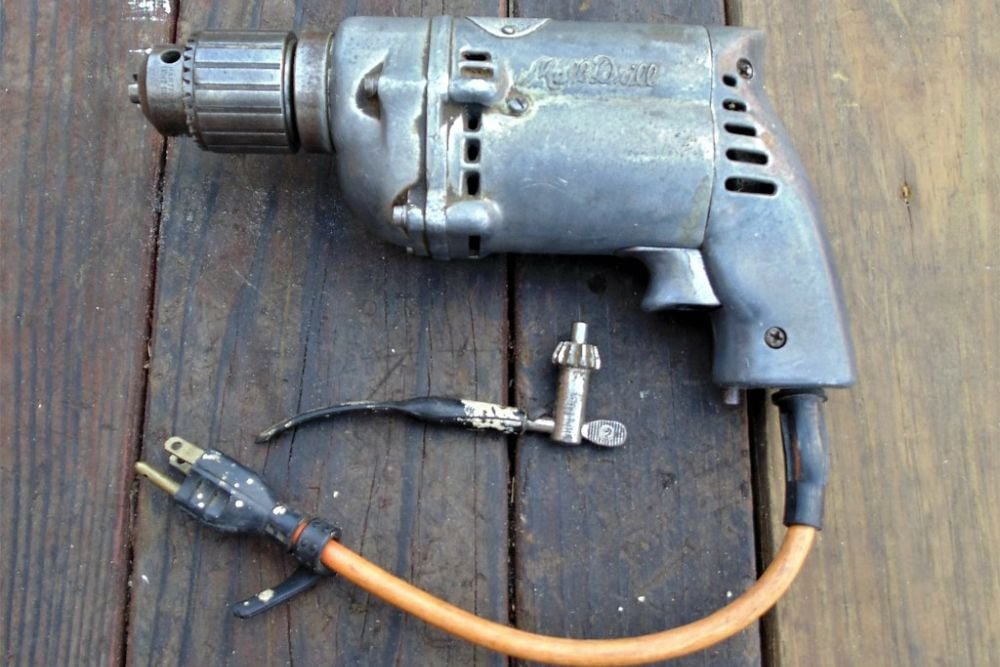
The earliest electric tools, made by companies like Black & Decker, Porter-Cable, and Milwaukee in the 1920s and 1940s, have evolved from commonplace instruments in workshops to highly prized rarities. In functional order, vintage drills, sanders, and saws with their original cases can fetch between $200 and $600 from aficionados.
Many of them still work flawlessly after almost a century because of their sturdy construction, which adds to their usefulness and allure as collector items.
Specialized Craftsmen Tools
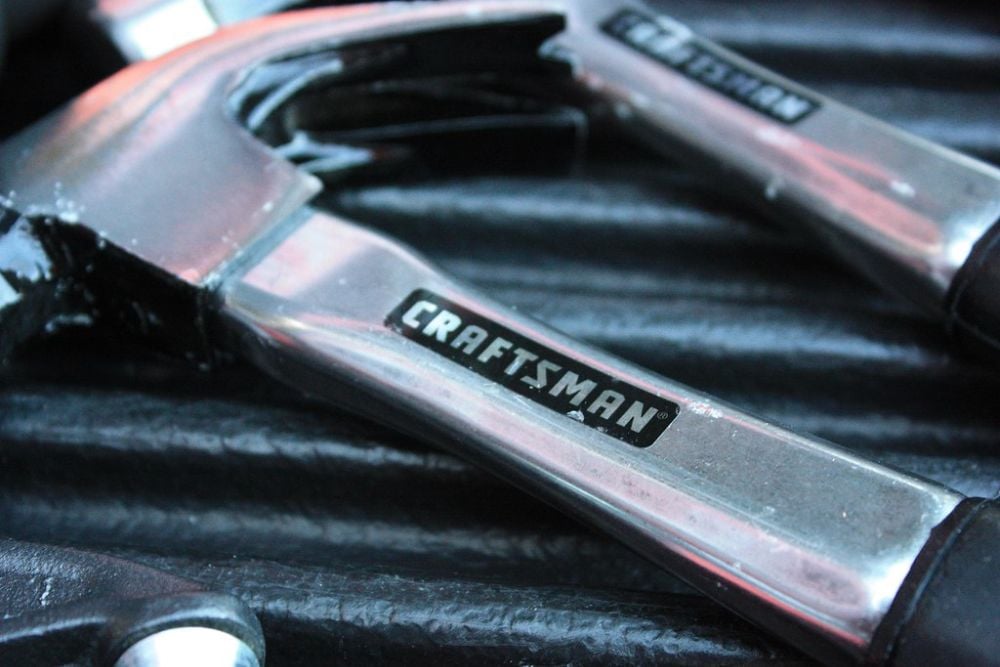
Tools designed for specific trades—like cooperage, wheelwright, or shipbuilding implements—represent specialized knowledge and craftsmanship that has largely disappeared from modern manufacturing. Cooper’s crozes, wheelwright’s travellers, or shipbuilder’s specialized adzes might sell for $300-1,000 depending on condition and rarity.
Their unique forms make them fascinating conversation pieces while connecting owners to centuries-old craft traditions.
Rare Hammers
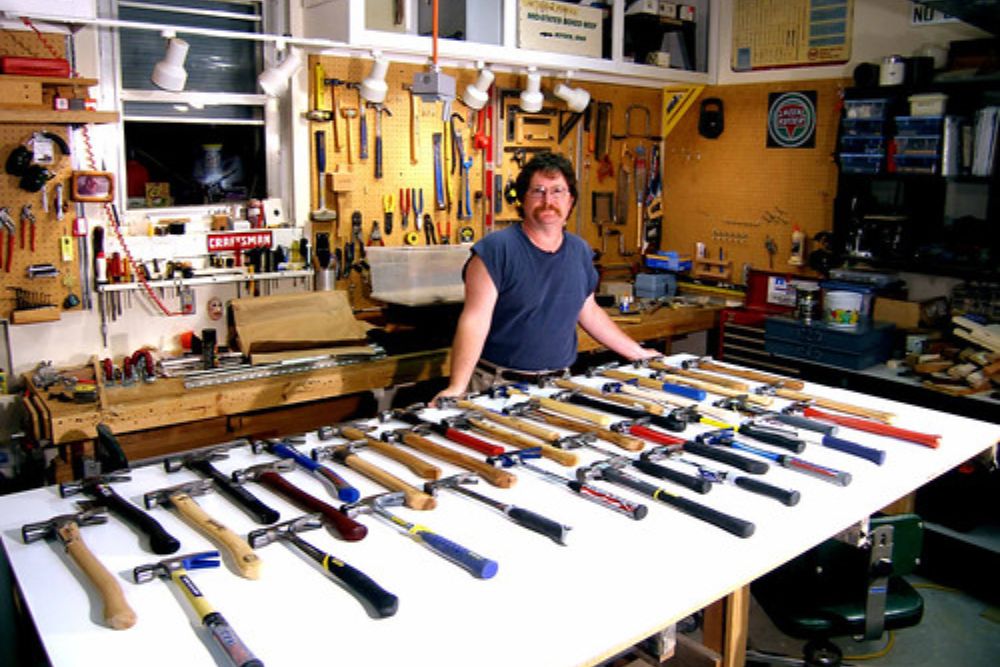
While common claw hammers hold little value, specialized hammers for niche trades or those with unusual designs can be surprisingly valuable collectibles. Hammers from disappeared trades like ice harvesting, cobbling, or farriery regularly sell for $50-300, with pristine examples commanding premium prices.
Their specialized forms perfectly illustrate how tools evolved to match specific tasks, making them perfect snapshots of industrial history.
Machinist Toolboxes
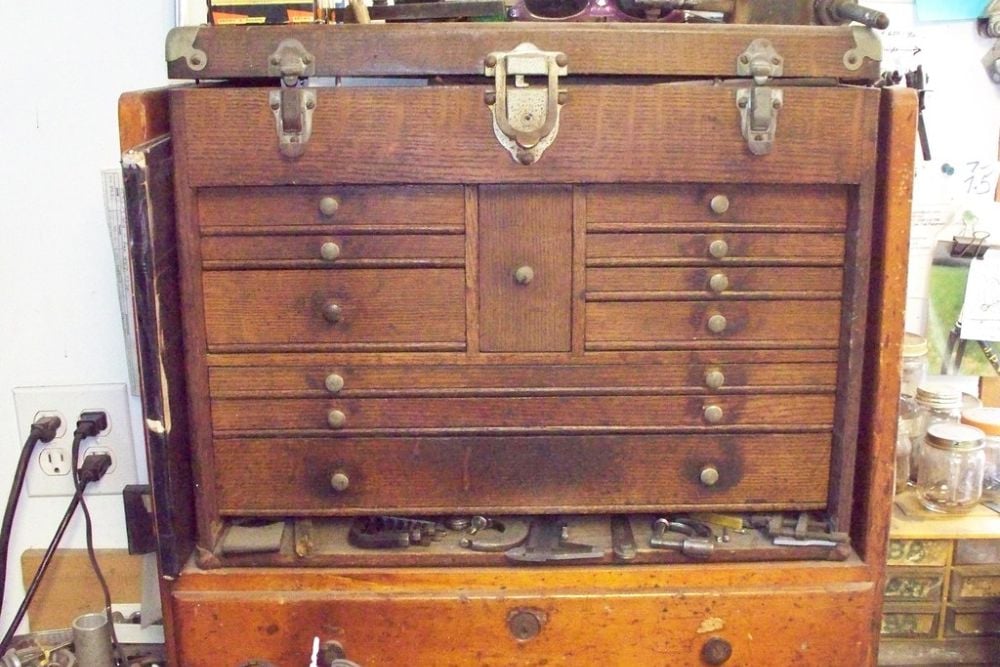
Vintage machinist’s toolboxes—particularly the iconic wooden Kennedy or Gerstner chests with multiple drawers and compartments—have skyrocketed in value over recent decades. Well-preserved hardwood examples with functioning hardware and original finishes routinely sell for $500-2,000, with rare configurations or special woods commanding even more.
Their beautiful construction and practical storage capabilities make them desirable both as collectibles and for actual use by modern craftspeople.
Early Wrenches
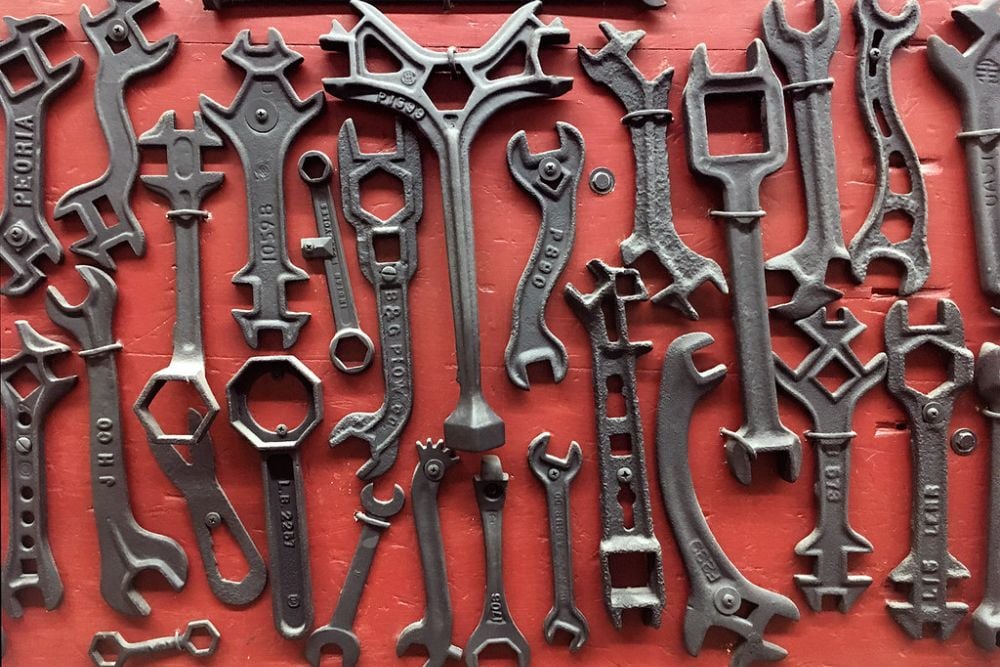
Unusual adjustable wrenches, especially patented designs with unusual adjustment mechanisms from the late 1800s, can command extraordinary prices from specialized collectors. Rare examples like the Hayes patent wrench or early Coes models in good condition might sell for $200-500, while complete sets in original packaging can reach thousands.
The wide variety of ingenious designs created during the industrial revolution’s mechanical boom provides endless fascination for tool enthusiasts.
Woodworking Layout Tools
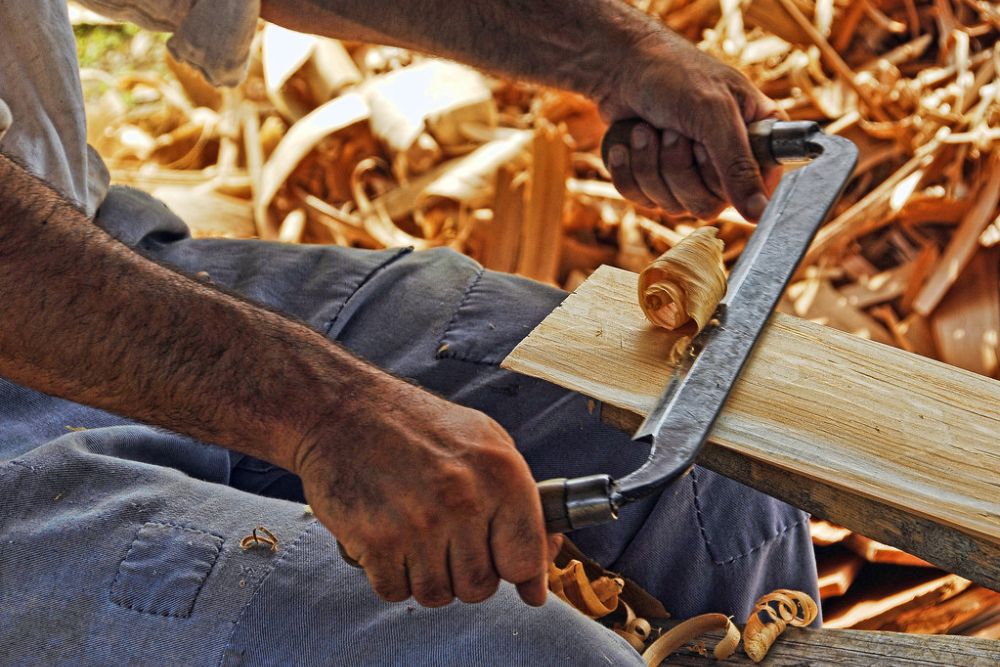
Antique marking gauges, mortise markers, and other precision layout tools crafted from rosewood, ebony, or brass continue to appreciate in value among woodworking collectors. Particularly ornate examples with ivory or mother-of-pearl inlays can easily fetch $100-400, while rare combination tools command even higher prices.
Their elegant designs and beautiful materials elevate them from mere tools to functional art objects.
Anvils and Blacksmithing Tools
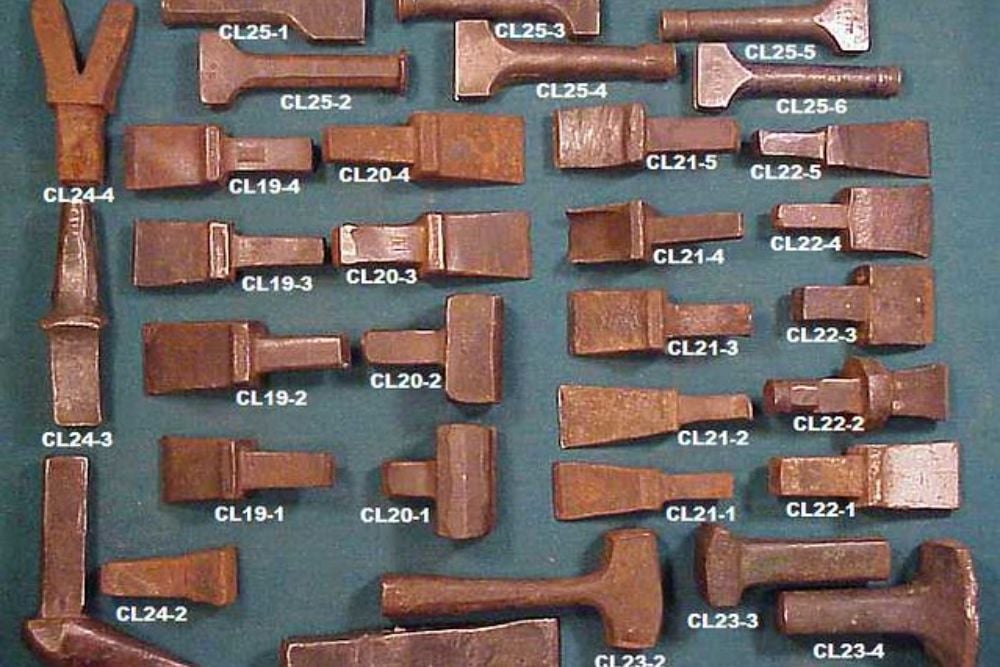
As traditional blacksmithing experiences renewed interest, vintage anvils, forge tools, and metalworking implements have seen dramatic price increases. Well-preserved anvils from renowned makers like Peter Wright, Hay-Budden, or Fisher can sell for $5-10 per pound, meaning a typical 150-pound anvil might fetch $750-1,500.
Their substantial construction ensures they’ll last for generations, making them both valuable collectibles and practical tools for modern smiths.
Unusual Screwdrivers
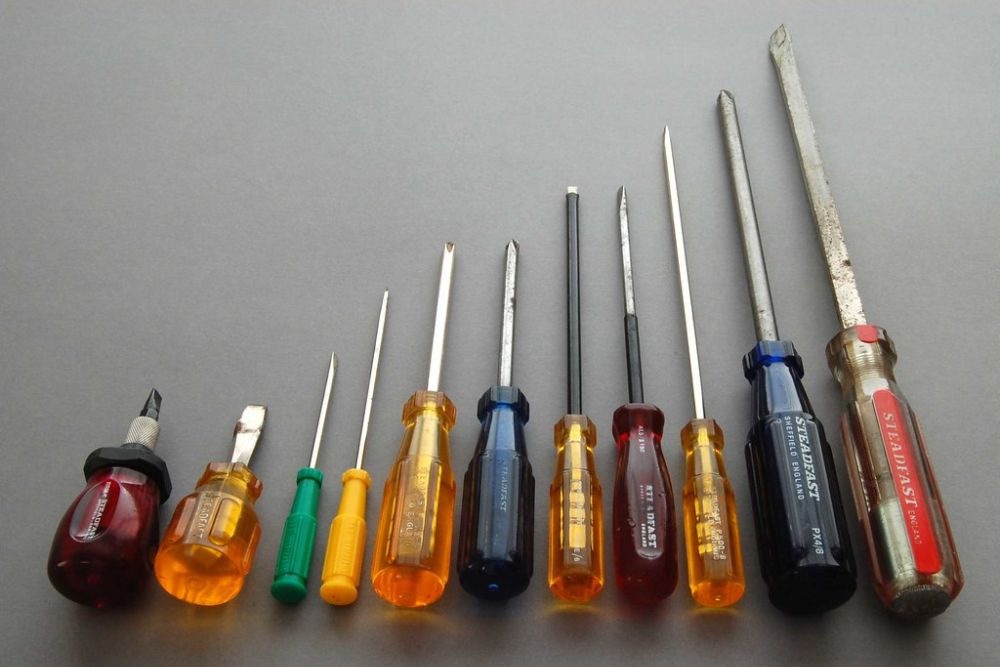
Oddly shaped screwdrivers, perfect-handle designs, and multi-tools from the patent era (1850-1900) can bring surprising sums from dedicated collectors. Rare examples like spiral ratcheting screwdrivers or unusual combination tools regularly sell for $50-200 depending on condition and manufacturer.
Their innovative mechanisms represent an era of unprecedented mechanical innovation when inventors constantly sought better ways to accomplish basic tasks.
Ornate Wood Carving Tools

Hand-forged carving chisels and gouges from premium makers like Addis, Herring, or Buck Brothers command substantial prices, especially matched sets in original cases. Complete sets of carving tools in wooden cases can easily fetch $500-2,000 depending on the maker and condition.
Their razor-sharp edges and perfectly shaped profiles made them the preferred tools of master carvers, and today’s woodworkers still prize these vintage implements for their superior steel and craftsmanship.
Tools That Built America

The rising value of these vintage implements reflects more than mere nostalgia—they represent tangible connections to American industrial heritage and craftsmanship standards that modern manufacturing rarely equals. Each worn handle and patinated surface tells a story of the hands that once used it, the projects completed, and the skills passed between generations.
Whether displayed proudly on walls or still employed for their original purposes, these tools remind us that sometimes the old ways and old tools still have tremendous value in our disposable modern world.
More from Go2Tutors!

- 16 Historical Figures Who Were Nothing Like You Think
- 12 Things Sold in the 80s That Are Now Illegal
- 15 VHS Tapes That Could Be Worth Thousands
- 17 Historical “What Ifs” That Would Have Changed Everything
- 18 TV Shows That Vanished Without a Finale
Like Go2Tutors’s content? Follow us on MSN.



