Yard Sale Pricing Mistakes Sellers Make That Cost Them Hundreds
Yard sales seem straightforward until you’re standing in your driveway wondering why someone’s haggling you down on a coffee maker that cost $40 new. The gap between what you think something’s worth and what buyers will actually pay is where most sellers leave hundreds of dollars on the table.
Even small errors in how you price and present items compound across a full sale.
The difference between a successful yard sale and a disappointing one often comes down to understanding what buyers actually value versus what they’ll dismiss as overpriced clutter. Get this right, and you’ll move inventory quickly while capturing real money.
Get it wrong, and you’ll end up bagging up the leftovers anyway.
Pricing Everything by Original Cost
The price tag on something when you bought it has almost nothing to do with its yard sale value. A blender that cost you $80 at an electronics store will sell for $5 to $8 at a yard sale, not the $40 you’re hoping for.
Buyers aren’t paying for what you paid—they’re paying for what they think it’s worth to them in secondhand condition. Start by researching comparable items online, then cut that estimate by 50 to 70 percent.
This hurts to accept, but it’s the reality of the secondhand market.
Underestimating the Damage of Condition

A set of dishes with one chipped plate isn’t “mostly good”—it’s damaged goods. Buyers see the flaw immediately and either walk away or expect a significant discount.
Factor damage into your pricing from day one. Missing parts, scratches, stains, and mechanical issues should lower your asking price substantially.
If something doesn’t work or has cosmetic damage, price it as if three different things are wrong with it, not just one. Buyers forgive a lot for the right price, but they won’t forgive being surprised by a problem mid-negotiation.
Not Accounting for Brand Reputation
A blender from a no-name brand and an OXO blender are not the same item. Known brands command higher prices at yard sales because buyers have confidence in them.
If you’re selling kitchen equipment, tools, or electronics from trusted manufacturers, you can ask 30 to 40 percent more than you would for the identical item from an unknown brand. Conversely, if something’s from a brand nobody recognizes, price it as if it might break next week.
Grouping Items Without Pricing Individual Components
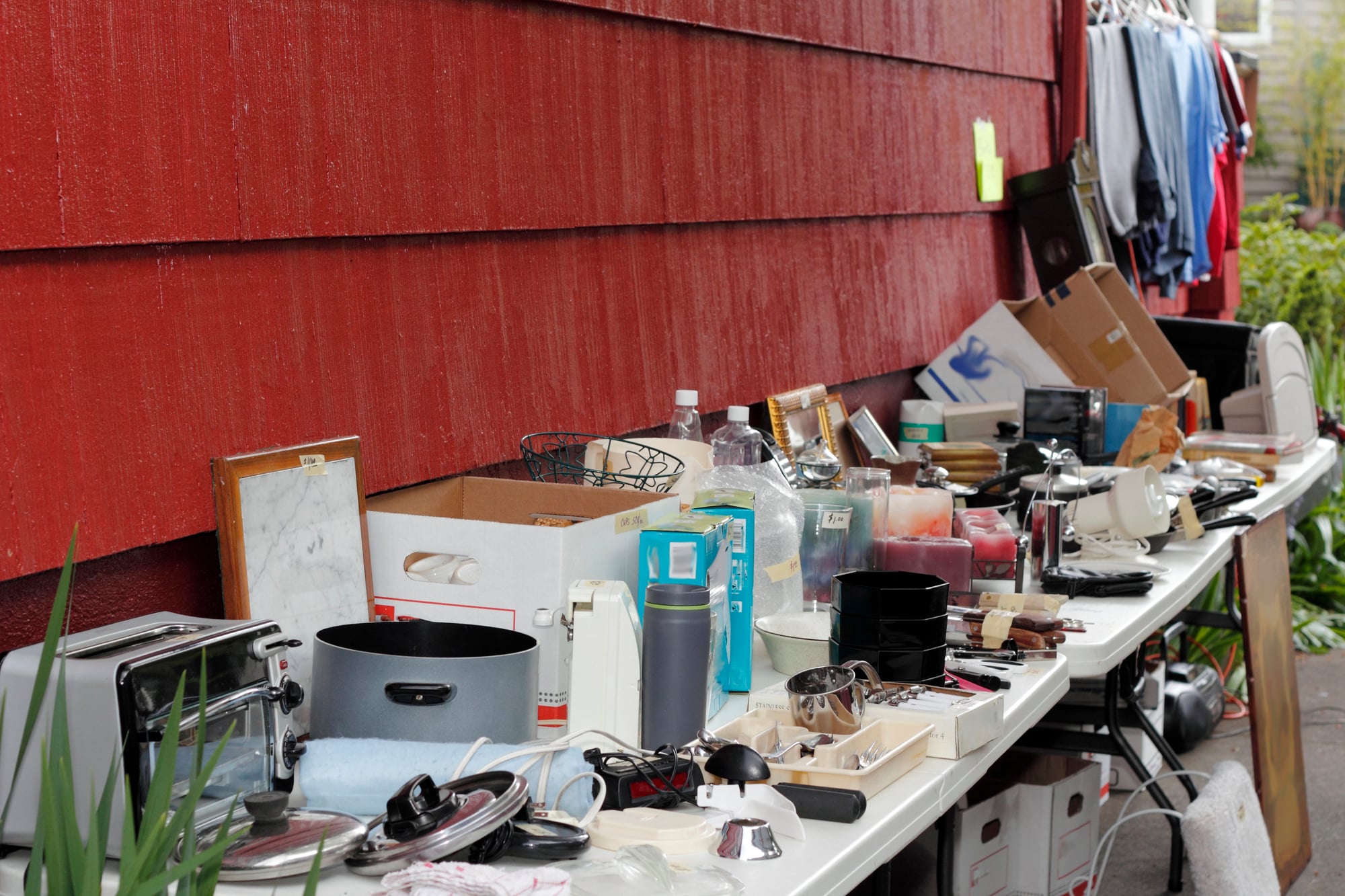
Bundling is tempting because it feels like you’re getting rid of more stuff. A box of kitchen gadgets priced at $10 total sounds reasonable until a buyer realizes you’ve included a $3 whisk and a $1 can opener with a $5 item that could have sold separately.
Buyers know this math. Price attractive items individually and only bundle the genuinely mediocre stuff that won’t sell on its own.
Ignoring the “Dollar per Pound” Reality for Bulk Items

Textiles, books, and soft goods follow a ruthless market rule: size matters less than you think. A full bag of clothes that cost you $200 originally will often sell for $3 to $5 at a yard sale, period.
Buyers aren’t calculating the original value of individual garments—they’re looking at the total volume and estimating wear-out versus utility. Price bulk items to move them, not to recoup what you spent.
A pile of books that’s taking up 20 percent of your driveway space will move faster at $0.50 per book than $1.50 per book.
Pricing Furniture by Its Original Sticker Price
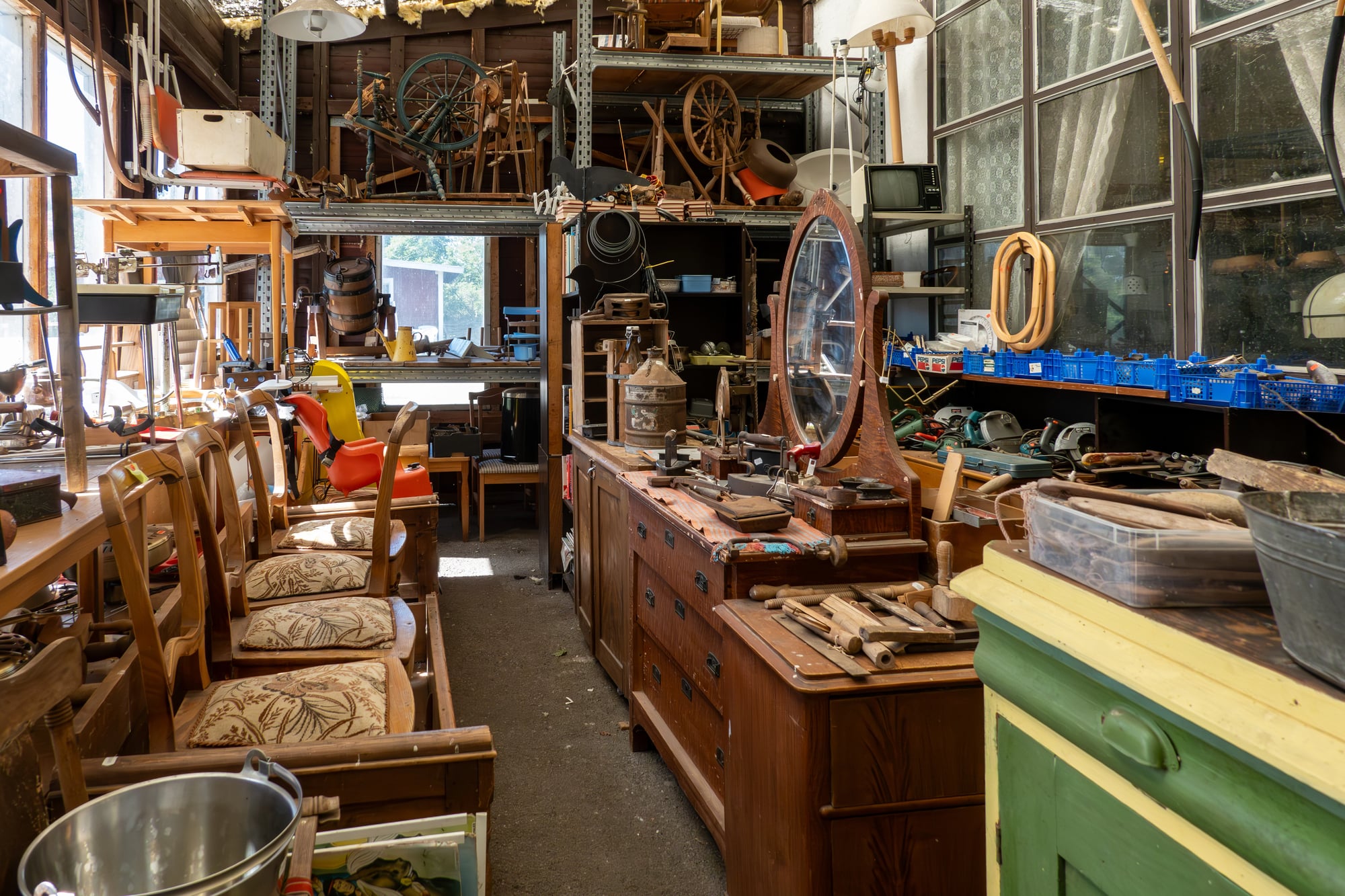
Furniture depreciates faster than almost anything else. A couch that cost $1,000 is worth $80 to $150 at a yard sale, maybe.
A dresser that cost $400 will go for $25 to $40. Buyers at yard sales aren’t furnishing a dream home—they’re looking for something functional to fill a space cheaply.
Price your furniture to move the same day. Anything that’s still there at sunset becomes someone else’s problem because you’re not hauling it back inside.
Overpricing Items Based on Sentimental Value

Sentimental value exists only for the person who owns the item. That collection of decorative plates that meant something to you will mean nothing to a buyer, which is exactly why you should be realistic about its price.
Vintage items can justify higher prices if they’re actually valuable, but most collectible-looking things sitting in a yard sale are just old. If it’s not documented as rare or desirable, price it as regular used goods.
Not Marking Prices Clearly on Items
An unmarked item creates friction. Buyers will pick something up, wonder how much it costs, put it down if they can’t find you quickly, and move on.
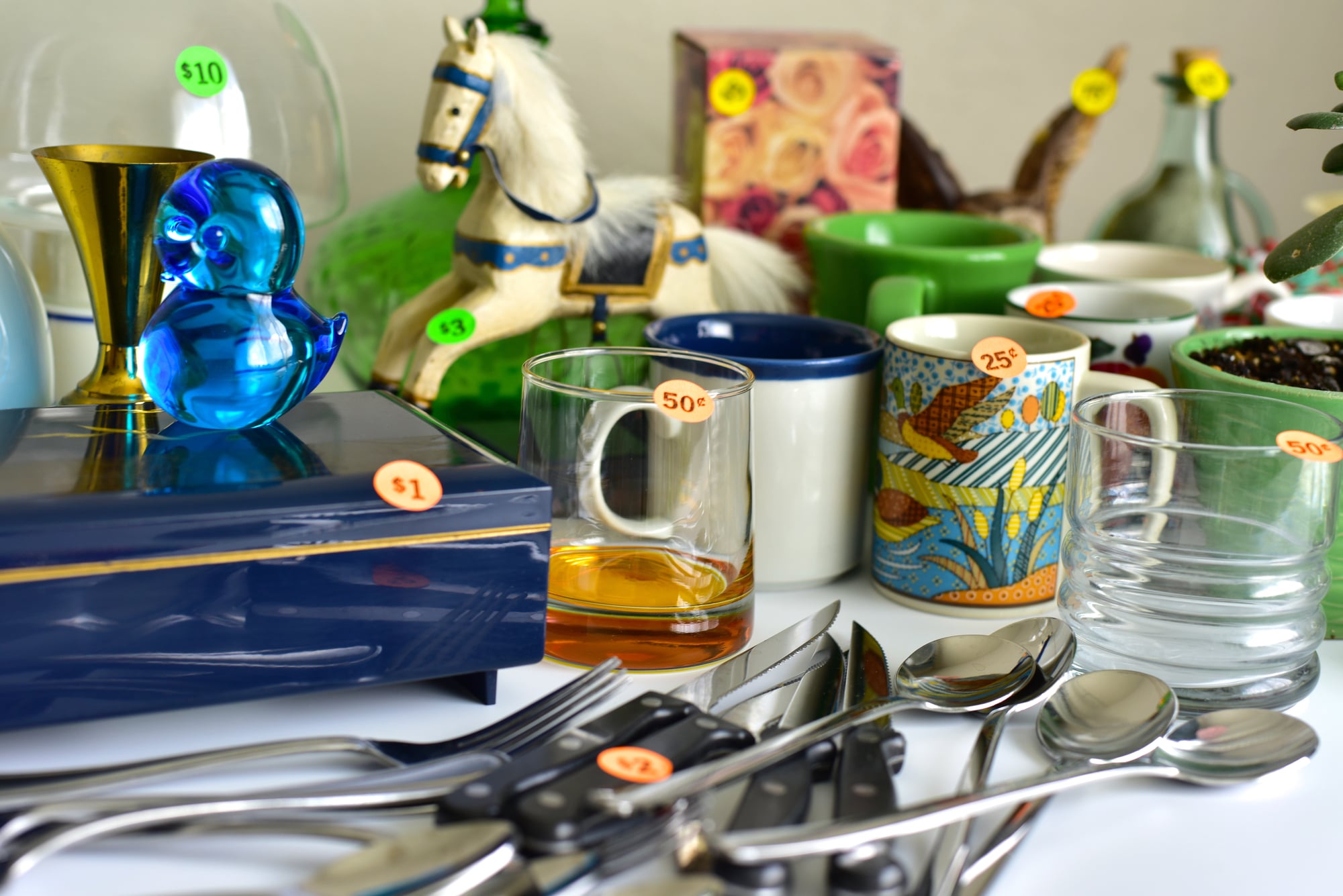
You’ve lost a potential sale because of inconvenience. Use a permanent marker or small stickers on everything.
Make prices visible and easy to read. Buyers should be able to grab an item, see the price immediately, and either put it down or take it to the checkout.
The easier you make buying, the more money you make.
Expecting Negotiation Room on Small Items

Haggling is part of yard sale culture, but only for items that are actually expensive enough to negotiate. If someone’s standing at your table with a $2 item and asks if you’ll take $1, accepting this kind of negotiation wastes everyone’s time.
If you’re okay with $1, price it at $1 to begin with. Only price items high enough to leave room for negotiation if the sticker price is already $5 or more.
For anything cheaper, set your bottom-line price and hold it.
Pricing Trendy Items as if They’re Timeless
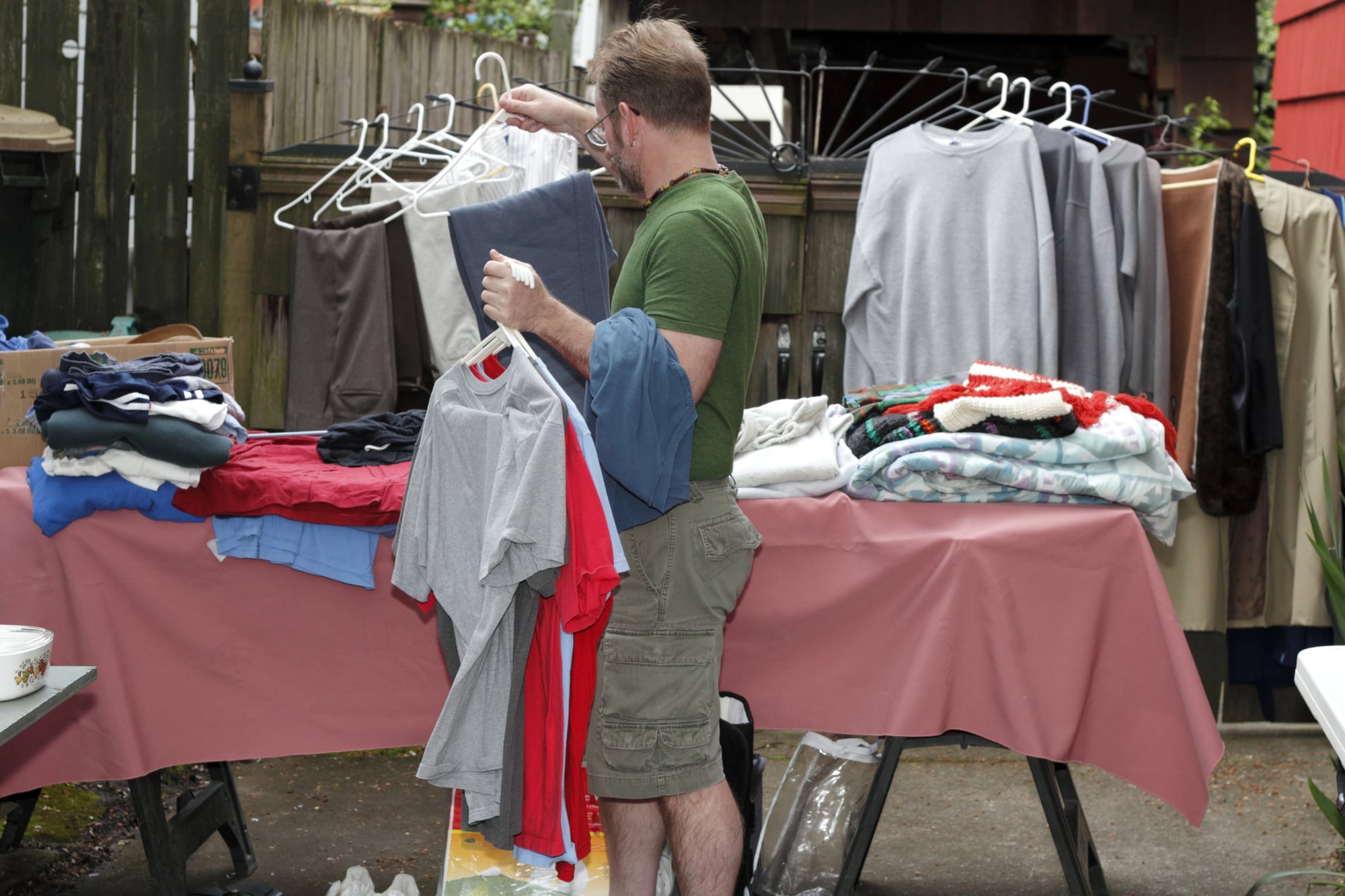
Fashion-forward items have a shelf life. That color that was everywhere three years ago is now dated.
Trendy furniture styles, clothing, and decor from fast-fashion stores will depreciate faster than classic items. Price trendy things accordingly.
If it looks like it might be out of date, treat it as if it definitely is. Buyers know the difference between a timeless piece and something that screams “2019.”
Misjudging the Appeal of Niche Items
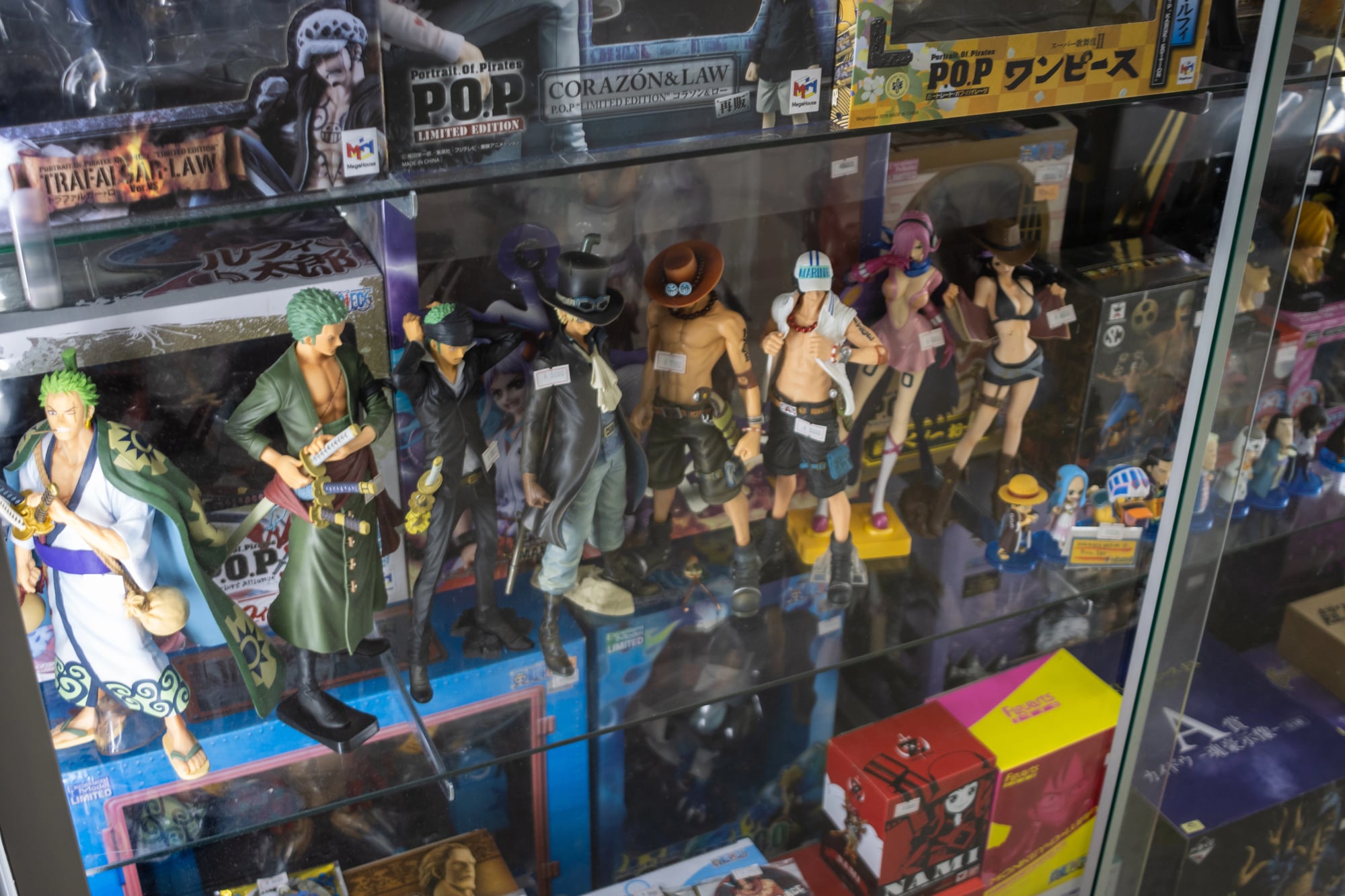
Specialized equipment—a sewing machine, a guitar, a particular hobby tool—might be valuable to the right person but worthless to most buyers. Identify items that appeal to a specific audience, then price them below market value to ensure they sell.
You’d rather move a specialized item at $15 than sit with it all day waiting for the perfect buyer who might not show up. Once you’re past a certain time into your sale, pricing becomes about offloading, not optimizing.
Not Testing Electronics Before Pricing

An untested electronic item is a risk. Buyers assume it doesn’t work and will lowball you or skip it entirely.
Test anything that plugs in or requires batteries before your sale starts. An item that works should be priced as working; an item that doesn’t work should be priced as broken, which is usually $1 to $3.
Don’t create mystery around whether something functions. That mystery always resolves against your favor.
Overpricing Based on Rarity Rather than Desirability
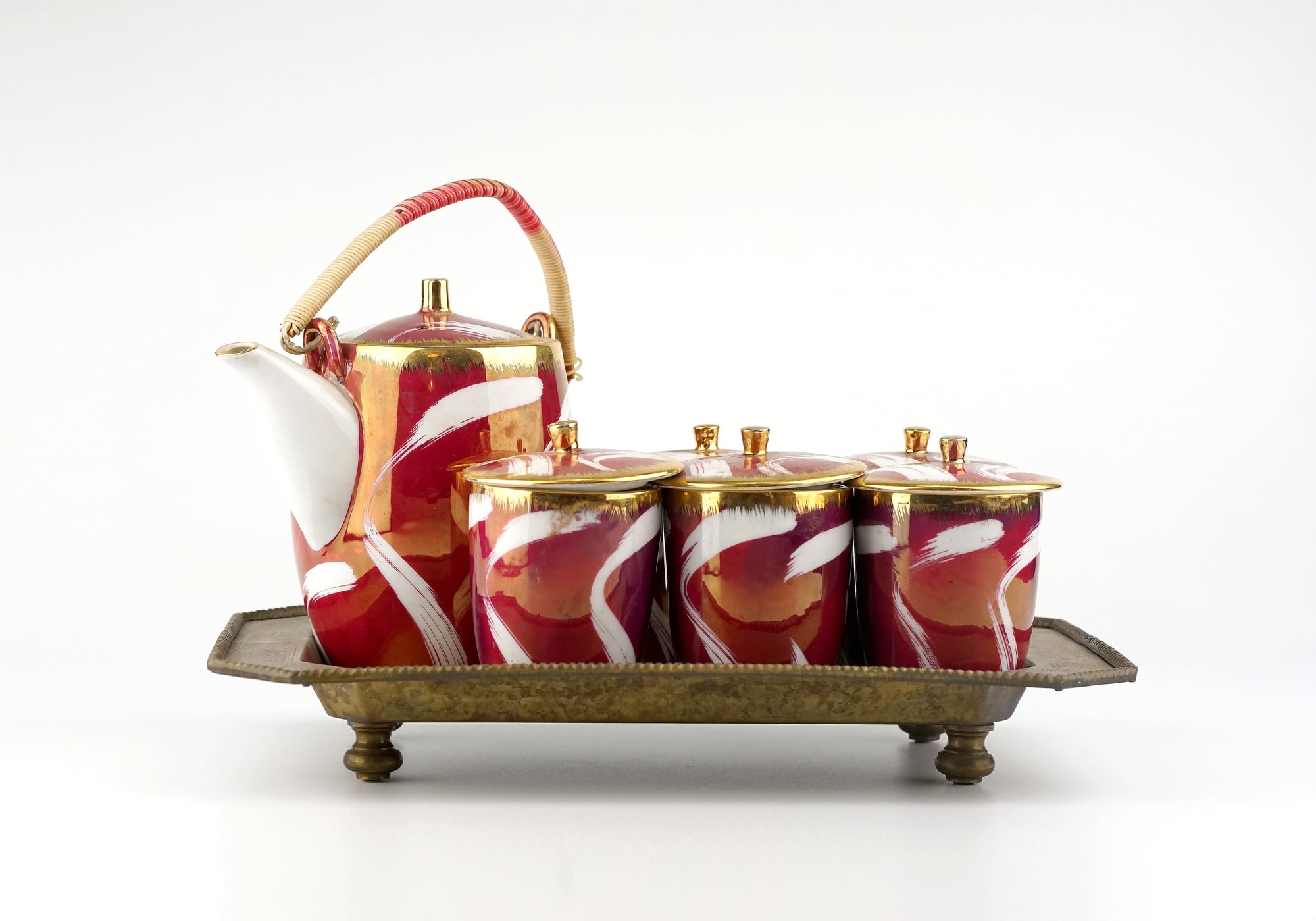
Old doesn’t mean valuable. Rare doesn’t mean someone wants it.
Just because something is the only one of its kind at the yard sale doesn’t mean it’s worth $25. Buyers care about whether they want the item, not whether it’s one of a kind.
Research actual selling prices for similar items if you think something genuinely valuable is in your collection. Otherwise, price it as what it is: used stuff that probably came from someone’s garage ten years ago.
Setting Prices in Inflexible Dollar Amounts

Round pricing works. $0.50 items, $1 items, $2 items, $5 items.
Prices like $3.50 or $6.75 slow down transactions and complicate change-making. Round pricing also lets you offer quick deals on multiples without recalculating.
If someone wants three $1 items, you can say $2 on all three. This kind of fluid pricing moves inventory.
Precise pricing based on marginal value differences just creates friction.
The Difference Between Pricing to Unload and Pricing to Profit

Success at a yard sale means deciding in advance whether your goal is maximum revenue or maximum volume. If you want money, price selectively and hold firm on good items.
If you want these things gone by noon, price everything aggressively low and accept that you’re paying yourself to clean out your garage. Most sellers try to do both and end up doing neither well.
Decide your threshold, price accordingly, and stick with it.
More from Go2Tutors!

- The Romanov Crown Jewels and Their Tragic Fate
- 13 Historical Mysteries That Science Still Can’t Solve
- Famous Hoaxes That Fooled the World for Years
- 15 Child Stars with Tragic Adult Lives
- 16 Famous Jewelry Pieces in History
Like Go2Tutors’s content? Follow us on MSN.