10 Strange Things That Have Been Found in the Deepest Parts of the Ocean
The ocean remains Earth’s final frontier, with its deepest regions less explored than the surface of Mars. These abyssal zones exist in perpetual darkness, crushed by pressures exceeding 16,000 pounds per square inch, creating extreme environments that seem almost alien. Despite these challenges, modern technology has begun to pierce these shadowy depths, revealing a bizarre collection of objects and creatures that defy expectations.
Here’s a look at 10 strange discoveries from the deepest parts of our oceans, offering glimpses into both natural wonders and the surprising human impact on these remote regions.
Plastic Bag at Mariana Trench

In 2018, scientists found a plastic bag at 36,000 feet within the Mariana Trench — deeper than Mount Everest is tall. This ordinary piece of trash in the most inaccessible place on Earth delivered a sobering message about pollution’s reach.
The discovery shocked researchers, who identified it during Deep Sea Debris Database surveys. It confirmed that human waste has penetrated even the most remote environments on the planet.
Ancient Shipwrecks
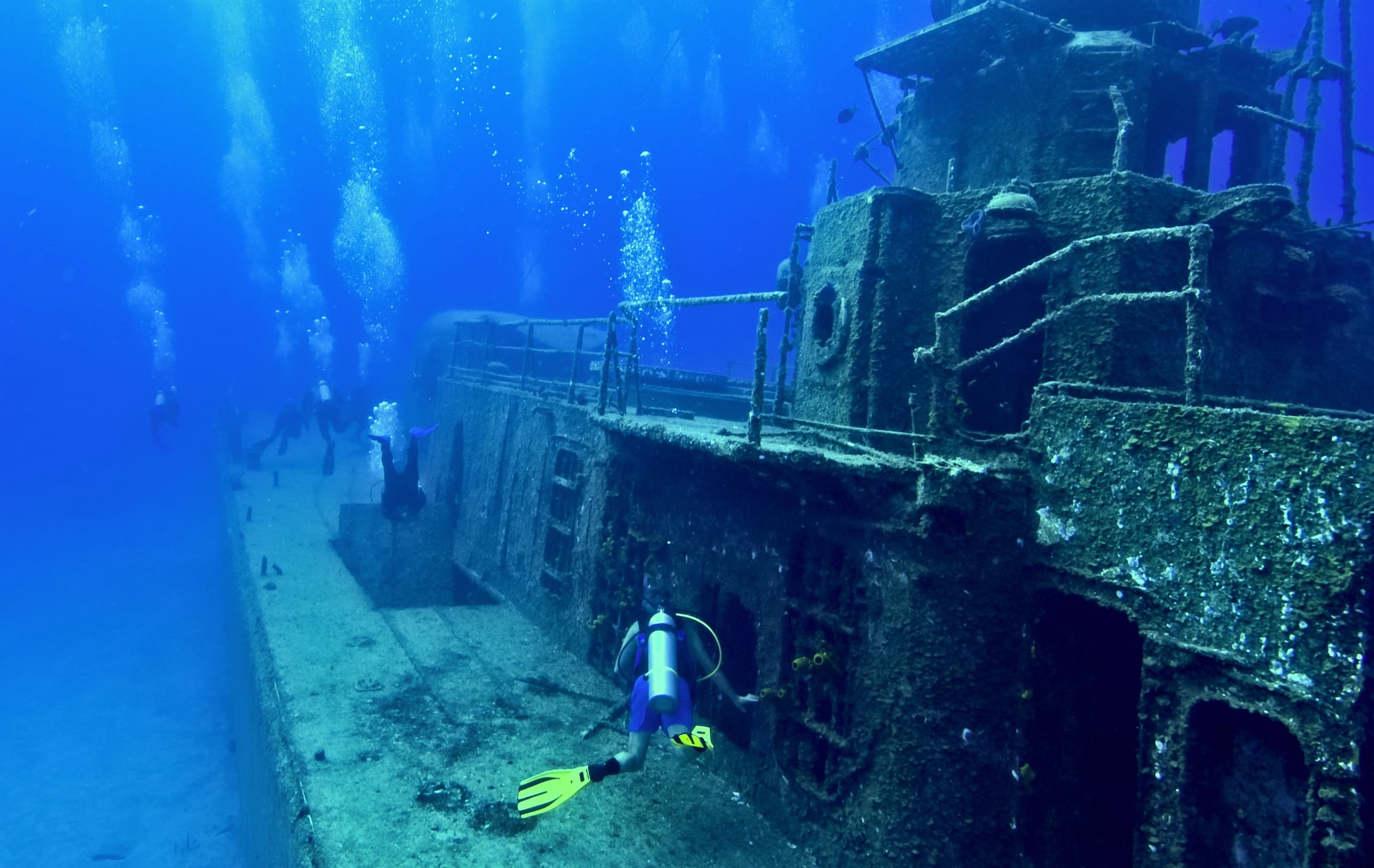
The Black Sea’s deepest zones harbor remarkably preserved wooden ships from ancient civilizations — some dating back 2,400 years. The extreme depth creates an oxygen-free environment that prevents normal decomposition, essentially creating underwater time capsules.
These vessels remain so intact that carved decorations, masts, and even rigging are visible despite millennia underwater. They provide archaeologists with unprecedented glimpses into ancient maritime technology.
Mysterious Metallic Spheres
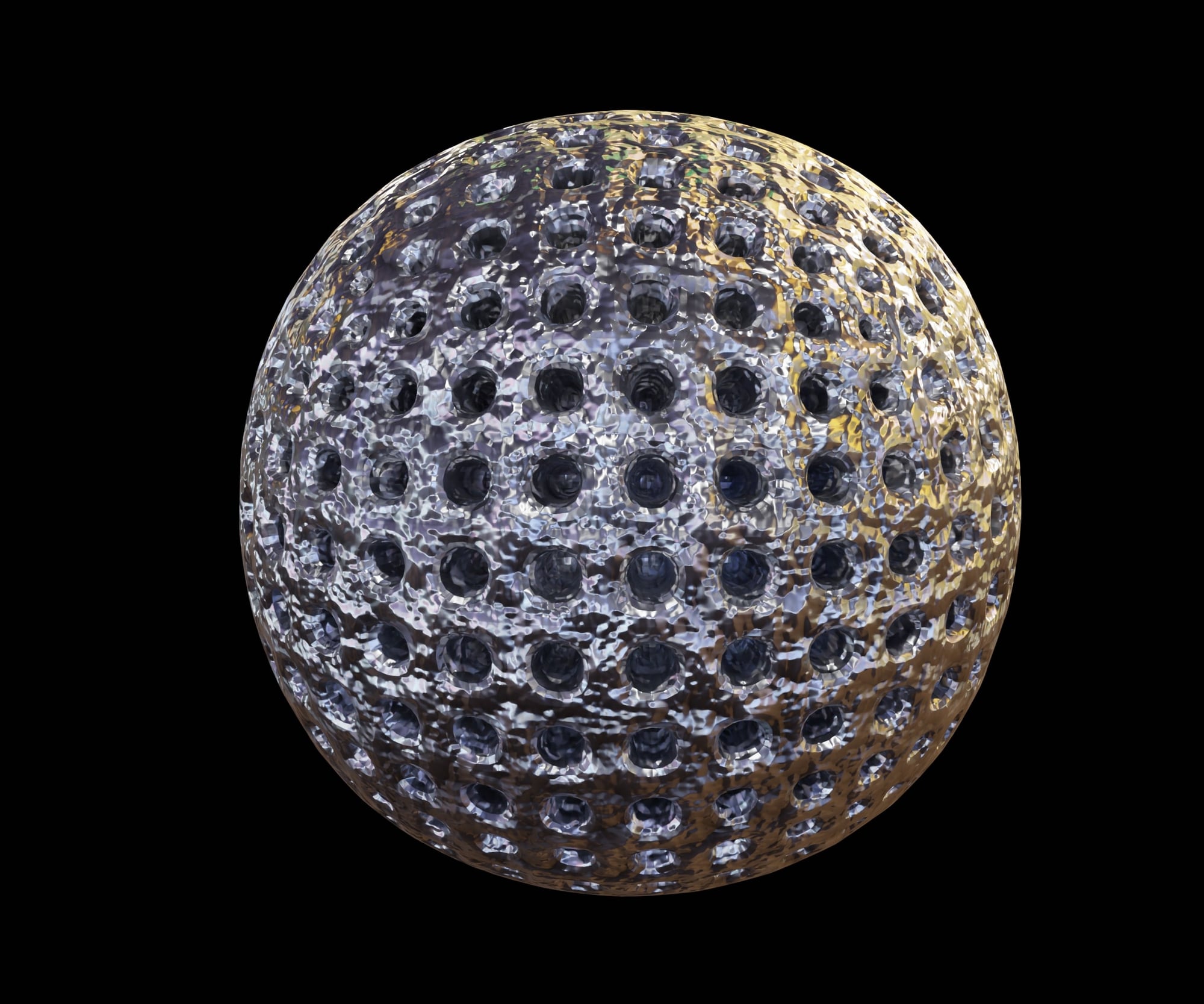
Deep-sea expeditions near the Mid-Atlantic Ridge discovered perfectly spherical metal objects roughly the size of bowling balls resting on the seafloor. These unusual spheres baffled scientists initially, though later analysis identified them as manganese nodules formed over millions of years.
The nodules grow extraordinarily slowly — just millimeters per million years. That makes them among the slowest-forming natural objects on Earth.
Living Fossil Squid

The prehistoric vampire squid, a living fossil that has remained virtually unchanged for 300 million years, thrives in the ocean’s oxygen minimum zones at depths exceeding 10,000 feet. Neither a true squid nor octopus, this remarkable creature possesses characteristics of both plus unique adaptations for extreme depths.
Its bioluminescent displays and ability to turn its entire body inside out demonstrate evolutionary strategies. These were perfected long before dinosaurs walked the Earth.
Yeti Crabs
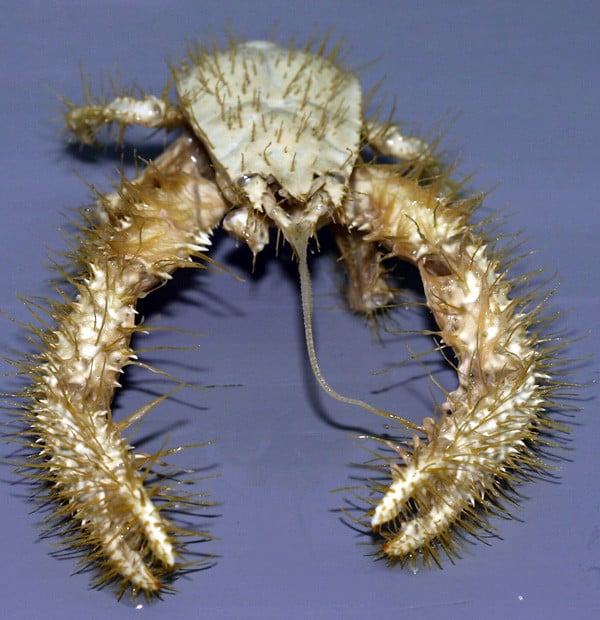
Expeditions to hydrothermal vents discovered dense colonies of “yeti crabs” — hairy white crustaceans that farm bacteria on their own bodies for food. These bizarre creatures wave their bacteria-covered arms over hot vents to cultivate their microbial gardens in regions where sunlight never penetrates.
Their discovery revealed entirely new farming behaviors previously unknown to science. It demonstrated how deep-sea life develops extraordinary survival strategies.
Military Weapons

Deep-sea surveys have located disturbing collections of military ordnance including chemical weapons, conventional explosives, and radioactive waste deliberately dumped into ocean trenches following World War II. Nations viewed the remote depths as convenient disposal sites for dangerous materials, assuming they would remain isolated forever.
Deteriorating containers now threaten to release their toxic contents. This creates potential environmental disasters in ecosystems already stressed by changing ocean chemistry.
Gold-Laden Shipwrecks

Advanced submersibles have located legendary treasure ships resting miles below the surface, including the SS Central America, which contained gold worth hundreds of millions in today’s dollars. These deep-water wrecks preserve their precious cargoes in near-perfect condition, protected by crushing depths that prevented salvage until recent technological breakthroughs.
Recovery operations from extreme depths have sparked complex legal battles. Ownership rights to treasures hidden beneath miles of seawater remain hotly contested.
Lost Scientific Equipment

Deep-sea research has occasionally recovered scientific instruments lost decades earlier, sometimes still functioning despite spending years under extreme pressure. These accidental time capsules of technology provide unexpected data records spanning decades rather than the days or weeks initially planned.
The remarkable durability of these instruments is astonishing. They demonstrate the engineering challenges of deep-ocean exploration.
Living Light Shows
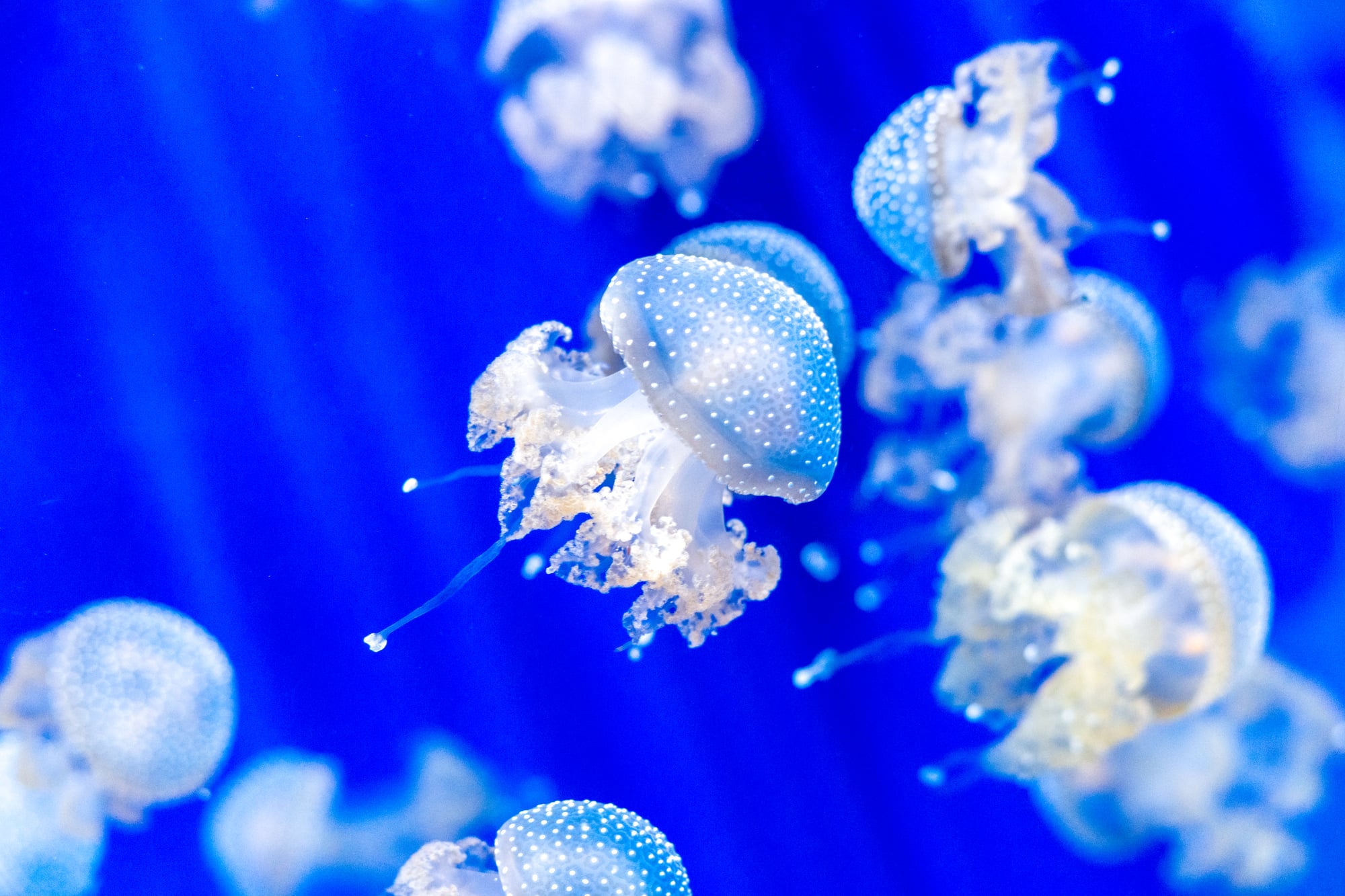
Bioluminescent creatures create spectacular light displays in the deepest ocean trenches, with some species producing light along their entire bodies while others generate periodic flashes or glowing lures.
This biological light production represents the primary form of communication in the deep sea, where darkness is otherwise absolute.
Scientists have documented elaborate light patterns. These serve various functions from attracting mates to confusing predators in complex visual languages evolved in perpetual darkness.
Submarine Hot Springs
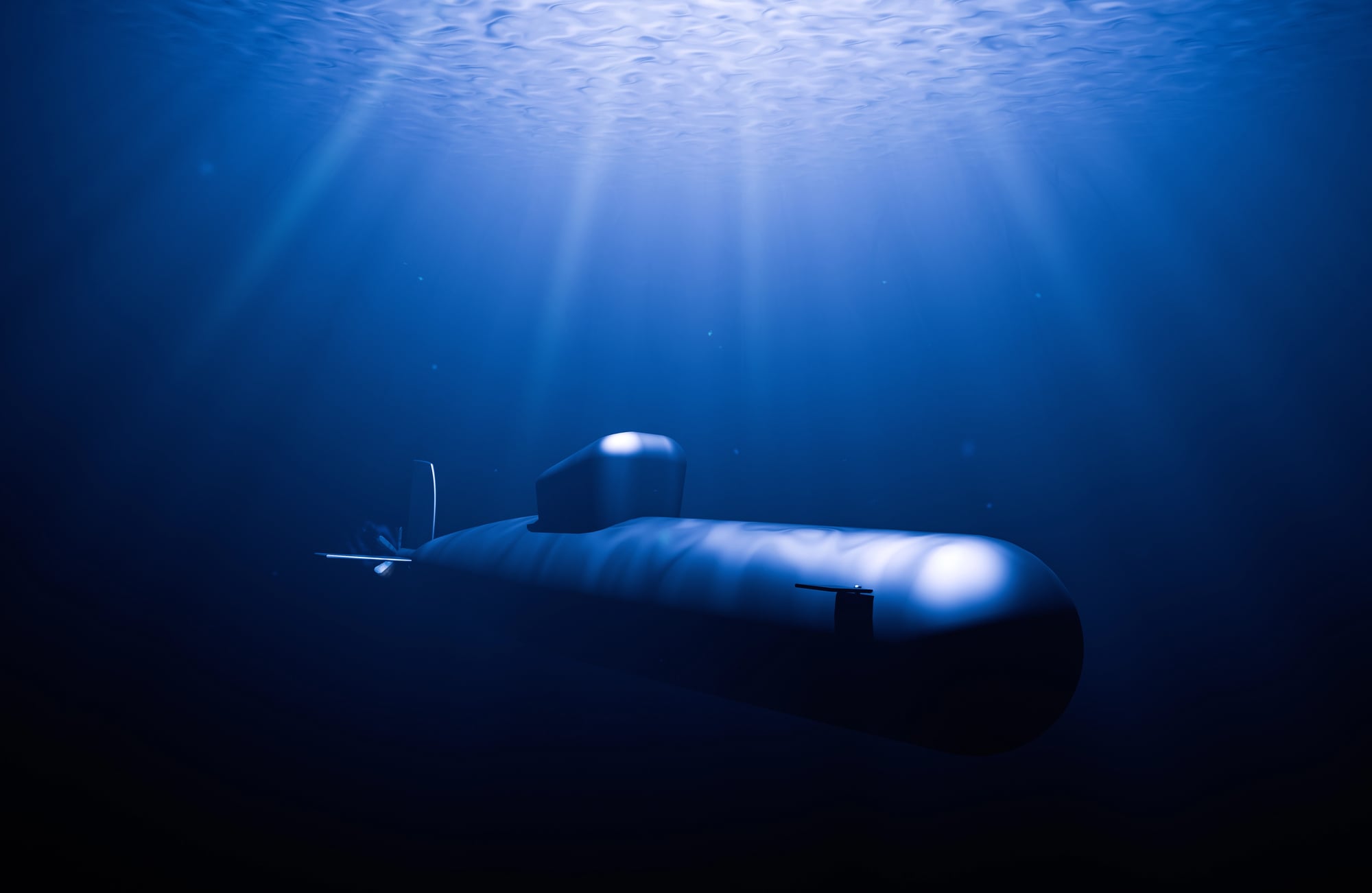
Hydrothermal vents in the deepest trenches create submarine hot springs where water heated to over 750°F by subsurface magma supports unique ecosystems independent from sunlight. These remarkable environments host creatures that metabolize chemical compounds like hydrogen sulfide rather than relying on photosynthesis.
The discovery of these thriving communities revolutionized our understanding of where life can exist.
It expanded potential habitats to include subsurface oceans on other worlds.
The Unknown Depths
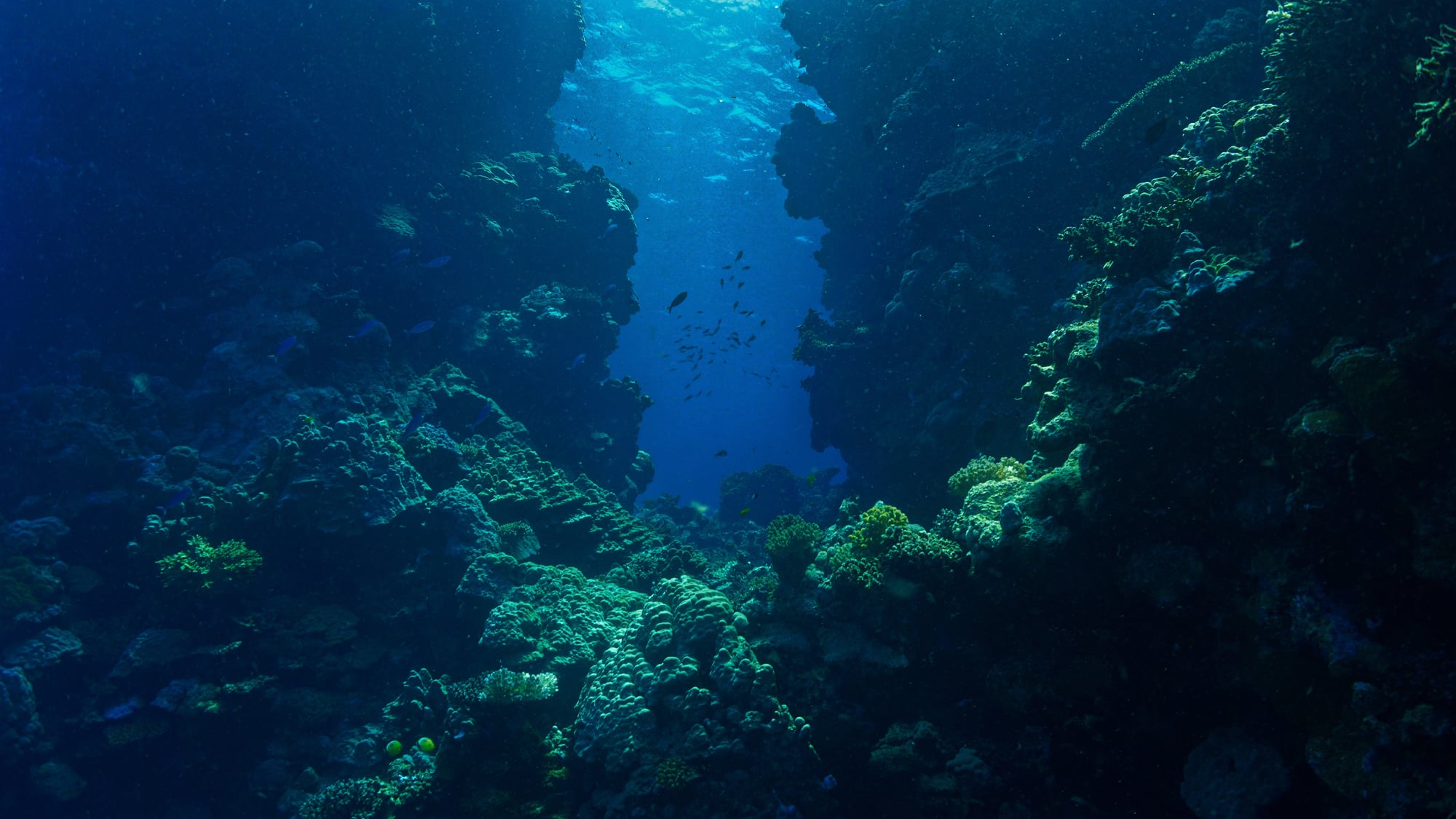
Each deep-sea expedition reveals how much remains undiscovered in Earth’s final frontier. With less than five percent of the ocean thoroughly explored, particularly in its deepest regions, our planetary understanding remains remarkably incomplete.
These strange discoveries from the abyss remind us that extraordinary findings await in the vast darkness covering most of our world. As exploration technology improves, the mysteries hidden under crushing pressure and perpetual darkness will continue revealing both natural wonders and human impacts in Earth’s most extreme environment.
More from Go2Tutors!

- The Romanov Crown Jewels and Their Tragic Fate
- 13 Historical Mysteries That Science Still Can’t Solve
- Famous Hoaxes That Fooled the World for Years
- 15 Child Stars with Tragic Adult Lives
- 16 Famous Jewelry Pieces in History
Like Go2Tutors’s content? Follow us on MSN.