12 Games That Required Dangerous Skills
Throughout history, humans have found ways to turn deadly skills into entertainment. From ancient gladiatorial combat to medieval tournaments, societies have always been fascinated by the intersection of danger and sport.
These weren’t your typical board games or casual pastimes—they were activities that demanded participants risk life and limb for glory, honor, or simple survival. What makes these games particularly fascinating is how they transformed essential survival skills into competitive spectacles.
Here’s a list of 12 games that required genuinely dangerous abilities to master.
Gladiatorial Combat
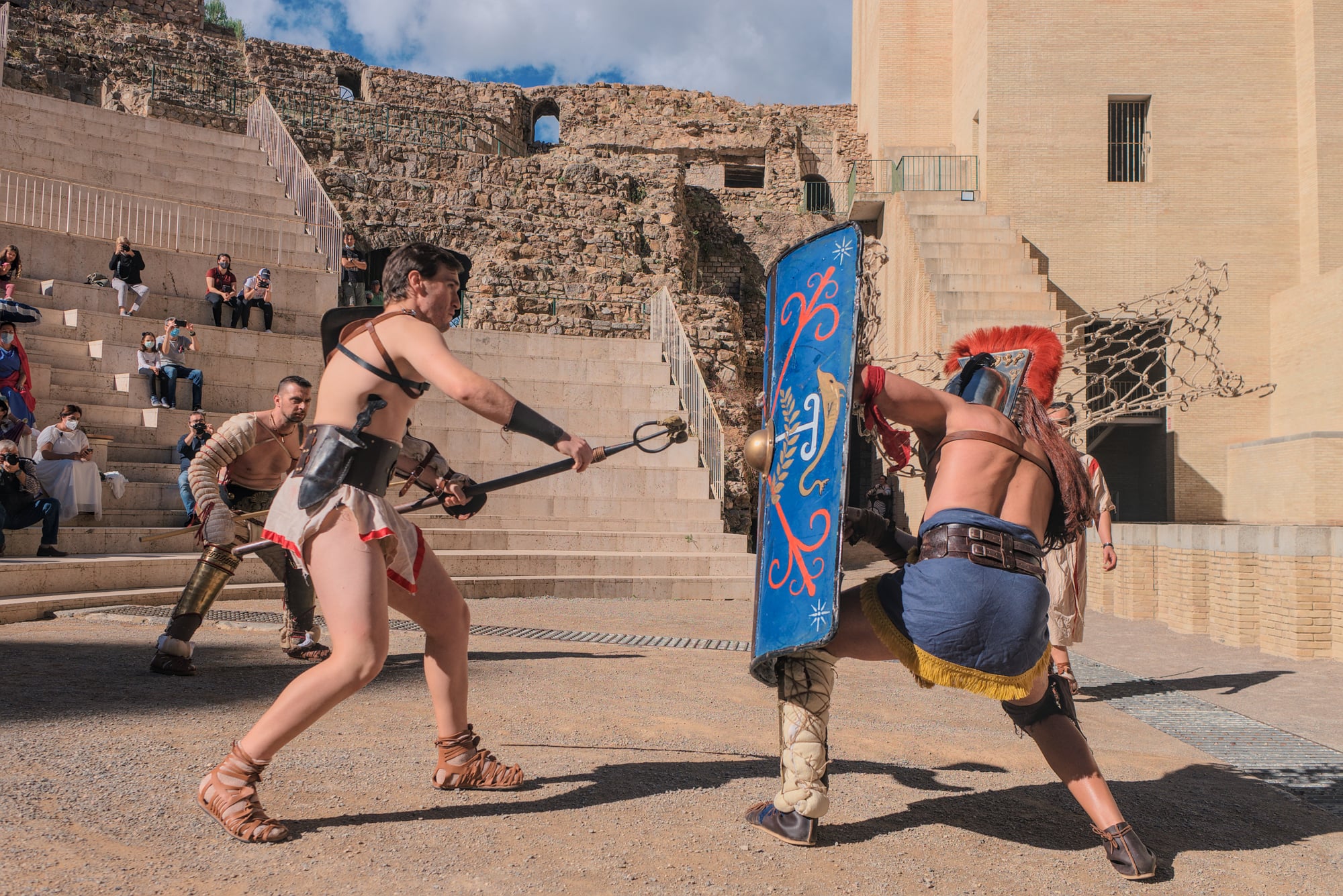
Roman gladiators didn’t just swing swords around for show—they were trained killers who faced death every time they entered the arena. These fighters spent years learning to wield various weapons.
The trident and net combination proved deadly. So did massive two-handed swords that could cleave a man in half.
Training was so intense that gladiator schools operated as military academies for combat sports, where one mistake in technique meant a very real trip to the afterlife.
Mesoamerican Game
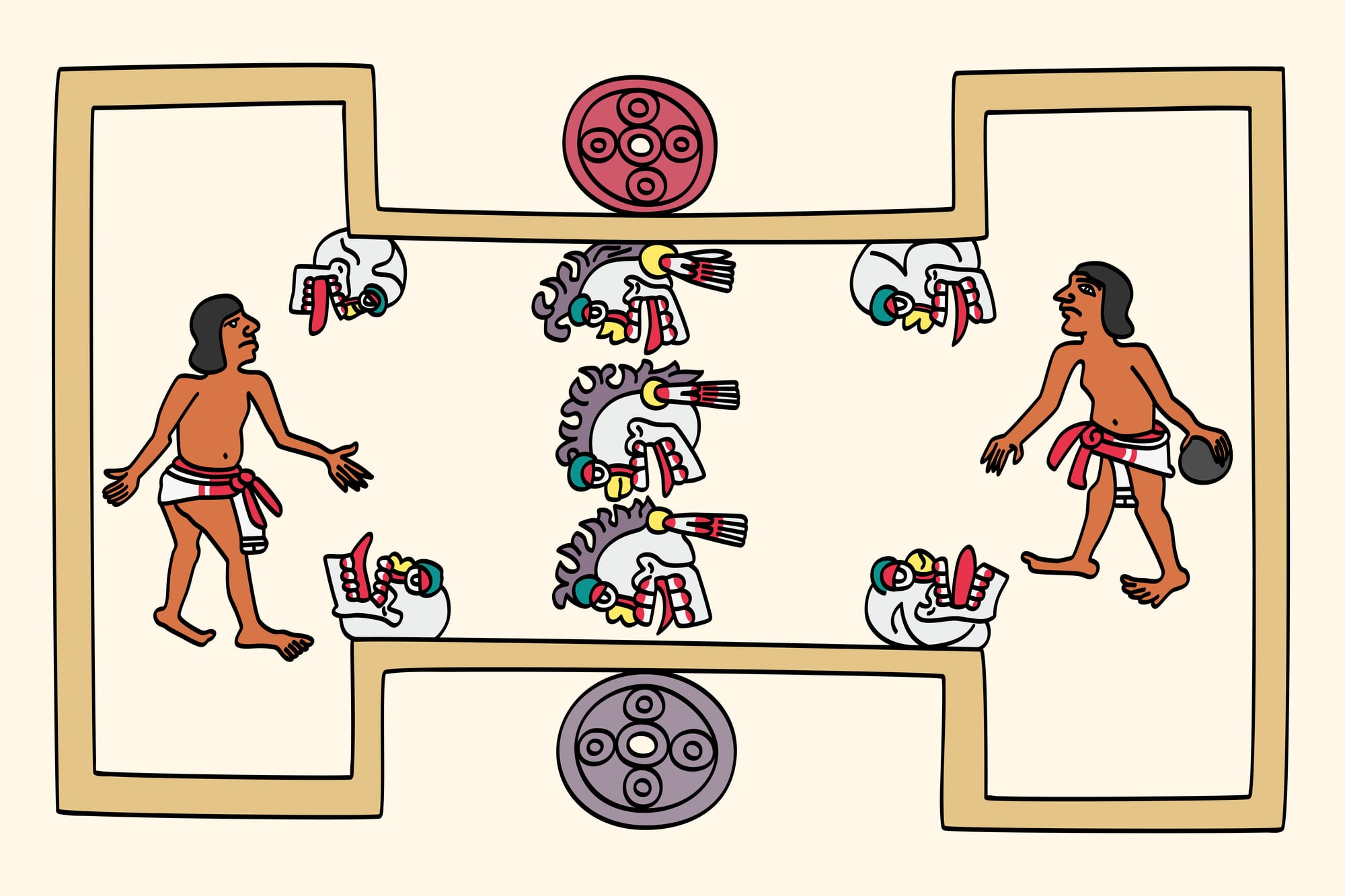
The ancient Maya and Aztec civilizations played a game called ōllamaliztli that combined athletic skill with ritual sacrifice. Players had to keep a heavy rubber in motion using only their hips, shoulders, and elbows—no hands or feet allowed.
The stakes were literally life and death, since losing teams were sometimes executed as offerings to the gods. This made every match a desperate fight for survival.
Like Go2Tutors’s content? Follow us on MSN.
Medieval Tournament Jousting
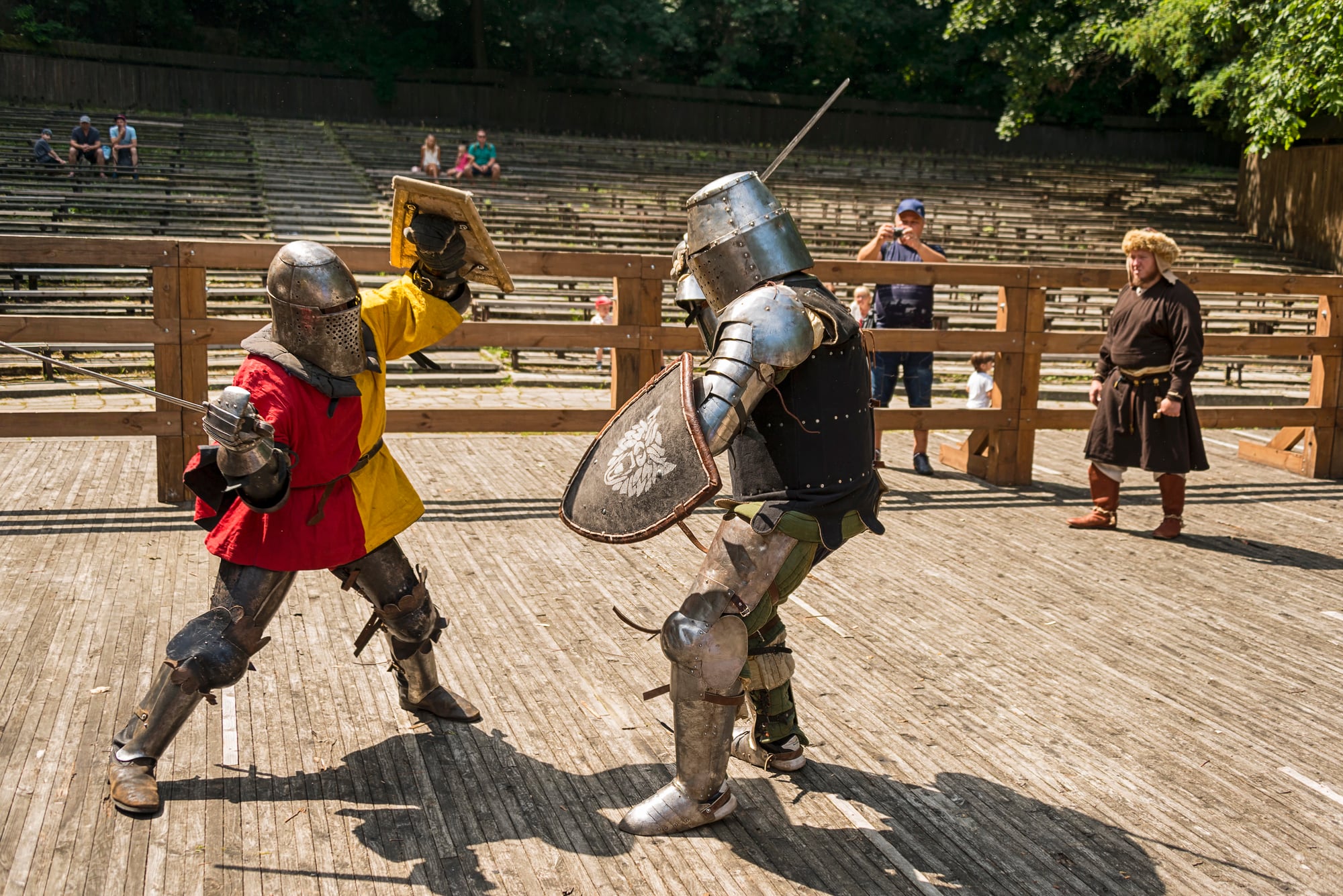
Knights charging at each other with lances while riding at full gallop required incredible horsemanship and combat skills. A single miscalculation could result in being impaled, trampled, or thrown from your horse at bone-breaking speeds.
Lance tips were often sharp enough to punch through armor. Even blunted tournament weapons could cause fatal injuries when delivered with the full force of a galloping warhorse.
Pankration

This ancient Greek martial art was essentially no-holds-barred fighting that allowed everything except biting and eye-gouging. Competitors needed to master wrestling, striking, and submission techniques that could easily kill an opponent if applied with full force.
The sport was so brutal that fighters regularly suffered broken bones and dislocated joints. Sometimes they died in the arena from chokes or strikes to vital areas.
Swordsmanship Dueling
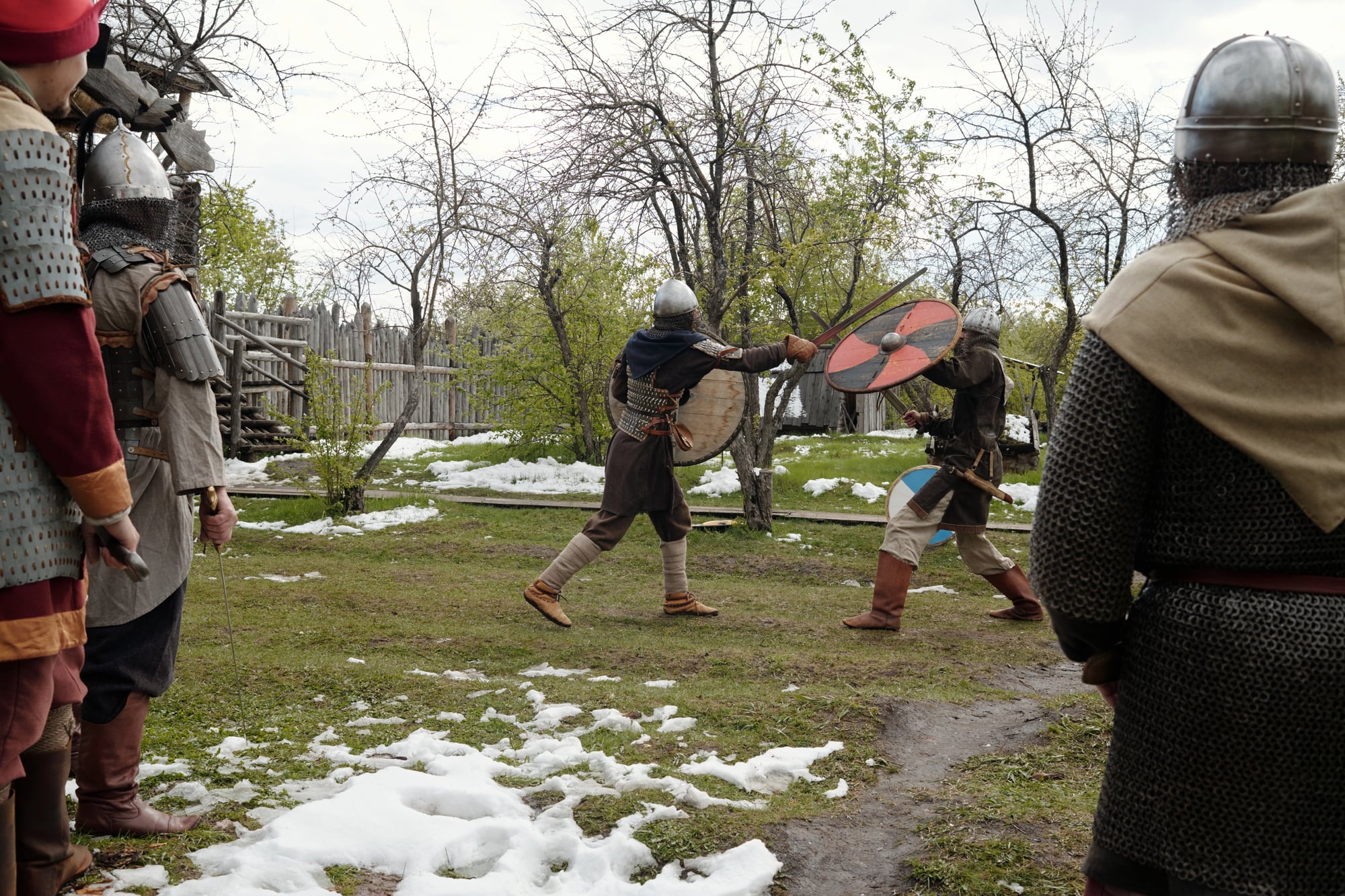
European dueling required mastery of blade work that could end a life in seconds. Participants needed lightning-fast reflexes, perfect timing, and the ability to read their opponent’s intentions while managing their own fear of death.
A single thrust to the heart or a precise cut to the neck could settle a matter of honor permanently—making every duel a high-stakes dance with mortality.
Like Go2Tutors’s content? Follow us on MSN.
Viking Berserker Combat
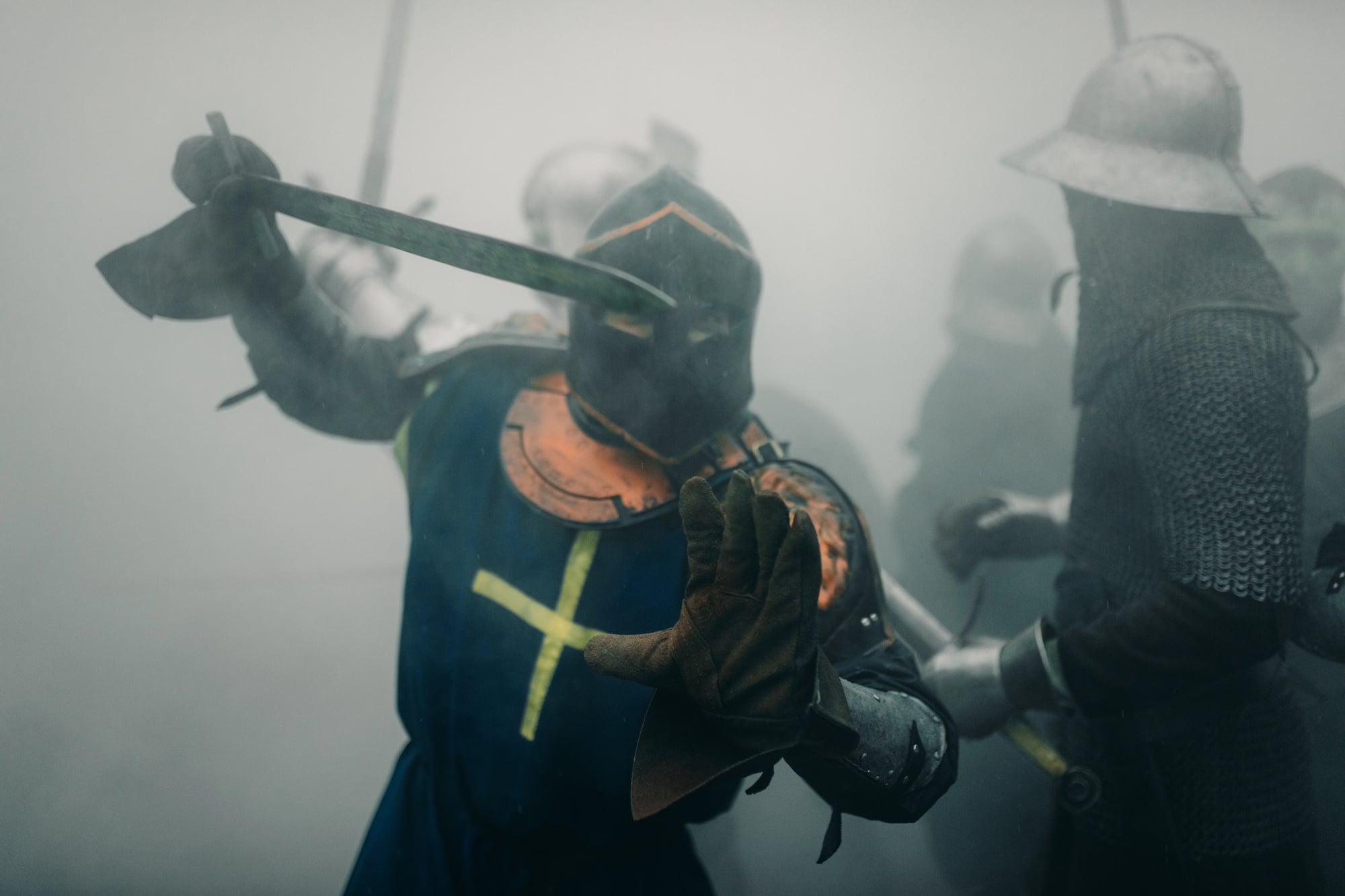
Norse berserkers entered battle in a trance-like fury—wielding axes and swords with reckless abandon. These warriors needed to master the art of controlled rage while maintaining enough tactical awareness to survive brutal melees.
The psychological conditioning required to fight without armor while surrounded by enemies armed with sharp weapons pushed human mental limits to dangerous extremes.
Japanese Kendo
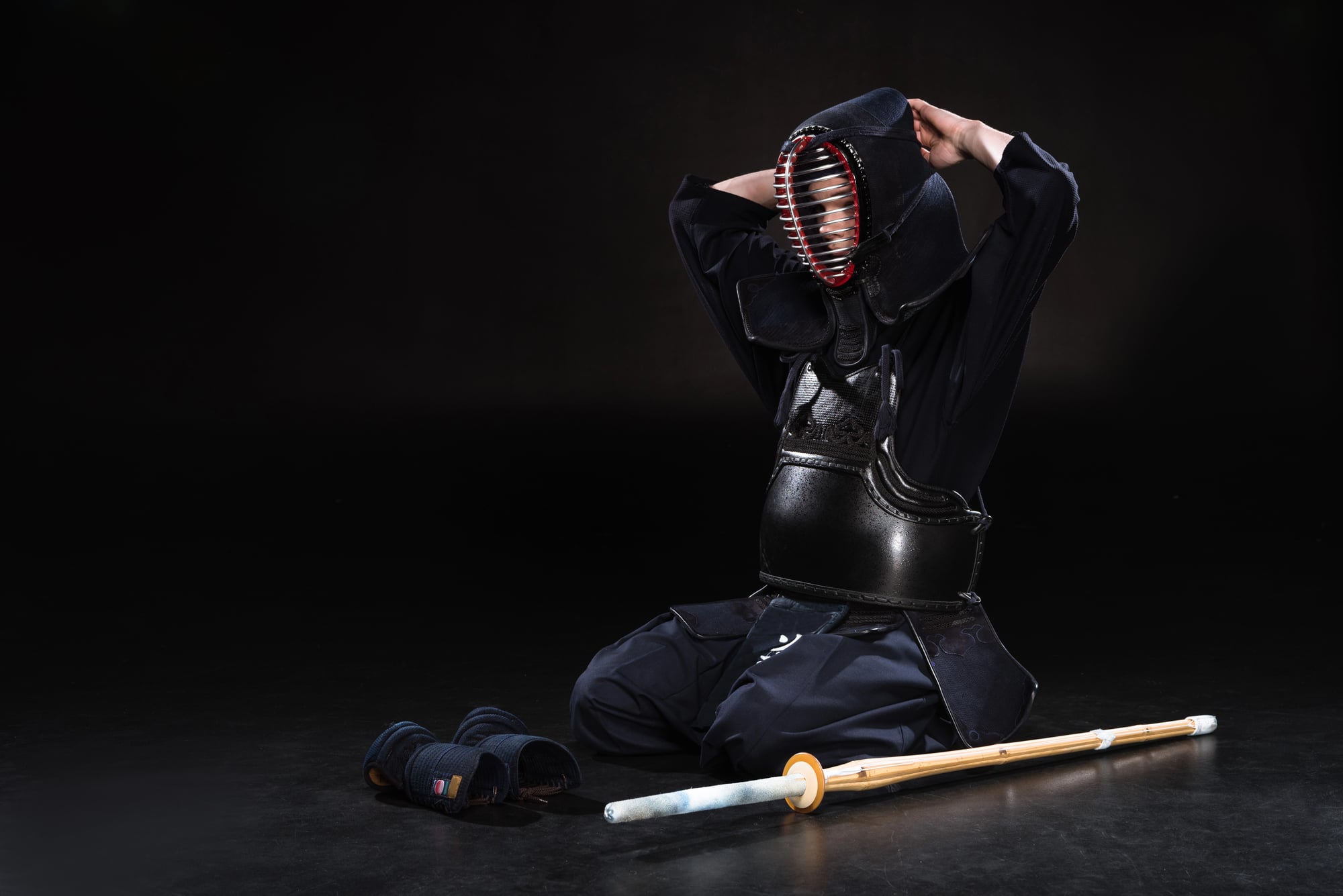
Before the adoption of bamboo swords, samurai practiced kendo with actual katanas that could slice through bone with ease. Students had to develop perfect control and timing because even practice sessions carried the risk of accidental death or dismemberment.
The mental discipline required to train with live steel—while suppressing natural survival instincts—took years to develop safely.
Greek Boxing

Unlike modern boxing, ancient Greek pugilism had no weight classes, rounds, or protective gear. Just leather straps wrapped around the knuckles with metal studs.
Fighters needed incredible endurance and pain tolerance because matches continued until one participant could no longer fight. The cestus, a particularly brutal version with metal spikes, could crush skulls and shatter bones with single punches.
Like Go2Tutors’s content? Follow us on MSN.
Hurling

Traditional Irish hurling involved wielding wooden sticks called hurleys to strike a hard sphere at speeds exceeding 100 miles per hour. Players needed exceptional hand-eye coordination and spatial awareness to avoid serious injury from flying projectiles or swinging sticks.
The game was so rough that broken bones and head injuries were considered normal parts of the sport.
American Lacrosse
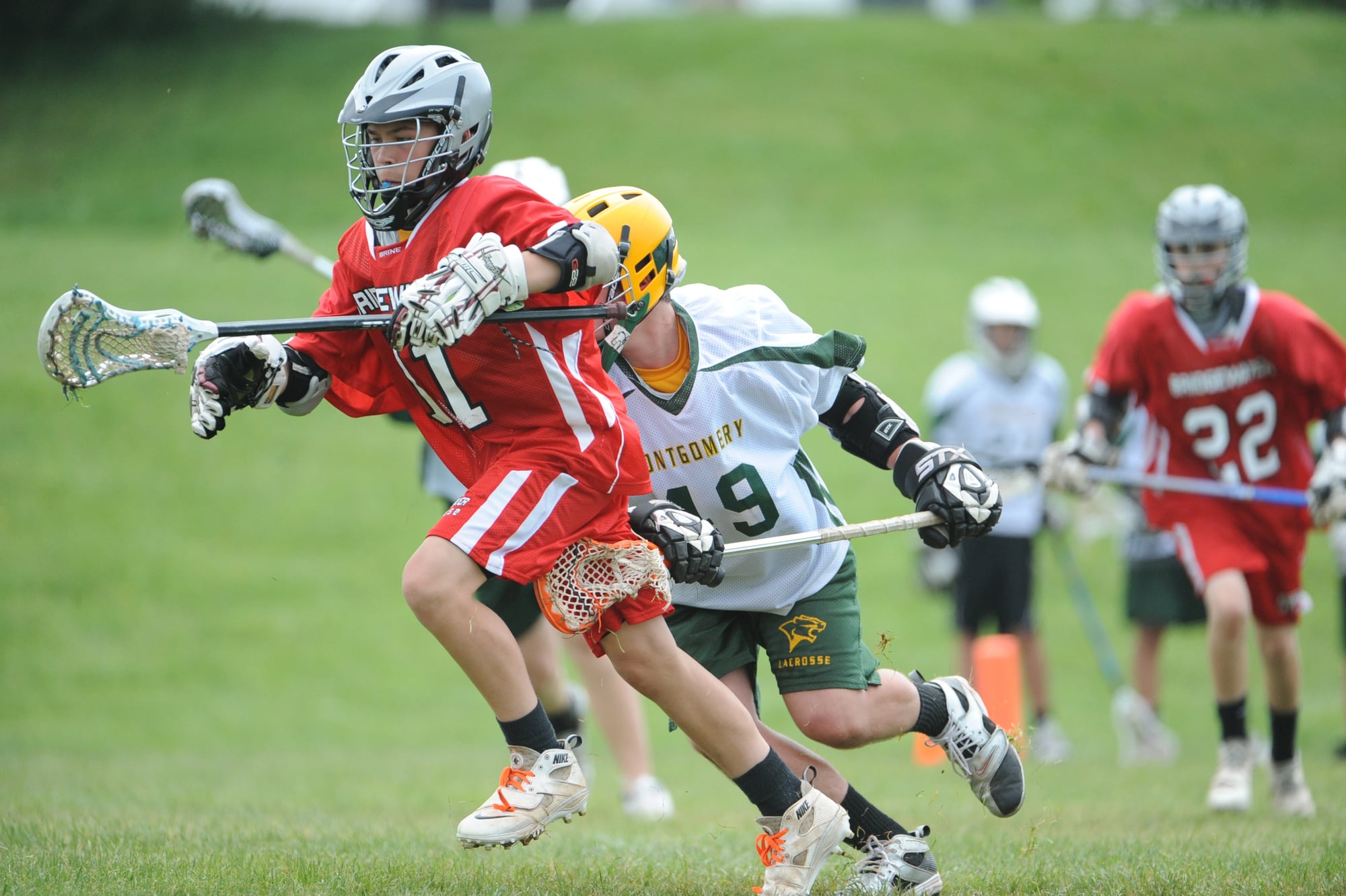
Early versions of lacrosse involved hundreds of players on fields stretching for miles, with minimal rules and maximum violence. Participants needed stamina to run for hours while dodging opponents trying to incapacitate them with wooden sticks.
The game was often used to settle tribal disputes. Victory or defeat became a matter of community honor that pushed individual players to dangerous extremes.
Archery Competitions

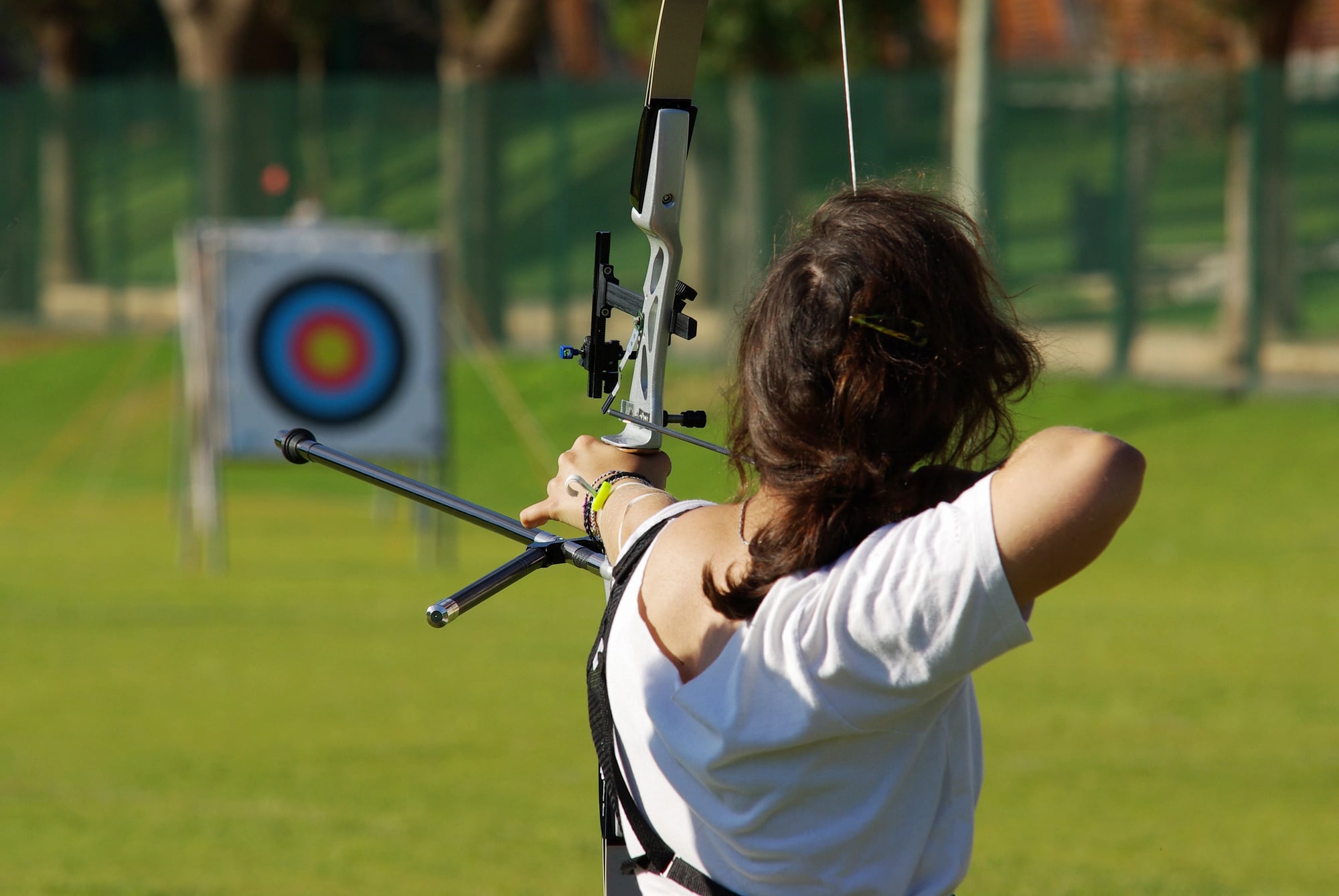
Tournament archers needed to demonstrate their skill with weapons capable of punching through armor at 200 yards. The physical strength required to repeatedly draw a war bow could cause permanent joint damage and muscle tears.
Competitors also faced the psychological pressure of knowing their archery skills might determine their survival in actual warfare.
Like Go2Tutors’s content? Follow us on MSN.
Bullfighting on Horseback
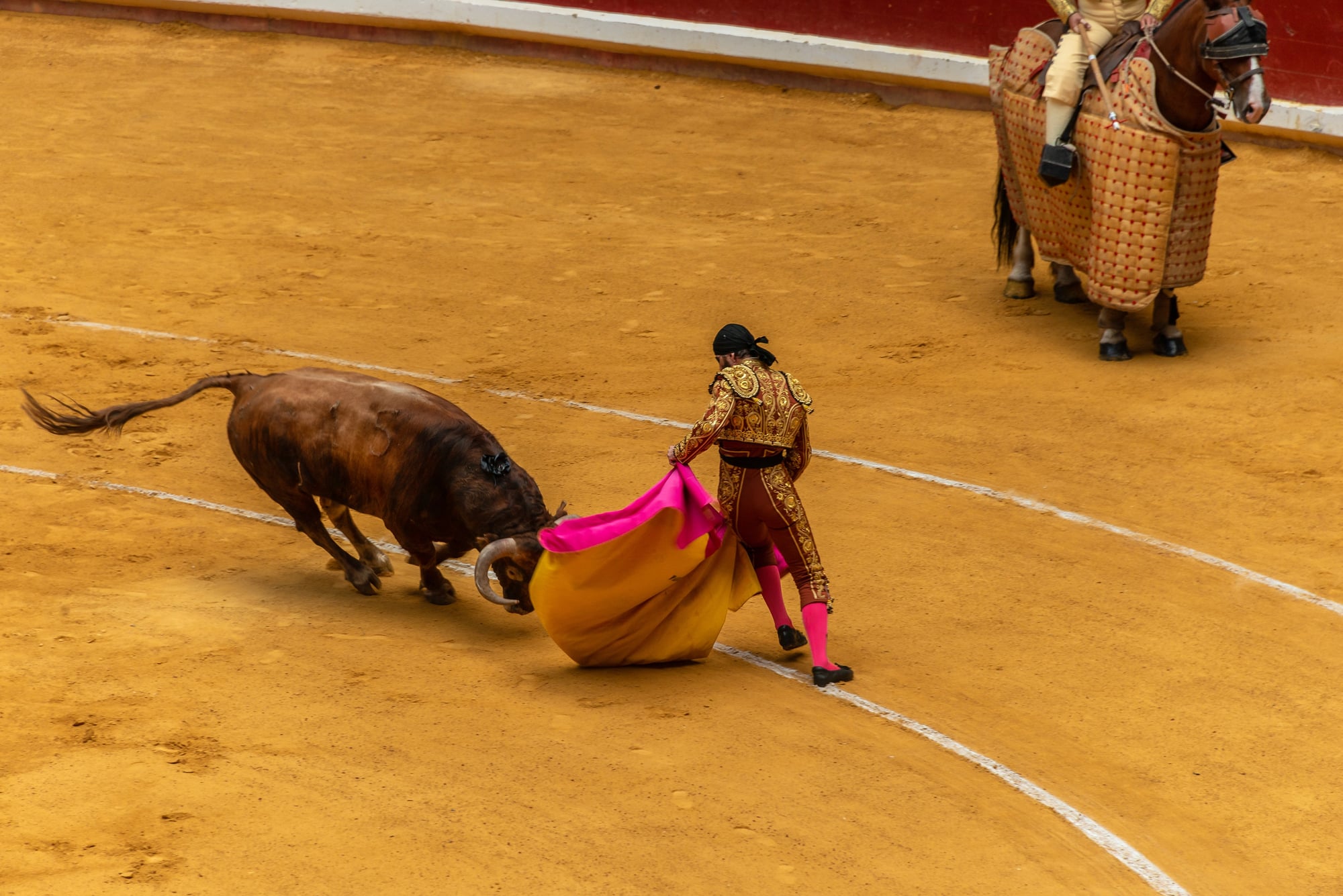
The original form of bullfighting required mounted riders to face charging bulls while wielding spears from horseback. Participants needed expert horsemanship to control their mounts while a half-ton animal tried to gore them both.
The precise timing required to strike a charging bull without being thrown, trampled, or gored demanded years of training that regularly claimed lives during the learning process.
When Survival Became Spectacle
These dangerous games reveal something fundamental about human nature—our fascination with transforming deadly skills into entertainment. Modern sports have evolved safety measures that would horrify ancient competitors, yet the core appeal remains the same.
We’re still drawn to contests that push human capabilities to their limits, even when those limits brush against mortality itself. The difference today is that we’ve learned to preserve the thrill while protecting the participants.
What once were matters of life and death have become celebrations of human achievement.
More from Go2Tutors!

- 16 Historical Figures Who Were Nothing Like You Think
- 12 Things Sold in the 80s That Are Now Illegal
- 15 VHS Tapes That Could Be Worth Thousands
- 17 Historical “What Ifs” That Would Have Changed Everything
- 18 TV Shows That Vanished Without a Finale
Like Go2Tutors’s content? Follow us on MSN.