Oldest Dog Breeds You Can Adopt Today
Long before modern breeding standards and kennel clubs existed, dogs were already working alongside humans as hunters, guardians, and companions. Some breeds changed dramatically over centuries.
Others remained surprisingly close to their ancient roots, carrying physical traits and instincts that trace back thousands of years. Here’s a closer look at some of the oldest dog breeds you can still adopt today, each with a lineage that reaches deep into human history.
Saluki

Ancient drawings show dogs that look just like Salukis inside tombs built more than four thousand years ago. This breed carries a name tied to royalty in Egypt, earning it deep respect through time.
Running fast and lasting long defined their purpose out on open desert ground. Hunters relied on them when chasing gazelles under hot skies.
Built for speed even now, the Saluki moves with a slender frame and calm self-reliance. Grace marks each step, a trait paired with deep sensitivity needing soft guidance plus open space to stretch their legs.
Though found more often behind fences than dunes, their poise carries echoes of another age. Time slips past, yet they carry themselves like creatures untouched by it.
Basenji

The Basenji originated in central Africa and is often described as a ‘barkless dog,’ though it produces a distinctive yodel-like sound instead. Genetic studies place it among the most ancient domesticated dog lineages.
Archaeological evidence suggests similar dogs existed in Africa thousands of years ago. Still, the Basenji feels modern in its personality.
It is intelligent, curious, and famously independent. Owners often compare living with one to sharing space with a clever roommate who happens to have four legs.
That independence is part of what has kept the breed’s character intact across centuries.
Afghan Hound
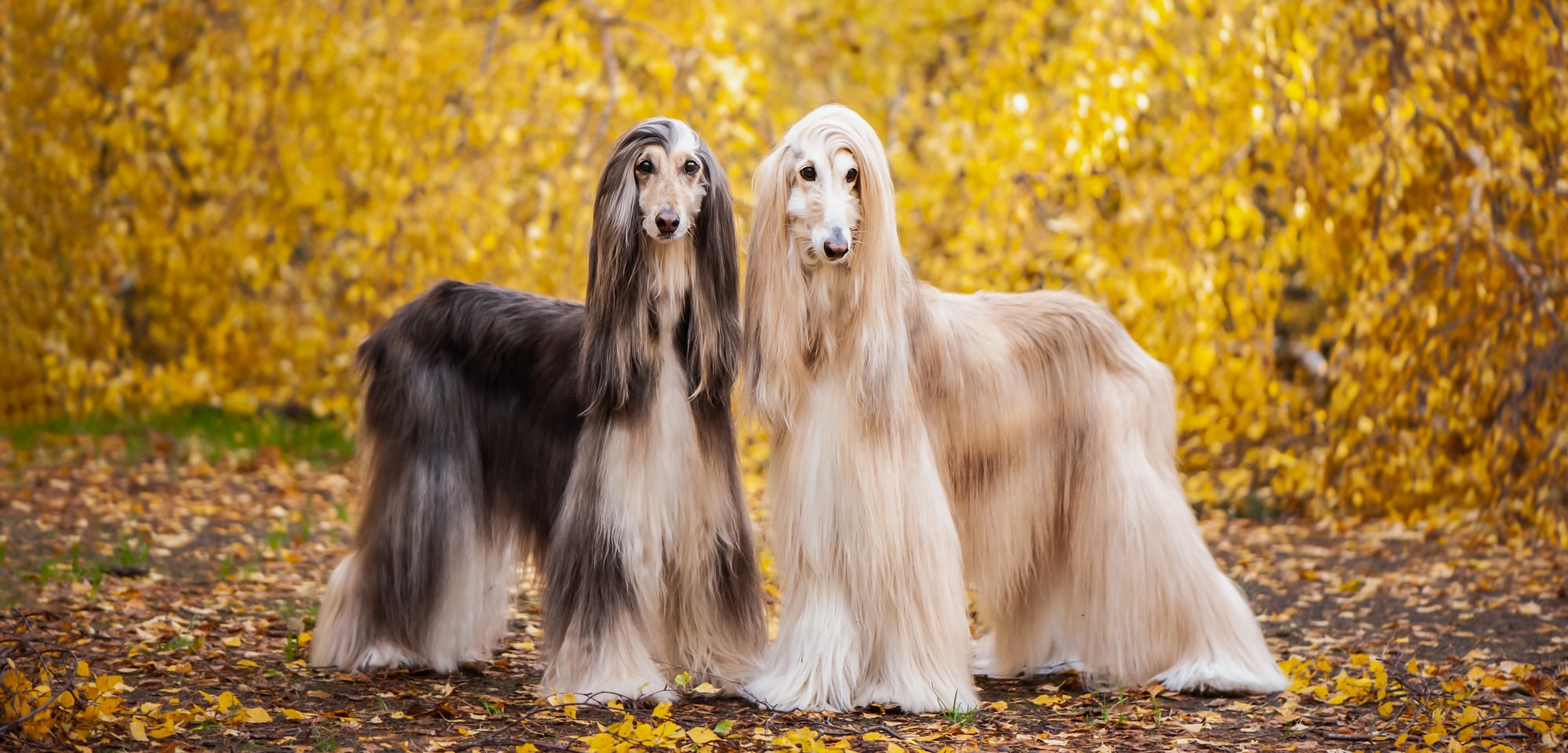
The Afghan Hound’s long, flowing coat may look glamorous, but its origins are rooted in harsh mountain terrain. This breed developed in Afghanistan thousands of years ago, bred to chase prey across rocky landscapes at high speeds.
On the other hand, beneath the dramatic appearance lies a dignified and somewhat aloof temperament. Afghan Hounds bond closely with their families but tend to maintain a streak of independence.
Their ancient hunting instincts remain strong, even if today’s version is more likely to be found in a living room than a mountain pass.
Akita

Originating in Japan, the Akita has been documented for centuries as a powerful hunting and guarding dog. Early versions of the breed were used to track large game, including boar and bear, in northern Japan.
Even so, the modern Akita is best known for loyalty and calm strength. The breed’s reputation was solidified in the early twentieth century through the famous story of Hachiko, an Akita remembered for unwavering devotion.
Today’s Akitas still carry that steady, watchful presence that defined their ancestors.
Shiba Inu
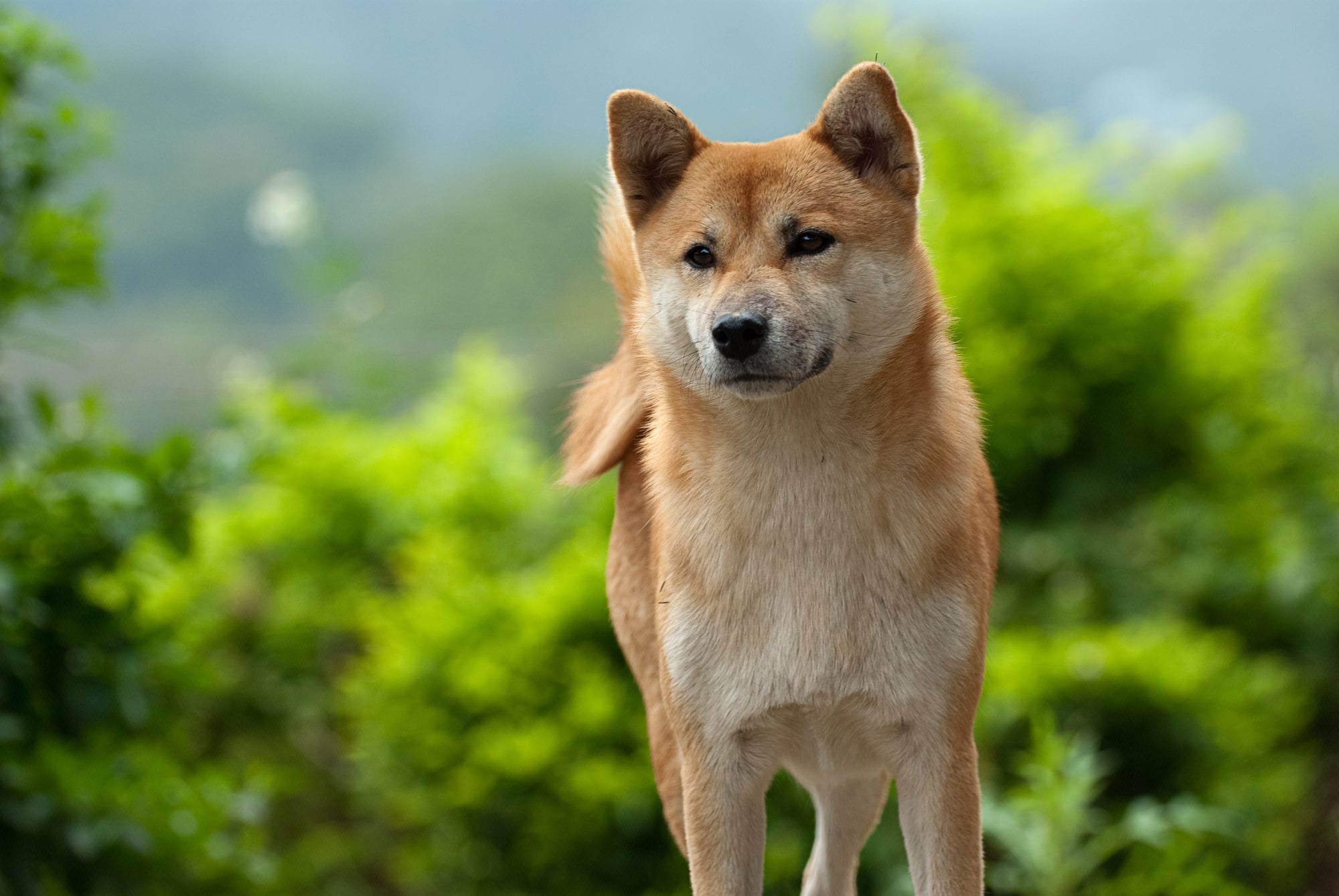
The Shiba Inu is another ancient Japanese breed, originally developed for hunting small game in mountainous regions. Genetic studies consistently place it among the oldest domestic dog lineages.
Despite its fox-like appearance and compact size, the Shiba has a bold personality. It is confident, alert, and sometimes stubborn.
That strong sense of self likely contributed to its survival across centuries of change. The breed remains popular worldwide, balancing ancient instincts with modern adaptability.
Tibetan Mastiff

The Tibetan Mastiff has guarded Himalayan villages and monasteries for thousands of years. Its thick coat and imposing size developed in response to extreme mountain climates and the need to protect livestock from predators.
Still, the breed’s temperament is more complex than its size suggests. Tibetan Mastiffs are deeply loyal but often reserved with strangers.
Their independence reflects a long history of making decisions without constant human direction.
Chow Chow

The Chow Chow’s distinctive mane and blue-black tongue set it apart visually, but its history is equally remarkable. Originating in northern China, the breed dates back more than two thousand years and may be even older.
Even so, the Chow Chow remains a devoted companion when properly socialized. Historically used for guarding and hunting, it carries a dignified and sometimes aloof demeanor.
Its ancient roots show in both its physical features and its confident posture.
Alaskan Malamute

The Alaskan Malamute traces its origins to Arctic sled dogs used by the Mahlemut Inuit people. For centuries, these dogs hauled heavy loads across snow and ice, developing immense strength and endurance.
On the other hand, modern Malamutes are known as affectionate family dogs with high energy levels. Their thick coats and powerful builds reflect survival in harsh climates.
While snow-covered landscapes shaped their beginnings, today they thrive wherever active owners can meet their exercise needs.
Siberian Husky
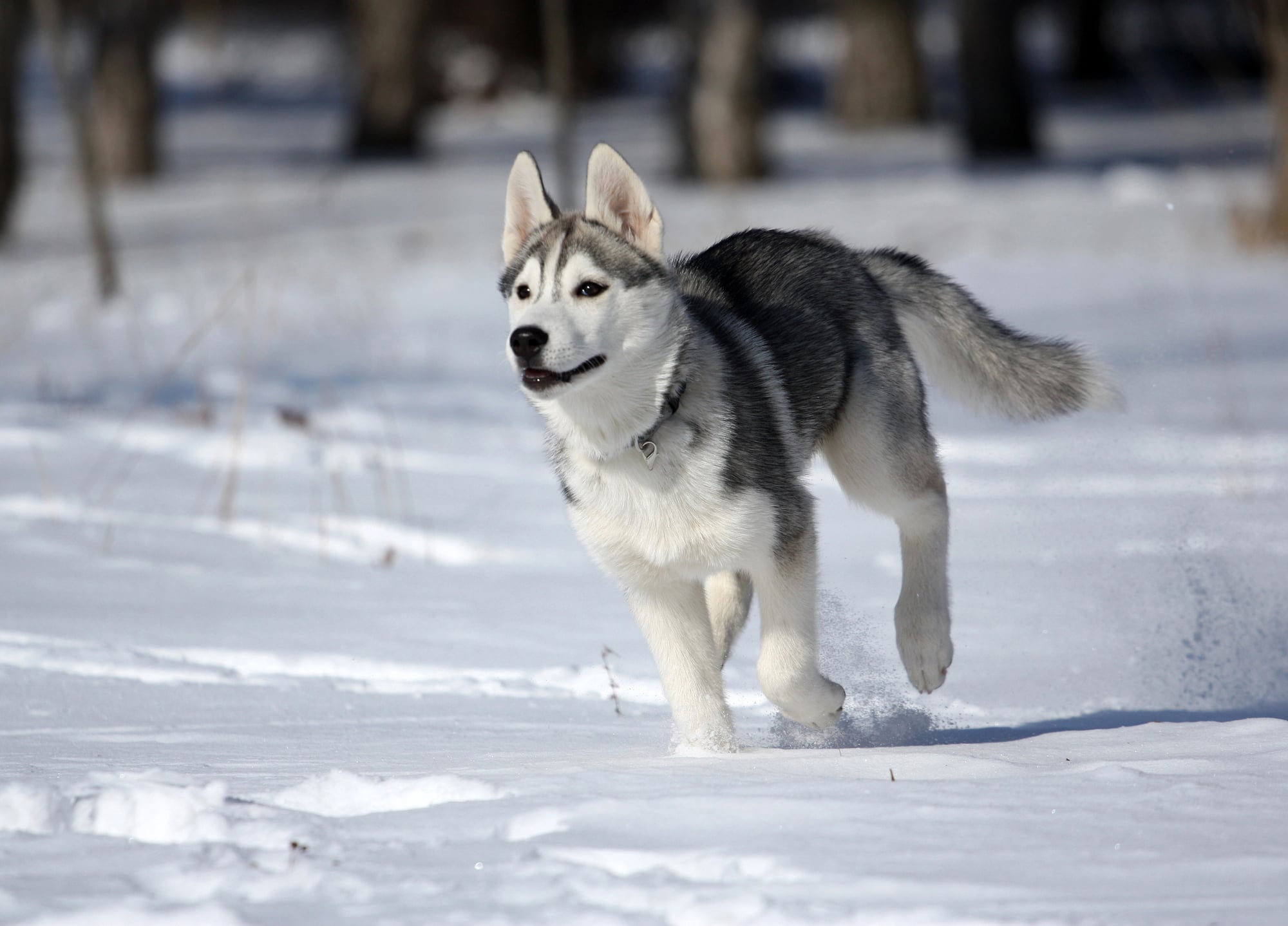
Like the Malamute, the Siberian Husky developed as a sled dog in cold climates, specifically among the Chukchi people of northeastern Asia. Genetic studies suggest the breed has deep ancestral roots tied to early Arctic working dogs.
Still, the Husky’s friendly and outgoing temperament sets it apart from some more reserved ancient breeds. It remains highly energetic and social, traits that once helped it function in team-based sled work.
Those instincts remain alive in modern households.
Pharaoh Hound
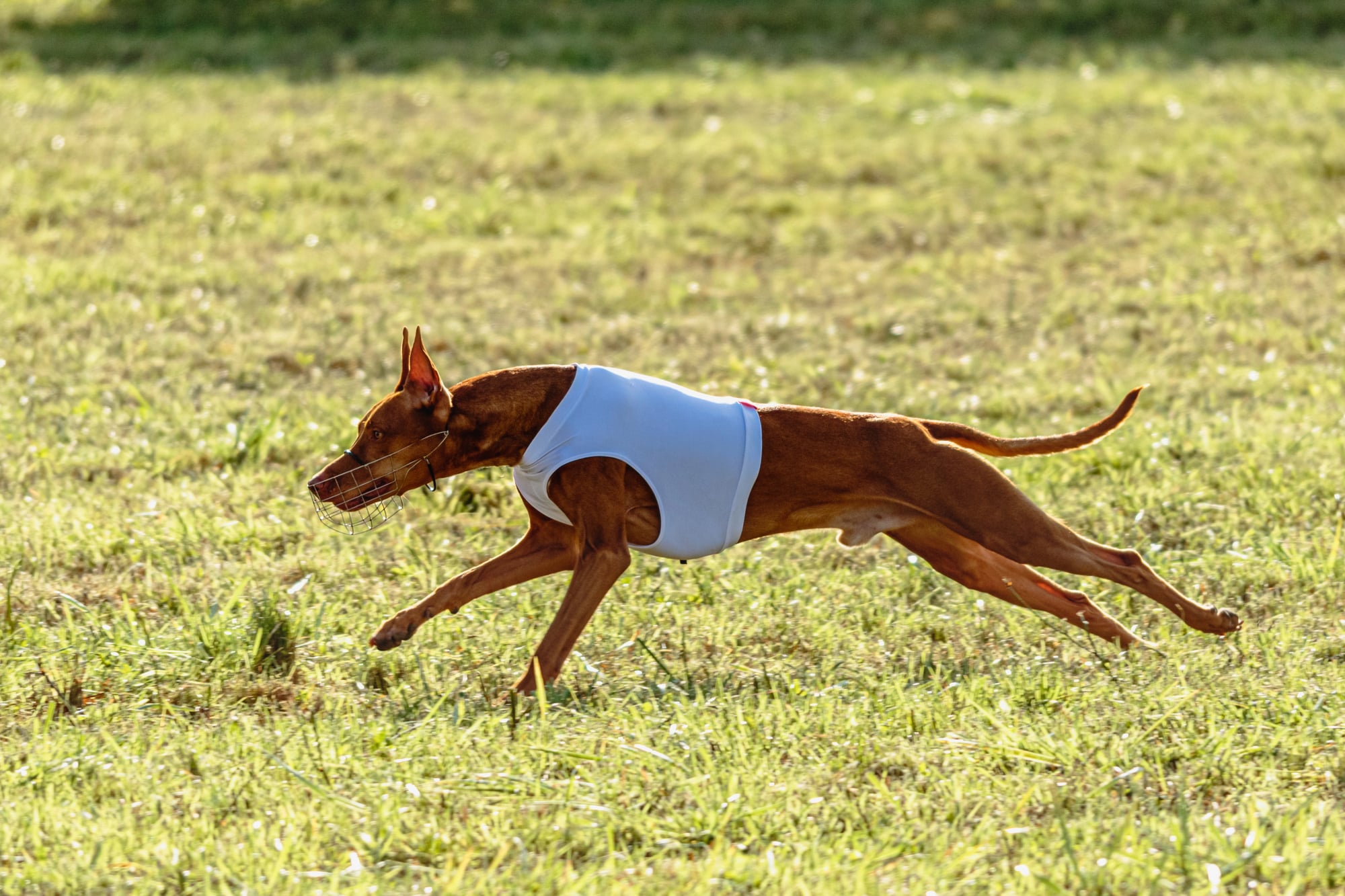
Despite its name, the Pharaoh Hound is most closely associated with Malta, though its appearance strongly resembles dogs depicted in ancient Egyptian art. The breed’s sleek body and upright ears evoke images carved into stone thousands of years ago.
Even so, the Pharaoh Hound is playful and expressive in modern homes. It is known for its sensitivity and even a unique trait: its nose can appear to flush when excited.
The blend of ancient form and lively personality gives the breed enduring appeal.
Samoyed

The Samoyed originated in Siberia, where it worked alongside the Samoyedic peoples herding reindeer and pulling sleds. Its thick white coat protected it against extreme cold, while its friendly disposition made it a close companion.
Still, the Samoyed’s famous ‘smile’ is more than a charming expression. It helped prevent drooling that could freeze in subzero conditions.
Ancient function shaped modern appearance in subtle but meaningful ways.
Shar Pei
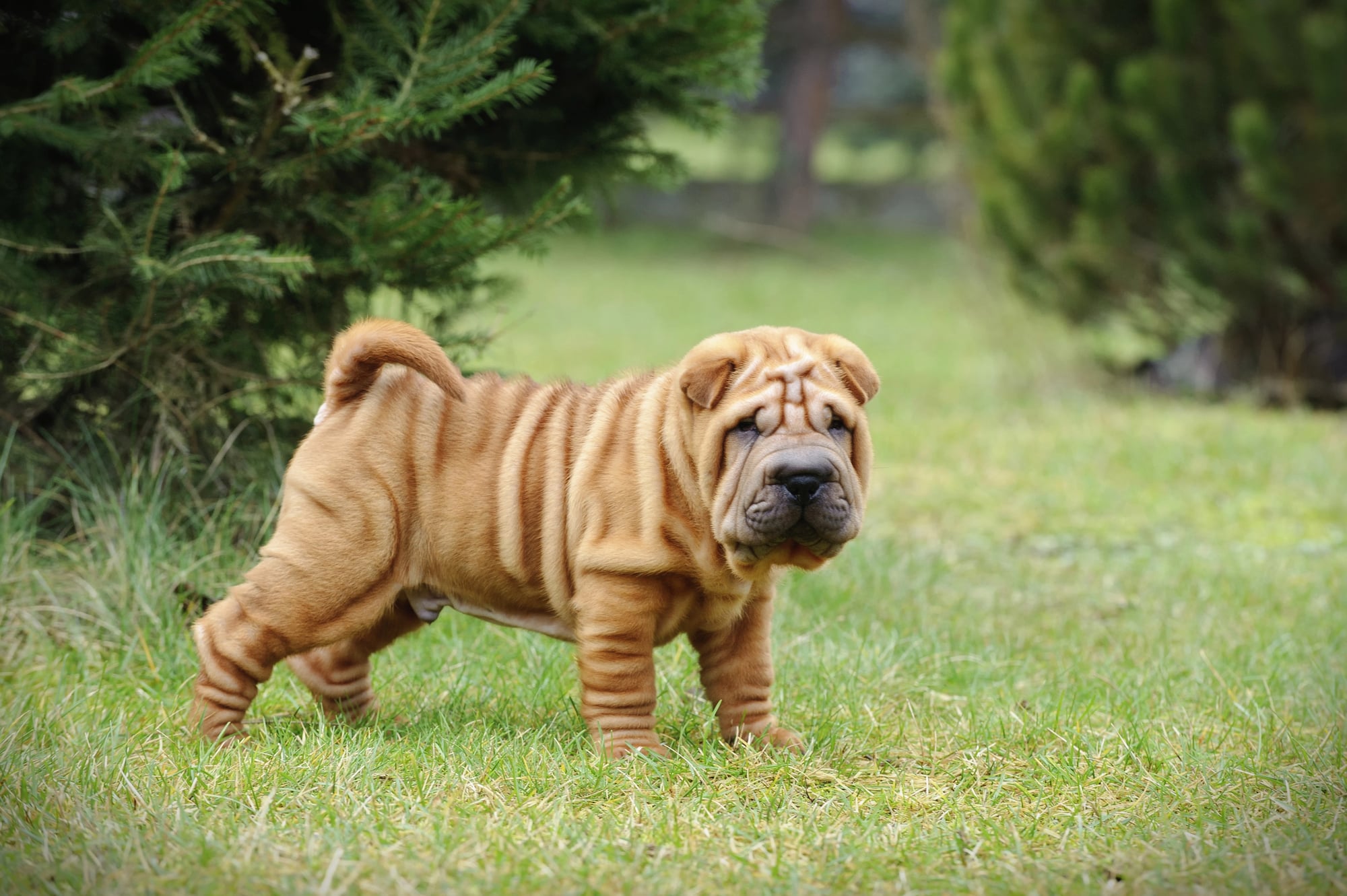
The Chinese Shar Pei dates back over two thousand years and was originally used for guarding and hunting. Its loose, wrinkled skin and bristly coat were functional traits, providing protection in confrontations.
Even so, the breed nearly disappeared in the twentieth century before being revived through dedicated breeding efforts. Today’s Shar Pei carries the same distinctive features that once served practical purposes in rural China.
Greyhound

The Greyhound’s history stretches back to ancient Egypt, Greece, and Rome. Known for extraordinary speed, it was prized for hunting and racing across open landscapes.
Still, modern Greyhounds are often surprisingly calm and gentle indoors. While capable of reaching speeds over 40 mph, they are content with short bursts of activity followed by long stretches of rest.
That contrast makes them one of the most misunderstood ancient breeds.
Lhasa Apso

The Lhasa Apso originated in Tibet, where it served as an indoor sentinel in monasteries and palaces. Despite its small size, it was valued for its alertness and keen hearing.
Even so, the breed carries a strong-willed streak. Its role as a watchdog shaped its confident and sometimes stubborn temperament.
Today, the Lhasa Apso remains a loyal and spirited companion.
New Guinea Singing Dog
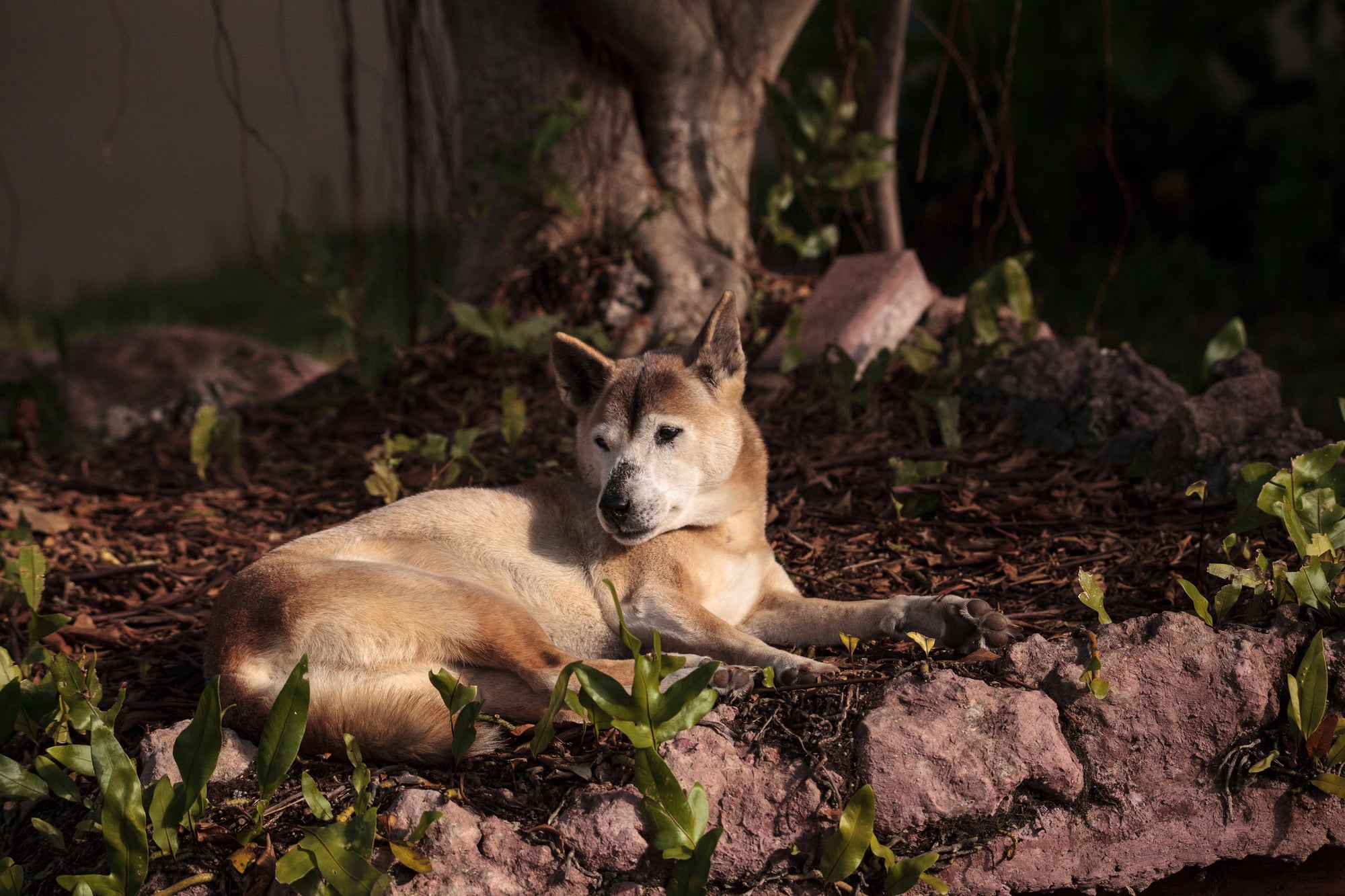
One of the rarest ancient dog breeds, the New Guinea Singing Dog is famous for its distinctive sounds. It has been genetically related to some of the first domesticated dogs ever.
The New Guinea Singing Dog may not be as common an owned pet, but it is an important window into what the early days of man and dog might have been like.
Why Ancient Breeds Still Capture Attention
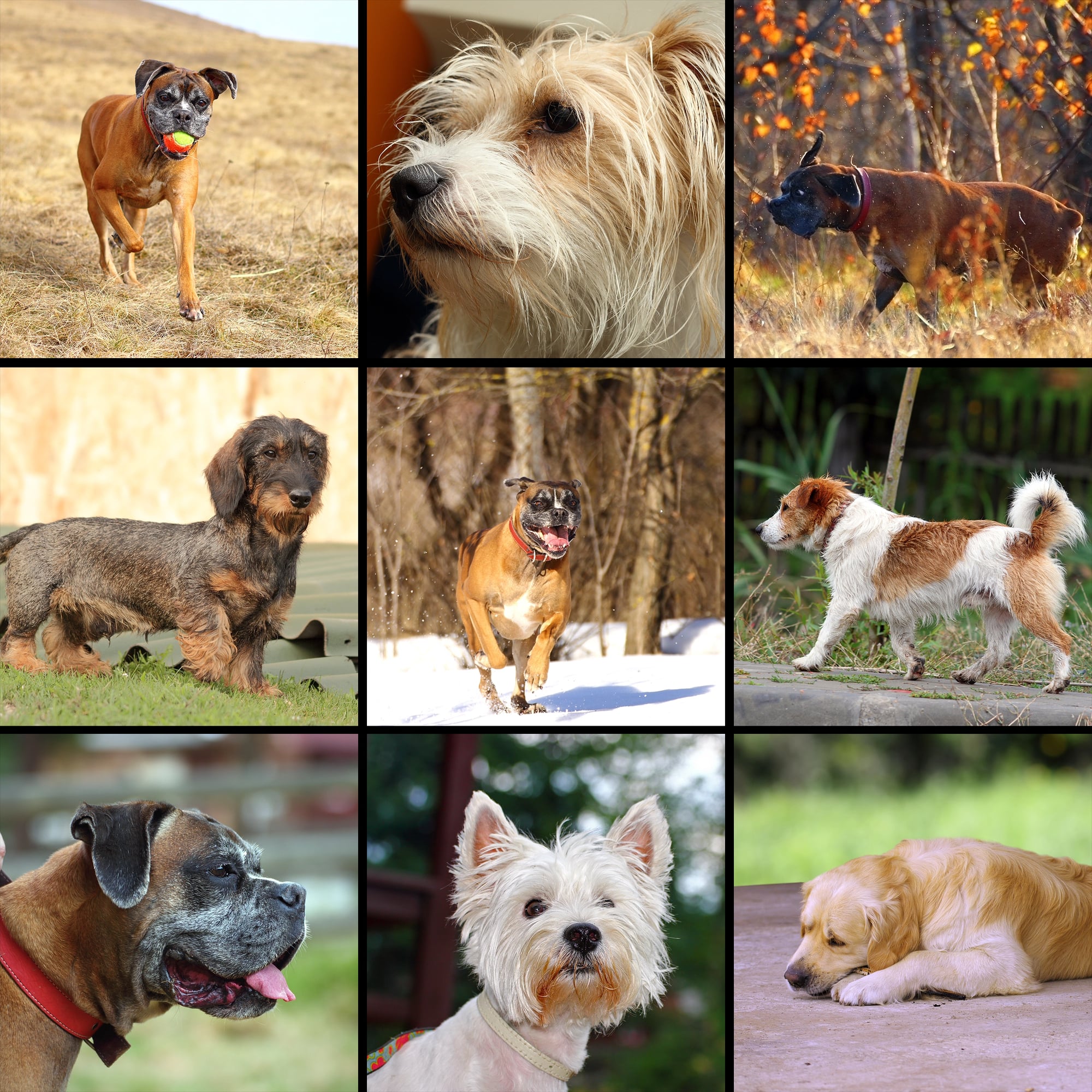
The survival of these breeds can be attributed to the delicate balance between adaptation and conservation. While many breeds that exist today were conditioned by recent standards for breeding, the ancient breeds possess instincts and physical attributes that were conditioned for survival in harsh conditions.
Adopting one of these breeds is not just adopting a pet; it is adopting a piece of history. Their temperaments, physical attributes, and behaviors are reminiscent of the roles that they played by the side of hunters, herders, and guardians.
In a world that constantly changes, the breeds offer a reminder that some partnerships are timeless.
More from Go2Tutors!

- The Romanov Crown Jewels and Their Tragic Fate
- 13 Historical Mysteries That Science Still Can’t Solve
- Famous Hoaxes That Fooled the World for Years
- 15 Child Stars with Tragic Adult Lives
- 16 Famous Jewelry Pieces in History
Like Go2Tutors’s content? Follow us on MSN.