12 Inventions That Sold Only After Their Patents Expired
A patent is supposed to reward an inventor for bringing something new into the world. Often enough, though, the real commercial boom arrives only once that protection lapses, when competitors are finally free to make the thing cheaply, improve on it without fear of a lawsuit, or simply build the version the original patent holder had been too cautious, too expensive, or too litigious to build themselves.
The Windshield Wiper

Mary Anderson patented her hand-operated “window cleaning device” in 1903 after watching a New York streetcar driver struggle to see through sleet, but manufacturers dismissed it as having no commercial value and she never found a licensee.
Her seventeen-year patent expired in 1920, and within just a couple of years, automakers including Cadillac had adopted versions of the wiper as standard equipment. Anderson never received a cent in royalties from an invention that became essential to nearly every vehicle built afterward.
The High-Pressure Steam Engine
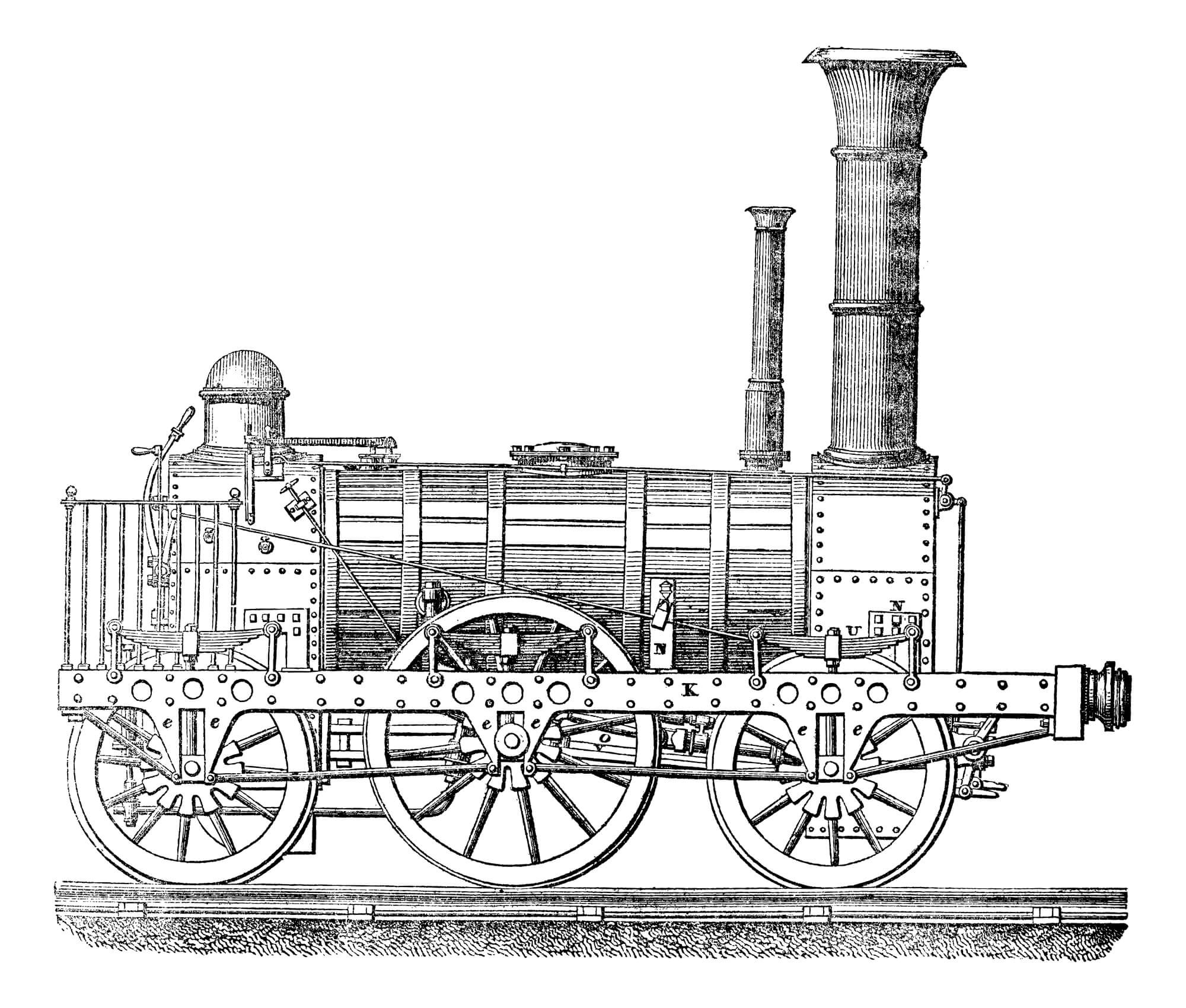
James Watt’s foundational steam engine patent, held jointly with business partner Matthew Boulton, effectively controlled the direction of steam technology in Britain from 1769 until it expired in 1800, and historians have long argued the firm used it to slow the development of smaller, more powerful high-pressure engines that Watt considered unsafe.
Within just a few years of the patent’s expiration, engineer Richard Trevithick had built a working high-pressure engine compact enough to power a locomotive, launching the railway age. Some economic historians dispute how much the patent itself actually delayed things, but the timing of the resulting burst of innovation, arriving almost immediately after 1800, remains striking.
The Cotton Gin
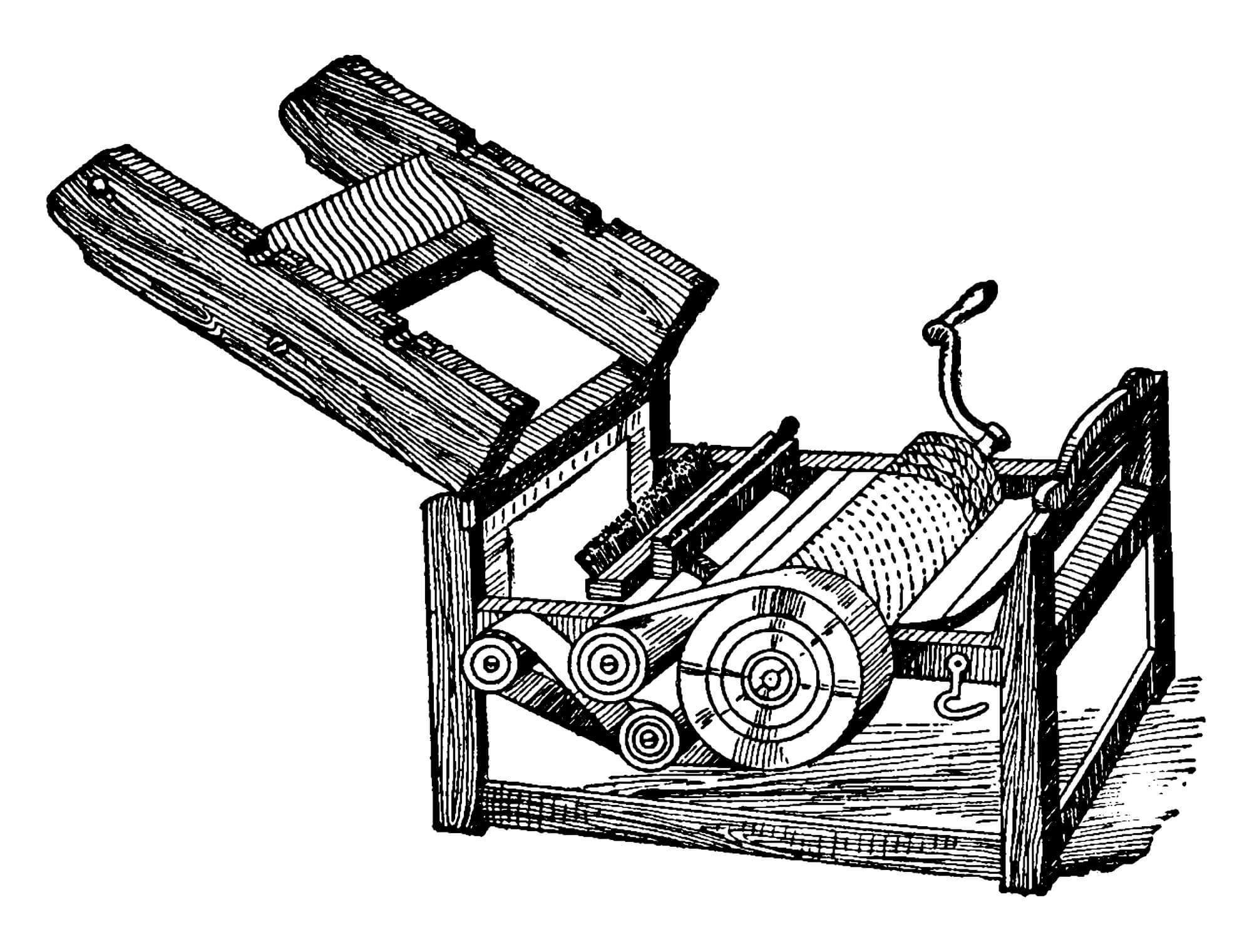
Eli Whitney patented his cotton gin in 1794, but rampant, difficult-to-prosecute infringement meant he collected only a fraction of the royalties he was owed while the patent remained active, spending years and much of his profit fighting infringement lawsuits instead. Only after his patent expired in the early 1800s could local blacksmiths and mechanics across the American South build and sell gins openly, without fear of legal action, and the technology’s use expanded dramatically once that legal risk disappeared.
Vulcanized Rubber

Charles Goodyear patented his process for vulcanizing rubber in 1844, but spent the rest of his life fighting an endless string of infringers in court, netting comparatively little income despite rubber’s rapid adoption across footwear, machine belting, and eventually tires. He died in 1860, deeply in debt, just as the vulcanized rubber industry he had made possible was beginning to scale into the mass manufacturing operation that would define it for the following century, almost entirely in the hands of companies other than his own.
Atorvastatin

Pfizer’s cholesterol-lowering drug Lipitor, built on the compound atorvastatin, was for years the best-selling prescription drug in the world, but its overall reach expanded even further after its patent expired in 2011. Generic versions flooded pharmacies within months, and the total volume of atorvastatin prescribed and consumed worldwide grew substantially as the price per pill collapsed, putting the medication within reach of vastly more patients than the branded version alone had ever served.
Fluoxetine
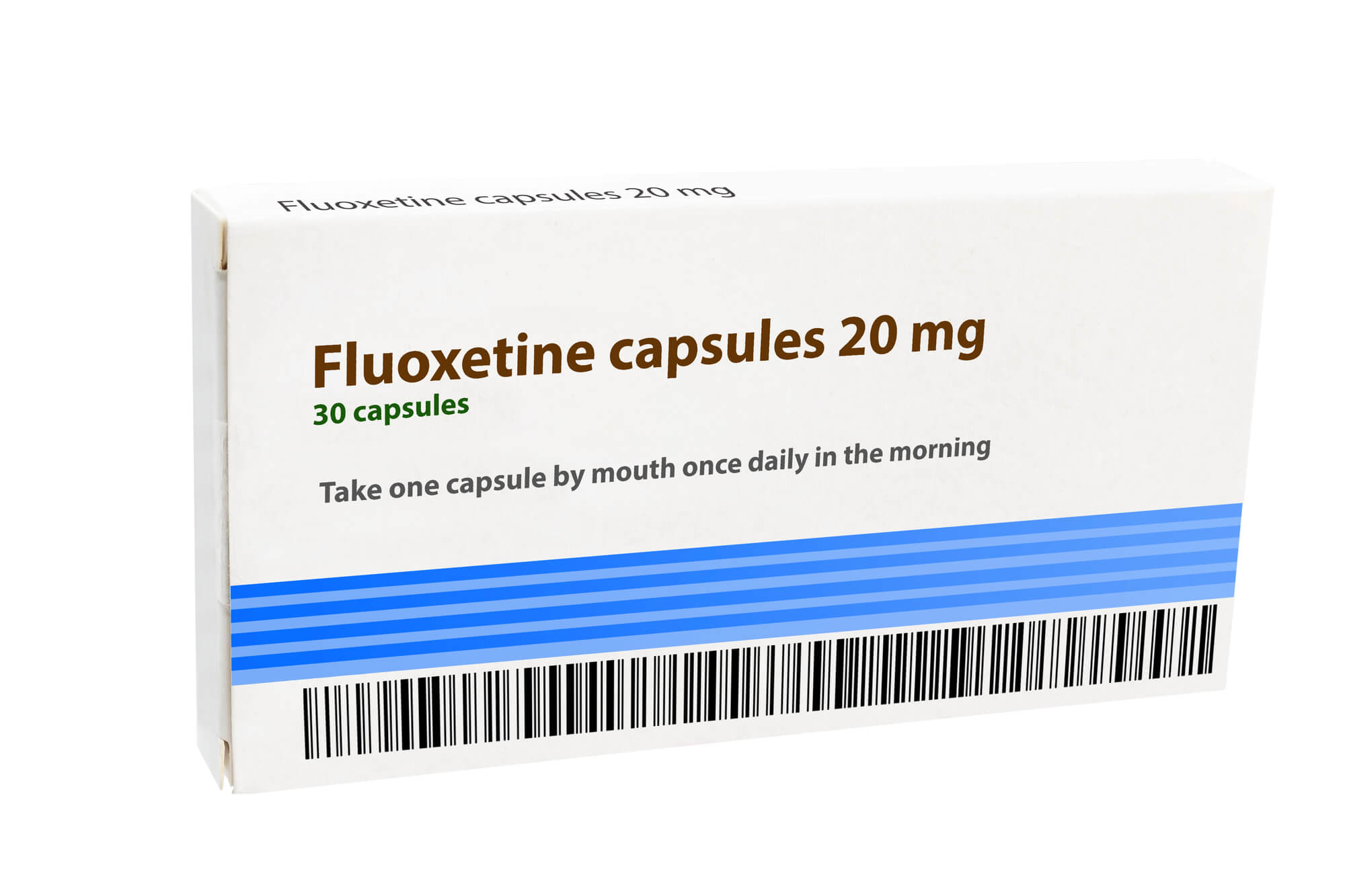
Eli Lilly’s antidepressant Prozac, based on the compound fluoxetine, saw its patent protection end in 2001, after which generic fluoxetine became one of the most widely prescribed psychiatric medications in the world. The dramatic price drop that followed patent expiration is credited by health economists with meaningfully expanding access to depression treatment, particularly for patients who could not have afforded the branded version at its original price.
Sildenafil
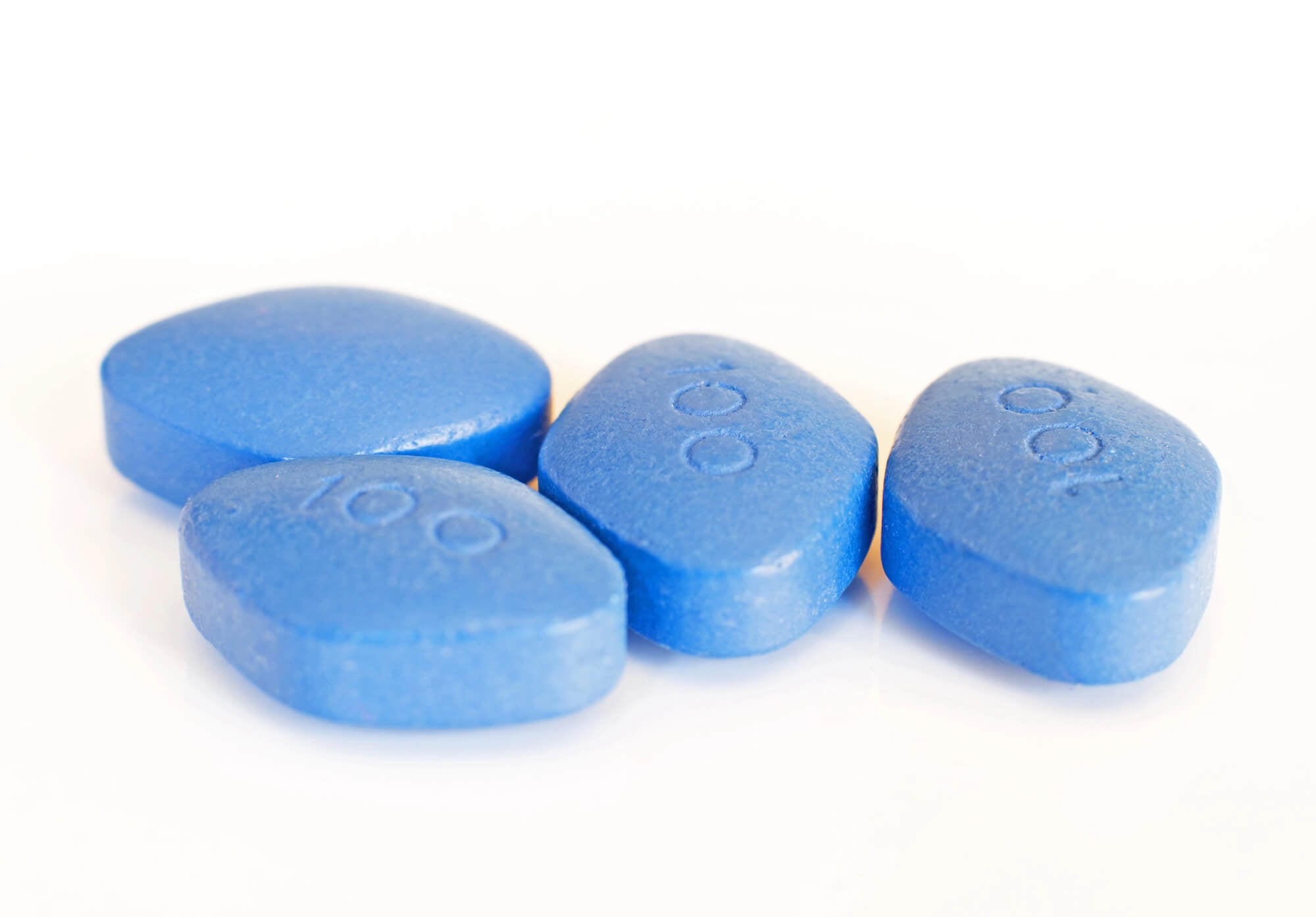
Pfizer’s Viagra, based on the compound sildenafil, held patent protection in most major markets into the late 2010s, and once generic versions began reaching pharmacy shelves, overall prescription volume for the compound rose sharply as prices fell. What had been an expensive specialty treatment became a widely accessible generic medication within just a few years of losing exclusivity.
Fused Deposition Modeling 3D Printing
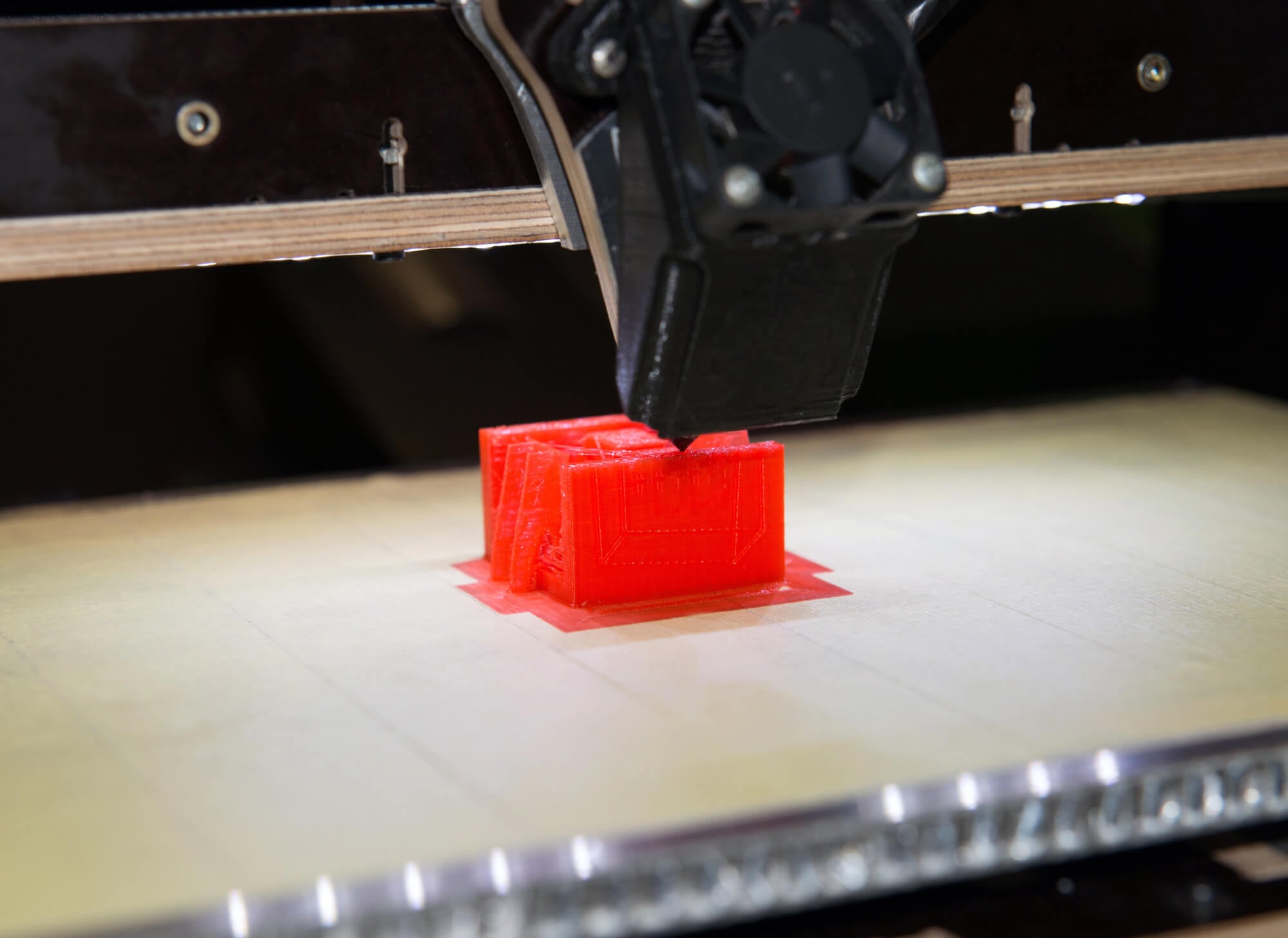
The core patent covering fused deposition modeling, the layer-by-layer plastic-extrusion process behind most affordable 3D printers, was held by Stratasys and expired in 2009. Almost immediately, the open-source RepRap project and hobbyist companies began building low-cost desktop 3D printers using the newly unrestricted technique, transforming what had been an expensive industrial tool into a consumer hobbyist product within a matter of a few years.
Aspartame

The artificial sweetener aspartame, patented by G.D. Searle and later owned by Monsanto, lost its United States patent protection in 1992. Competing manufacturers quickly began producing it at a fraction of the previous cost, and its use expanded significantly across the food and beverage industry over the following decade as formulators who had previously avoided the licensing fees gained free access to the compound.
The GIF Image Format

The LZW compression algorithm underlying the GIF image format was patented by Unisys, which began demanding licensing fees from software developers in the 1990s, a move so unpopular it directly inspired the creation of the royalty-free PNG format as an alternative. The core patent expired in the United States in 2003, and once the licensing threat disappeared, developers were free to build GIF support into software without restriction, well ahead of the format’s later resurgence as a dominant medium in internet culture.
RSA Encryption
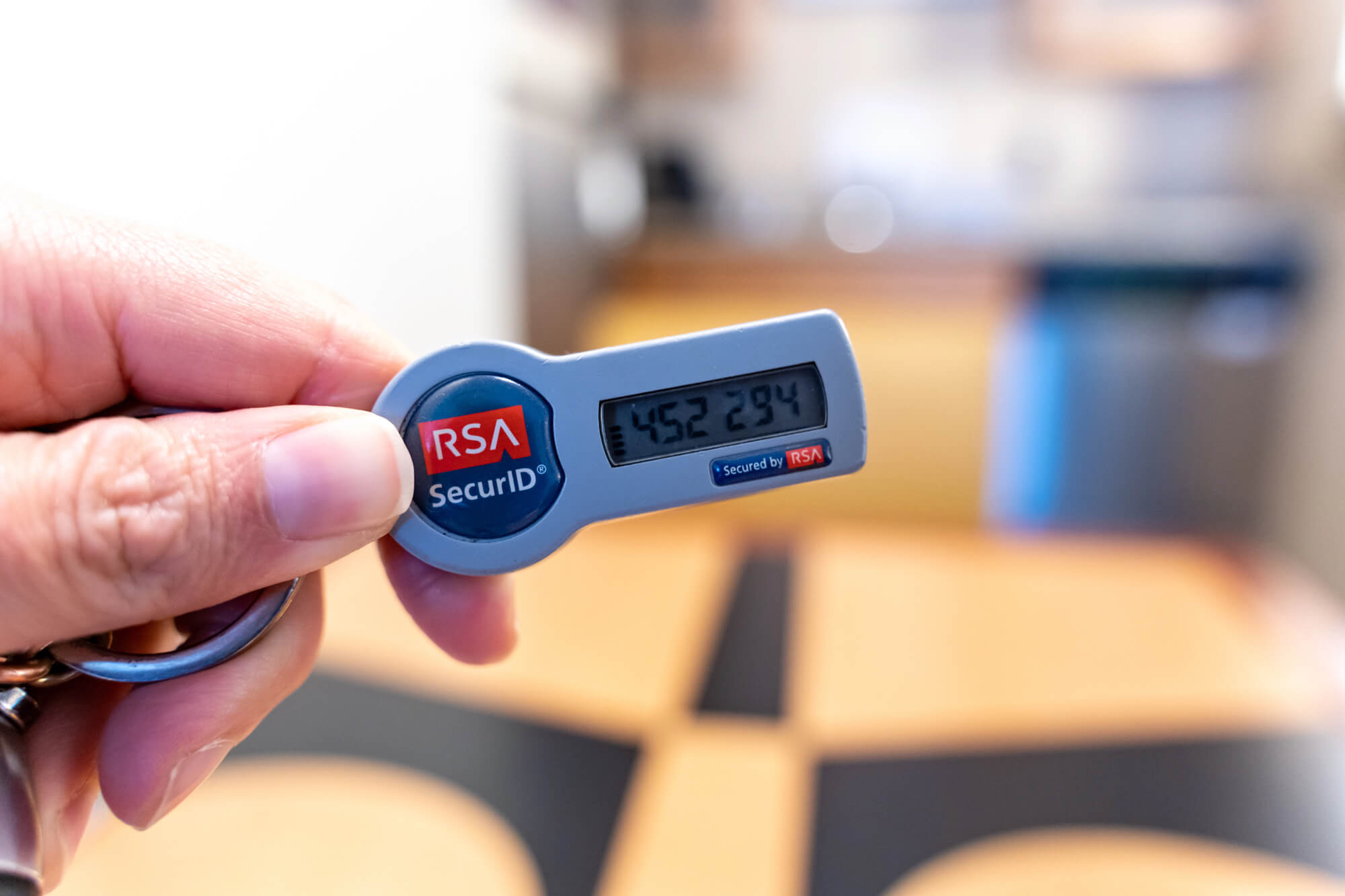
The RSA public-key encryption algorithm, developed in 1977 and patented by its inventors, underpinned much of the emerging internet’s security infrastructure but required licensing fees for commercial use throughout the 1990s. When the patent expired in September 2000, developers gained free rein to build RSA encryption directly into browsers, operating systems, and open-source software without negotiating a license, cementing it as a default standard across the internet almost overnight.
Kevlar

DuPont’s original patents on Kevlar, the high-strength aramid fiber introduced commercially in the mid-1960s, kept the material’s production and pricing tightly controlled for roughly two decades. Once the core patents expired in the 1980s, competing manufacturers began producing comparable aramid fibers at lower cost, and the resulting price competition helped expand the material’s use well beyond its original niche in tires and body armor into a far broader range of industrial and consumer products.
The Pattern Behind the Delay

What connects these cases is not carelessness on the part of the original inventors, but the basic economics of a monopoly. A patent holder who has already recovered their research costs, or who never found a workable business model in the first place, has little incentive to chase mass-market volume at razor-thin margins.
Competitors who arrive only once the exclusivity ends face no such constraint, and they flood the market precisely because the barrier that kept them out has simply vanished. It is a strange kind of vindication for the original inventor, watching an idea finally take off in the hands of people who never had to ask permission to build it.
Mary Anderson lived until 1953, long enough to see windshield wipers become standard on virtually every car in America, without ever seeing a royalty check for the one she had figured out first.
More from Go2Tutors!

- The Romanov Crown Jewels and Their Tragic Fate
- 13 Historical Mysteries That Science Still Can’t Solve
- Famous Hoaxes That Fooled the World for Years
- 15 Child Stars with Tragic Adult Lives
- 16 Famous Jewelry Pieces in History
Like Go2Tutors’s content? Follow us on MSN.