15 Building Materials Discovered by Accident
Some of the most revolutionary construction materials we rely on today weren’t the result of careful planning or years of research. Instead, they emerged from happy accidents, failed experiments, and unexpected discoveries that changed the building industry forever.
From ancient concrete recipes to modern synthetic materials, these accidental innovations have shaped how we construct everything from skyscrapers to sidewalks. The world of construction has been transformed by countless serendipitous moments.
Here is a list of 15 building materials discovered by accident.
Portland Cement
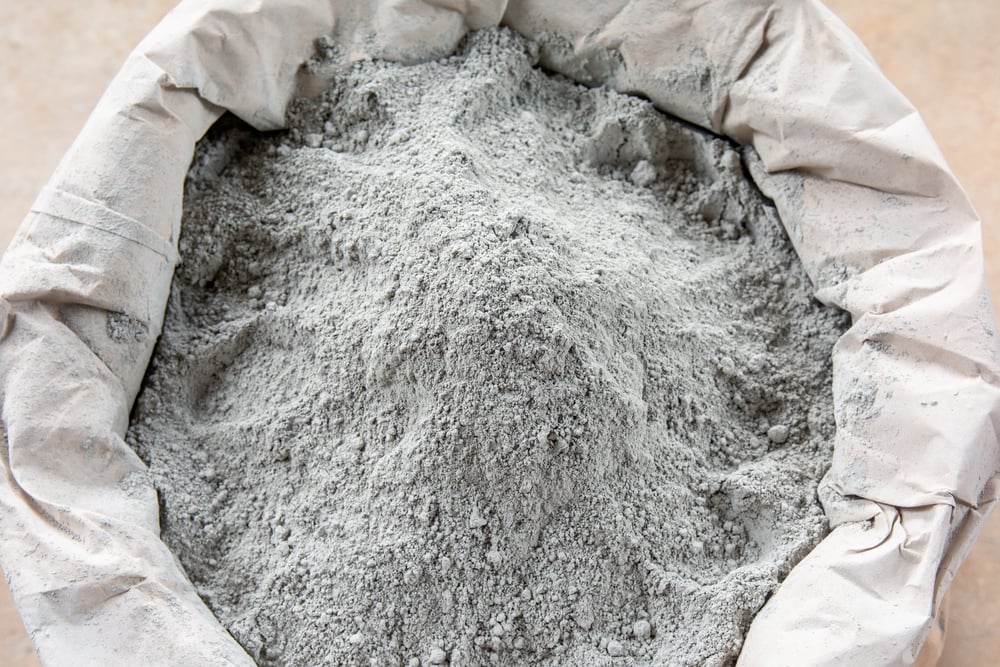
Joseph Aspdin was trying to create a superior lime mortar in 1824 when he accidentally overheated his mixture of limestone and clay. The result was a much stronger binding agent that hardened underwater and resembled the stone quarried from Portland, England.
This mistake became the foundation of modern concrete construction, literally supporting cities worldwide.
Plywood
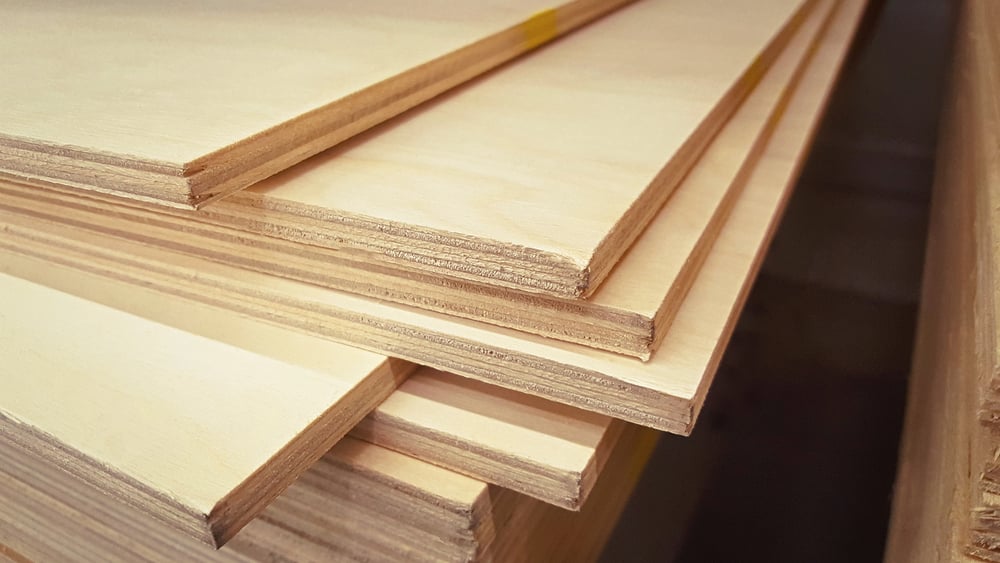
Aircraft manufacturers during World War I desperately needed lightweight yet strong materials for their planes. Engineers accidentally discovered that gluing thin wood veneers together with alternating grain directions created a material stronger than solid wood of the same thickness.
This wartime innovation soon found its way into construction, revolutionizing everything from subflooring to furniture making.
Safety Glass

Édouard Bénédictus knocked over a glass flask in his laboratory in 1903, and instead of shattering into dangerous shards, it cracked but held together. The flask had previously contained cellulose nitrate, which had dried and formed a plastic film on the inside.
This accident led to laminated safety glass, now essential for car windshields and building windows.
Teflon

Roy Plunkett was attempting to create a new refrigerant gas in 1938 when his experiment produced a slippery white powder instead. This accidental discovery became polytetrafluoroethylene, better known as Teflon.
While famous for non-stick cookware, Teflon also revolutionized construction as a coating for structural elements, reducing friction and preventing corrosion.
Silly Putty

James Wright was trying to develop synthetic rubber for the war effort in 1943 when he mixed boric acid with silicone oil. The bouncy, stretchy result seemed useless at first, but its unique properties later made it valuable for construction applications.
Today, similar silicone compounds are used as sealants, adhesives, and weatherproofing materials in buildings.
Kevlar

Stephanie Kwolek was researching lightweight fibers for tire reinforcement in 1965 when she created what appeared to be a failed batch of cloudy, thin solution. Most chemists would have discarded it, but Kwolek decided to spin it anyway.
The result was Kevlar, five times stronger than steel by weight, now used in construction for reinforcing concrete and creating blast-resistant building materials.
Super Glue
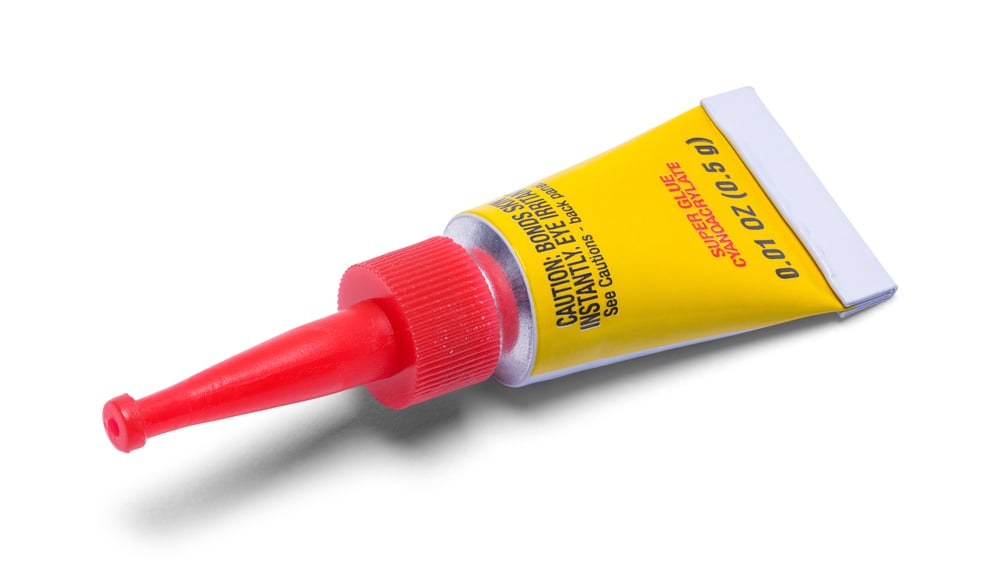
Harry Coover was developing clear plastic gun sights during World War II when he stumbled upon cyanoacrylate. His team initially rejected the extremely sticky substance as too impractical.
Years later, Coover realized its potential as an instant adhesive. Super glue and its industrial variants now bond everything from decorative elements to structural components in construction.
Velcro
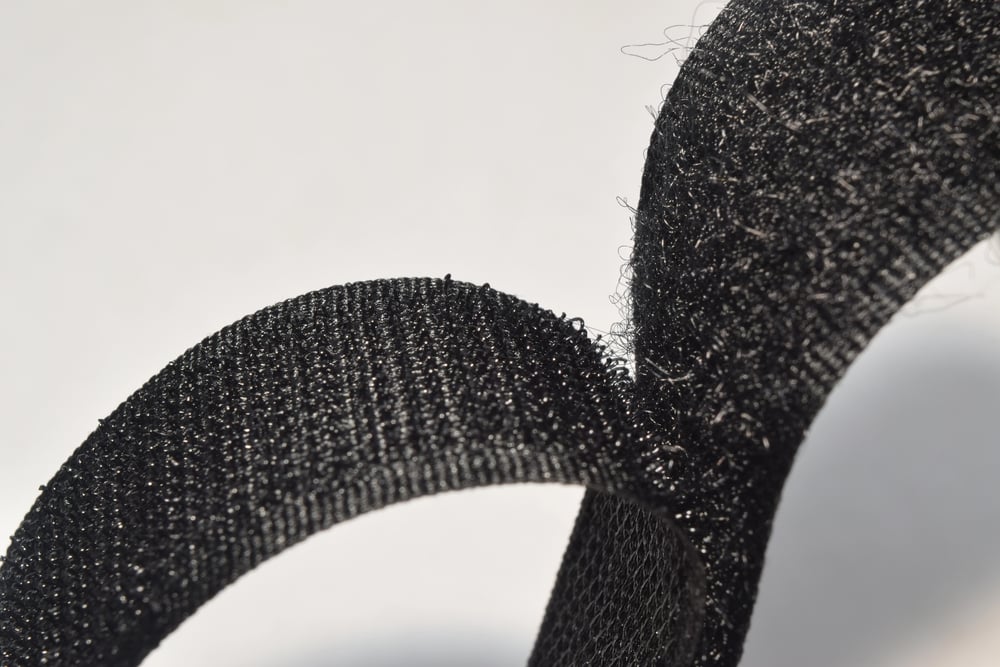
George de Mestral went for a hunting trip in 1941 and returned home with burr seeds stuck to his clothes and dog. Under a microscope, he noticed the hooks on the burrs that grabbed onto fabric loops.
This observation led to Velcro, which found unexpected applications in construction for temporary fastening systems and modular building components.
Scotchgard
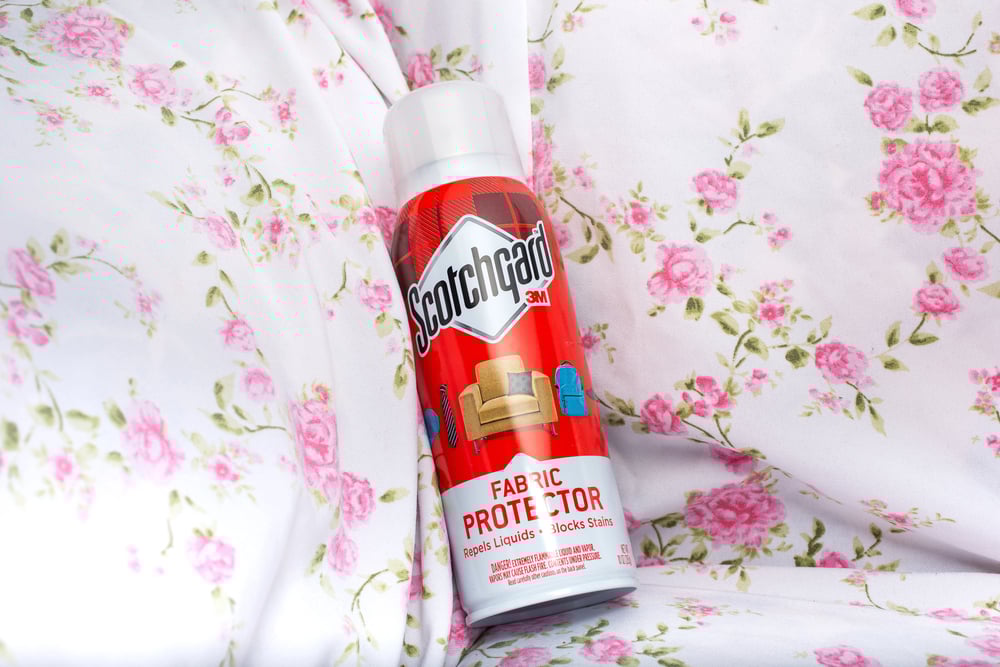
Patsy Sherman was working on fluorochemical research for 3M in 1953 when a lab accident splashed experimental chemicals on her assistant’s tennis shoe. The treated area repelled water, oil, and other liquids completely.
This accident created Scotchgard fabric protector, whose underlying chemistry now protects building materials from water damage and staining.
Fiberglass
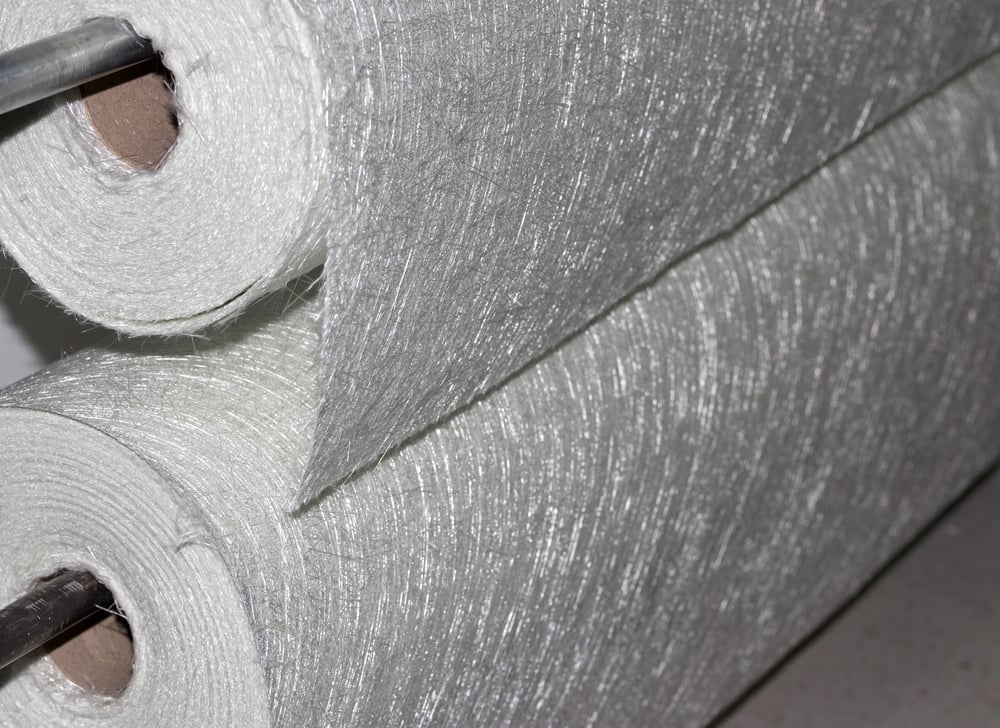
Dale Kleist was attempting to create a vacuum-tight seal between glass blocks in 1938 when his equipment malfunctioned and shot out fine glass fibers instead of a solid sheet. These lightweight, strong fibers became the basis for fiberglass insulation and reinforcement materials that are now standard in construction projects worldwide.
Expanded Polystyrene
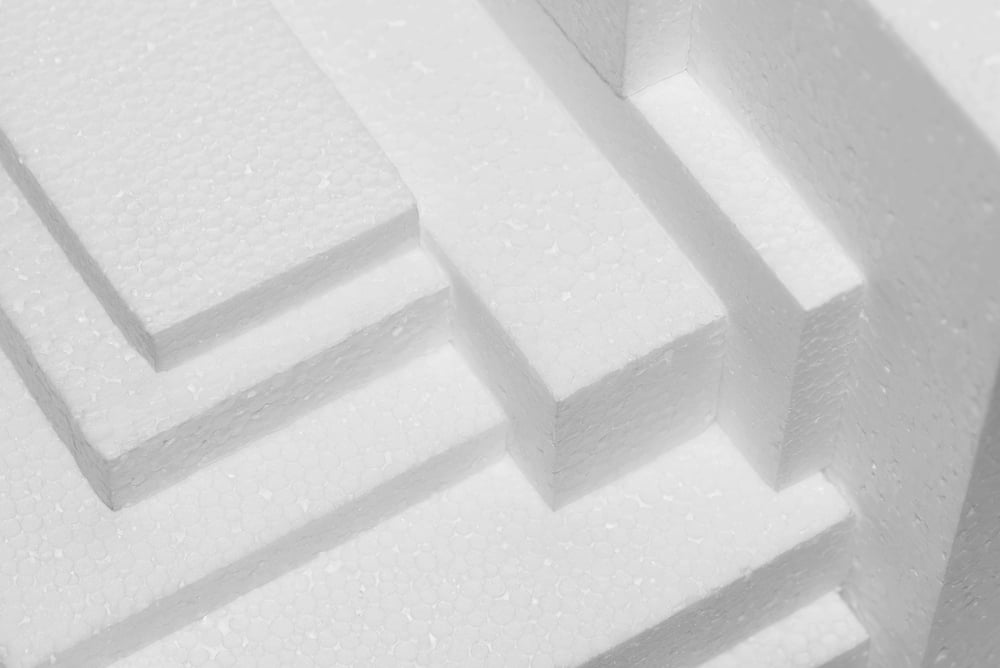
Dow Chemical researcher Ray McIntire was trying to create a flexible electrical insulator in 1954 by combining styrene with isobutylene gas. His experiment accidentally produced a foam that was 30 times lighter than regular polystyrene.
This mistake became expanded polystyrene foam, widely used for building insulation and lightweight construction panels.
Linoleum
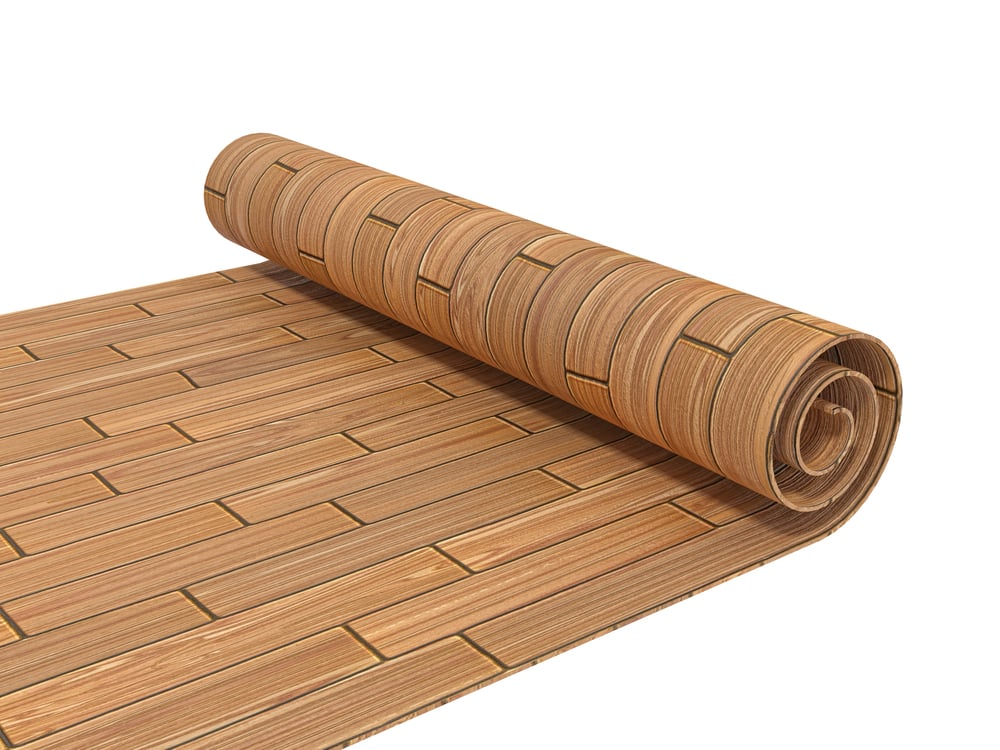
Frederick Walton noticed a rubbery skin forming on a can of linseed oil paint in 1855. Instead of throwing it away, he experimented with the oxidized oil and discovered he could create a durable, waterproof flooring material by mixing it with cork dust and backing it with burlap.
Linoleum became one of the most popular flooring materials of the early 20th century.
Tempered Glass
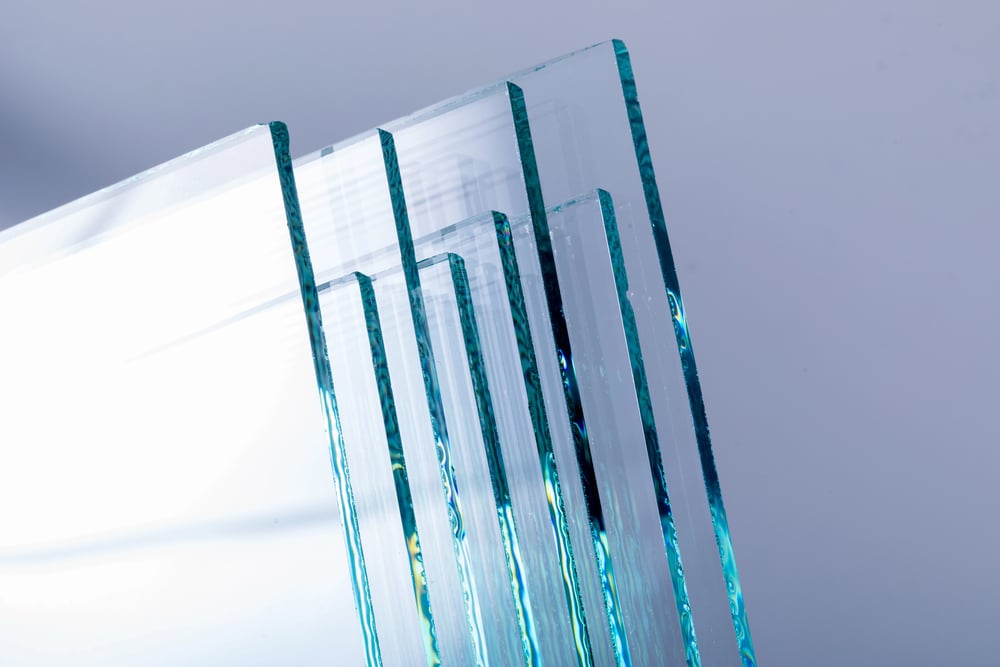
Prince Rupert of the Rhine accidentally dropped molten glass into cold water around 1660, creating peculiar teardrop-shaped pieces that were incredibly strong at the bulbous end but would shatter completely if the tail was broken. This accident led to understanding how rapid cooling could strengthen glass, eventually resulting in the tempered glass used in modern construction.
Epoxy Resin

Pierre Castan was working with synthetic resins in 1936 when he accidentally mixed epichlorohydrin with bisphenol-A under the wrong conditions. The result was a tough, adhesive polymer that cured at room temperature.
Epoxy resins became essential for bonding dissimilar materials in construction and creating durable protective coatings for steel and concrete.
Aerogel
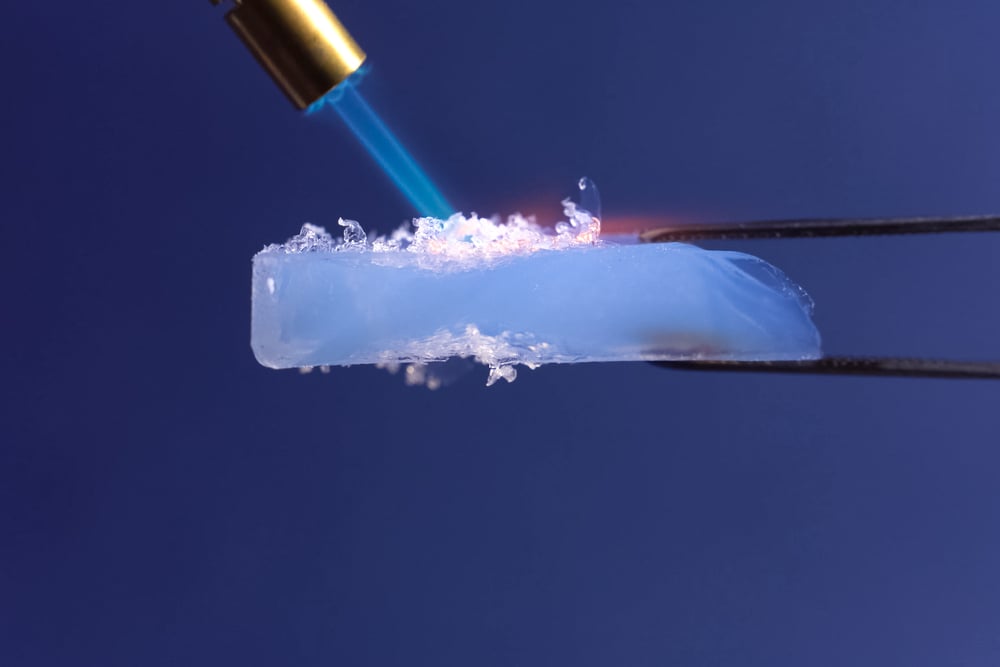
Samuel Kistler made a bet with a colleague in 1931 about who could replace the liquid in a gel with gas without causing the gel to shrink. His successful experiment created aerogel, a material that’s 99% air yet incredibly strong and an excellent insulator.
Modern aerogel products now provide superior insulation for buildings while taking up minimal space.
From Laboratory Mishaps to Construction Marvels

These accidental discoveries remind us that innovation often comes from the most unexpected places. Many of the materials holding up our buildings, keeping us warm, and protecting us from the elements exist only because someone was curious enough to investigate a mistake rather than throwing it away.
The next time you walk through a modern building, remember that much of what surrounds you began as an accident that changed construction forever.
More from Go2Tutors!

- The Romanov Crown Jewels and Their Tragic Fate
- 13 Historical Mysteries That Science Still Can’t Solve
- Famous Hoaxes That Fooled the World for Years
- 15 Child Stars with Tragic Adult Lives
- 16 Famous Jewelry Pieces in History
Like Go2Tutors’s content? Follow us on MSN.