Kings Whose Decisions Destroyed Empires
History books overflow with tales of great rulers who built kingdoms and expanded their territories. But for every wise king who grew an empire, there’s another whose poor choices brought everything crashing down.
These weren’t always bad people, and they didn’t wake up planning to ruin their kingdoms. Sometimes a single decision, made in a moment of anger or fear or just plain stubbornness, set off a chain reaction that ended centuries of power.
Let’s look at some rulers who made choices so bad that their empires never recovered. These stories show how quickly things can fall apart when the person in charge gets it wrong.
Louis XVI and the financial crisis
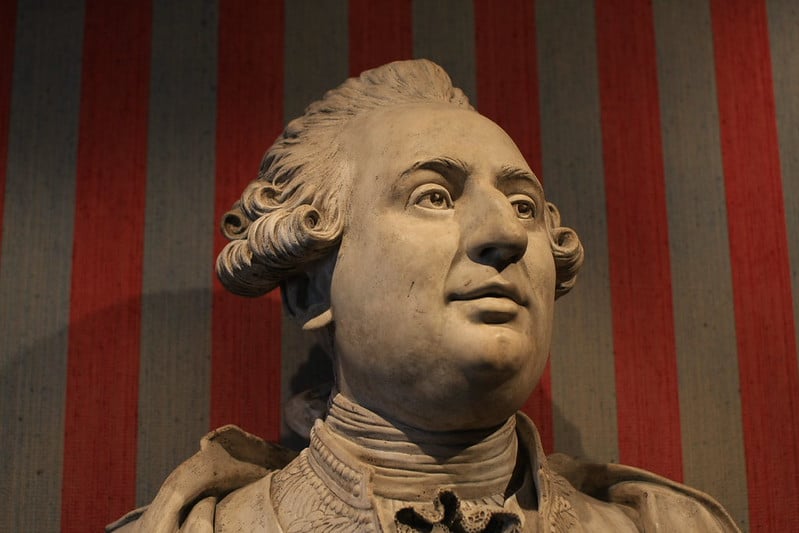
Louis XVI inherited a France that already had money problems, but he made them worse by refusing to fix the tax system. The rich nobles and church officials paid almost nothing while common people carried the burden.
When his advisors begged him to make the wealthy pay their share, he hesitated and delayed until it was too late. The French Revolution didn’t just cost him his throne; it cost him his head and ended the French monarchy for good.
Montezuma II trusting Cortés

The Aztec emperor Montezuma II made a fatal error when Spanish conquistador Hernán Cortés arrived in 1519. Instead of treating the strangers as a threat, Montezuma welcomed them with gifts and hospitality.
Some historians think he believed Cortés might be a returning god from Aztec prophecy. This welcoming approach gave the Spanish time to form alliances with enemy tribes and learn Aztec weaknesses.
Within two years, the entire Aztec Empire had collapsed.
Nicholas II refusing to share power
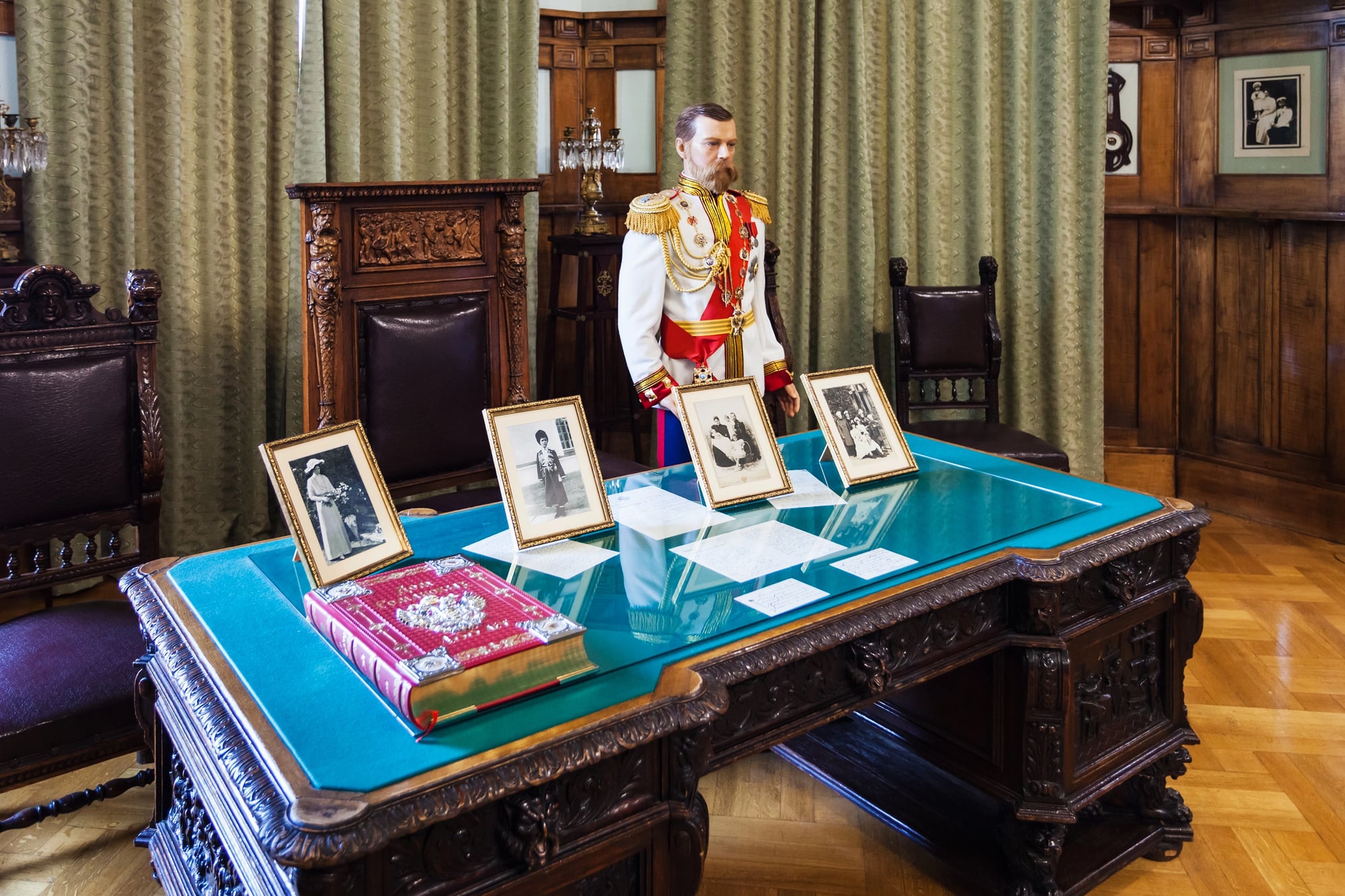
Tsar Nicholas II of Russia watched revolution brewing in his country but refused to give up any of his absolute power. Workers and soldiers begged for basic rights and representation, but he met protests with violence instead of compromise.
His decision to keep Russia in World War I despite massive casualties and food shortages pushed people past their breaking point. The Romanov dynasty, which had ruled for 300 years, ended with his execution in 1918.
Charles I dissolving Parliament
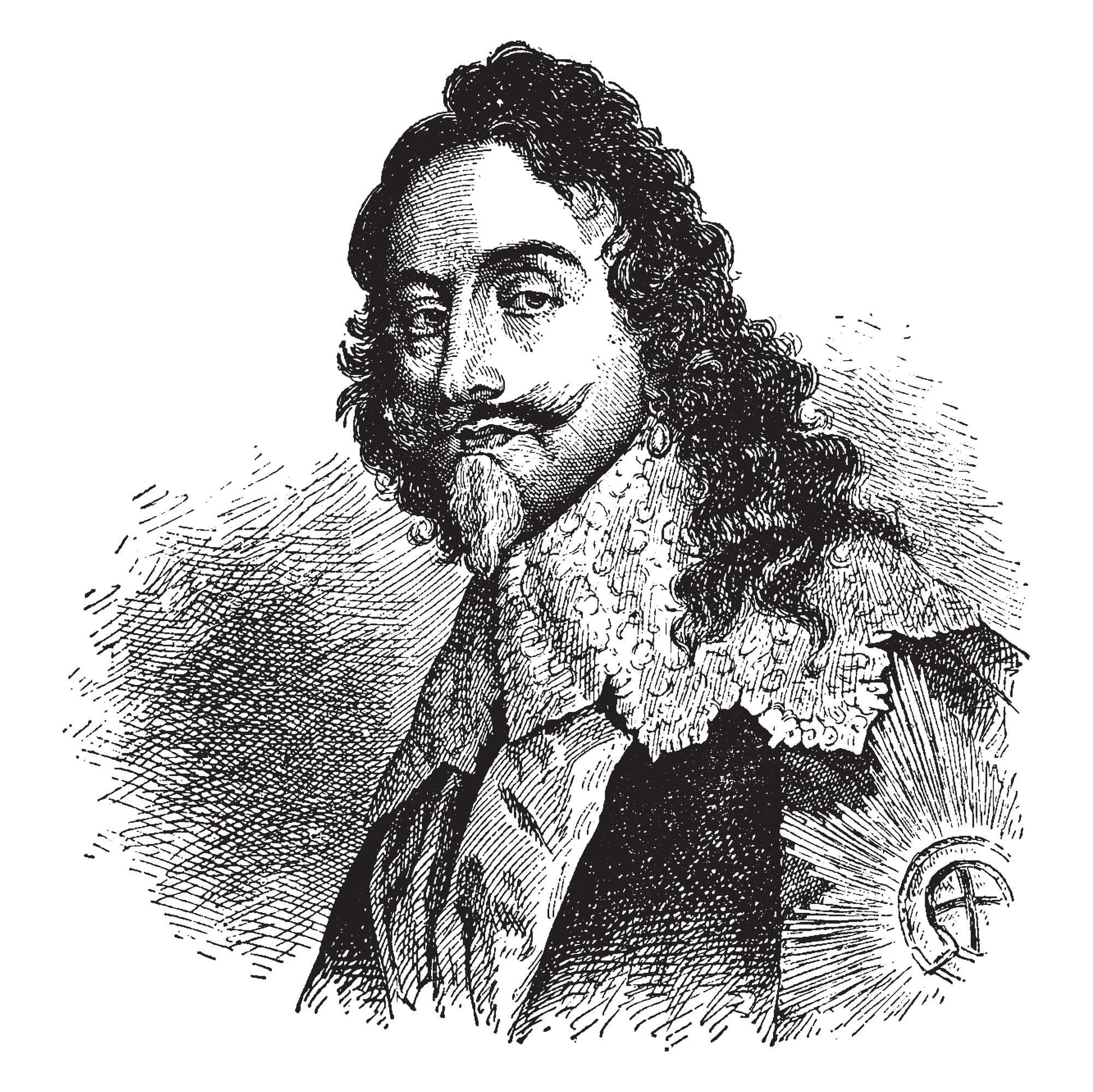
England’s King Charles I thought he could rule without Parliament and tried it for eleven years. He raised taxes without approval and arrested people who spoke against him.
When he finally called Parliament back because he needed money for a war in Scotland, they were furious and refused to cooperate. This power struggle led to civil war, and Charles became the first English king to be executed by his own people.
The Last Emperor of Byzantium rejecting help
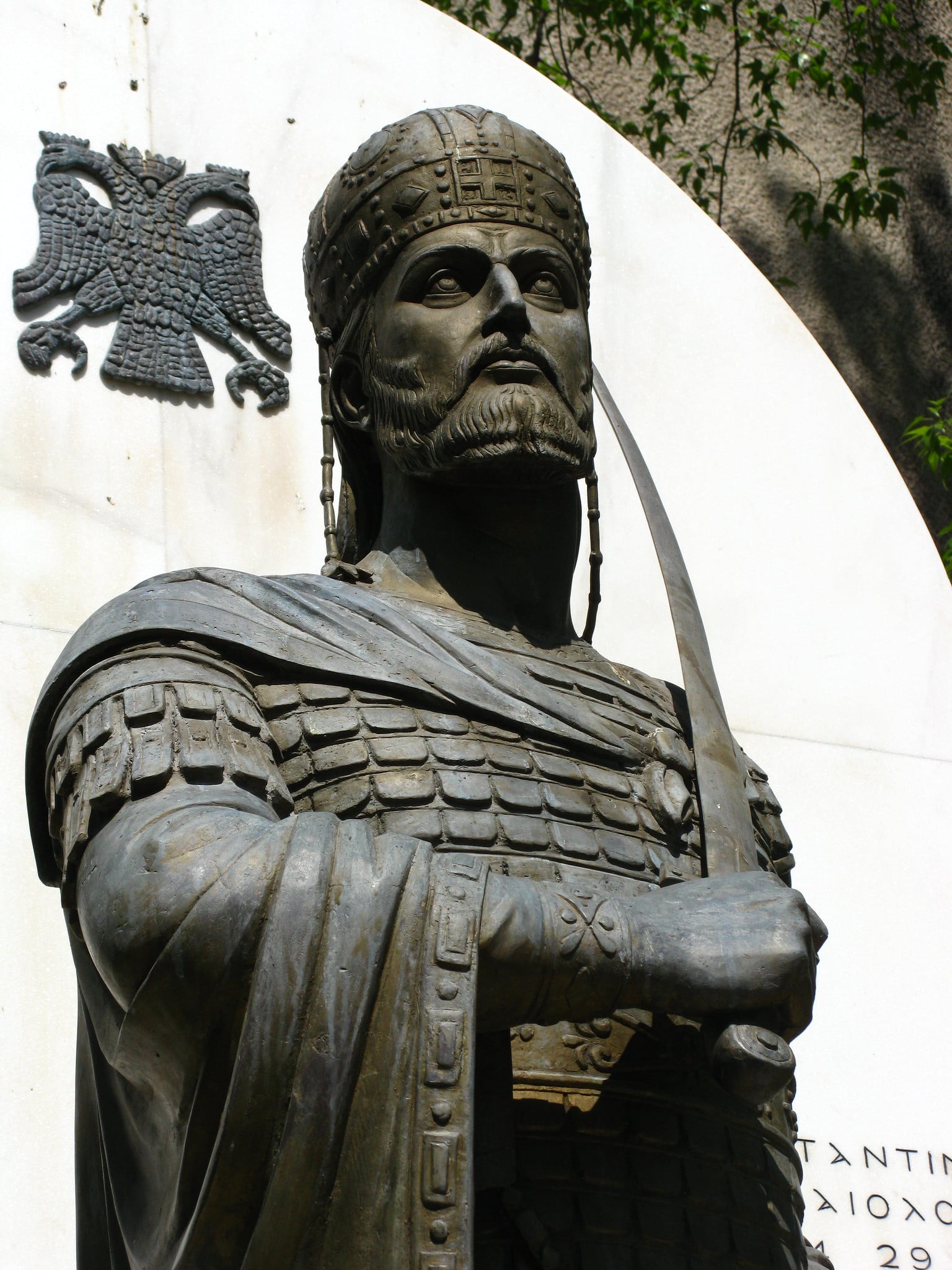
Constantine XI faced the Ottoman siege of Constantinople in 1453, but he refused offers of military help from Western Europe because it came with religious strings attached. The Pope wanted the Byzantine Church to submit to Rome in exchange for soldiers and supplies.
Constantine chose to keep his religious independence rather than accept aid that might have saved his city. Constantinople fell, ending over a thousand years of Byzantine rule.
Shah Mohammad Reza Pahlavi ignoring protests

The Shah of Iran spent billions on weapons and palaces while many Iranians struggled with poverty. He created a secret police force that arrested and tortured anyone who criticized him.
When people started protesting in the late 1970s, he dismissed them as troublemakers instead of listening to their concerns. His refusal to reform or step back peacefully led to the 1979 revolution that overthrew him and ended monarchy in Iran.
Nader Shah’s brutal taxation

After building a powerful Persian Empire in the 1730s, Nader Shah destroyed it through his own greed. He demanded impossible taxes to fund endless military campaigns and tortured officials who couldn’t collect enough money.
His cruelty turned everyone against him, including his own generals. When he was assassinated in 1747, his empire immediately broke into pieces because nobody wanted to hold it together.
King John signing the Magna Carta
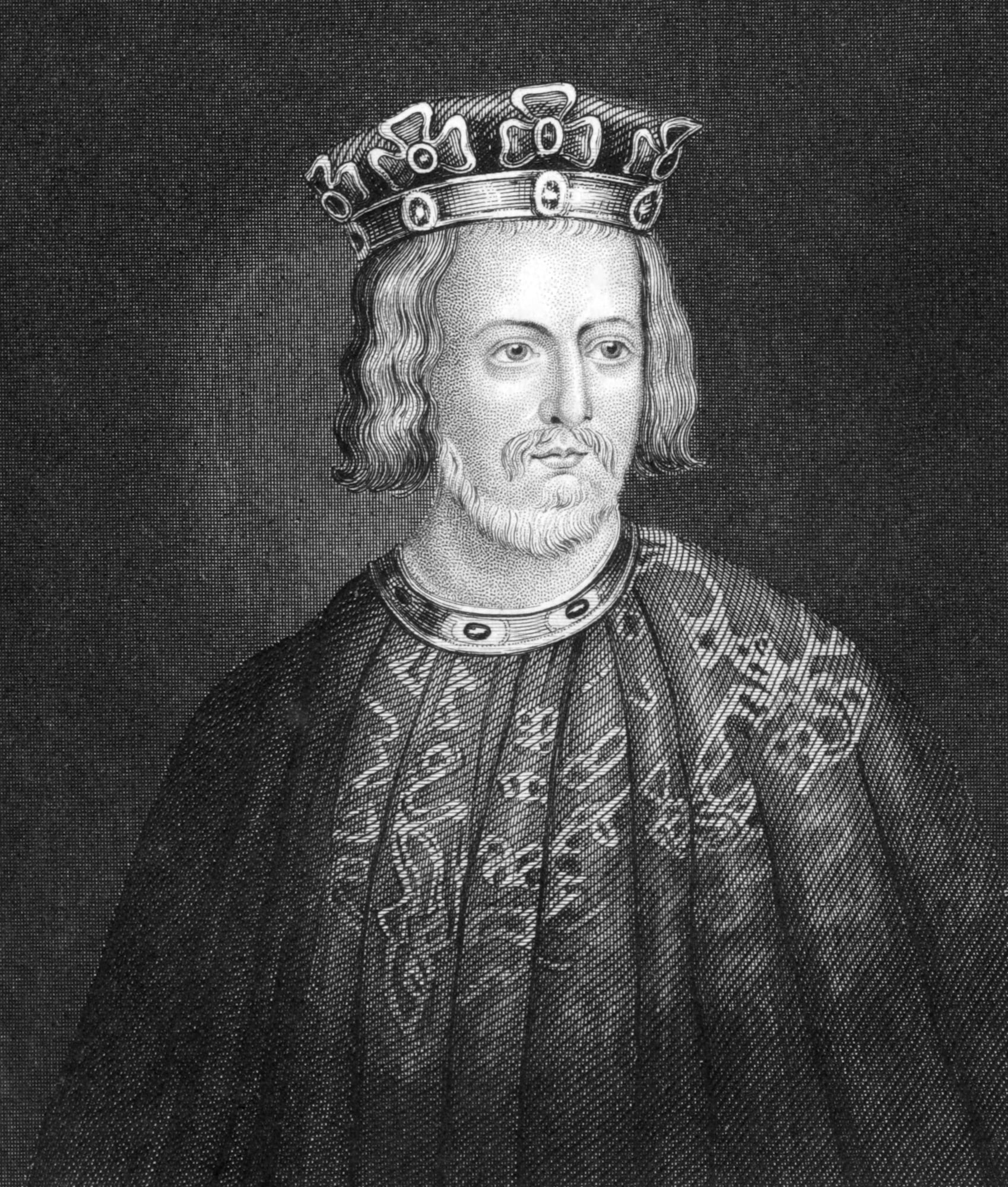
King John of England was so terrible at ruling that his own nobles rebelled and forced him to sign the Magna Carta in 1215. He had lost most of England’s territory in France through incompetence and taxed people heavily to pay for failed military campaigns.
After signing the document that limited his power, he tried to ignore it and keep ruling as before. His stubbornness led to civil war and invited a French invasion, nearly ending English independence.
Emperor Romulus Augustulus doing nothing
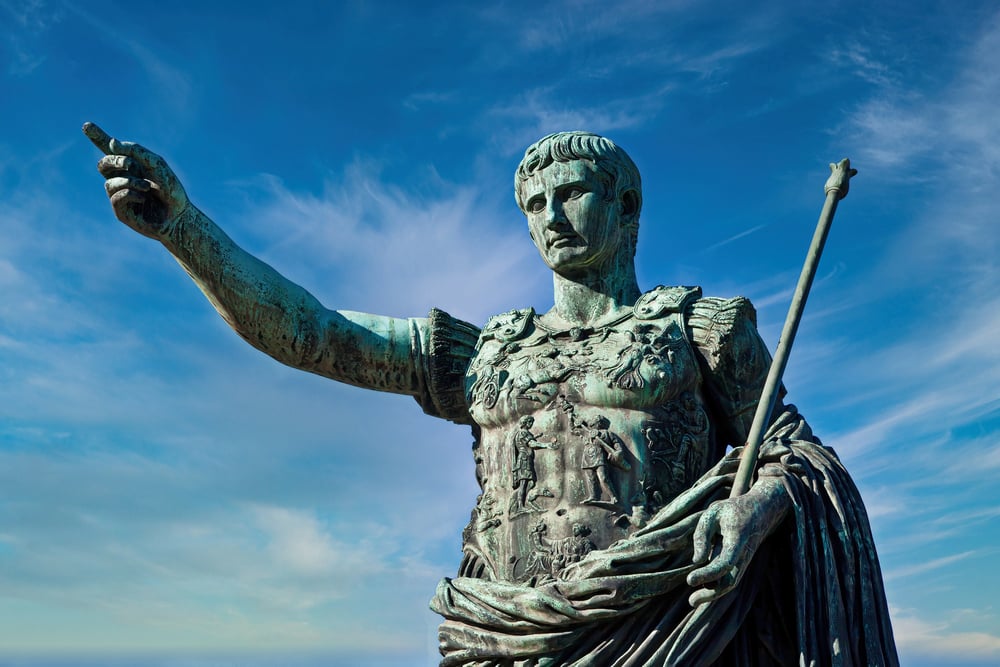
The last Western Roman Emperor was a teenager named Romulus Augustulus who never really ruled at all. His father put him on the throne, but the boy had no power or support from the army.
When Germanic leader Odoacer marched into Italy, Romulus simply surrendered without a fight. This quiet ending in 476 AD marked the fall of the Western Roman Empire, though it had been crumbling for decades before this final moment.
Pu Yi collaborating with Japan
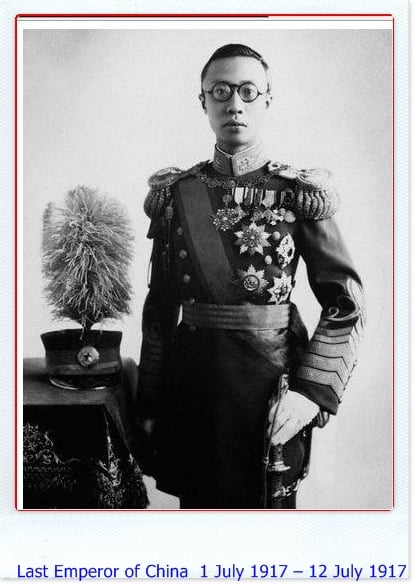
China’s last emperor Pu Yi made the disastrous choice to work with Japanese invaders in the 1930s. Japan set him up as ruler of their puppet state in Manchuria, thinking this would give them legitimacy.
Instead, it made Pu Yi look like a traitor to his own people. After World War II ended, he was captured by the Soviets and spent years in prison, never regaining any real authority.
Atahualpa underestimating Pizarro
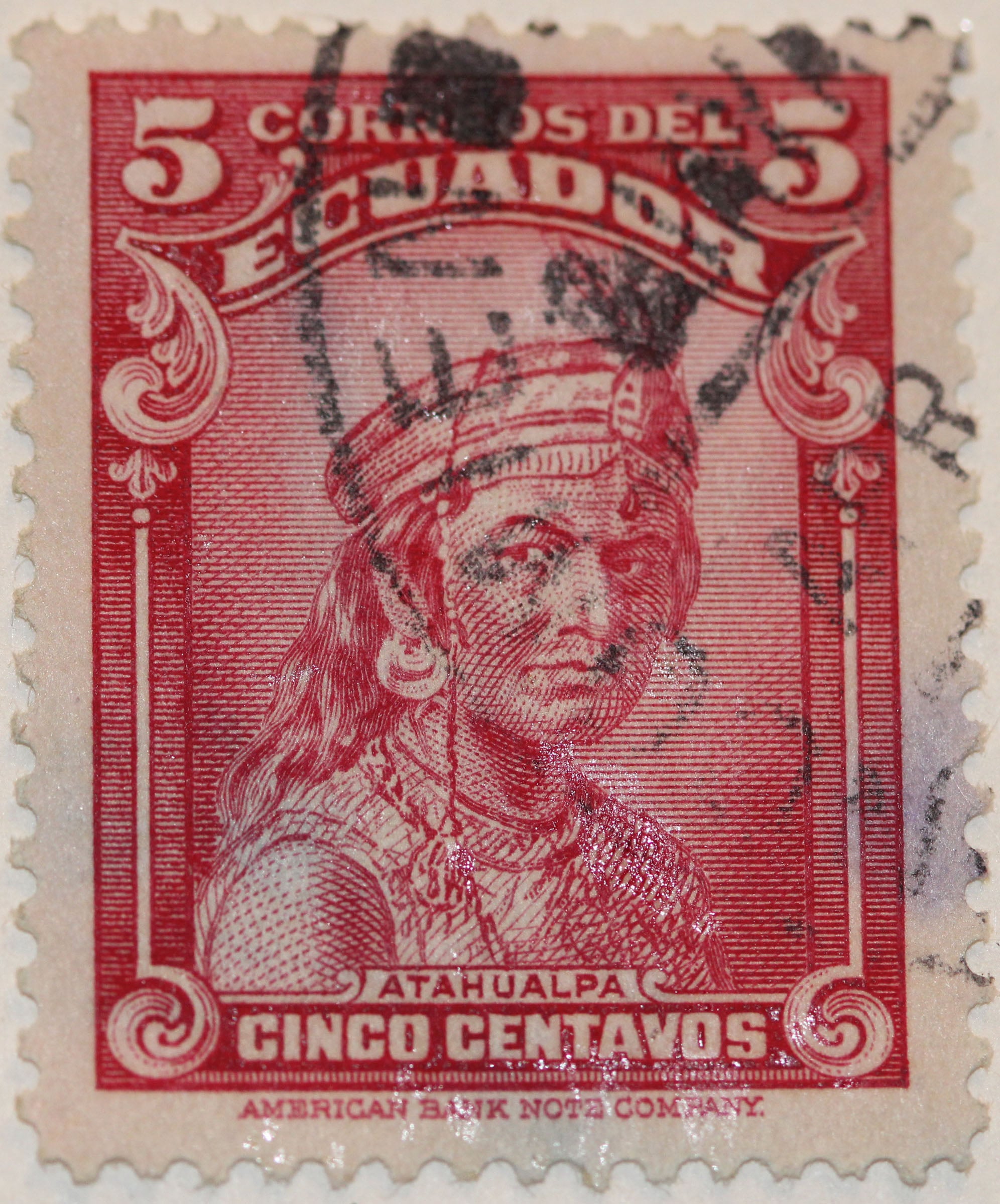
Inca Emperor Atahualpa had just won a civil war against his brother when Spanish conquistador Francisco Pizarro arrived in 1532. Atahualpa agreed to meet Pizarro with only a small guard, apparently not seeing the Spanish as a serious threat.
This meeting turned into an ambush where Pizarro’s men captured the emperor. The Spanish held him for ransom, took the gold, and then executed him anyway, leaving the Inca Empire leaderless and vulnerable.
Pedro II refusing to modernize slavery

Brazil’s Emperor Pedro II was generally popular and progressive, but he moved too slowly on ending slavery. By the 1880s, Brazil was one of the last countries in the Americas still allowing it.
His gradual approach pleased nobody: slaveholders hated him for any change, and abolitionists thought he wasn’t doing enough. When slavery finally ended in 1888, the angry plantation owners supported a military coup that overthrew the monarchy within a year.
Ludwig II bankrupting Bavaria
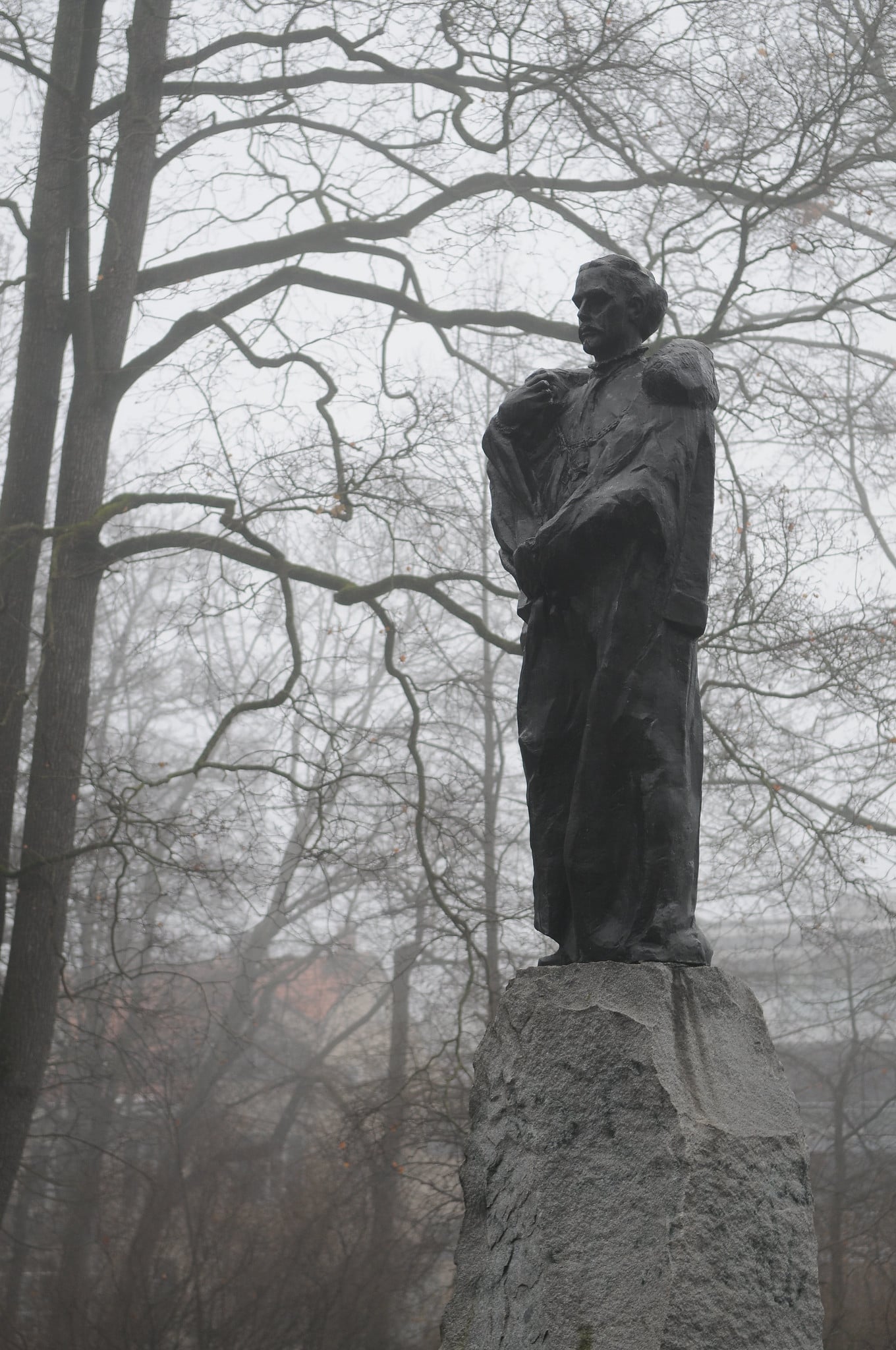
King Ludwig II of Bavaria spent so much money building fantasy castles that he nearly bankrupted his kingdom. Neuschwanstein and his other palaces cost a fortune while he ignored actual government business.
His ministers declared him insane and removed him from power in 1886. Days later, he died under mysterious circumstances.
Bavaria lost its independence soon after and became part of a unified Germany.
Farouk I living in luxury during hardship
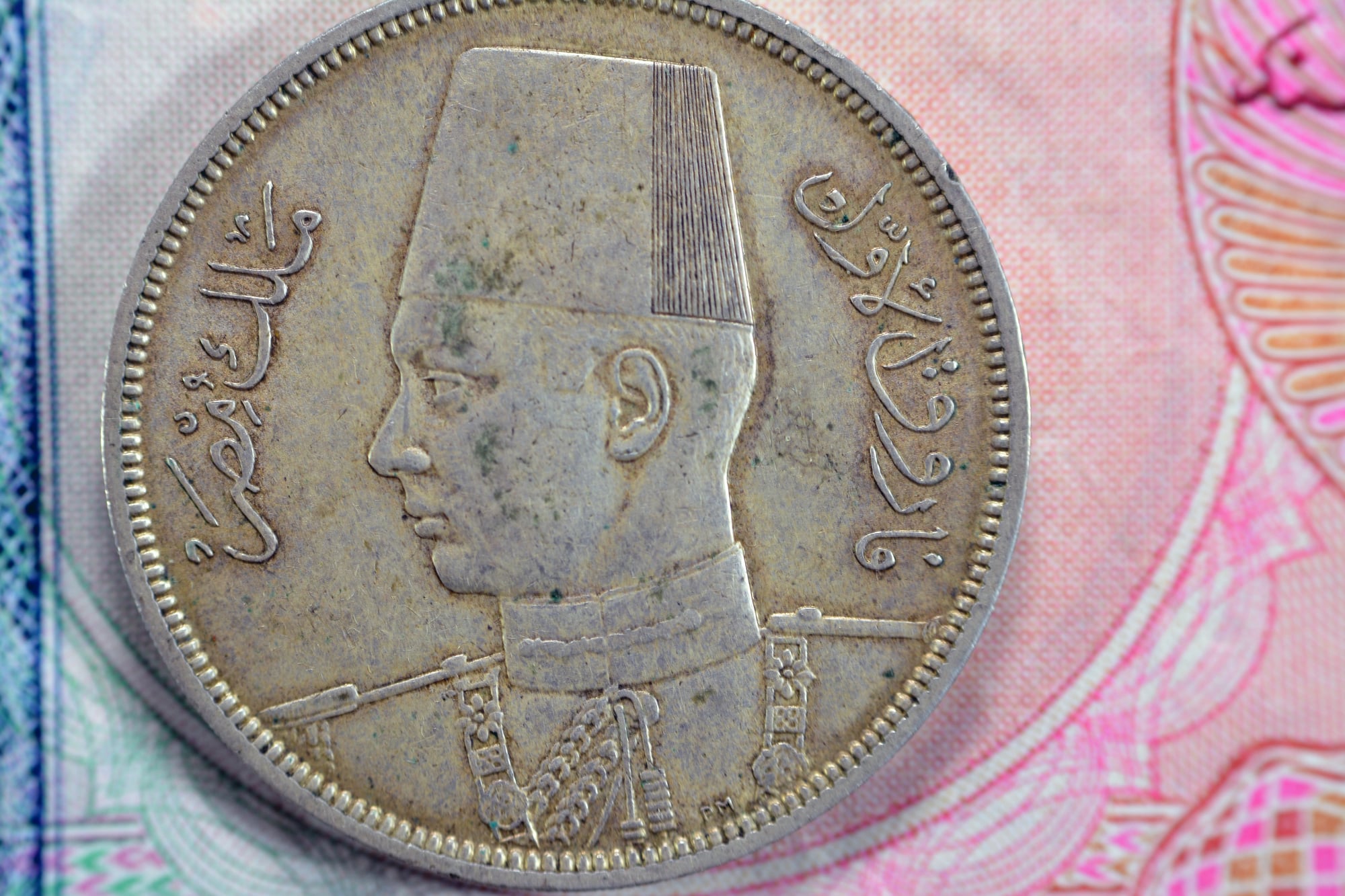
Egypt’s King Farouk became known for his excessive lifestyle while his country struggled after World War II. He threw lavish parties, collected hundreds of cars, and reportedly ate 600 oysters a week while many Egyptians went hungry.
His corruption and indifference to poverty made him deeply unpopular. Military officers overthrew him in 1952, ending the Muhammad Ali dynasty that had ruled Egypt for 150 years.
Alfonso XIII supporting dictatorship
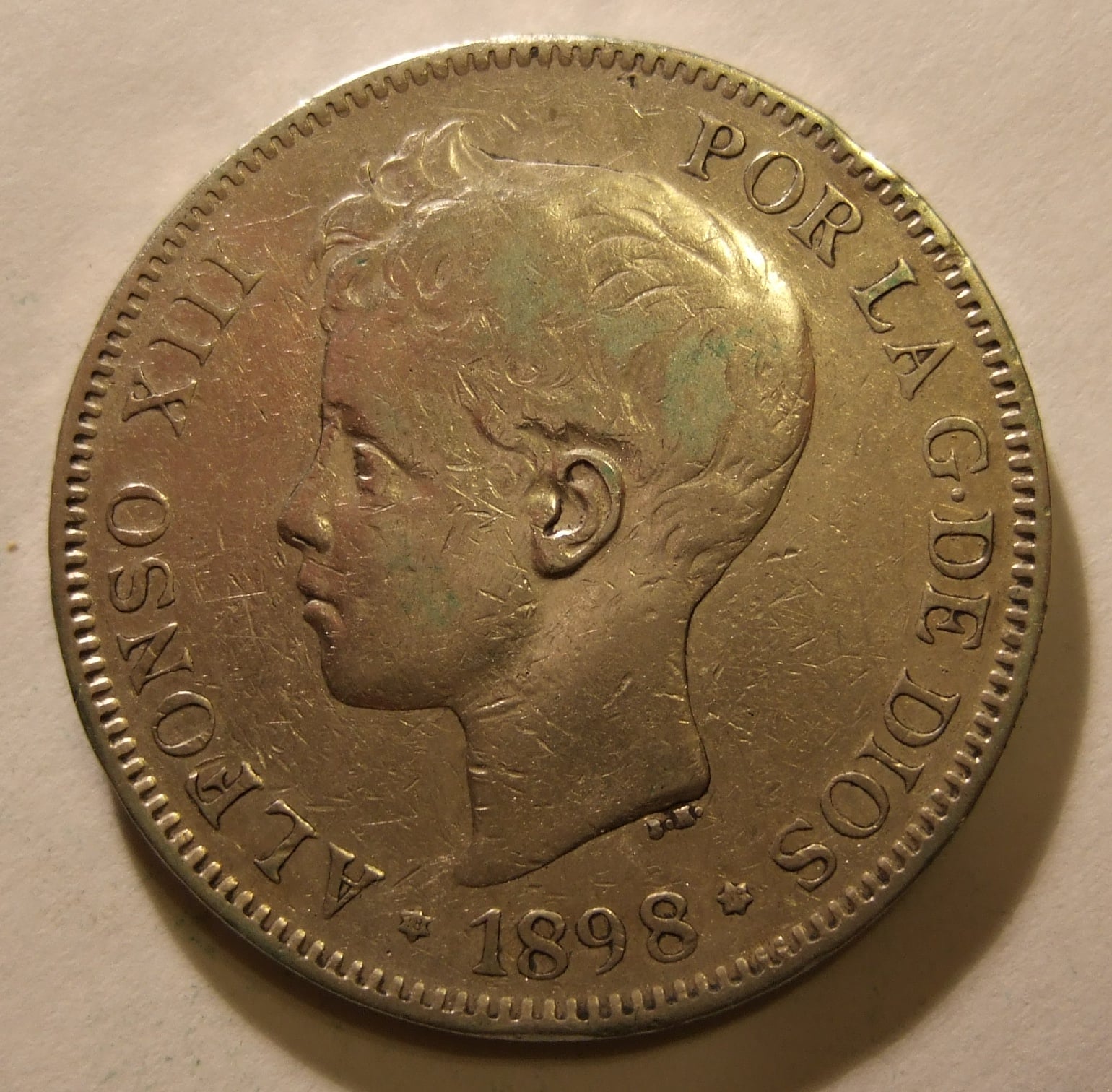
Spain’s King Alfonso XIII thought he could maintain power by supporting a military dictatorship in the 1920s. He suspended the constitution and let General Primo de Rivera rule with an iron fist.
When the dictatorship collapsed and people demanded democracy, they blamed Alfonso for years of repression. He fled Spain in 1931 without officially giving up the throne, but the monarchy didn’t return for decades.
Haile Selassie Turns Away From Famine
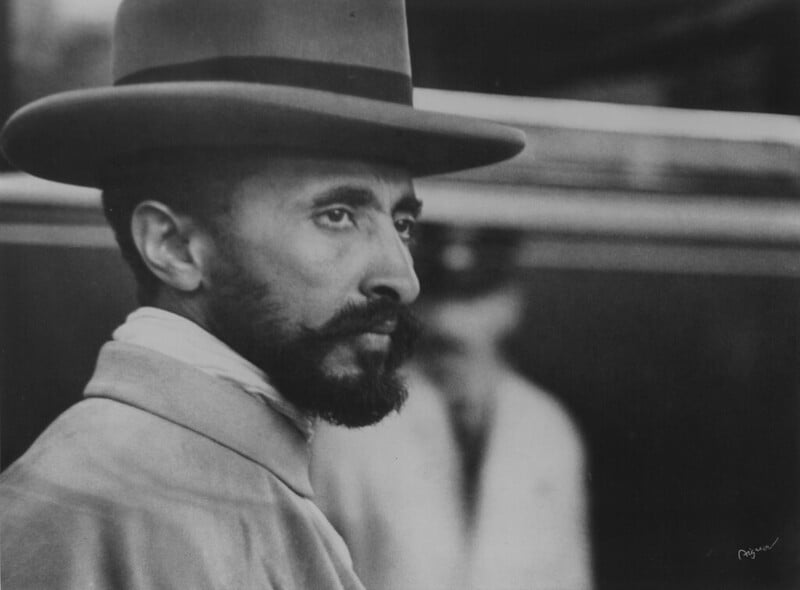
Starvation gripped Ethiopia in 1973, yet Emperor Haile Selassie kept it secret. His lavish birthday events carried on, even as hunger spread across villages.
Reporters from foreign nations eventually uncovered what had been buried. Anger swelled within the army once they saw how deep the deception ran.
Power shifted in 1974 when soldiers removed him from rule. A royal line tracing back to ancient legends collapsed without warning.
Victor Emmanuel III Appoints Mussolini
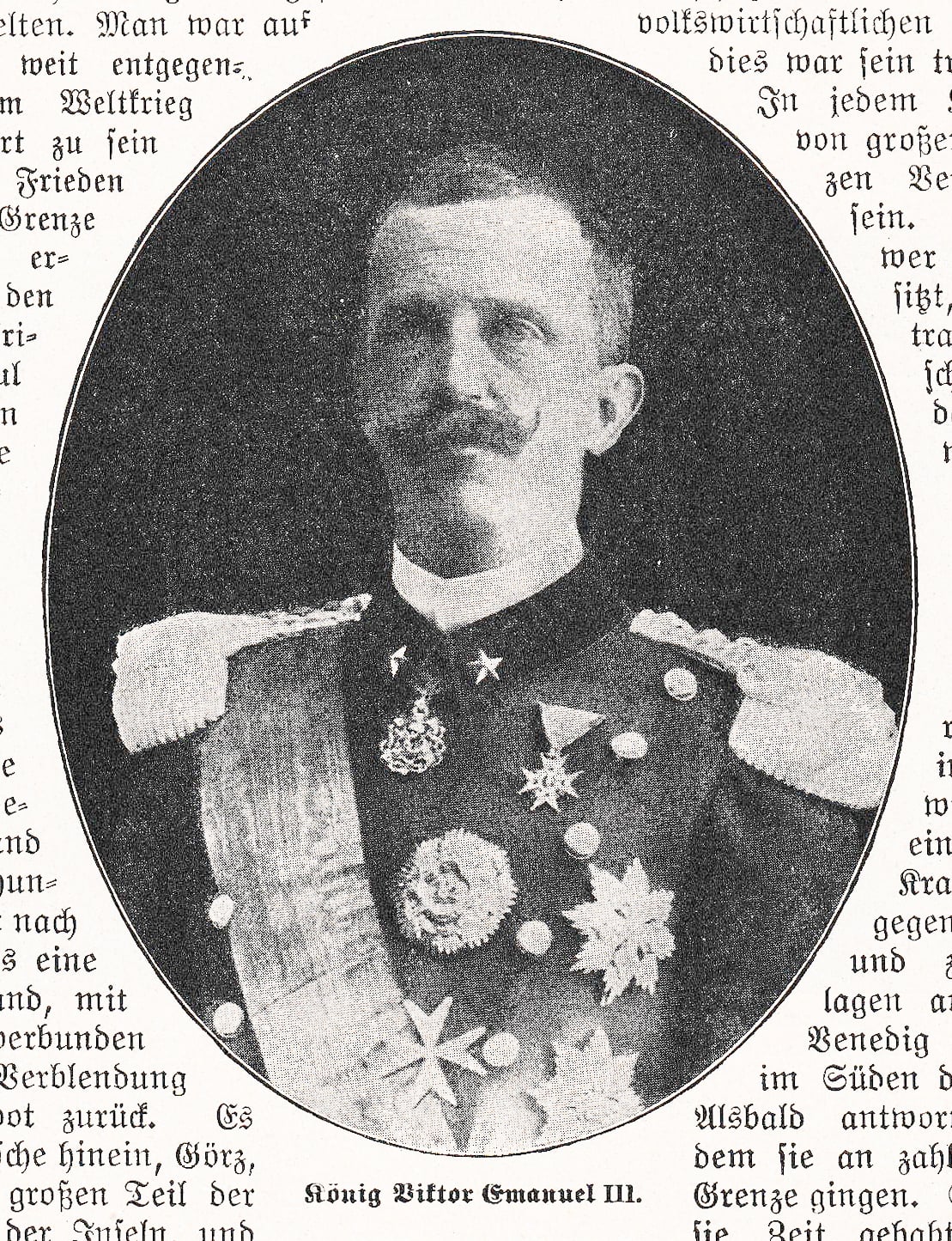
That choice in 1922 might have been Italy’s King Victor Emmanuel III’s biggest mistake – naming Benito Mussolini head of government. He believed he could steer Mussolini, harnessing him against rising socialist tides.
Yet power slipped away; Mussolini forged a regime rooted in fascist rule. Soon enough, Italy stood beside Nazi Germany in the global conflict.
When ruin followed defeat, citizens turned on the crown. In 1946, they chose to end royal rule, holding Victor Emmanuel responsible for letting tyranny take root.
When crowns meant responsibility
Power wasn’t safe just because someone wore a crown. One wrong move, one moment of harshness or hesitation, could crack an empire wide open.
Not every leader saw what their people truly felt – some ignored the signs until too late. Outside forces helped bring down kingdoms, yes, yet damage often started within.
When trust fades at the peak, collapse follows like shadow after light. The ruler once seen as untouchable? Often became the root of ruin.
More from Go2Tutors!

- The Romanov Crown Jewels and Their Tragic Fate
- 13 Historical Mysteries That Science Still Can’t Solve
- Famous Hoaxes That Fooled the World for Years
- 15 Child Stars with Tragic Adult Lives
- 16 Famous Jewelry Pieces in History
Like Go2Tutors’s content? Follow us on MSN.