12 Myths About Spiders That People Still Believe
Despite their vital functions in regulating insect populations and preserving ecological balance, spiders are among the most misunderstood animals on Earth. Across cultures all across the world, these eight-legged arthropods have been the focus of innumerable myths, urban tales, and blatant fabrications.
Many of these misconceptions are the result of Hollywood dramatizations, old folklore, and a general ignorance of spider biology and behavior. These 12 persistent myths about spiders continue to shape people’s perceptions of these amazing arachnids.
All Spiders Are Dangerous to Humans
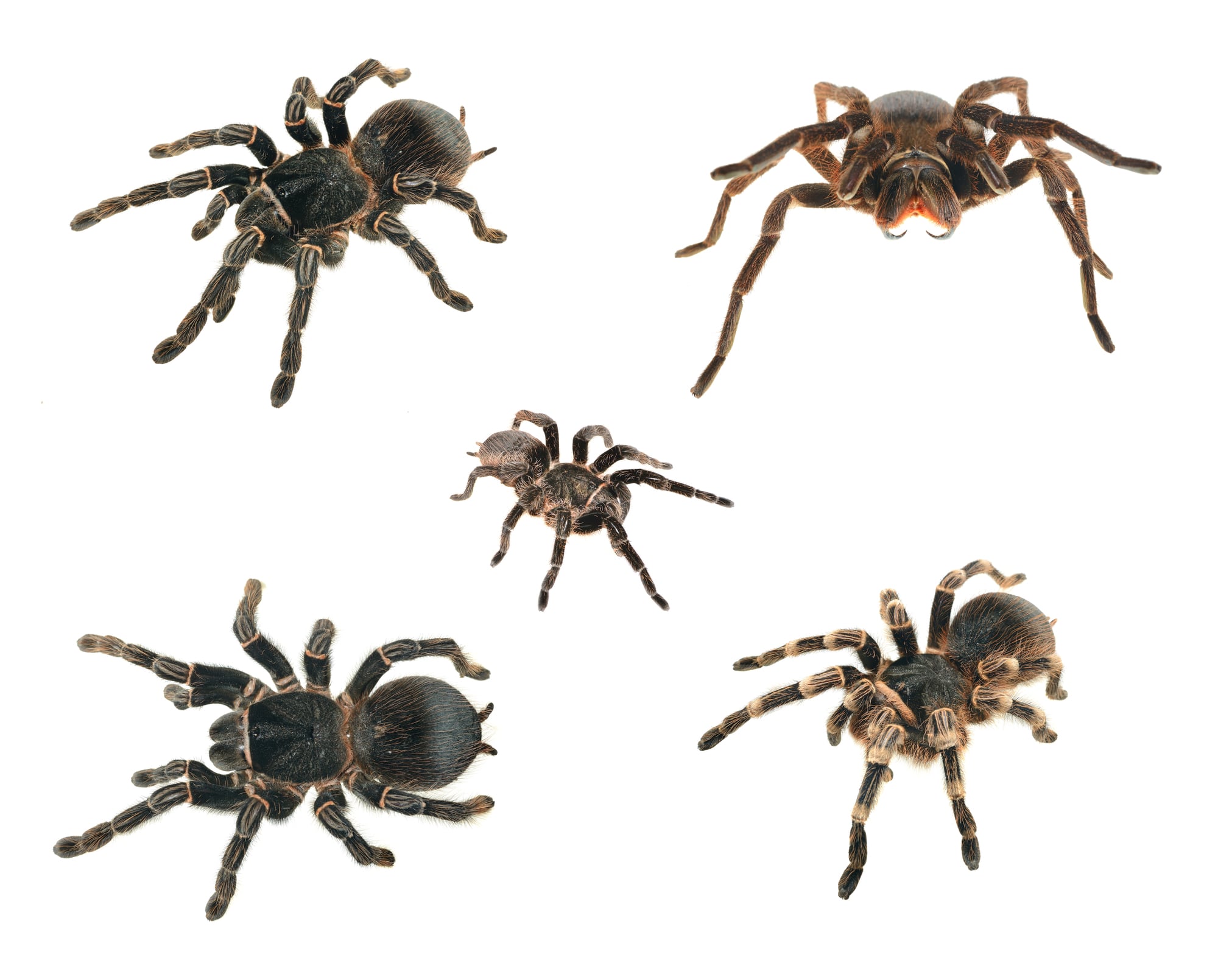
Out of roughly 50,000 known spider species worldwide, fewer than 30 pose any serious threat to humans. Most spiders have fangs too small to penetrate human skin – while their venom is specifically designed to subdue tiny prey like flies and mosquitoes.
Even among potentially dangerous species like black widows and brown recluses, fatalities remain extremely rare due to modern medical treatment and the spiders’ generally non-aggressive nature.
Spiders Actively Hunt and Attack People
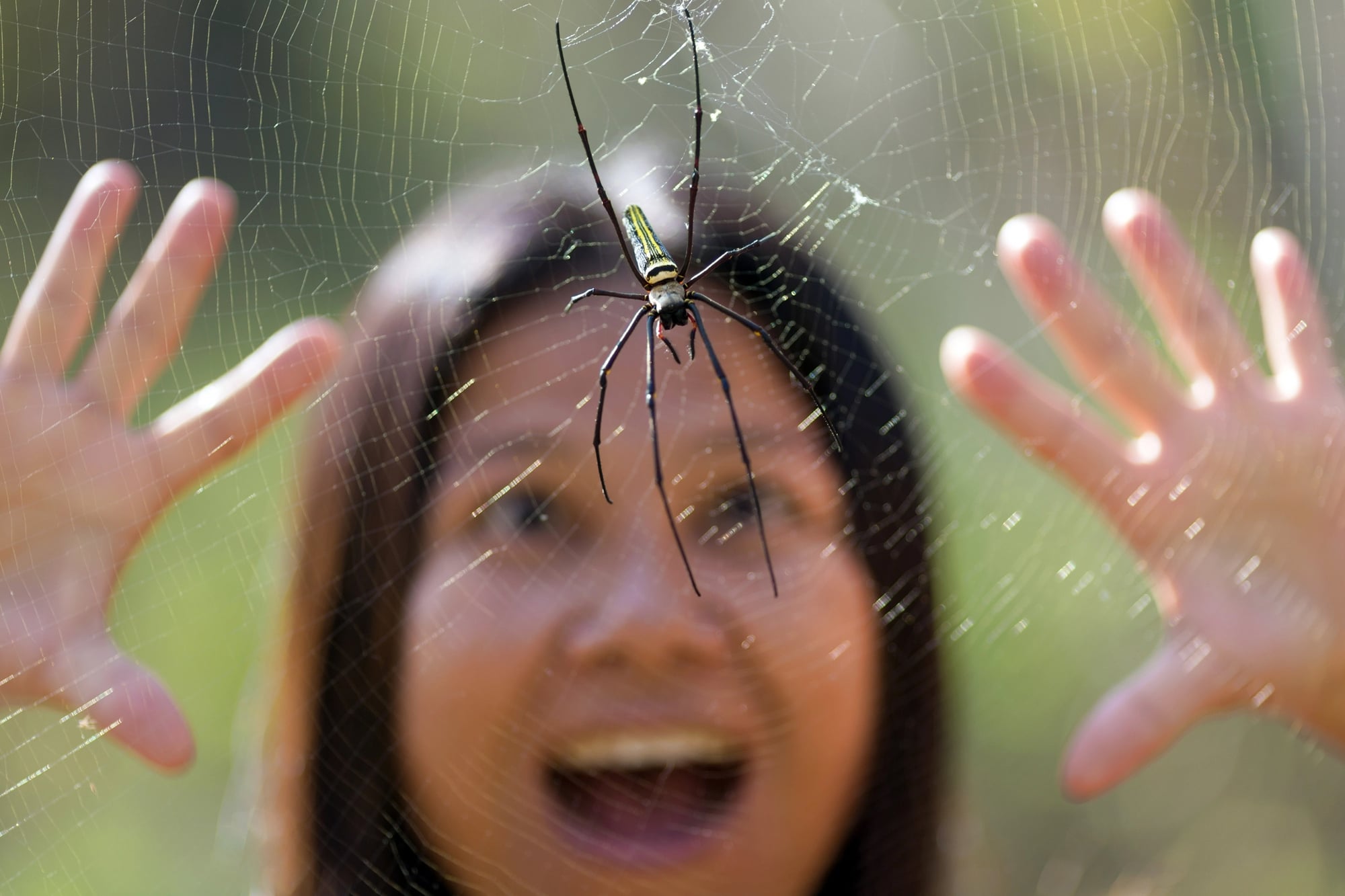
Spiders view humans as massive predators to be avoided at all costs, rather than potential prey or threats worth confronting. These creatures spend their lives hunting insects that are thousands of times smaller than humans.
When spiders bite people, it’s almost always a defensive reaction when they feel trapped or accidentally handled – not because they’re seeking out human victims to attack.
Like Go2Tutors’s content? Follow us on MSN.
Daddy Longlegs Are the Most Venomous Spiders
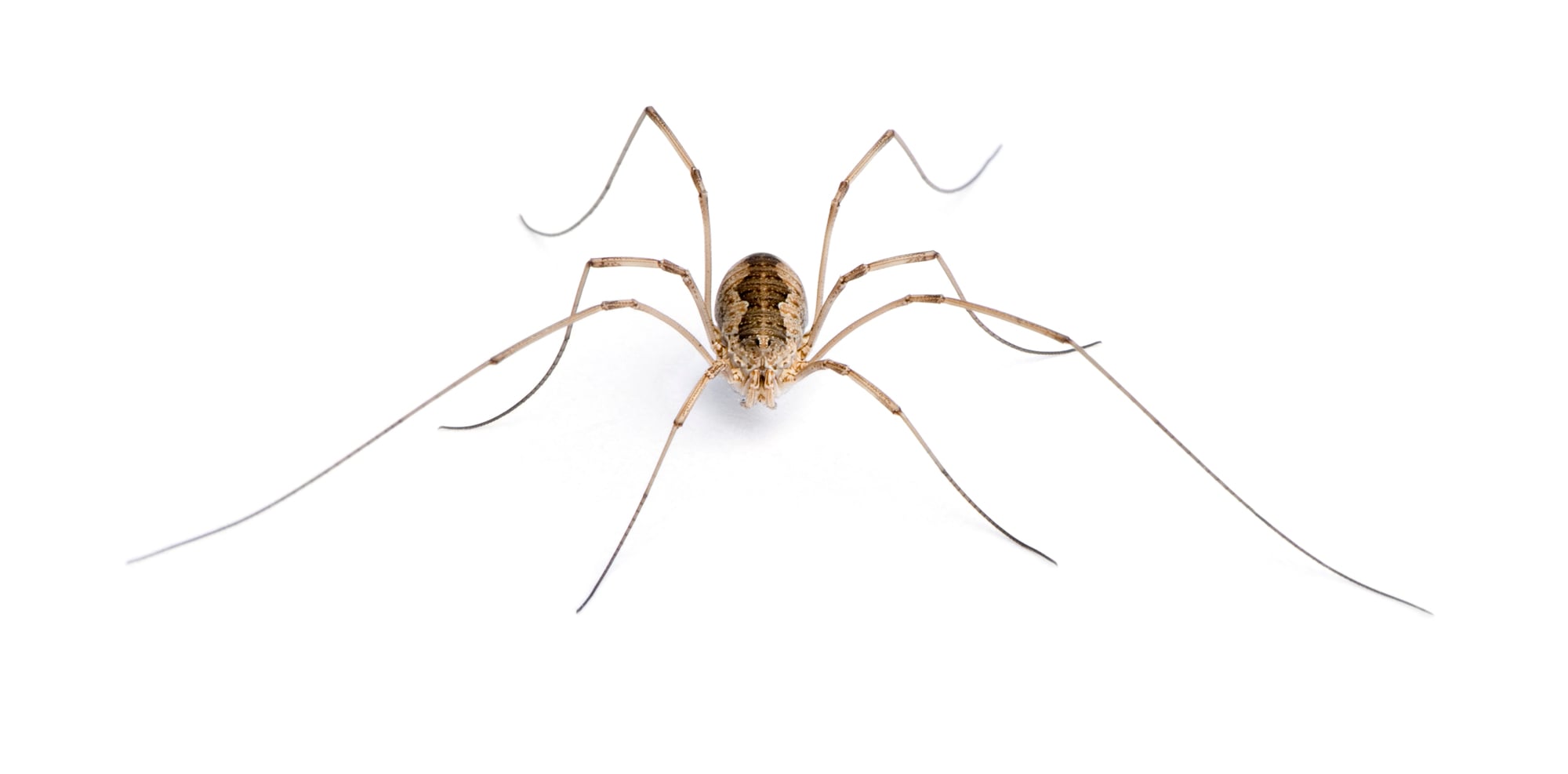
This myth contains multiple factual errors that have somehow become widespread despite being completely false. True daddy longlegs (harvestmen) aren’t even spiders – they’re arachnids but belong to a different order entirely.
Cellar spiders, which people also call daddy longlegs, do produce venom, but it’s incredibly weak and poses no danger to humans whatsoever.
You Swallow Eight Spiders Per Year While Sleeping

This ridiculous claim originated as an example of how easily false information spreads on the internet – yet it somehow became accepted as fact by millions of people. Spiders actively avoid the warm, humid environment of a human mouth and the vibrations from breathing and heartbeat.
The scenario of unconsciously swallowing spiders contradicts everything we know about spider behavior and their survival instincts.
Spiders Can Grow to Enormous Sizes
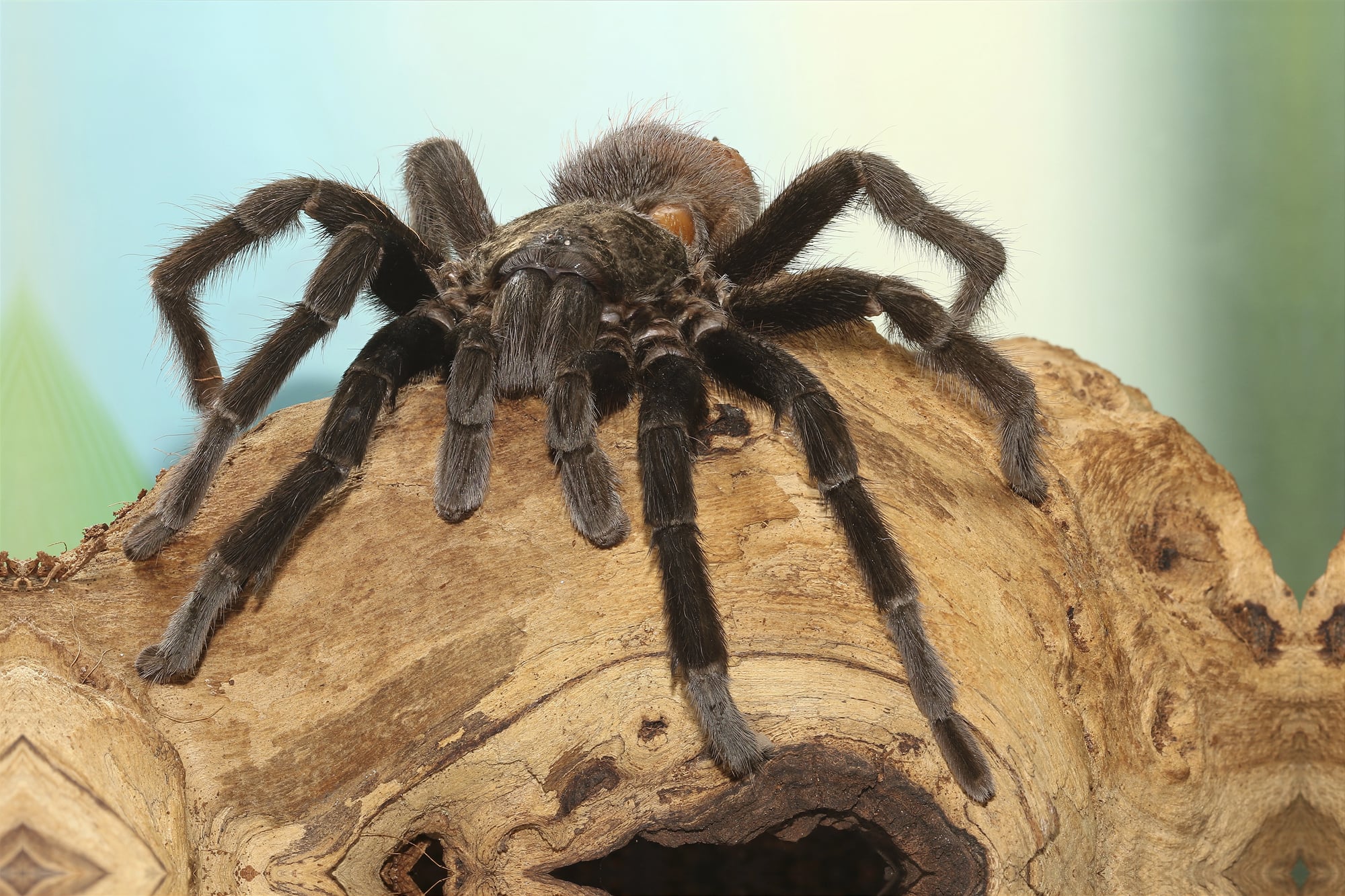
While some tropical tarantulas can reach impressive leg spans of nearly a foot, spiders face biological constraints that prevent them from becoming truly gigantic creatures. Their respiratory system relies on simple air tubes that become inefficient at larger sizes – limiting how big they can actually grow.
Even the largest known spider species weighs less than most small birds or rodents.
Like Go2Tutors’s content? Follow us on MSN.
All Spider Bites Cause Necrotic Tissue Damage
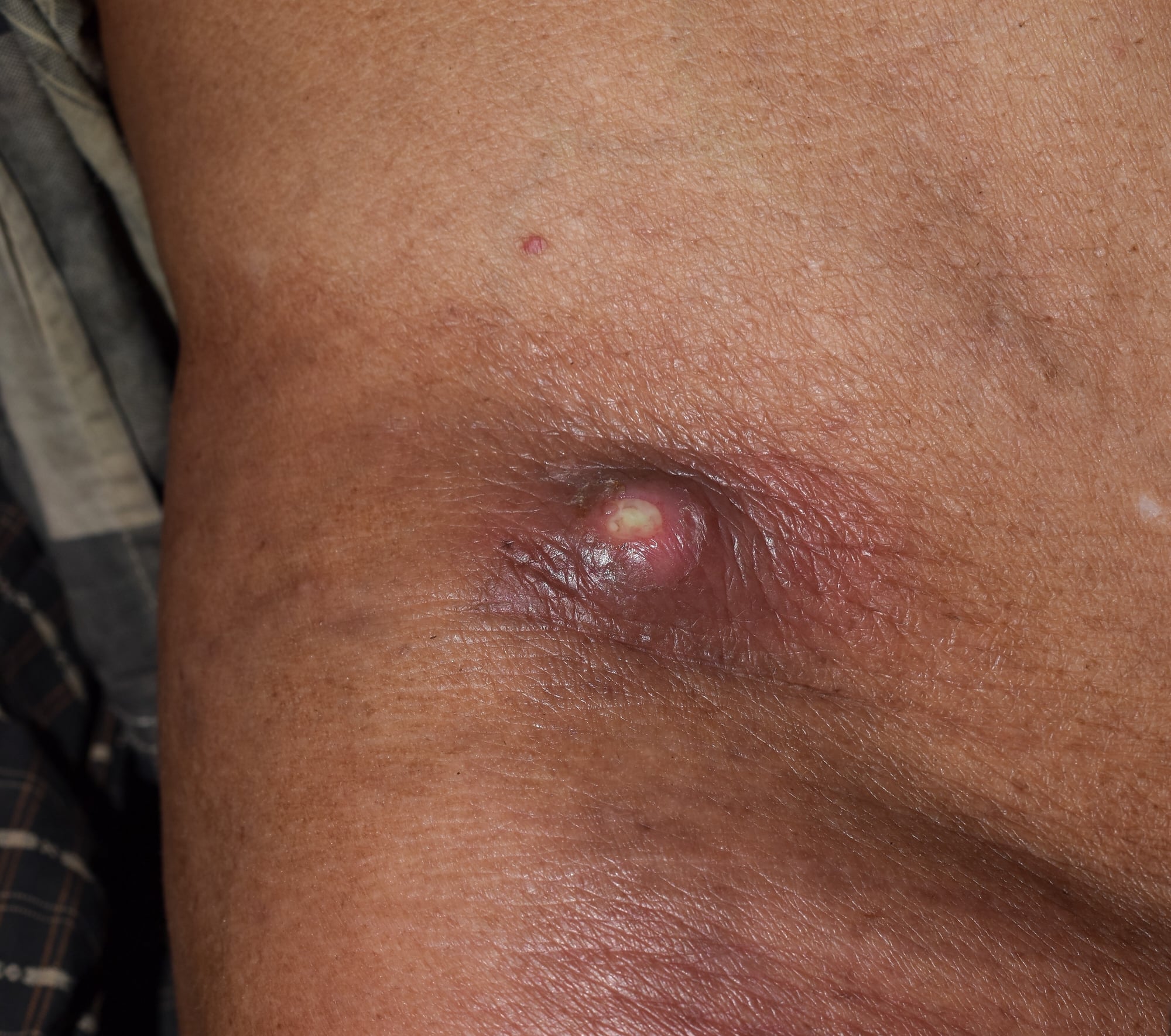
Medical professionals frequently see patients convinced they have spider bites when the actual culprit is usually a bacterial infection, allergic reaction, or bite from another arthropod entirely. True necrotic spider bites remain exceptionally rare – even from species like brown recluses that can cause tissue damage.
Most suspected ‘spider bites’ never involve spiders at all, according to emergency room studies.
Spiders Lay Eggs Under Human Skin
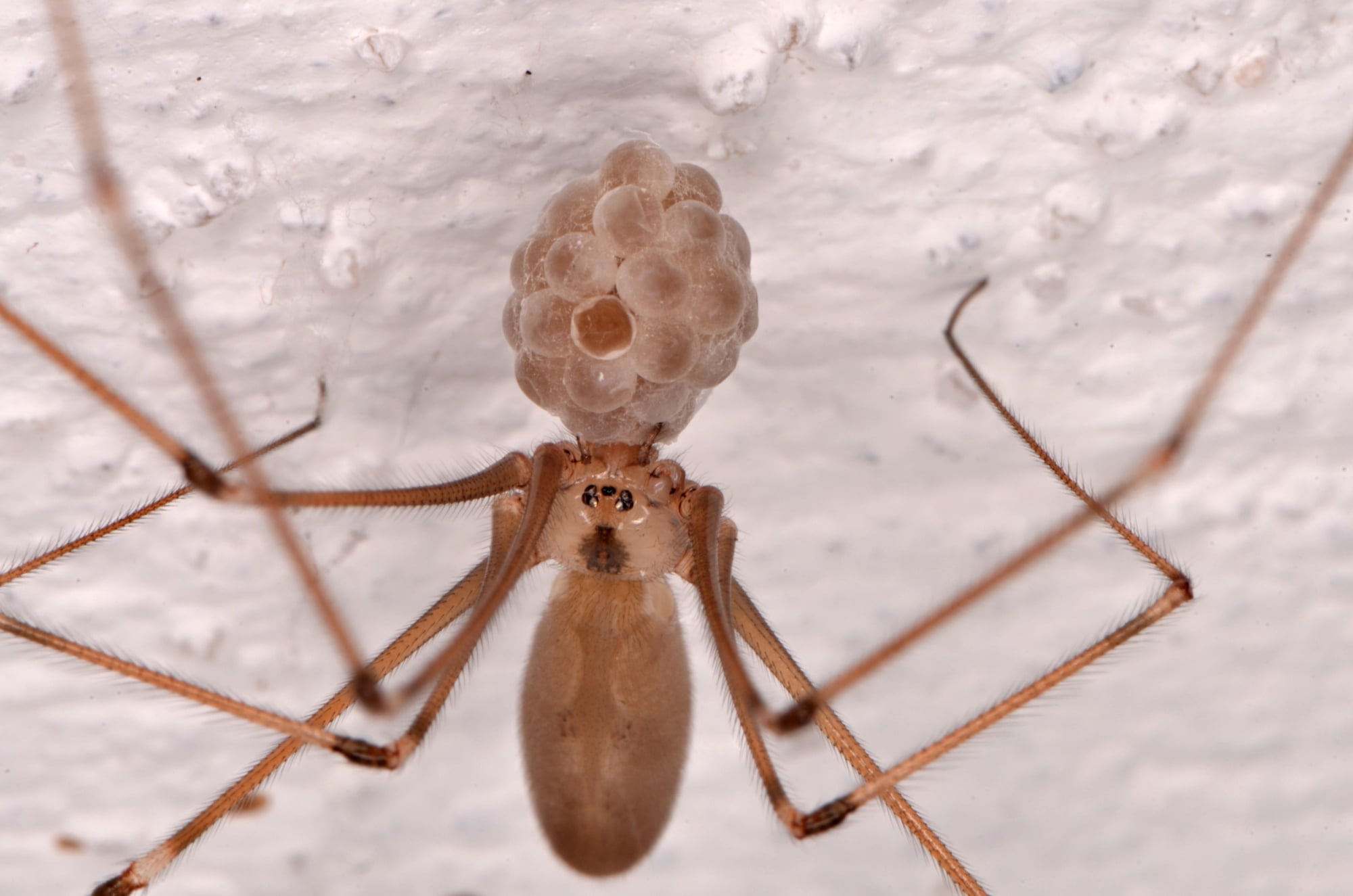
This disturbing myth likely stems from confusion with certain parasitic insects and mites that actually do burrow into skin. Spiders cannot and do not lay eggs under human skin – their reproductive biology simply doesn’t work that way.
Female spiders create silk egg sacs in protected locations like corners, crevices, or vegetation where their offspring can develop safely away from predators.
House Spiders Come Indoors from Outside
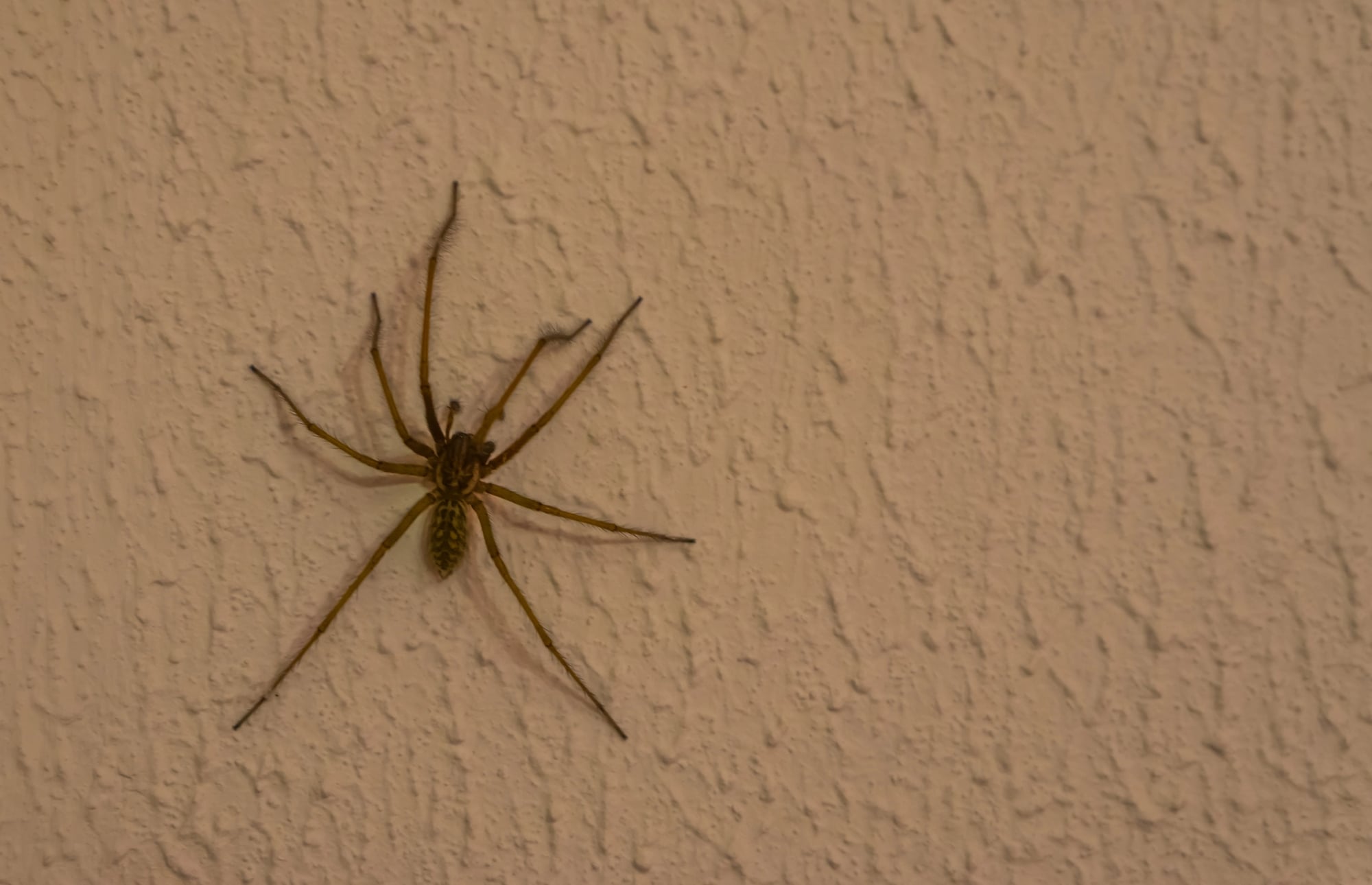
Most common house spiders have adapted specifically to indoor environments over thousands of years and rarely venture outside where they can’t survive. These indoor specialists differ genetically from their outdoor relatives – having evolved to thrive in the stable temperatures and humidity levels found inside human dwellings.
Removing house spiders and releasing them outdoors is essentially a death sentence for creatures perfectly adapted to indoor life.
Like Go2Tutors’s content? Follow us on MSN.
Spiders Are Insects
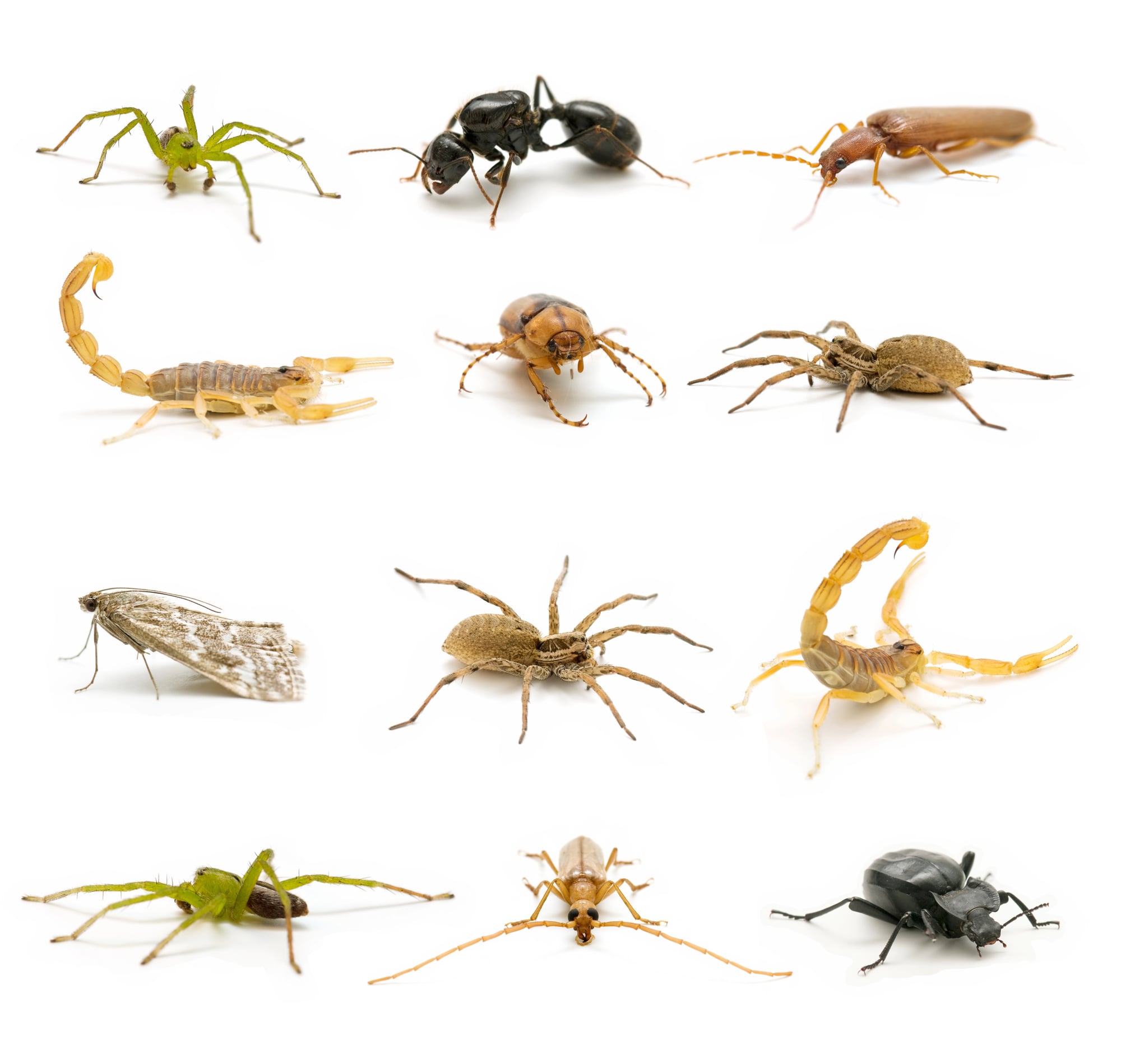
This fundamental misclassification persists despite clear anatomical differences between spiders and true insects. Spiders belong to the class Arachnida – characterized by eight legs, two body segments, and no antennae or wings.
Insects have six legs, three body segments, antennae, and often wings, making them distinctly different creatures that evolved along separate evolutionary paths millions of years ago.
Killing a Spider Brings Bad Luck
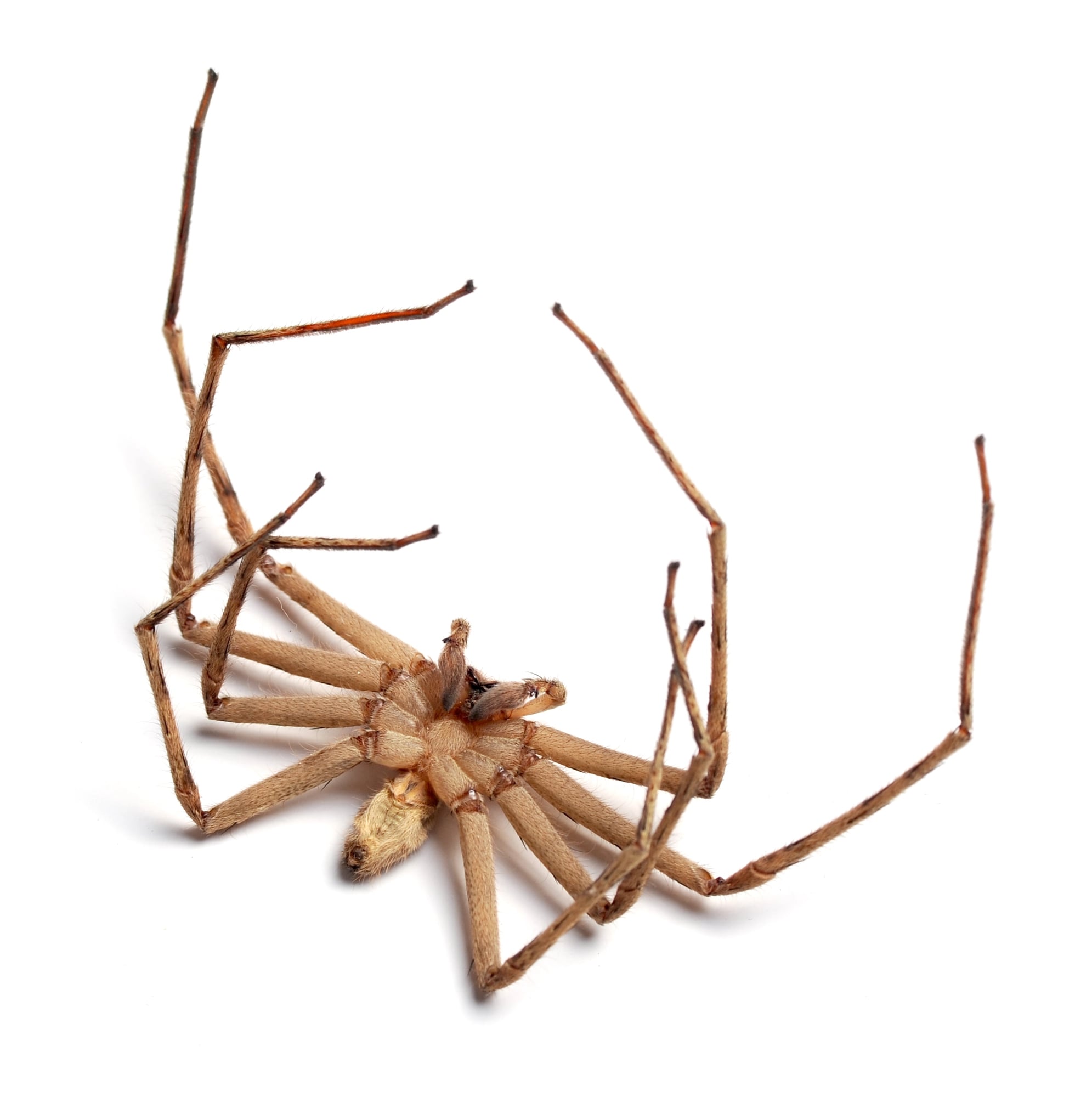
While this superstition might actually benefit spider populations, it has no basis in reality beyond cultural folklore and tradition. Many cultures developed positive associations with spiders – recognizing their valuable role in controlling disease-carrying insects like mosquitoes and flies.
The practical benefits of having spiders around probably inspired protective superstitions rather than any genuine supernatural consequences.
Spiders Can Jump Several Feet
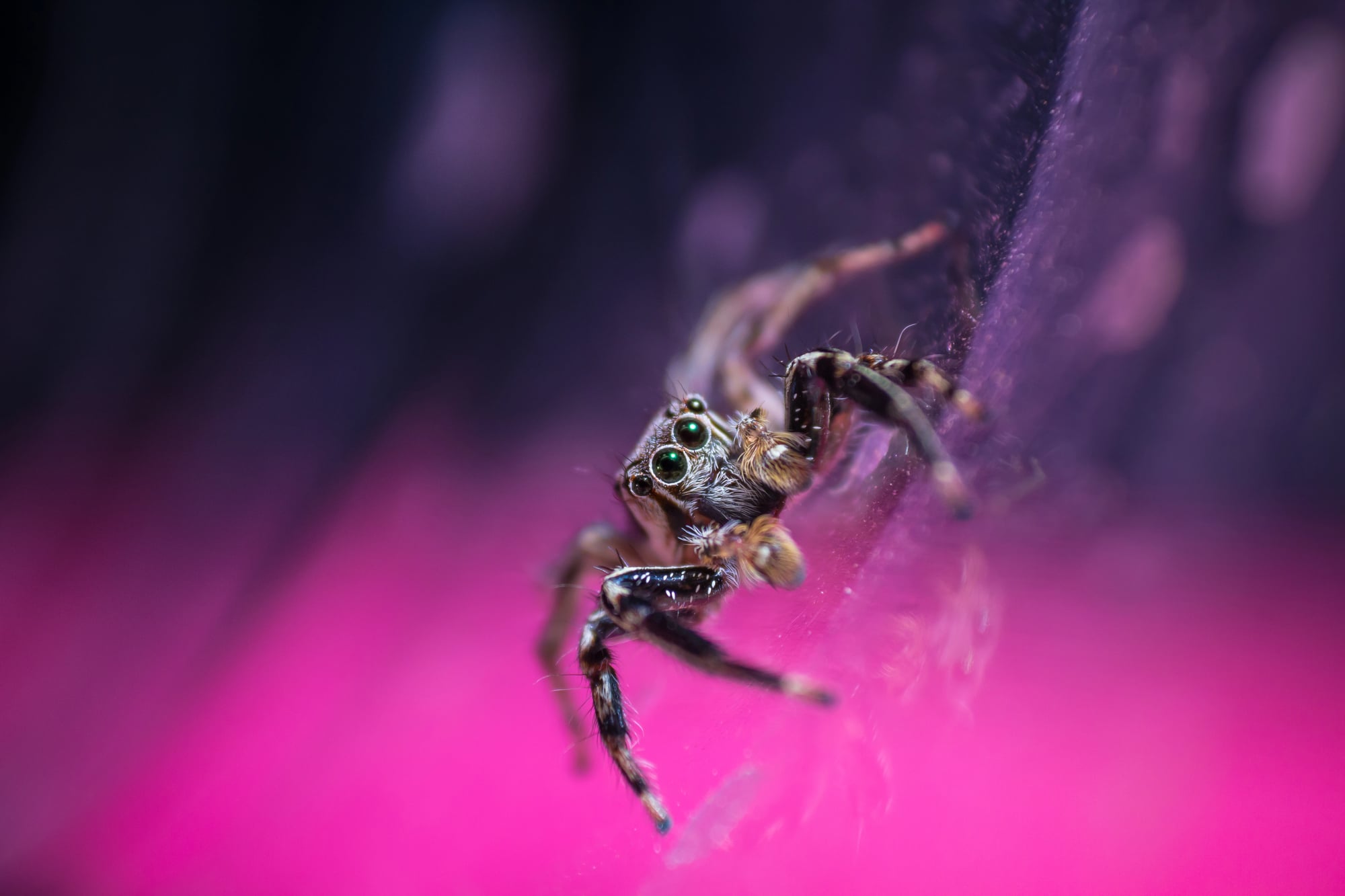
Although jumping spiders do exist and display remarkable athletic ability for their size, even the most accomplished jumpers can only leap distances measured in inches rather than feet. These tiny acrobats use hydraulic pressure to extend their legs rapidly, but physics limits how far such small creatures can actually travel through the air.
Most spiders can’t jump at all and rely on walking or silk lines for movement.
Like Go2Tutors’s content? Follow us on MSN.
All Spiders Build Webs
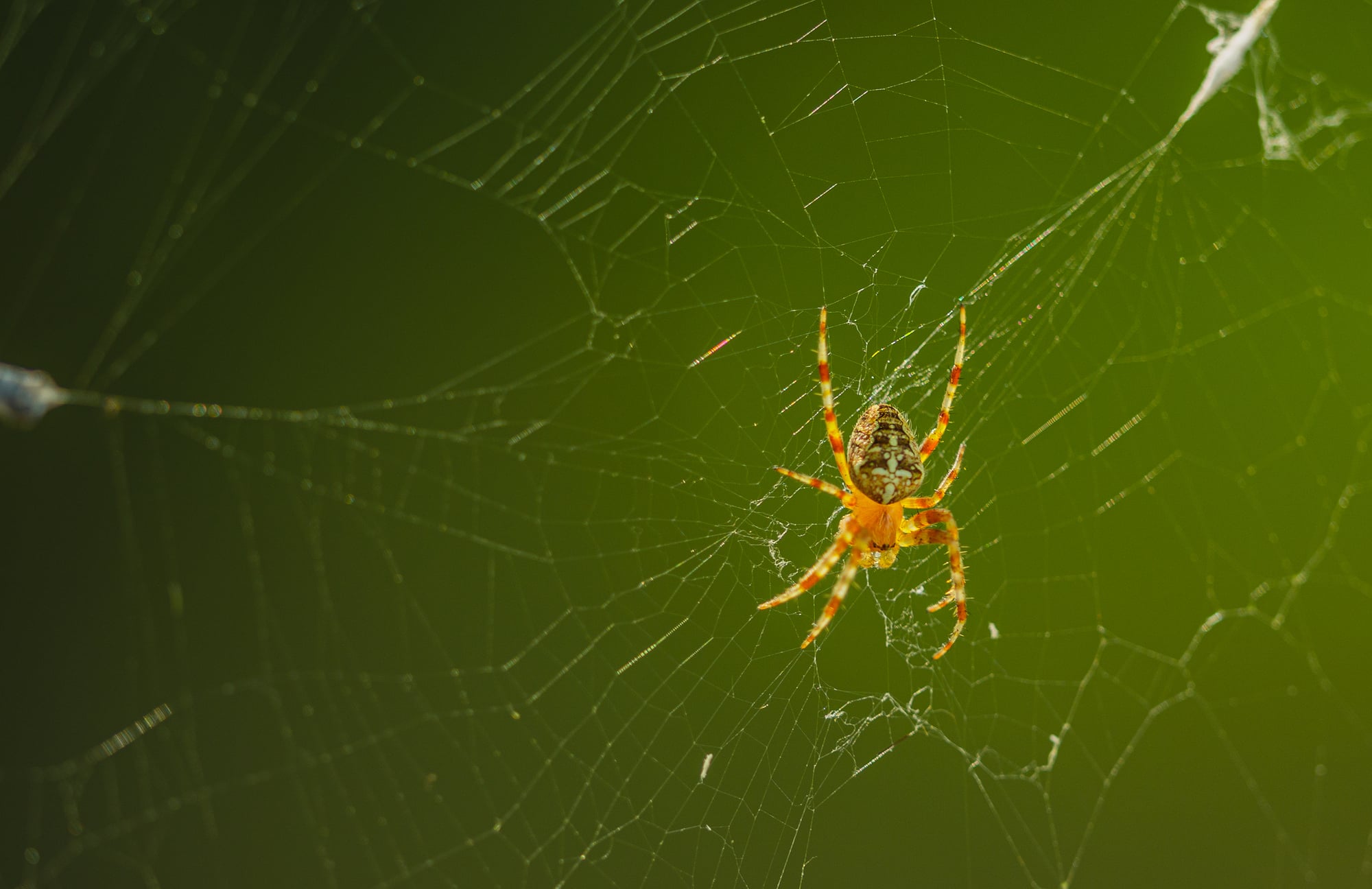
Roughly half of all spider species don’t construct webs at all, instead relying on active hunting strategies to catch their prey. Wolf spiders chase down victims like tiny predators, while jumping spiders use their excellent eyesight to stalk and pounce on unsuspecting insects.
Even among web-building species, the variety of designs ranges from simple tangles to elaborate geometric masterpieces, each adapted for specific hunting strategies and environments.
Beyond Fear and Fiction
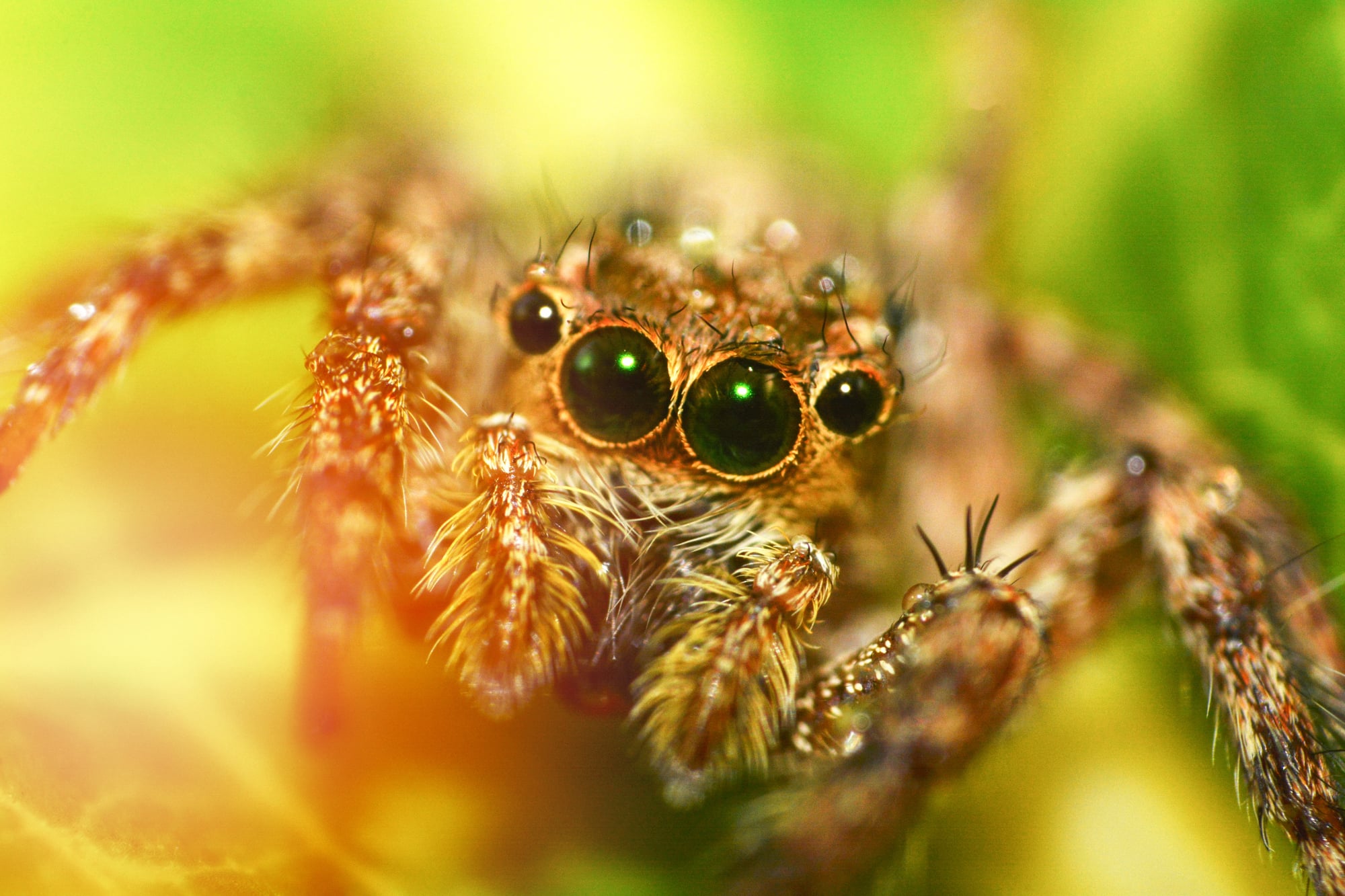
More about human psychology than spider biology can be learned from these persistent beliefs about spiders. Because of our inclination to be afraid of little, swift animals with an excessive number of legs, a rich mythology has developed that frequently deviates from factual truth.
Knowing the truth about spiders enables us to appreciate these amazing animals, which have spent more than 400 million years honing their survival techniques. Instead of frightening creatures hiding in shadowy places, spiders are among nature’s most effective pest control agents, silently removing insects that are truly harmful to human health from our homes and gardens.
More from Go2Tutors!

- 18 Unexpectedly Valuable Collectibles You Might Have Lying Around
- 20 Little-Known Historical Battles That Had Huge Consequences
- 20 Historical Artifacts That Scientists Can’t Explain
- 15 Inventions That Were Immediately Banned After Being Created
- 20 Actors Who Were Almost Cast in Iconic Roles
Like Go2Tutors’s content? Follow us on MSN.