14 Music Videos That Got Yanked Off TV Fast
Music videos have always pushed boundaries, but some crossed lines that television executives weren’t willing to tolerate. From controversial imagery to explicit content, these clips found themselves pulled from rotation faster than you could say ‘parental advisory.’ The reasons varied wildly—political statements, religious imagery, violence, or simply being too weird for mainstream audiences.
Television networks like MTV, VH1, and various international broadcasters have a long history of yanking videos that sparked outrage or controversy. Here is a list of 14 music videos that got the boot from TV stations around the world.
Madonna – ‘Like a Prayer’
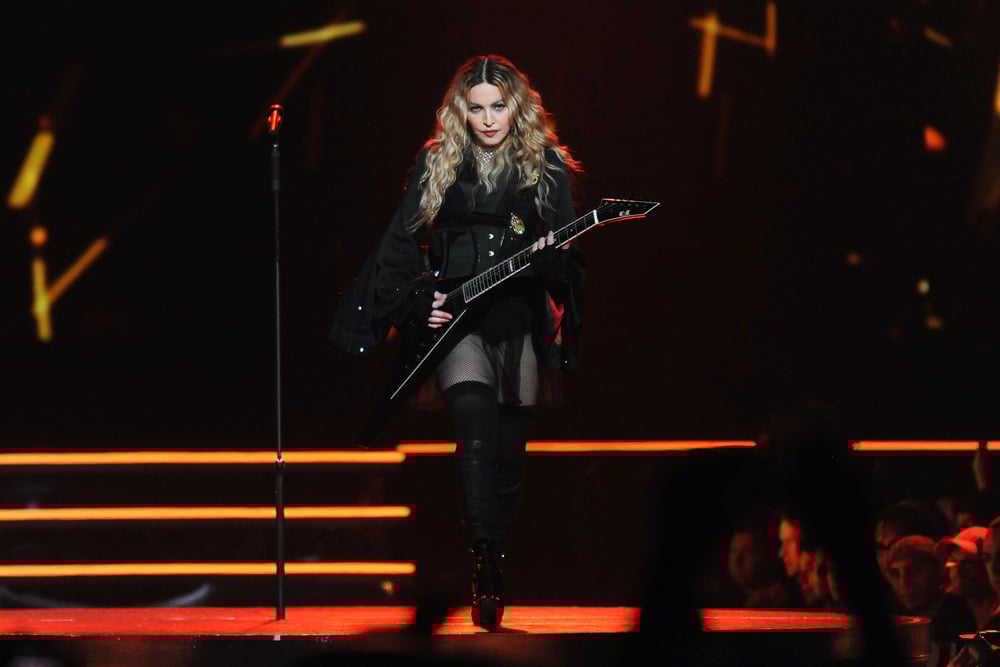
Madonna’s 1989 video featured burning crosses, stigmata, and religious imagery that sent conservative groups into a frenzy. The Vatican condemned it, and Pepsi pulled a major advertising campaign featuring the pop star.
MTV initially aired the video but faced such intense backlash that many affiliates refused to show it during daytime hours.
Prodigy – ‘Smack My Bitch Up’
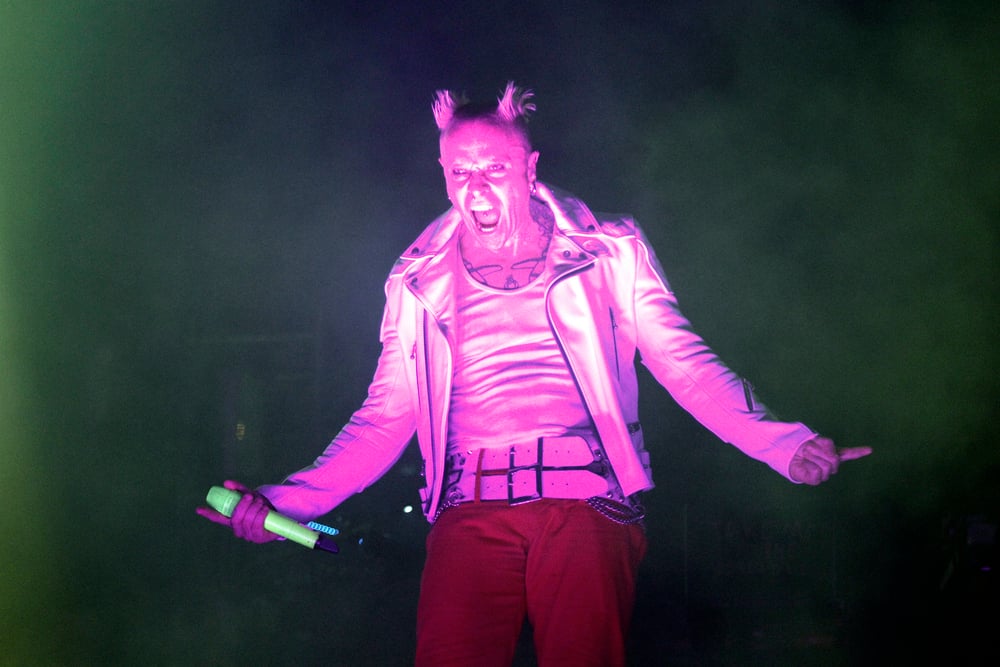
This 1997 electronic track came with a first-person perspective video showing a night of debauchery and violence. The BBC banned it entirely, while MTV only aired it after midnight with heavy warnings.
The controversial title alone was enough to get it pulled from most mainstream rotation, even before viewers saw the chaotic visuals.
Like Go2Tutors’s content? Follow us on MSN.
Duran Duran – ‘Girls on Film’

The uncensored version of this 1981 video featured topless models in what looked more like soft-core entertainment than a music video. MTV refused to air it, forcing the band to create a heavily edited version for television.
The original cut didn’t surface on mainstream TV until years later during late-night programming blocks.
Frankie Goes to Hollywood – ‘Relax’
BBC Radio 1 DJ Mike Read famously stopped this 1983 video mid-play and banned it from the airwaves. The combination of the track’s suggestive lyrics and the video’s leather-clad imagery was deemed too risqué for British television.
The ban actually helped propel the song to number one, proving that controversy can be great marketing.
Jane’s Addiction – ‘Jane Says’

This 1990 video contained brief footage that networks deemed inappropriate for daytime viewing. MTV pulled it from regular rotation after complaints about its content.
The band’s alternative rock status meant they weren’t exactly mainstream darlings anyway, but the ban certainly didn’t help their television presence.
Like Go2Tutors’s content? Follow us on MSN.
Aphex Twin – ‘Come to Daddy’
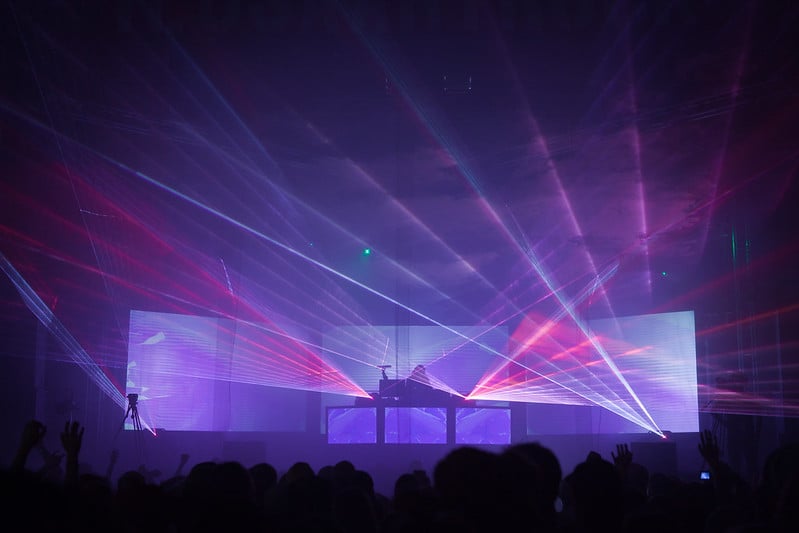
Richard D. James created a nightmare fuel masterpiece in 1997 that featured demonic children and disturbing imagery. MTV Europe banned it outright, calling it too frightening for viewers.
The video became legendary in underground music circles, but television executives wanted nothing to do with its horror movie aesthetic.
Marilyn Manson – ‘Sweet Dreams’

This 1995 cover of the Eurythmics classic featured disturbing imagery that made network executives extremely uncomfortable. MTV pulled it from daytime rotation almost immediately, relegating it to late-night slots.
Manson’s theatrical shock rock persona was exactly what conservative groups loved to hate about alternative music.
Beastie Boys – ‘Sabotage’
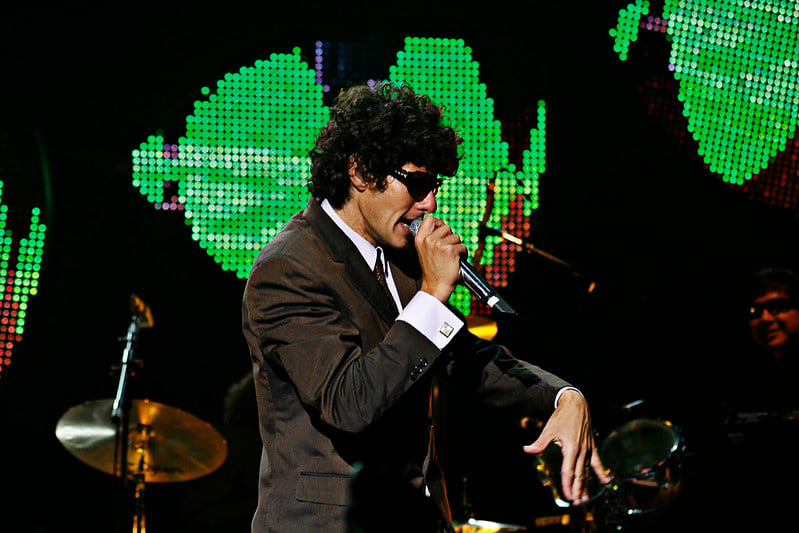
While not pulled for explicit content, this 1994 video got yanked from some networks due to its hyperactive style and frenetic energy. Certain broadcasters felt it could trigger seizures in sensitive viewers.
The ’70s cop show parody was actually quite clever, but its rapid-fire editing made programmers nervous about liability issues.
Like Go2Tutors’s content? Follow us on MSN.
Rage Against the Machine – ‘Killing in the Name’

The political message and explicit lyrics got this 1992 video banned from most daytime television programming. MTV would only air heavily censored versions during prime hours.
The band’s anti-establishment stance made them natural targets for network censorship, especially when their videos contained strong political imagery.
Björk – ‘Pagan Poetry’

This 2001 video featured body modification and imagery that pushed the boundaries of what television would accept. MTV refused to air it in most markets, citing concerns about its graphic content.
Björk’s artistic vision often clashed with mainstream sensibilities, but this particular video crossed too many lines for network comfort.
Eminem – ‘Criminal’

This 2000 video contained content that networks deemed inappropriate for television audiences. MTV heavily censored it and eventually pulled it from regular rotation entirely.
The rapper’s controversial lyrics combined with provocative visuals created a perfect storm for network censorship.
Like Go2Tutors’s content? Follow us on MSN.
White Zombie – ‘More Human Than Human’

Rob Zombie’s 1995 creation featured horror movie imagery that proved too intense for many television networks. MTV pulled it from daytime programming after viewer complaints about its frightening content.
The band’s horror rock aesthetic was always going to be a tough sell for mainstream television audiences.
Rammstein – ‘Stripped’
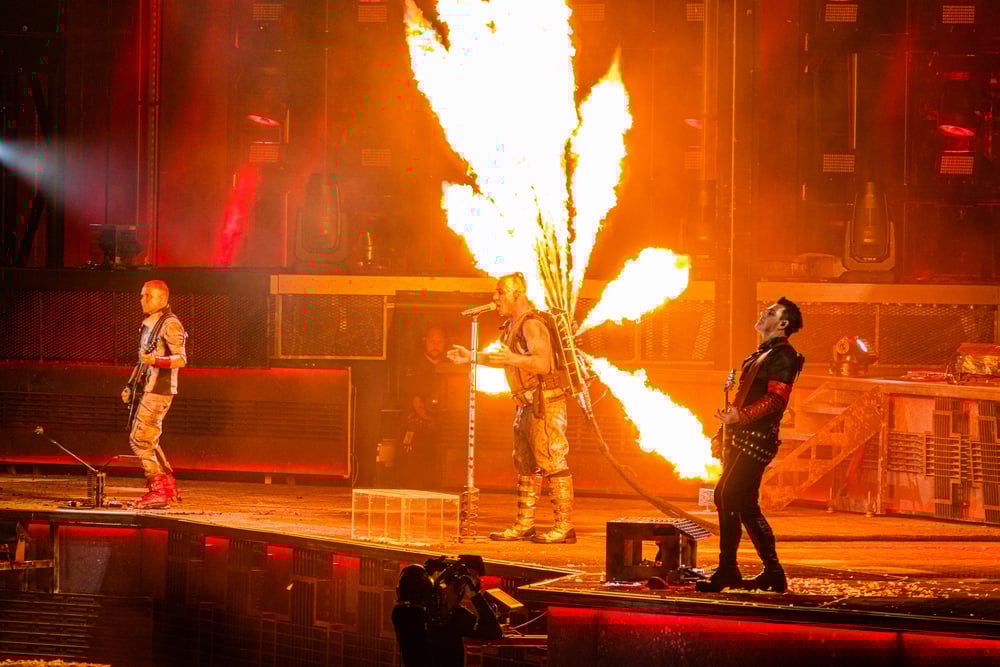
This 1998 video used footage from Leni Riefenstahl’s 1936 Olympics documentary, creating immediate controversy. Networks across Europe and America banned it due to the historical context and imagery.
The German industrial metal band’s provocative approach to art and history made television executives extremely uncomfortable.
The Cure – ‘Lullaby’

Robert Smith’s 1989 spider-themed nightmare got pulled from children’s programming blocks immediately. MTV moved it to late-night rotation after parents complained about its frightening imagery.
The gothic rock band’s dark aesthetic was usually tolerable, but this particular video crossed into genuine horror territory.
Like Go2Tutors’s content? Follow us on MSN.
When Art Meets Broadcasting Standards
These videos remind us that artistic expression and television programming don’t always mix well. What seems creative and boundary-pushing to artists can appear threatening or inappropriate to network executives trying to serve diverse audiences.
The rise of internet platforms has largely eliminated these gatekeepers, allowing artists to share their unfiltered visions directly with fans. Many of these once-banned videos now seem tame compared to content readily available online, showing how much cultural standards have shifted over the decades.
More from Go2Tutors!

- 16 Historical Figures Who Were Nothing Like You Think
- 12 Things Sold in the 80s That Are Now Illegal
- 15 VHS Tapes That Could Be Worth Thousands
- 17 Historical “What Ifs” That Would Have Changed Everything
- 18 TV Shows That Vanished Without a Finale
Like Go2Tutors’s content? Follow us on MSN.