17 Colossal Mammals From The Ancient Past
The ancient world was home to creatures that would dwarf today’s largest mammals. These prehistoric giants roamed the Earth during various epochs, evolving incredible sizes that seem almost impossible by modern standards. From massive ground sloths that stood taller than giraffes to rhinoceros-like beasts weighing more than elephants, these colossal mammals dominated their ecosystems for millions of years. Their fossilized remains tell stories of a time when being enormous was often the key to survival.
Here is a list of 17 colossal mammals from the ancient past that showcase just how dramatically different our planet’s wildlife once appeared.
Paraceratherium
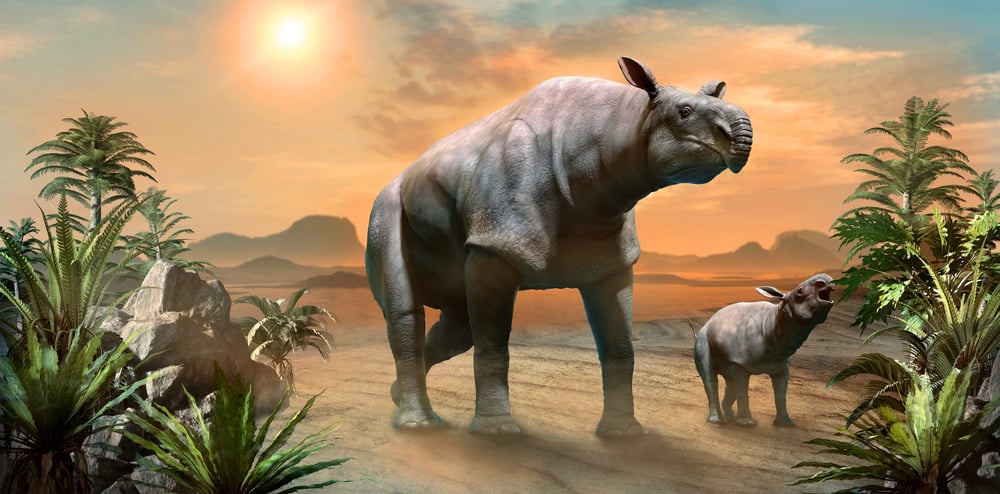
This hornless rhinoceros relative holds the title of largest land mammal ever discovered. Standing 18 feet tall at the shoulder — and stretching 26 feet in length — Paraceratherium weighed up to 20 tons, making modern elephants look modest by comparison.
These gentle giants browsed treetops across Asia roughly 34 million years ago, using their elongated necks like organic cranes to reach vegetation other animals couldn’t access.
Megatherium
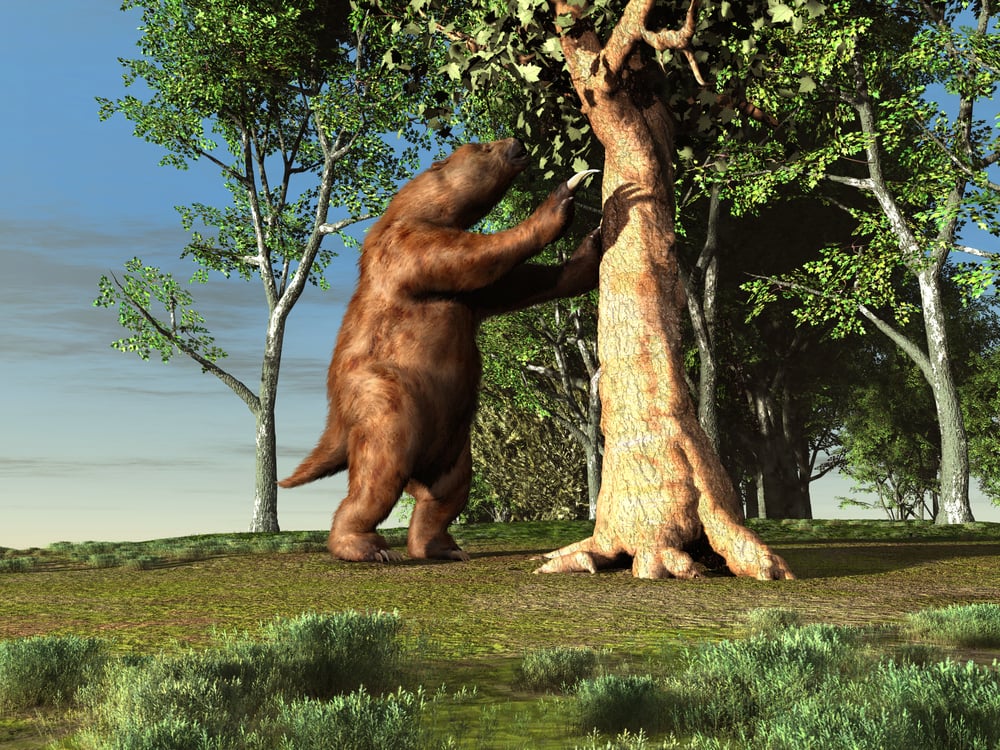
The giant ground sloth Megatherium americanum was a true colossus of South America. It weighed up to 4 tons.
Yet despite its massive size, measuring 20 feet from nose to tail, this creature moved upright on its hind legs rather than crawling. Its powerful claws — some over a foot long — weren’t used for hunting but for stripping bark and pulling down entire tree branches to feast on leaves.
Uintatherium
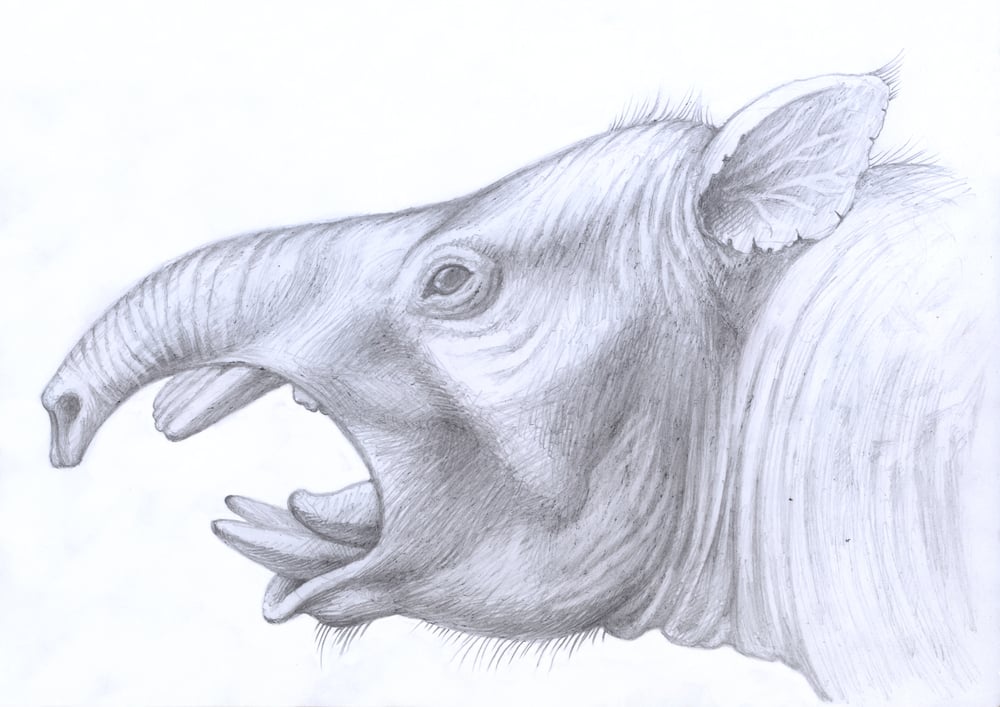
With its bizarre skull adorned with six bony knobs and saber-like canine teeth, Uintatherium looked like something from a fantasy novel. This elephant-sized mammal roamed North America about 46 million years ago.
Though its appearance was fearsome, Uintatherium was actually a peaceful browser that spent its days munching on soft plants near ancient swamps and forests.
Andrewsarchus
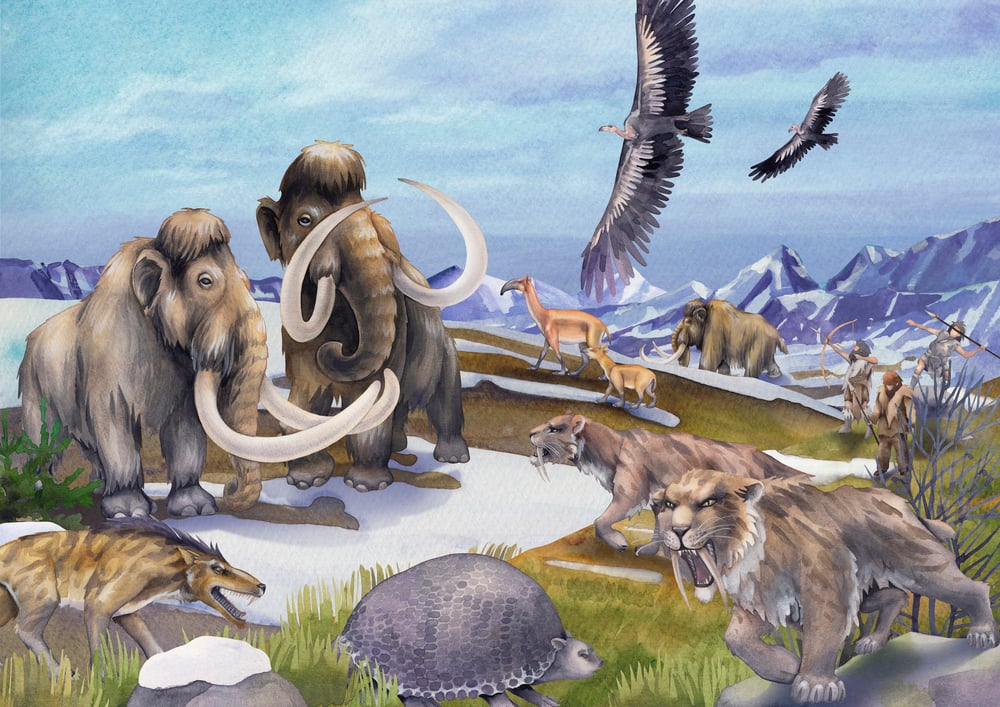
Though known primarily from a single skull measuring over 3 feet long — paleontologists estimate this predatory mammal could’ve reached lengths of 17 feet and weights exceeding 1,800 pounds. Andrewsarchus mongoliensis lived in Mongolia around 45 million years ago.
While it likely hunted both on land and in shallow waters, its massive jaws packed with sharp teeth suggest it was the apex predator of its time.
Coryphodon
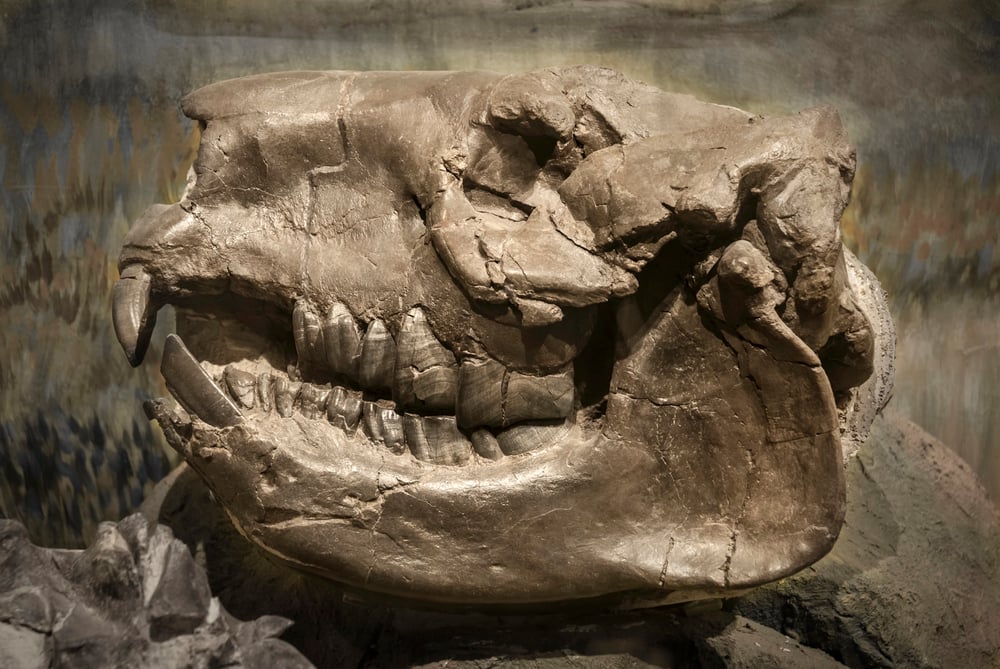
This early giant resembled a cross between a hippopotamus and a tapir, weighing up to 1,500 pounds and measuring 7 feet in length. Coryphodon lived during the Paleocene epoch around 59 million years ago — making it one of the first truly large mammals to evolve after the dinosaurs’ extinction.
Despite its small brain relative to body size, its robust build and semi-aquatic lifestyle helped it thrive in swampy environments.
Mammuthus meridionalis
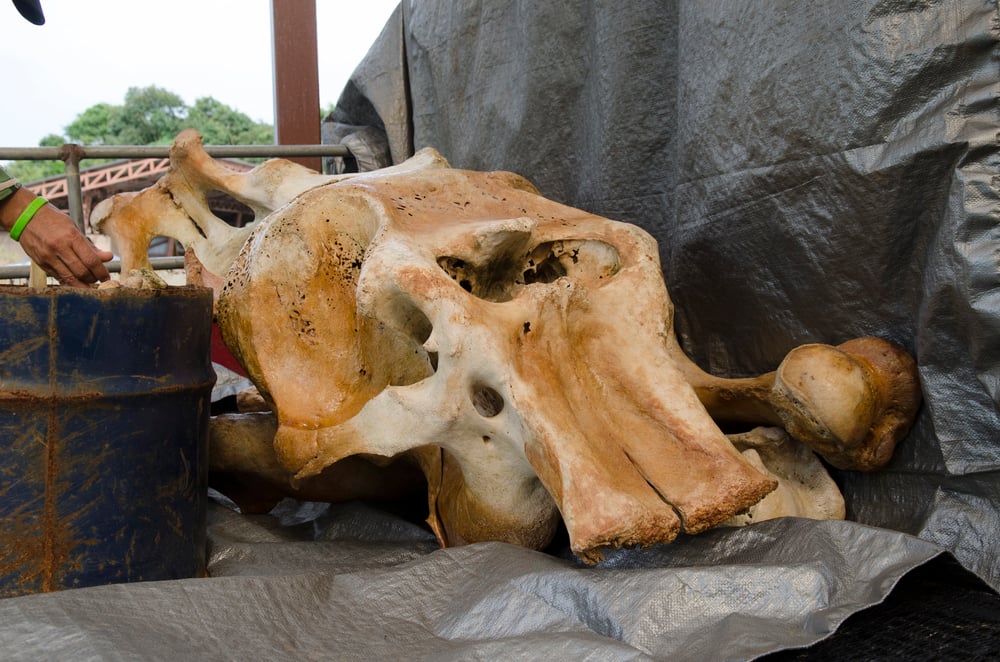
The southern mammoth dwarfed even the famous woolly mammoth. Standing 14 feet tall and weighing up to 10 tons, these enormous elephants roamed Europe and Asia between 2.5 and 1.5 million years ago.
Their massive molars — some weighing over 11 pounds each — were perfectly adapted for grinding tough grasses across vast steppes, whereas their tusks could grow over 16 feet long.
Josephoartigasia
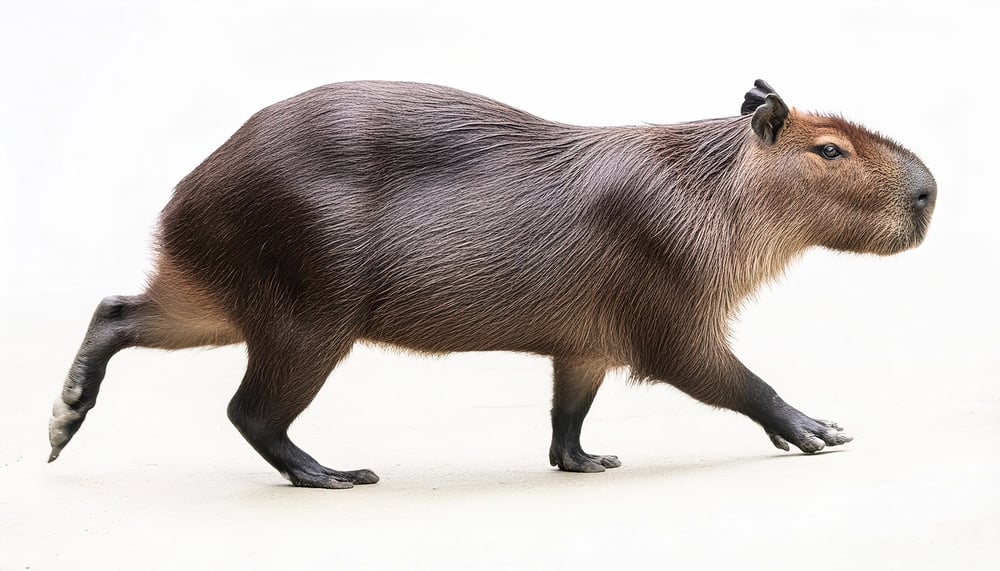
This giant rodent from Uruguay makes today’s capybaras look tiny by comparison. Weighing over 2,200 pounds and measuring 10 feet in length — Josephoartigasia monesi lived around 3 million years ago and possessed front teeth that grew continuously.
These massive incisors could reach nearly a foot in length, though the sight of a car-sized rodent probably deterred most predators anyway.
Brontotherium
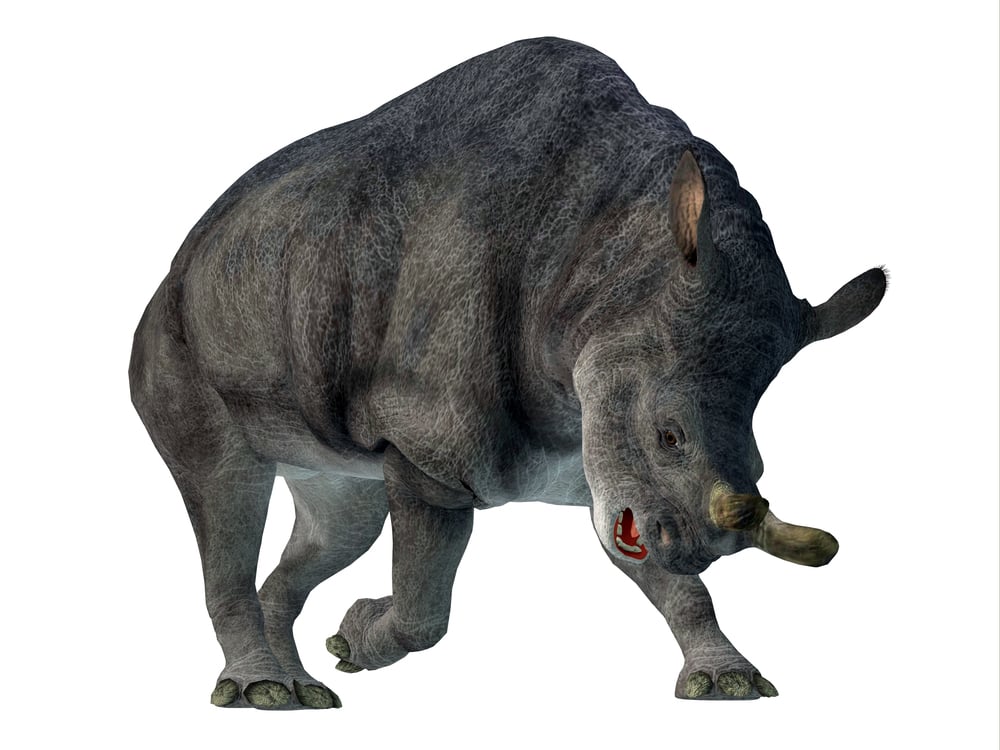
Despite its name meaning ‘thunder beast,’ Brontotherium was actually a peaceful herbivore that grazed across North America 37 million years ago. These rhino-sized mammals sported distinctive Y-shaped horns on their snouts.
Even so, they could weigh up to 3 tons while their broad, flat teeth processed soft leaves and shoots with remarkable efficiency.
Deinotherium
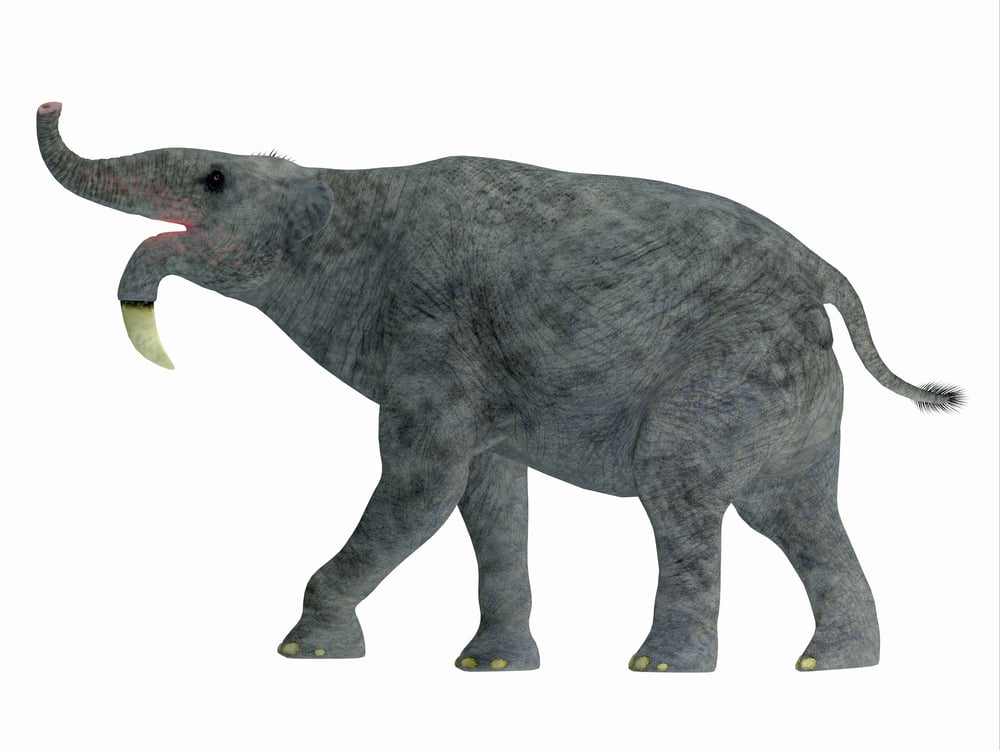
This elephant relative stood out thanks to its downward-curving tusks that jutted from its lower jaw rather than the upper. Reaching heights of 12 feet and weights of 12 tons, Deinotherium used these unusual tusks like pickaxes.
Still, these distinctive proboscideans roamed Africa, Asia, and Europe for over 20 million years — leaving behind fossils that puzzled early paleontologists.
Elasmotherium
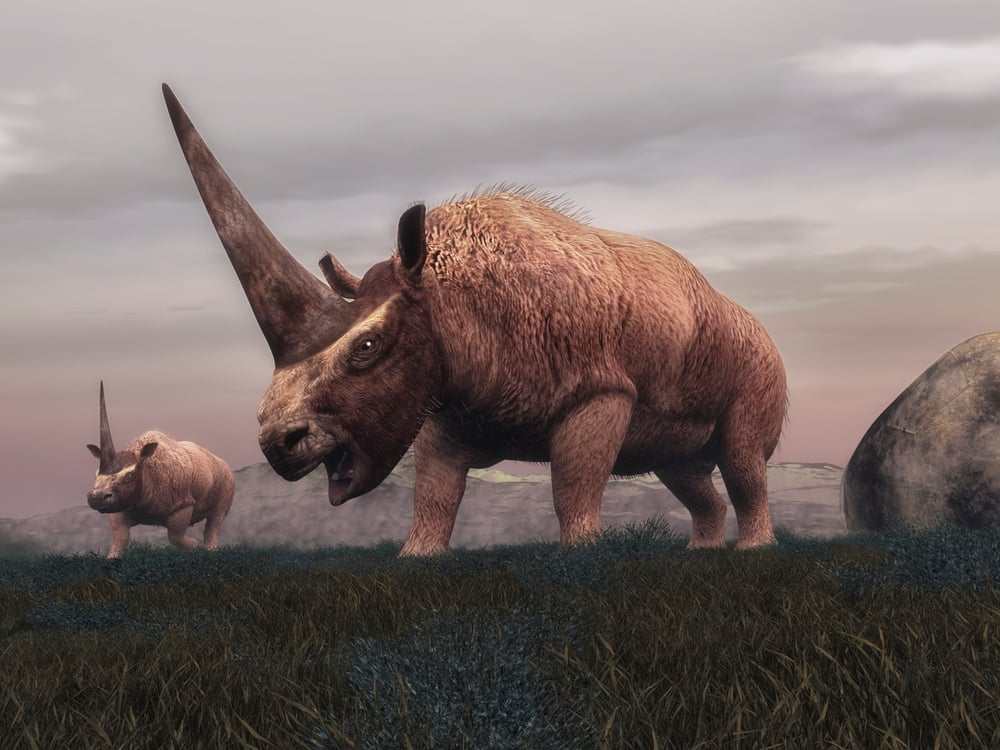
Known as the ‘Siberian unicorn,’ this massive rhinoceros species carried a single horn that could grow over 6 feet long. Elasmotherium sibiricum weighed up to 5 tons and stood 6 feet tall at the shoulder — using its enormous horn primarily for clearing snow to reach buried grasses.
Despite this harsh environment, these woolly giants survived much longer than most megafauna.
Castoroides
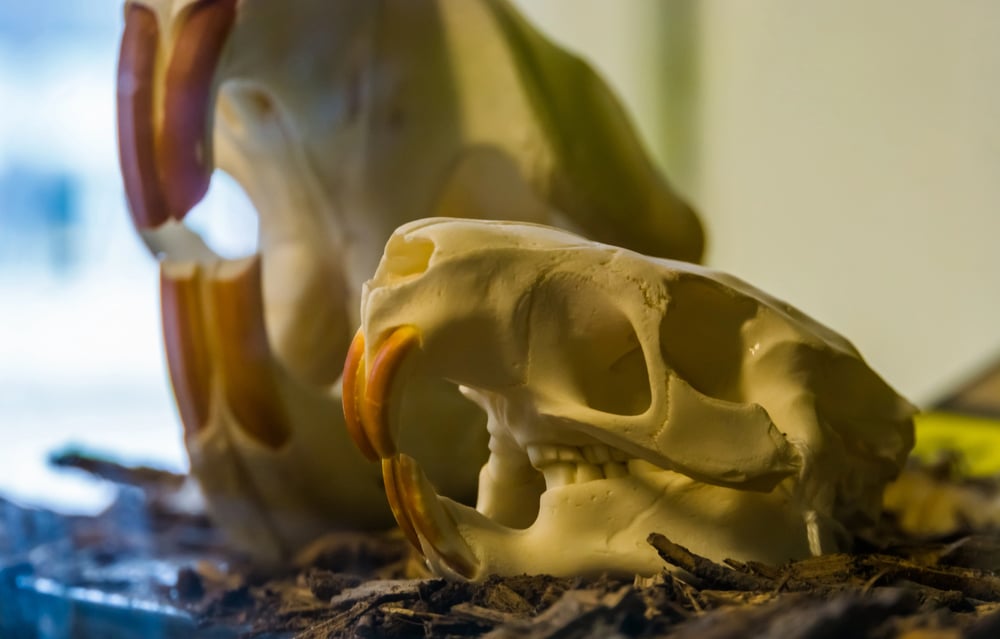
The giant beaver Castoroides ohioensis was the size of a modern black bear, weighing up to 275 pounds and measuring 8 feet from nose to tail. Unlike their modern relatives, these massive rodents likely didn’t build dams but instead lived in burrows along riverbanks across North America.
Their oversized front teeth, some reaching 6 inches in length, were probably used for cutting through tough aquatic vegetation and defending territory from rivals.
Macrauchenia
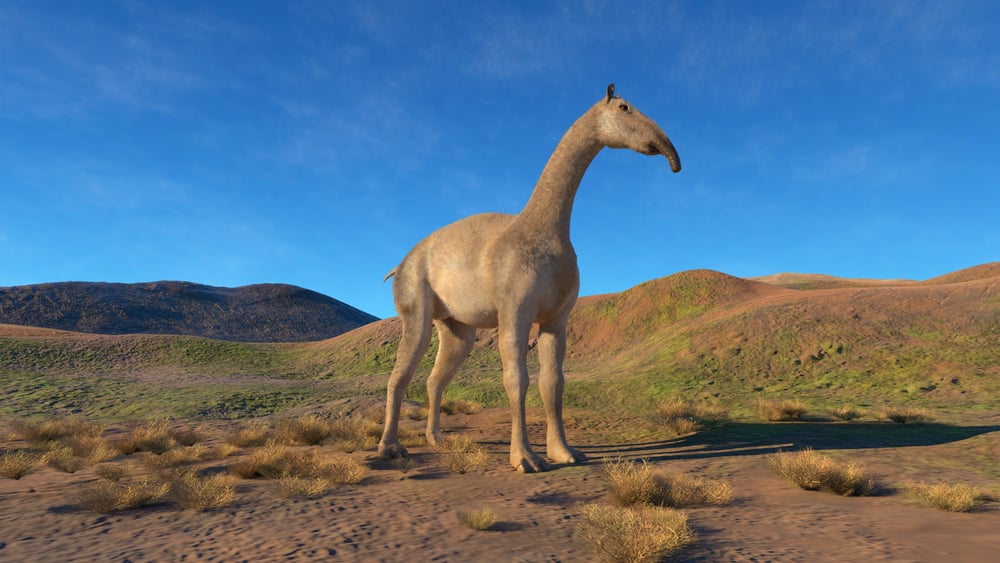
This strange creature combined features of camels, llamas, and elephants into one bizarre package. Standing 10 feet tall and weighing over 2,000 pounds, Macrauchenia possessed a flexible trunk-like snout and three-toed feet that helped it navigate the pampas of South America.
Its unusual anatomy suggests it filled an ecological niche unlike any modern mammal, browsing on high vegetation while remaining agile enough to escape predators.
Moropus
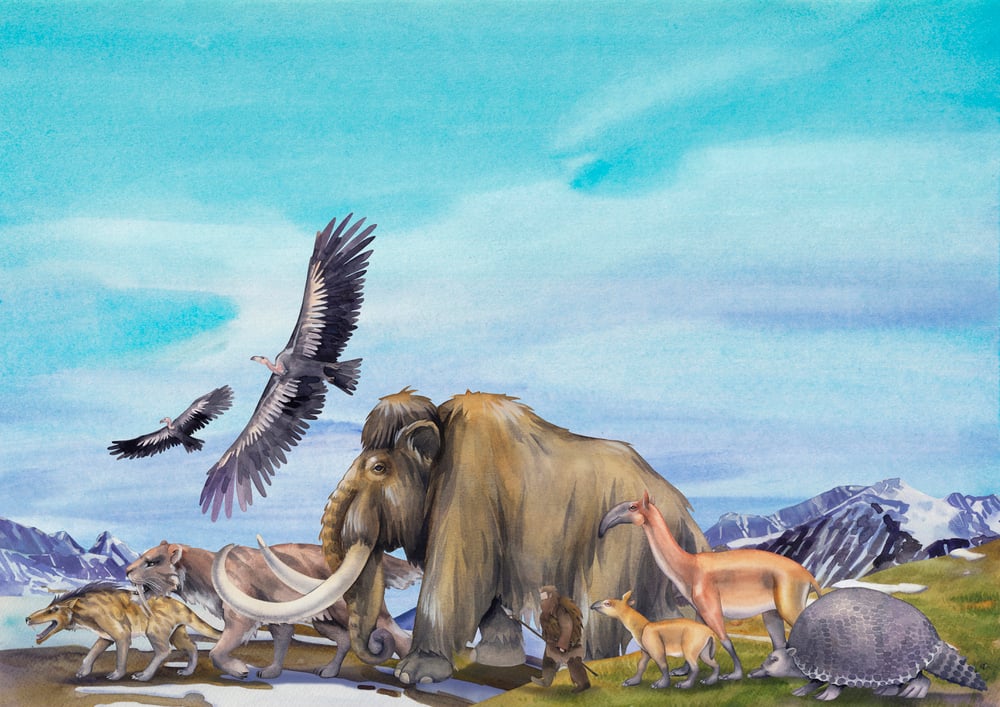
Part horse, part ground sloth, Moropus was one of nature’s most unusual experiments in mammalian design. These 10-foot-long herbivores possessed powerful claws instead of hooves, which they used to strip bark and pull down branches while feeding.
Despite their formidable appearance, Moropus species were gentle giants that roamed North America’s forests and woodlands around 20 million years ago, walking on their knuckles like oversized anteaters.
Sivatherium
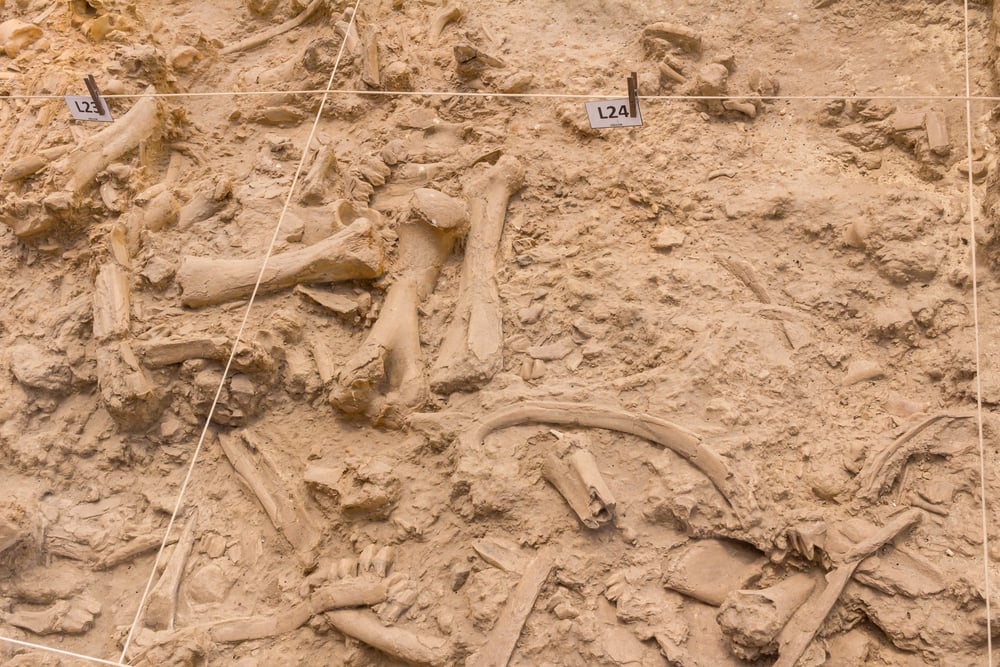
This giraffe relative was built like a tank rather than a skyscraper. Sivatherium giganteum weighed up to 2,800 pounds and stood 9 feet tall, sporting both antler-like ossicones and a second pair of smaller horn-like projections.
These massive browsers lived in Africa and Asia until relatively recently, whereas some populations may have survived until just 8,000 years ago, potentially inspiring ancient depictions of unicorns and other mythical beasts.
Doedicurus
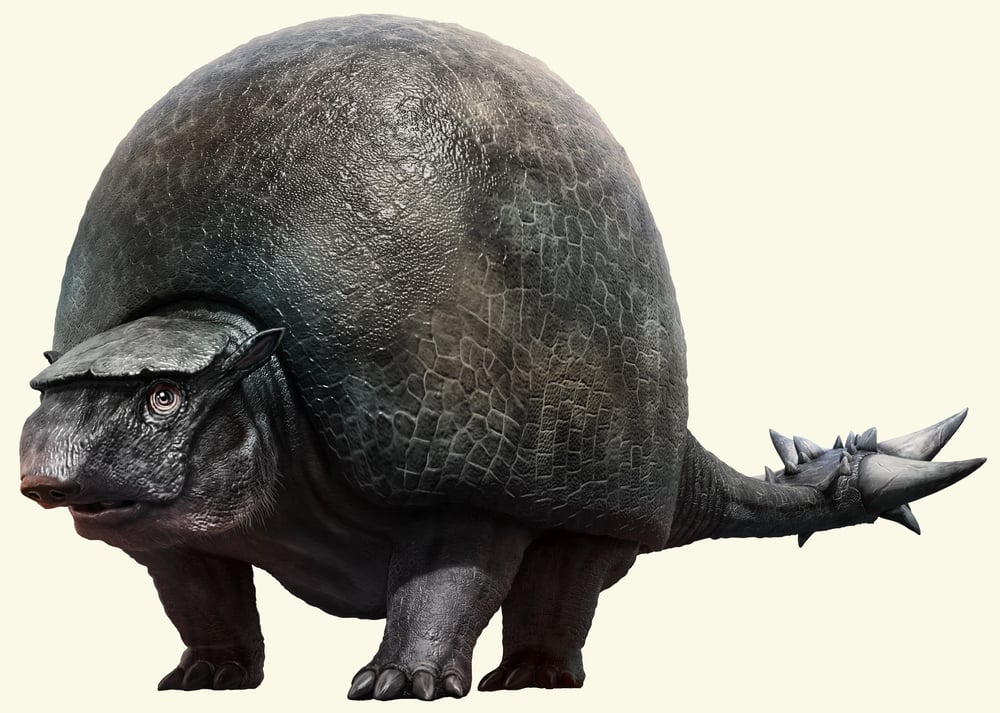
Imagine an armadillo scaled up to the size of a small car, and you’ll have a good mental picture of Doedicurus. This 4,000-pound giant was encased in a bony shell and wielded a spiked club tail that could deliver devastating blows to predators or rivals.
These living tanks roamed South America’s grasslands for over 2 million years, using their powerful claws to dig for roots and tubers while their armor provided protection from even the largest predators.
Toxodon
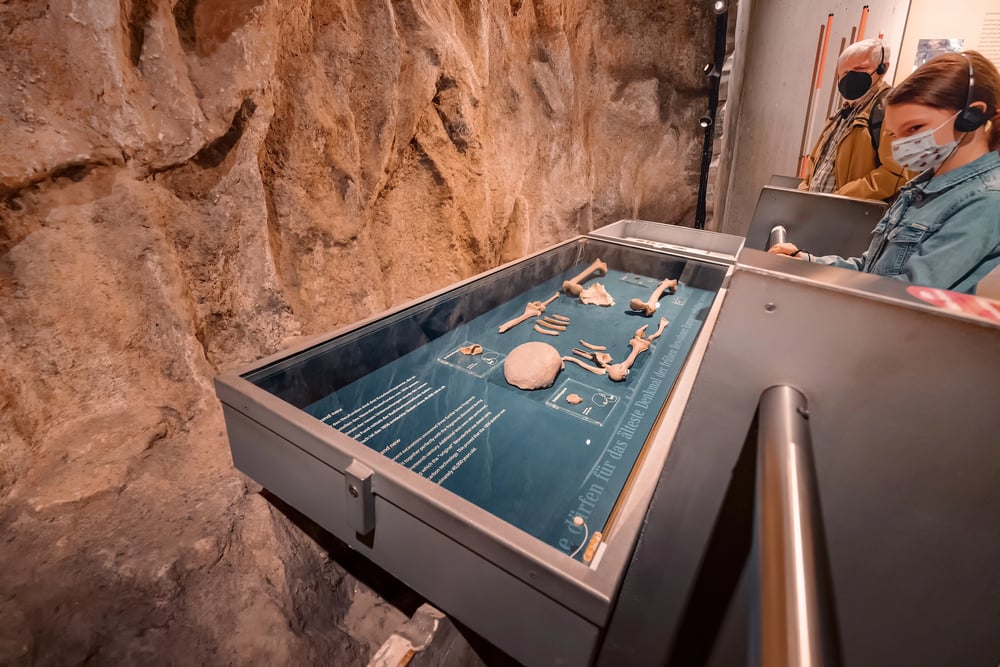
This hippo-sized mammal was one of South America’s most successful herbivores, thriving for over 2 million years before humans arrived. Weighing up to 3,000 pounds, Toxodon possessed continuously growing teeth that helped it process tough grasses and aquatic plants.
Charles Darwin himself discovered Toxodon fossils during his voyage on the Beagle, and these finds helped him develop his theories about evolution and extinction.
Glyptodon
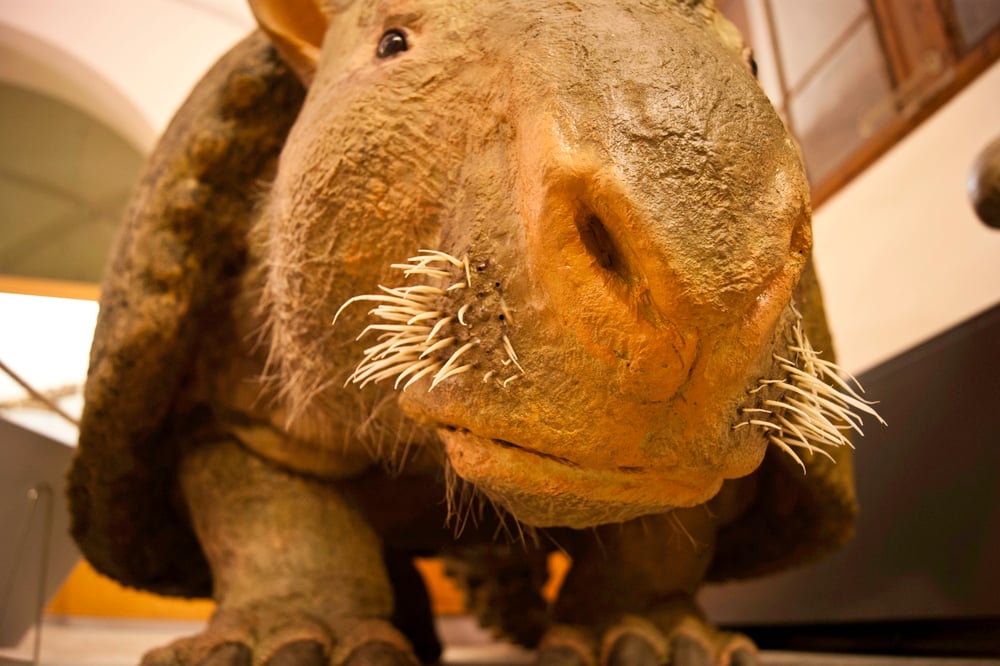
The ultimate armored mammal, Glyptodon was essentially a Volkswagen Beetle-sized armadillo with attitude. These 4,000-pound giants were covered in a rigid shell made of interlocking bony plates and could withdraw their heads completely for protection.
Their spiked tails served as medieval-style maces, while their turtle-like beaks were perfectly adapted for cropping low-growing vegetation across South America’s ancient grasslands.
Giants of the past
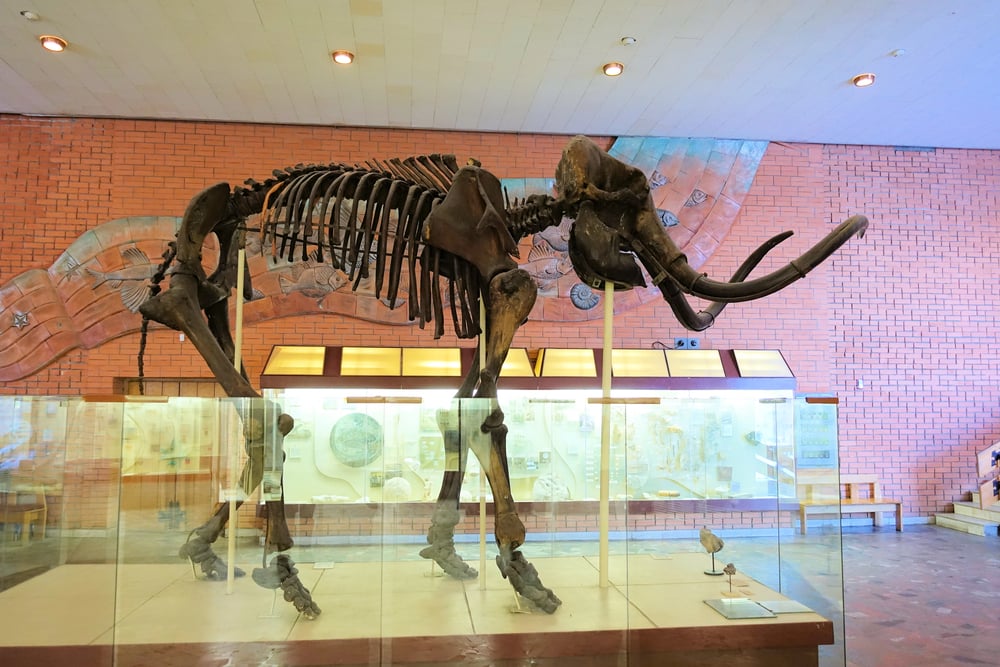
These colossal mammals remind us that our planet’s history is filled with creatures that challenge our imagination. While climate change, habitat loss, and human activity contributed to their extinction, their fossils continue to reveal secrets about evolution, ecology, and the incredible diversity life can achieve given enough time.
Modern conservation efforts take on new urgency when we consider how quickly these magnificent giants disappeared from Earth. The legacy of these ancient colossi lives on not just in museums and textbooks, but in the ongoing story of mammalian evolution — a story that continues to unfold with every new discovery buried in stone.
More from Go2Tutors!

- The Romanov Crown Jewels and Their Tragic Fate
- 13 Historical Mysteries That Science Still Can’t Solve
- Famous Hoaxes That Fooled the World for Years
- 15 Child Stars with Tragic Adult Lives
- 16 Famous Jewelry Pieces in History
Like Go2Tutors’s content? Follow us on MSN.