12 Places on Earth That Are Disappearing
Our planet is constantly changing, but some of the world’s most remarkable places are vanishing at an alarming rate. Climate change, human activity, and natural processes are erasing landscapes, ecosystems, and landmarks that have existed for thousands of years.
These disappearing locations tell the story of our changing Earth, from melting glaciers to sinking islands. Here is a list of 12 places that might not be around for future generations to experience.
The Maldives
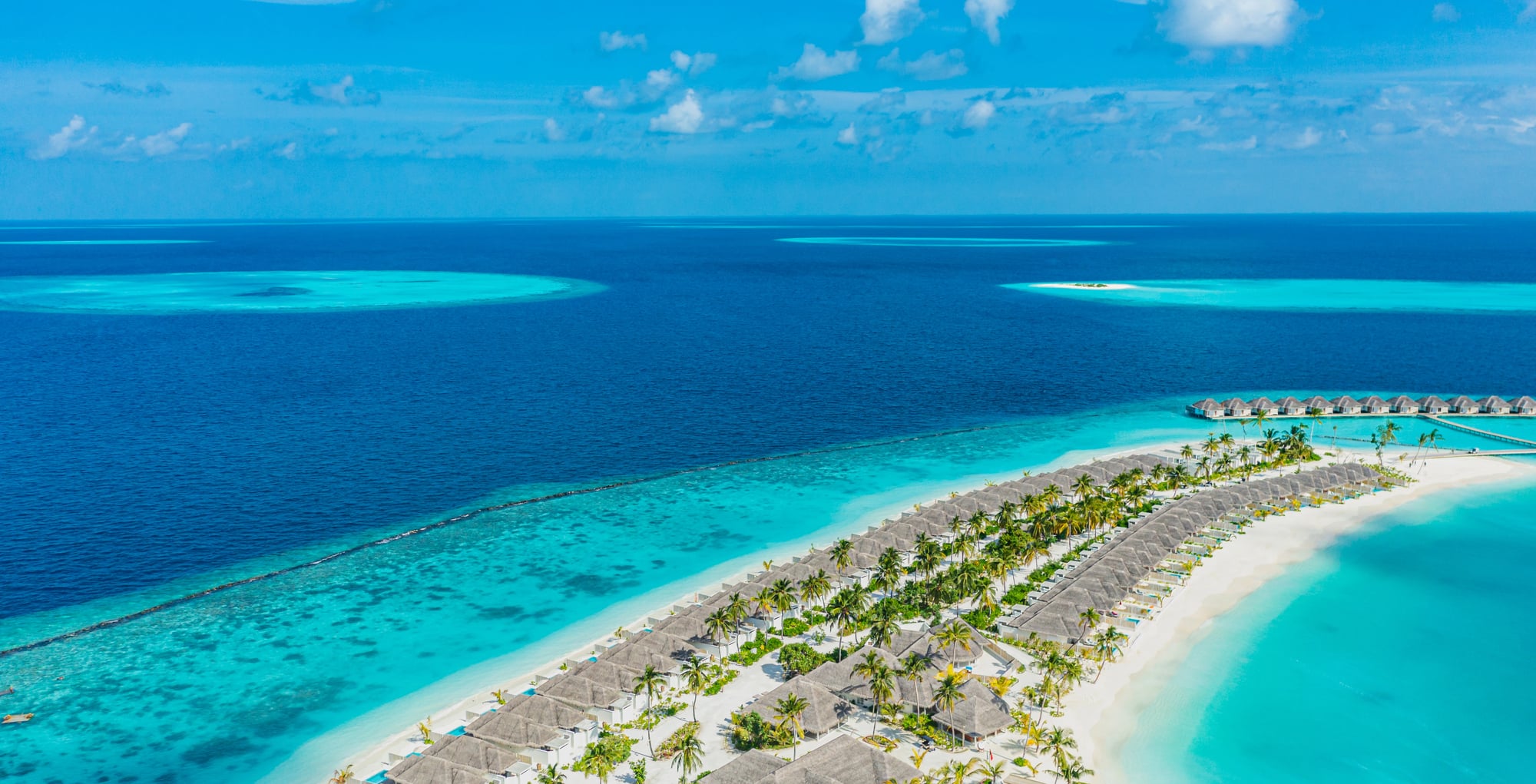
This tropical paradise of 1,200 coral islands sits just three feet above sea level, making it one of the most vulnerable nations to rising oceans. Scientists predict that most of the Maldives could become uninhabitable within the next 50 to 100 years as sea levels continue climbing. The government has already started purchasing land in other countries as potential relocation sites for its 400,000 citizens.
Glacier National Park’s Glaciers
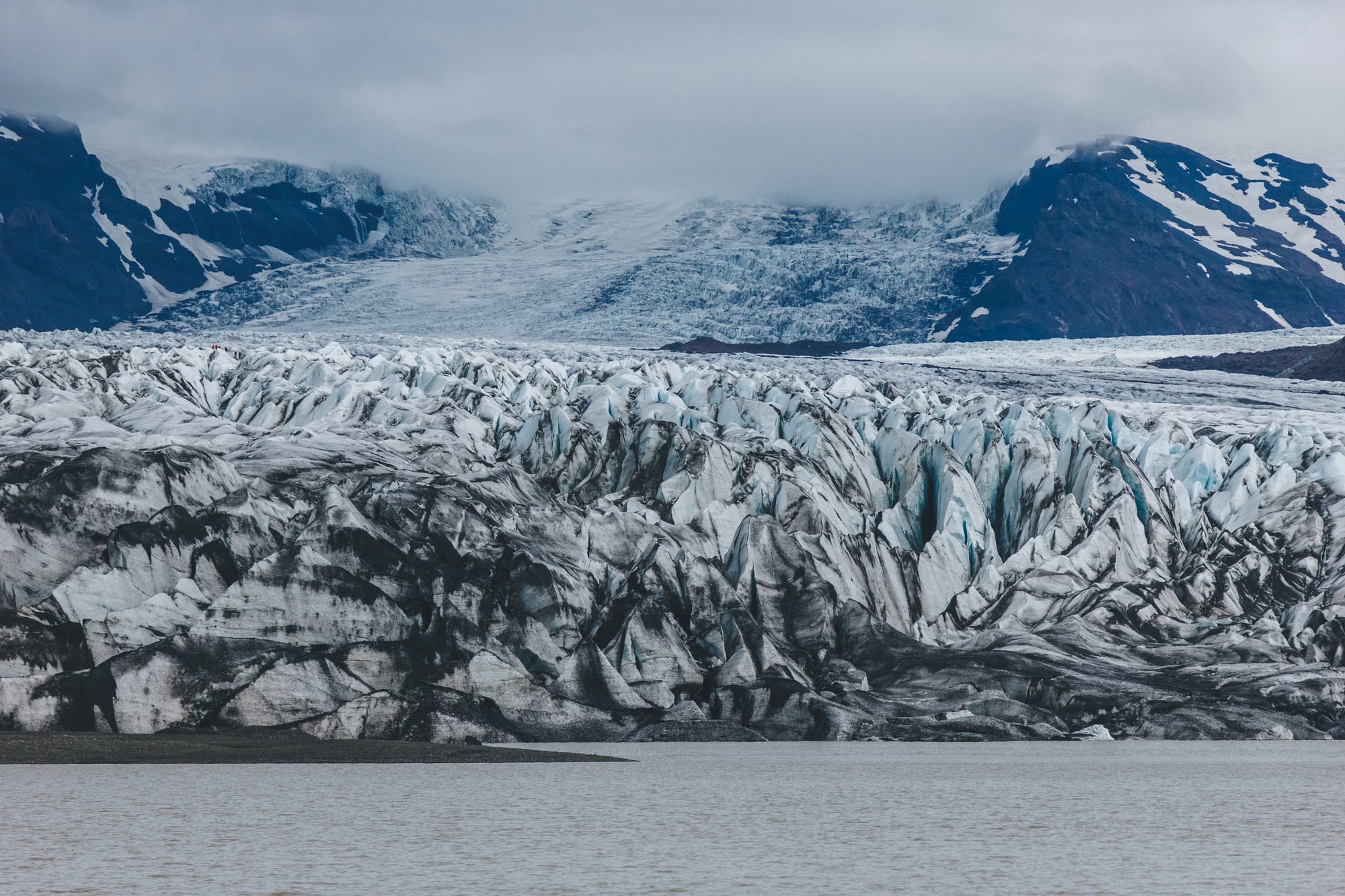
When this Montana park was established in 1910, it contained around 150 glaciers, but today only 26 remain active. These massive ice formations are melting so rapidly that scientists estimate they could completely disappear by 2030. The loss affects not just the park’s dramatic scenery but also the water supply for millions of people downstream.
The Great Barrier Reef
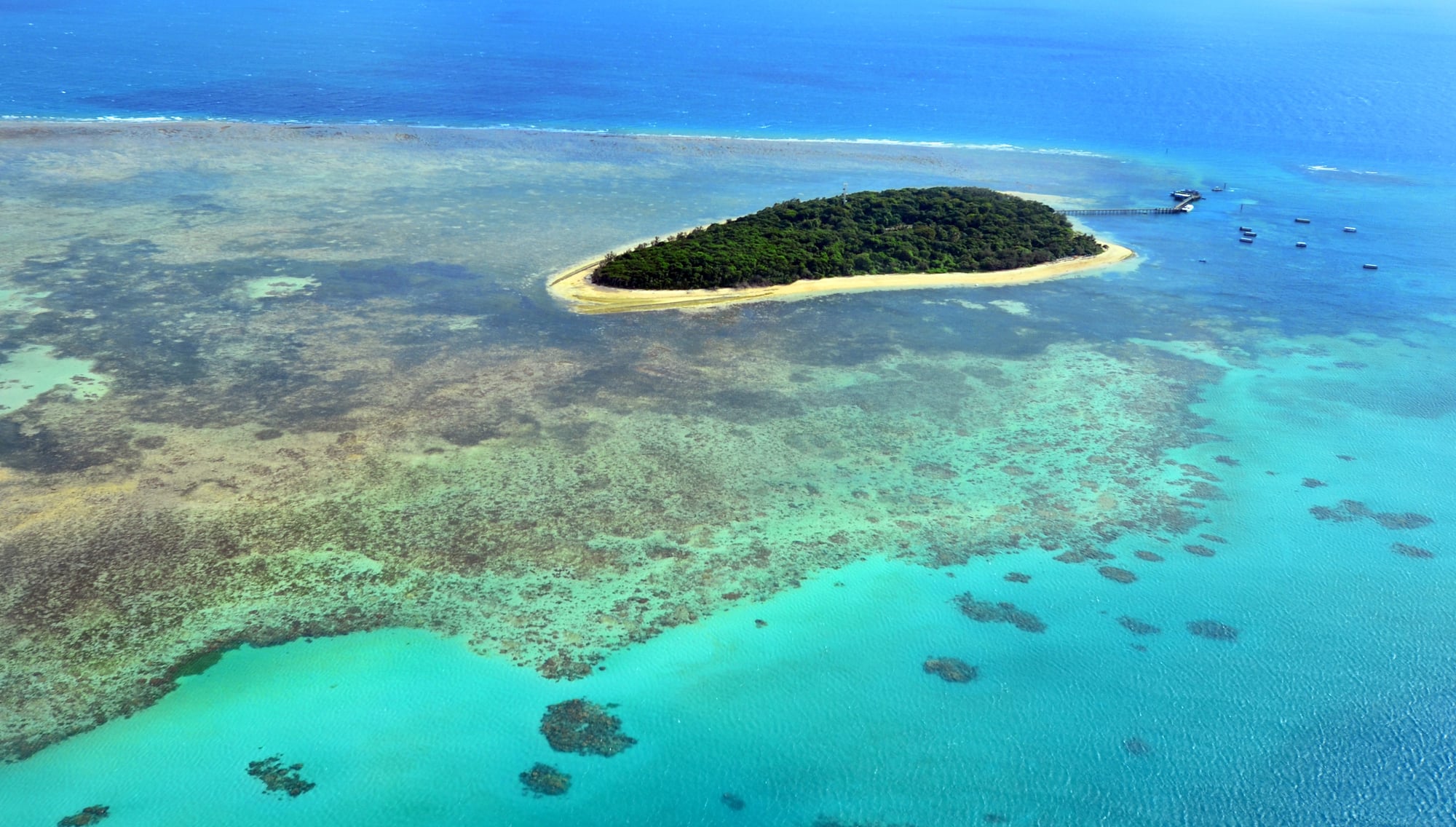
Australia’s crown jewel stretches over 1,400 miles but has lost nearly half its coral cover since the 1990s due to warming ocean temperatures and acidification. Massive bleaching events in recent years have turned vibrant coral cities into ghostly white graveyards. Marine biologists warn that without immediate global action, this underwater wonderland could be unrecognizable within decades.
Venice, Italy

The famous floating city sinks about two millimeters each year while sea levels rise simultaneously, creating a double threat to its survival. Major flooding events that once occurred every few decades now happen multiple times per year, forcing residents to navigate their historic streets by boat. Engineers estimate Venice could be completely submerged within the next century if current trends continue.
The Dead Sea
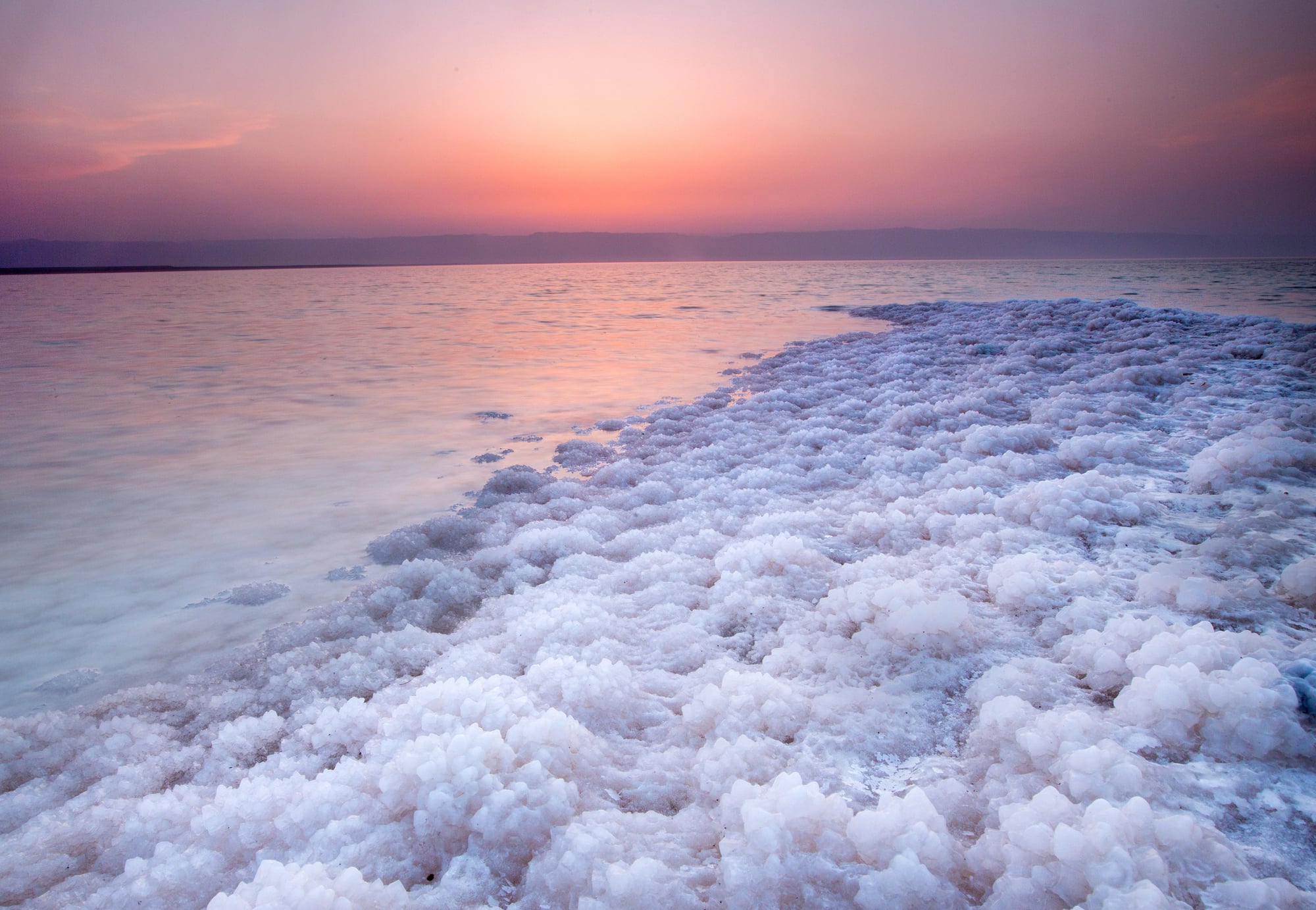
This salty lake between Israel and Jordan drops about three feet annually as surrounding countries divert water from the Jordan River for agriculture and drinking supplies. What was once 50 miles long has shrunk to just 31 miles, leaving behind a landscape dotted with dangerous sinkholes. At this rate, the Dead Sea could become a series of small ponds within 50 years.
Madagascar’s Rainforests
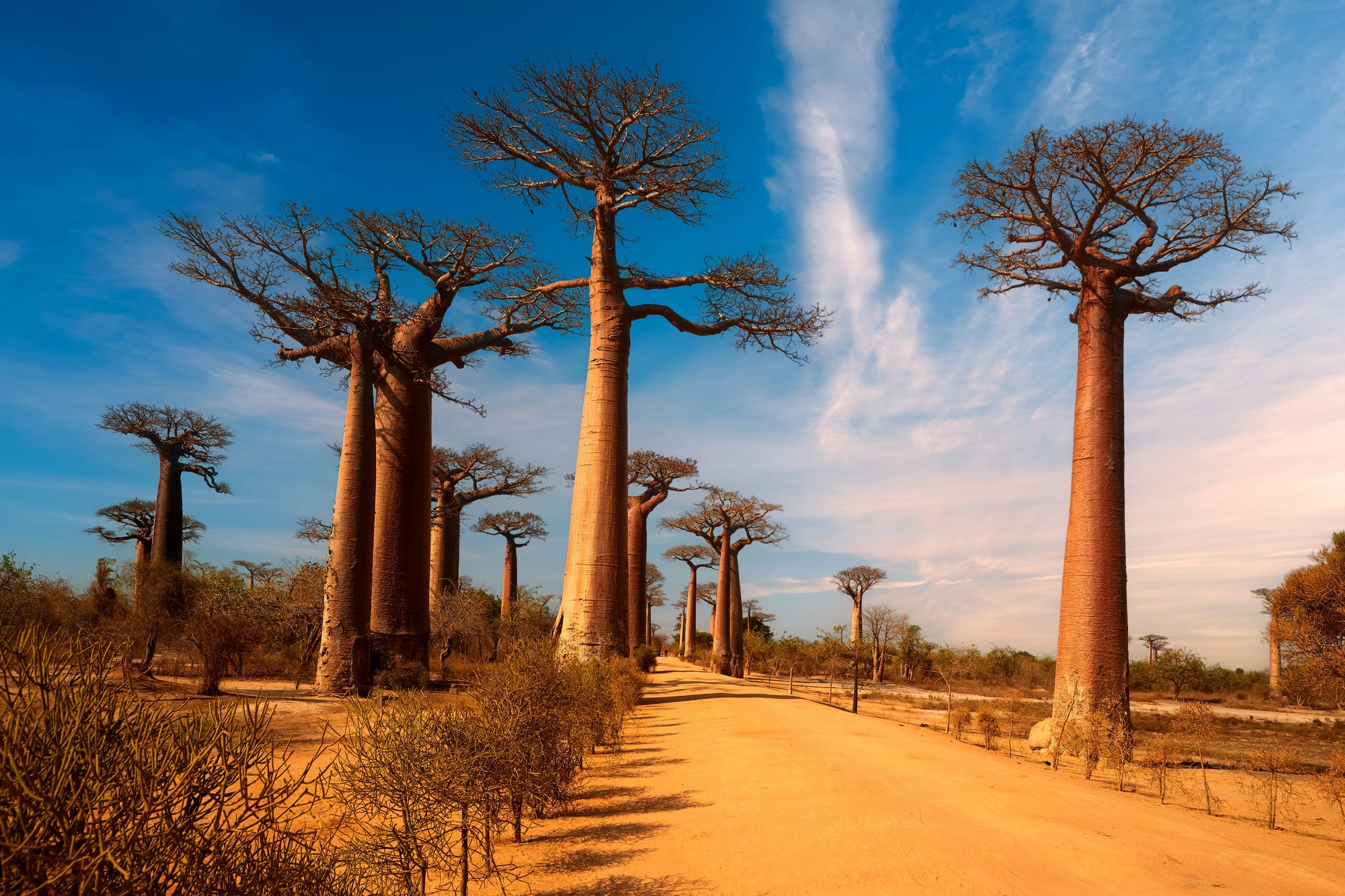
This island nation has lost over 80% of its original forests to slash-and-burn agriculture, logging, and charcoal production since humans first arrived 2,000 years ago. The remaining patches of rainforest disappear at a rate of roughly 200,000 acres per year, threatening countless species found nowhere else on Earth. Scientists estimate that Madagascar’s unique ecosystems could be completely gone within the next two decades.
The Amazon Rainforest
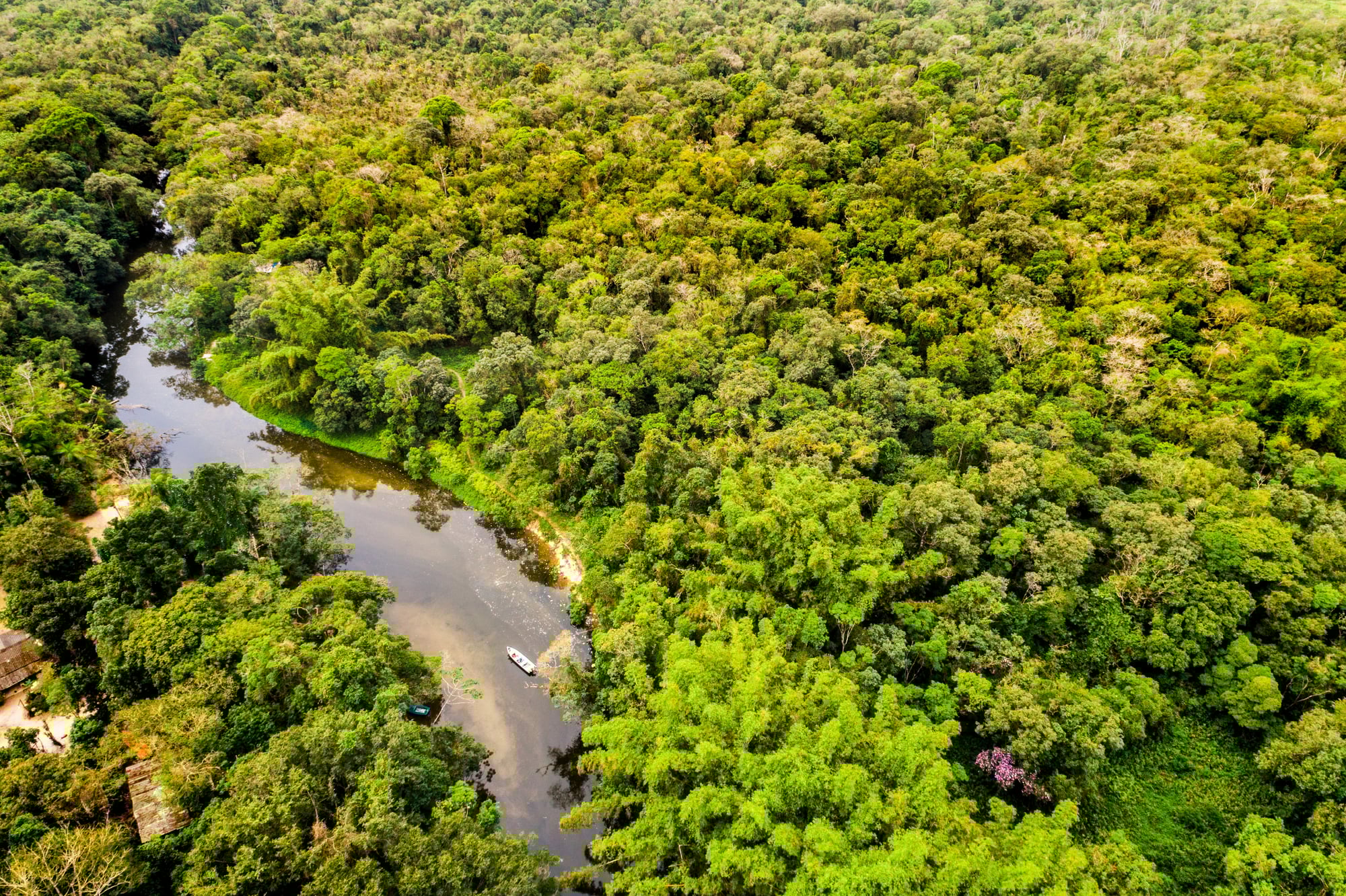
Often called the lungs of the Earth, the Amazon loses an area roughly the size of a football field every minute to deforestation and development. Since the 1970s, about 20% of this massive forest has already vanished, affecting weather patterns across South America and beyond. Climate scientists warn that the Amazon could reach a tipping point where it transforms from rainforest to savanna, fundamentally altering global climate systems.
Kiribati Islands
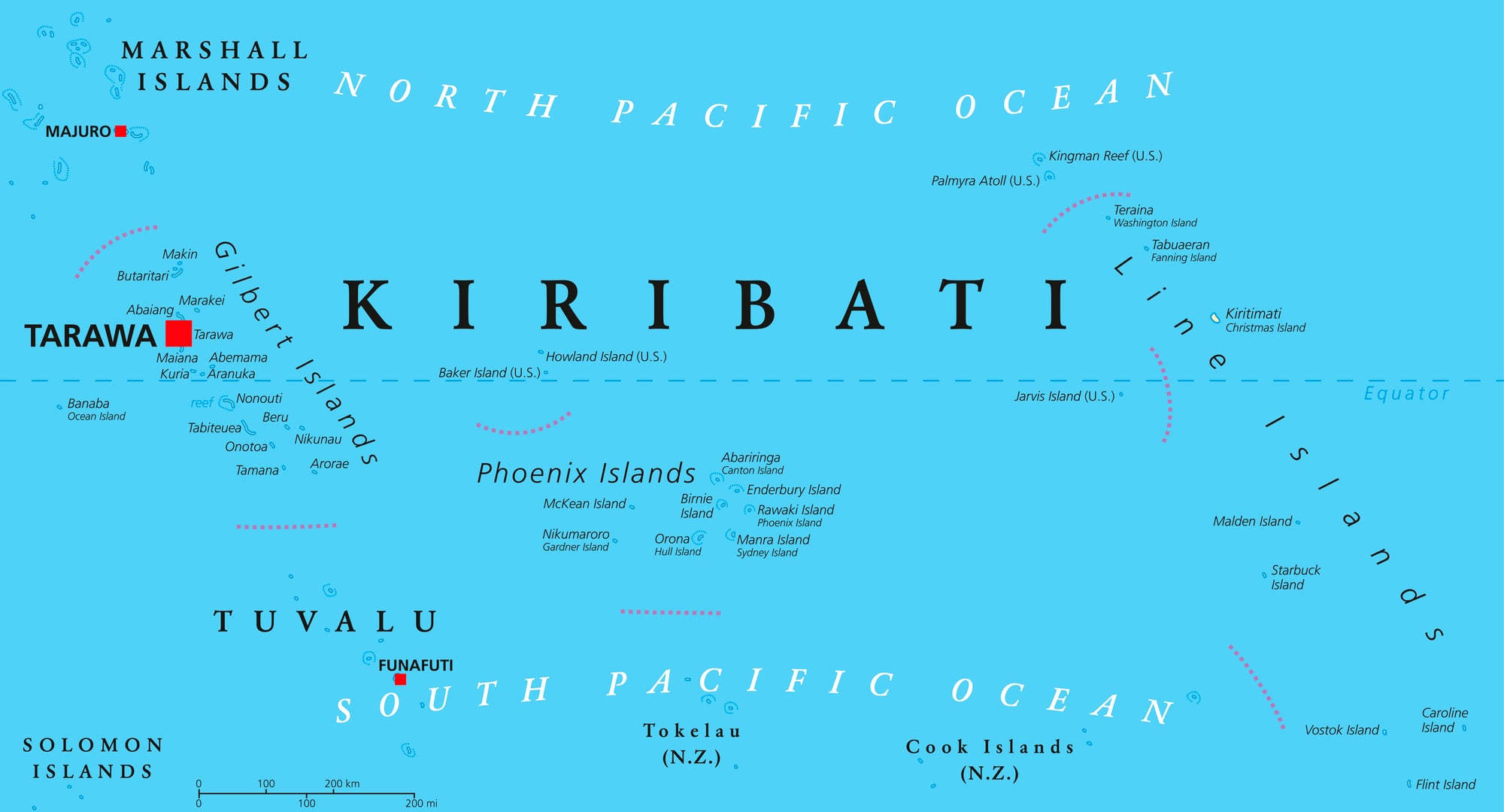
This Pacific nation of 33 atolls faces complete submersion as ocean levels rise, with some islands already abandoned due to saltwater contamination of fresh water supplies. The highest point in Kiribati sits just 10 feet above sea level, making every storm surge a potential disaster. Government officials have begun relocating entire communities to higher ground in neighboring countries, essentially planning for national extinction.
Mount Kilimanjaro’s Snow Cap
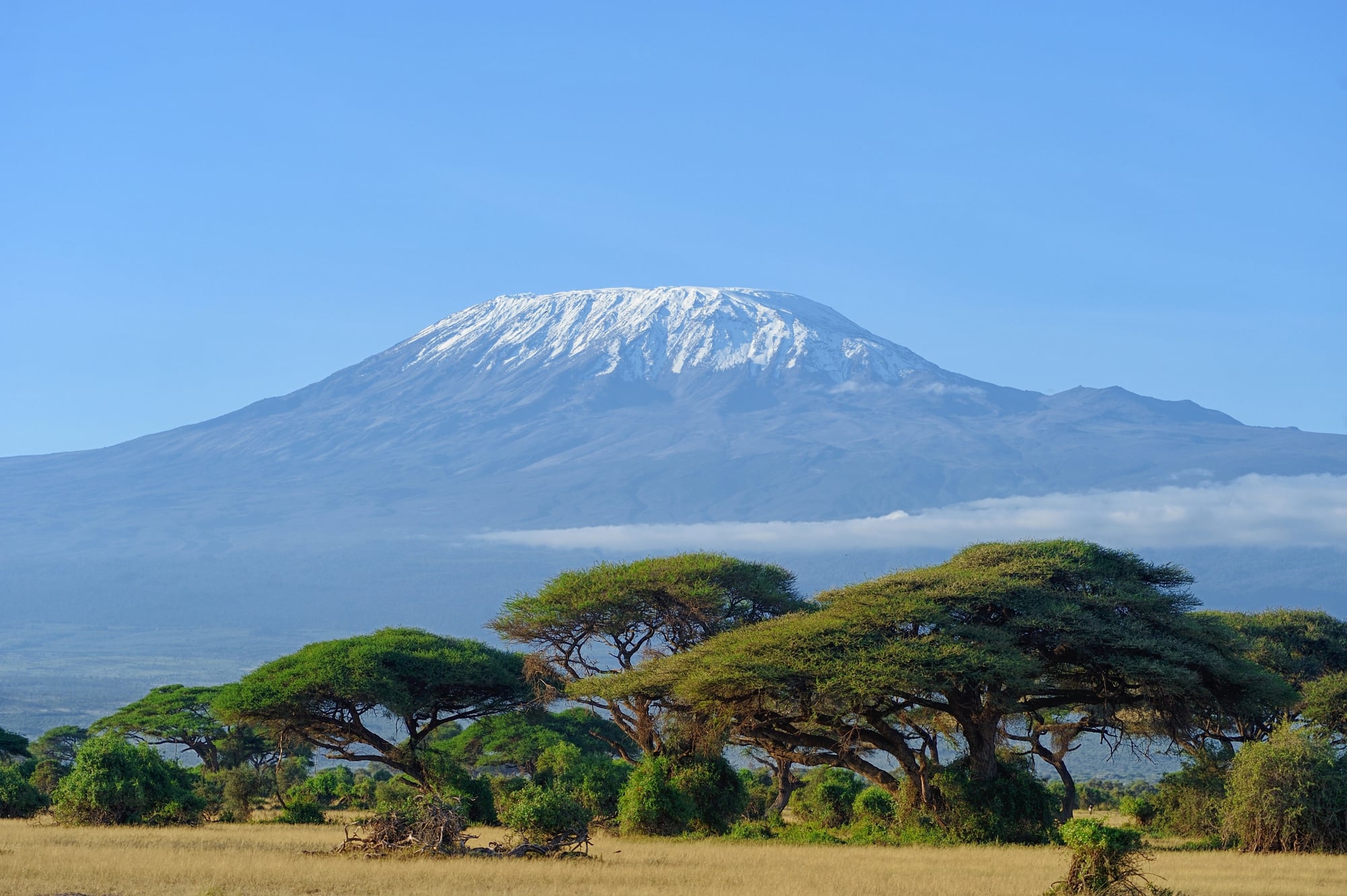
Africa’s tallest peak has lost over 80% of its ice fields since 1912, with the remaining glaciers shrinking visibly each year. Rising temperatures and changing precipitation patterns have accelerated the melting process, leaving behind bare rock where snow and ice once gleamed. Climate researchers predict Kilimanjaro could be completely ice-free by 2030, forever changing this iconic mountain’s appearance.
Louisiana’s Wetlands
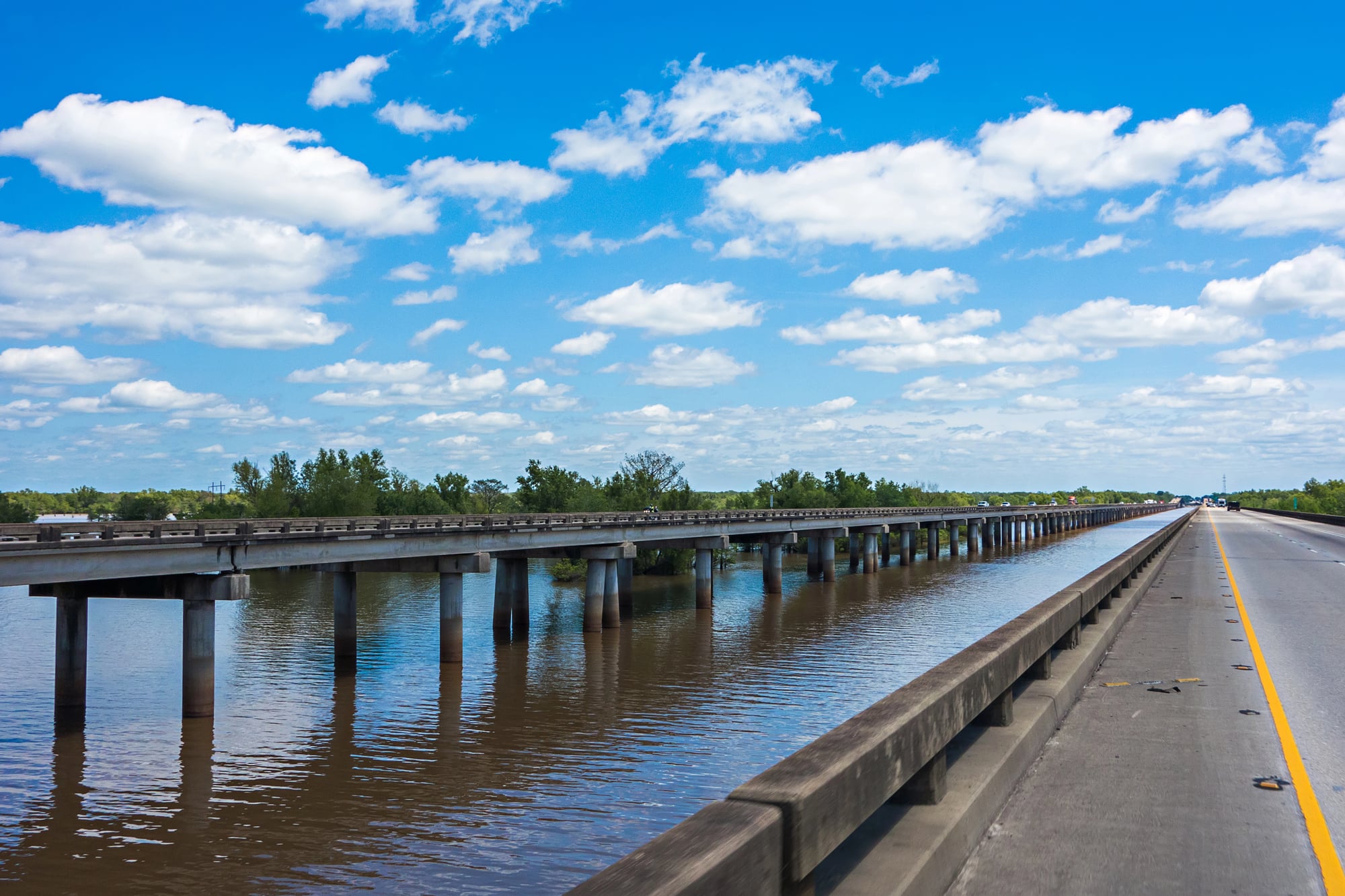
The Gulf Coast loses about 16 square miles of wetlands annually due to rising seas, oil drilling, and river management that prevents natural sediment deposits. Since the 1930s, Louisiana has lost over 1,900 square miles of coastal marshes that once protected inland communities from hurricanes. Entire fishing villages have already relocated inland, while others prepare for inevitable abandonment.
The Arctic Sea Ice
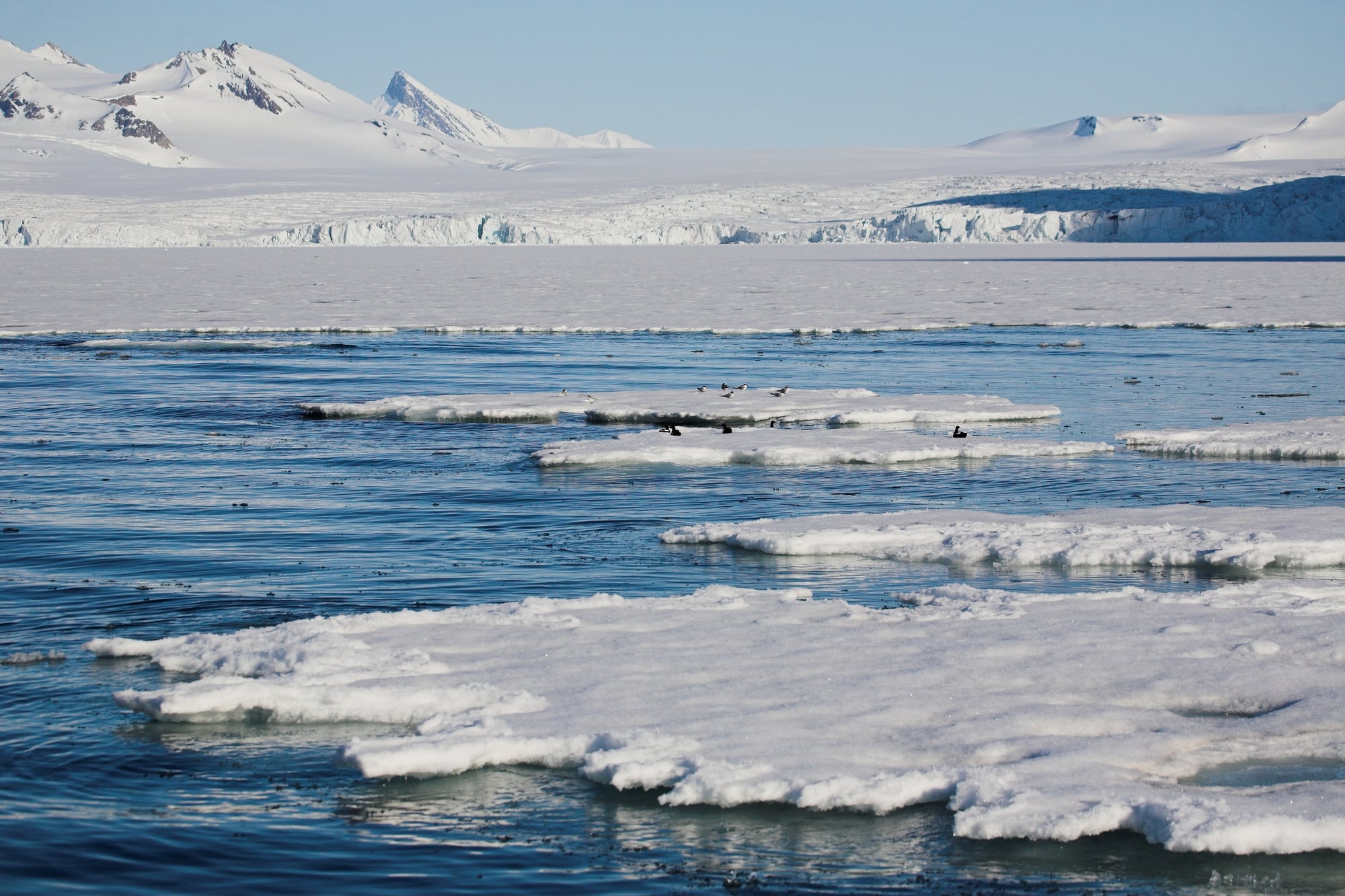
Summer ice coverage in the Arctic Ocean has declined by roughly 13% per decade since satellite monitoring began in 1979. This floating ice platform serves as crucial habitat for polar bears, seals, and other Arctic wildlife while helping regulate global temperatures. Scientists project that the Arctic could experience ice-free summers within the next 15 to 30 years, triggering massive ecological and climate changes.
Tuvalu

This Polynesian nation of nine coral atolls averages just six feet above sea level, making it extremely vulnerable to rising oceans and increasingly powerful storms. King tides already flood the main airport runway and force residents to wade through knee-deep water in their capital city several times each year. The government has negotiated agreements with Australia and New Zealand to relocate citizens as their homeland becomes uninhabitable.
Racing Against Time

The places that are slowly disappearing are about more than just changing geography. Some of them are warning signs for the health of our planet. The loss of these locations affects not just their immediate inhabitants but ripples through global climate systems, wildlife migration patterns, and human communities worldwide.
More from Go2Tutors!

- The Romanov Crown Jewels and Their Tragic Fate
- 13 Historical Mysteries That Science Still Can’t Solve
- Famous Hoaxes That Fooled the World for Years
- 15 Child Stars with Tragic Adult Lives
- 16 Famous Jewelry Pieces in History
Like Go2Tutors’s content? Follow us on MSN.



