Chilling Facts About the Devastating London Plague Era
The word “plague” still makes people uncomfortable, and for good reason. When most think of disease outbreaks that changed history, the Black Death of the 14th century usually comes to mind first.
But London’s later encounters with the plague — particularly the Great Plague of 1665-1666 — reveal just how fragile civilization becomes when death arrives faster than anyone can count it. These weren’t distant medieval horrors happening to people who didn’t know better.
These were relatively modern Londoners, many who could read and write, living in a city that considered itself the height of sophistication. The plague didn’t care about any of that.
The Great Fire Was Actually Good News
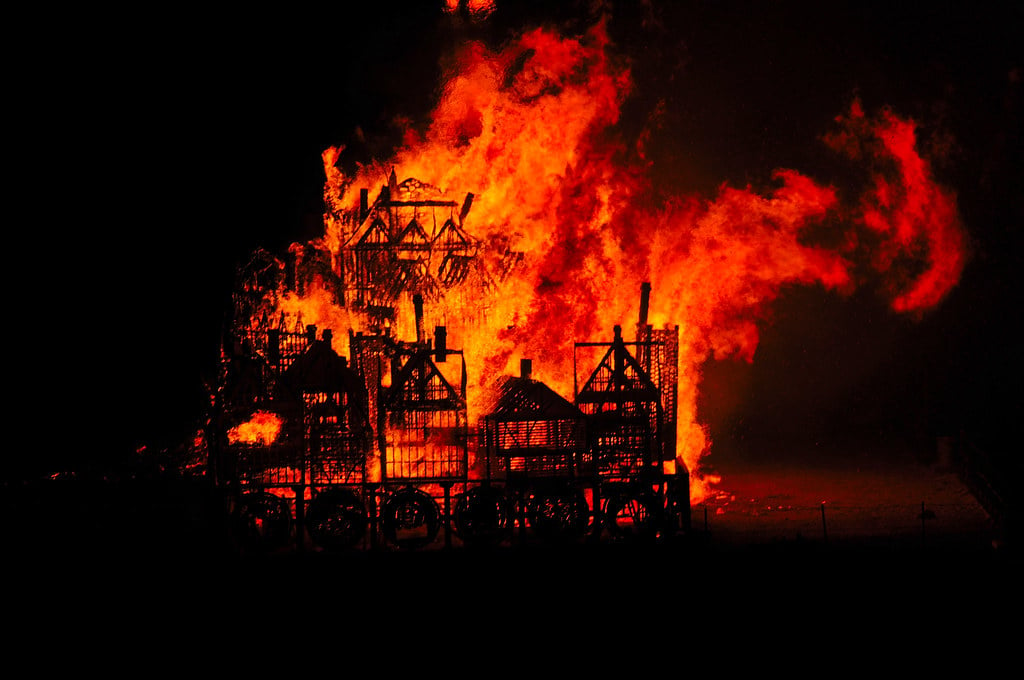
The Great Fire of London in September 1666 gets remembered as a disaster. Five days of flames that destroyed 13,200 houses and 87 churches.
But here’s the thing nobody mentions: it also ended the plague. The fire burned through the cramped, rat-infested neighborhoods where the disease had been festering for over a year.
Sometimes destruction saves more lives than it takes.
Plague Orders Created the First Quarantine Police
London didn’t just hope the plague would go away (though this happened when officials realized their usual methods — prayer and wishful thinking — weren’t cutting it, authorities created the first systematic quarantine enforcement in English history). Red crosses painted on doors marked infected houses, and guards stood outside to make sure nobody left for 40 days.
These weren’t volunteers or part-time constables; they were paid positions created specifically to contain the disease. The city essentially invented a police force whose only job was keeping sick people locked inside their homes until they either recovered or died — which, let’s be honest, was usually the latter, and everyone knew it.
Death Carts Collected Bodies Like Garbage

Picture the most methodical thing you’ve ever seen — a garbage truck making its rounds, perhaps, or mail delivery on a predictable schedule. Now replace that image with death.
Carts rolled through London streets every night, and drivers called out “Bring out your dead” the way vendors might hawk fresh bread. Bodies got tossed onto these carts like cordwood, then hauled to massive pits outside the city.
No individual graves, no ceremonies. The plague had turned human remains into a waste management problem.
Cats and Dogs Were Mass Executed

London authorities decided cats and dogs were spreading the plague. They weren’t — rats and their fleas were the real culprits — but nobody knew that yet.
So the city hired dog killers and cat killers as official positions. An estimated 40,000 dogs and 200,000 cats were slaughtered in the name of public health.
The irony cuts deep: killing the cats likely made the rat problem worse, which probably extended the plague longer than it needed to last.
The Rich Fled, The Poor Died
When plague warnings first circulated, anyone with money and a country estate simply left London. The wealthy packed up their households and spent the plague year in rural comfort, watching the disaster unfold from a safe distance.
The poor, of course, had nowhere to go. They stayed in the cramped neighborhoods where the plague hit hardest, working jobs that required them to interact with infected people daily.
Class privilege meant the difference between life and death in the most literal sense possible.
Plague Doctors Wore Bizarre Beak Masks
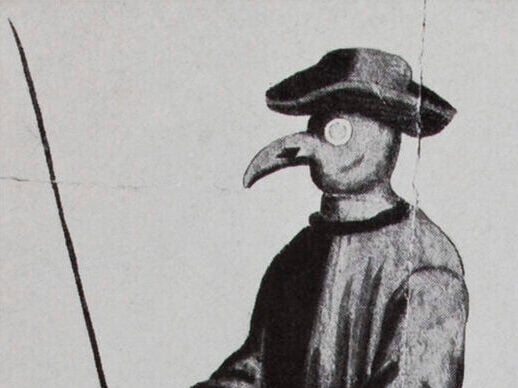
The iconic plague doctor costume — long black robes and that strange beak-shaped mask — wasn’t theater or superstition. The beak contained herbs and spices that doctors believed would filter poisonous air.
They were wrong about how plague spread, but the full-body coverage accidentally provided some protection against infected fleas. These doctors charged enormous fees to visit plague victims, knowing they might not survive the house call.
Most regular physicians had already fled the city.
Bodies Piled So High They Ran Out of Burial Space
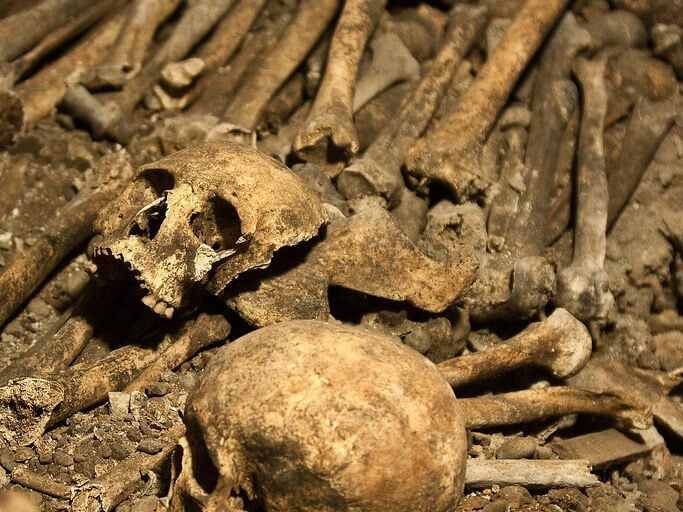
London’s churchyards filled up fast (and when they did, authorities started digging what they called “plague pits” — enormous mass graves that could hold hundreds of bodies at once). The largest pit, in Aldgate, was 40 feet long and 20 feet deep.
Workers threw bodies in without coffins until the pit was full, then covered it with a thin layer of dirt and started the next one. Even so, some areas of the city smelled like death for months because there simply weren’t enough people alive and willing to handle burial duties properly.
Bills of Mortality Became Morbid Entertainment
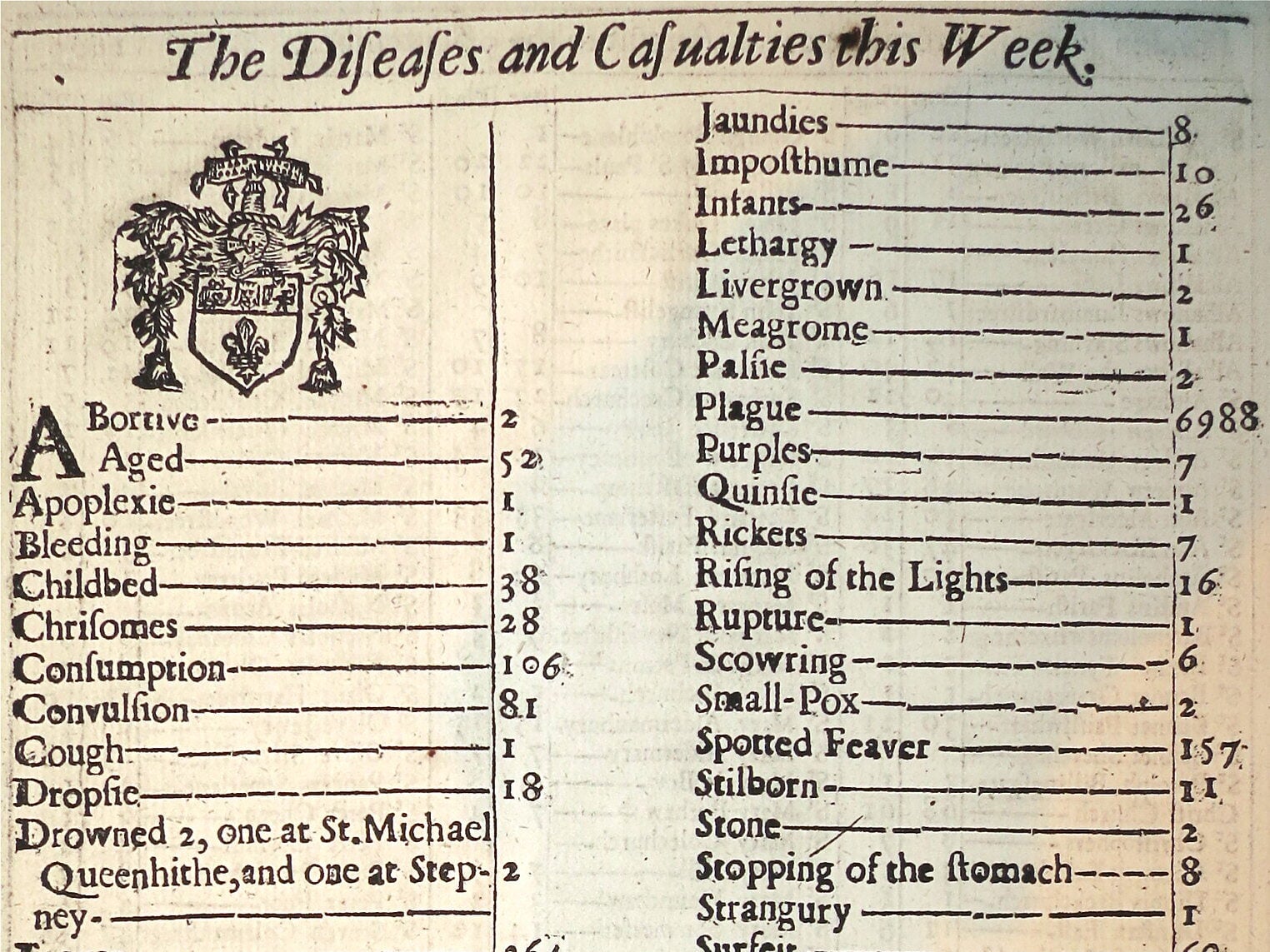
Every week, London published official death counts broken down by parish and cause of death. These “Bills of Mortality” were supposed to be administrative documents, but people treated them like entertainment.
Families would gather to read the latest numbers, comparing which neighborhoods were hit hardest and debating whether the death toll was accurate. The bills became the city’s most popular reading material, which says something unsettling about human nature during crisis.
Children Were Abandoned in the Streets
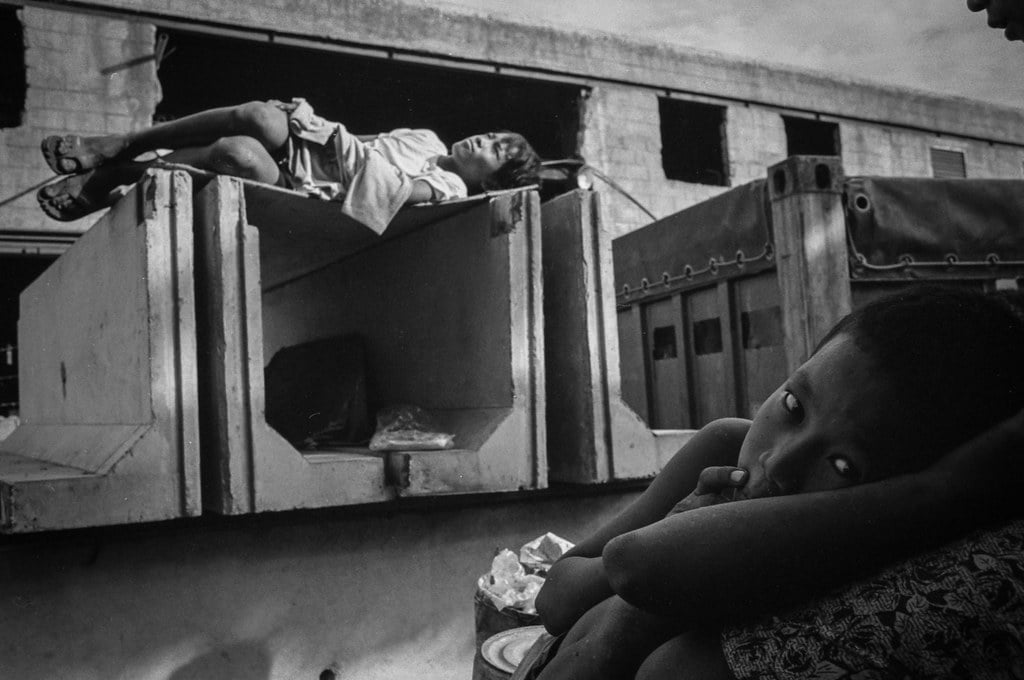
When entire families died, children who showed no plague symptoms were simply left behind. With no social services and most neighbors either dead or terrified, these orphaned children wandered London streets scavenging for food.
Some were taken in by distant relatives or charitable strangers, but many just disappeared into the general chaos. Parish records from after the plague suggest thousands of children went unaccounted for, their fates unknown.
The Plague Created a Black Market for Everything
Normal commerce collapsed, but human ingenuity filled the gaps. People sold fake remedies, forged health certificates, and charged desperate families premium prices for basic supplies.
Some entrepreneurs made fortunes selling “plague water” — usually just regular water with herbs that did nothing.
Others offered to smuggle healthy family members out of quarantined houses for enormous fees. Crisis makes profiteers out of people who might otherwise live perfectly honest lives.
London’s Population Dropped by Nearly 25%

Before the plague, London housed roughly 460,000 people. By early 1667, that number had dropped to around 350,000.
Some died from disease, others fled and never returned, and many simply vanished without anyone recording what happened to them. Entire neighborhoods sat empty for years.
The city that emerged after the plague was fundamentally different — smaller, traumatized, and rebuilt according to new ideas about public health and urban planning.
Survivors Developed Psychological Trauma

The lucky ones who lived through the plague often struggled with what we’d now recognize as post-traumatic stress. Samuel Pepys, whose diary provides detailed accounts of plague-era London, wrote about recurring nightmares and panic attacks that lasted years after the outbreak ended.
Many survivors reported being unable to tolerate crowds or enclosed spaces. The phrase “plague-mad” entered common usage to describe people whose mental health never recovered from watching their entire world die around them.
Public Gatherings Were Banned for Over a Year
No theater performances, no markets, no church services with more than a handful of people. London essentially shut down all social and economic activity that required groups to gather in enclosed spaces.
This wasn’t a two-week lockdown or even a two-month emergency measure — it lasted more than a year. The city that had been the beating heart of English culture and commerce became a ghost town where human contact was treated as potentially lethal.
When the Living Became the Walking Ghosts
The strangest thing about London after the plague wasn’t the empty streets or the smell of death that lingered in certain neighborhoods. It was the way survivors moved through their city like strangers visiting a place they’d never seen before.
Streets that had been full of familiar faces for decades now echoed with the footsteps of a handful of people who recognized almost no one. The plague had killed more than bodies — it had murdered the social fabric that makes a place feel like home, leaving behind a collection of traumatized individuals who happened to share the same address.
More from Go2Tutors!

- The Romanov Crown Jewels and Their Tragic Fate
- 13 Historical Mysteries That Science Still Can’t Solve
- Famous Hoaxes That Fooled the World for Years
- 15 Child Stars with Tragic Adult Lives
- 16 Famous Jewelry Pieces in History
Like Go2Tutors’s content? Follow us on MSN.