Bizarre Spelling Rules Confusing Elementary Students
English spelling can feel like a secret code that someone forgot to explain properly. Kids sit in classrooms, pencils in hand, trying to make sense of a system that seems determined to contradict itself at every turn.
Why does “tough” sound nothing like “through”? Why do we need a silent “b” in “lamb”?
These questions don’t have satisfying answers, and that’s precisely the problem.
Silent Letters That Serve No Purpose

Silent letters are everywhere. They lurk in words like ghosts, taking up space without contributing sound.
The “k” in “knife” doesn’t announce itself. The “w” in “write” stays completely quiet.
Kids learn to spell these words through pure memorization because logic offers no help here.
I Before E Except When It Isn’t

The famous rule “i before e except after c” might be the most famous lie in elementary education. It works fine for “believe” and “receive” (which is probably why someone thought it was worth teaching), but then students encounter “weird” and “their” — and suddenly the rule crumbles like a house of cards built on false promises.
But here’s what makes this particularly maddening: teachers still present it as reliable guidance, even though the exceptions outnumber the examples where it actually works. And yet students dutifully memorize it, apply it confidently to their spelling tests, and then get marked wrong when they follow the rule they were explicitly taught.
Science shows up. Neighbor appears.
Height exists — and none of them care about the rule that was supposed to help.
So kids learn to mistrust the very guidance they’re given. The rule becomes less helpful than flipping a coin.
Double Letters With No Warning
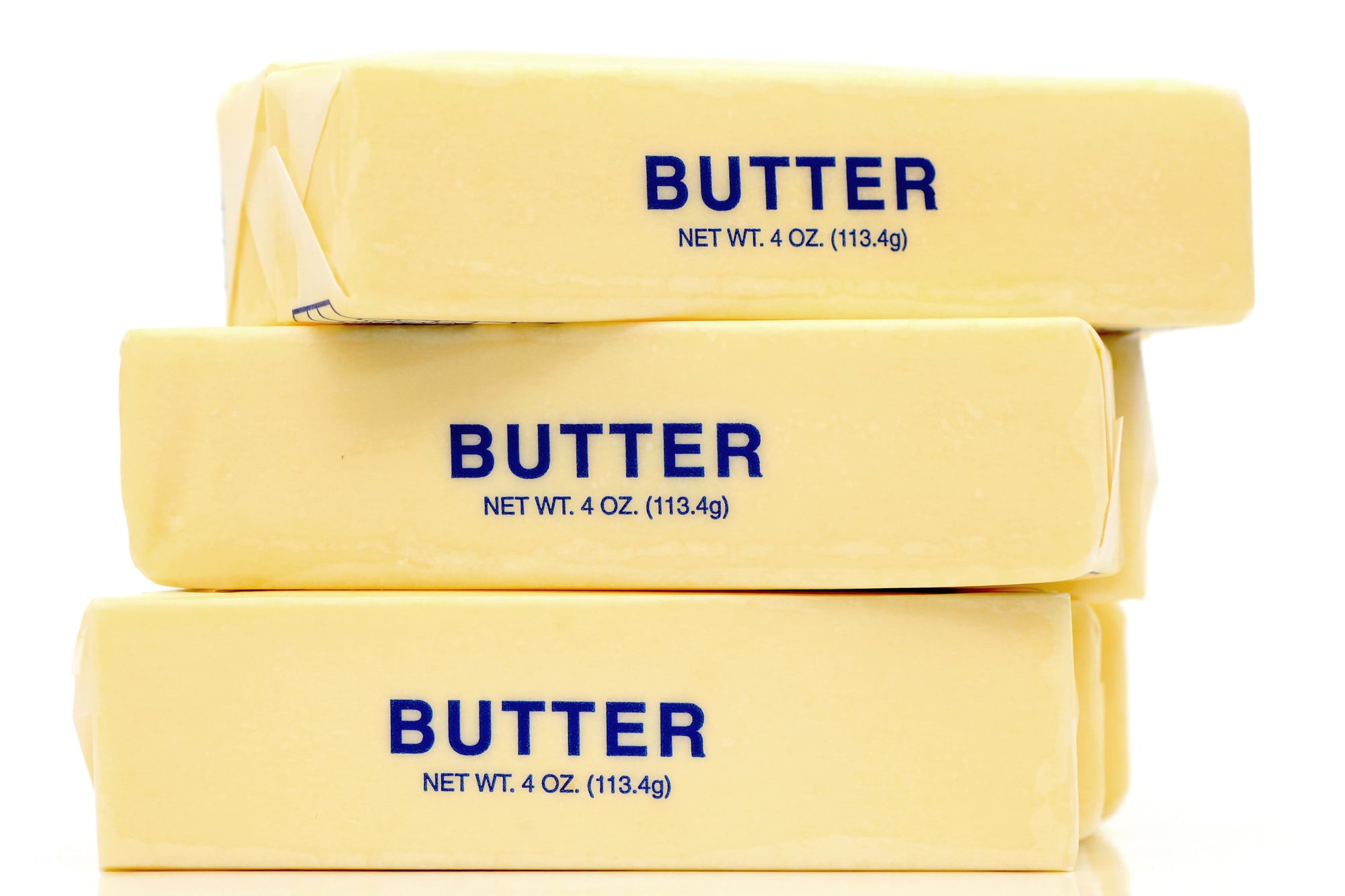
Some words demand double letters, and English offers no reliable way to predict when this will happen. “Rabbit” needs two b’s, but “habit” manages fine with one.
“Butter” requires double t’s, while “later” doesn’t. The pattern, if there is one, remains invisible to most students trying to spell these words correctly.
It’s like learning to navigate a neighborhood where some streets are marked clearly and others aren’t marked at all. You memorize each turn individually because the system refuses to teach you its underlying logic — assuming such logic exists, which in many cases it simply doesn’t.
Children approach each new word wondering whether it might be hiding an extra letter somewhere in the middle, and they’re often right to be suspicious. English spelling has a peculiar fondness for doubling consonants without warning.
The Chaos of -Ough Words

English took the letters o-u-g-h and decided they could represent at least six different sounds. “Rough” rhymes with “stuff.”
“Though” sounds like “go.” “Through” matches “blue.”
“Cough” pairs with “off.” “Bough” rhymes with “cow.”
And “hiccough” (an alternate spelling of “hiccup”) sounds like “cup.”
Same four letters. Six completely different pronunciations.
Words That Look Identical but Aren’t

Homophones create their own special brand of confusion. “There,” “their,” and “they’re” sound identical but mean completely different things.
Students hear the word in conversation and must somehow divine which spelling the speaker intended. Context helps, but not always enough.
“Your” and “you’re” cause similar problems. So do “its” and “it’s” — which breaks the apostrophe rule students just learned for showing possession.
Borrowed Words Keeping Foreign Rules

English has a habit of adopting words from other languages and keeping their original spelling intact. “Kayak” comes from Inuit.
“Piano” arrived from Italian. “Tycoon” traveled from Japanese.
Each brings its own spelling conventions that don’t match standard English patterns.
Students encounter these words and try to apply English spelling rules that simply don’t apply. The word “pterodactyl” starts with a silent “p” because it originated in Greek, where that combination made perfect sense.
In English, it’s just confusing.
Plurals That Ignore the Rules

Most English words form plurals by adding “s” or “es.” Then students meet words like “child” (which becomes “children”), “mouse” (which becomes “mice”), and “goose” (which becomes “geese”).
The standard rule vanishes completely.
Some words don’t change at all in plural form: one deer, many deer. Others change dramatically: one foot, many feet.
A few borrowed words keep their foreign plural forms: one cactus, many cacti.
The Schwa Sound Problem

The schwa — that neutral vowel sound that appears in unstressed syllables — can be spelled with any vowel letter. The second syllable in “about” uses the schwa sound, spelled with “o.”
The same sound appears in “circus” (spelled with “u”), “item” (spelled with “e”), and “pencil” (spelled with “i”).
Students hearing these words spoken have no way to predict which vowel letter represents the schwa sound in any particular word. They guess, and they’re wrong as often as they’re right.
The schwa sound appears in roughly 40% of English words, making this a frequent source of spelling errors.
Compound Words With Inconsistent Spacing

Sometimes two words combine into one: “butterfly,” “notebook,” “sunlight.” Sometimes they stay separate: “ice cream,” “post office,” “living room.”
And sometimes they connect with a hyphen: “mother-in-law,” “twenty-one,” “well-being.”
No clear rule determines which format any particular compound word should take. Students must memorize each one individually, and even adults frequently disagree about whether specific compound words should be written as one word, two words, or hyphenated.
Contractions That Break Patterns

Contractions generally follow predictable patterns: “do not” becomes “don’t,” “she will” becomes “she’ll.” But then students encounter “won’t” (which comes from “will not”) and “can’t” (which drops letters from “cannot”).
The pattern breaks without warning.
American Versus British Spelling Variations

Students learning American English encounter words spelled differently in books published elsewhere. “Color” becomes “colour.”
“Center” becomes “centre.” “Gray” becomes “grey.”
These aren’t errors — they’re legitimate spelling variations that coexist in the same language.
This creates confusion when students see both spellings and don’t understand why. Spell-check programs sometimes flag British spellings as incorrect, adding to the confusion.
Words That Changed Pronunciation but Kept Old Spelling

English spelling often preserves historical pronunciations that no longer exist. “Knight” was once pronounced with a hard “k” sound at the beginning and a guttural sound where the “gh” appears.
The pronunciation evolved, but the spelling remained frozen in time.
“Wednesday” still shows traces of “Wodin’s day,” even though no one pronounces the “d” in the middle anymore. These fossil spellings make perfect sense historically but offer no help to modern students trying to connect sounds with letters.
Unstressed Syllable Confusion

When syllables aren’t stressed in speech, their vowel sounds often become unclear. The ending of “flexible” could reasonably be spelled “-ible” or “-able” based on how it sounds.
Students must memorize whether each word takes “-ible” (like “terrible,” “horrible,” “incredible”) or “-able” (like “comfortable,” “reasonable,” “predictable”).
The same confusion affects other unstressed endings: “-ence” versus “-ance,” “-ent” versus “-ant,” “-ary” versus “-ery.” Sound provides no reliable guide.
Making Peace With Imperfection

English spelling evolved over centuries, absorbing influences from dozens of languages while pronunciation continued changing independently. The result is a system that rewards memorization over logic and patience over frustration.
Students who accept this reality — that English spelling is beautifully, stubbornly irregular — often find the journey less maddening than those who keep searching for rules that simply don’t exist.
More from Go2Tutors!

- The Romanov Crown Jewels and Their Tragic Fate
- 13 Historical Mysteries That Science Still Can’t Solve
- Famous Hoaxes That Fooled the World for Years
- 15 Child Stars with Tragic Adult Lives
- 16 Famous Jewelry Pieces in History
Like Go2Tutors’s content? Follow us on MSN.