13 Albums That Were Almost Shelved by the Record Label
The music industry is a high-stakes business where creative vision and commercial viability don’t always align. Behind many legendary albums lies a tale of struggle between artists pushing boundaries and record executives concerned about marketability. Some of the most iconic records in history nearly didn’t see the light of day due to label interference, creative differences, or financial concerns.
Here is a list of 13 albums that nearly vanished into music history’s vault of unreleased projects, saved only by persistence, compromise, or sheer luck.
Nirvana’s ‘Nevermind’
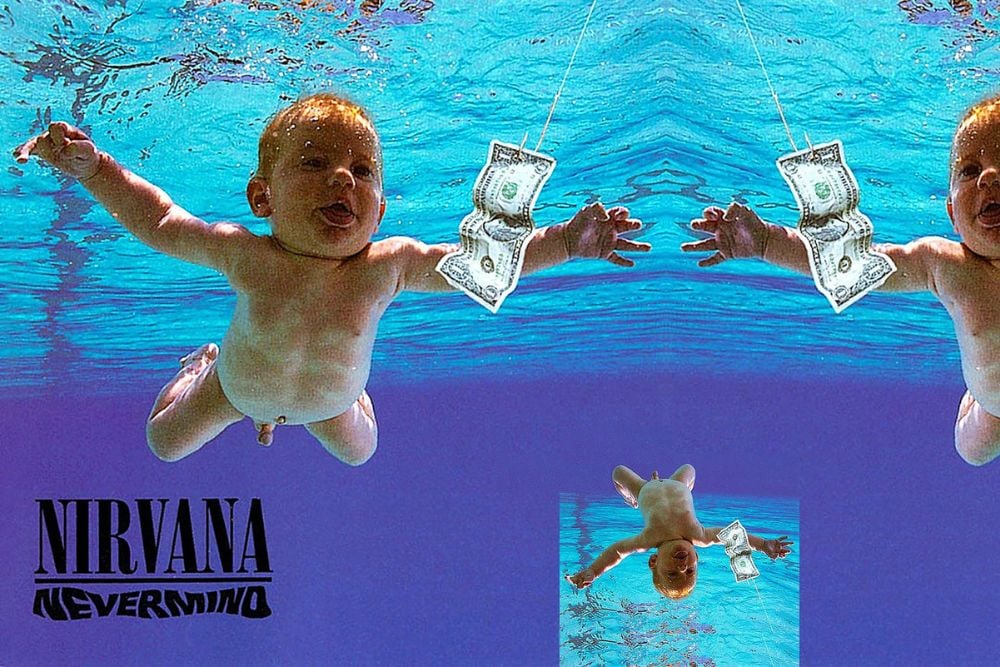
Despite becoming one of the most influential albums of the 1990s, Nirvana’s breakthrough ‘Nevermind’ initially worried executives at Geffen Records. The label had modest expectations, pressing only 50,000 copies initially and considering the rough, unpolished sound too abrasive for mainstream success.
Kurt Cobain’s raw vocals and distorted guitars were a far cry from the hair metal dominating rock radio at the time. The unexpected success of ‘Smells Like Teen Spirit’ transformed what executives saw as a niche release into a cultural phenomenon that would sell over 30 million copies worldwide.
Fleetwood Mac’s ‘Rumours’

While recording what would become one of the best-selling albums ever, Fleetwood Mac was falling apart personally. Two relationships within the band were ending, substance abuse was rampant, and the recording sessions were chaotic.
Warner Bros. executives grew increasingly concerned about the mounting costs and drama surrounding the album’s production. The bitter interpersonal dynamics threatened to derail the project multiple times, but the band channeled their emotional turmoil into creating timeless music.
Released in 1977, ‘Rumours’ would go on to sell over 40 million copies globally.
Like Go2Tutors’s content? Follow us on MSN.
Bruce Springsteen’s ‘Born to Run’

Springsteen’s career-defining album almost remained unfinished as Columbia Records grew impatient with the perfectionist artist. After two commercially disappointing albums, the pressure was intense, and the recording process stretched over 14 months—an eternity by mid-1970s standards.
The label threatened to pull funding multiple times as Springsteen obsessed over every detail, sometimes spending days on a single guitar part. The gamble paid off when ‘Born to Run’ launched Springsteen to superstardom and established him as one of America’s most important musical voices.
Wilco’s ‘Yankee Hotel Foxtrot’

Perhaps the most famous example of label rejection turned triumph, Wilco’s ‘Yankee Hotel Foxtrot’ was actually completed, then rejected outright by Reprise Records in 2001. Executives at the Warner Music Group subsidiary found the experimental, noise-infused album unmarketable and demanded changes.
When the band refused, Reprise dropped Wilco entirely, but allowed them to keep the master recordings. After streaming the album for free online, Wilco signed with Nonesuch Records—ironically another Warner Music Group label—which released the unchanged album to critical acclaim and commercial success.
Radiohead’s ‘Kid A’
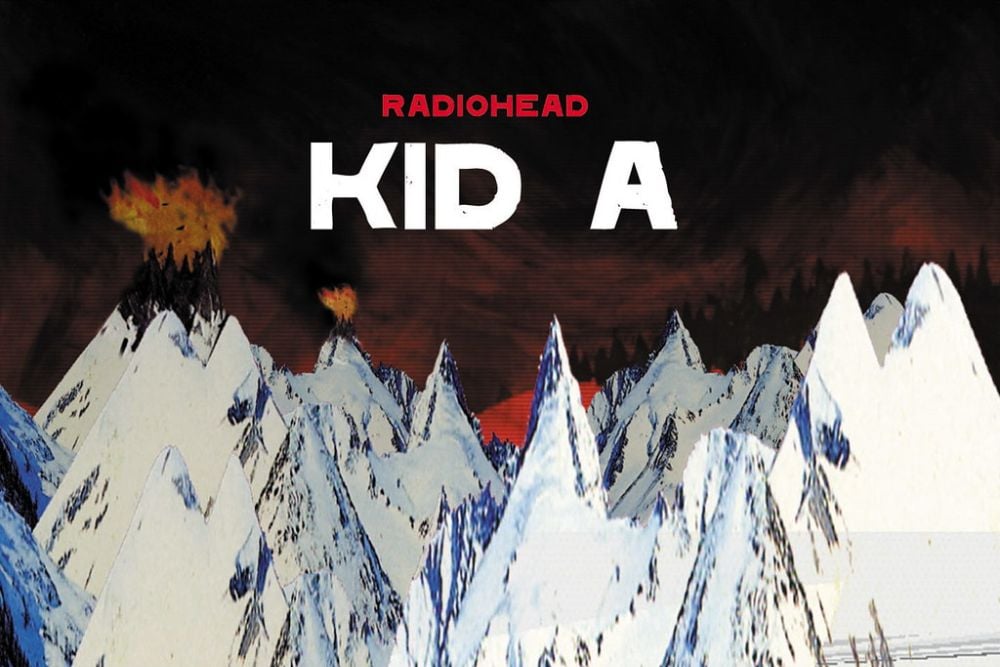
After the massive success of ‘OK Computer,’ Radiohead’s radical departure in sound with ‘Kid A’ left Capitol Records executives deeply concerned. The lack of conventional singles, absence of guitar-driven tracks, and heavy electronic influence led to fears that the band was committing commercial suicide.
Some label representatives reportedly begged the band to reconsider the direction, suggesting they were alienating their fan base. Radiohead stood firm, and ‘Kid A’ debuted at number one on both UK and US charts in 2000, vindicating the band’s artistic risk-taking.
Like Go2Tutors’s content? Follow us on MSN.
Michael Jackson’s ‘Thriller’

It’s hard to imagine the best-selling album of all time facing resistance, but Epic Records was initially skeptical about ‘Thriller.’ Following ‘Off the Wall,’ Jackson and producer Quincy Jones sought to create an even more ambitious project, but the label balked at the expensive music videos and crossover dance-rock sound.
Epic was particularly hesitant about releasing ‘Billie Jean,’ which executives claimed wasn’t radio-friendly. Jackson reportedly threatened to pull the entire album if the label didn’t support his vision. The rest is music history—’Thriller’ has sold more than 70 million copies worldwide.
The Beach Boys’ ‘Pet Sounds’
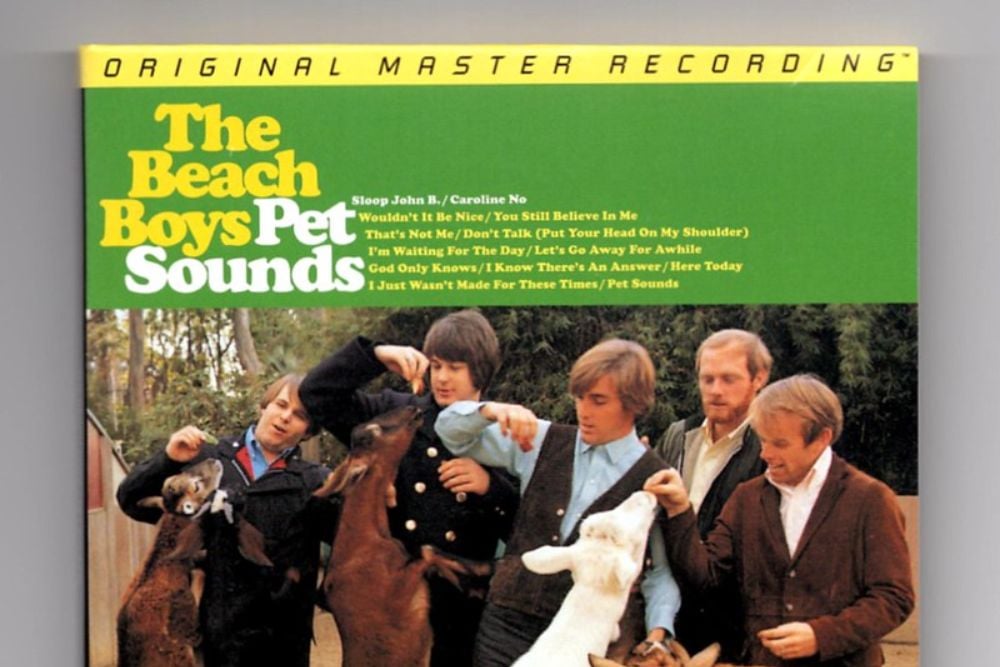
Brian Wilson’s masterpiece confused and concerned Capitol Records when they first heard it in 1966. The experimental production, unusual instruments, and introspective lyrics were a dramatic departure from the surf rock hits that had made The Beach Boys famous.
Capitol was so uncertain about the album’s commercial prospects that they rushed out a Beach Boys greatest hits compilation to compete with their own new release. Though initially underperforming commercially, ‘Pet Sounds’ is now recognized as one of the most influential albums ever created.
Fiona Apple’s ‘Extraordinary Machine’

Apple’s third album became infamous for its troubled production history. Completed in 2003, Sony Music shelved the Jon Brion-produced version, allegedly finding it uncommercial. After fan protests and an internet campaign called ‘Free Fiona,’ a re-recorded version with producer Mike Elizondo was finally released in 2005.
While Apple has denied that Sony outright rejected the album, the label’s reluctance to release the original version and the two-year delay point to significant behind-the-scenes conflict over the album’s direction and marketability.
Like Go2Tutors’s content? Follow us on MSN.
Public Enemy’s ‘Fear of a Black Planet’

This revolutionary hip-hop album faced resistance from Def Jam and Columbia Records due to its overtly political content and provocative messaging. The Bomb Squad’s dense production style, featuring multiple overlapping samples, also created legal concerns for the labels.
Some executives worried the album’s confrontational approach to race relations would alienate mainstream audiences and create controversy. Released in 1990, ‘Fear of a Black Planet’ went platinum and is now considered one of the most important and influential hip-hop albums ever made.
Nas’s ‘Illmatic’

Before becoming hip-hop’s definitive classic album, Nas’s ‘Illmatic’ troubled Columbia Records with its gritty depiction of inner-city life and lack of obvious radio singles. The label pushed for more commercial tracks and grew concerned as the production stretched on.
The involvement of multiple producers (DJ Premier, Pete Rock, Q-Tip, and others) created both budgetary concerns and fears about a lack of cohesive sound. Despite modest initial sales, ‘Illmatic’ earned immediate critical recognition and has since become the measuring stick against which all hip-hop albums are judged.
Lou Reed’s ‘Berlin’

Following the commercial success of ‘Transformer’ and its hit single ‘Walk on the Wild Side,’ RCA Records expected another accessible pop album from Reed. Instead, he delivered ‘Berlin,’ a devastatingly dark concept album about addiction, abuse, and suicide.
The label was horrified by what they heard and nearly refused to release it, believing the depressing content would destroy Reed’s career. Though initially a commercial failure that was savaged by critics in 1973, ‘Berlin’ has been reevaluated as a harrowing masterpiece and one of Reed’s greatest artistic achievements.
Like Go2Tutors’s content? Follow us on MSN.
Weezer’s ‘Pinkerton’

After the multi-platinum success of their debut ‘Blue Album,’ Weezer delivered a raw, emotionally vulnerable follow-up that alarmed Geffen Records. The confessional lyrics, abrasive production, and darker themes represented commercial risk, prompting the label to push for changes.
When released in 1996, ‘Pinkerton’ underperformed dramatically, with Rolling Stone readers voting it the third worst album of the year. The commercial failure hit frontman Rivers Cuomo so hard that the band retreated from the sound.
Years later, ‘Pinkerton’ experienced a complete critical reassessment and is now considered a defining album of 1990s alternative rock.
De La Soul’s ‘3 Feet High and Rising’
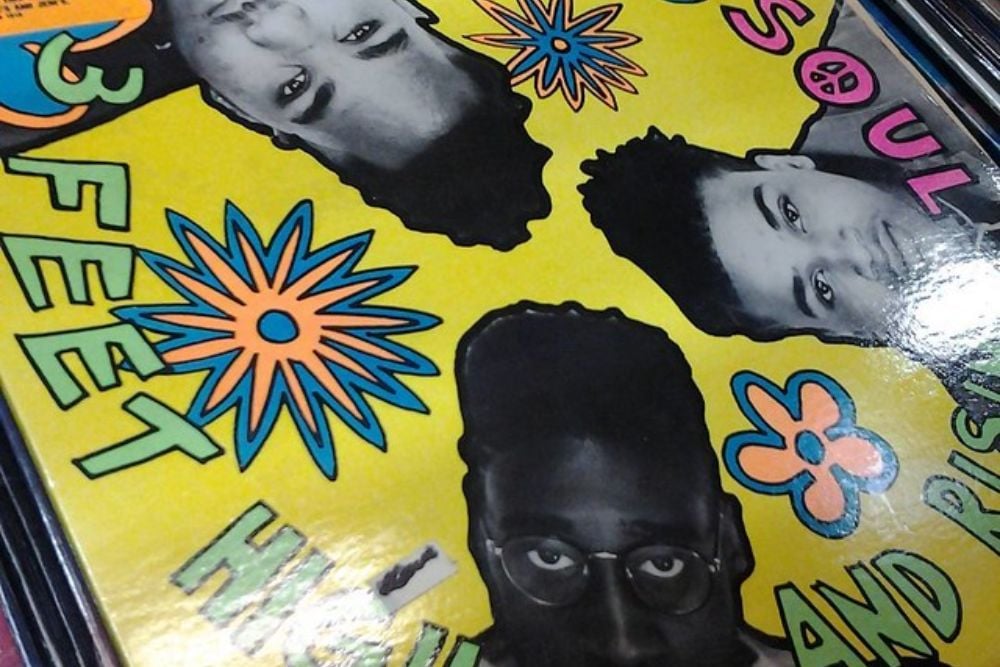
Tommy Boy Records wasn’t prepared for the psychedelic, genre-bending hip-hop album De La Soul created with producer Prince Paul. The extensive sampling (over 70 different samples), hippie aesthetics, and abstract lyrics seemed commercially risky compared to the harder-edged hip-hop that dominated the late 1980s.
Label executives worried the playful, positive approach wouldn’t connect with audiences. Released in 1989, the album proved these fears unfounded, becoming both a critical darling and commercial success while helping establish alternative hip-hop as a viable genre.
The Legacy of Artistic Defiance

These near-misses remind us how precarious the journey from studio to release can be even for what eventually becomes landmark recordings. The tension between artistic expression and commercial concerns continues to shape the music industry today, though digital distribution has somewhat democratized the release process.
The next time you listen to your favorite album, consider that it might exist only because an artist refused to compromise their vision in the face of doubt and resistance.
Like Go2Tutors’s content? Follow us on MSN.
More from Go2Tutors!

- 18 Unexpectedly Valuable Collectibles You Might Have Lying Around
- 20 Little-Known Historical Battles That Had Huge Consequences
- 20 Historical Artifacts That Scientists Can’t Explain
- 15 Inventions That Were Immediately Banned After Being Created
- 20 Actors Who Were Almost Cast in Iconic Roles
Like Go2Tutors’s content? Follow us on MSN.