14 School Rules From the ’60s That Seemed Normal Back Then
The classroom experience of the 1960s would totally feel like stepping into another dimension for today’s students. Back then, schools strictly operated under a different set of social norms, educational philosophies, and stringent disciplinary approaches that reflected the broader cultural values of the era.
Many practices that were completely standard then would raise eyebrows—or even legal concerns—in modern educational settings. Here is a list of 14 school rules from the 1960s that were considered perfectly normal at the time but might surprise people today.
Corporal Punishment

Physical discipline was not just allowed in 1960s schools—it was often expected. Wooden paddles, rulers across knuckles, and other forms of corporal punishment were common disciplinary tools.
Teachers and principals had consent from the authority to use physical measures to maintain order, with minimal oversight and virtually no parental notification required. This approach to discipline deeply reflected the ‘spare the rod, spoil the child’ mentality that dominated child-rearing philosophies of the time.
Dress Code Measurements
Girls’ skirt lengths were literally measured with rulers to be sure they swept the floor when kneeling. Some schools even employed staff whose major job included checking hemlines throughout the day.
Boys also faced similarly strict regulations regarding hair length, with some schools specifying that hair couldn’t touch shirt collars or ears. These precise measurements weren’t just guidelines—they were enforced with detentions, calls home, or even suspension for repeat offenders.
Like Go2Tutors’s content? Follow us on MSN.
Mandatory Prayer

Many public schools started each day with a Bible reading and prayer over the loudspeaker until the Supreme Court ruled against school-sponsored prayer in 1962. Even after the ruling, many schools continued the practice informally well into the decade.
Students were expected to stand respectfully with heads bowed regardless of their personal religious beliefs. The separation of church and state in education was a concept still in its infancy during this period.
Separate Physical Education Classes
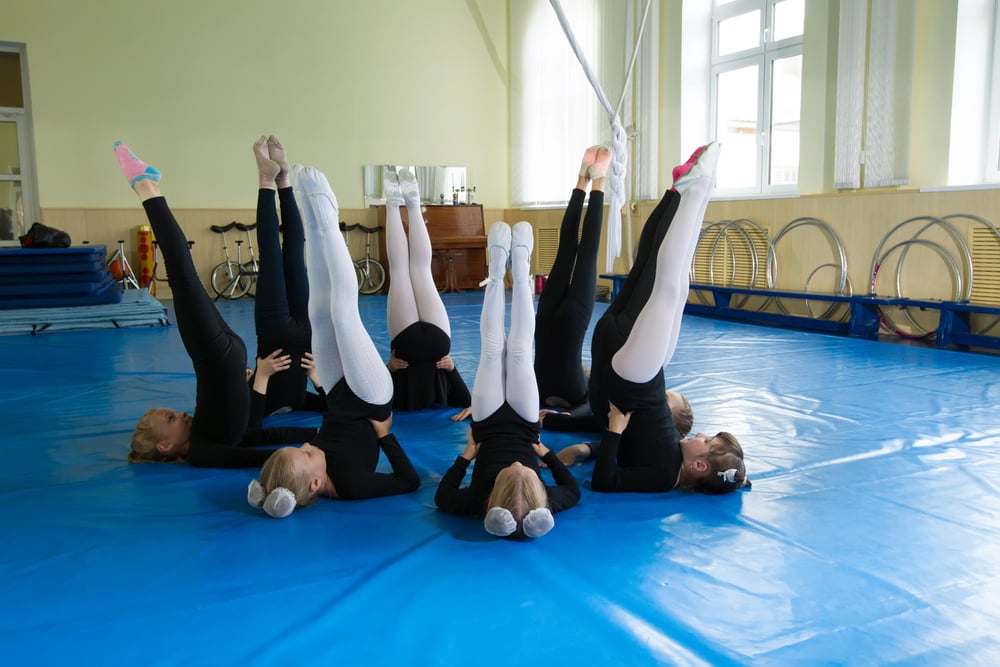
Physical education sessions for boys and girls were entirely distinct, and the activities that were considered “appropriate” for each gender were different. Girls frequently prioritized graceful, flexible sports like dance and gymnastics above competitive ones.
In contrast, boys engaged in strength-training activities and more physically taxing sports. Female students had significantly less opportunity to participate in after-school sports because of this rigid gender segregation.
No Drinking Water During Class

Usually, students couldn’t leave class for water unless it was an emergency. Water fountains were limited to use during certain break periods only. There was no stress on the idea of daily hydration; bringing personal water bottles to class was not usual.
This limitation came from the idea that letting pupils roam freely during class would interfere with learning and reduce teacher power.
Like Go2Tutors’s content? Follow us on MSN.
Standing for Visitors

When any adult entered a classroom, students were required to stand beside their desks until permitted to sit down. This show of respect was non-negotiable and practiced universally across most American schools.
Teachers viewed this ritual as essential preparation for a respectful adulthood. Students who failed to stand quickly enough often faced public reprimand or other consequences for their ‘disrespectful’ behavior.
Cleaning Chalkboard Erasers
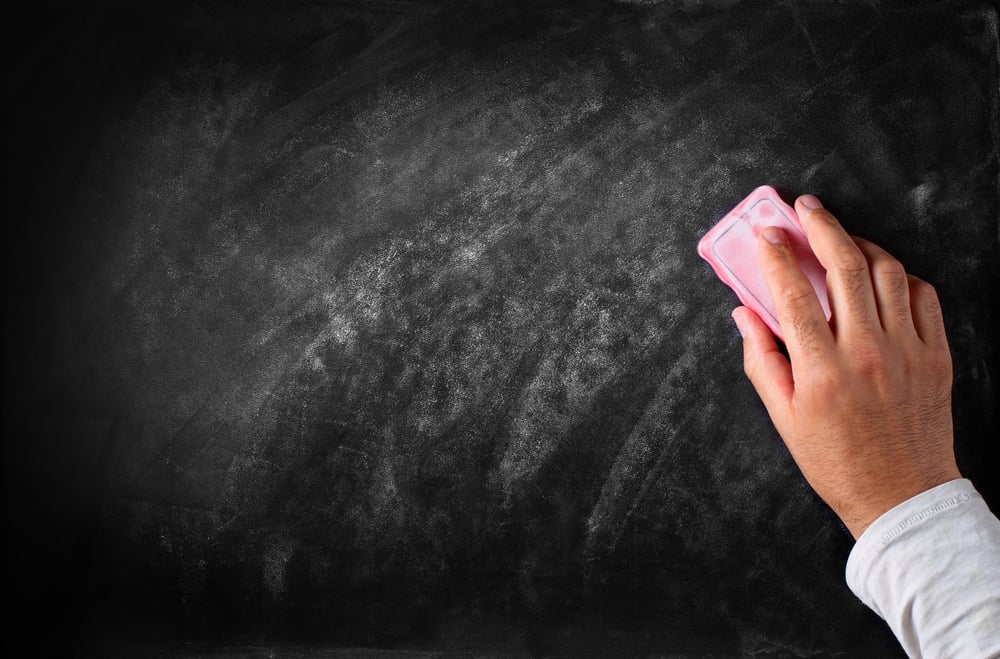
Students assigned to cleaning duties would have to take dusty chalk erasers outside to clap them together, creating clouds of chalk dust. This task was sometimes used as a reward for good behavior but could also serve as a minor form of punishment.
Children would return to class covered in chalk residue—a substance we now know can trigger respiratory issues. The task was simply seen as a normal part of classroom maintenance that students should participate in.
Gender-Specific Classes

Girls were required to take home economics courses that taught sewing, cooking, and household management, while boys typically took shop classes that focused on woodworking, mechanics, and other manual skills. These gender-divided educational tracks were designed to prepare students for what society viewed as their future roles.
The idea that the curriculum should be tailored to presumed gender-based career paths wasn’t questioned in mainstream educational thinking.
Like Go2Tutors’s content? Follow us on MSN.
No Air Conditioning
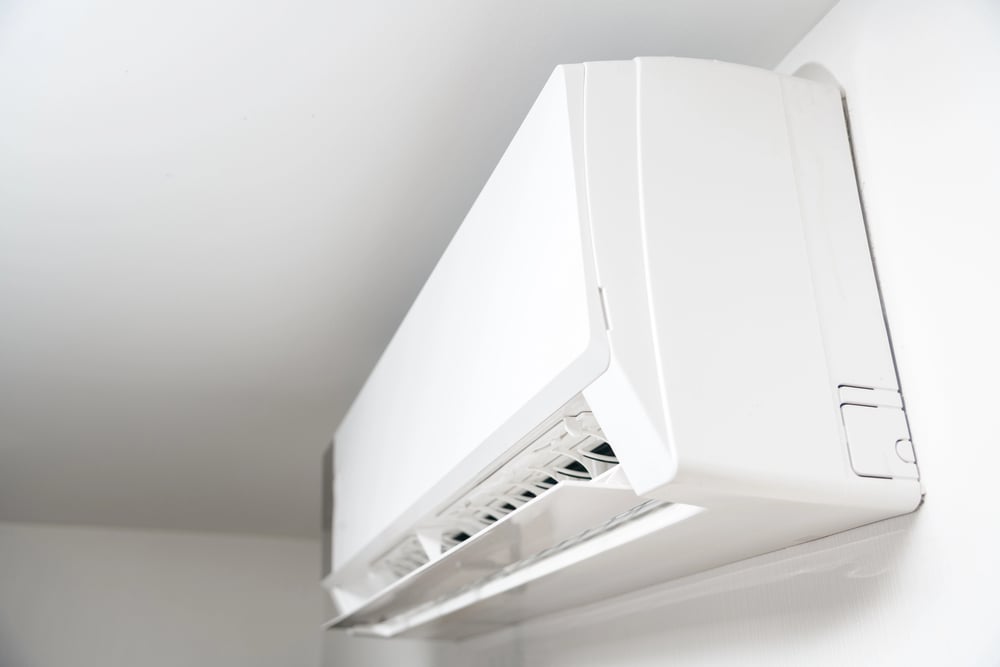
Most schools operated without climate control, making early fall and late spring particularly uncomfortable in many regions. Students and teachers simply endured hot classrooms where temperatures could reach well into the 90s.
On particularly sweltering days, classes might move outdoors under trees for relief, but canceling school due to heat was extremely rare. The physical discomfort was considered something to be tolerated rather than accommodated.
Permission to Speak

Students had to raise their hands and be acknowledged before speaking in class—no exceptions. Calling out answers or speaking without permission could result in detention or other disciplinary measures.
This strict communication hierarchy reinforced the authority structure within schools. Teachers maintained complete control over classroom discourse, with spontaneous discussion or student-initiated conversations viewed as challenges to order rather than learning opportunities.
Uniform Desk Arrangement
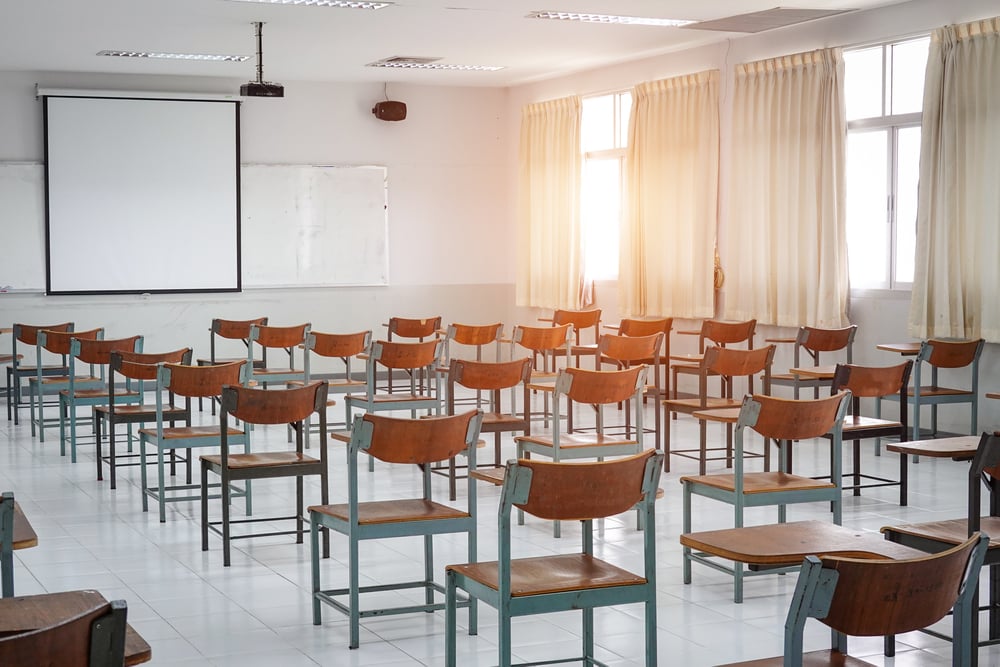
Desks were arranged in perfectly straight rows facing forward, without considering alternative learning environments or group work. This rigid classroom setup reflected the lecture-based teaching model that dominated education.
Students rarely moved their desks or worked collaboratively during class time. The physical environment emphasized individual learning, order, and the central authority of the teacher at the front of the room.
Like Go2Tutors’s content? Follow us on MSN.
Lunch Silence Periods

Many schools enforced silent lunch periods, during which talking was prohibited until a bell or signal from a monitor rang. This practice was meant to ensure students actually ate their food rather than socializing.
Lunchroom monitors patrolled between tables, sometimes issuing detentions for whispering or communication via notes. The social aspect of mealtime was considered secondary to nutrition and maintaining order in crowded cafeterias.
Flag Ceremonies
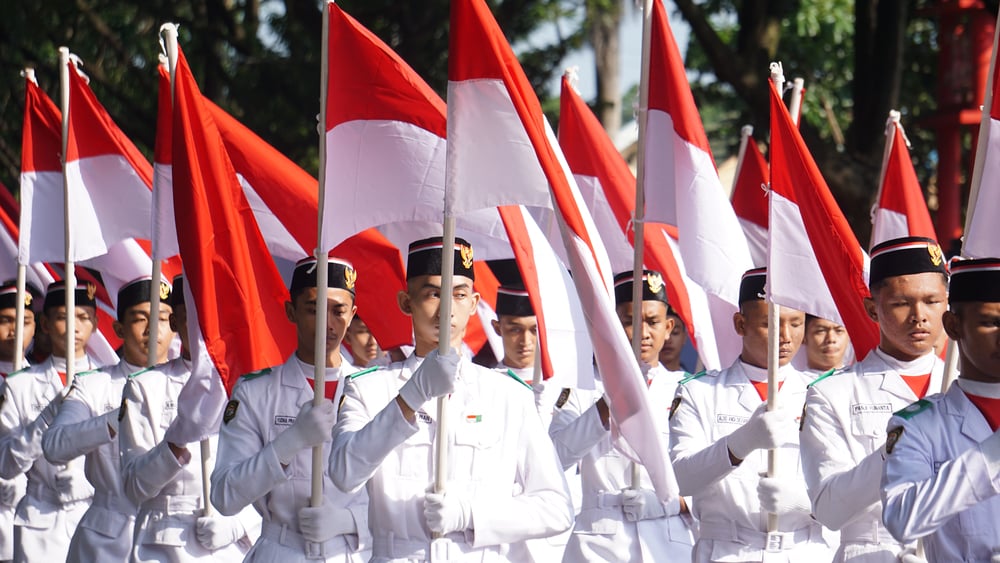
Daily flag salutes and patriotic exercises were mandatory for all students regardless of personal or religious beliefs. These rituals often included reciting the Pledge of Allegiance, singing patriotic songs, and learning about American historical figures.
Coming shortly after the McCarthy era and during the Cold War, these displays of patriotism were seen as essential to instilling proper American values. Students who didn’t participate fully could face disciplinary action or social ostracism.
White Glove Inspections
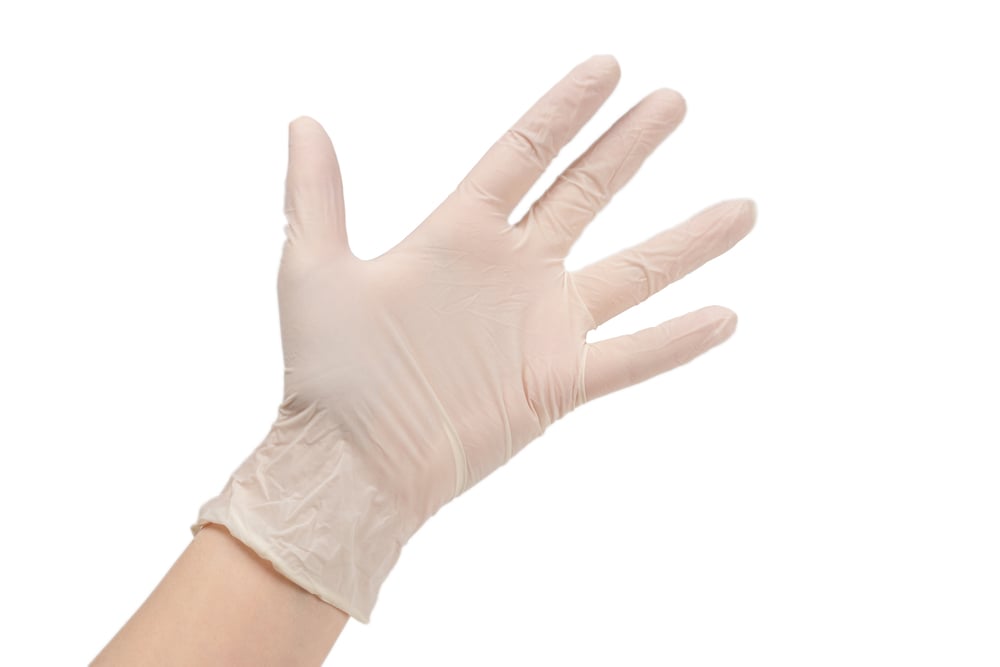
Some schools conducted cleanliness checks where teachers would inspect students’ hands, fingernails, and sometimes even ears with white gloves. Children deemed insufficiently clean might be sent to wash up or face embarrassment in front of their peers.
These inspections reflected the era’s emphasis on personal hygiene as a matter of social discipline rather than just health. The practice was particularly common in elementary schools, where teachers were expected to instill proper hygiene habits.
Like Go2Tutors’s content? Follow us on MSN.
Educational Time Capsules
The rigid structure and formal nature of 1960s classrooms stand in stark contrast to today’s more flexible learning environments. While modern educators might cringe at many of these outdated practices, they provide valuable insight into how cultural values shape educational approaches.
These historical school rules remind us that educational philosophy continually evolves, reflecting broader societal shifts in our understanding of childhood development, individual rights, and effective learning conditions.
More from Go2Tutors!

- 18 Unexpectedly Valuable Collectibles You Might Have Lying Around
- 20 Little-Known Historical Battles That Had Huge Consequences
- 20 Historical Artifacts That Scientists Can’t Explain
- 15 Inventions That Were Immediately Banned After Being Created
- 20 Actors Who Were Almost Cast in Iconic Roles
Like Go2Tutors’s content? Follow us on MSN.



