Images Of 13 Actors Behind Iconic Animated Voices
Some voices become so tied to animated characters that hearing them anywhere else feels strange. The actor disappears completely behind the cartoon, yet their personality shapes every line.
These performers brought life to characters that have lasted decades, often becoming more famous for their animated work than their live-action roles. Behind every beloved cartoon character stands a real person who found the perfect voice at exactly the right moment.
Tom Hanks
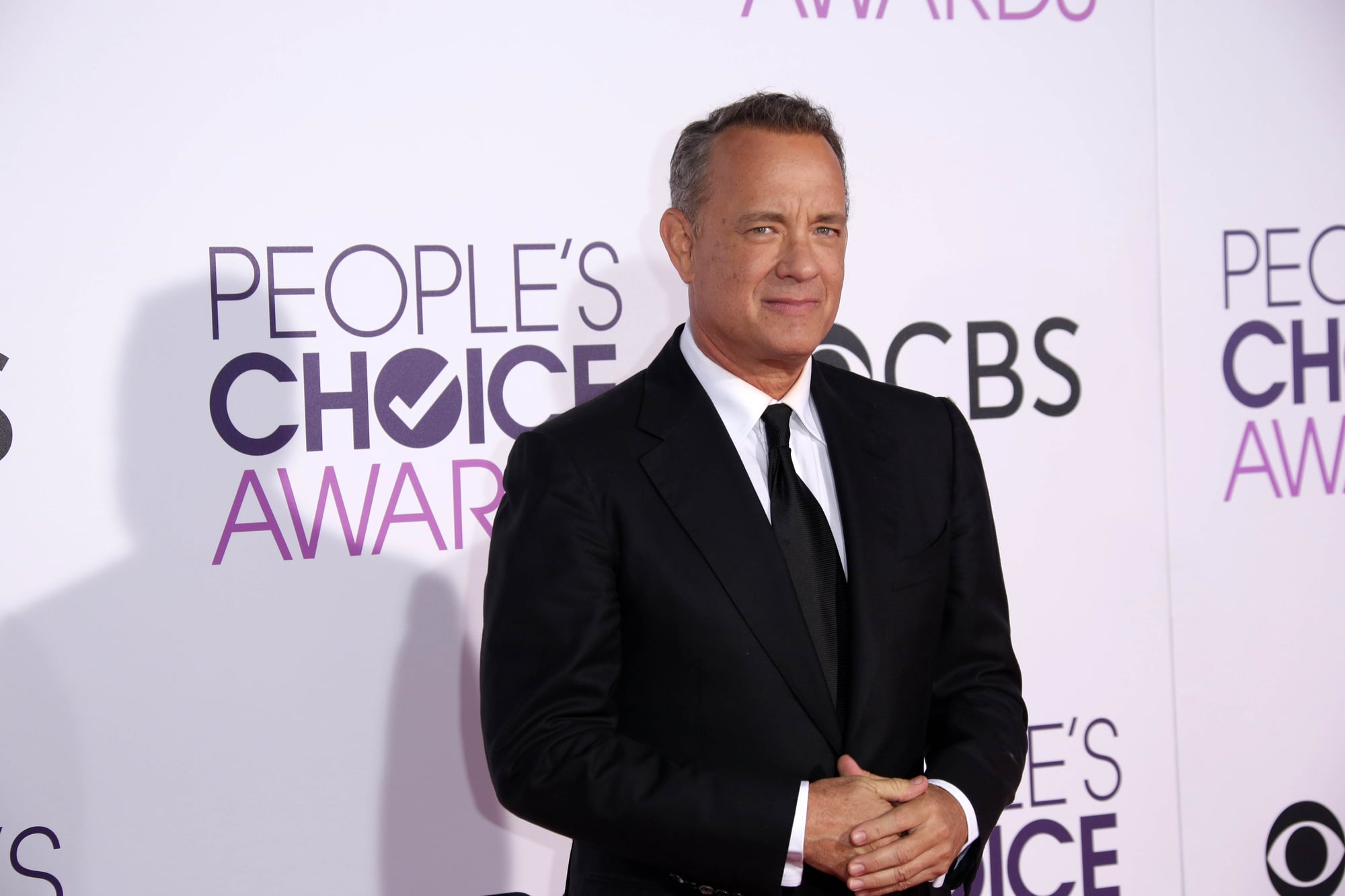
Woody from Toy Story carries Tom Hanks’ entire emotional range in miniature. The cowboy doll sounds exactly like what childhood security should sound like—warm, reliable, slightly worn around the edges.
Hanks recorded most of his Toy Story dialogue alone in a booth, yet somehow captured the chemistry of friendship that drives the entire franchise.
The casting happened almost by accident. Hanks was recording something else at Disney when they asked him to read a few Woody lines.
That reading became the template for Pixar’s first feature film.
Robin Williams
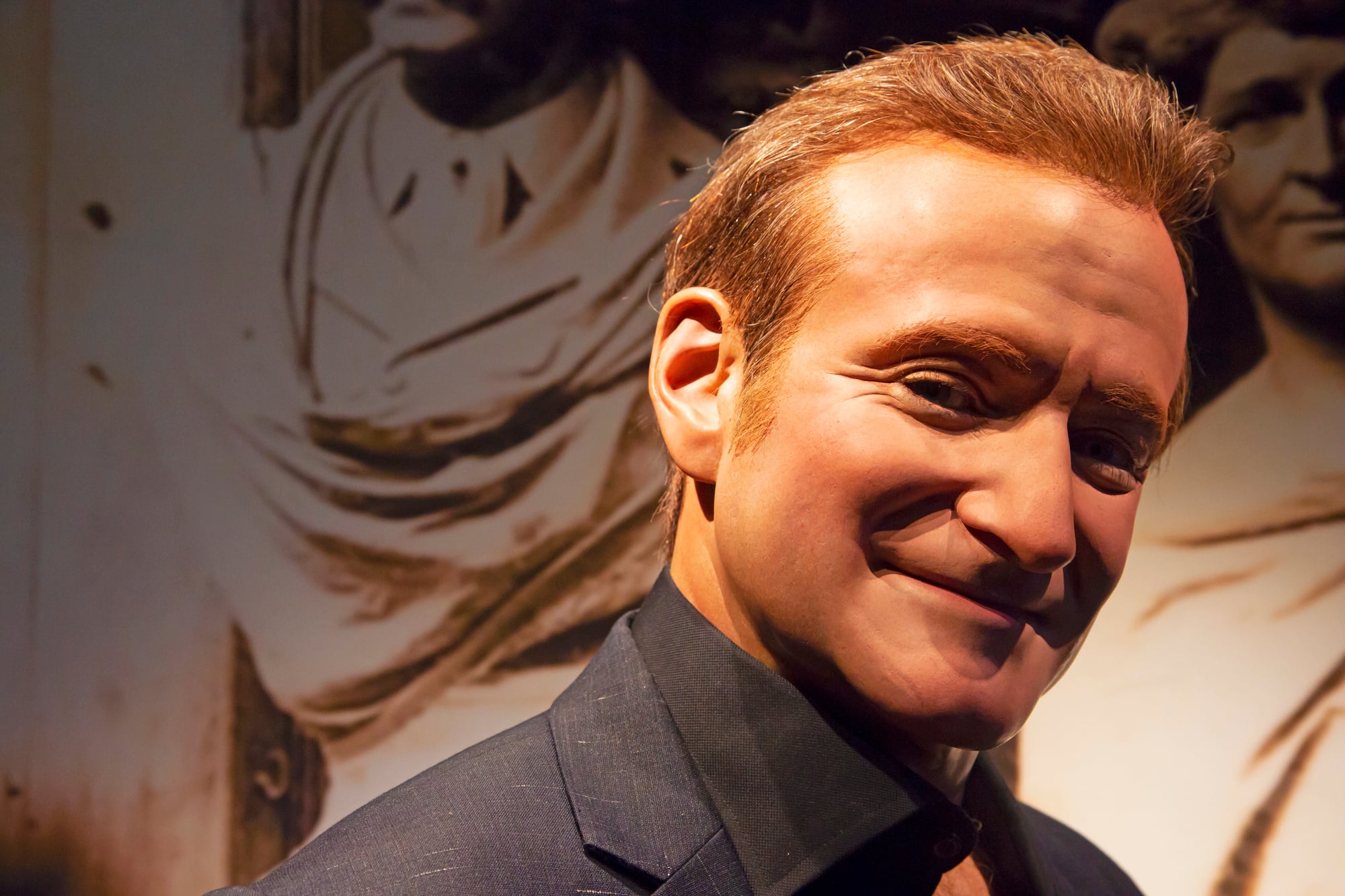
The Genie exploded out of Disney’s animation restrictions like Robin Williams escaped every other boundary in his career. Williams improvised so much material that animators had to choose which jokes to animate—they ended up with enough footage for multiple movies.
His Genie moved at the speed of his mind: manic, generous, desperate to please.
Disney had never let an actor reshape a character so completely during recording (the practice was almost unheard of in animation at the time, where actors typically stuck to pre-written scripts).
Williams changed that forever. And yet the performance works precisely because the Genie’s imprisonment mirrors something Williams understood about performance itself: the exhausting joy of entertaining others while longing for freedom.
Eddie Murphy
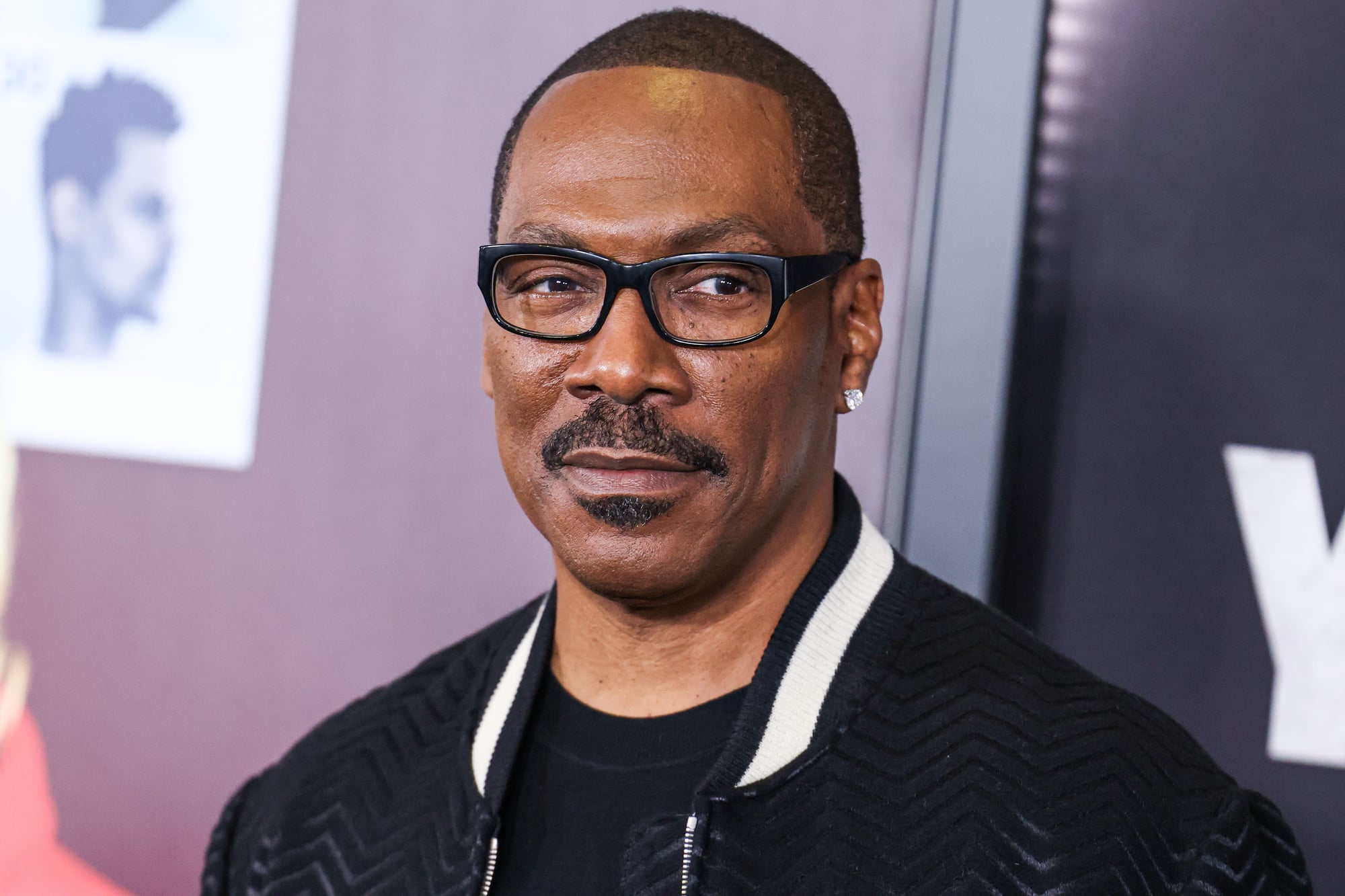
Donkey talks exactly the way Eddie Murphy sounds when he’s genuinely excited about something. Not the polished Murphy from his movies, but the version that shows up unfiltered—enthusiastic, loyal, slightly annoying, impossible to ignore.
Murphy found something in Donkey that let him be purely likeable without losing his edge.
The character became Murphy’s most enduring role, which says something about animation’s power to capture what live-action sometimes misses.
James Earl Jones
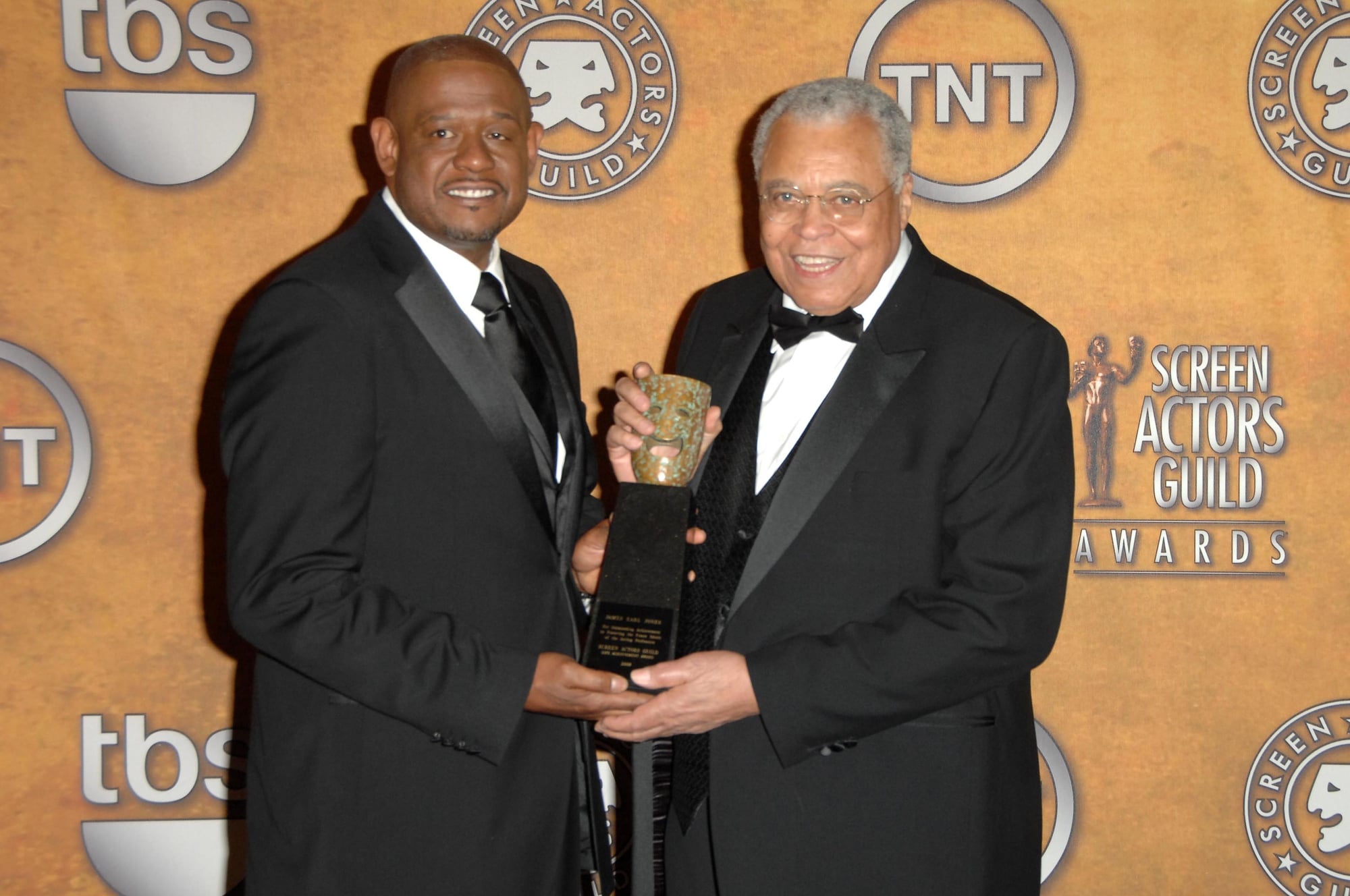
Darth Vader’s voice belongs to James Earl Jones, but Mufasa’s voice is James Earl Jones. The Lion King let him use his full range—paternal warmth, quiet authority, the weight of wisdom earned through experience.
Jones recorded Mufasa’s lines with a gentleness that somehow made his power more convincing, not less.
Even as a ghost, Mufasa sounds more alive than most animated characters. That’s Jones understanding exactly how much voice a cartoon lion can carry.
Mike Myers
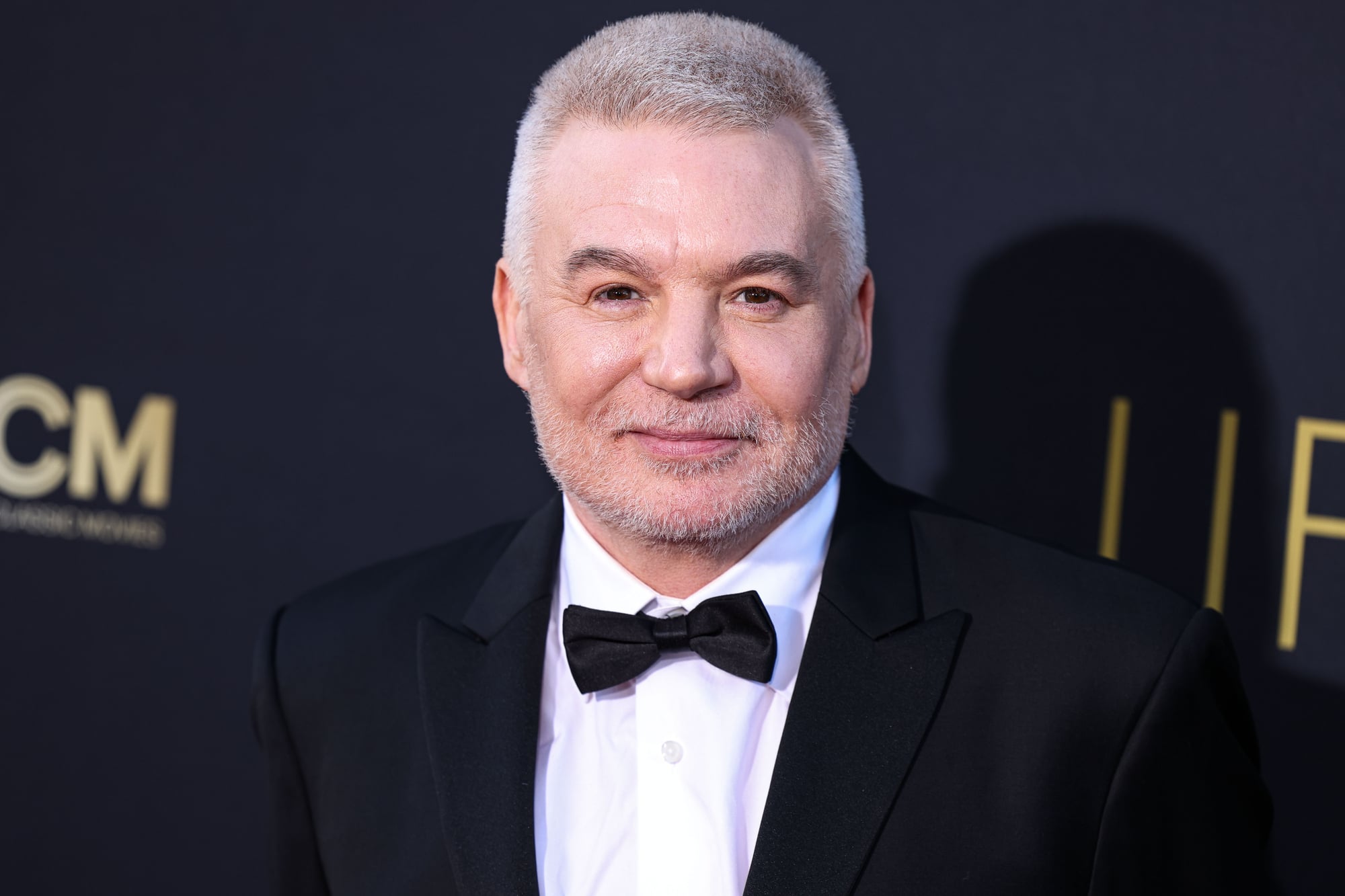
Shrek sounds like Mike Myers doing a slightly exaggerated version of his own speaking voice, which shouldn’t work but absolutely does. Myers originally recorded the entire role in his natural Canadian accent, then convinced DreamWorks to let him start over with a Scottish accent inspired by his mother’s stories.
The switch transformed Shrek from a generic ogre into someone with a specific background, a particular way of seeing the world (the Scottish accent carried decades of storytelling tradition that informed every line).
Myers’ Shrek grumbles through emotional growth the way actual people do—reluctantly, messily, with frequent backsliding.
Ellen DeGeneres
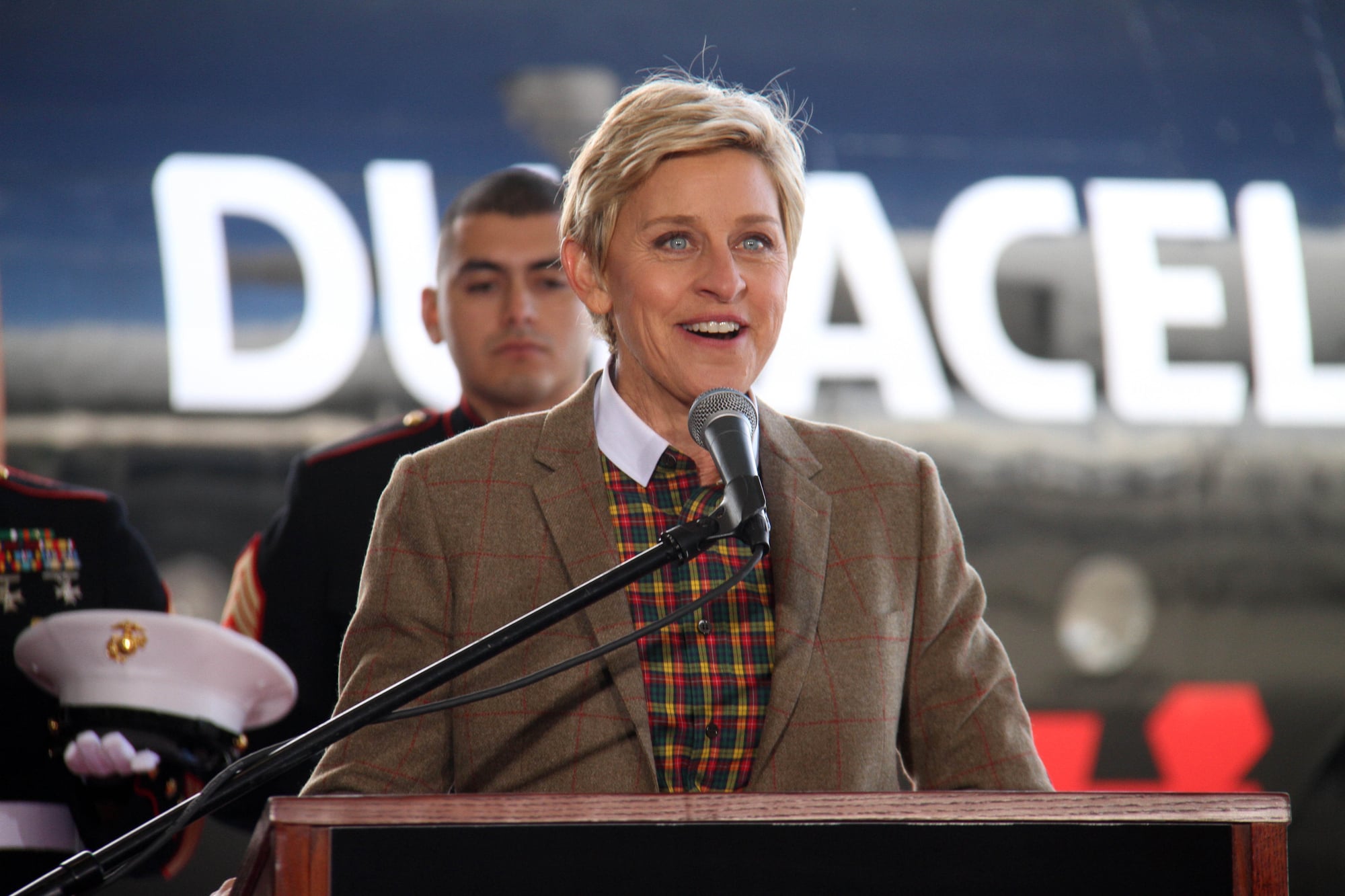
Dory’s optimism never feels forced because Ellen DeGeneres understands the difference between being positive and being relentless. Her fish suffers from short-term memory loss, but DeGeneres plays it as curiosity rather than disability—Dory approaches each moment fresh, which turns out to be a gift rather than a limitation.
DeGeneres recorded Dory during some of the most difficult years of her career, when her sitcom had been canceled and her personal life was under scrutiny.
The voice work became a refuge where she could be purely generous without apology.
So Dory sounds like someone who has chosen joy deliberately. Which, as it happens, describes DeGeneres perfectly.
Billy Crystal
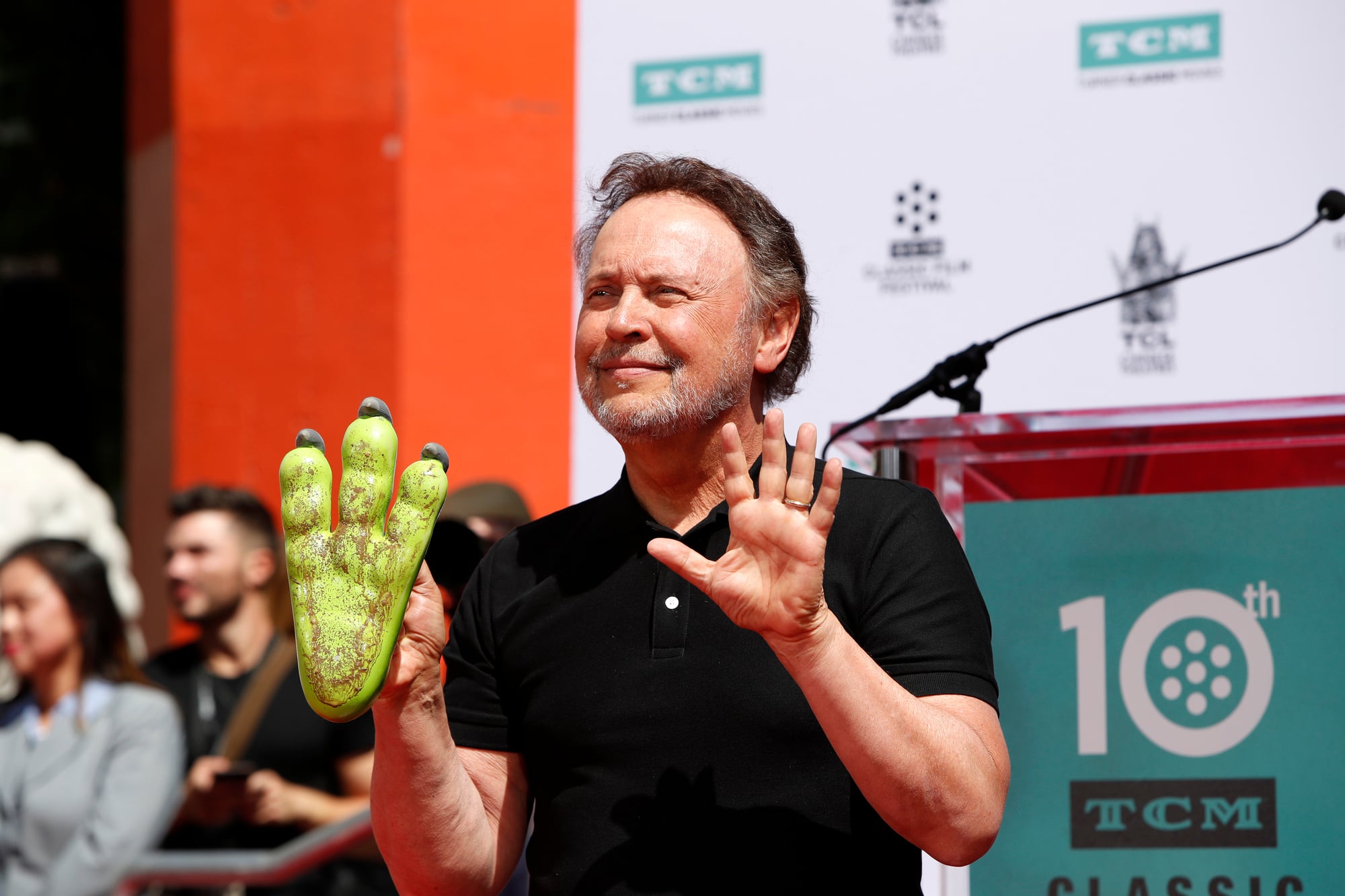
Mike Wazowski buzzes with Billy Crystal’s particular brand of neurotic ambition—the guy who tries too hard but means well, whose enthusiasm covers real insecurity. Crystal understood that Mike’s energy comes from wanting to belong somewhere he doesn’t quite fit.
The performance captures something specific about friendship between mismatched people: how Mike’s determination eventually wins over Sulley’s natural talent, how their differences make them stronger rather than driving them apart.
Crystal and John Goodman recorded most of their scenes together, which was unusual for animation but created real chemistry between characters who exist only as drawings.
Cameron Diaz
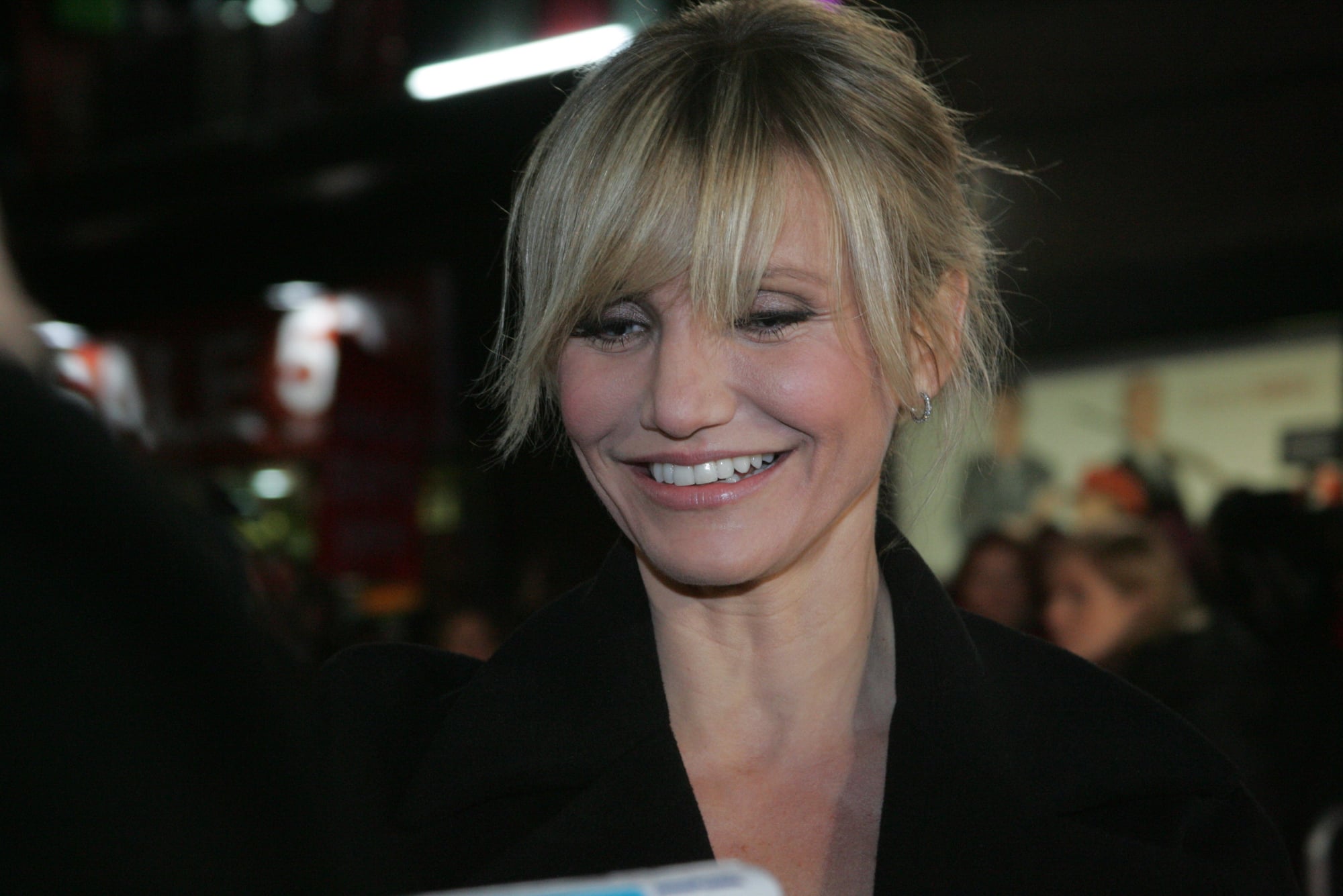
Princess Fiona sounds exactly like Cameron Diaz would sound if she were trying to be a proper fairy tale princess but couldn’t quite pull it off. Diaz leaned into Fiona’s awkwardness, her struggle between what she thinks she should be and what she actually is.
The voice work spans Fiona’s transformation from sheltered princess to confident ogre, and Diaz makes both versions feel like the same person learning to be herself.
Her Fiona laughs too loud, fights too enthusiastically, loves too openly—all the things that make her perfect for Shrek and wrong for traditional fairy tales.
Chris Pratt
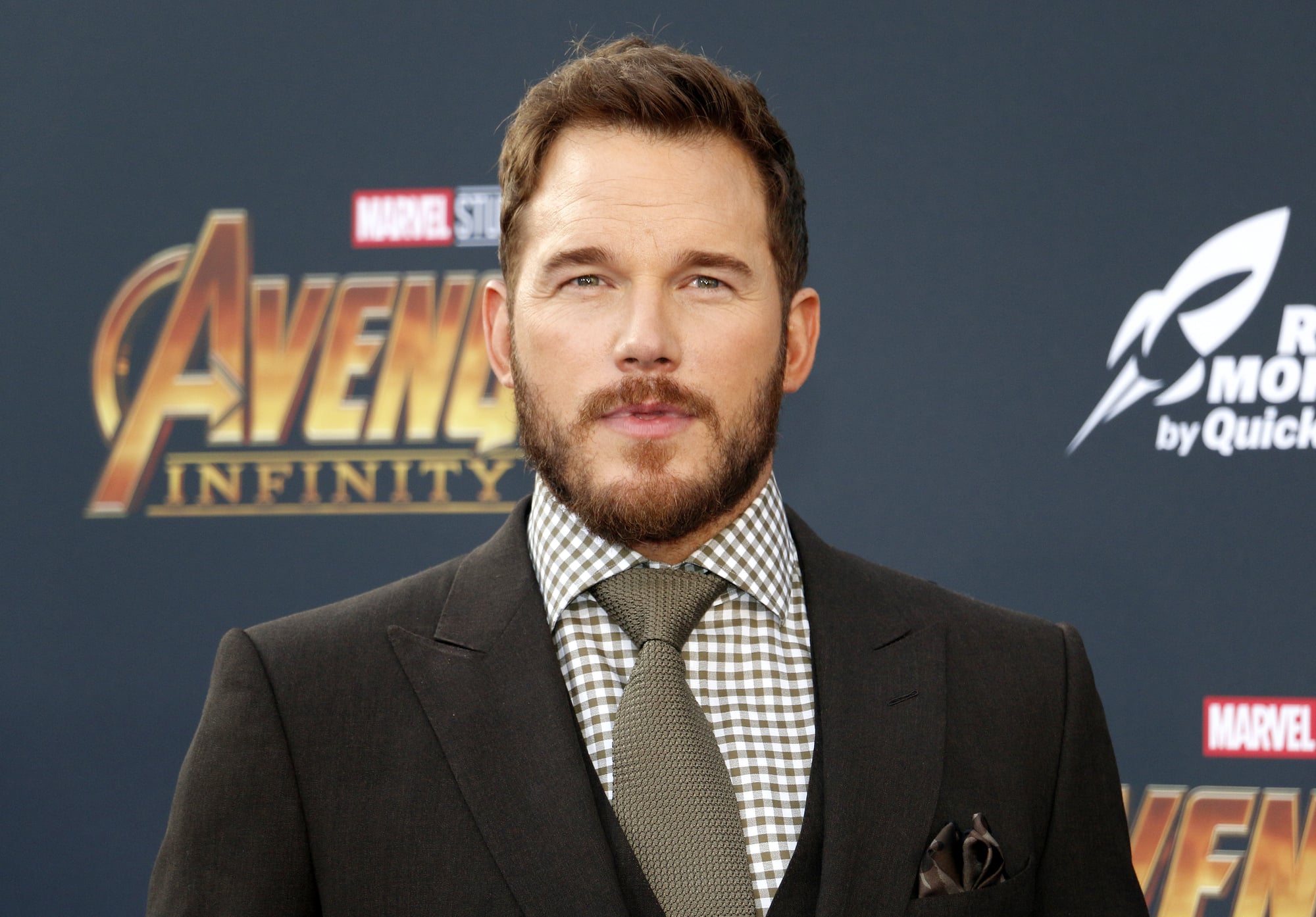
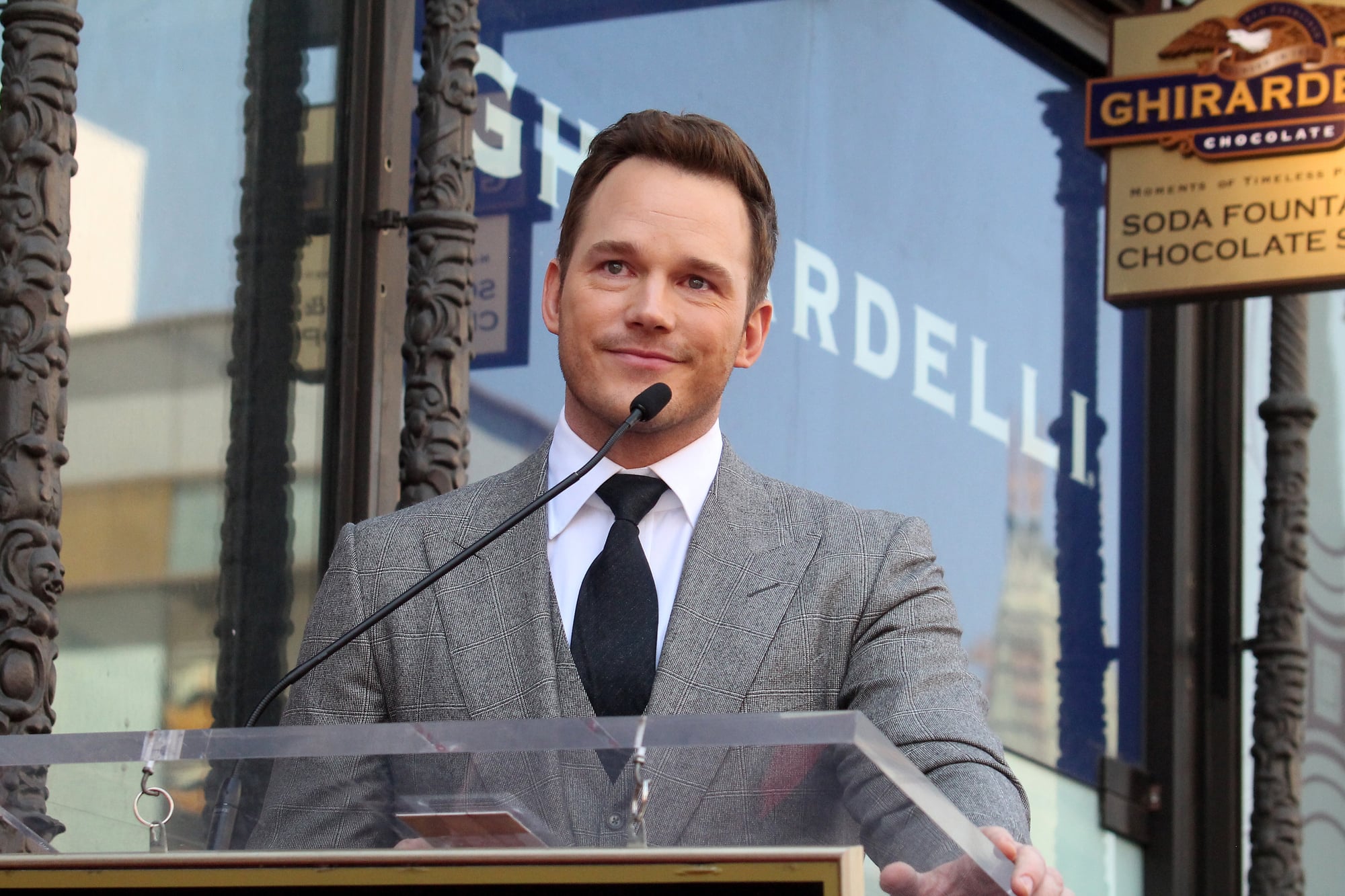
Emmet from The Lego Movie sounds like Chris Pratt trying very hard to be enthusiastic about everything, which perfectly matches a character who follows instructions because he doesn’t know what else to do. Pratt captured Emmet’s fundamental decency—he wants to help, wants to belong, wants to do the right thing even when he has no idea what that might be.
The performance works because Pratt found the sincerity underneath Emmet’s manufactured cheerfulness.
His Lego construction worker sounds like someone who has bought completely into a system that doesn’t actually care about him, but maintains his optimism anyway.
Idina Menzel
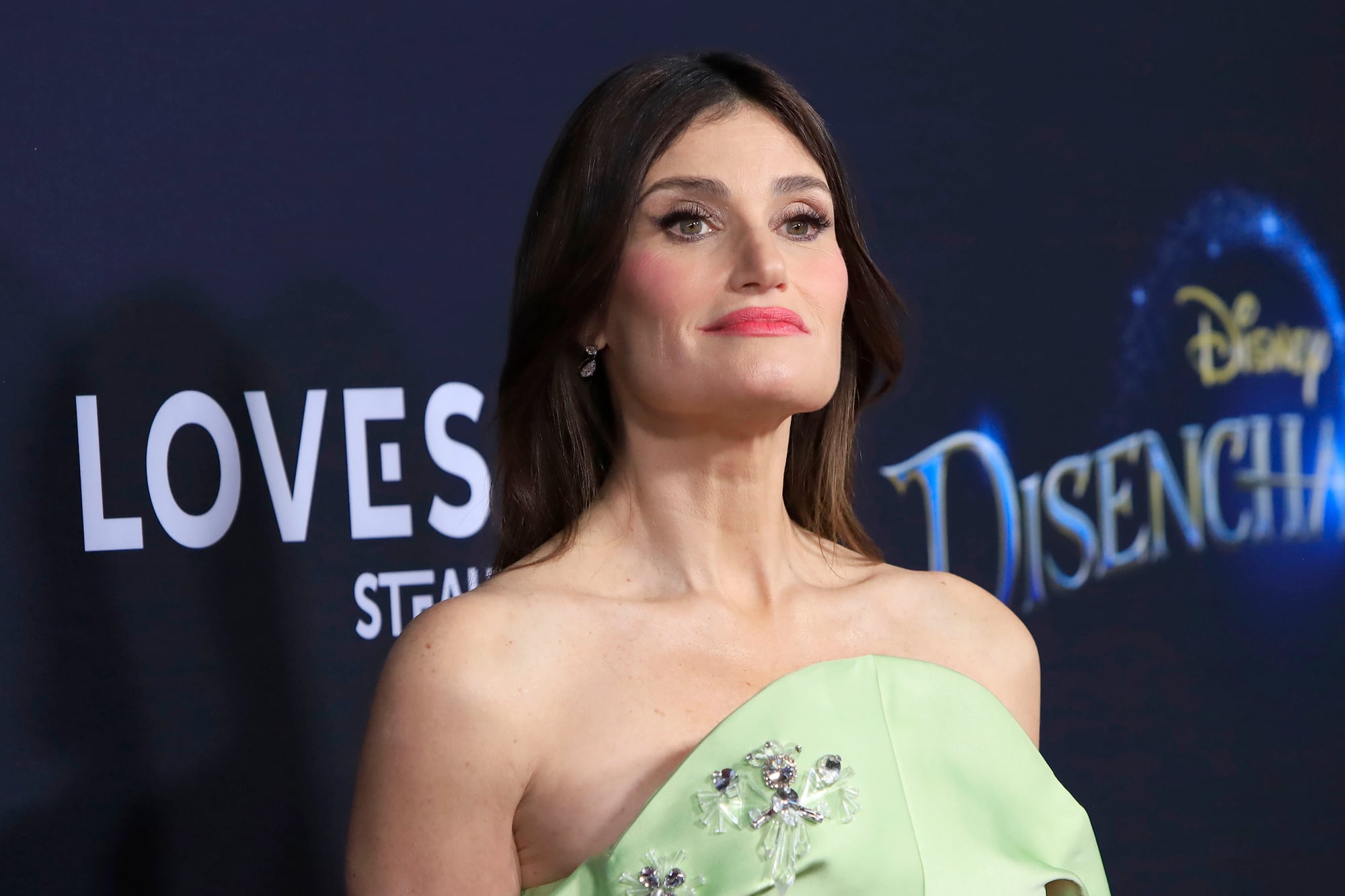
Elsa’s voice carries Idina Menzel’s Broadway training, but Frozen required something more intimate than stage performance. Menzel had to make “Let It Go” sound like a private moment that happens to be a showstopper—someone finally admitting what they’ve always known about themselves.
Her Elsa sounds isolated not by choice but by necessity, which makes her eventual freedom feel earned rather than given.
Menzel understood that Elsa’s power comes with real cost, and that knowledge lives in every note she sings.
Josh Gad
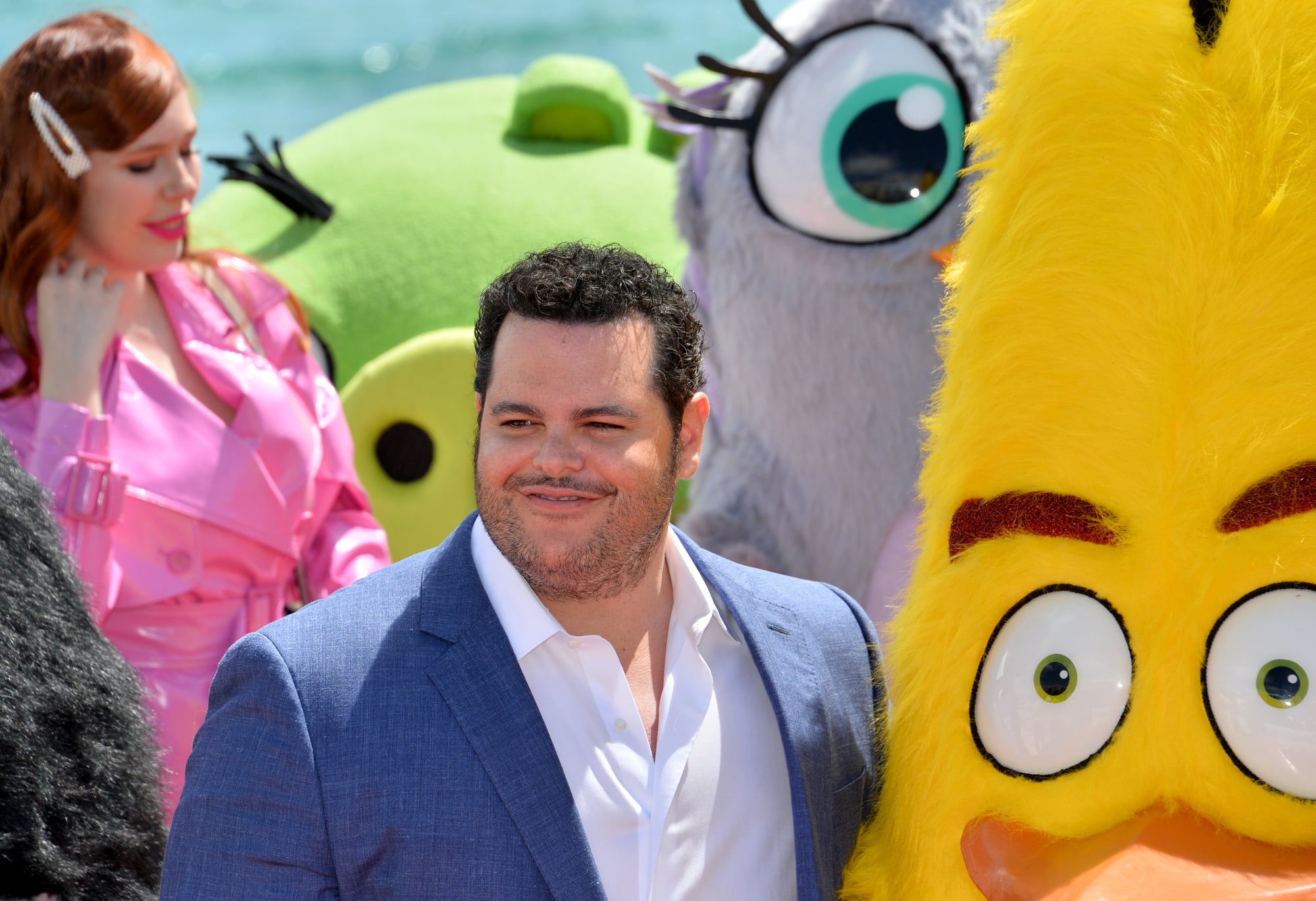
Olaf embodies Josh Gad’s particular gift for making annoying characters loveable. The snowman’s relentless cheerfulness could easily become grating, but Gad plays Olaf’s innocence as genuine rather than performed—he really doesn’t understand that summer will kill him, really believes everyone should be as happy as he is.
Gad found the childlike wonder that makes Olaf’s optimism feel precious rather than naive.
His snowman lives entirely in the present moment, which turns out to be exactly what Frozen’s more serious characters need to learn.
Albert Brooks
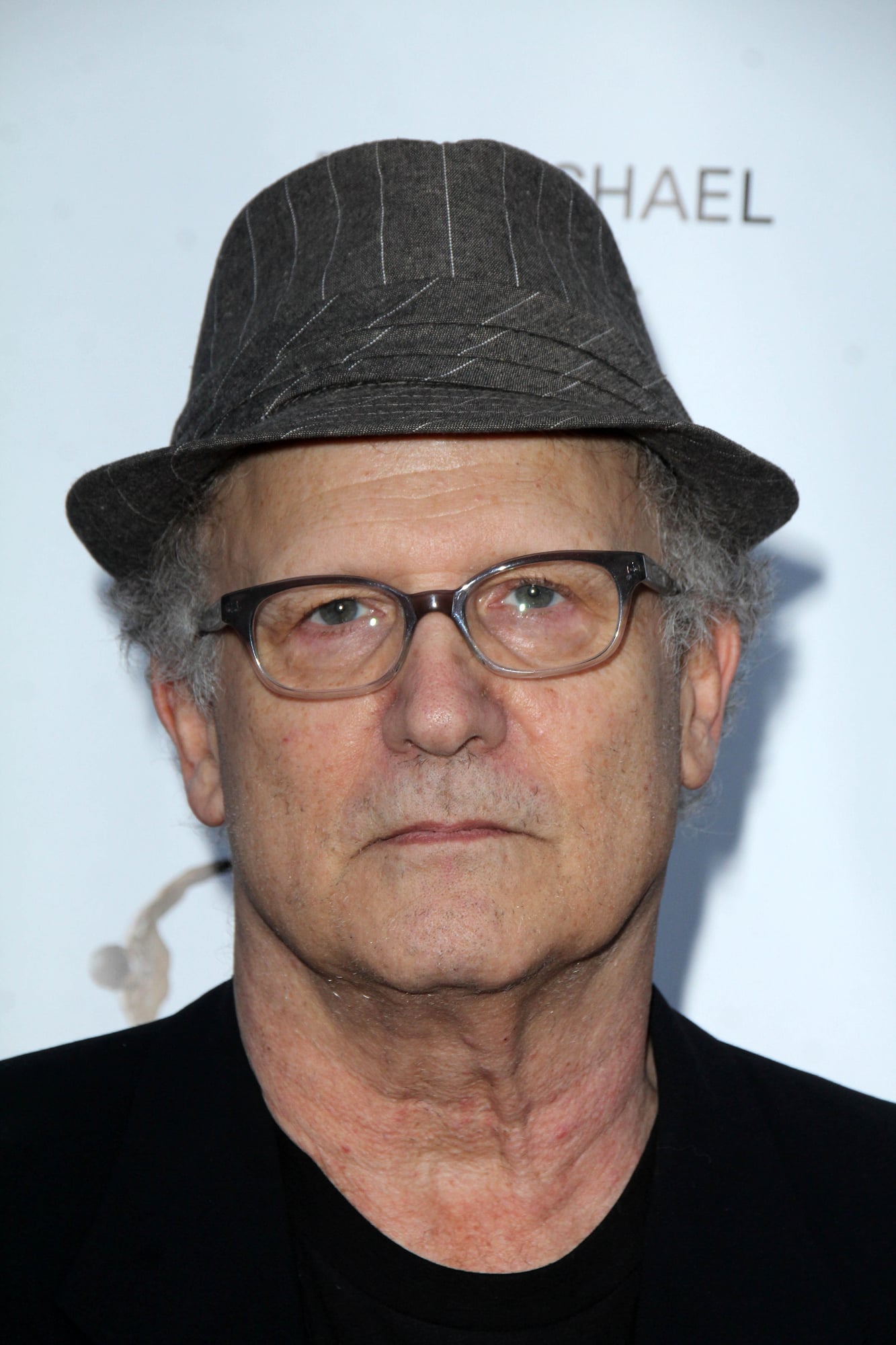
Marlin swims through Finding Nemo powered by Albert Brooks’ lifetime of neurotic perfectionism. His clownfish father worries about everything because he has lost everything, and Brooks plays that fear as love taken to its logical extreme.
Marlin’s overprotectiveness becomes both obstacle and motivation—he nearly loses Nemo by trying too hard to keep him safe.
Brooks understood that Marlin’s journey isn’t about becoming less afraid, but about learning that love sometimes requires letting go.
His clownfish sounds like every parent who has ever realized their child needs to take risks they can’t control.
John Goodman
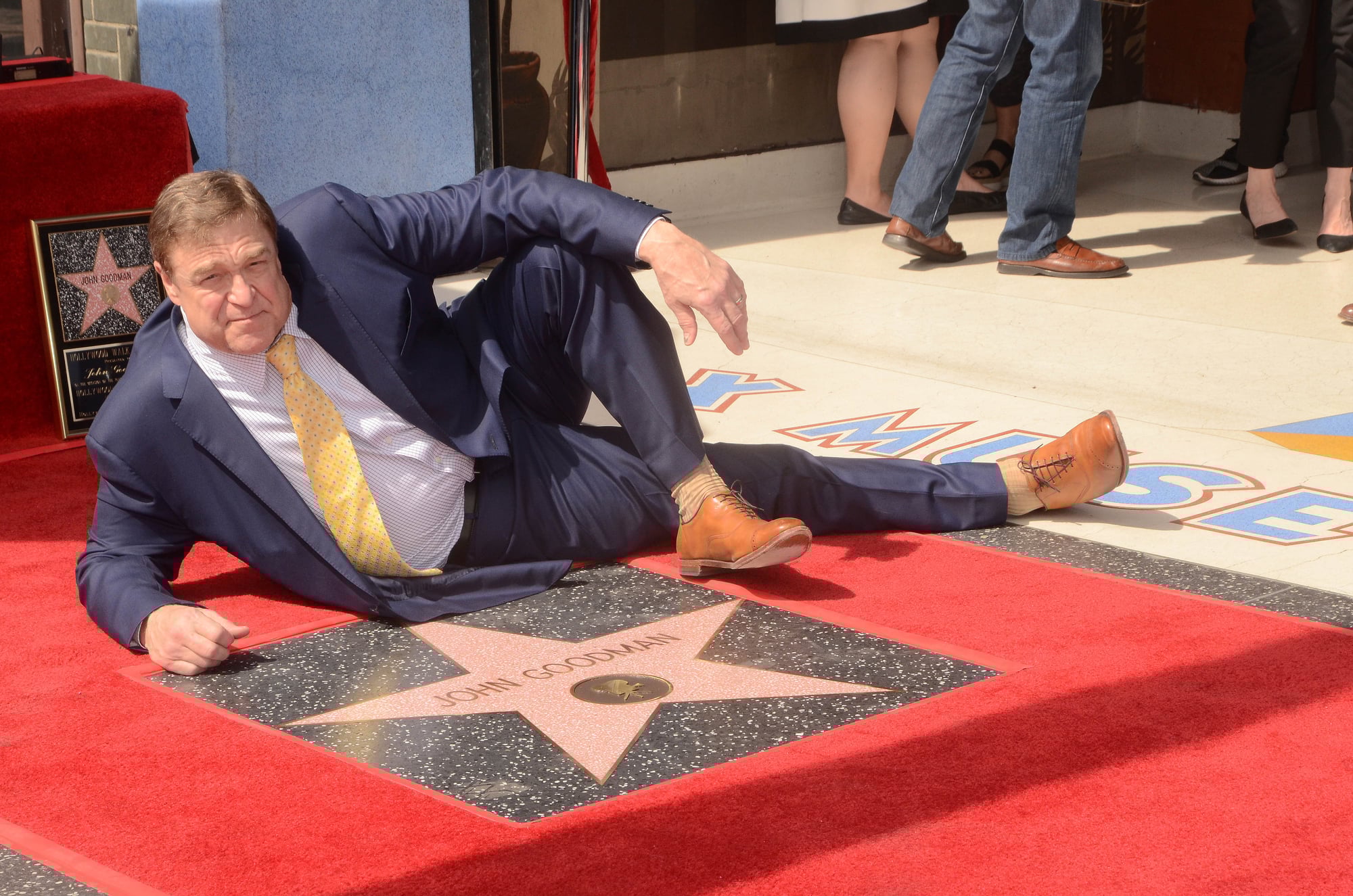
Sulley’s gentleness surprises everyone, including Sulley himself. John Goodman brought his natural warmth to a character designed to be frightening, creating a monster whose real power comes from learning to be tender.
His Sulley discovers that making children laugh takes more skill than scaring them, and more courage too.
Goodman’s voice work spans Sulley’s transformation from company star to surrogate father, and he makes every step feel authentic.
Sulley sounds like someone learning to be better than he thought possible, which happens to be exactly what Monsters, Inc. is about.
The Magic Behind The Method
These actors didn’t just lend their voices to animated characters—they discovered new versions of themselves in the process. Animation freed them from their physical presence, letting pure personality carry the performance.
The best animated voice work happens when an actor finds something in a character that they recognize in themselves, then amplifies it until it becomes larger than life while remaining fundamentally human.
That’s the real magic: not disappearing behind the character, but finding the part of yourself that makes the character real.
More from Go2Tutors!

- The Romanov Crown Jewels and Their Tragic Fate
- 13 Historical Mysteries That Science Still Can’t Solve
- Famous Hoaxes That Fooled the World for Years
- 15 Child Stars with Tragic Adult Lives
- 16 Famous Jewelry Pieces in History
Like Go2Tutors’s content? Follow us on MSN.