13 Ancient Marketplaces and Shopping Streets Still Visible in Ruins
Commerce left some of the clearest traces in the ancient world. Shopfronts, counters, drains and measuring tables survive in stone, and walking among them feels uncomfortably like browsing. The places below still show where goods were sold and how traders worked.
They stretch from Roman Italy to the Nabataean desert and the cities of North Africa. All of them were built by merchants and governments who understood that a good street was an economic engine.
Curetes Street, Ephesus
— Photo by d_zheleva
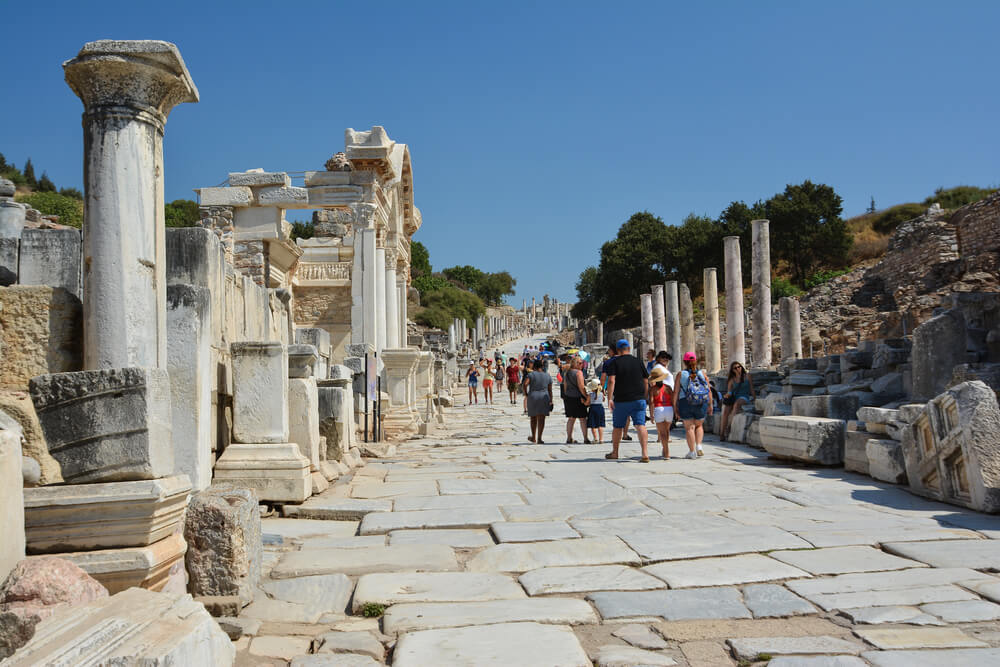
Curetes Street ran about 690 feet and was roughly 30 feet wide, with shops behind porticoes. The shops on the south side were two stories tall and set into the hillside.
A drainage channel ran along the street, and a mosaic portico added to its appeal. It ran from the Hercules Gate to the Library, and in antiquity it was called the Embolos.
The Colonnaded Street at Petra
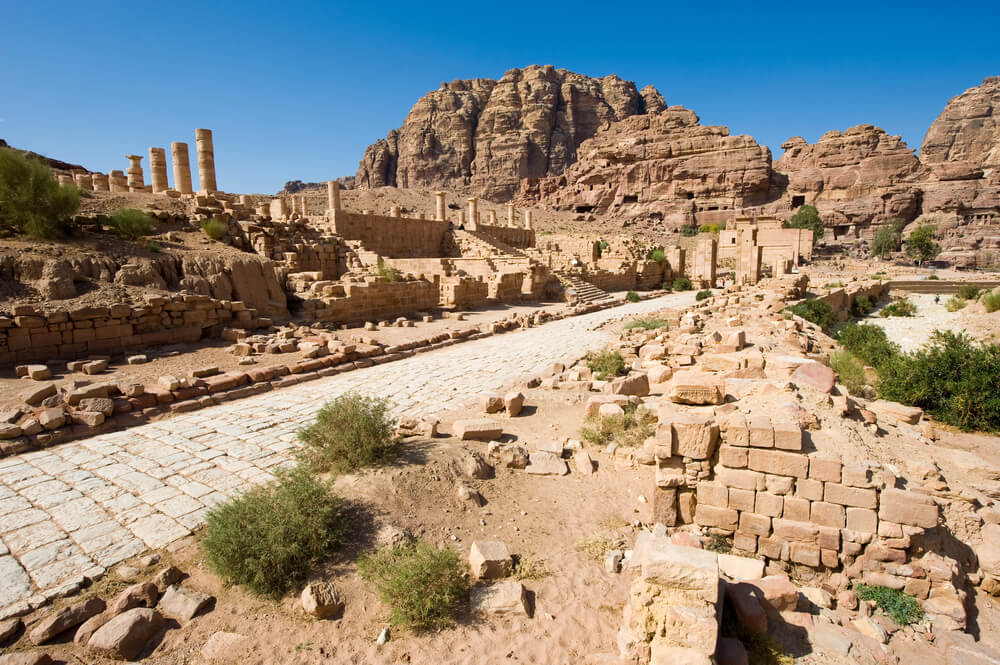
Petra’s colonnaded street was built around AD 106 and is Nabataean in origin. A water channel ran beside it, and the shops along it were restored in 1998.
The street is about 900 meters long. Today members of the Bedul Bedouin sell souvenirs from the same spots.
Jerash’s Cardo
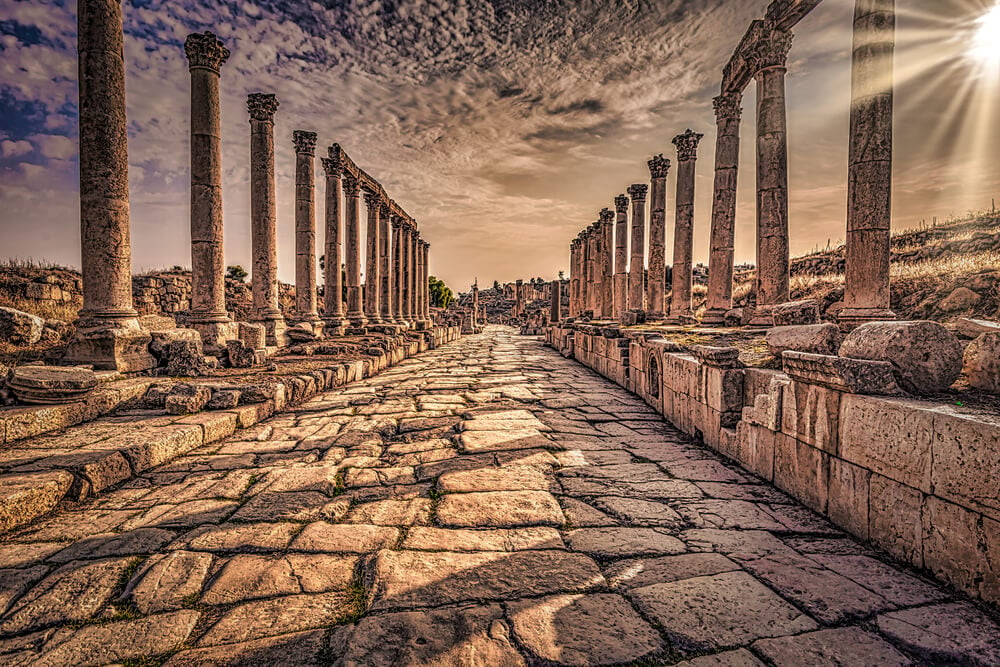
Jerash’s main cardo had a macellum, or meat and produce market, entering directly off it. Numerous shops lined the road.
The street is among the best preserved in the Roman East.
Palladius Street, Beit She’an
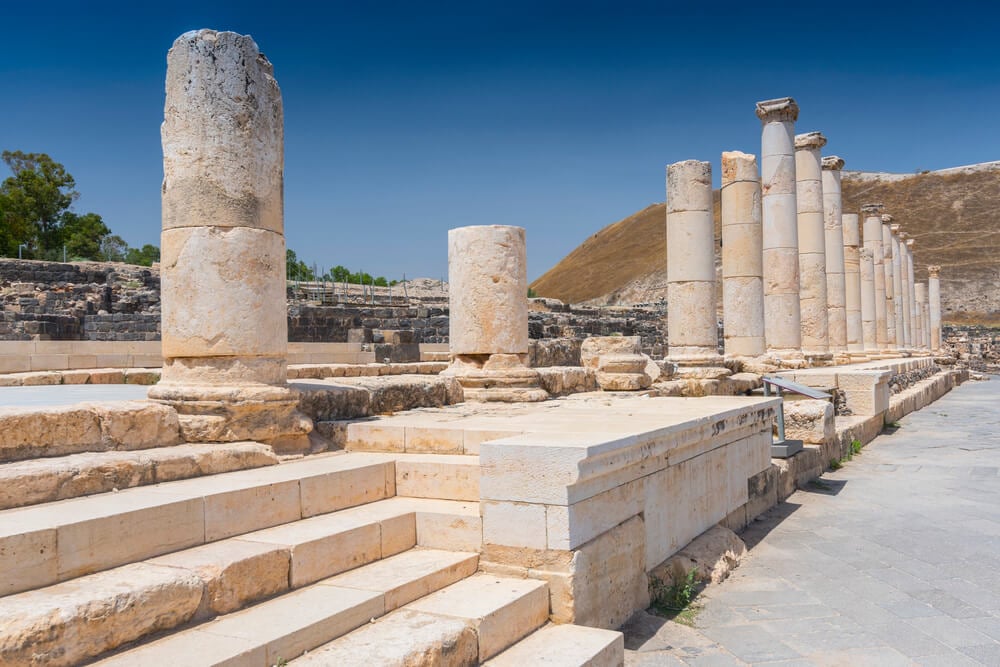
Palladius Street at Beit She’an was paved and lined with shops. It had a raised, roofed sidewalk and a colonnade about 150 meters long.
The covered walkway made shopping comfortable in a hot climate.
The Cardo of Jerusalem
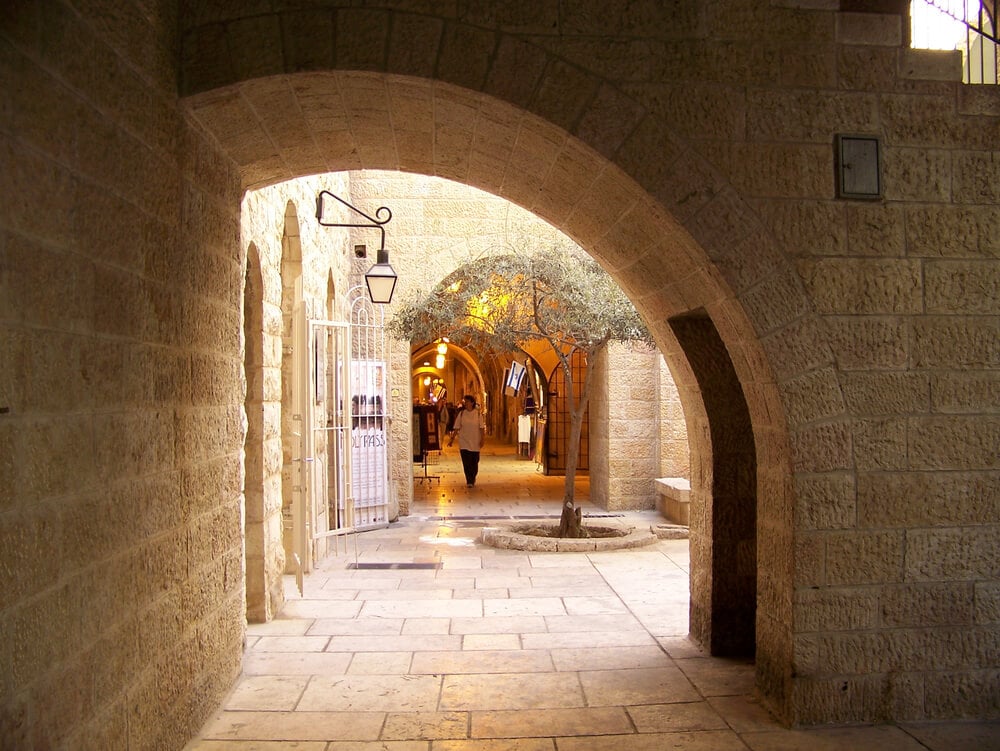
Jerusalem’s Cardo runs from Damascus Gate through the Jewish Quarter and was about 22.5 meters wide. It lies roughly 2.5 meters below the modern street and appears on the Madaba Map.
Shops and arches survive for visitors today.
Via dell’Abbondanza, Pompeii
— Photo by claudiodivizia
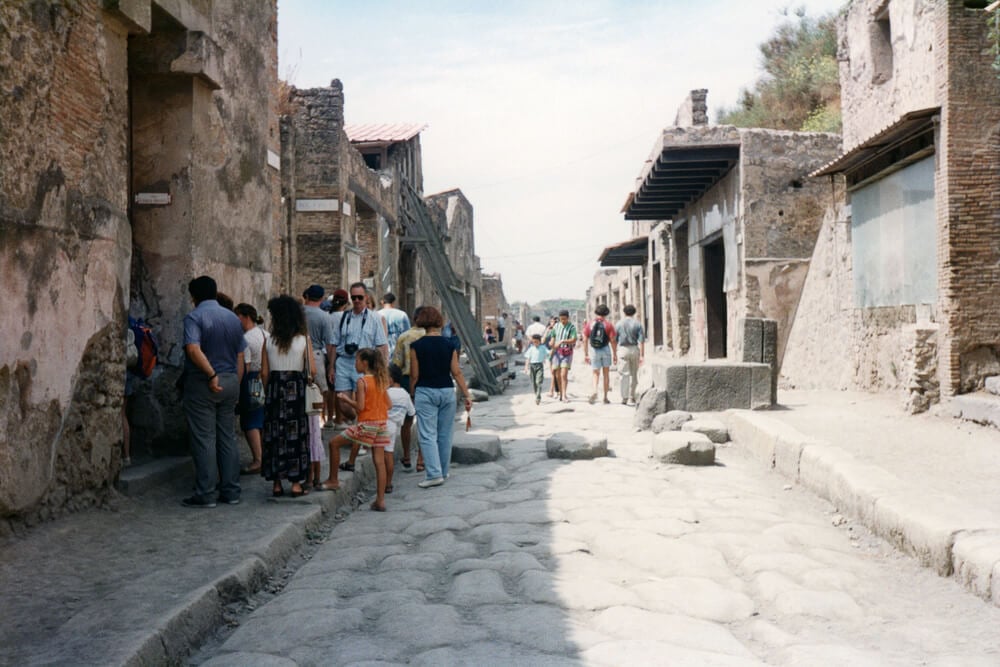
A 253-meter stretch of Pompeii’s Via dell’Abbondanza held 64 shops. It includes the thermopolium of Vetutius Placidus, and Asellina’s thermopolium, uncovered in 1911.
Archaeologists have found 83 thermopolia across Pompeii in all.
Herculaneum’s Main Street
— Photo by APHONUA
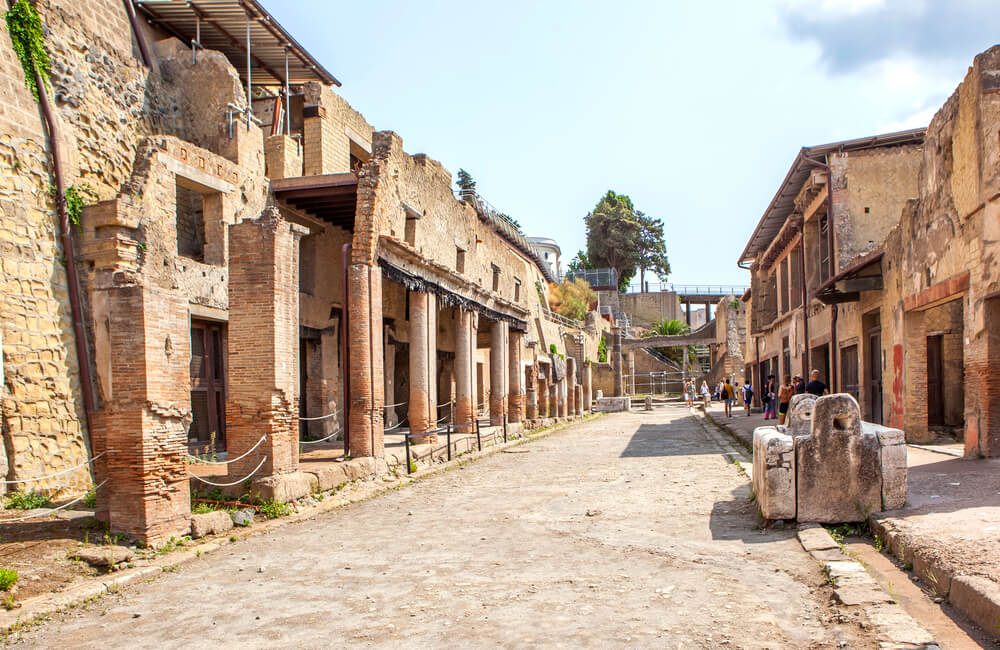
Herculaneum preserves a wine shop with racks still in place. A thermopolium has a butcher behind it, and front rooms along the main street were rented out.
The town’s small scale makes the commercial rhythm easy to picture.
Ostia Antica
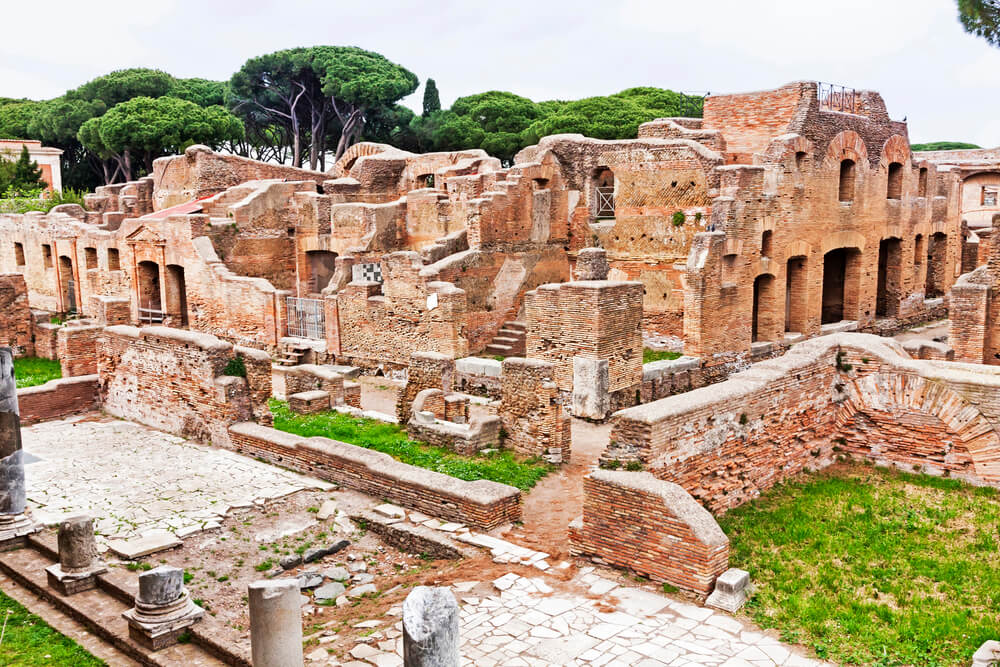
Ostia Antica has a fishmonger’s shop on its main street with fish mosaics set into the floor. The mosaics advertised the stock.
The port city shows how seafood reached Roman tables.
Trajan’s Markets, Rome
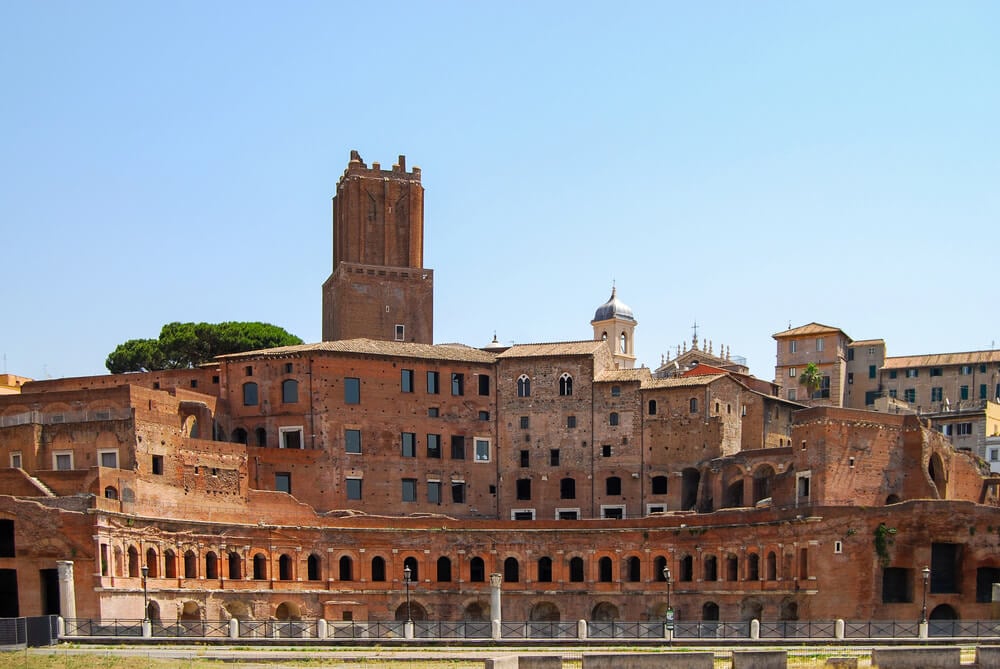
Trajan’s Markets contained over 150 shops across five levels, built into the Quirinal hillside. The terraced design used the slope rather than fighting it.
It is among the largest shopping complexes of the ancient world.
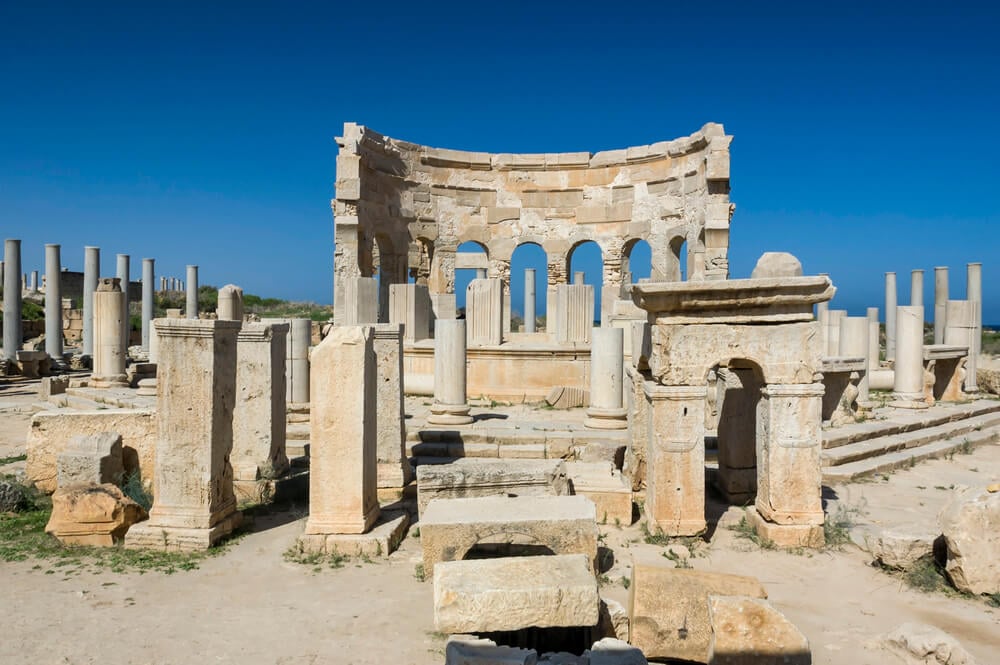
The Market at Leptis Magna
— Photo by giamplume
The market at Leptis Magna was built in 8 BC by Annobal Tapapius Rufus. It has two circular stalls and a measure table that lists the Punic cubit at 51.5 centimeters, the Roman foot at 29.6 centimeters and the Ptolemaic cubit at 52.5 centimeters.
The table let buyers check what they were getting.
The Sertius Market, Timgad
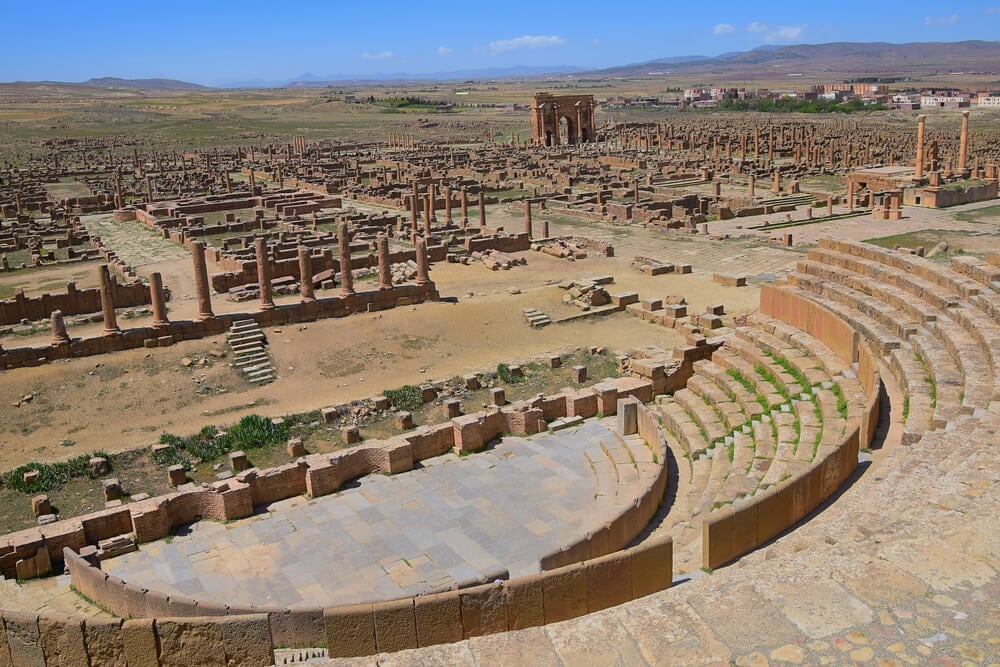
Timgad’s Sertius Market is a macellum with a hemicycle layout. The curved plan gave stallholders frontage around a shared space.
It sits in one of the best-preserved Roman towns in North Africa.
The Agora of the Italians, Delos
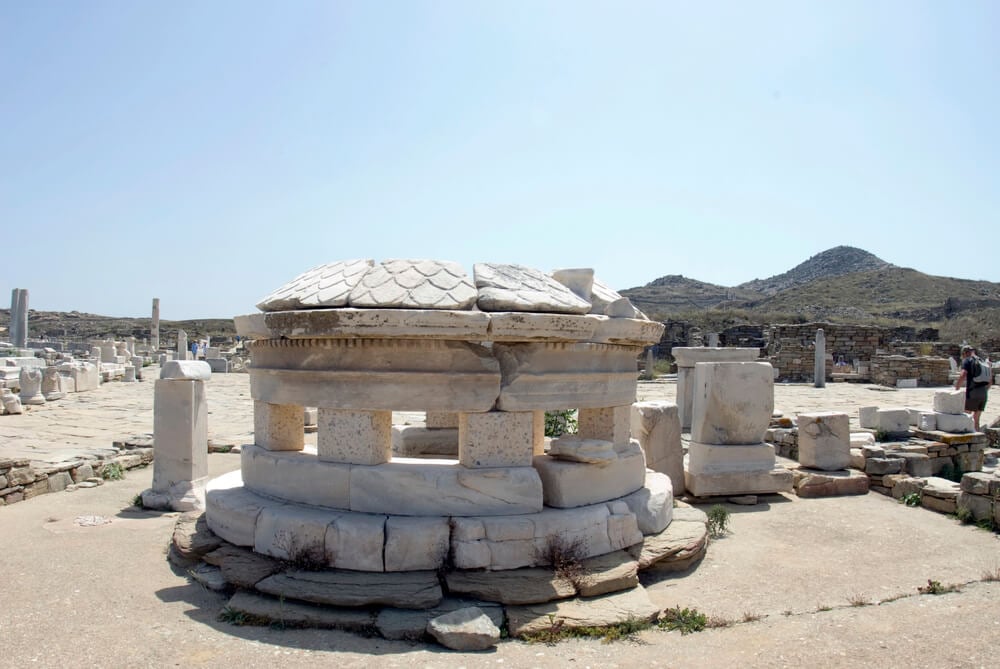
The Agora of the Italians on Delos covers about 6,000 square meters and was built around 130 to 120 BC. Rows of shops faced the surrounding streets.
The complex served merchants from Italy trading on the island.
The Great Colonnade, Palmyra
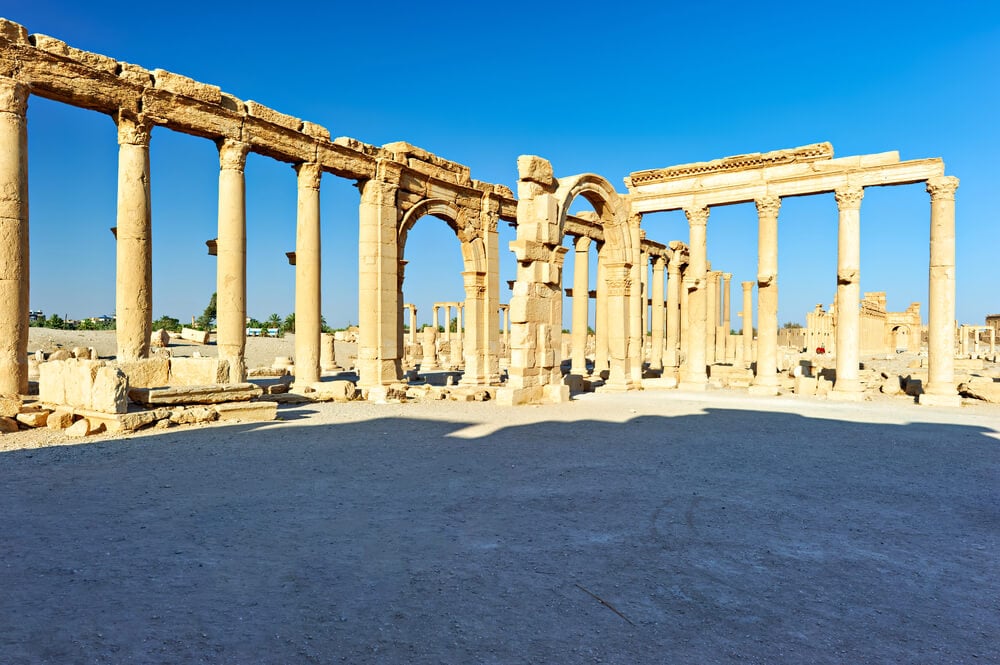
Palmyra’s Great Colonnade stretches over one kilometer and was flanked by shops. It was the city’s main artery.
Walking its length gives a sense of the scale of the caravan trade.
Shops That Outlived Their Customers
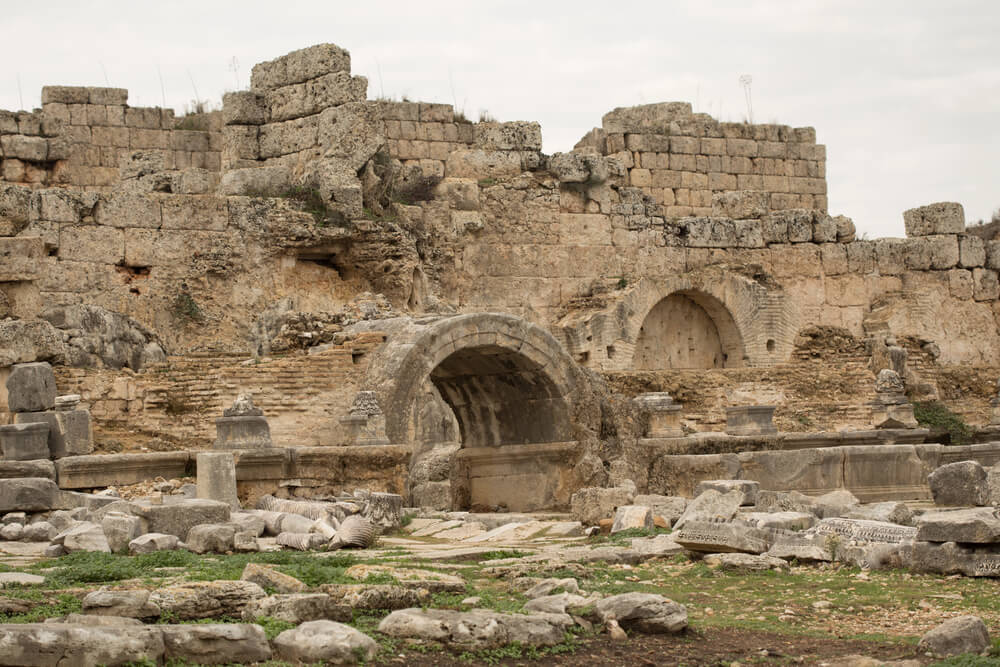
Ruins usually preserve temples and palaces better than daily life. Shops are different, because counters, drains and measuring tables keep the evidence of ordinary transactions.
They show how people bought food, wine and cloth. These streets also reveal how much planners cared about shoppers.
Colonnades gave shade, channels carried water away and markets were laid out for easy browsing. The best commercial design of the ancient world still makes sense today.
More from Go2Tutors!

- 27 Silver Dollars and Half Dollars Worth Keeping
- 28 Restaurant Menu Items Nobody Orders Anymore
- 17 Places Built in Seemingly Impossible Spots
- 27 Vintage Rings Worth More Than They Look
- 25 Restricted Sites Tourists Can’t Enter
Like Go2Tutors’s content? Follow us on MSN.