Tallest Observation Towers Built in America
Towers made for looking around stand tall, not just to catch eyes. Rising past rooftops gives you a new way to take in cities, land, sometimes whole areas at once.
Across America, they started as quick attractions during festivals. Now they’re known as landmarks where bold design meets practical purpose.
Decades on, certain structures continue to define city outlines. Built originally for global exhibitions, they stood tall where change was needed most.
Over time, these forms became landmarks without trying, guiding first impressions of entire regions through sheer presence alone. Peering up reveals something more than height – each of these American giants carries whispers from its rise.
Some grew fast, others fought slow battles against wind and doubt. One stands where farmland used to breathe.
Another rose when cities chased the sky. Each step upward left marks not just on skylines, but in quiet moments below.
Steel didn’t only shape them – time did too.
CN Tower’s American Counterpart: The Stratosphere Tower

The tallest freestanding observation tower in the United States is the Stratosphere Tower, now known as The STRAT Tower. Completed in 1996, it rises 1,149 feet above the Las Vegas Strip.
Its needle-like silhouette is visible from miles away, punctuating a skyline otherwise defined by themed resorts and neon spectacle. Unlike most urban towers, the Stratosphere pairs observation decks with thrill rides perched hundreds of feet above ground.
The design leans into Las Vegas’s appetite for drama. Still, beyond the rides and restaurants, the tower functions as a literal overview of a city built on reinvention.
Space Needle

Completed for the 1962 World’s Fair, the Space Needle stands 605 feet tall and remains one of the most recognizable silhouettes in American architecture. Its saucer-shaped top and slender legs were intentionally futuristic, reflecting mid-century optimism about space exploration and technological progress.
Though shorter than modern skyscrapers, the Space Needle retains cultural weight. Renovations in recent years replaced solid walls with glass panels and rotating floors, ensuring that the experience remains contemporary.
More than six decades later, it still defines Seattle’s visual identity.
Gateway Arch
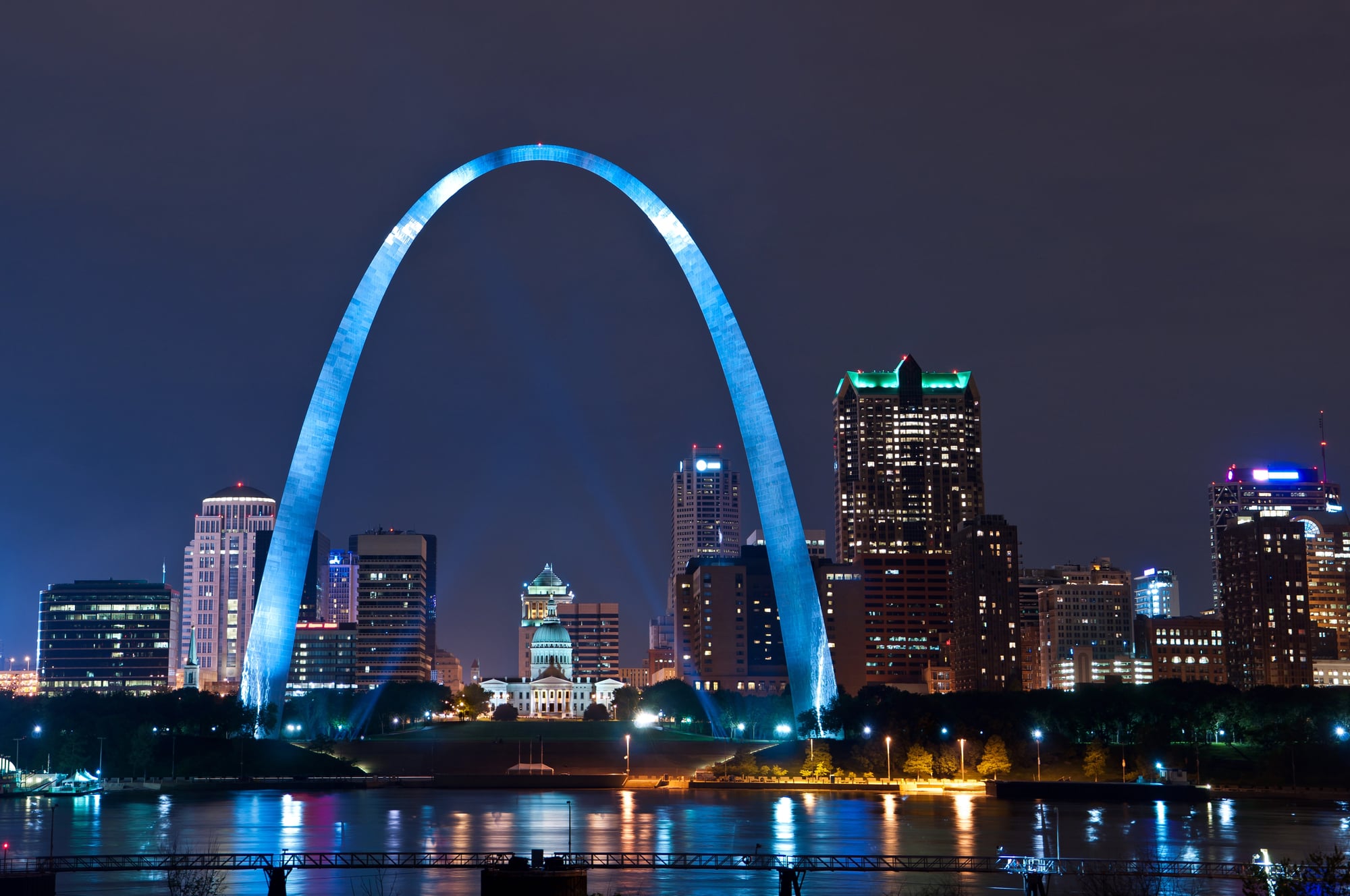
At 630 feet, the Gateway Arch is technically a monument rather than a traditional tower, yet it functions as an observation structure. Completed in 1965, the stainless steel arch symbolizes westward expansion and stands along the Mississippi River.
Visitors ride a compact tram system to an observation deck at the apex, where narrow windows frame the city below. The structure’s clean curve distinguishes it from vertical towers.
Its height and engineering precision make it both sculpture and vantage point.
Tower Of The Americas

San Antonio’s Tower of the Americas rises 750 feet and was built for the 1968 HemisFair. At the time, it represented a bold statement of modernization for the city.
The tower includes an observation deck and revolving restaurant, features common in mid-20th-century tower design. Positioned near the River Walk, it anchors the skyline without overwhelming it.
Decades later, it continues to function as both tourist attraction and urban landmark.
Reunion Tower
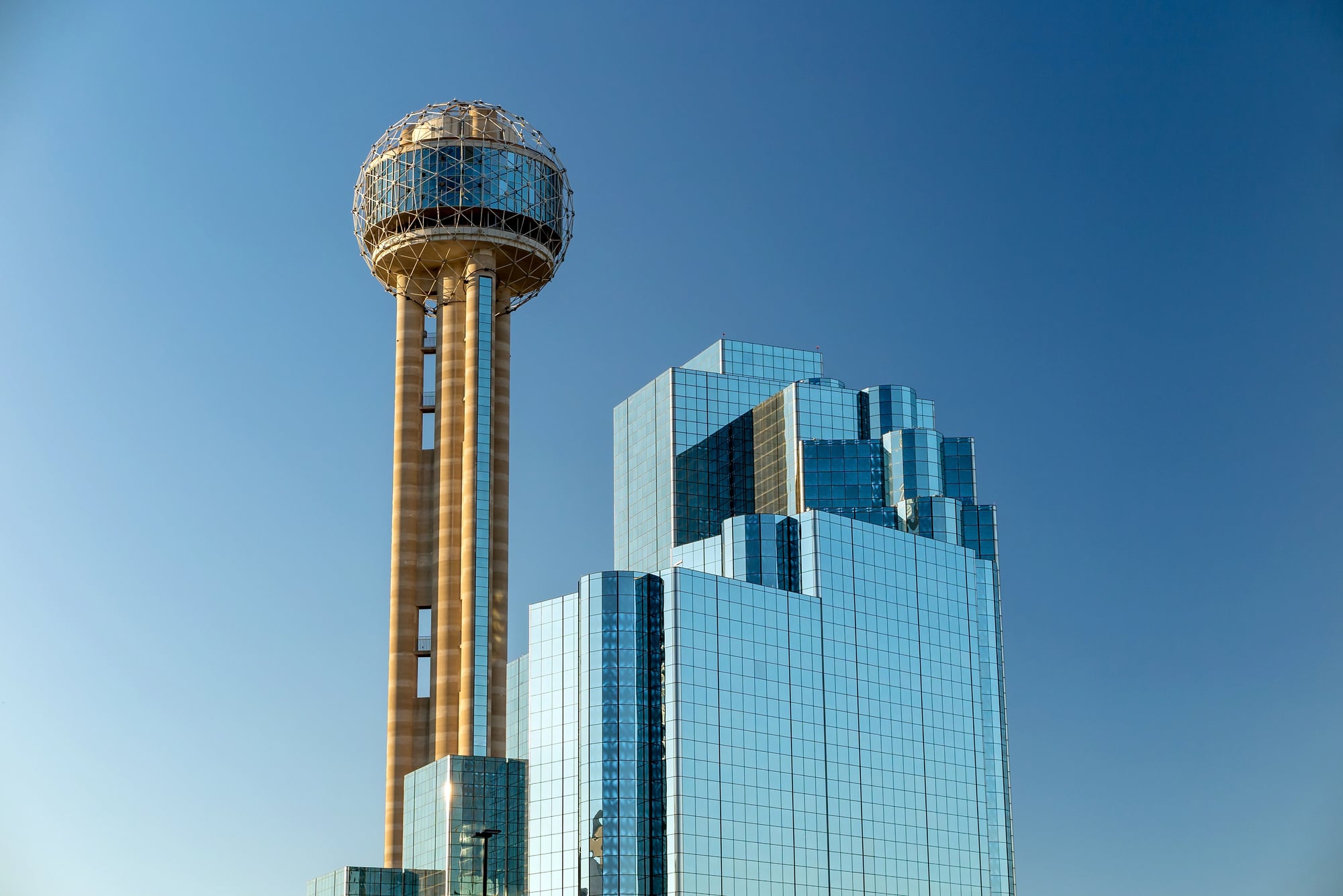
In Dallas, Reunion Tower climbs 561 feet and is instantly recognizable by its geodesic sphere crown. Completed in 1978, the tower reflects the late 20th century’s fascination with bold shapes and illuminated night skylines.
The sphere houses an observation deck and dining spaces, offering panoramic views across the city’s expanding grid. Though surrounded by taller office buildings, Reunion Tower maintains symbolic prominence because of its distinctive design.
SkyView Atlanta
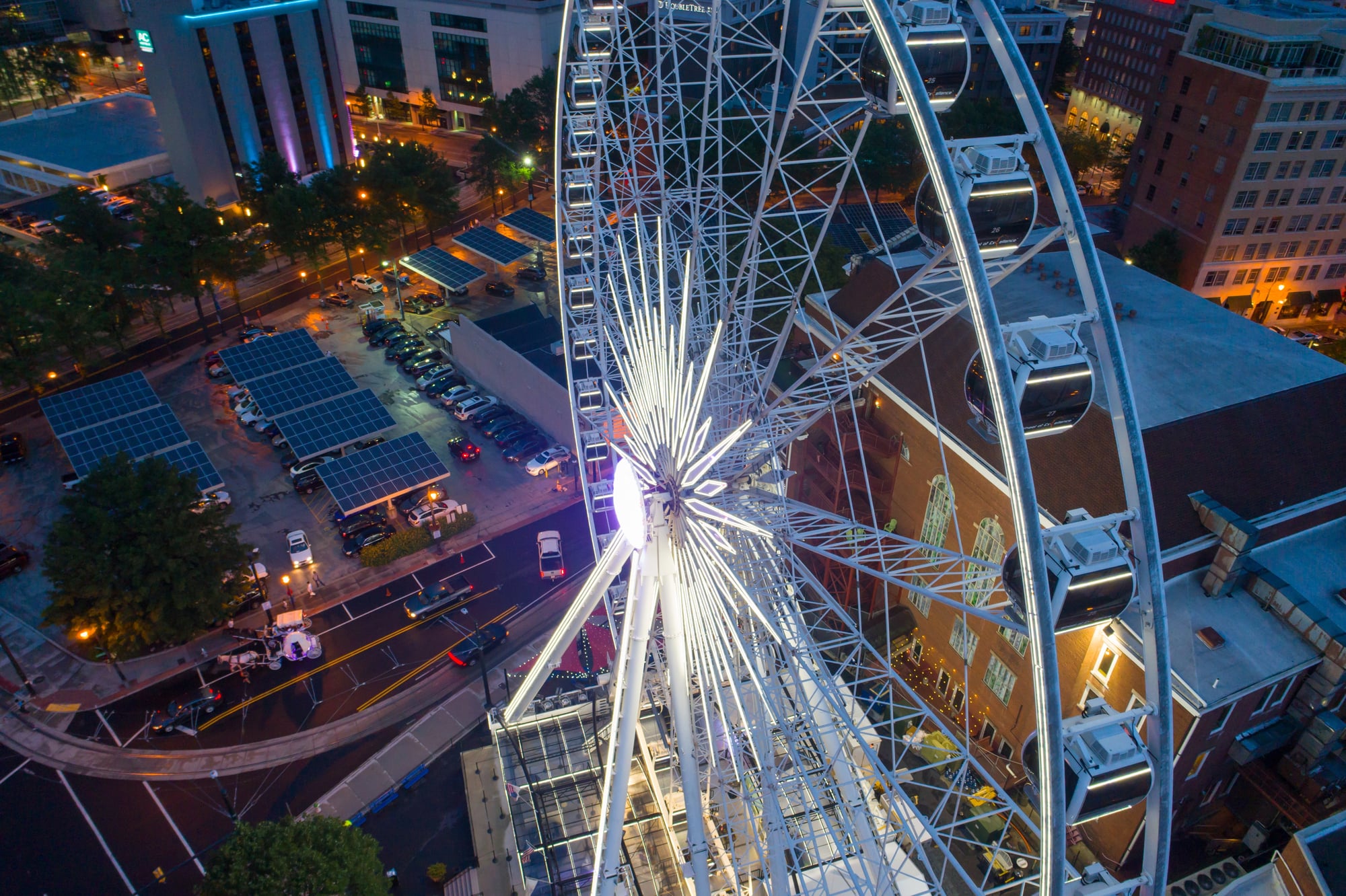
While not towering by comparison to older icons, SkyView Atlanta offers a different approach to observation. Standing nearly 200 feet tall, this Ferris wheel-style structure provides rotating views of Centennial Olympic Park and the surrounding skyline.
Its scale is modest relative to traditional towers, yet it illustrates how observation experiences continue to evolve. Modern visitors often seek immersive, moving perspectives rather than static platforms.
Americas Tower

At 750 feet, the Tower of the Americas remains one of the tallest observation structures in the southern United States. Its slender concrete shaft and circular top reflect a design language common to fair-era towers, where height symbolized progress.
Even as surrounding development has expanded, the tower retains visual dominance. Its endurance demonstrates how structures built for temporary expositions can become permanent civic fixtures.
Skylon Tower

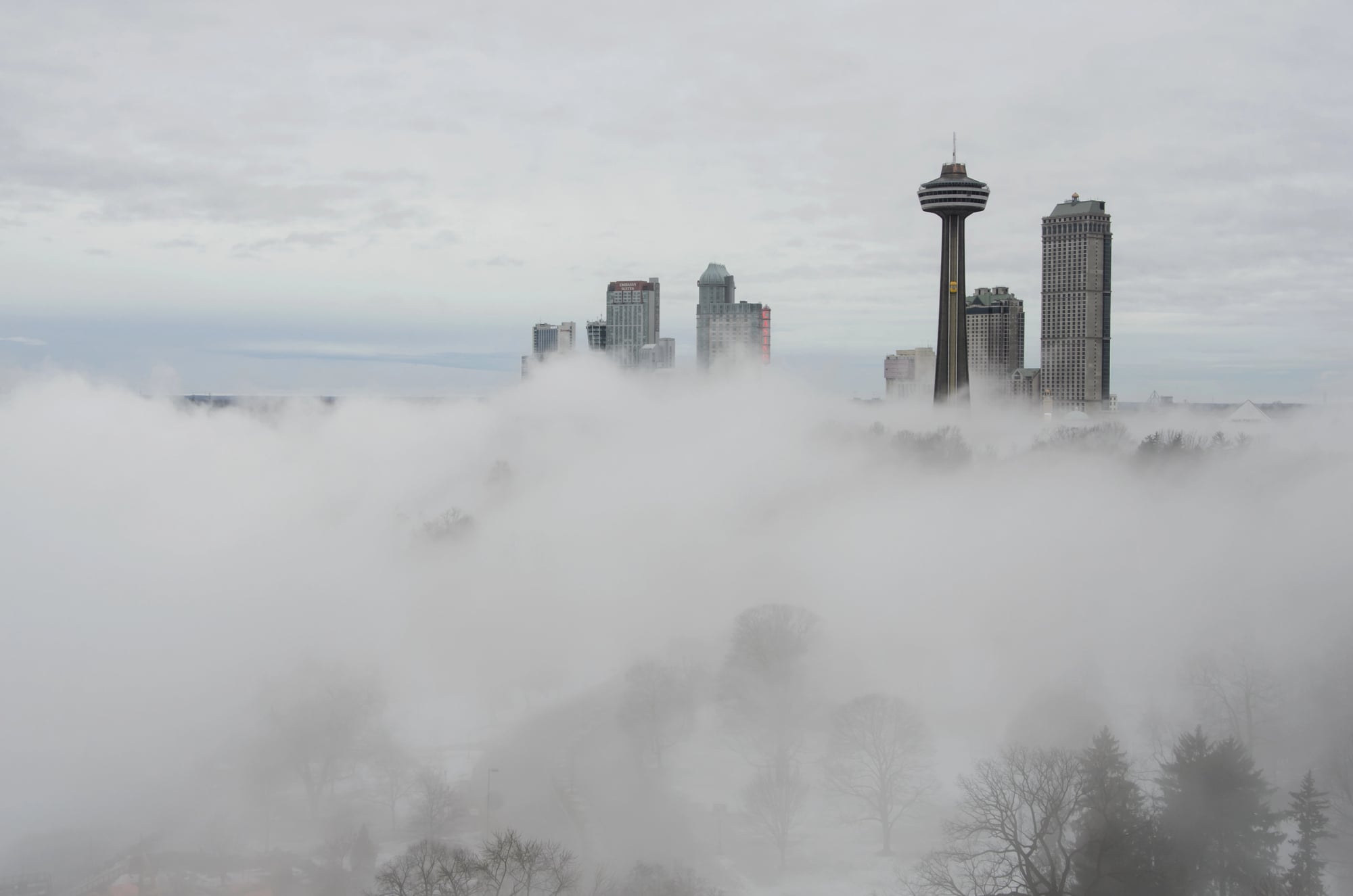
Located just across the border in Canada, the Skylon Tower often appears in discussions of North American observation structures, but within the United States, Niagara Falls is anchored by American-side observation decks rather than comparable freestanding towers. The contrast underscores how American cities have often integrated observation experiences into mixed-use developments instead of isolated spires.
This approach reflects a broader shift. Observation is no longer solely about height.
It is increasingly tied to entertainment complexes, hospitality spaces, and urban revitalization efforts.
Modern High-Rise Observation Decks

Although not standalone towers, observation decks in skyscrapers such as One World Trade Center have redefined vertical viewing experiences. Rising 1,776 feet, the building’s observatory offers one of the highest public vantage points in the country.
These decks blur the line between tower and office building. Instead of isolated structures, height becomes integrated into broader commercial and memorial spaces.
The emphasis shifts from novelty to narrative.
Stratosphere’s Height In Context
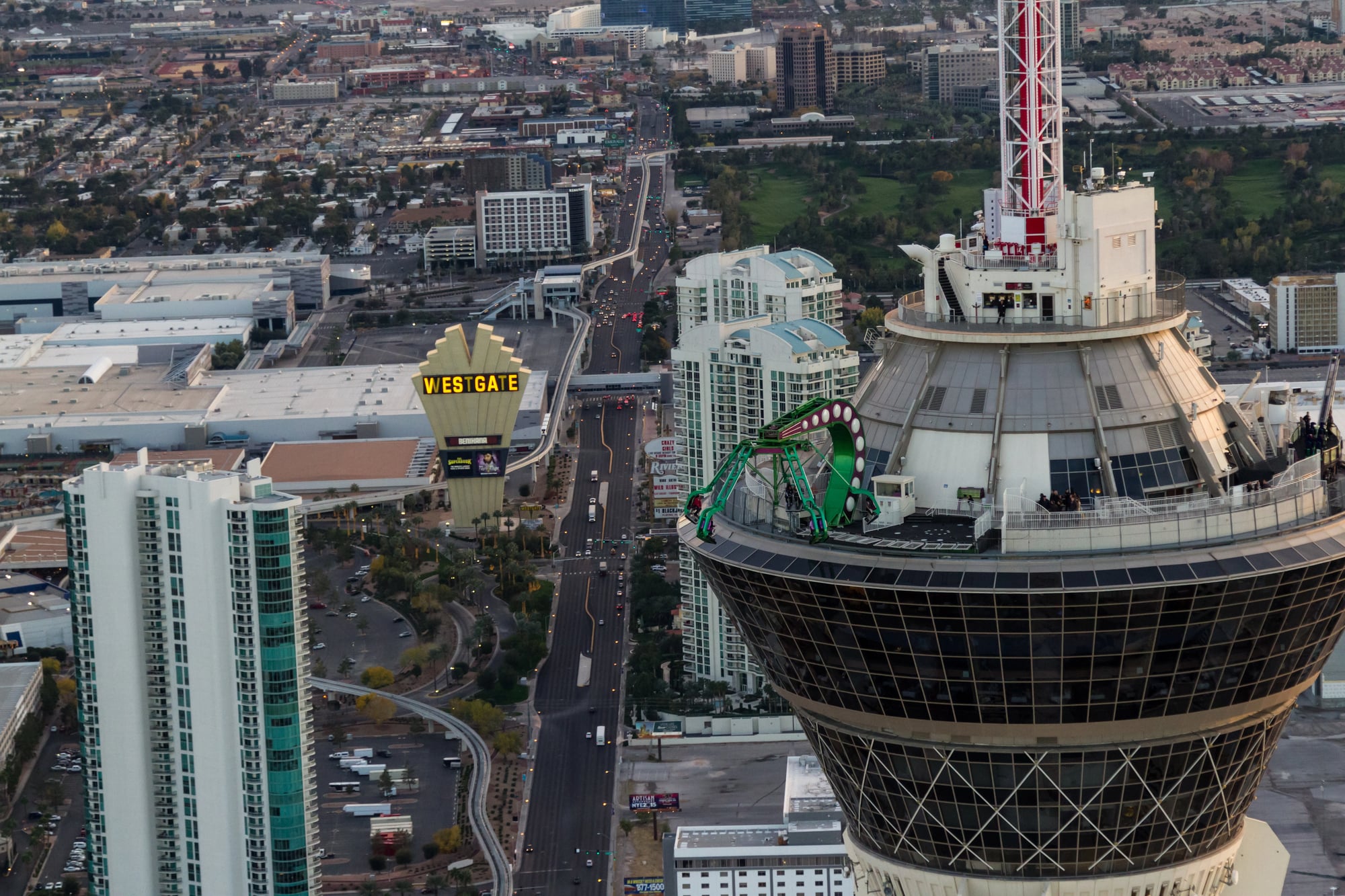
At 1,149 feet, the Stratosphere Tower remains the tallest freestanding observation tower in the United States. That distinction matters because many taller structures are classified as buildings rather than towers due to their occupiable floor space.
Freestanding towers prioritize vertical presence and observation rather than office or residential capacity. The difference may seem technical, yet it defines how these structures are engineered and categorized.
Engineering Behind The Height
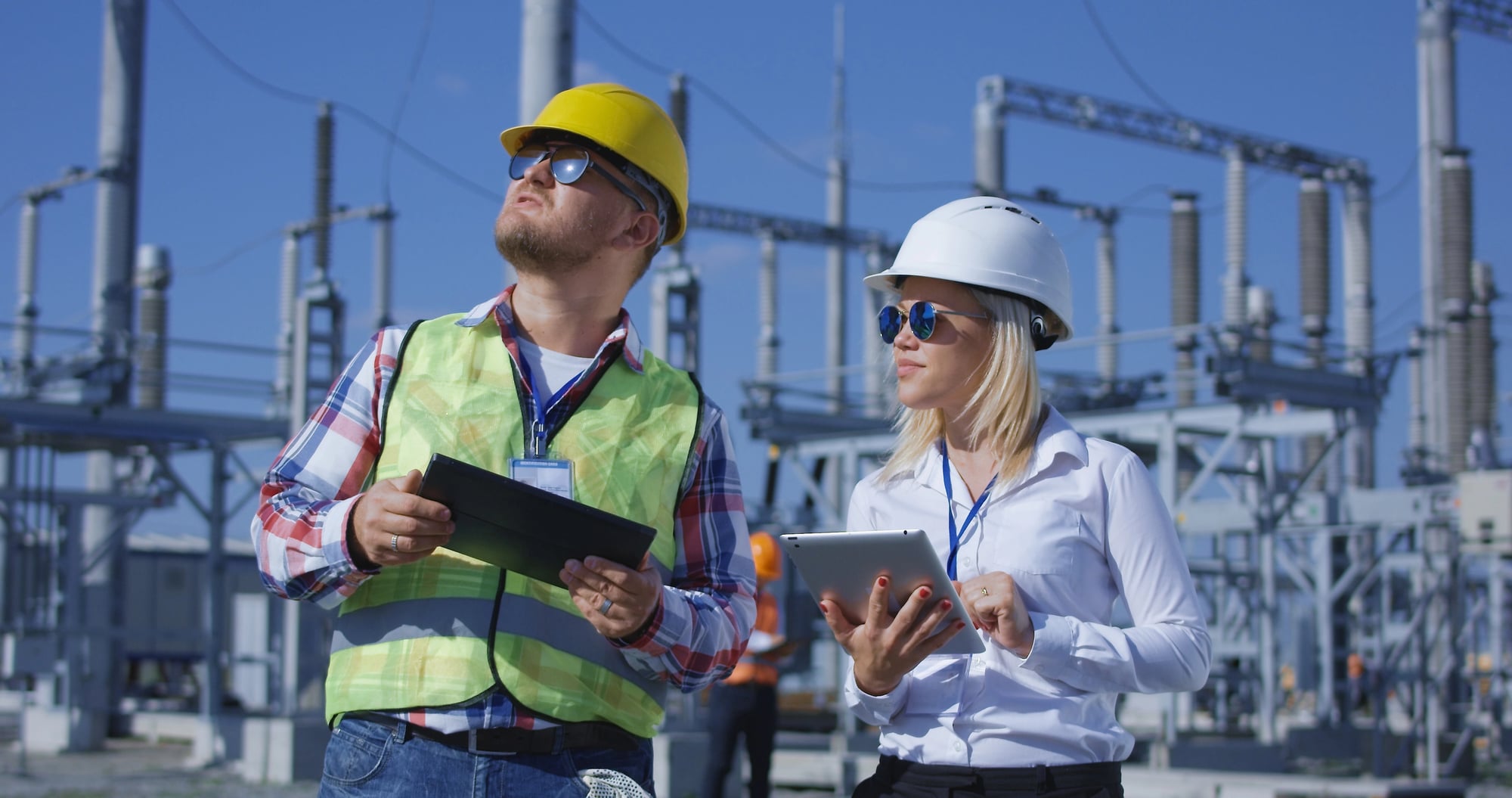
Observation towers must balance slender profiles with wind resistance. Engineers rely on reinforced concrete cores, tuned mass dampers, and flexible design principles to withstand lateral forces.
In hurricane-prone or seismic regions, those considerations become even more complex. Unlike skyscrapers with distributed floor plates, towers concentrate weight along a central shaft.
This creates distinct structural challenges. Stability must be achieved without the broad base of conventional high-rises.
From Fairgrounds To Skylines

Many of America’s tallest observation towers trace their origins to world’s fairs or international expositions. These events encouraged bold experimentation, offering cities a chance to showcase innovation on a global stage.
Over time, the temporary spectacle became permanent infrastructure. Towers originally built as symbols of optimism transitioned into everyday landmarks.
Their meaning shifted from futuristic promise to historical continuity.
Why Height Still Matters

In an era dominated by digital mapping and drone photography, physical observation towers might seem less essential. Yet standing above a city produces a visceral understanding that screens cannot replicate.
Wind, sound, and shifting light create a multi-sensory experience. Height reframes familiar streets into patterns.
Rivers curve like ribbons. Highways resemble threads stitched through neighborhoods.
The perspective fosters both awe and orientation.
Steel And Sky
The tallest observation towers built in America reveal more than engineering ambition. They reflect moments in history when cities sought to define themselves through vertical expression.
Whether constructed for a world’s fair, a tourism district, or urban redevelopment, each tower captures a snapshot of its era’s priorities. Even as newer skyscrapers surpass them in raw height, freestanding towers maintain symbolic clarity.
They are built to be seen, to be visited, and to offer a pause above the ordinary rhythm of streets below.
Above The Horizon

Above the trees, steel frames stand tall where people climb to look out. Not just sightseeing happens up there but understanding grows when landscapes spread below.
Rivers twist like threads while highways cut straight lines across dirt and rock. Each stair climb shifts what you notice about cities built block by block.
Height changes how pieces connect even if the ground stays far away. Towers still stand tall while cities grow around them.
From up there, what looks chaotic down below starts making sense. When you’re high enough, small things fit together differently.
Seeing it all shift might just be the whole point. The way a city reveals itself depends on where you’re looking.
More from Go2Tutors!

- The Romanov Crown Jewels and Their Tragic Fate
- 13 Historical Mysteries That Science Still Can’t Solve
- Famous Hoaxes That Fooled the World for Years
- 15 Child Stars with Tragic Adult Lives
- 16 Famous Jewelry Pieces in History
Like Go2Tutors’s content? Follow us on MSN.



