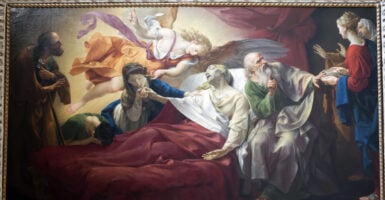
13 Medieval Artworks That Show Ordinary Daily Life
Most surviving medieval art honors saints, kings and God, but some of it looks at the people who plowed fields, wove cloth and shoveled out barns. Calendars, margins and carved stone captured their routines. The works below are among the best windows onto ordinary work and homes.
Many were commissioned by wealthy patrons, so the scenes tend to be idealized. Even so, the details of tools, clothes and buildings remain a rich source for historians.
Très Riches Heures du Duc de Berry
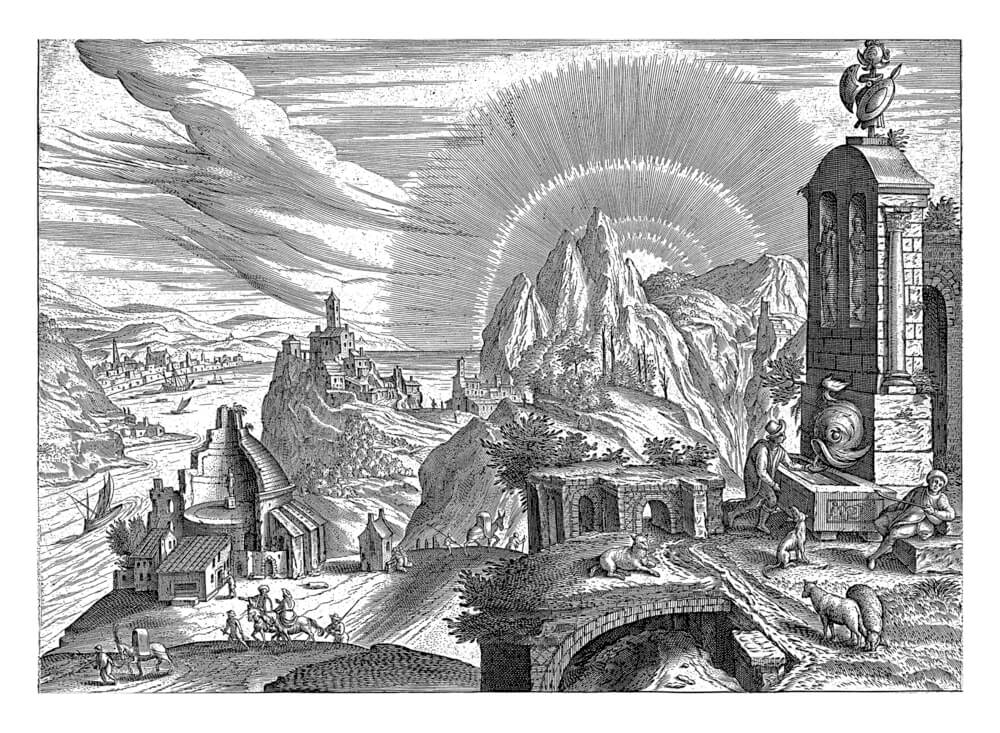
The Limbourg brothers painted this prayer book around 1412 to 1416, and it is now in the Musée Condé as MS 65. Its calendar months show peasants at work, with February showing the inside of a peasant home. August pairs a court hunt with falcons against a background of harvesting. The November scene shows pigs eating acorns on folio 11v.
The Luttrell Psalter
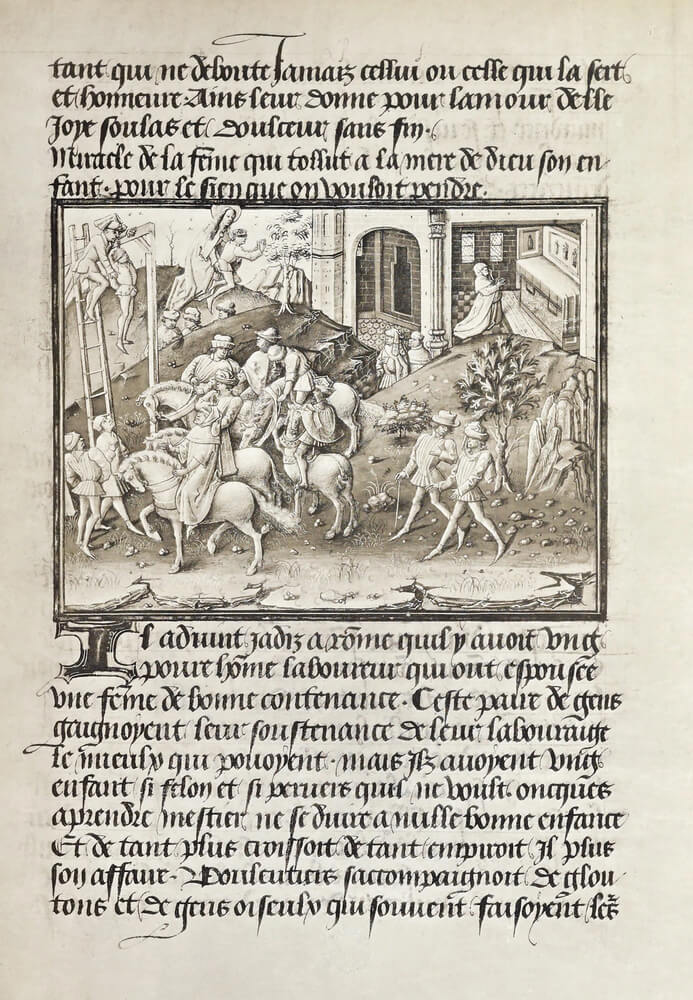
Sir Geoffrey Luttrell, lord of the manor of Irnham in Lincolnshire, commissioned this psalter between 1320 and 1345. The British Library holds it as Add MS 42130, and it has over 800 images. Its pages show ploughing, weeding, a watermill and women spinning, along with humorous scenes such as a wife beating her husband with a spinning rod. Scholars now see its rural scenes as idealized versions of reality.
The Psalter of Lambert le Bègue
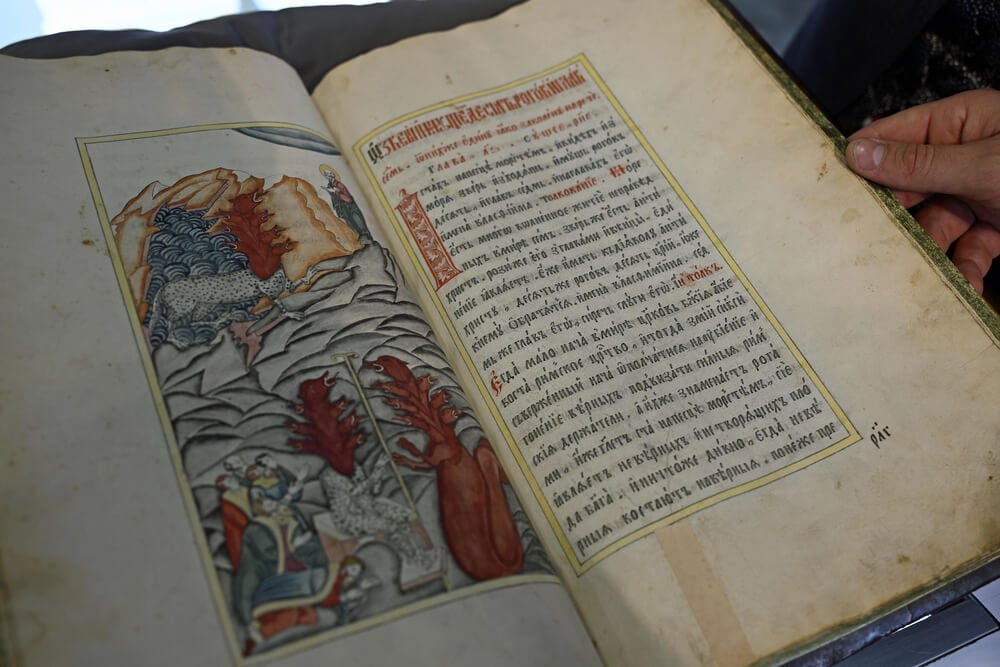
— Photo by thenews2.com
The Psalter of Lambert le Bègue, British Library Add MS 21114, has a calendar that shows a reaper for July. It belongs to a tradition of calendars with peasant scenes dating from the 13th century. The picture links the month to the work of the season.
Isabella of Castile’s Breviary
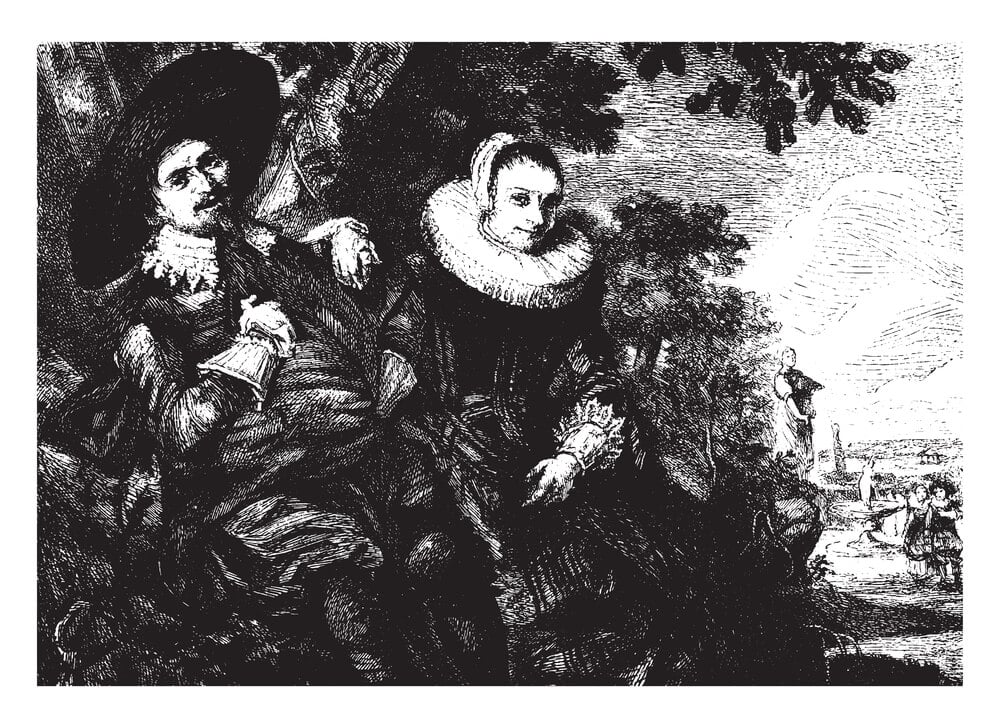
Isabella of Castile’s Breviary, British Library MS 18851, belongs to the same calendar tradition. Its months pair seasonal labors with the church year. It shows that ordinary work appeared in the books of queens.
Chartres Cathedral
— Photo by packshot
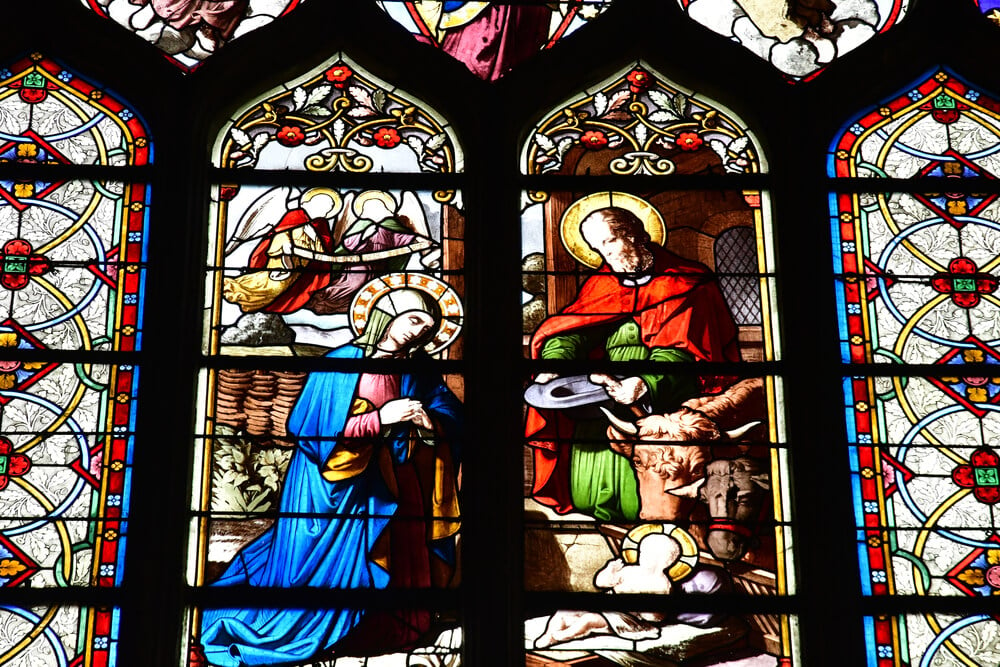
Chartres Cathedral shows the labors of the months in the archivolts of a portal and in its windows. The scenes are carved and glazed into the building itself. Farm work therefore sits alongside religious subjects at one of Europe’s greatest churches.
Carlisle Cathedral
— Photo by ibrester
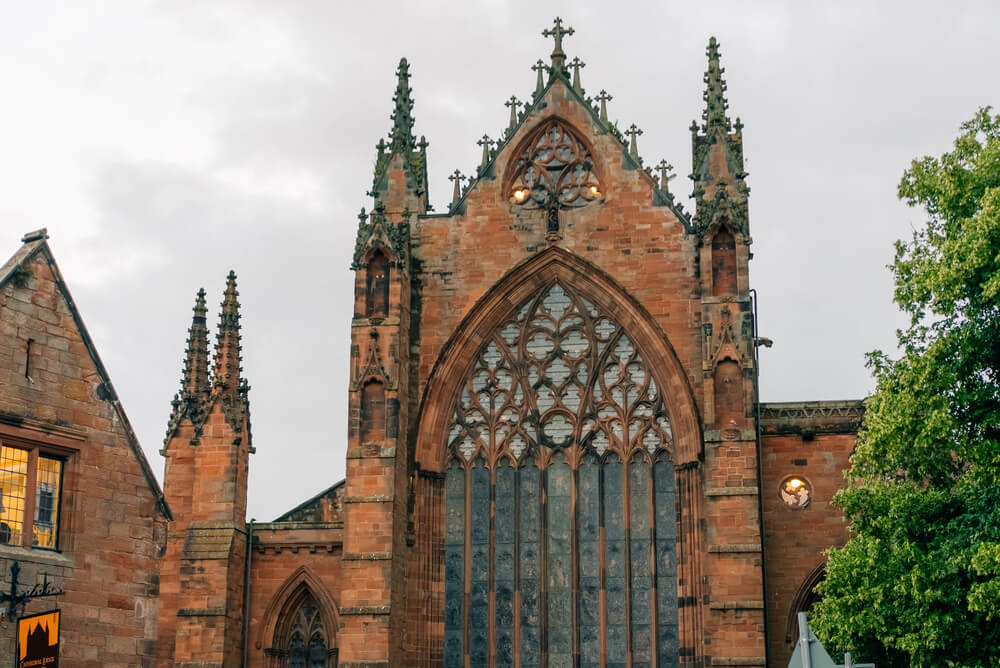
The choir capitals of Carlisle Cathedral carry carved scenes of the labors of the months. The stone figures show seasonal work at the top of the columns. Few visitors look up far enough to notice.
Fontana Maggiore, Perugia
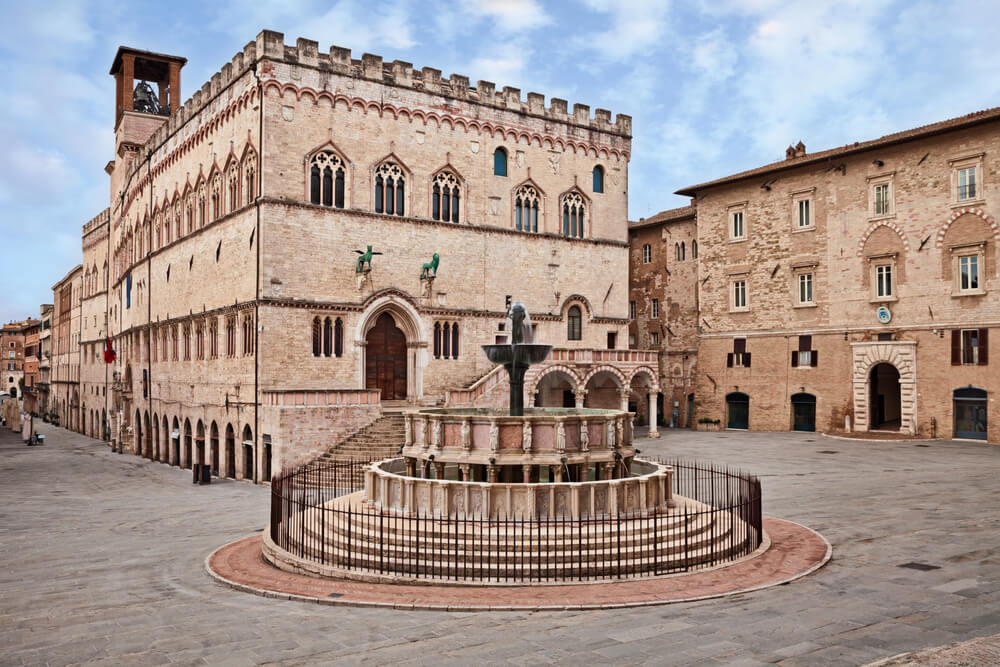
The Fontana Maggiore in Perugia features relief panels of the months, with seasonal labor. The fountain stands at the center of the city’s public life. Its carvers put farm work on a civic monument.
Effects of Good Government in the City
— Photo by kocetoilief
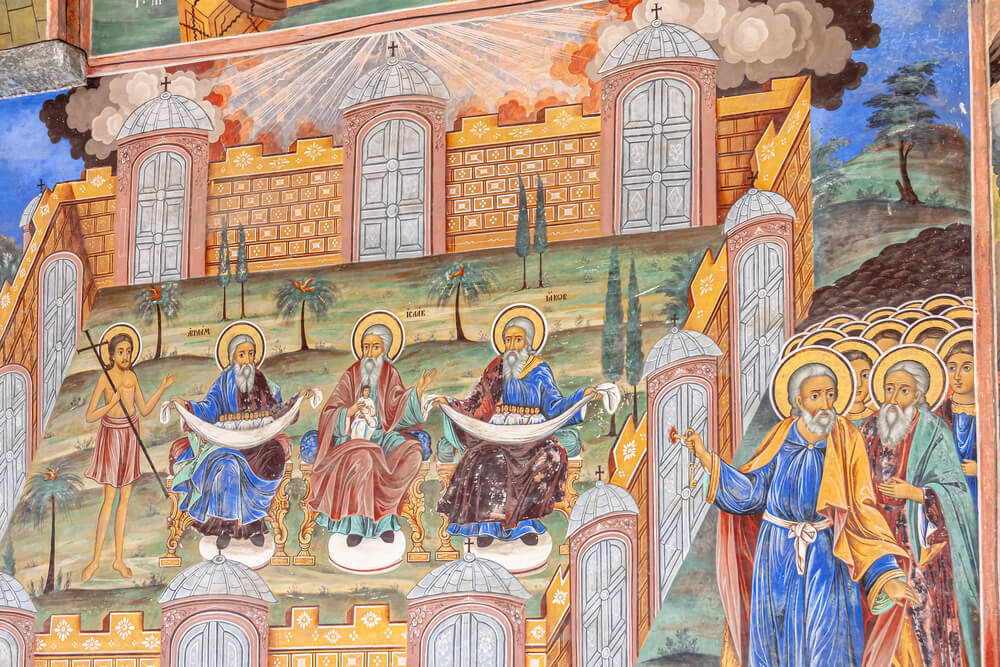
Ambrogio Lorenzetti painted this fresco in 1338 and 1339 in the Palazzo Pubblico in Siena. It shows an orderly city with shops, dancers and travelers. Siena had a population of about 50,000 before the 1348 Black Death. The painting presents a vision of what good rule could produce.
The Bayeux Tapestry
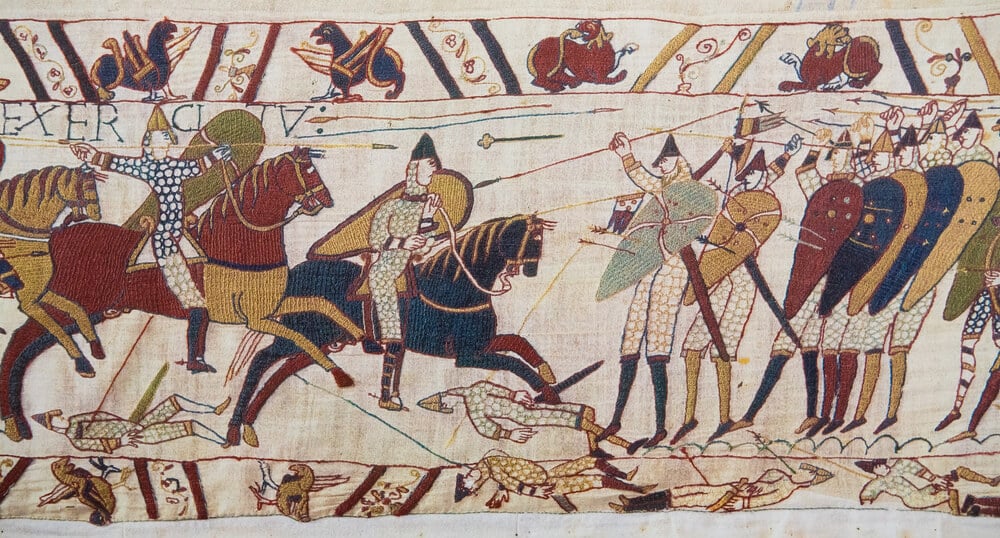
The Bayeux Tapestry is over 70 meters long and was likely made in the 1070s. After the Norman fleet arrives in England, three houses appear in the background. Historians study them for how ordinary buildings looked. The tapestry’s main story is war, but its margins hold daily detail.
The Hours of Catherine of Cleves
— Illustration by magdalena.paluchowska
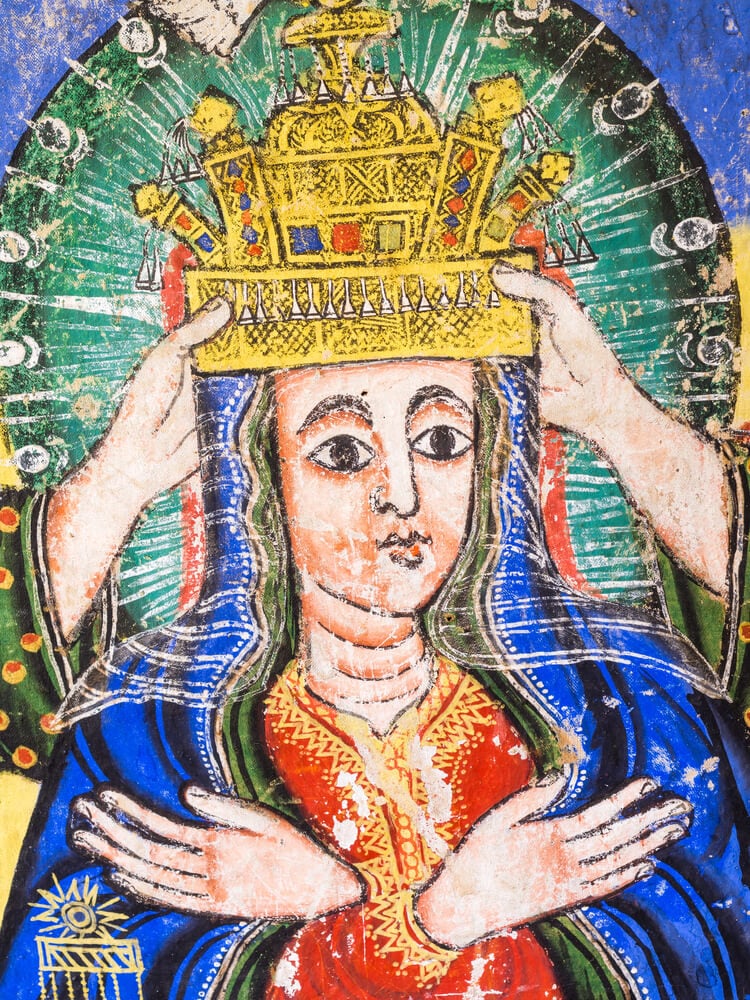
A page of the Hours of Catherine of Cleves in the Morgan Library, MS 917 page 149, shows Mary weaving while Joseph works as a carpenter. The baby Jesus sits in a walker. The scene transforms the Holy Family into a medieval household.
The Merode Altarpiece
— Photo by billperry
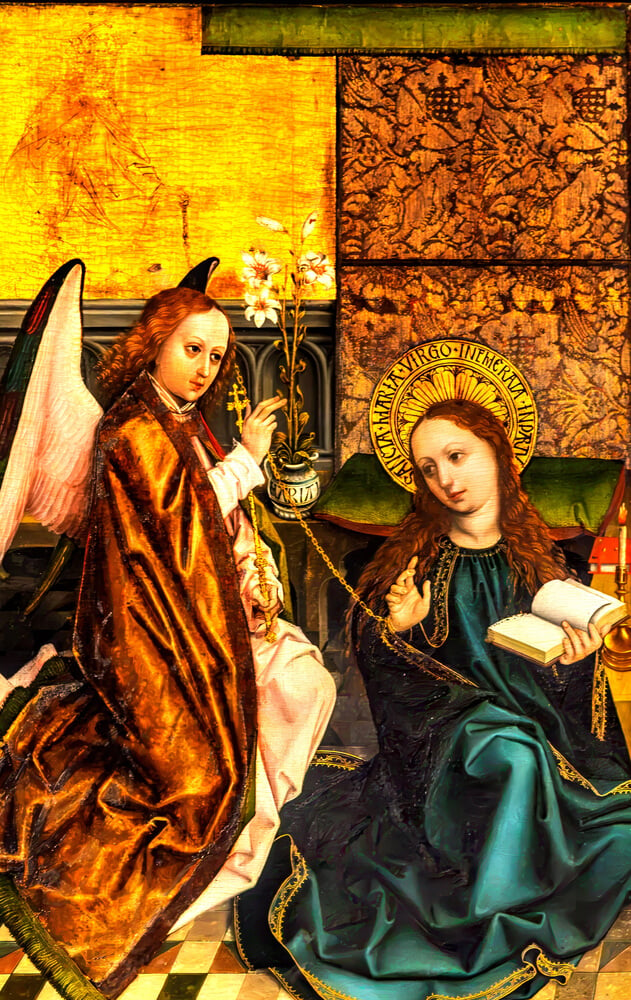
Robert Campin’s Merode Altarpiece, from the early 1400s and now at The Cloisters in New York, shows Saint Joseph at his bench surrounded by the tools of his trade. The painting gives a close view of a carpenter’s workshop. Everyday equipment fills the foreground.
The Castle of Labor

Jacques Bruyant’s Castle of Labor manuscript, made in 1430 to 1440 in the workshop of the Bedford Master, includes craftsmen among other laborers. The illustrations show their tools clearly. It is one of the more direct illustrations of working life in the period.
Along the River During the Qingming Festival
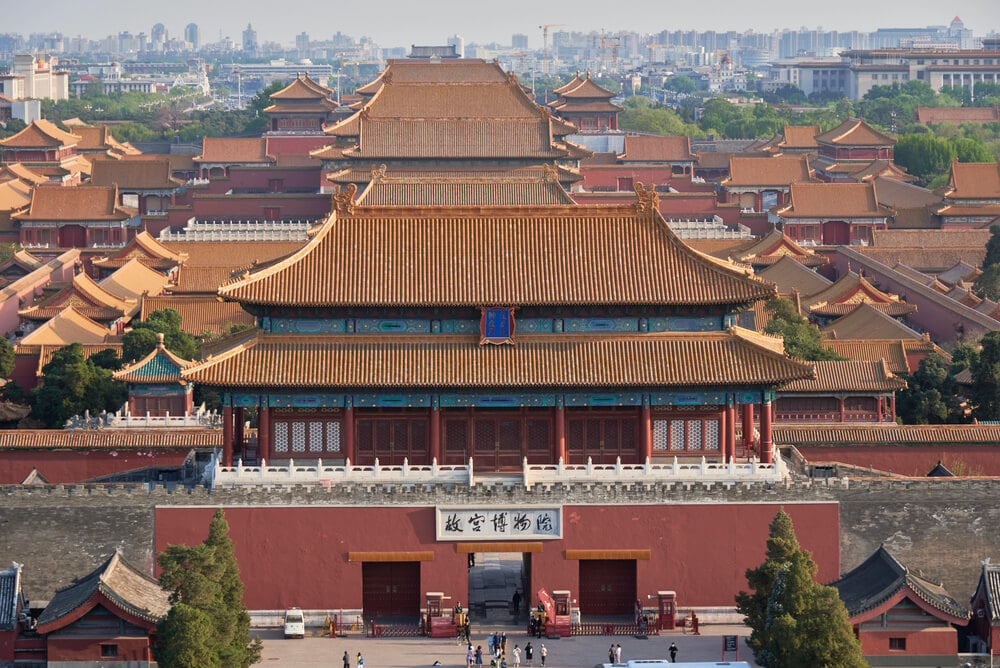
— Photo by kuzmire
Zhang Zeduan’s handscroll measures 25.5 by 525 centimeters and hangs in the Palace Museum in Beijing. It captures the daily life of Bianjing, today’s Kaifeng, during the Northern Song. It shows peddlers, jugglers, actors, paupers and monks. A boat about to hit a bridge forms its focal point.
The Work Behind the Pageant
Medieval artists were mostly paid to glorify. Yet they kept recording the plow, the loom and the market, usually at the edges of the page. Those margins are where the ordinary shows up.
The result is a visual record that no chronicle matches. It reminds viewers that behind every castle was a field, and behind every feast was someone doing the work.
More from Go2Tutors!

- 27 Silver Dollars and Half Dollars Worth Keeping
- 28 Restaurant Menu Items Nobody Orders Anymore
- 17 Places Built in Seemingly Impossible Spots
- 27 Vintage Rings Worth More Than They Look
- 25 Restricted Sites Tourists Can’t Enter
Like Go2Tutors’s content? Follow us on MSN.