25 Popular Foods Invented by Accident
Some of the most familiar snacks in the pantry began as spills, leftovers, or experiments that went wrong. A forgotten pot, a clumsy lab assistant, or a cook with nothing left in the kitchen turned out to be all it took.
Not every origin story holds up under scrutiny, and a few are more legend than record. Still, the pattern is hard to miss, because a surprising amount of modern food was never supposed to exist.
Potato Chips at Saratoga Springs
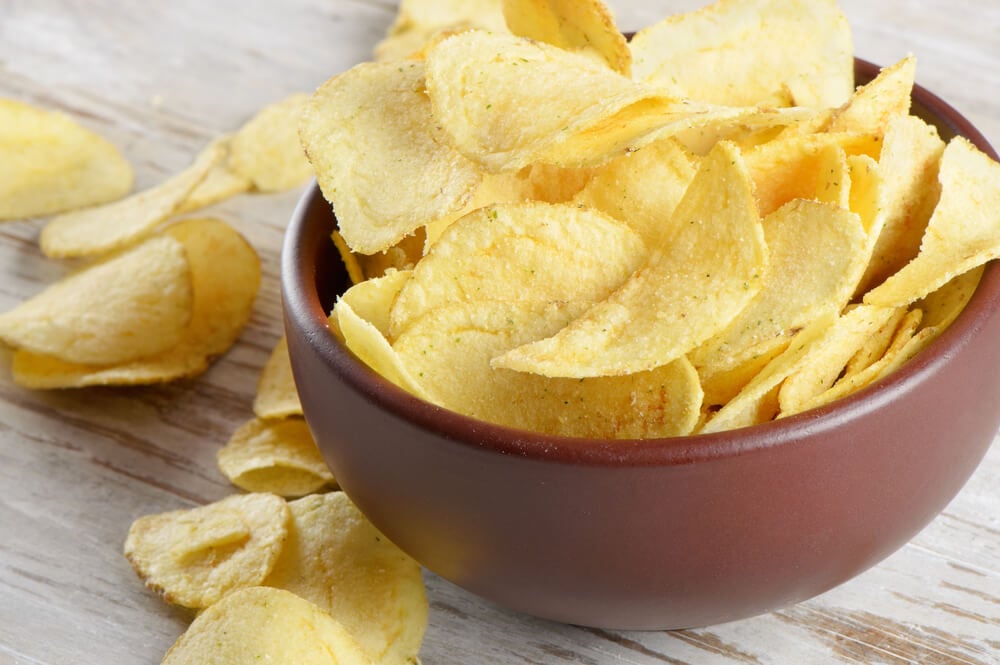
According to the most famous version, George Crum, a cook at Moon’s Lake House in Saratoga Springs, New York, sliced potatoes paper-thin in 1853 to spite a customer who kept sending back his fried potatoes as too thick. The crisp, salty result became a local sensation known as Saratoga chips.
Historians have poked plenty of openings in the tale, noting that recipes for thin fried potato shavings appeared in English cookbooks decades earlier. Crum’s sister Kate Wicks has also been credited in some accounts.
Whatever the truth, Saratoga chips spread across the country and set up a global snack industry.
The Popsicle
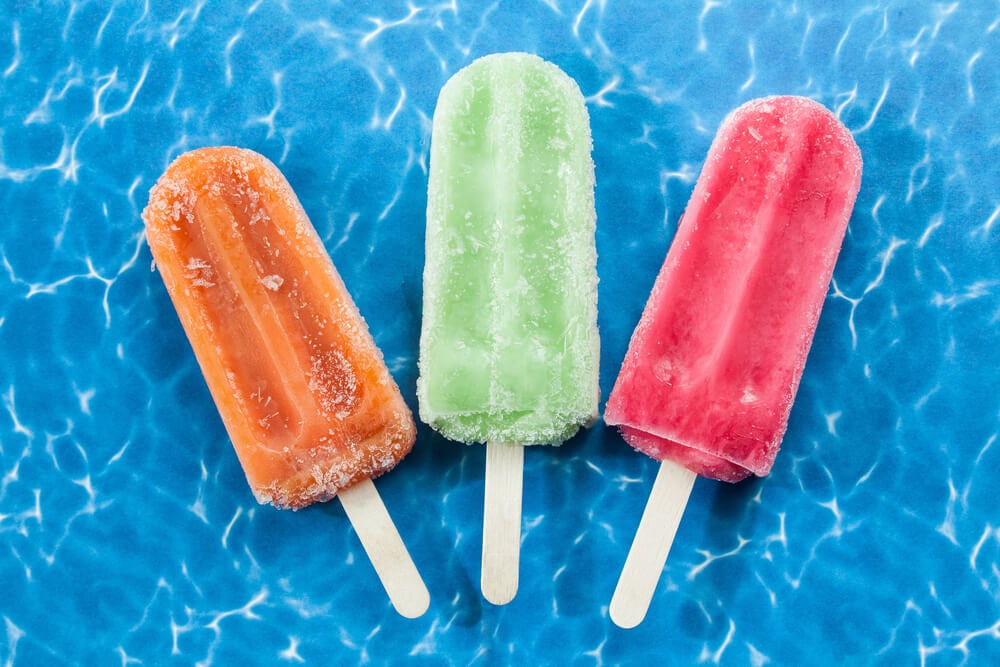
Frank Epperson was an 11-year-old in San Francisco in 1905 when he left a cup of powdered soda mixed with water on his porch overnight with a stirring stick still in it. The temperature dropped, and by morning the drink had frozen solid around the stick.
Epperson later sold frozen treats at an amusement park in Oakland and applied for a patent in 1923, originally calling them Epsicles. His children reportedly called them Pop’s sicles, and the name stuck.
He sold the rights in the 1920s, and the brand now belongs to Unilever.
Corn Flakes
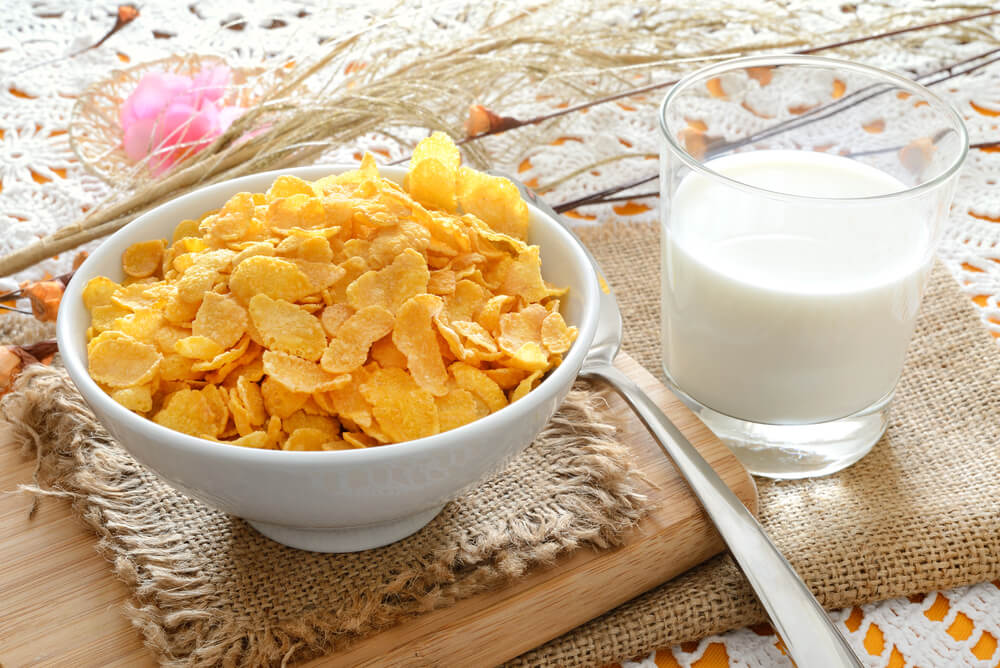
At the Battle Creek Sanitarium in Michigan, Dr. John Harvey Kellogg and his brother Will Keith Kellogg were developing bland, healthy foods for patients. In the 1890s they left a batch of cooked wheat to sit, and when they rolled it out later, it broke into flakes instead of forming a sheet of dough.
They toasted the flakes and served them, and the patients loved them. The brothers patented the flaking process in 1896 and applied it to corn a couple of years later.
Will Keith founded what became the Kellogg Company in 1906 after the brothers split over his plan to add sugar.
Worcestershire Sauce
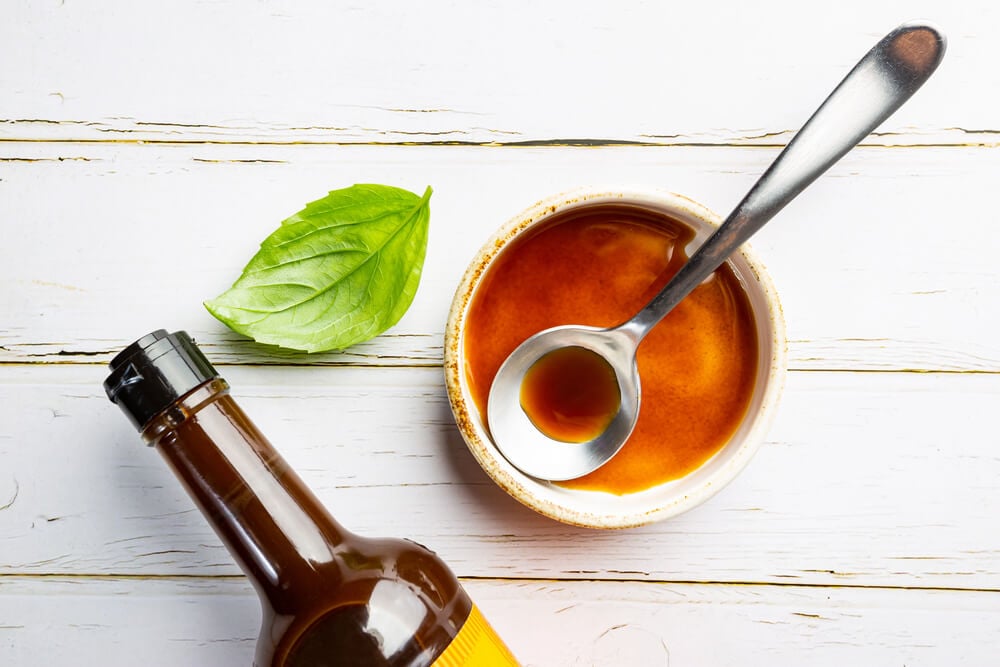
Chemists John Lea and William Perrins of Worcester, England, are said to have been asked by a customer to recreate a sauce he had enjoyed in India during the 1830s. The first batch was so pungent that they reportedly abandoned it in their cellar.
When they rediscovered the barrels a year or two later, fermentation had mellowed the anchovies, vinegar, and tamarind into something delicious. The story may be embellished, but Lea and Perrins began selling the sauce commercially in 1837.
The recipe remains a closely guarded secret, and the sauce is still made in Worcester.
Nachos at Piedras Negras
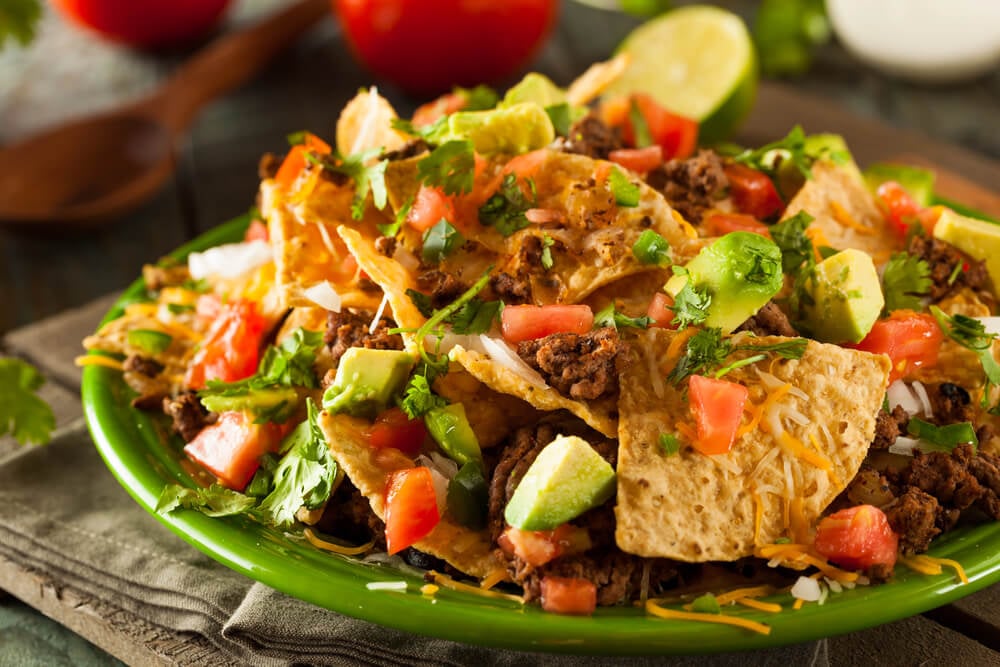
In 1943 a group of American military wives from Fort Duncan in Eagle Pass, Texas, crossed the border to the Victory Club restaurant in Piedras Negras, Mexico, after the kitchen had closed. Maitre d’ Ignacio Anaya, nicknamed Nacho, improvised a plate of fried tortilla chips topped with melted cheese and sliced jalapenos.
The women liked the dish so much that it went on the menu as Nacho’s Especiales. The dish spread north across Texas and later into stadiums nationwide.
Piedras Negras now hosts an annual nacho festival in October, and October 21 is recognized as International Day of the Nacho.
Caesar Salad in Tijuana
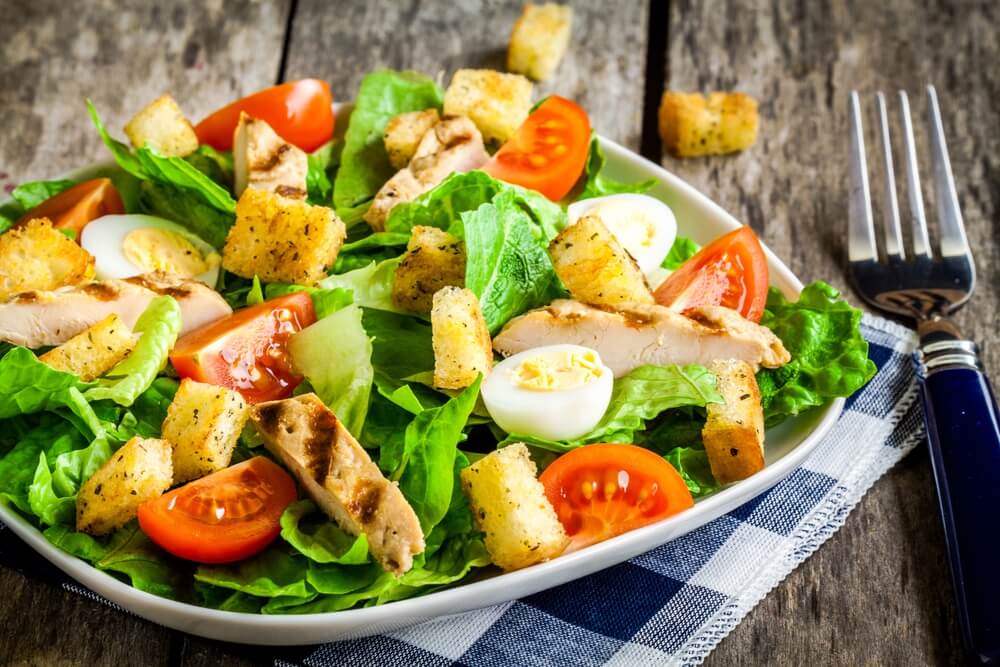
Caesar Cardini was an Italian immigrant running a restaurant in Tijuana, Mexico, where Americans flocked during Prohibition to drink legally. According to his daughter Rosa, a Fourth of July rush in 1924 left the kitchen nearly empty.
Cardini threw together romaine lettuce, croutons, Parmesan, olive oil, lemon juice, egg, and Worcestershire sauce, then tossed it dramatically at the table. The salad became a hit with Hollywood visitors and spread quickly across the United States.
The original version famously contained no anchovies beyond the ones already hidden in the Worcestershire sauce.
Buffalo Wings at the Anchor Bar
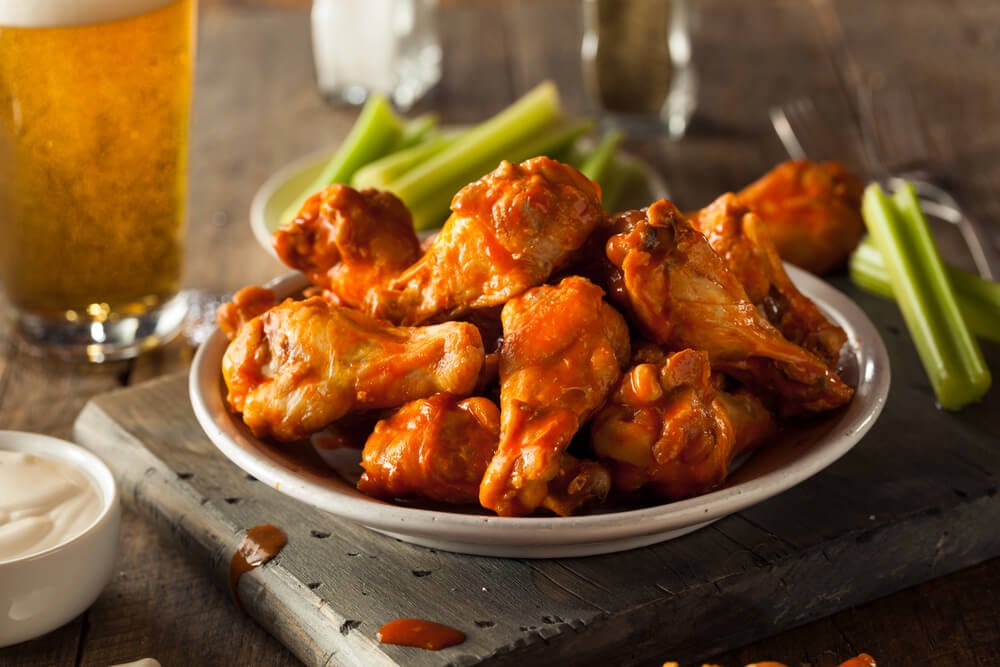
In 1964 Teressa Bellissimo was working in the kitchen of the Anchor Bar in Buffalo, New York, when she ended up with a delivery of chicken wings instead of the necks usually used for spaghetti sauce, according to one family account. Rather than toss them, she deep-fried the wings, coated them in a hot sauce and butter mixture, and served them with celery and blue cheese dressing.
Other family members told different versions involving late-night hungry customers. Wings were then among the cheapest cuts of chicken available.
Buffalo declared July 29, 1977, Chicken Wing Day, and the Anchor Bar still serves them.
Cheese Puffs from Animal Feed
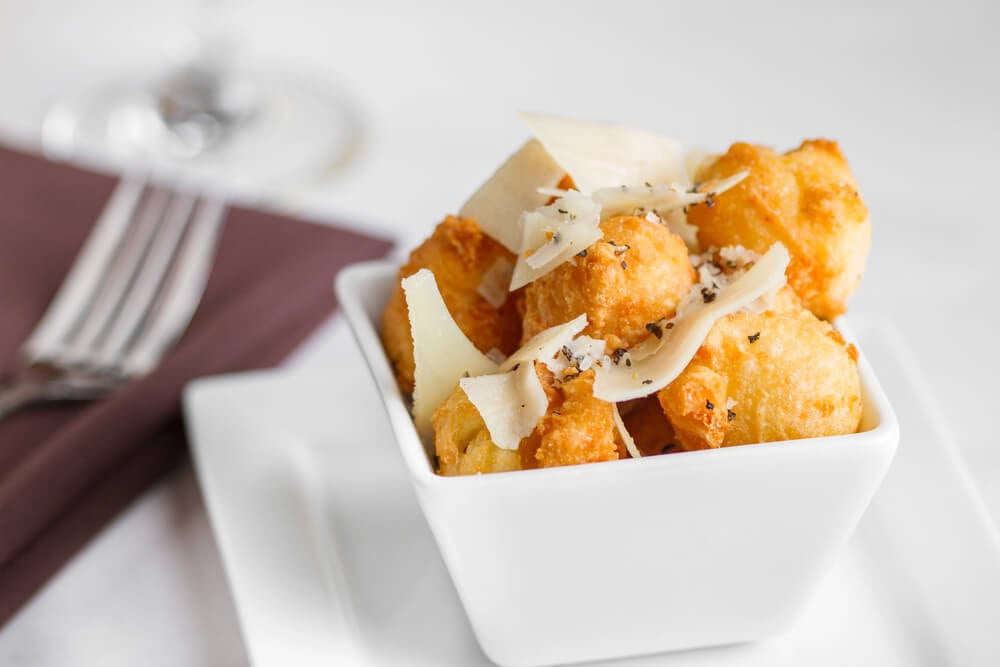
During the 1930s the Flakall Corporation of Beloit, Wisconsin, made animal feed by grinding grain through a machine that kept clogging. Workers dampened the corn to prevent jams, and the heated machine spat out puffy, airy ribbons that hardened as they cooled.
Employee Edward Wilson reportedly took some home, added oil and seasoning, and found them delicious. The company patented the process and sold the snack as Korn Kurls, one of the earliest cheese puffs sold in American stores.
That technology, known as extrusion, now produces cheese puffs, breakfast cereals, and puffed snacks worldwide.
Ice Cream Cone at the St. Louis Fair
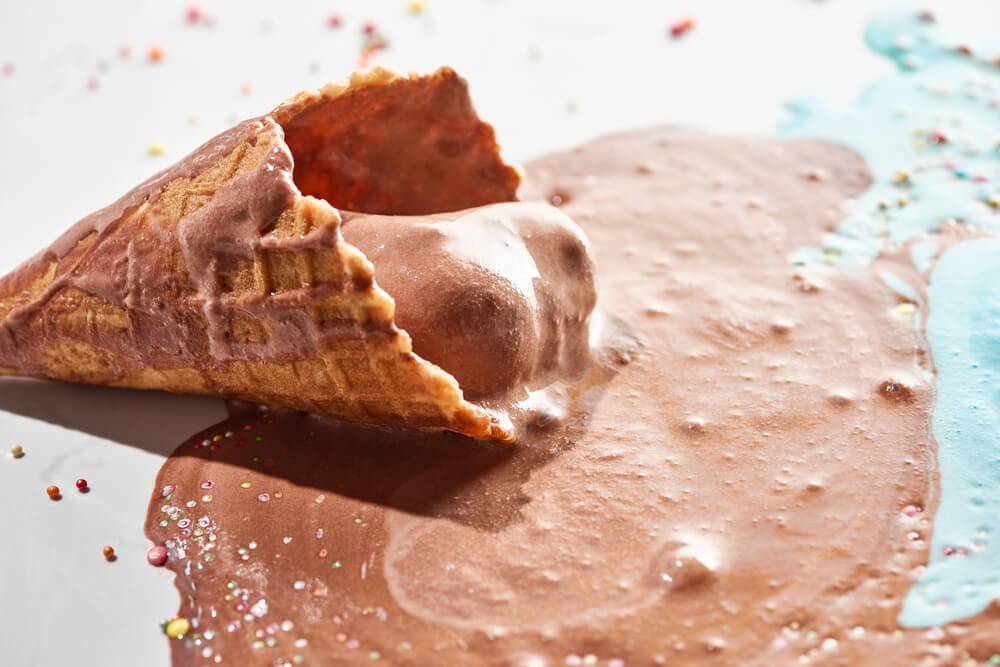
A popular story holds that an ice cream vendor at the 1904 World’s Fair in St. Louis ran out of dishes on a hot day. A neighboring waffle vendor, often identified as Syrian immigrant Ernest Hamwi, rolled a thin waffle into a cone to hold the ice cream.
Several other vendors later claimed the idea, and edible cones were already patented a year earlier by Italo Marchiony of New York. Cooks in Europe had also served ice cream in edible cones during the 19th century.
Still, the fair made cones famous, and demand for them surged within a few years.
Crepes Suzette at the Cafe de Paris
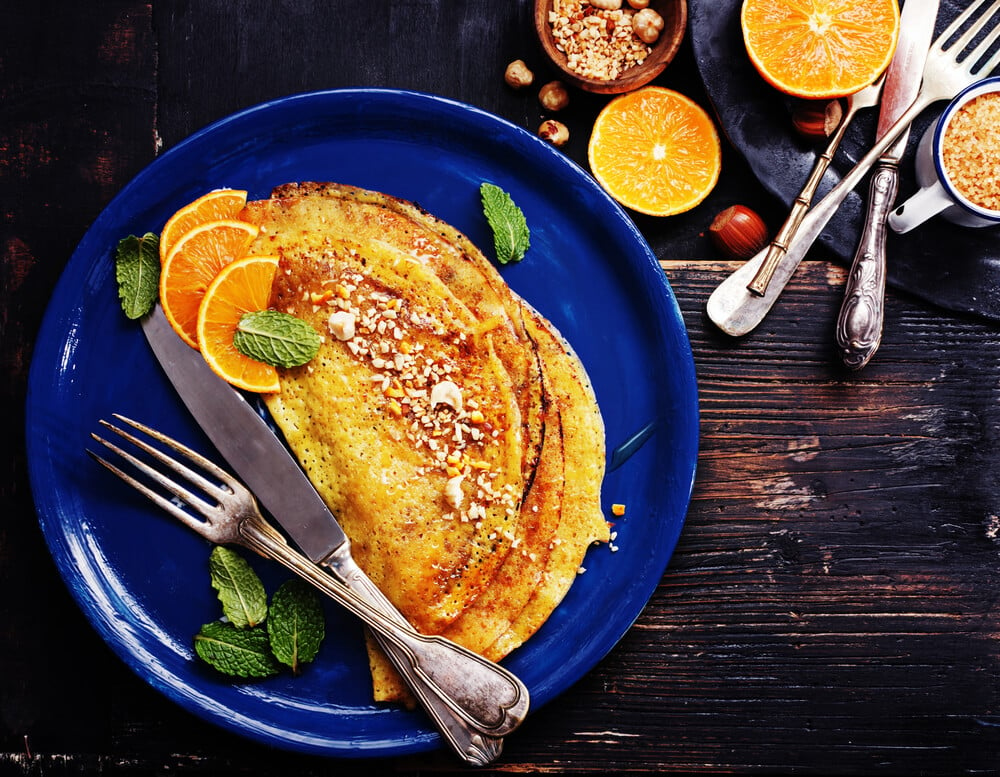
Legend credits a teenage assistant waiter named Henri Charpentier with accidentally setting a pan of crepes and liqueur on fire at the Cafe de Paris in Monte Carlo in 1895. The diner was said to be the Prince of Wales, the future King Edward VII, and the flaming dessert tasted better than expected.
Charpentier claimed the prince asked to name it after a young woman at the table named Suzette. Food historians doubt parts of the story, since Charpentier would have been very young.
The flambeed orange butter sauce remains a classic of French restaurant dining.
Microwave Popcorn
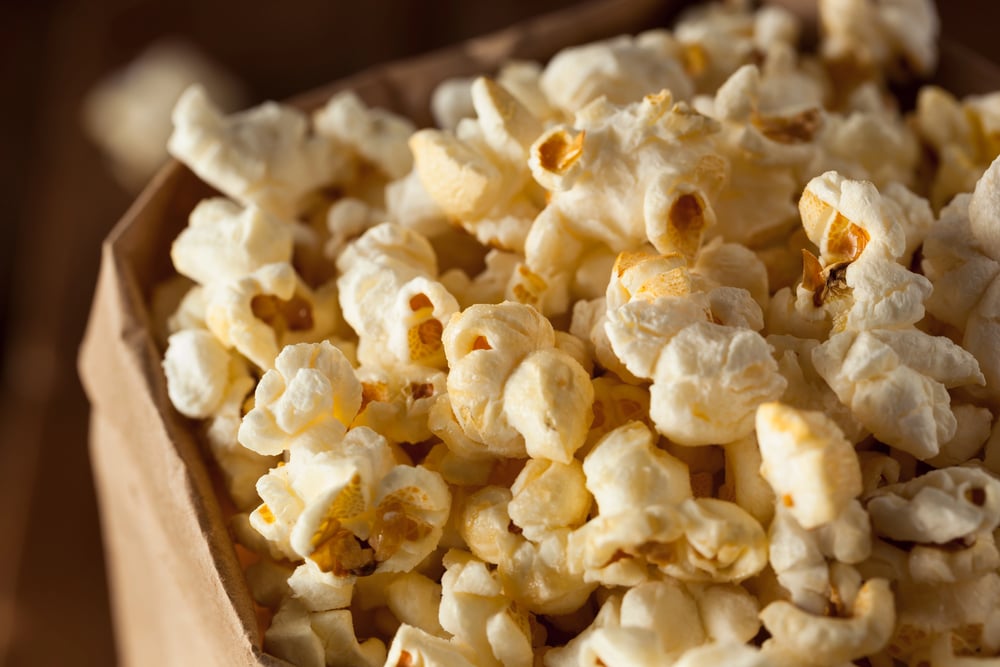
In 1945 Percy Spencer, an engineer at Raytheon, was testing a magnetron used in military radar equipment when he noticed a peanut cluster in his pocket had melted. Curious, he placed popcorn kernels near the magnetron, and they popped across the lab.
He then tried an egg, which exploded in a colleague’s face. Raytheon filed a patent for microwave cooking, and the first commercial microwave oven, the Radarange, stood nearly 6 feet tall.
Popcorn was among the first foods ever cooked by microwaves, and microwave popcorn later became one of the most common uses of the appliance.
Doritos at Disneyland
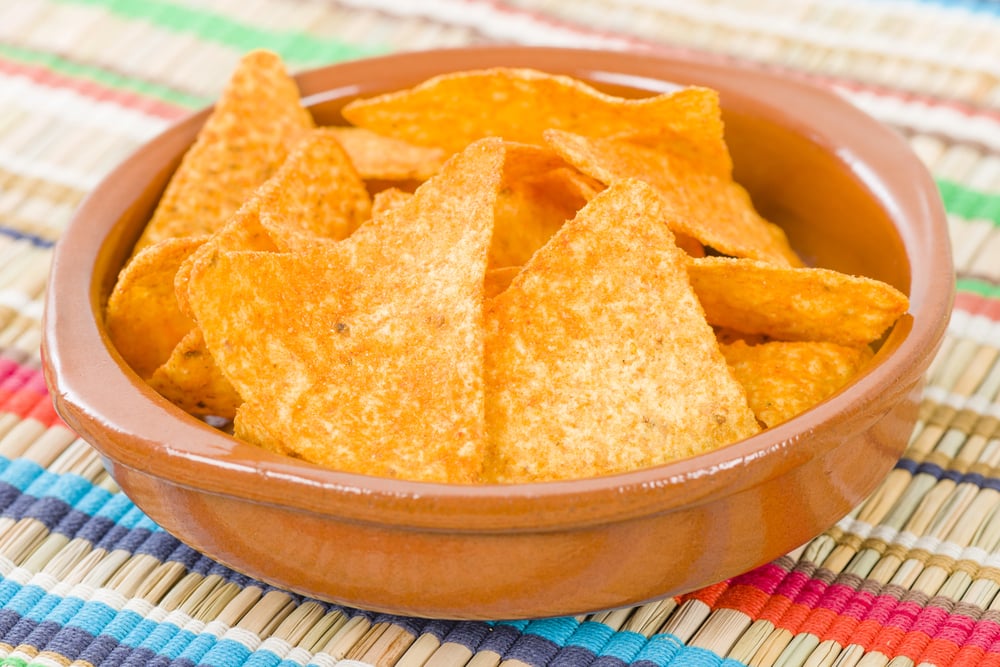
Casa de Fritos was a Mexican restaurant at Disneyland operated in partnership with Frito Company. In the early 1960s, staff reportedly began frying leftover tortillas instead of throwing them away and seasoning them as chips.
A Frito-Lay executive noticed how popular the chips were and brought the idea to the wider company. Doritos launched regionally in 1964 and went national in 1966, originally with a plain toasted corn flavor.
Nacho cheese flavor arrived in 1972, and Doritos became one of the best-selling chip brands in the world.
The ICEE and the Slurpee
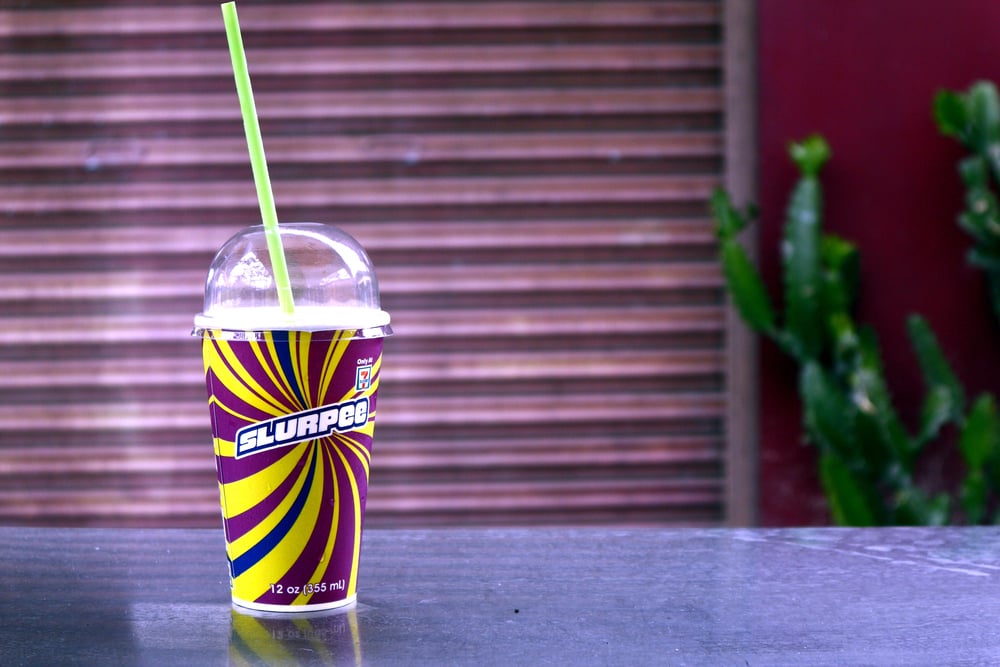
Omar Knedlik ran a Dairy Queen in the late 1950s in Kansas when his soda fountain broke down. He put bottles of soda in the freezer to keep them cold, and customers loved the slushy drinks that resulted.
Knedlik built a machine using an automobile air conditioning unit to recreate the texture, and the ICEE was born. The name was chosen with help from artist Ruth Taylor, who also designed the logo.
7-Eleven licensed the machines in 1965 and began calling the product a Slurpee, named for the sound made when drinking it through a straw.
Fudge from a Botched Caramel
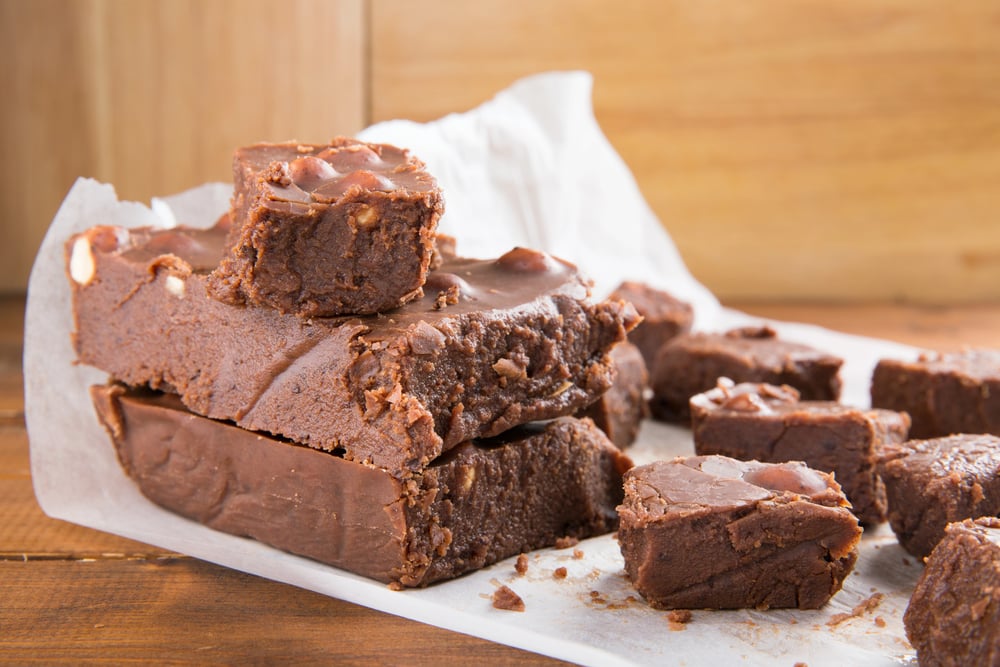
Fudge supposedly came from an American cook in the 1880s who botched a batch of caramels, causing the sugar to crystallize into a grainy, firm candy. The word fudge was already slang for a mistake or cheat, and the name reportedly came from that mistake.
The first documented batch dates to 1886 in Baltimore, where it sold for 40 cents a pound. A Vassar College student named Emelyn Hartridge made 30 pounds of it for a campus auction in 1888 after trying it in Baltimore.
The candy became a fixture at women’s colleges across New England.
Sucralose from a Misheard Word
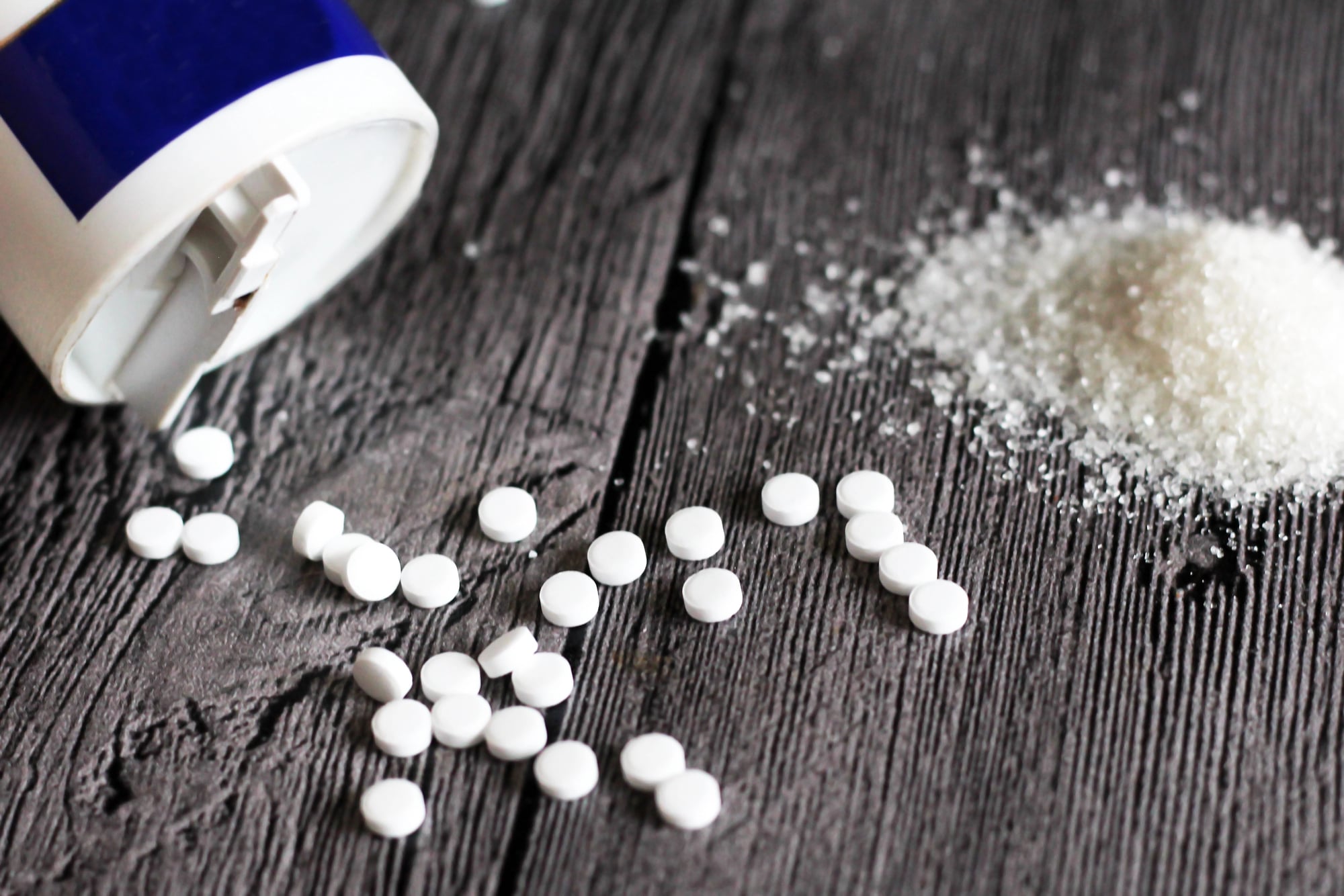
Researchers at Queen Elizabeth College in London, working with the sugar company Tate and Lyle, were experimenting with chlorinated sugar compounds for industrial use in 1976. Graduate student Shashikant Phadnis was told to test one of the chemicals, but he reportedly misheard the instruction as taste it.
He did, and found it intensely sweet. Sucralose turned out to be roughly 600 times sweeter than sugar.
It was approved in the United States in 1998 and sold under the name Splenda. The compound stands out because very little of it is absorbed by the body.
Aspartame on a Chemist’s Finger
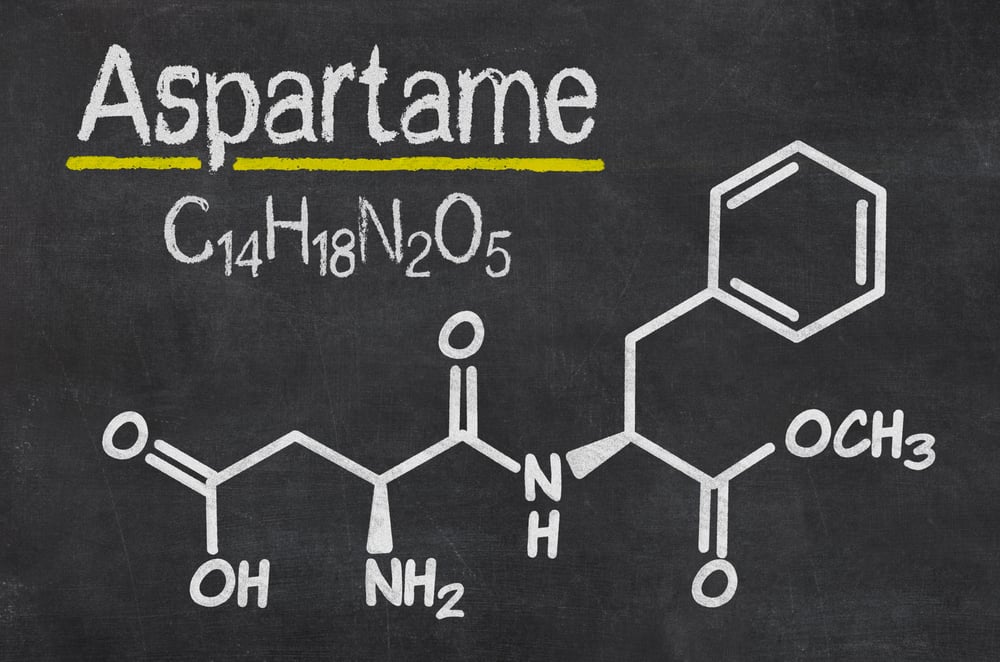
James Schlatter, a chemist at G. D. Searle and Company, was working in 1965 on a drug to treat stomach ulcers. While heating a flask of aspartame, some of the substance spilled onto his hand.
Later he licked his finger to pick up a piece of paper and noticed an unusually sweet taste. Aspartame turned out to be about 200 times sweeter than sugar.
It was approved by the FDA in 1981 for dry foods and later for soft drinks, and it became famous under the brand names NutraSweet and Equal.
Saccharin at Dinner
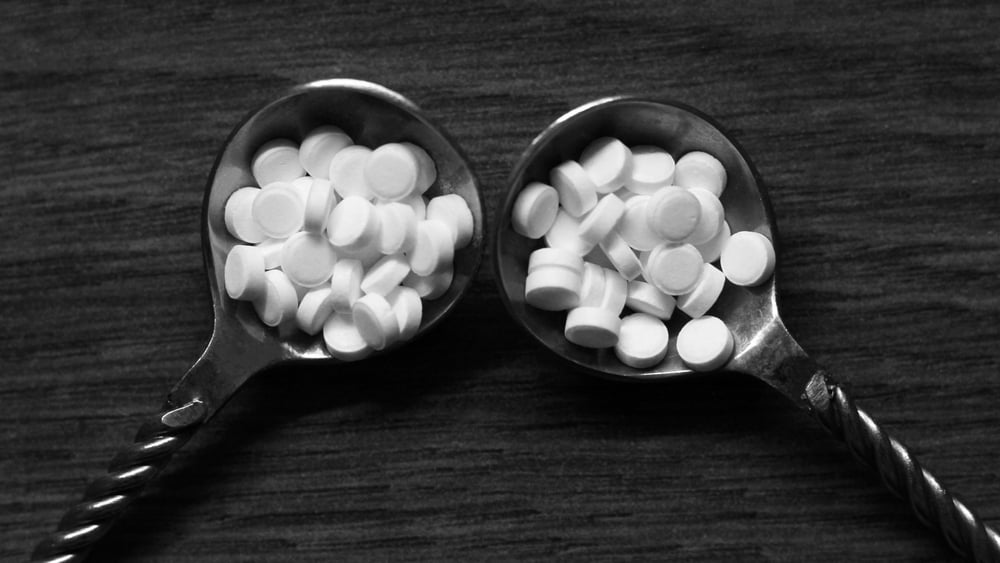
Constantin Fahlberg was working in 1879 in the laboratory of Ira Remsen at Johns Hopkins University, studying coal tar derivatives. He went home without washing his hands properly and noticed that the bread he ate at dinner tasted remarkably sweet.
Tracing the taste back to the lab, he identified the compound responsible. Fahlberg later patented saccharin without giving Remsen much credit, which led to a lasting dispute between the two men.
Saccharin became widely used during sugar shortages in both World Wars and remains in use as Sweet’N Low.
Chewing Gum from Chicle

Thomas Adams of New York was working in the 1860s with chicle, a tree gum from Mexico, reportedly supplied through exiled Mexican general Antonio Lopez de Santa Anna. Adams was trying to turn it into a rubber substitute for tires and toys, but every attempt failed.
Frustrated, he popped some into his mouth and remembered that people in Mexico had chewed it for centuries. He boiled and rolled it into pieces and sold it as Adams New York Chewing Gum in 1871.
Chicle-based gum soon replaced the paraffin wax and spruce gum chewed at the time.
Chimichanga in Tucson
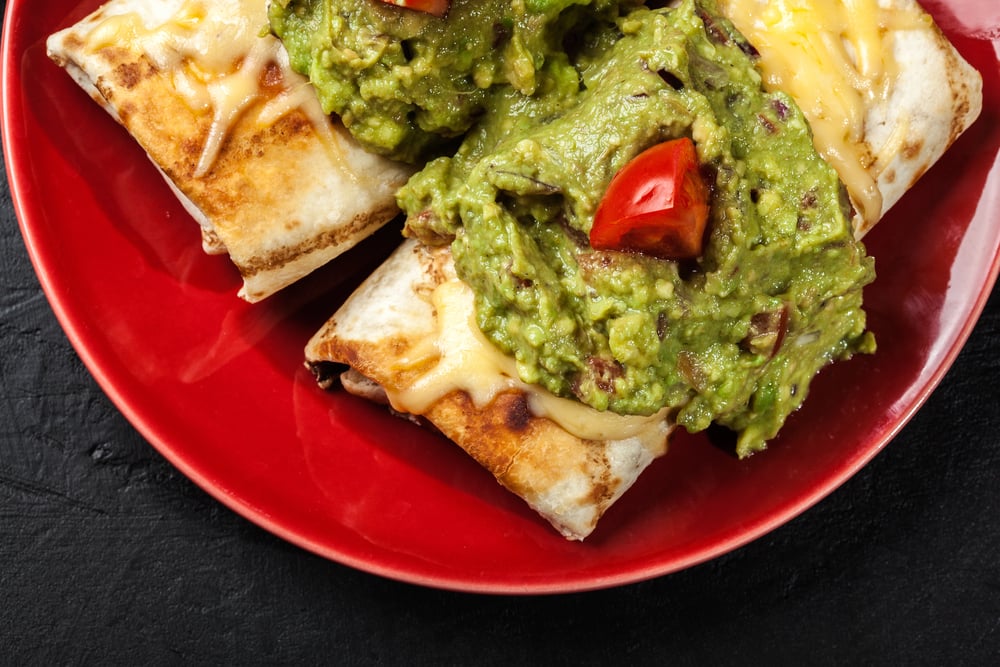
A well-known story credits Monica Flin, founder of El Charro Cafe in Tucson, Arizona, with accidentally dropping a burrito into a pot of hot frying oil in the 1920s. Because children were nearby, she reportedly stopped herself from swearing and blurted out chimichanga, a Spanish nonsense word roughly meaning thingamajig.
The fried burrito became a regional staple. Other Arizona restaurants, including Macayo’s in Phoenix, have made competing claims.
El Charro, which calls itself the oldest Mexican restaurant in the United States run continuously by the same family, still serves chimichangas.
Ice Cream Soda in Philadelphia
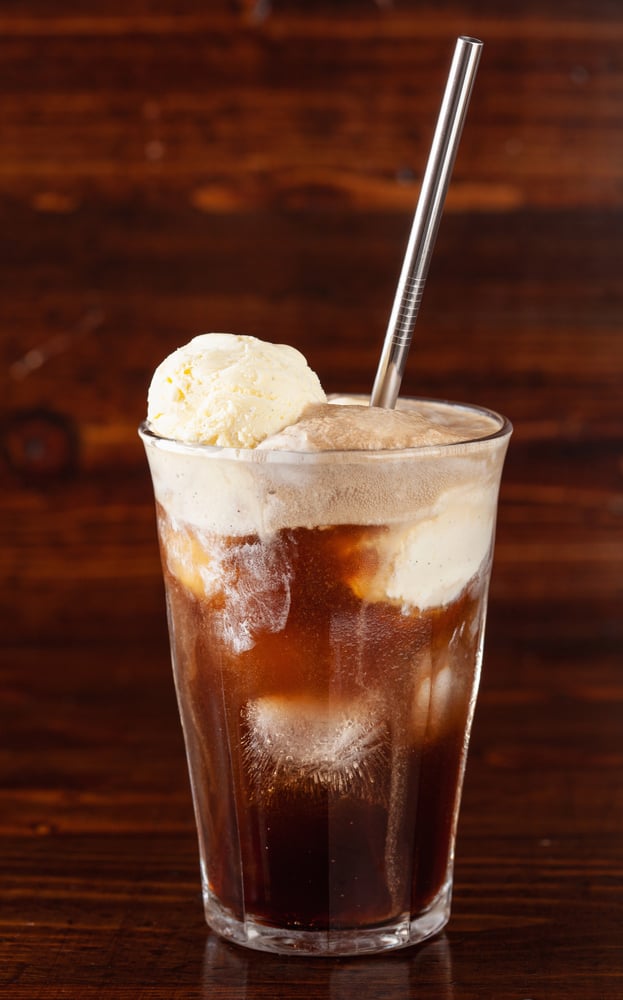
At the Franklin Institute’s semicentennial celebration in Philadelphia in 1874, Robert Green was selling a popular drink made from sweet cream, syrup, and carbonated water. When he ran out of cream, he substituted vanilla ice cream, and customers liked the result even more.
Green’s sales reportedly climbed from about 6 dollars a day to around 600 dollars a day. He later asked that his tombstone mention his invention.
The ice cream soda became a fixture of drugstore soda fountains and later inspired the root beer float.
Tea Bags in the Mail
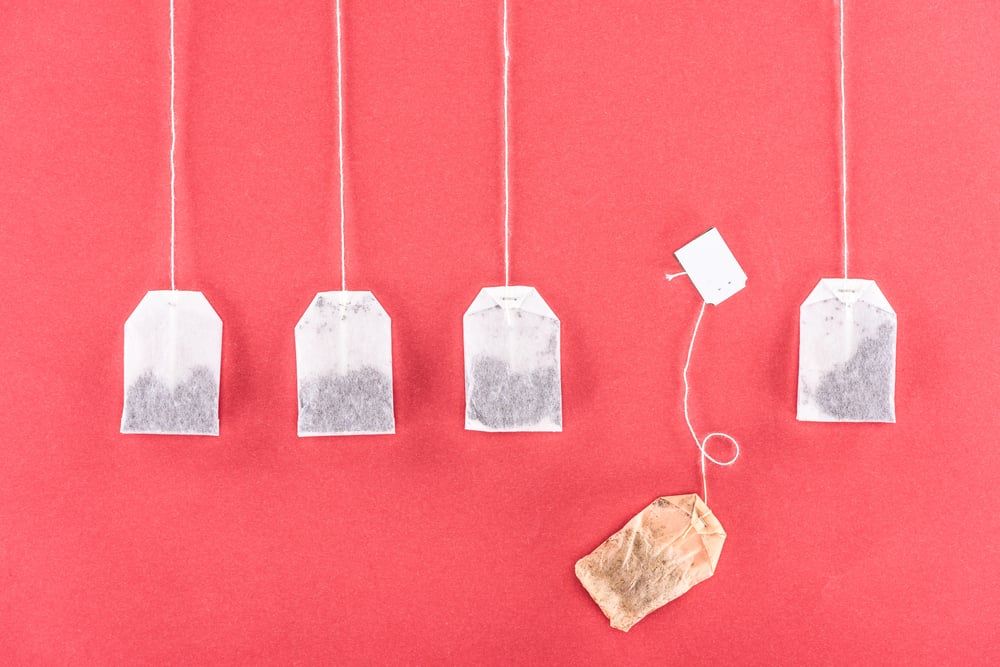
Around 1908 Thomas Sullivan, a New York tea merchant, began sending samples of his tea to customers in small silk pouches instead of costly tins. Some customers assumed the pouches were meant to be steeped as they were and dropped them straight into hot water.
Sullivan later received requests for tea packaged the same way, although many customers complained the silk mesh was too fine. He switched to gauze, and paper tea bags followed decades later.
Earlier patents for tea infusers existed, but Sullivan’s samples helped turn the tea bag into an everyday product.
Pop Rocks at General Foods
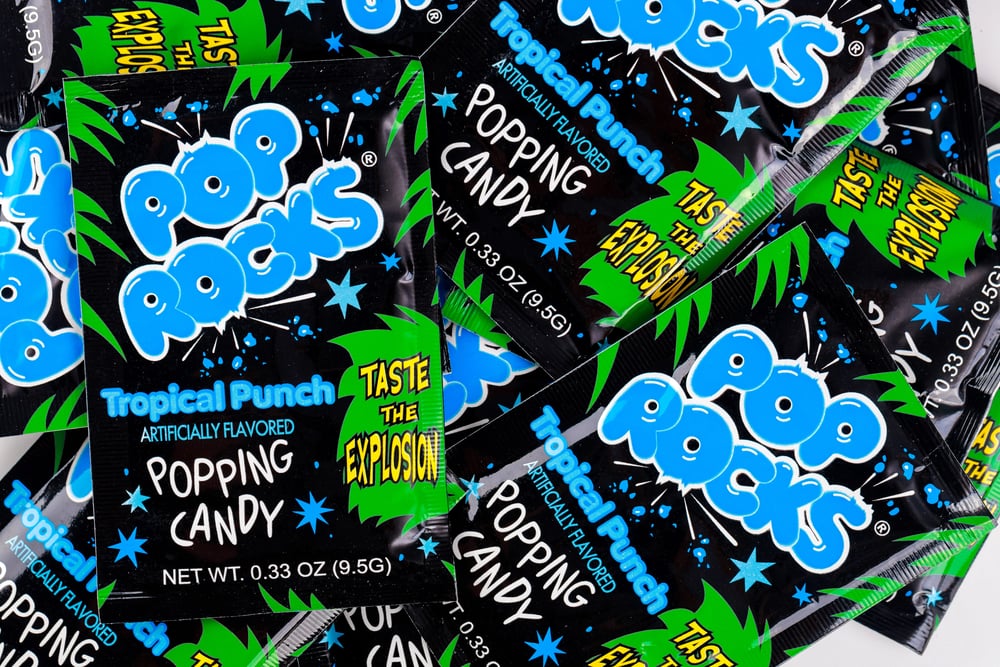
William Mitchell, a chemist at General Foods, was trying in 1956 to create an instant soft drink by trapping carbon dioxide inside candy. The experiment produced crackling, fizzing sugar crystals that burst on the tongue.
General Foods did not sell the candy until 1975, when it launched as Pop Rocks. A persistent rumor about a child actor dying after mixing Pop Rocks with soda forced the company to run advertisements and send letters to school principals.
Mitchell also helped develop Tang, Jell-O pudding mixes, and Cool Whip during his career.
Wheaties from Spilled Gruel
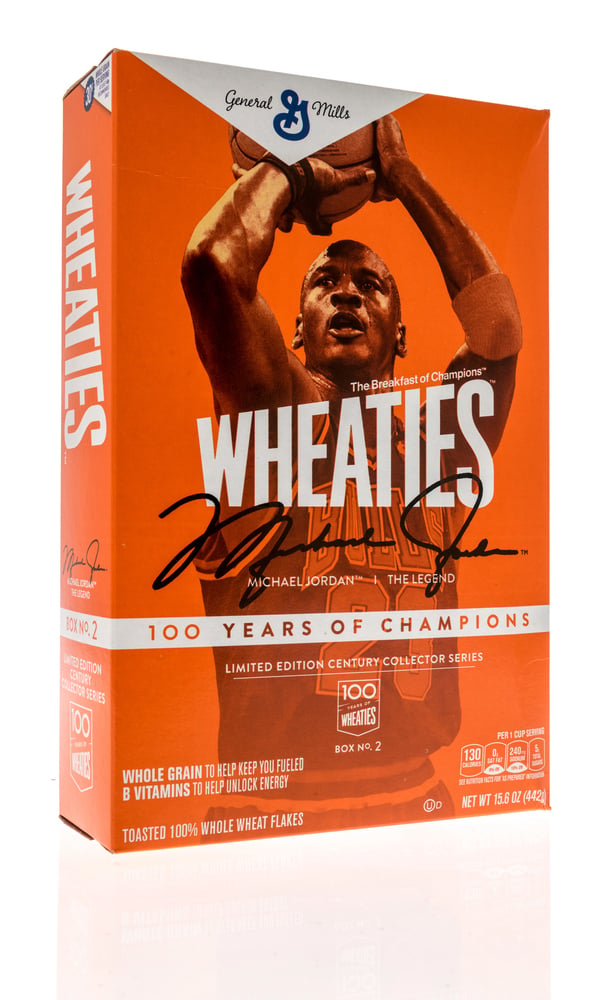
A Minneapolis clinician was mixing a wheat bran gruel for patients in 1921 when some of it spilled onto a hot stove. The bran sizzled into crisp flakes, and he found them surprisingly tasty.
He took the idea to the Washburn Crosby Company, which refined the process over dozens of attempts. The cereal launched in 1924, originally as Washburn’s Gold Medal Wheat Flakes, before a company contest produced the name Wheaties.
The brand became famous for putting star athletes on its boxes, and Yankees slugger Lou Gehrig appeared on its packaging in 1934.
Roquefort Cheese in a Cave
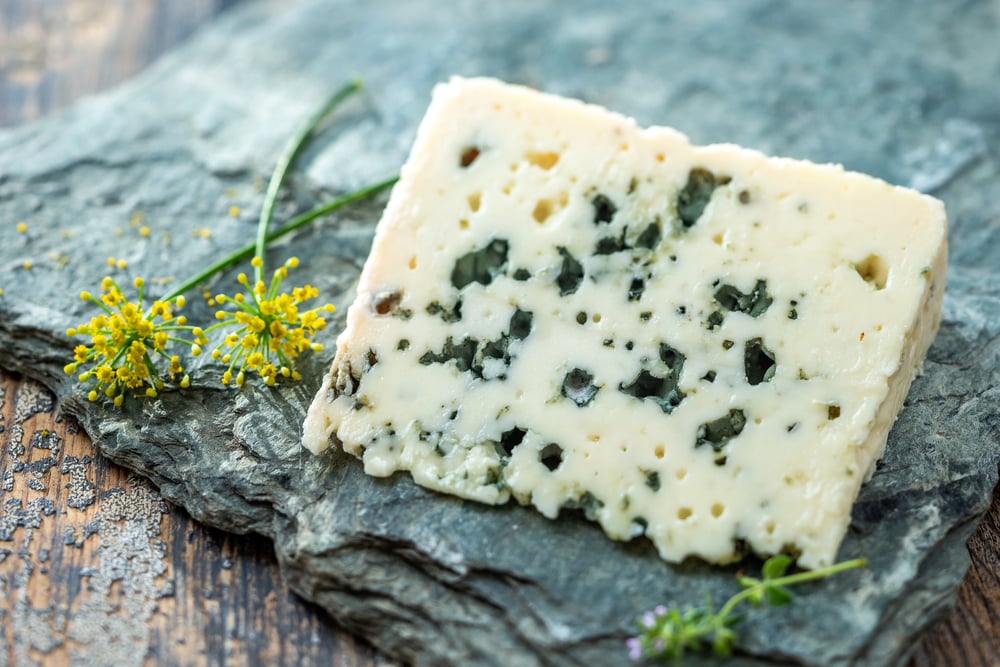
Local lore says a young shepherd near Roquefort-sur-Soulzon in southern France left his lunch of bread and sheep’s milk cheese in a cave to chase a woman he had spotted in the distance. When he returned weeks later, the cheese was covered in blue mold, and it tasted wonderful.
The mold, now known as Penicillium roqueforti, thrives in the cool, damp caves of Mount Combalou. In 1411 King Charles VI granted the villagers a monopoly on aging the cheese there.
Roquefort remains aged in those caves under strict French protected designation rules.
Cream Cheese in Chester
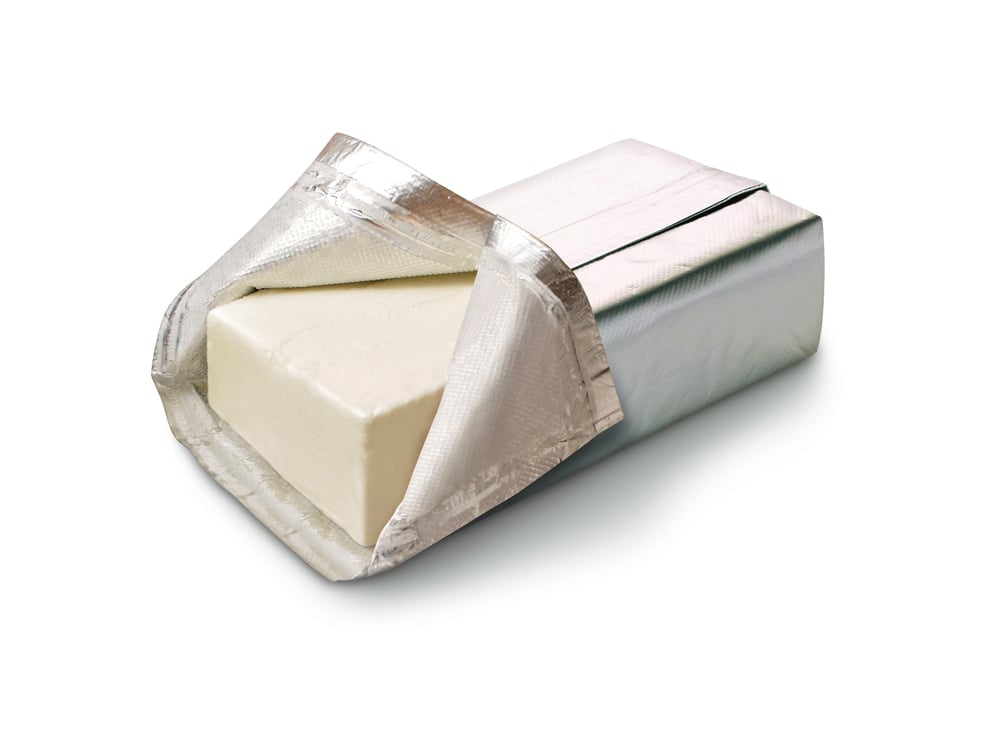
William Lawrence, a dairyman in Chester, New York, was trying in 1872 to replicate the soft French cheese Neufchatel. He added extra cream to the mixture, and the result was richer and smoother than intended.
Lawrence began selling his cream cheese, and it became popular among American shoppers. A New York distributor named Alvah Reynolds later marketed it under the name Philadelphia in 1880, because the city was associated with quality dairy products.
The brand is now owned by Kraft Heinz, and the cheese never had anything to do with Philadelphia itself.
Mistakes Worth Keeping
Almost every food on this list began with someone paying attention at the wrong moment. A cook improvised, a chemist forgot to wash up, or a child left a drink on the porch overnight.
The accident was only half the story, because each one needed someone willing to taste it and try again. Many other happy accidents probably ended in the trash.
Some of these tales have been polished over the years into something neater than the truth. Families, restaurants, and companies all benefit from a charming origin story.
Even so, the foods themselves are very real and still sell in enormous quantities. The kitchen has always rewarded curiosity more than it rewards perfect plans.
More from Go2Tutors!

- 27 Silver Dollars and Half Dollars Worth Keeping
- 28 Restaurant Menu Items Nobody Orders Anymore
- 17 Places Built in Seemingly Impossible Spots
- 27 Vintage Rings Worth More Than They Look
- 25 Restricted Sites Tourists Can’t Enter
Like Go2Tutors’s content? Follow us on MSN.