13 Beaches Where Important Treaties Were Signed
When we think of historic treaty signings, grand government buildings or formal meeting halls usually come to mind. But some of the world’s most significant diplomatic agreements were actually hammered out with sand between the negotiators’ toes and ocean waves providing the soundtrack to history.
Here are 13 beaches where important treaties were signed, each marking a pivotal moment in international relations.
Virginia Beach, Virginia
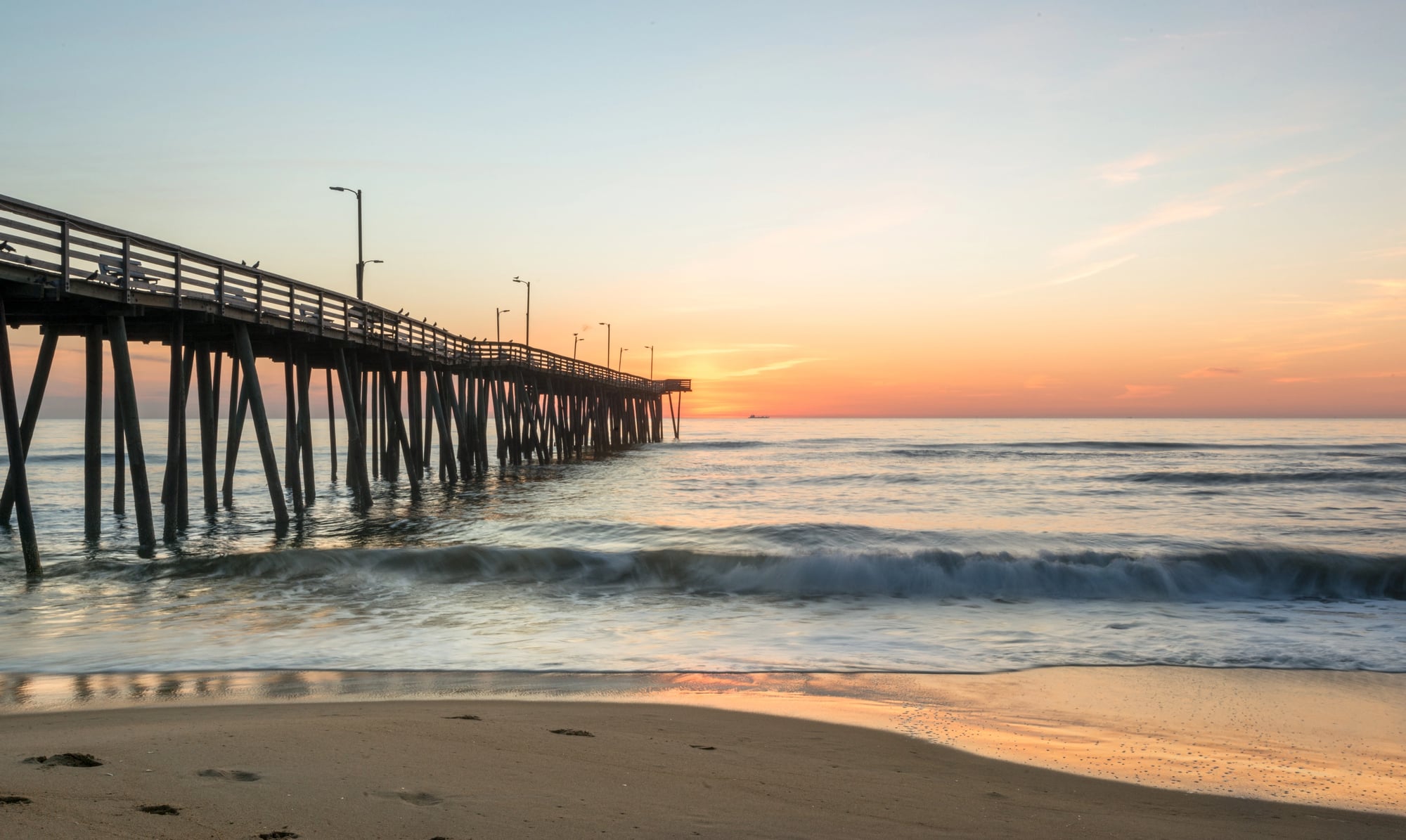
Long before it became a tourist destination, Virginia Beach witnessed the signing of several peace treaties between English colonists and local Native American tribes in the mid-1600s. The most notable was a 1646 agreement that ended the Third Anglo-Powhatan War.
The beach setting allowed both sides to meet on neutral ground, away from fortified settlements, and the open space accommodated the large gatherings these diplomatic events required.
Monterey Bay, California
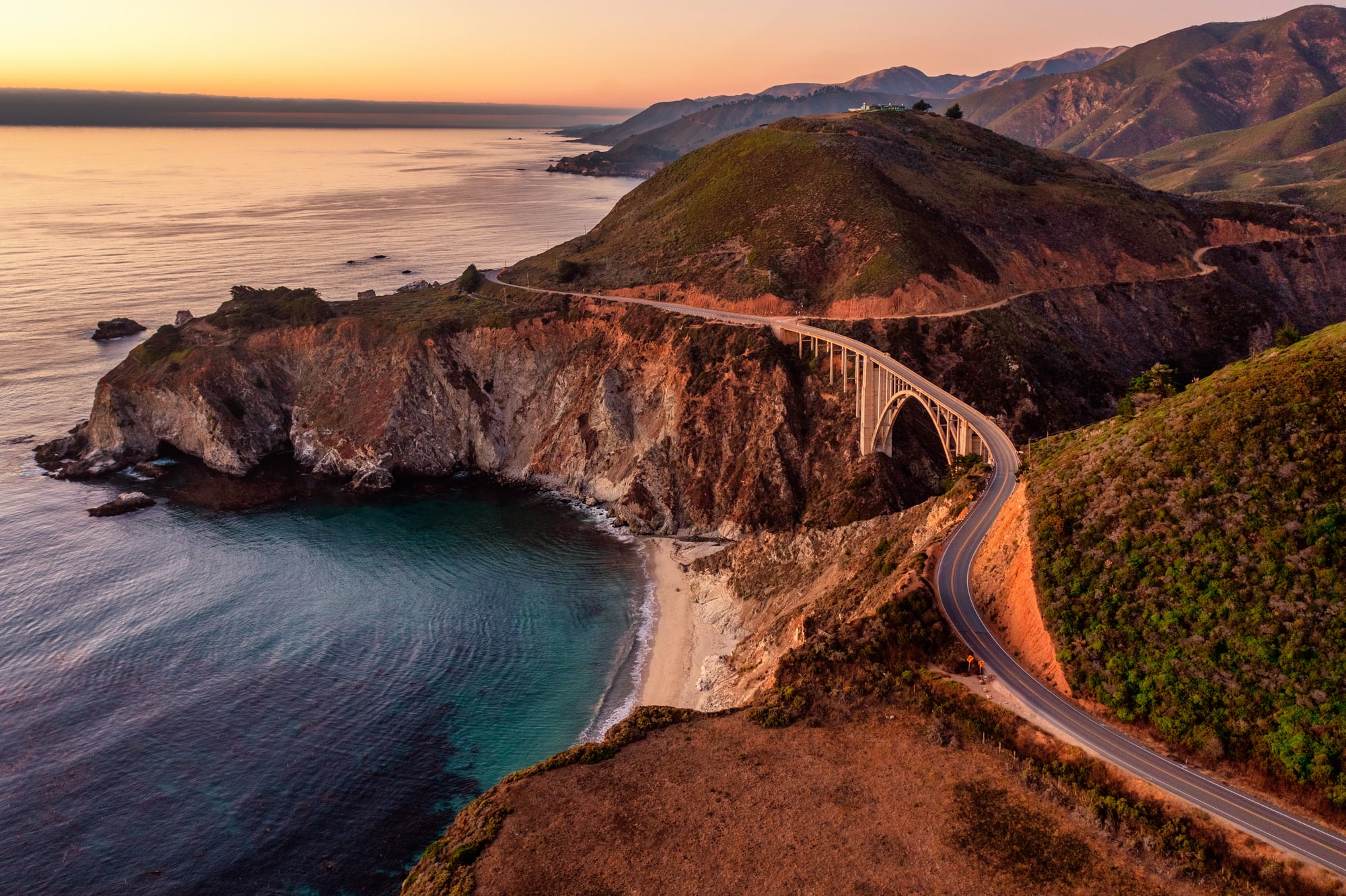
The Treaty of Cahuenga was technically signed inland, but the preliminary negotiations took place along the beaches of Monterey Bay in 1847. This agreement effectively ended the Mexican-American War in California, with Californio forces surrendering to American troops.
The coastal meetings were crucial because many of the Mexican officials had arrived by ship, making the beach a natural diplomatic venue.
Galway Bay, Ireland
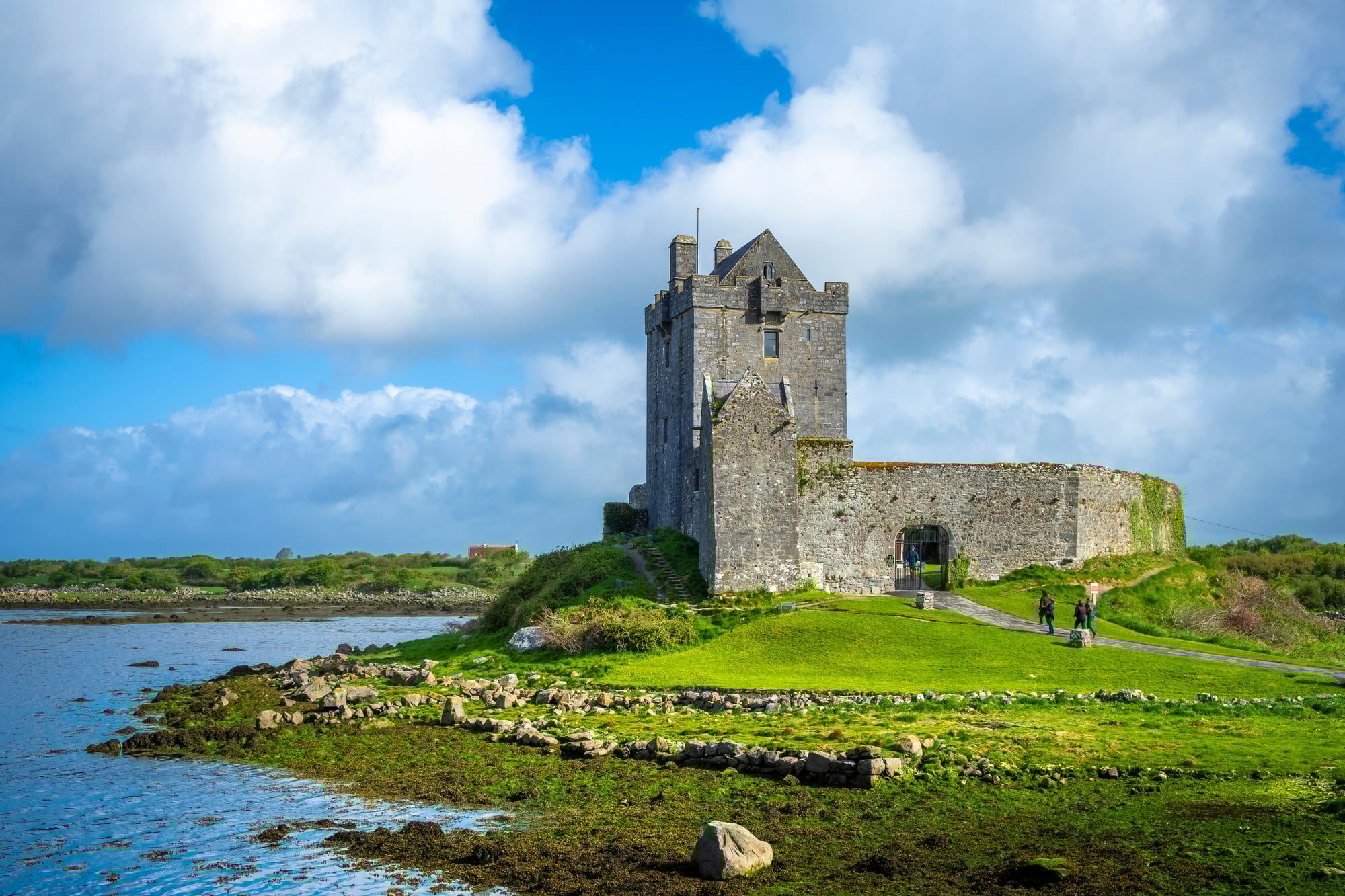
In 1169, the Treaty of Windsor negotiations began along the shores of Galway Bay before moving to more formal settings. This agreement between the Norman-English King Henry II and the Irish High King Ruaidrí Ua Conchobair attempted to establish English authority over Ireland.
The beach meetings were initially chosen because they offered a neutral location where both sides could arrive by sea without traversing potentially hostile territory.
Cape Coast Beach, Ghana

Multiple treaties between European trading companies and local African rulers were signed along Cape Coast Beach throughout the 17th and 18th centuries. These agreements, while often exploitative, established the legal framework for European presence along the Gold Coast.
The beach setting was practical—European representatives arrived by ship while African delegates came overland, making the shoreline a natural meeting point.
Tybee Island Beach, Georgia
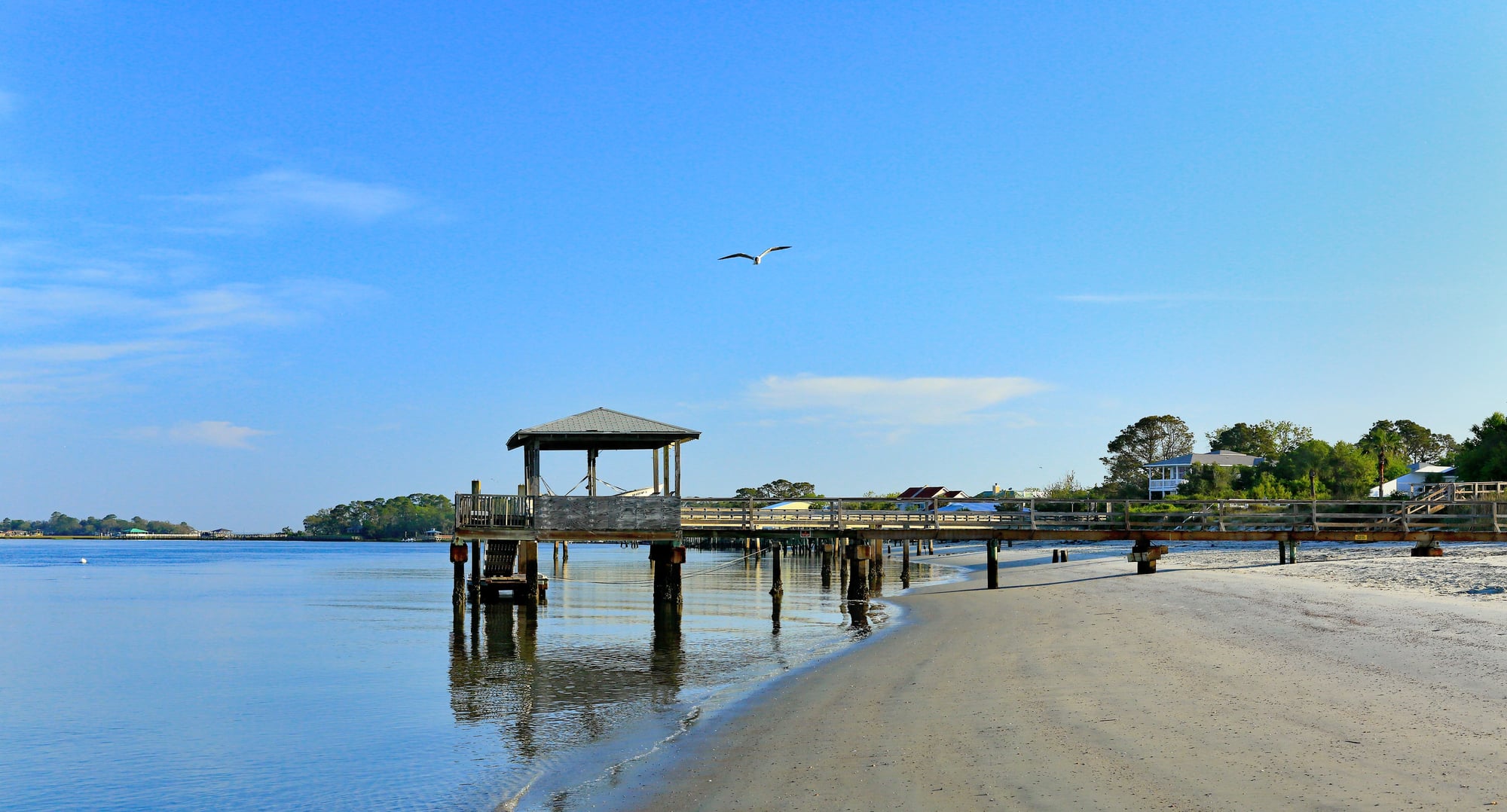
In 1733, negotiations for what became known as the Savannah River Treaty took place on Tybee Island’s beaches. This agreement between Georgia’s colonial government and the Yamacraw Indians established boundaries and trade relationships.
Chief Tomochichi and James Oglethorpe met repeatedly on the beach, finding the open ocean air more conducive to honest discussion than enclosed meeting rooms.
Hampton Beach, New Hampshire
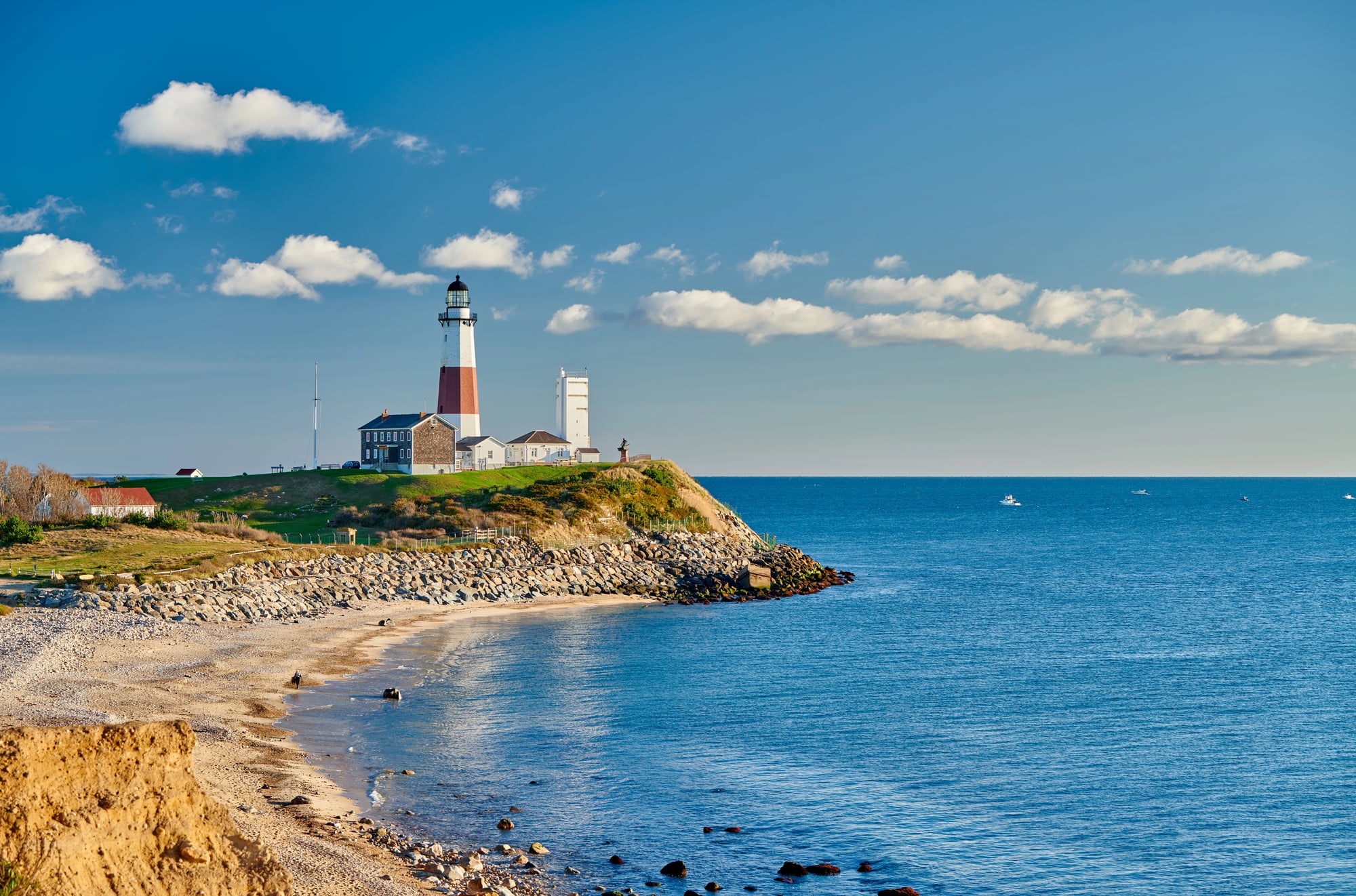
The 1678 Dover Treaty negotiations occurred along what’s now Hampton Beach, establishing peace between English colonists and the Abenaki confederation after King Philip’s War. The beach location was chosen specifically because it represented neutral ground—neither in English settlements nor deep in Native territory.
The sound of crashing waves allegedly helped mask the conversations from potential eavesdroppers.
Block Island Beach, Rhode Island
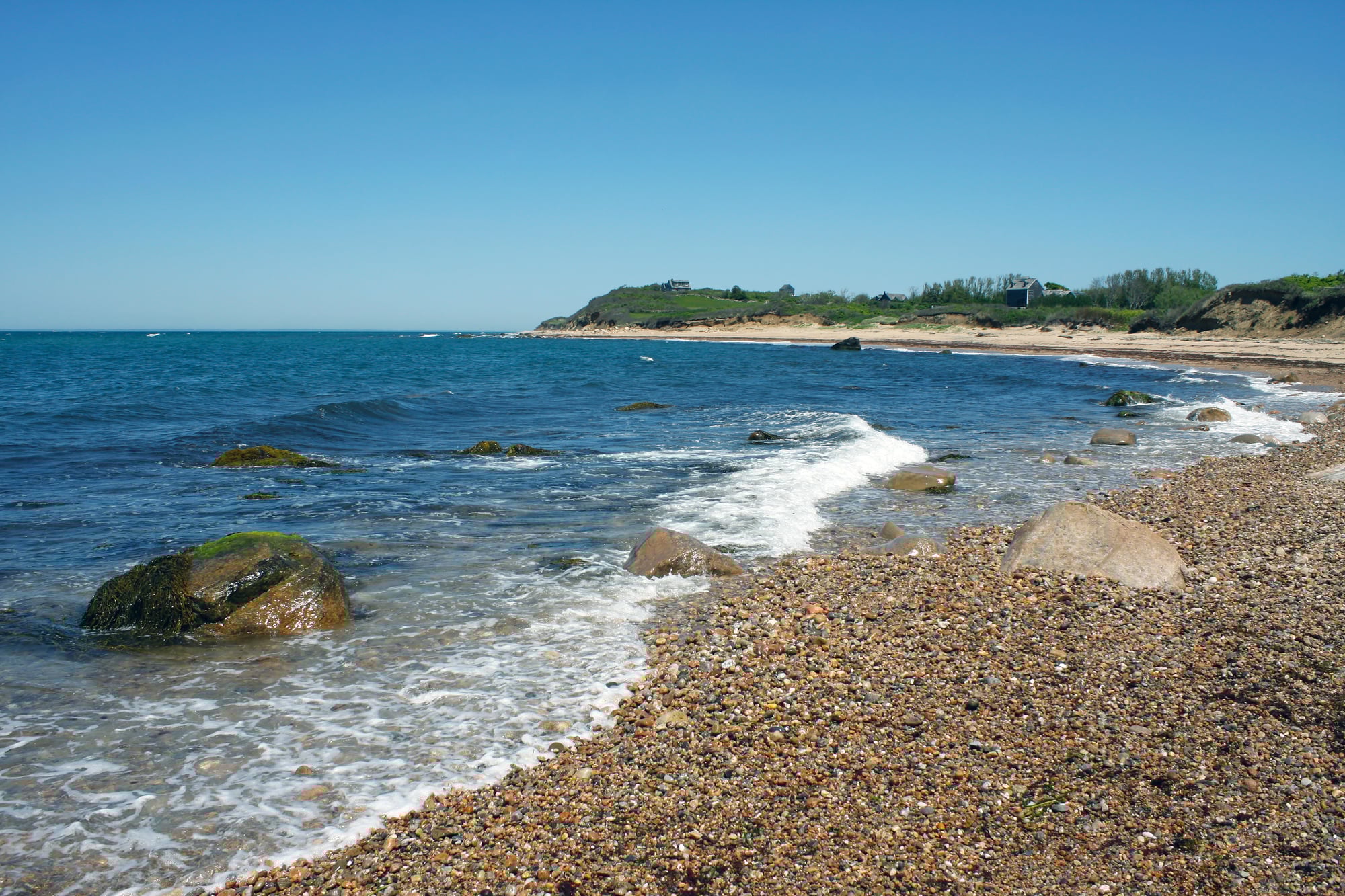
In 1636, Roger Williams negotiated several land treaties with Narragansett sachems along Block Island’s shores. These agreements were foundational to establishing peaceful relations in what would become Rhode Island.
The island location provided security and privacy, while the beach setting created an atmosphere of equality—both parties were equally ‘displaced’ from their usual seats of power.
Pensacola Beach, Florida
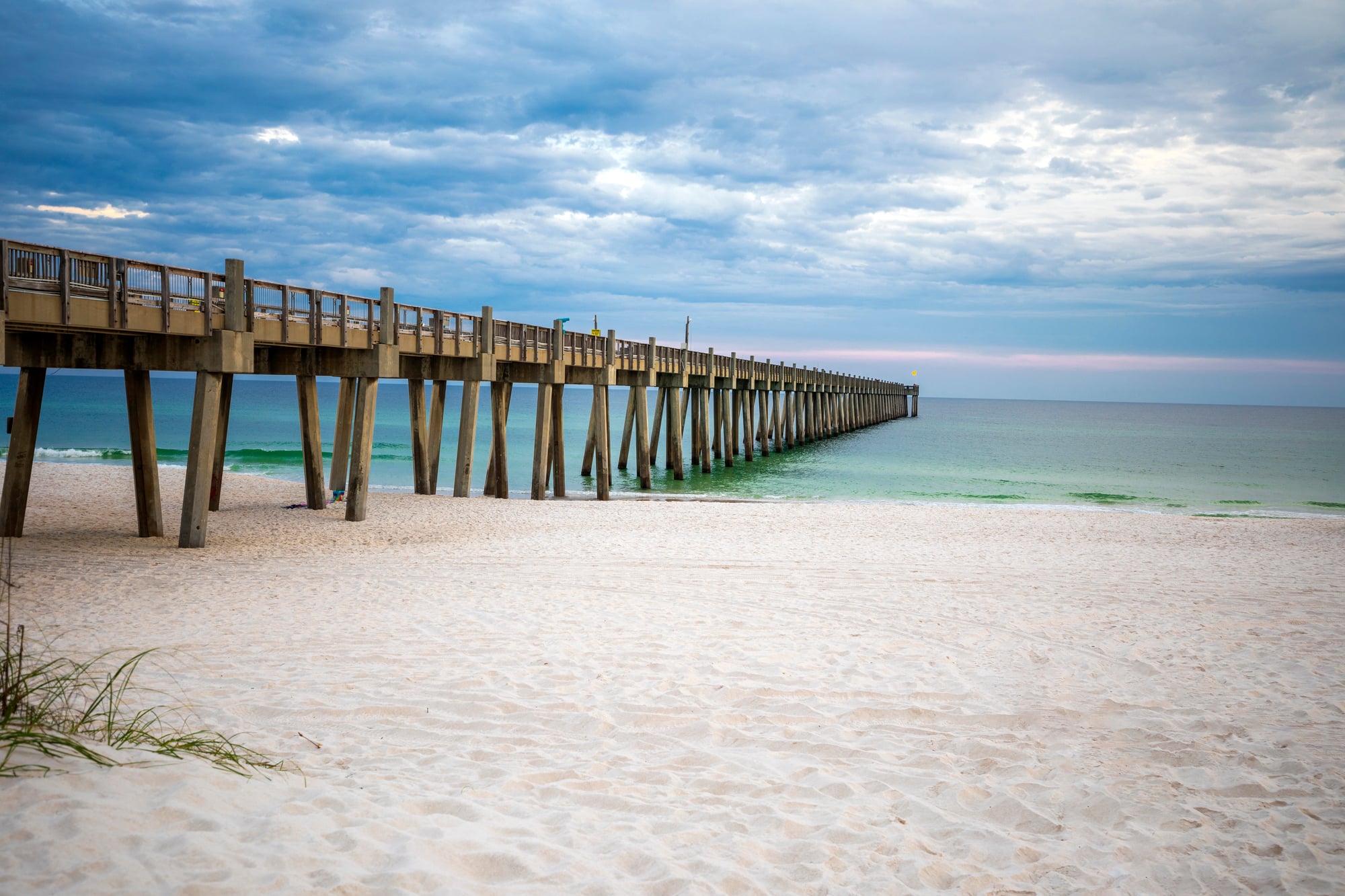
Spanish and French officials signed boundary agreements along Pensacola Beach in the early 1700s, attempting to resolve territorial disputes in colonial Florida. The beach meetings occurred because both sides maintained naval forces in Pensacola Bay, and the shoreline provided neutral ground where representatives could meet without either side having to enter the other’s fortifications.
Rehoboth Beach, Delaware
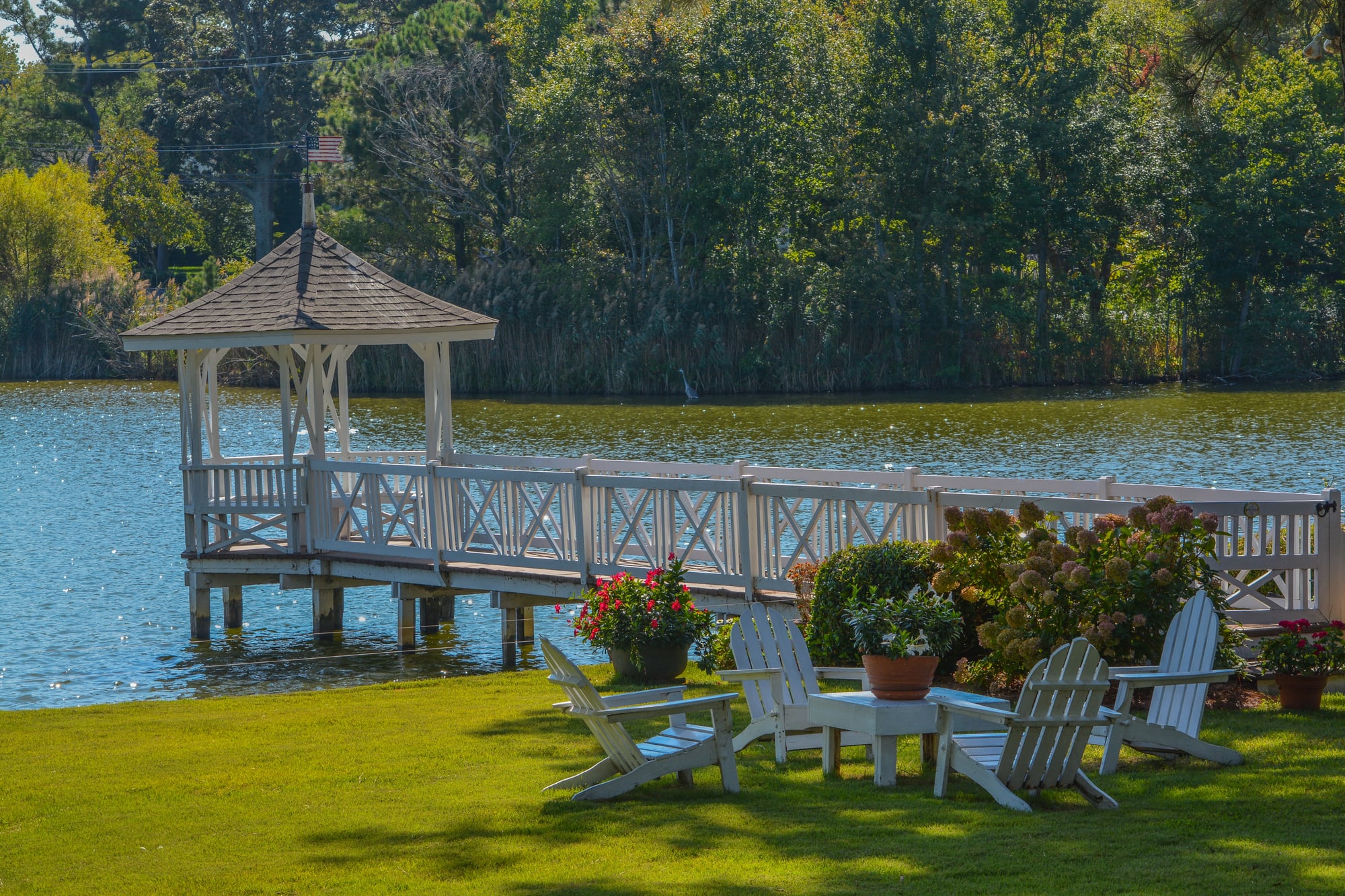
Native American tribes and Dutch colonists signed several small-scale treaties along Delaware’s coast in the 1650s and 1660s. While not as famous as other agreements, these beach-signed documents established patterns of land use and trade that influenced the region for decades.
The coastal location was practical—Dutch officials often arrived by ship from New Amsterdam while tribal representatives came overland.
Santa Barbara Beach, California
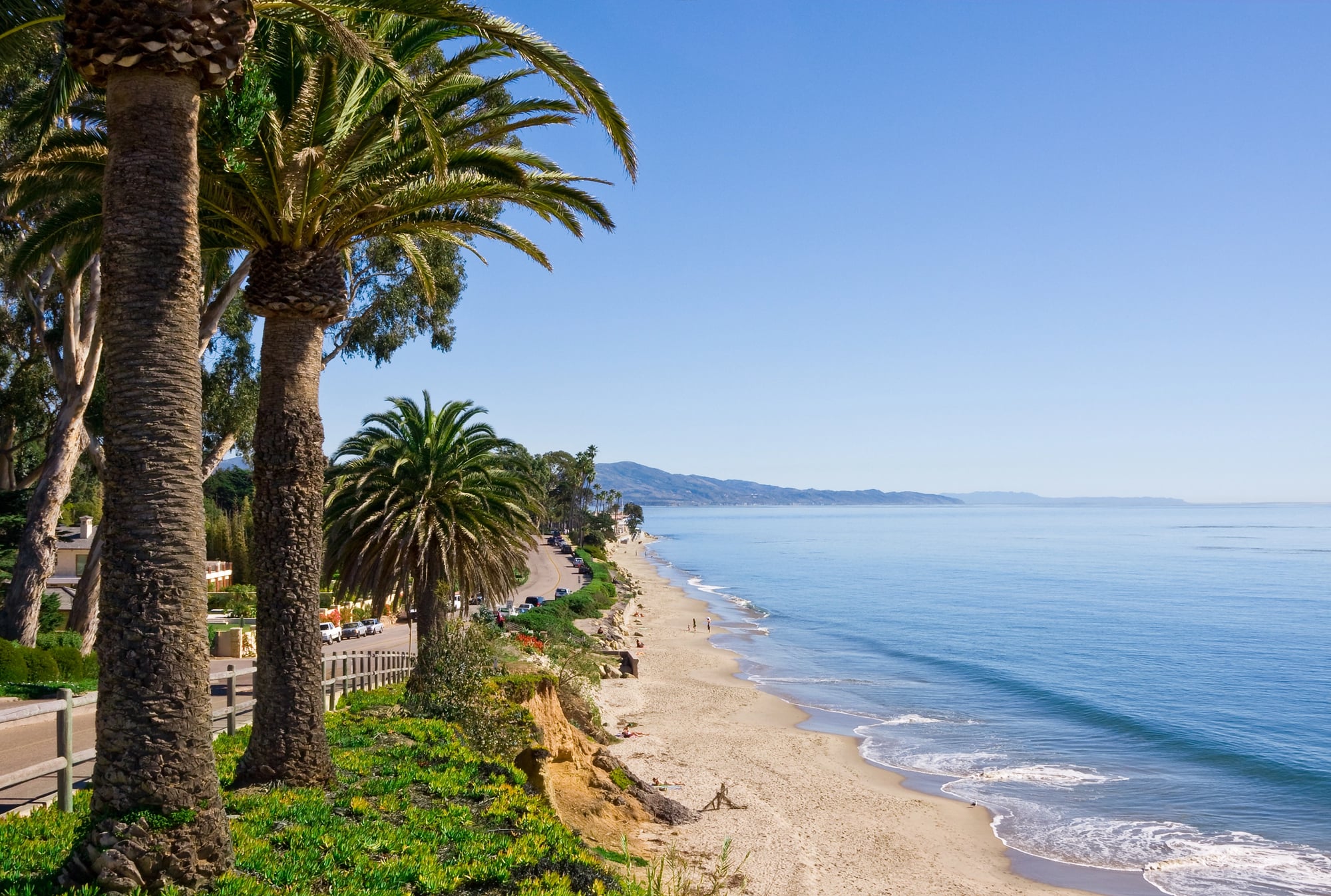
Mission officials and Chumash leaders conducted treaty negotiations along Santa Barbara’s beaches in the late 1700s. These agreements, while often coercive, formally established the mission system’s relationship with local populations.
The beach meetings occurred because the Chumash were skilled seafarers who preferred coastal locations, and Spanish officials recognized the importance of accommodating indigenous preferences in sensitive negotiations.
Jekyll Island Beach, Georgia
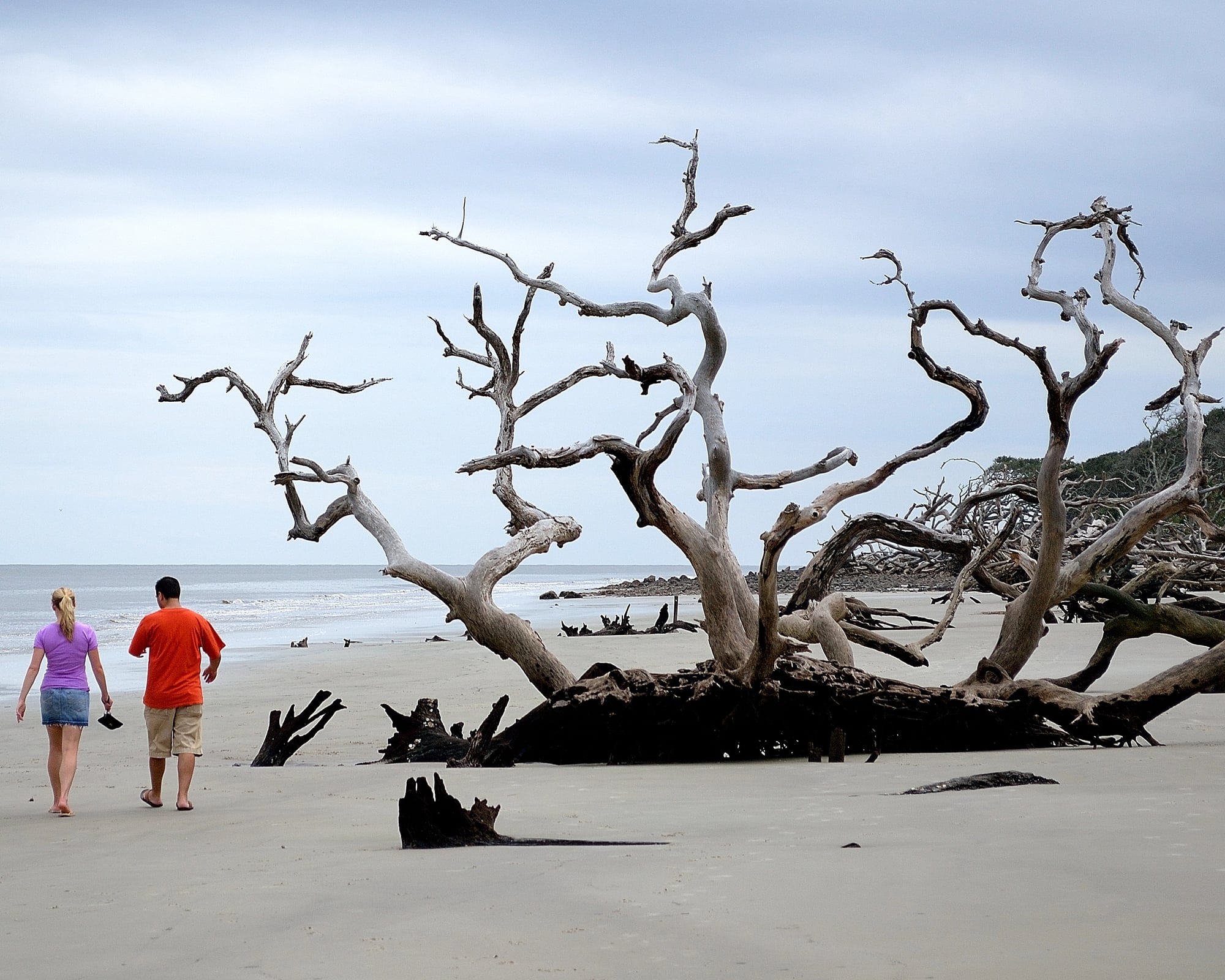
In 1886, members of what would become the Jekyll Island Club signed agreements establishing their exclusive resort along the island’s beaches. While not an international treaty, these documents created one of America’s most influential private clubs.
The beach setting wasn’t accidental—the isolation and natural beauty were selling points for wealthy industrialists seeking a private retreat.
Mackinac Island Beach, Michigan
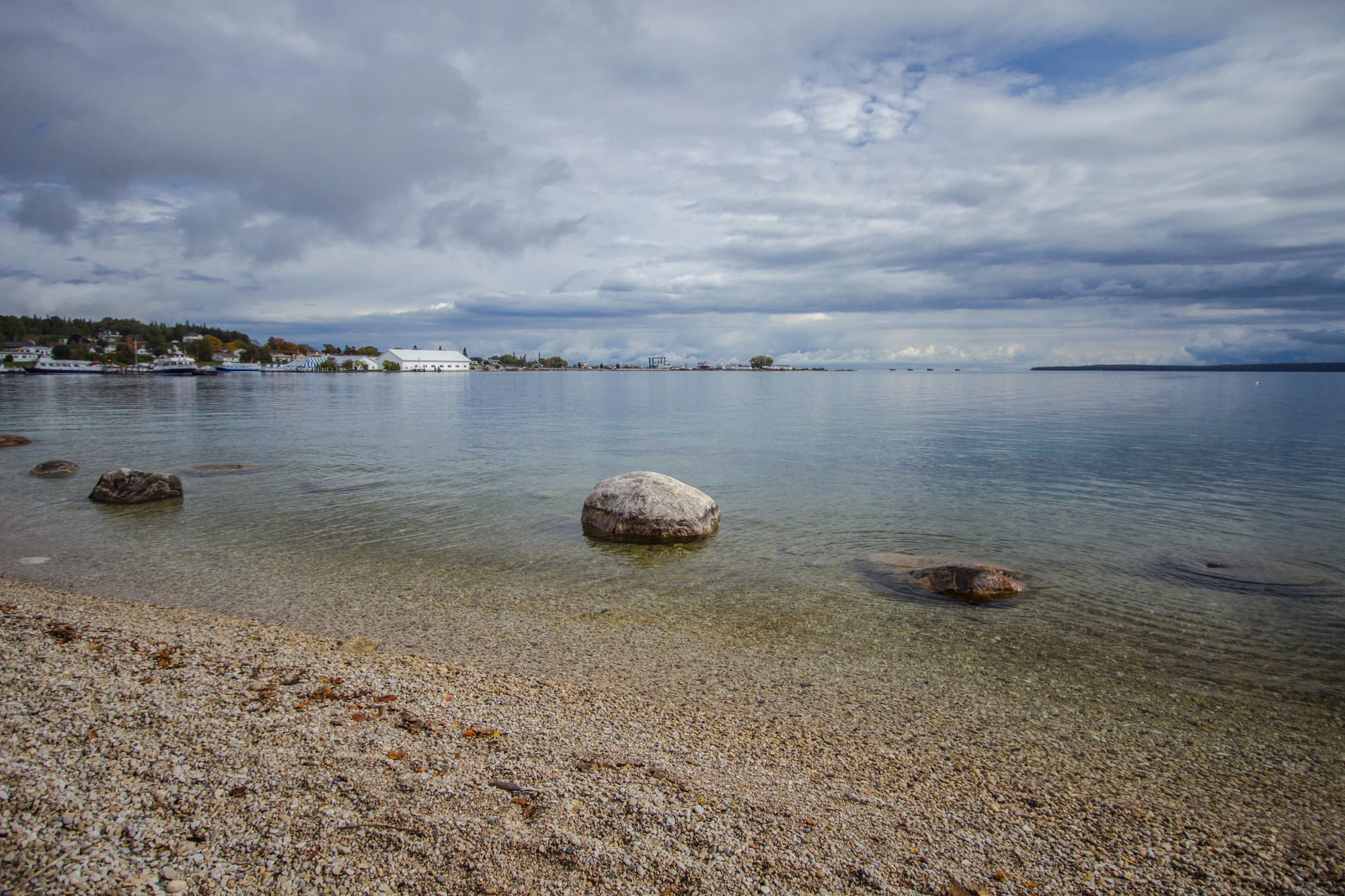
The Treaty of Mackinac was signed in 1815 along the island’s rocky shoreline, establishing peace between the United States and several Native American tribes after the War of 1812. The island location provided security and prevented either side from bringing large military forces to intimidate the other.
The beach setting created a more egalitarian atmosphere than formal government buildings would have provided.
Martha’s Vineyard Beach, Massachusetts
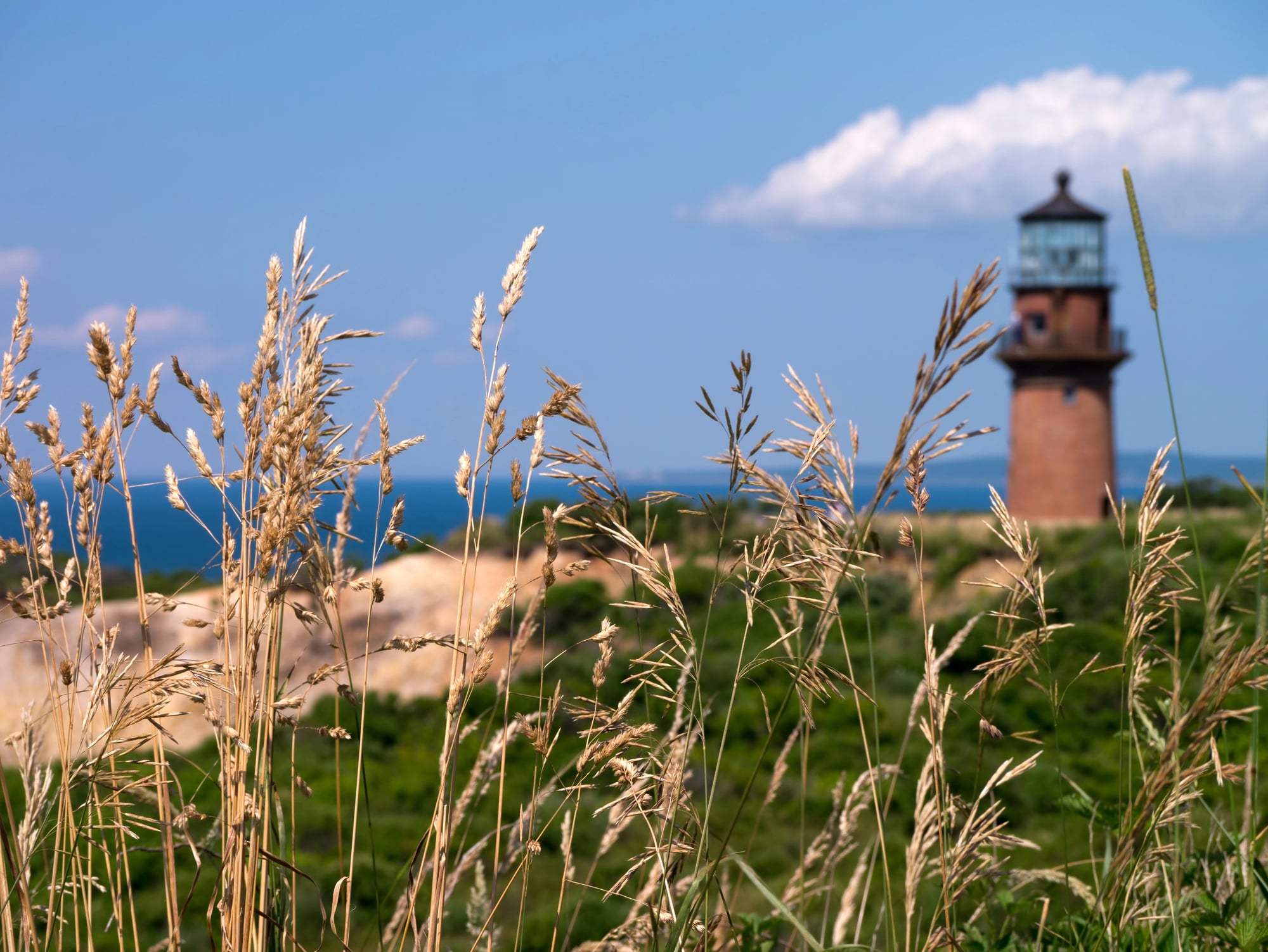
Wampanoag sachems and English colonists signed land agreements along Martha’s Vineyard beaches throughout the 1640s and 1650s. These treaties established some of the most equitable relationships between Europeans and Native Americans in colonial New England.
The island setting forced both sides to approach negotiations as equals—neither had overwhelming military advantage on the isolated beaches, encouraging more honest diplomacy.
Where Diplomacy Meets the Tide

These beach treaties remind us that history’s most important moments don’t always happen in marble halls or behind closed doors. Sometimes the most honest conversations occur where land meets sea, where the endless rhythm of waves creates a natural cathedral for human agreement.
The informal atmosphere of beaches often encouraged more genuine dialogue than formal government settings, leading to treaties that shaped nations and cultures. These sandy diplomatic venues prove that the most enduring agreements sometimes need nothing more than open sky, salt air, and the timeless neutrality of the shoreline.
More from Go2Tutors!

- The Romanov Crown Jewels and Their Tragic Fate
- 13 Historical Mysteries That Science Still Can’t Solve
- Famous Hoaxes That Fooled the World for Years
- 15 Child Stars with Tragic Adult Lives
- 16 Famous Jewelry Pieces in History
Like Go2Tutors’s content? Follow us on MSN.



