14 Museums With the Most Bizarre Collections
While most people think of museums as grand halls filled with ancient artifacts or masterpiece paintings, there’s a completely different world of institutions celebrating the weird, wonderful, and downright bizarre. These unconventional museums prove that human curiosity knows no bounds, and that pretty much anything can become a fascinating collection if you look at it the right way.
From preserved body parts to giant coils of string, these museums push the boundaries of what we consider worth preserving and studying. Here is a list of 14 museums with collections so bizarre, they’ll leave you questioning everything you thought you knew about what belongs in a museum.
Mütter Museum

Philadelphia’s Mütter Museum houses over 20,000 medical specimens, including anatomical oddities, pathological specimens, and vintage medical equipment. Founded in 1858 when Dr. Thomas Dent Mütter donated his collection of medical anomalies to continue medical education and research, this Gothic wonderland features everything from a 7-foot-6-inch skeleton to sections of Albert Einstein’s brain.
One of the most unsettling displays is the ‘eye wall’ featuring 40 wax replicas of eyeballs showing horrific medical conditions like cancer and gangrene.
Avanos Hair Museum

Turkey’s most unsettling tourist attraction sits in a cave beneath a pottery shop in the small town of Avanos. Created by potter Chez Galip, the museum houses the world’s largest collection of hair gathered from more than 16,000 women, along with their names and addresses.
Locks of every length and color transform everything but the floor into a kind of hairy haven. Visitors can even add their own hair to the collection, though you might want to think twice about that particular souvenir.
Like Go2Tutors’s content? Follow us on MSN.
International UFO Museum

In 1947, a rancher stumbled upon mysterious debris that the government declared was a crashed weather balloon, but conspiracy theorists believed the ‘Roswell incident’ actually involved an extraterrestrial flying saucer. The museum focuses on the famous 1947 close encounter in the nearby desert, but also features an extensive library and exhibits all focused on the history of UFO encounters.
Located in Roswell, New Mexico, this museum has turned alien conspiracy theories into a legitimate tourist destination.
Museum of Broken Relationships

Since 2006, the Museum of Broken Relationships, whose permanent home is in Zagreb, Croatia, has curated a collection of items left over after love affairs have disintegrated. This unique collection draws together the objects left behind when romance ends: pairs of shoes, unopened bottles of wine, even lint from an ex-boyfriend’s belly button.
Each donated item comes with a story explaining its significance, creating an oddly touching monument to failed relationships.
Vent Haven Museum

Kentucky’s Fort Mitchell is home to what might be the world’s creepiest museum. In 1910, William Shakespeare Berger bought his first dummy, Tommy Baloney, and by 1947, his collection had grown so large he renovated his garage to house the figures.
Today, Vent Haven Museum displays more than 800 dummies, photos, playbills, and historical books from Berger’s collection. The sight of hundreds of ventriloquist dummies staring at you from every angle is guaranteed to give you nightmares.
Like Go2Tutors’s content? Follow us on MSN.
National Mustard Museum

Founded in 1992 by Barry Levenson, the National Mustard Museum boasts a collection of 6,000 mustards from 70 countries. Located in Wisconsin, this yellow-themed wonderland proves that absolutely anything can become a museum if someone is passionate enough about it.
The museum includes mustard memorabilia and even hosts an annual Mustard Day celebration, because apparently that’s a thing people need.
Cancun Underwater Museum

Situated in Cancun, Mexico, Cancun Underwater Museum displays a collection of around 500 sculptures in three diverse galleries immersed between 3 and 6 meters of water. Not only are they eerily beautiful, they also serve as material for coral to collect and grow upon, essentially making it art as conservation.
Visitors need scuba gear to explore this submerged gallery, where art meets marine biology in the most unexpected way.
Dog Collar Museum
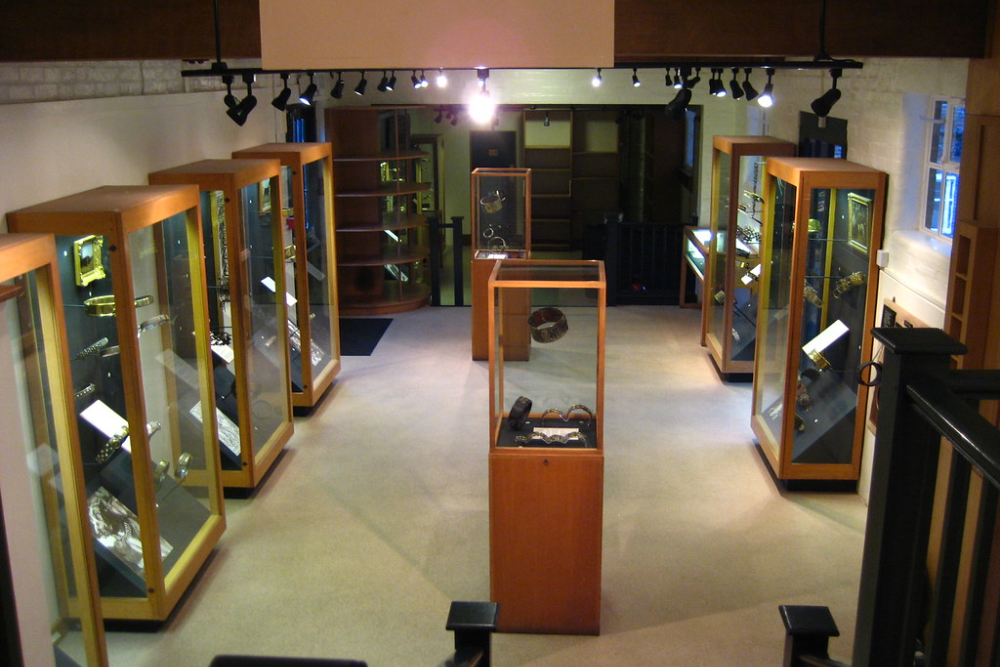
Located inside Leeds Castle in Kent, England, is the world’s only Dog Collar Museum with more than 130 collars in the collection dating back more than 500 years. The collection was originally donated in 1977 by Mr John & Mrs Gertrude Hunt, and since then, more examples dating from the 16th-19th century have been collared by the museum.
These ornate collars offer a fascinating glimpse into how wealthy pet owners have pampered their pups throughout history.
Like Go2Tutors’s content? Follow us on MSN.
Iceland Phallological Museum
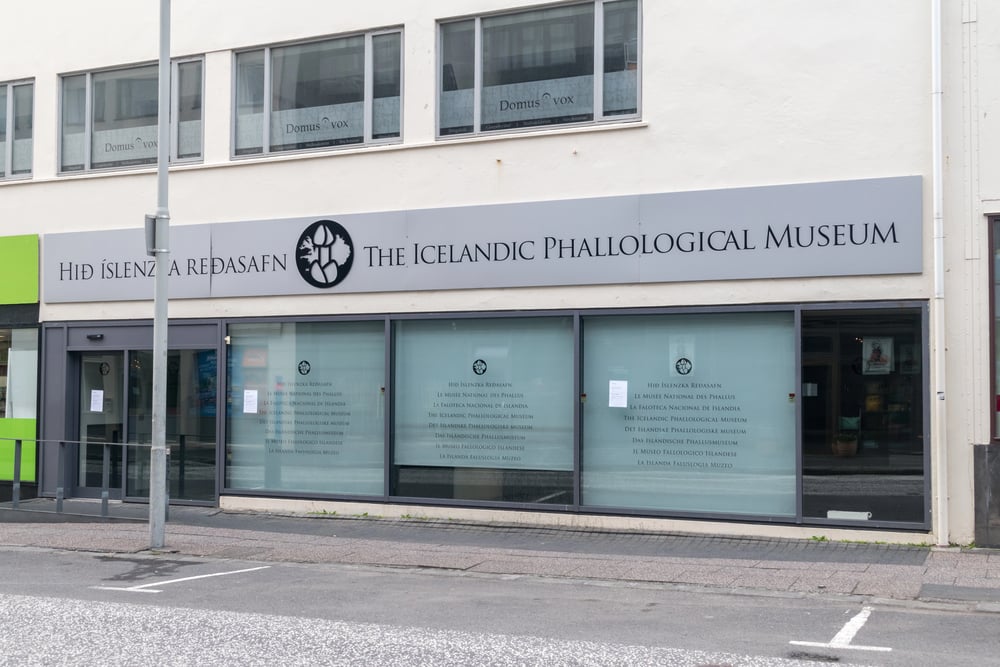
Iceland takes the prize for the world’s most anatomically specific museum. The Iceland Phallological Museum is described on its website as ‘probably the only museum in the world to contain a collection of phallic specimens.’
The museum houses an assortment of 276 specimens, from the tiniest belonging to a hamster (2 mm) to the gigantic private parts of a sperm whale (1.7 meters). It’s definitely not your typical family-friendly tourist destination.
Salt and Pepper Shaker Museum
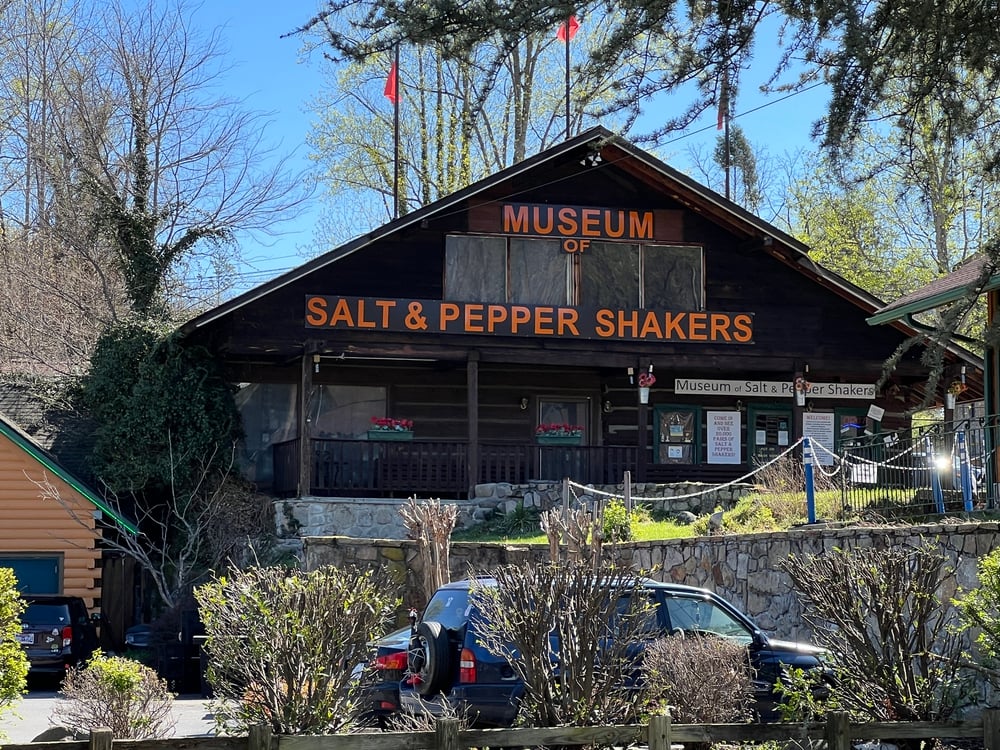
Located in Gatlinburg, Tennessee, the Museum of Salt and Pepper Shakers holds more than 20,000 examples of these essential items of tableware, with the collection started in 1985 by archaeologist Andrea Ludden. You can even pick up your own pair at the gift shop, where many duplicates are for sale, allowing you to start your own collection.
From Amish farmers to human feet shapes, this museum proves that even the most mundane household items can become collectible art.
Meguro Parasitological Museum

Japan’s Meguro Parasitological Museum began exhibiting skin-crawling, skin-burrowing creatures in order to raise public awareness about disease following World War II. Founded in 1953 by Dr. Satoru Kamegai, it contains over 60,000 specimens spread across two floors of microscopic wonders.
The star attraction is a record-breaking 8.8-meter tapeworm taken from a man who consumed infected sushi, coiled across the wall in a spiral shape.
Like Go2Tutors’s content? Follow us on MSN.
Toilet Museum
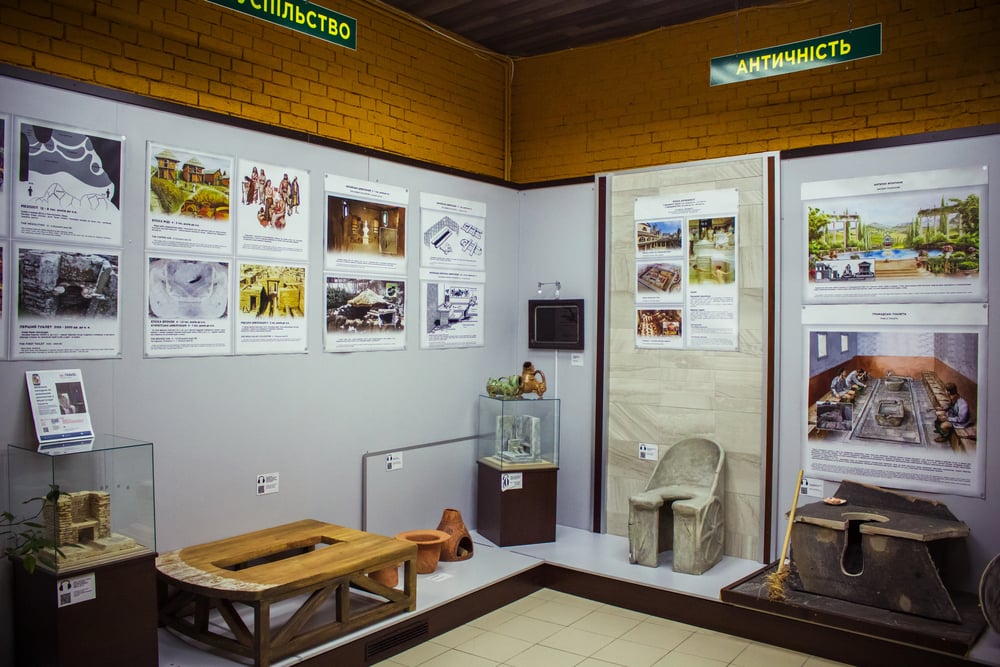
Located in New Delhi, India, the Sulabh International Toilet Museum is a tribute to the porcelain throne, created by Museum curator Dr. Bindeshwar Pathak who runs Sulabh International, the largest non-profit in India dedicated to improving overall health conditions. The museum intends to insist on hygiene improvements in third world countries to recover overall health conditions.
The exhibits review the historic evolution of toilets and display how they vary around the world, proving that even bathroom fixtures have cultural significance.
Cockroach Hall of Fame

This museum was established by an exterminator named Michael Bohdan who came forward with an innovative idea of adorning dead cockroaches. During the 1980s, he started a contest to discover the biggest cockroach, and after that, a fashion contest of cockroaches was also held.
Located in Texas, visitors can see cockroaches dressed as celebrities and pop culture figures, turning pest control into performance art.
Cat Cabinet
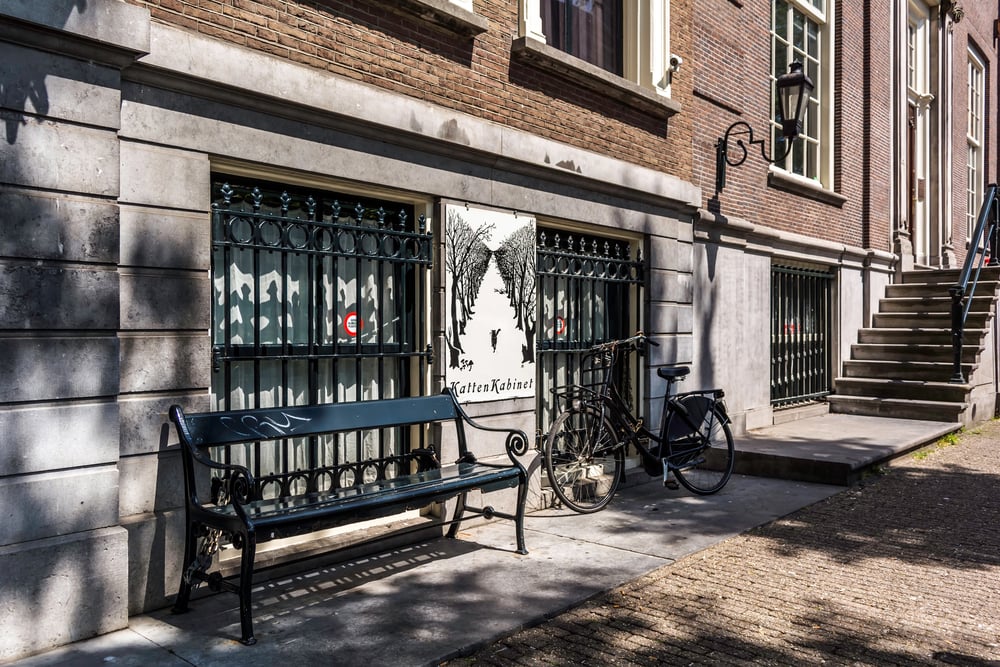
Amsterdam is home to the Kattenkabinet, or Cat Cabinet, a museum in an old house dedicated to displaying work celebrating cats. The museum has pieces by the likes of Pablo Picasso and Henri de Toulouse-Lautrec, as well as some real-life furry felines who walk around the house.
This unique institution combines fine art with feline appreciation, creating a space where cat lovers can appreciate both famous artworks and live cats wandering through the galleries.
Like Go2Tutors’s content? Follow us on MSN.
Where Oddity Meets Obsession
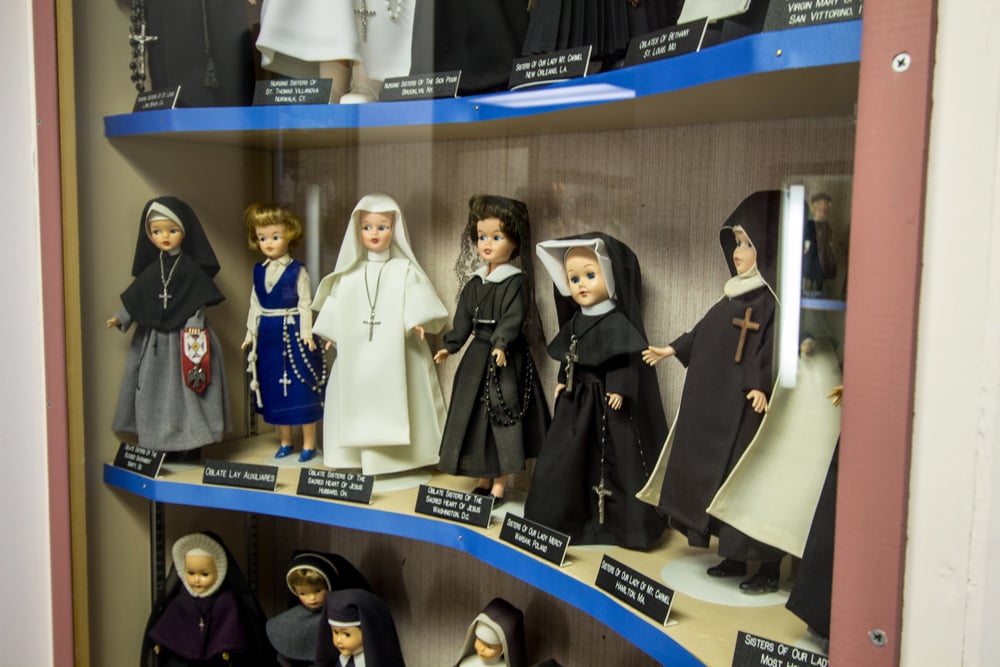
These bizarre museums remind us that behind every strange collection lies human passion, curiosity, and the desire to preserve what others might discard. Whether celebrating the mundane or the macabre, these institutions prove that museums aren’t just about ancient history or famous art.
They’re about the endless variety of human experience and our need to catalog, understand, and share the world around us. The next time you visit a traditional museum, remember that somewhere else in the world, someone is carefully curating an equally important collection of mustard jars or ventriloquist dummies.
More from Go2Tutors!

- 16 Historical Figures Who Were Nothing Like You Think
- 12 Things Sold in the 80s That Are Now Illegal
- 15 VHS Tapes That Could Be Worth Thousands
- 17 Historical “What Ifs” That Would Have Changed Everything
- 18 TV Shows That Vanished Without a Finale
Like Go2Tutors’s content? Follow us on MSN.



