17 Westerns That Changed How We See Cowboys
Hollywood has been telling cowboy stories for over a century, but not all of them stick to the same old script. While many westerns follow familiar patterns of heroic gunfighters and clear-cut good versus evil, some films have dared to challenge our assumptions about the American West. These movies didn’t just entertain audiences—they fundamentally shifted how we understand cowboys, the frontier, and the myths we’ve built around them.
The films that truly changed the western genre didn’t just add new twists to old stories. They questioned the very foundations of cowboy mythology, revealed uncomfortable truths about the West, and showed us complex characters who defied easy categorization.
Here is a list of 17 westerns that transformed our understanding of cowboys and the American frontier.
The Great Train Robbery

This 1903 film practically invented the western genre as we know it today. Edwin S. Porter’s groundbreaking work established many of the visual and narrative conventions that would define cowboy movies for decades. The film introduced audiences to the idea of outlaws as central characters, rather than just villains to be defeated by lawmen.
Stagecoach
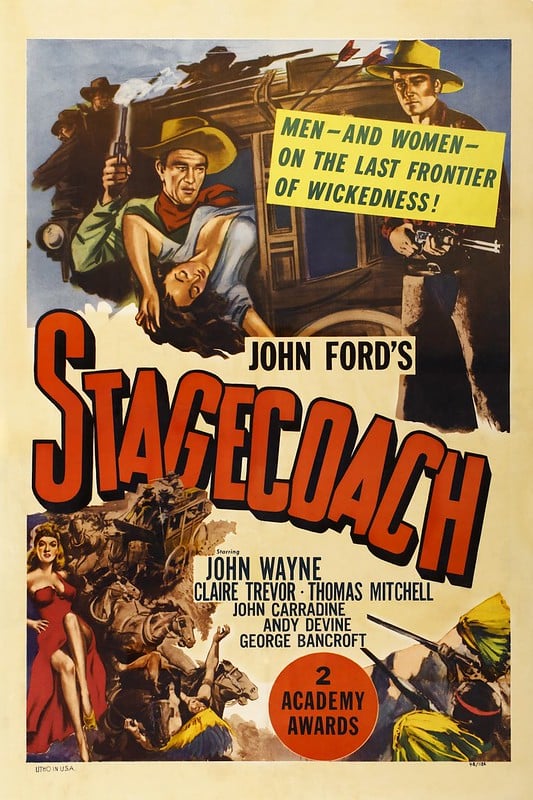
John Ford’s 1939 masterpiece took the western out of the B-movie category and proved it could be serious cinema. The film presented a diverse group of travelers, each representing different aspects of society, and showed that cowboys and outlaws weren’t necessarily the most important people in the West. Ford’s Monument Valley setting became iconic, but more importantly, his complex character development showed that western heroes could have flaws and moral ambiguities.
Red River
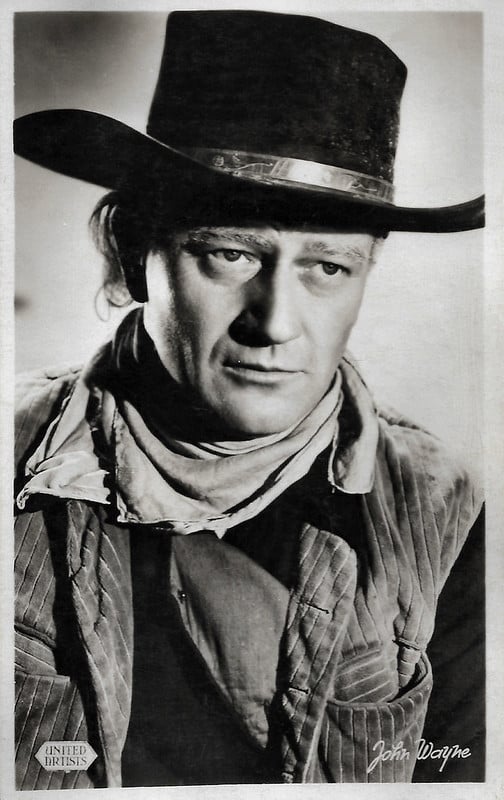
Howard Hawks’ 1948 epic challenged the notion that all cowboy leaders were naturally heroic. Montgomery Clift’s character stands up to John Wayne’s tyrannical cattle baron, showing that the old ways of western leadership might not always be right. The film demonstrated that generational conflict and changing values were as much a part of the frontier experience as gunfights and cattle drives.
The Treasure of the Sierra Madre

While not strictly a western, John Huston’s 1948 film used western settings to explore how the pursuit of wealth corrupts men. The movie showed that the frontier could bring out the worst in people, not just the best. Humphrey Bogart’s descent into paranoia and greed revealed that the American Dream could become a nightmare when taken to extremes.
The Gunfighter
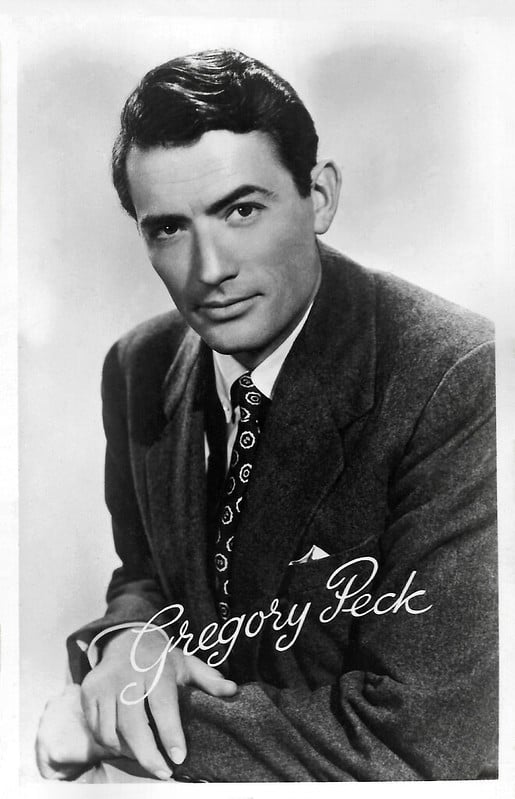
This 1950 film starring Gregory Peck presented a completely different view of the legendary gunslinger. Instead of a heroic figure, Peck plays a man trapped by his reputation, unable to escape his past or find peace anywhere. The movie showed that being the fastest gun in the West was more curse than a blessing, and that violence only breeds more violence.
High Noon
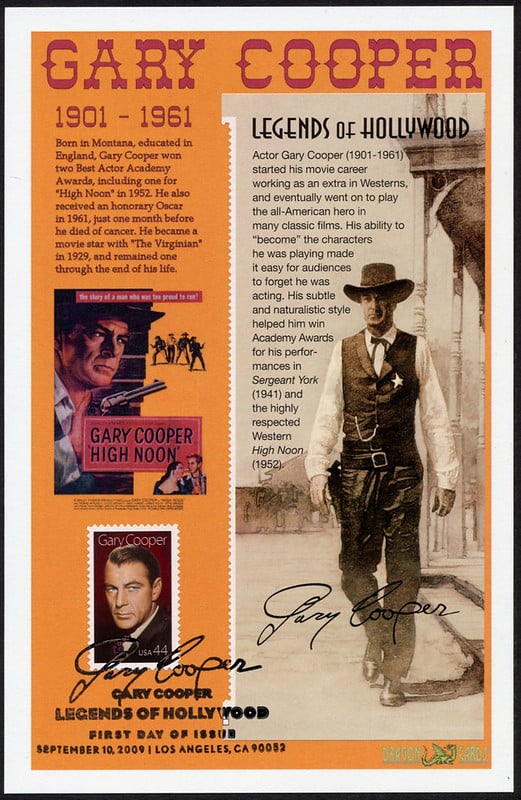
Fred Zinnemann’s 1952 classic stripped away the romantic notions of community solidarity in the Old West. Gary Cooper’s sheriff finds himself abandoned by his town when real danger approaches, revealing that frontier courage was often more myth than reality. The film’s real-time tension and moral complexity showed that doing the right thing in the West could be a lonely, thankless job.
Shane

George Stevens’ 1953 film presented the gunfighter as a tragic figure caught between two worlds. Alan Ladd’s character represents the violent past that must fade away for civilization to flourish. The movie suggested that the very skills that made cowboys effective also made them incompatible with the settled society they helped create.
The Searchers

John Ford’s 1956 masterpiece shattered the image of the noble cowboy hero. John Wayne’s Ethan Edwards is driven by racism and obsession, making him almost as savage as the enemies he fights. The film forced audiences to confront the ugly realities of frontier attitudes toward Native Americans and showed that the line between hero and villain could be disturbingly thin.
Rio Bravo
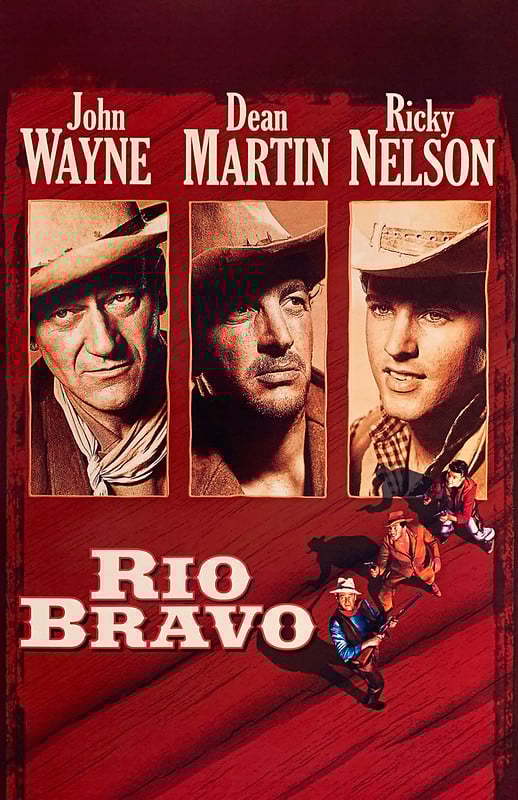
Howard Hawks’ 1959 response to ‘High Noon’ offered a different view of western community and heroism. Instead of isolation and abandonment, the film showed professionals working together to face danger. The movie suggested that competence and mutual respect mattered more than individual heroics, and that the West wasn’t just about lone gunmen but about people building something together.
The Man Who Shot Liberty Valance
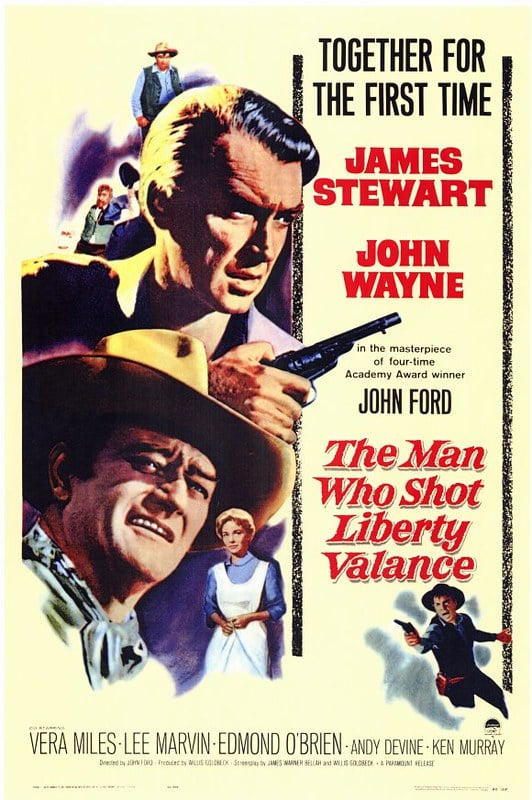
John Ford’s 1962 film directly confronted the mythology of the American West. The famous line ‘When the legend becomes fact, print the legend’ captured how western stories often prioritized inspiring myths over uncomfortable truths. The movie showed that the civilizing of the West required both violence and law, and that the transition from frontier to settled society was more complex than most westerns suggested.
A Fistful of Dollars

Sergio Leone’s 1964 ‘spaghetti western’ introduced a new type of cowboy hero—one motivated purely by self-interest rather than justice or community. Clint Eastwood’s Man with No Name operated by his own moral code, which often aligned with survival rather than traditional heroism. The film’s cynical view of human nature and its stylized violence changed how audiences expected western protagonists to behave.
The Wild Bunch

Sam Peckinpah’s 1969 film showed aging outlaws struggling to survive in a rapidly changing world. The movie depicted the end of the cowboy era with brutal honesty, showing that the romantic period of the Old West was giving way to modern technology and corporate power. The film’s graphic violence and moral ambiguity marked a turning point in how westerns portrayed frontier life.
Butch Cassidy and the Sundance Kid
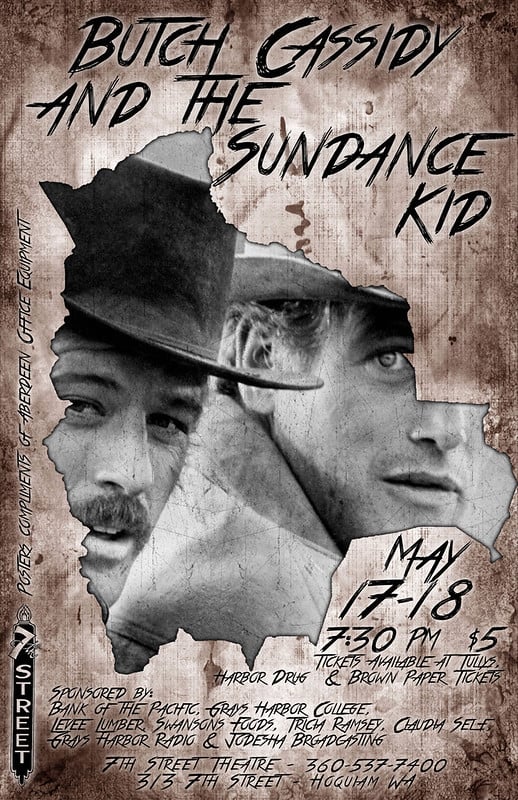
George Roy Hill’s 1969 film presented outlaws as likable, funny characters rather than dangerous criminals. Paul Newman and Robert Redford’s charming bank robbers showed that western bad guys could be more appealing than the lawmen chasing them. The movie’s humor and modern sensibility made audiences question whether traditional western morality was as clear-cut as earlier films suggested.
McCabe & Mrs. Miller
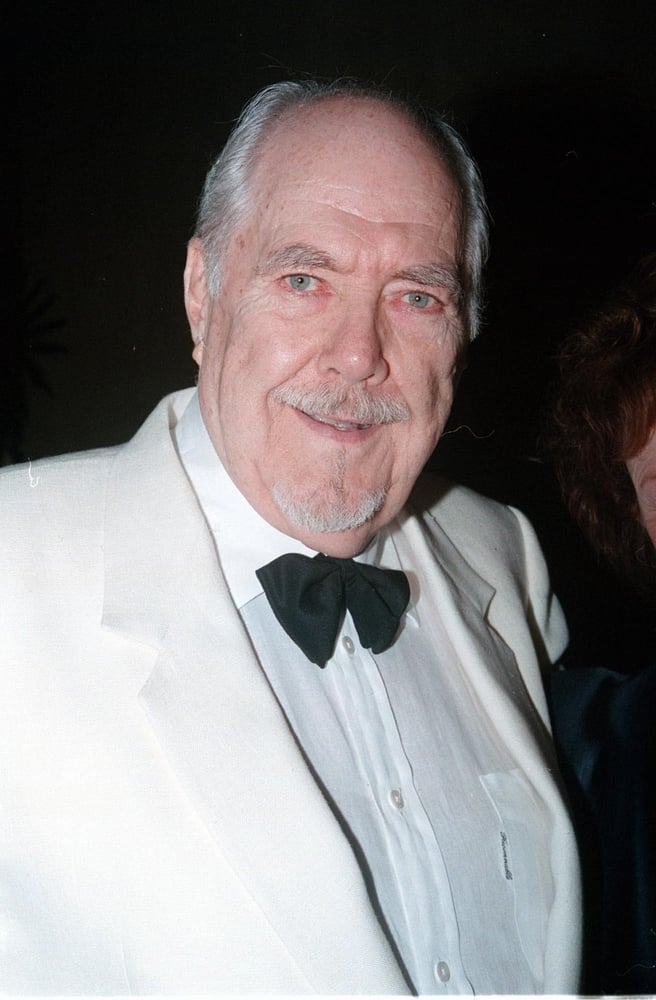
Robert Altman’s 1971 film completely deconstructed the western hero archetype. Warren Beatty’s McCabe is a small-time businessman rather than a gunfighter, and his story ends in failure rather than triumph. The movie’s muddy, realistic setting and unheroic characters showed that the West was often about commerce and survival rather than honor and adventure.
The Outlaw Josey Wales
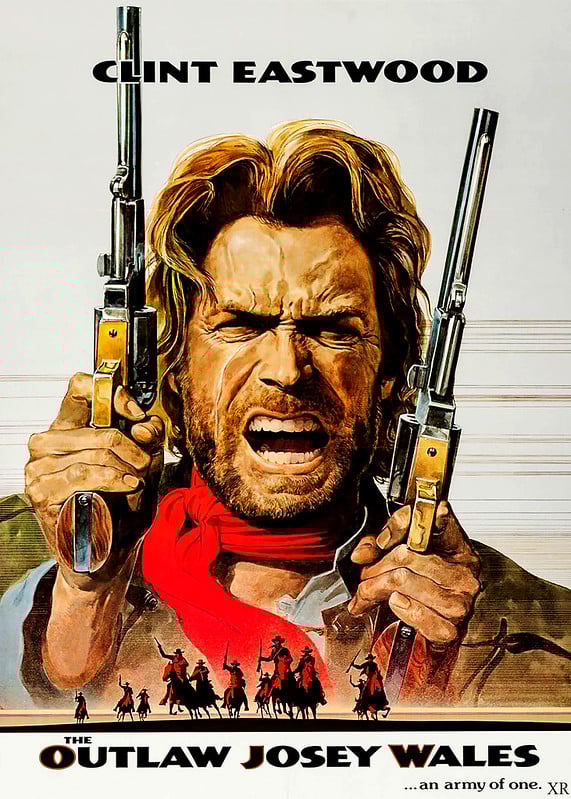
Clint Eastwood’s 1976 film presented a Confederate veteran seeking revenge in the post-Civil War West. The movie showed how the frontier could be a refuge for those displaced by historical events, and how personal justice might conflict with official law. The film’s sympathetic portrayal of a Southern protagonist challenged northern assumptions about western heroism.
Unforgiven
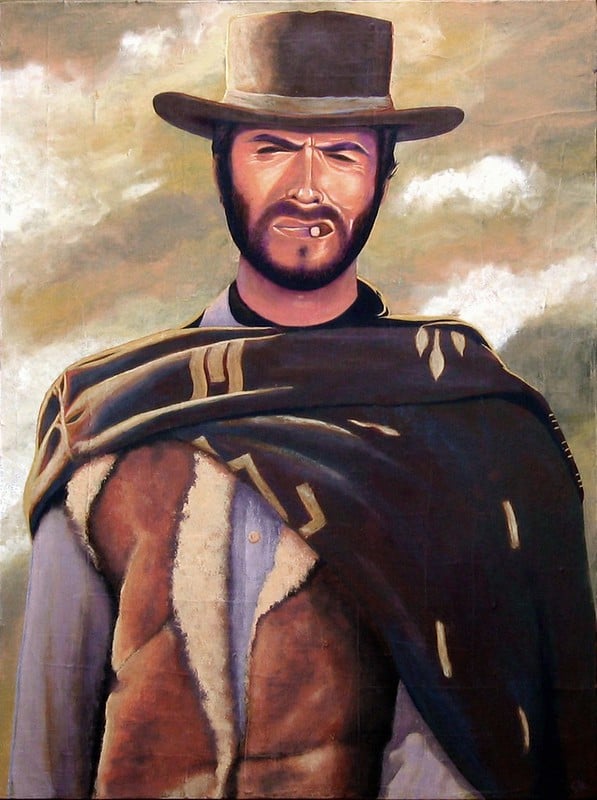
Eastwood’s 1992 masterpiece systematically dismantled every western myth he had helped create. The film showed that violence leaves lasting scars, that reputation often exceeds reality, and that the frontier was brutal for everyone involved. The movie suggested that the romanticized view of cowboy justice was largely fantasy, and that real violence was ugly and destructive rather than heroic.
Deadwood
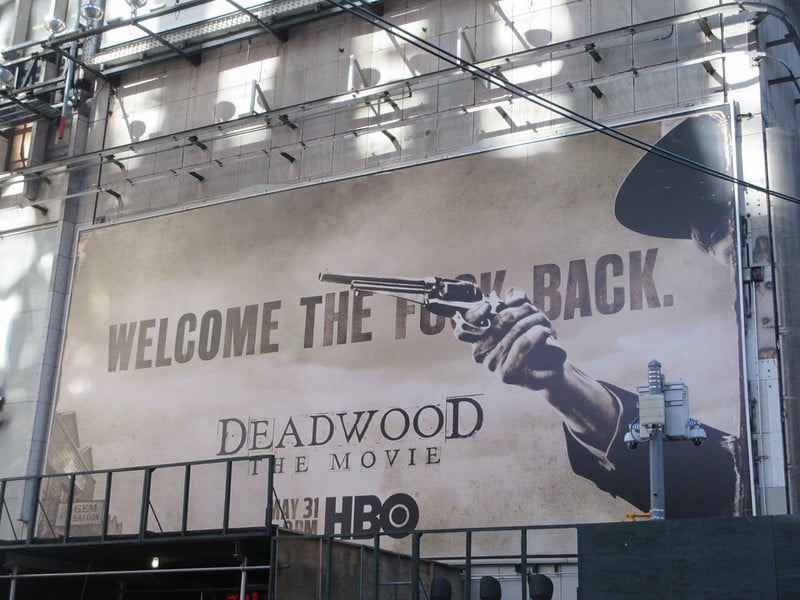
David Milch’s HBO series, which ran from 2004 to 2006, showed the American West as a place where civilization emerged from chaos through negotiation and compromise rather than gunfights. The show’s complex characters and realistic dialogue revealed that building western communities required politics, business sense, and cooperation as much as individual courage. The series demonstrated that the frontier was fundamentally about people trying to create order and meaning in an uncertain environment.
The West We Built in Our Minds

These films didn’t just change how we see cowboys—they revealed how much of our western mythology was constructed rather than historical. From the early days of cinema to modern prestige television, each generation has reimagined the frontier to reflect its own values and concerns. The cowboy remains an enduring American symbol, but these movies showed us that the symbol is far more complex and contradictory than we once believed. They remind us that the most powerful stories aren’t always the most comfortable ones, and that understanding our past requires looking beyond the legends to find the complicated human truth underneath.
More from Go2Tutors!

- The Romanov Crown Jewels and Their Tragic Fate
- 13 Historical Mysteries That Science Still Can’t Solve
- Famous Hoaxes That Fooled the World for Years
- 15 Child Stars with Tragic Adult Lives
- 16 Famous Jewelry Pieces in History
Like Go2Tutors’s content? Follow us on MSN.