13 Businesses That Were Doomed the Moment They Launched
The business landscape is littered with grand visions that crashed spectacularly – ventures with fatal flaws that doomed them from day one. While entrepreneurship inherently involves risk, some ideas seem so fundamentally misguided that their failure appears inevitable in retrospect.
Here is a list of 13 business ventures that were essentially dead on arrival – their demise sealed by flawed premises, terrible timing, or spectacular misunderstandings of their markets.
Juicero

This Wi-Fi connected juicer became Silicon Valley’s perfect cautionary tale. Launched with venture funding, Juicero sold a machine that squeezed proprietary produce packets – packets that investigations revealed could be squeezed just as effectively by hand.
The company collapsed just months after launch, undone by a solution to a problem nobody had.
Quibi

This mobile-only streaming platform bet that viewers craved premium short-form content viewable exclusively on smartphones. Launching precisely when pandemic lockdowns kept everyone home with access to full-size screens – its timing couldn’t have been worse.
Despite backing from industry titans, Quibi shut down just months after launch.
Google Glass
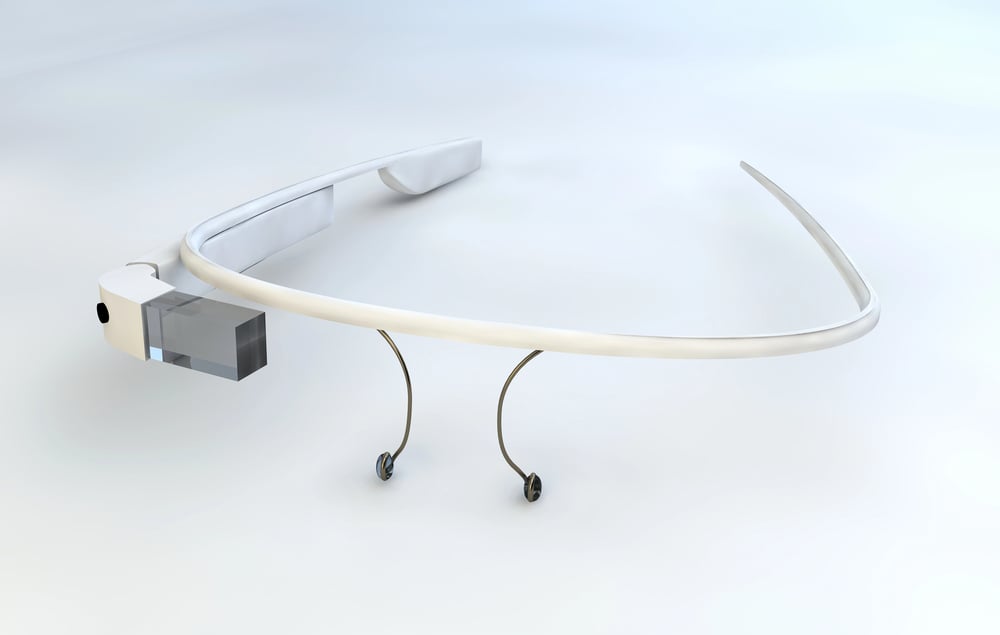
Google’s augmented reality eyewear encountered immediate social resistance upon its consumer release. The conspicuous design and built-in camera triggered privacy concerns – earning users the unflattering nickname “Glassholes.”
Though technically innovative, the device failed to articulate compelling everyday uses for average consumers. Google withdrew Glass from the consumer market, pivoting to limited enterprise applications.
Segway

Few products arrived with more hype than the Segway Personal Transporter – unveiled after a promotion suggesting it would “change the way cities are designed.” Inventor Dean Kamen predicted selling units weekly but sold just units in years.
The Segway’s fundamental problems – high price, unclear regulations, and the simple fact that walking worked fine – made it a solution searching for a problem.
MoviePass

This subscription offering unlimited theater movies monthly followed a business model that defied basic mathematics. Launched widely, MoviePass paid full price for the tickets its subscribers used – meaning each customer who saw just two movies monthly generated a loss.
The company burned through cash reserves, implemented desperate restrictions to limit usage, and filed for bankruptcy – structured to lose money with each transaction.
Like Go2Tutors’s content? Follow us on MSN.
Pets.com

This iconic dot-com failure embodied the excesses of the late internet bubble. Despite spending lavishly on advertising – including a memorable sock puppet mascot in a Super Bowl commercial – Pets.com never solved its fundamental economics.
Shipping heavy pet products costs more than the slim retail margins they generate, creating an unsustainable business. After raising money in its IPO, the company collapsed just months later.
Theranos

Elizabeth Holmes’ blood-testing startup collapsed under the weight of its technological deception. Founded, Theranos claimed its revolutionary technology could run hundreds of tests from a few drops of blood – attracting investment.
The fatal problem? The technology never actually worked. The company’s deception was exposed, leading to its dissolution and Holmes’ conviction for fraud – a business literally built on falsehoods.
New Coke
In a notorious product launch, Coca-Cola replaced its flagship beverage with a reformulated version. Despite taste tests suggesting a preference for the sweeter formula, the company fundamentally misunderstood consumers’ emotional attachment to the original.
The public backlash was immediate and intense – with some stockpiling original Coke and others protesting publicly. The company retreated after just days, reintroducing the original as “Coca-Cola Classic.”
HD DVD
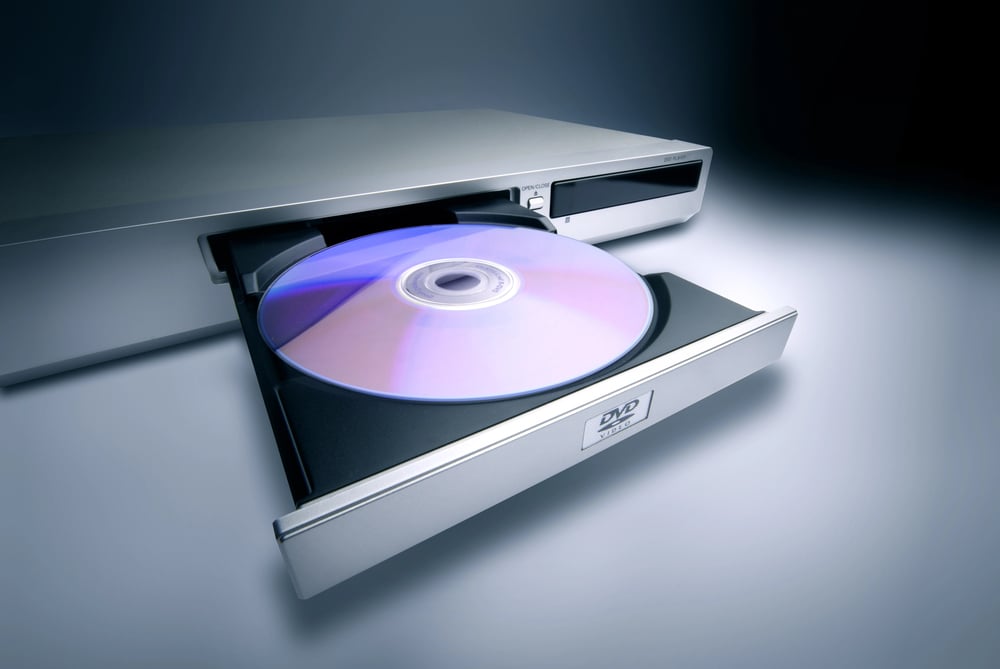
Toshiba’s high-definition disc format launched directly against Sony’s Blu-ray in a classic format war. Though technically comparable, HD DVD faced a decisive disadvantage when Sony integrated Blu-ray into its PlayStation – instantly placing millions of Blu-ray players in homes worldwide.
Toshiba abandoned HD DVD after spending hundreds of millions on development – doomed by competition dynamics where universal compatibility ultimately matters more than marginal technical advantages.
Coolest Cooler
This combination cooler/blender/speaker system became Kickstarter’s most-funded project, raising over millions from thousands of backers. Its fatal flaw? Creator Ryan Grepper dramatically underestimated manufacturing costs and complexities.
The company began selling coolers to retail customers before fulfilling backer orders, creating a publicity nightmare. The venture shut down with thousands of backers never receiving their coolers – a cautionary tale of crowdfunding ambitions colliding with production realities.
Microsoft Zune

Microsoft’s entry into the portable music player market arrived fatally late to challenge Apple’s dominant iPod. Despite competitive specifications, the Zune suffered from uninspired design, limited marketing, and most critically – the market’s rapid shift toward smartphones that rendered dedicated music players obsolete.
Microsoft discontinued Zune hardware and shut down services – a fundamental misreading of where consumer technology was headed.
Google+

Google’s attempt to challenge Facebook launched with enormous resources and integration with popular services like Gmail. Yet Google+ never articulated why users needed another social network or how it improved upon existing platforms.
User engagement remained dismal, with internal metrics revealing user sessions lasting less than five seconds. After multiple redesigns, Google+ finally shut down – doomed by failing to answer the fundamental question: why switch?
Samsung Galaxy Note 7

Samsung’s flagship smartphone launched to positive reviews, before battery defects caused devices to catch fire or explode. The crisis deepened when replacement units deemed “safe” experienced the same problems, forcing Samsung to recall all devices sold.
Beyond the estimated loss, Samsung suffered devastating reputational damage – including airlines worldwide banning the device from flights.
Entrepreneurial Post-Mortems
These business failures remind us that no amount of funding, hype, or even technological innovation can overcome fundamental flaws in a business premise. Common threads run through many of these disasters: solving problems nobody has, neglecting basic economics, arriving too early or too late to market, or building around technology rather than genuine human needs.
Yet each spectacular collapse creates valuable lessons about humility, market-testing assumptions, and the dangers of prioritizing vision over viability – contributing case studies to the education of future entrepreneurs, hopefully with more sustainable foundations.
More from Go2Tutors!

- The Romanov Crown Jewels and Their Tragic Fate
- 13 Historical Mysteries That Science Still Can’t Solve
- Famous Hoaxes That Fooled the World for Years
- 15 Child Stars with Tragic Adult Lives
- 16 Famous Jewelry Pieces in History
Like Go2Tutors’s content? Follow us on MSN.