13 Childhood Games That Only Needed Chalk, Dirt, and Imagination
Before screens dominated childhood entertainment, kids relied on simple tools and boundless creativity to have fun outdoors. These low-tech games fostered social skills, physical activity, and problem-solving in ways that digital alternatives rarely match.
The beauty of these classics lies in their accessibility – all you needed was some chalk, a patch of dirt, and your imagination to transform any ordinary day into an adventure. Here is a list of 13 childhood games that prove the most memorable play experiences often come from the simplest ingredients.
Hopscotch

This timeless sidewalk game has entertained children for generations with nothing more than chalk and a small stone. Kids would draw the familiar numbered grid pattern and take turns hopping through the course on one foot, carefully avoiding the square with their marker.
The seemingly simple game actually builds balance, coordination, and number recognition while teaching patience as players wait their turn.
Four Square

A piece of chalk, a bouncy rubber playground ball, and four willing participants were all it took to create this neighborhood classic. Players would draw a large square divided into four equal quadrants, each occupied by a player who had to bounce the ball into another’s square without letting it bounce twice in their own territory.
The game naturally taught kids about rotation, fair play, and the subtle art of competitive strategy without any adult intervention.
Like Go2Tutors’s content? Follow us on MSN.
Stick Ball
,
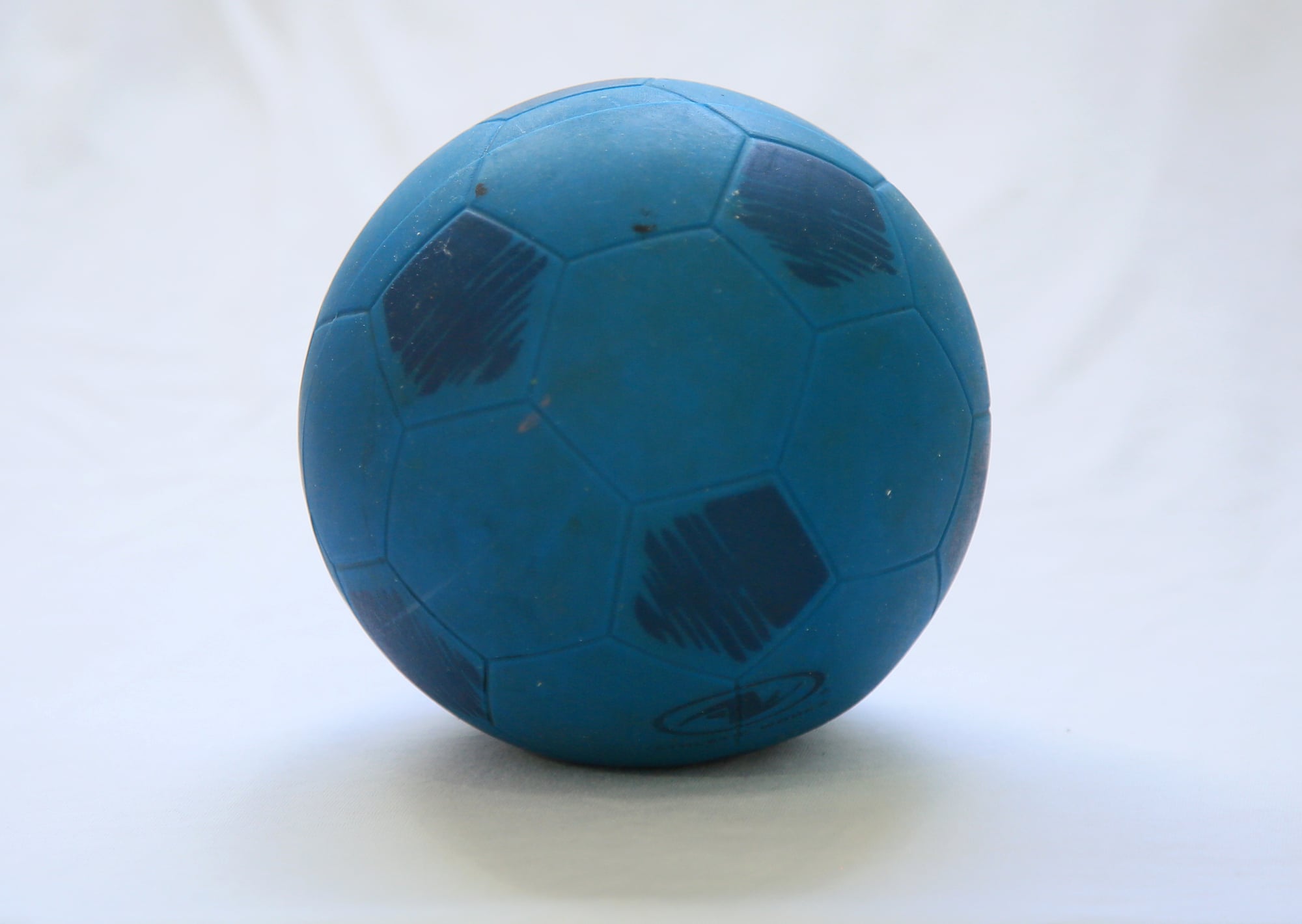
This improvised version of baseball required minimal equipment—just a broomstick and a small rubber ball. Neighborhood kids would establish makeshift bases using whatever was available, from discarded cardboard to old shirts.
The simplified rules made it perfect for small groups, and games could last until sunset or until someone’s mother called them home for dinner.
Marbles

Small glass spheres and a circle drawn in dirt created hours of competitive fun that taught precision and strategy. Players would take turns flicking their shooter marble to knock opponents’ marbles out of the circle, with winners keeping the spoils.
The tactile nature of the game developed fine motor skills while the strategic elements fostered critical thinking about angles and force.
Red Rover

This team game required absolutely no equipment—just a line of kids holding hands chanting “Red Rover, Red Rover, send (name) right over.” The chosen player would then run full speed, trying to break through the human chain.
The game taught surprising lessons about group solidarity, strategic thinking about where to position stronger team members, and the joy of inclusion when new players joined the line.
Like Go2Tutors’s content? Follow us on MSN.
Kick the Can

A discarded tin can transformed any outdoor space into an arena for this hide-and-seek variant. One player guarded the can while others hid, trying to kick the can before being spotted.
The game created natural suspense and trained children’s awareness of their surroundings as they calculated the risk of emerging from hiding spots.
Capture the Flag

Two teams, two flags, and a boundary line were all that was needed for this strategic outdoor competition. The simple premise involved protecting your team’s flag while attempting to capture the opponent’s and return it to your territory.
The game naturally taught teamwork, planning, and the balance between offensive and defensive strategies that would later translate to more structured sports.
Jacks

A handful of six-pointed metal pieces and a small rubber ball provided surprisingly complex entertainment. Players would toss the ball upward, quickly grab a specific number of jacks from the ground, and catch the ball before it bounced twice.
The increasingly difficult rounds developed hand-eye coordination and patience as children mastered each level before moving to more challenging stages.
Like Go2Tutors’s content? Follow us on MSN.
Tag

Perhaps the most equipment-free game ever created, tag required nothing but willing participants and energy to burn. The universal “you’re it” concept transcended language barriers and cultural differences, making it the perfect ice-breaker in any playground.
The game naturally evolved into countless variants like freeze tag or shadow tag, letting children exercise creativity by modifying rules to suit their group.
Hand-Clapping Games

Rhythm, rhyme, and coordination came together in these partner games that required nothing but hands and memorized patterns. Popular versions like “Miss Mary Mack” or “Double Double This This” spread through playgrounds like folklore, passed from child to child.
These games fostered social bonding while developing memory and motor coordination through increasingly complex sequences.
Tug of War

A simple rope and a line drawn in dirt created this timeless test of strength and teamwork. Children would form two teams, gripping opposite ends of the rope and pulling until one side crossed the center line.
The simple premise taught kids about collective effort and the power of synchronized action toward a common goal.
Like Go2Tutors’s content? Follow us on MSN.
Chinese Jump Rope

This elasticized game transformed simple bands into a challenging playground activity. Two players would stand with the elastic band around their ankles while a third jumped in specific patterns, with the band height increasing after successful completion.
The game’s progressive difficulty taught perseverance and the satisfaction of mastering increasingly challenging physical skills.
Blind Man’s Bluff

A blindfolded player would attempt to catch others while relying solely on hearing and touch to navigate. The game fostered trust between players and heightened sensory awareness as children learned to navigate spaces without visual cues.
The laughter and gentle misdirection created natural bonds between participants without any fancy equipment or technology.
Simple Pleasures in a Complex World

These traditional games remind us that meaningful play experiences don’t require expensive toys or sophisticated technology. Today’s children still light up when introduced to these classics, proving their timeless appeal transcends generations.
The simplicity of chalk, dirt, and imagination continues to offer kids something increasingly valuable in our structured world: the freedom to create their own fun on their own terms.
More from Go2Tutors!

- 18 Unexpectedly Valuable Collectibles You Might Have Lying Around
- 20 Little-Known Historical Battles That Had Huge Consequences
- 20 Historical Artifacts That Scientists Can’t Explain
- 15 Inventions That Were Immediately Banned After Being Created
- 20 Actors Who Were Almost Cast in Iconic Roles
Like Go2Tutors’s content? Follow us on MSN.