The Most Densely Populated Countries on Earth
Squeezing millions of people into tiny patches of land sounds like a recipe for chaos. Yet some countries manage this feat every single day, packing thousands of residents into every square mile.
These places aren’t just crowded. They’re entire nations where neighbors live closer than most apartment buildings, where every inch of ground matters, and where the challenge of space shapes daily life in ways most people never consider.
Population density tells a different story than raw numbers alone. China and India might have the biggest populations, but they spread across massive territories. The real density champions are smaller, often surprising places where land runs short and people find ways to make it work anyway.
Monaco

Monaco sits at the top with around 26,000 people per square kilometer, crammed into just over two square kilometers total. This tiny principality on the French Riviera barely qualifies as a country by size, yet it houses over 36,000 residents.
The wealthy flock here for tax benefits and Mediterranean views, creating a vertical city of high-rises pressed against hillsides. Space is so valuable that Monaco has been expanding through land reclamation projects, literally building new ground into the sea just to fit more buildings and people.
Macau

The Chinese territory of Macau follows close behind Monaco. With around 22,500 people per square kilometer, this former Portuguese colony transforms about 30 square kilometers into a hub of activity.
Casinos dominate the skyline and economy, drawing workers and tourists into spaces already bursting with permanent residents. The density here isn’t theoretical. Walk through Macau and bodies press close in every direction, from cramped residential towers to packed gaming floors where money and people circulate in tight quarters.
Singapore

Singapore packs around 8,500 people into each square kilometer, making it the most densely populated country with a population over one million. This island city-state built itself from swampland into a global financial center, where efficiency governs everything from public housing to street planning.
The government controls land use tightly, stacking residents in massive apartment blocks called HDB flats. Green spaces exist, but they’re carefully planned, not accidental. Every park and nature reserve serves a purpose in keeping the crowded city livable.
Hong Kong

Hong Kong’s density rivals Singapore’s, though exact numbers vary depending on how you measure its sprawling territories. Parts of Kowloon reach around 40,000 people per square kilometer, creating some of the most cramped urban landscapes on earth.
Apartment buildings rise like walls, so close together that residents can nearly reach across gaps between towers. Ground-level streets fill with markets, shops, and foot traffic that never seems to stop.
Gibraltar

This British territory on Spain’s southern tip holds maybe 35,000 people in less than seven square kilometers. The Rock of Gibraltar itself can’t be developed, so everyone crowds into the narrow strip of flat land at its base.
The result is a curious mix of British culture, Mediterranean climate, and urban density that rivals major cities. Cars compete for parking spots that barely exist. Housing sprawls upward because outward isn’t an option when you’re squeezed between a mountain and the sea.
Bangladesh

Among larger countries, Bangladesh stands alone. With around 1,350 people per square kilometer, it’s the only nation in the top ten for both total population and density.
Around 170 million people live in a space roughly the size of Iowa. Dhaka, the capital, sees about 2,000 new arrivals every day, transforming rural migrants into urban workers. Parts of the city reach staggering densities, with some neighborhoods exceeding 150,000 people per square kilometer.
Vatican City
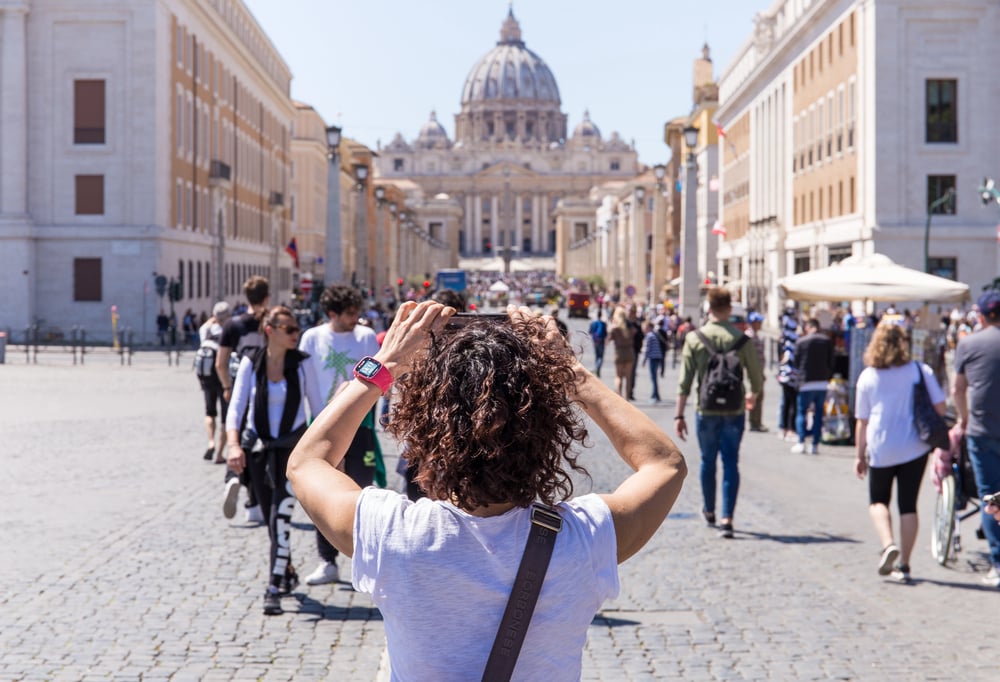
The world’s smallest country by area, Vatican City houses fewer than a thousand residents in less than half a square kilometer. Despite the tiny population, the density reaches close to 1,200 people per square kilometer.
Most residents are clergy or guards, living within the walls of this independent city-state in the heart of Rome. The population fluctuates with church business and visitors, but the permanent residents maintain one of the world’s more unique demographic profiles.
Malta

This Mediterranean island nation spreads around 520,000 people across roughly 316 square kilometers. The density rivals major European cities, yet Malta functions as a full country with its own government, economy, and culture.
Ancient fortifications and modern development crowd together on limited land. Tourism brings even more bodies during peak seasons, temporarily pushing the effective density higher as visitors fill hotels and beaches built for permanent residents.
Bahrain
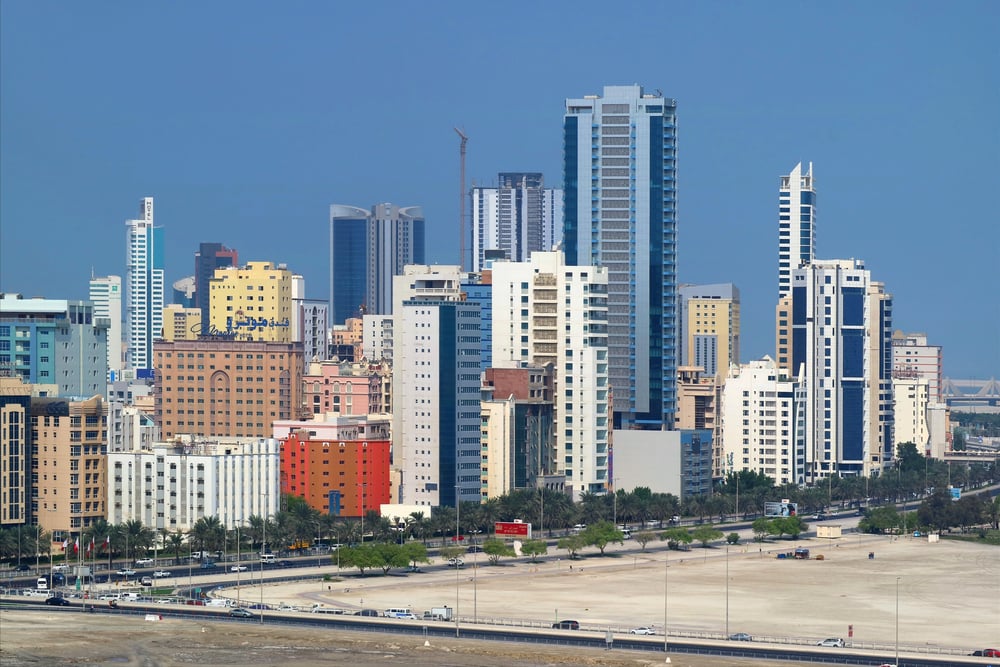
Bahrain’s 33 islands in the Persian Gulf create a unique density situation. The main island holds most of the country’s population, concentrating people in ways that exceed the national average.
Oil wealth funded development, but the archipelago nation can’t grow outward without expensive land reclamation. Urban planning focuses on vertical growth and efficient land use, much like Singapore but with Middle Eastern characteristics.
Maldives
These scattered islands in the Indian Ocean face a different density challenge. Total land area reaches just over 300 square kilometers, spread across more than a thousand islands.
Only about 200 islands have permanent residents. Individual inhabited islands can be extremely dense, with entire communities packed into spaces smaller than city blocks.
Taiwan

Taiwan combines mountainous terrain with coastal plains, pushing most of its 23 million people into limited flat areas. The overall density reaches around 650 people per square kilometer, but cities like Taipei far exceed this average.
Tech manufacturing and business hubs cluster people together in ways that mirror other Asian economic powerhouses. The mountains dominate the interior, leaving the coasts and western plains to absorb nearly the entire population.
Rwanda

Rwanda packs around 590 people into each square kilometer, making it Africa’s most densely populated mainland country. This small nation rebuilt itself after the 1994 genocide, with population growth and limited land creating intense pressure on resources.
Hills cover most of the landscape, yet farmers cultivate nearly every available slope. Urban areas like Kigali concentrate even more people, while rural regions remain surprisingly dense for agricultural communities.
Netherlands

The Netherlands fits around 520-545 people per square kilometer, impressive for a European country of its size. About 17% of the land has been reclaimed from the sea through polders, literally creating new ground to build on.
Around 60% of the Dutch population now lives in these reclaimed areas. The country’s flat landscape allows for efficient urban planning, with cities, farms, and infrastructure fitting together like puzzle pieces.
Lebanon

Lebanon’s density stems from its tiny size and historical role as a regional crossroads. Multiple religious communities share limited space, with Beirut serving as a dense urban core.
Political instability and refugee populations have pushed the density even higher in recent years. The mountains rise quickly from the coast, limiting where people can settle and forcing communities into tighter quarters than the overall numbers suggest.
South Korea
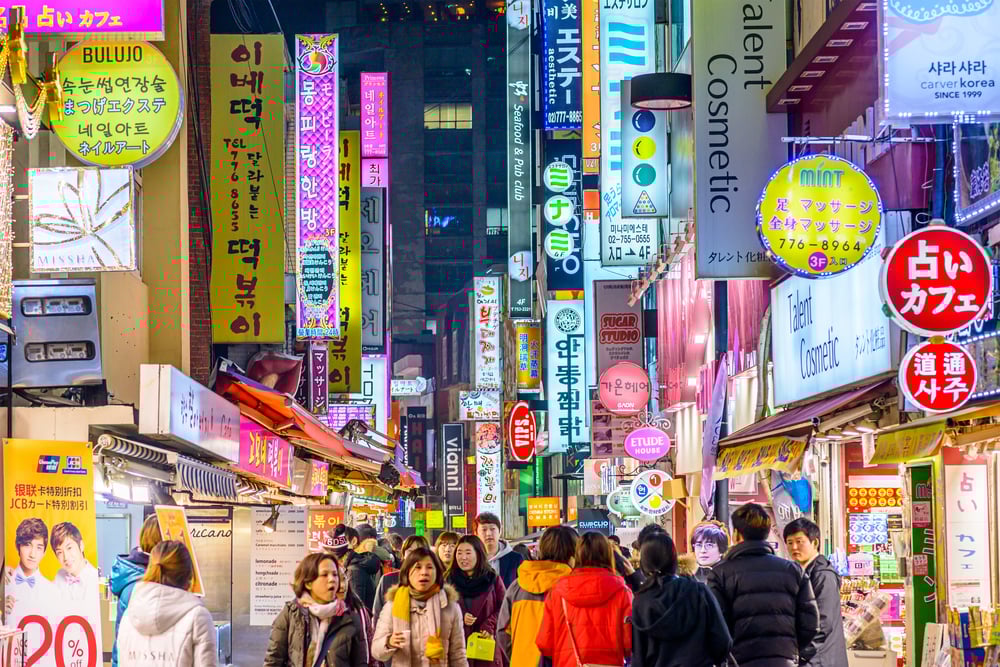
South Korea packs 51 million folks into tight spots, making plenty of land feel nearly unused. City zones often hold over 1,000 persons every square mile, while Seoul plus nearby regions rank among Earth’s biggest city clusters.
Hills take up most of the land, forcing homes and towns onto flat strips near water or shorelines. Towering apartment blocks rise right above jammed roads, creating an intensely urbanized environment.
India

India isn’t among the most packed nations overall, though some places are way busier. It sits at number 28 worldwide once you count all its land, yet spots such as Bihar feel just as tight as parts of Bangladesh.
Urban hubs including Mumbai pack huge crowds into zones where services often fall short. Unplanned neighborhoods swell with people, adding intense pressure inside cities already stretched thin.
Philippines

The Philippines spreads people over many islands, so some spots are crowded while others stay empty. Still, Metro Manila stands out as one of the tightest city crowds on Earth.
With more folks moving in than leaving, it hits above 1,000 residents per square mile. Storms and quakes shake up lives every year, forcing families to flee into cities that barely cope as it is.
Japan

Japan’s rugged peaks squeeze 125 million folks into narrow coastal strips and lowlands. Though the national average is roughly 325 individuals per square kilometer, Tokyo alone packs more than 35 million within its sprawling metro zone.
Trains run tight schedules while skyscrapers climb high – both keep things moving in crowded hubs. Meanwhile, country towns empty out as youth head cityward, leaving behind quiet hamlets.
Where folks really hang out

Just looking at numbers doesn’t show everything. In Bangladesh, around 1,350 folks cram into each square km, fairly spread out – so everywhere feels packed.
But in Singapore, that same tight squeeze happens mostly in cities, while wild spaces stay quiet and open. Weather, terrain, or past events decide where folks gather – and what pulls them there. Every packed country gets crowded in its own way, yet deals with crowding using only what’s nearby.
More from Go2Tutors!

- The Romanov Crown Jewels and Their Tragic Fate
- 13 Historical Mysteries That Science Still Can’t Solve
- Famous Hoaxes That Fooled the World for Years
- 15 Child Stars with Tragic Adult Lives
- 16 Famous Jewelry Pieces in History
Like Go2Tutors’s content? Follow us on MSN.