13 Famous Bridges That Replaced Earlier River Crossings
Most celebrated bridges were never the first crossing at their site. Floods, wars, collapses and sheer overuse wiped out earlier spans, and the builders who followed learned from every failure.
The thirteen bridges below each took the place of something older. Some replaced a ferry or a pontoon, others a timber span, and a few replaced a bridge that had already been rebuilt more than once.
Charles Bridge in Prague
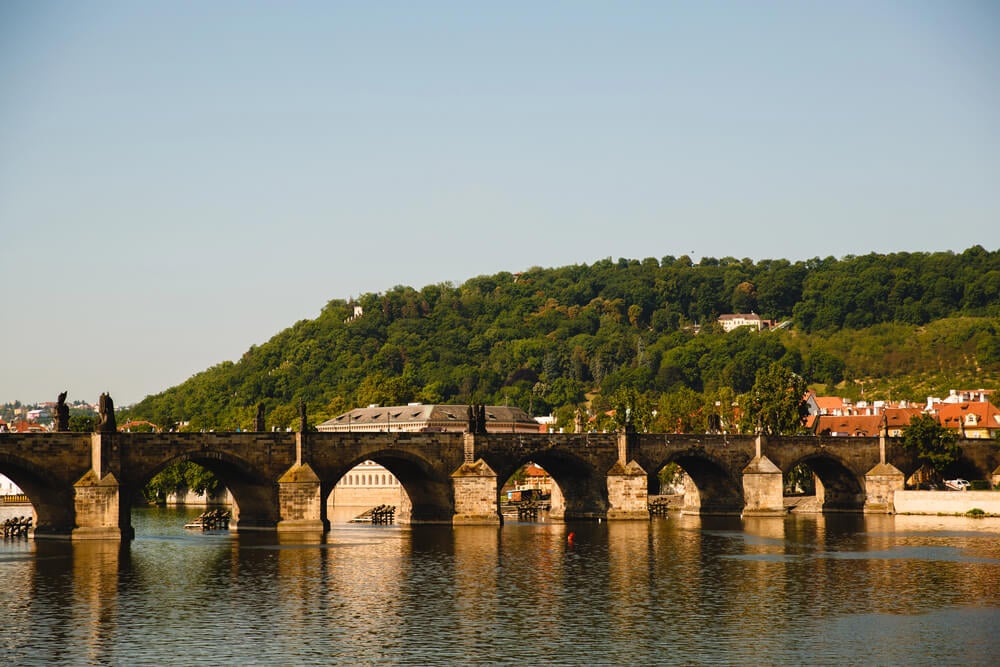
The Judith Bridge, built between 1158 and 1172, was destroyed by a flood in 1342. Construction of its replacement began on July 9, 1357, at a moment chosen for its palindromic numbers, according to legend.
Peter Parler’s stone bridge was finished around 1402 and took the name Charles Bridge in 1870.
Old London Bridge and Its Successor
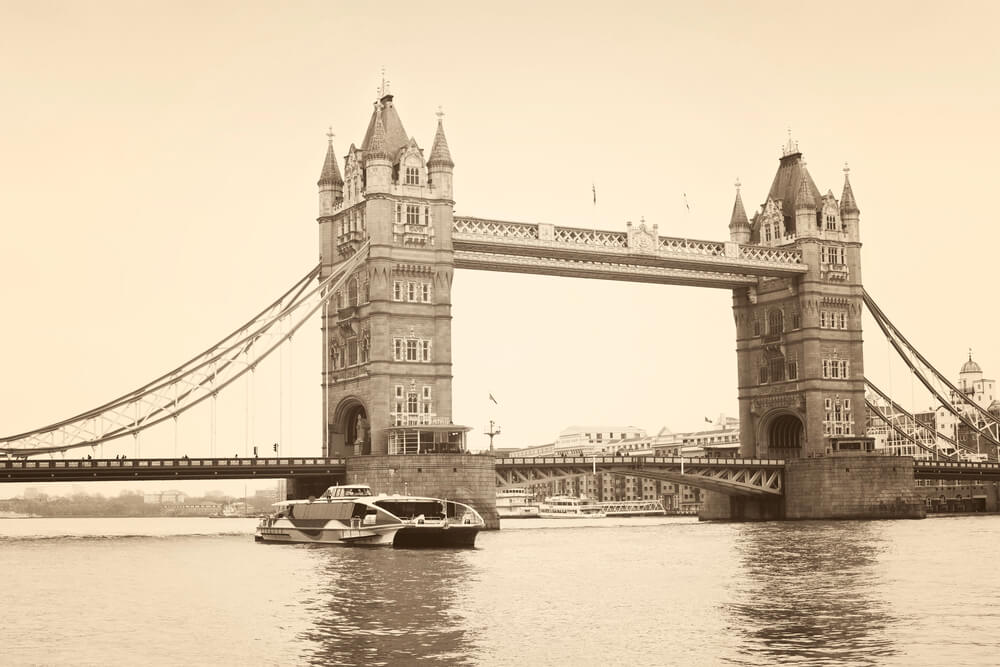
Old London Bridge, completed in 1209, stood as the city’s main crossing for more than 600 years, lined with houses and shops. John Rennie’s design replaced it in 1831.
When that bridge was sold in 1968, it was rebuilt in Lake Havasu City, Arizona, and opened in 1971.
Ponte Vecchio in Florence
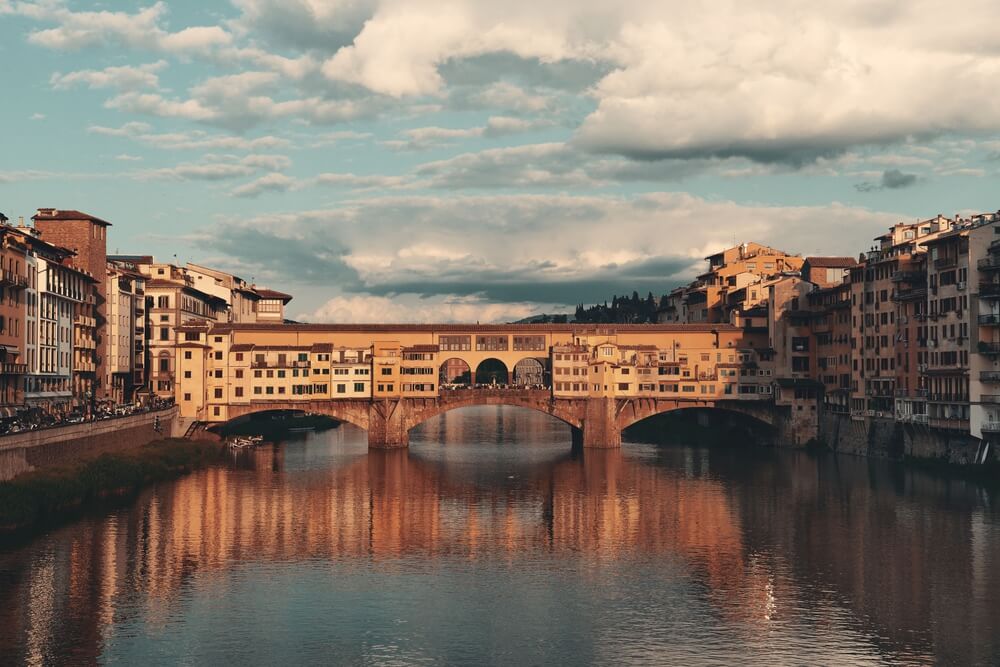
Flooding on the Arno destroyed an earlier bridge in 1333, and the current Ponte Vecchio was completed in 1345. Butchers’ and later goldsmiths’ shops were built along its length.
It is the only Florentine bridge that survived the retreat of German forces in 1944.
The Rialto Bridge in Venice
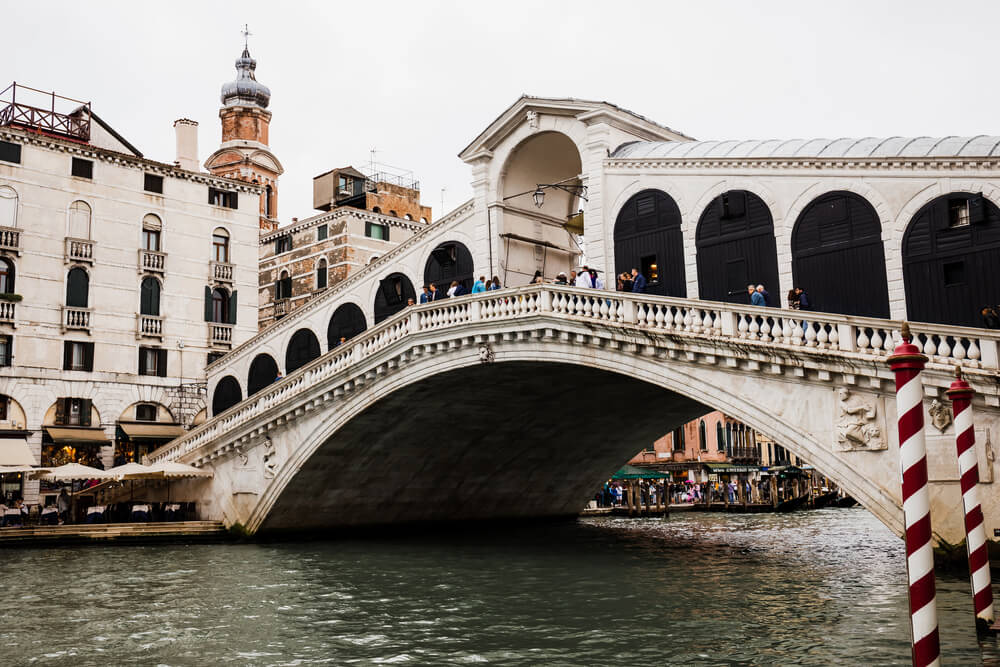
A timber bridge at the Rialto collapsed in 1524, and Venetian authorities debated replacements for decades. Antonio da Ponte’s single-arch stone span was completed in 1591.
It beat out proposals from far more famous architects.
The Bridge of Avignon
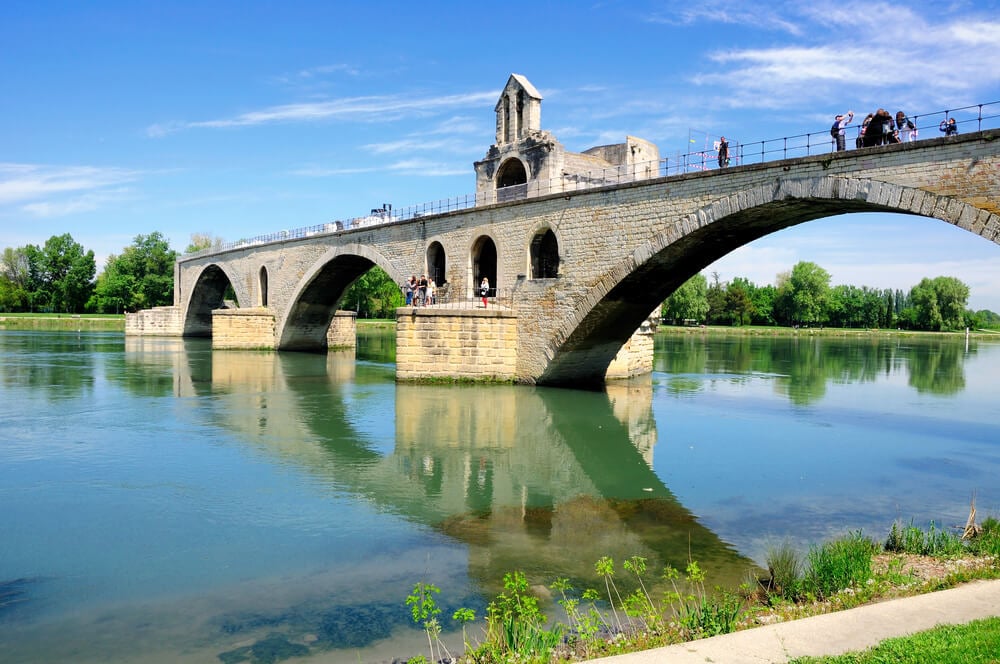
The Pont Saint-Benezet crossed the Rhone in the twelfth century and was damaged repeatedly by floods. It was rebuilt several times and finally abandoned in the seventeenth century.
Only four arches remain, along with a chapel on one of the piers.
Stari Most in Mostar
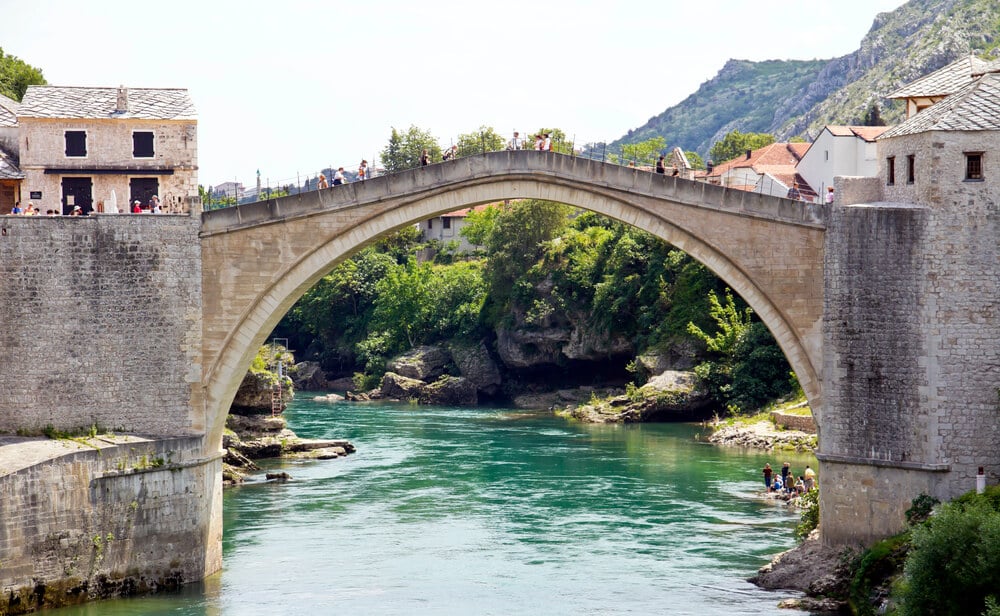
The Ottoman architect Hayreddin built the Old Bridge in 1566 to replace a wooden suspension bridge that had become unsafe. The stone arch stood for more than four centuries until it was destroyed in November 1993.
It was reconstructed and reopened in 2004.
The Chain Bridge in Budapest
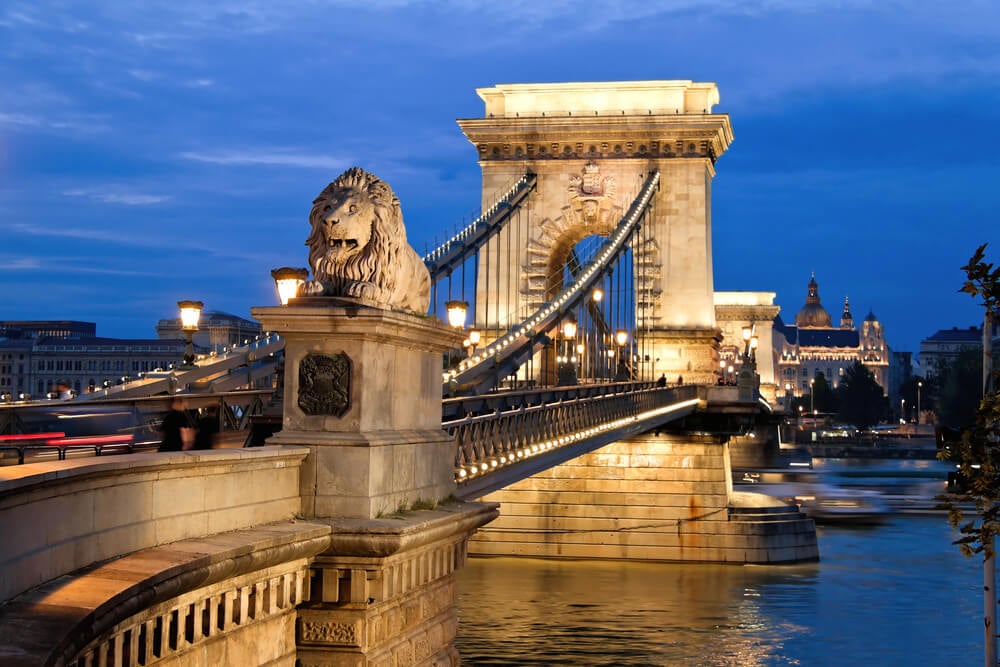
Before the Szechenyi Chain Bridge opened in 1849, the Danube at Budapest was crossed by ferries and a seasonal pontoon bridge. The suspension bridge was the first permanent link between Buda and Pest.
German forces blew it up in January 1945, and it reopened in 1949.
Galloping Gertie and Its Replacement
— Photo by ColleenMichaels
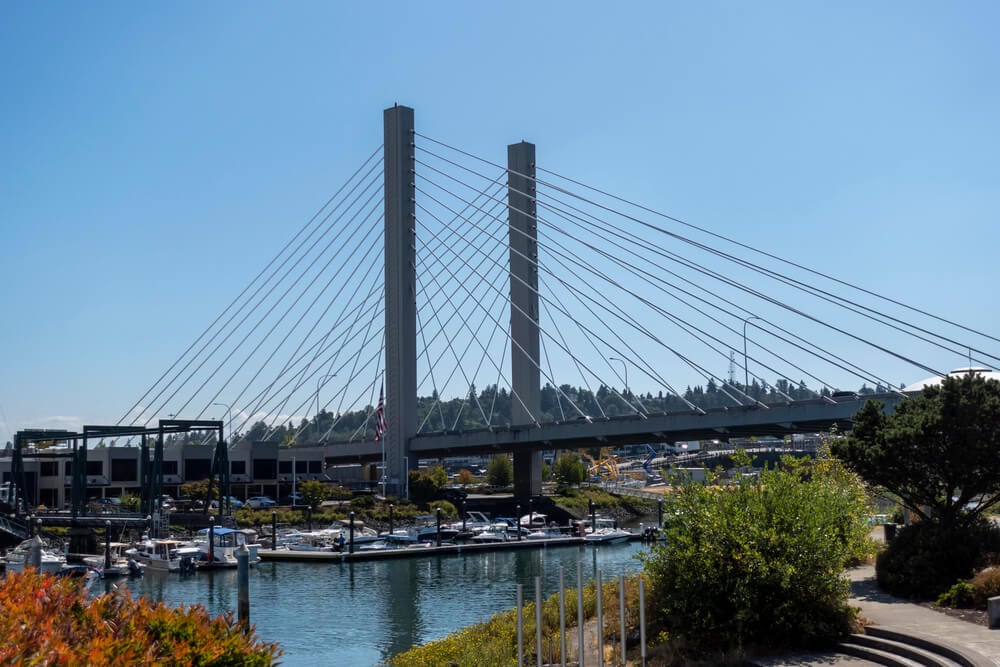
The first Tacoma Narrows Bridge in Washington collapsed in wind on November 7, 1940, only a few months after opening. Film of the twisting deck became one of the most studied images in engineering.
A replacement bridge opened in 1950.
Blackfriars Bridge in London
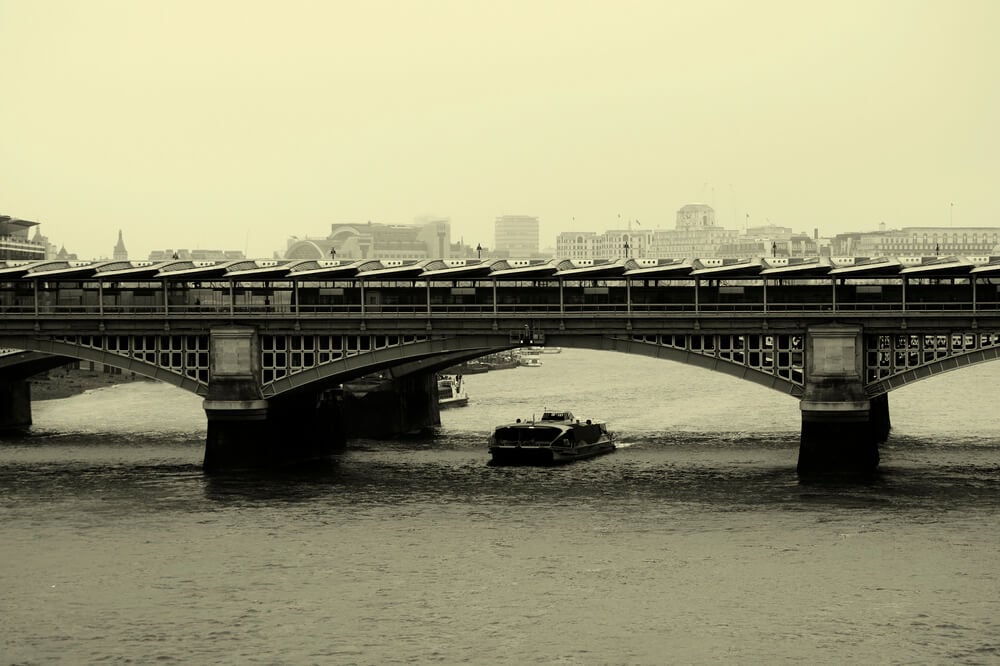
The first Blackfriars Bridge, designed by Robert Mylne, opened in 1769. Its stone arches proved unstable over time, and a new bridge by Joseph Cubitt replaced it in 1869.
The second bridge was opened by Queen Victoria.
O’Connell Bridge in Dublin
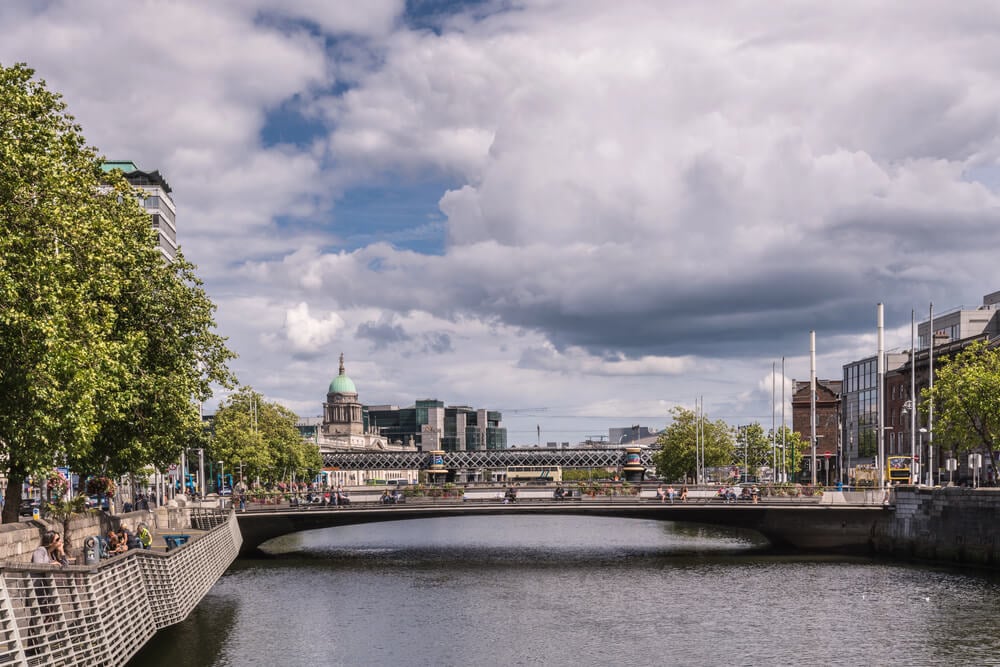
— Photo by Klodien
James Gandon’s Carlisle Bridge crossed the Liffey in 1794, and was rebuilt in 1880 as the O’Connell Bridge. The new bridge is almost as wide as it is long, an unusual proportion that gives it a distinctive shape.
It took its name from the nationalist leader Daniel O’Connell.
Westminster Bridge in London
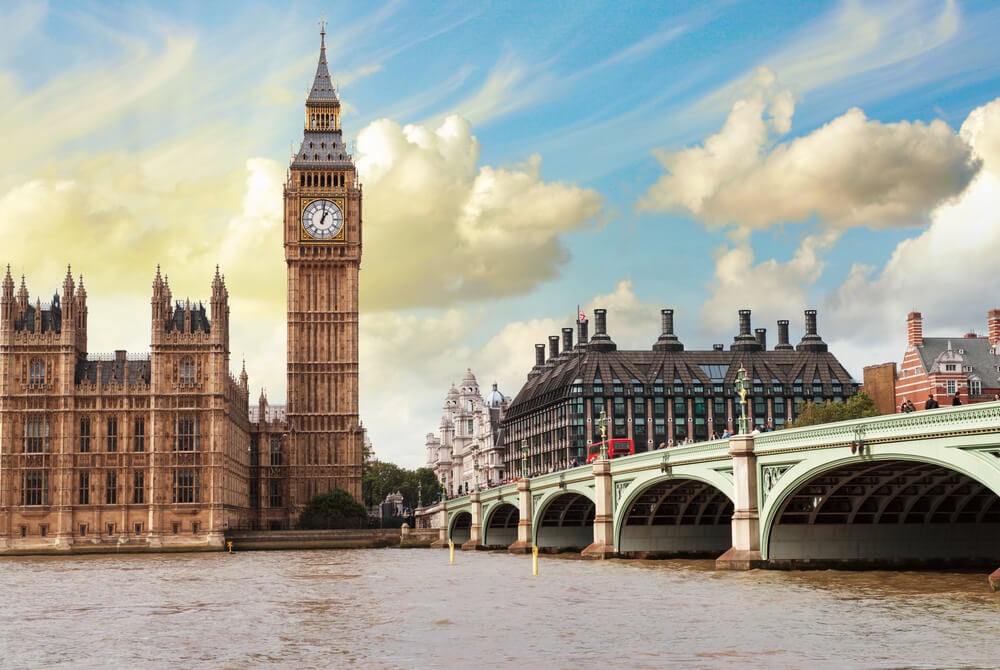
London’s first Westminster Bridge opened in 1750, offering the city a second crossing of the Thames after Old London Bridge. It began to sink and was replaced by Thomas Page’s iron design, which opened in 1862.
The new bridge is painted green to match the benches of the House of Commons.
Hungerford Bridge and Clifton’s Chains
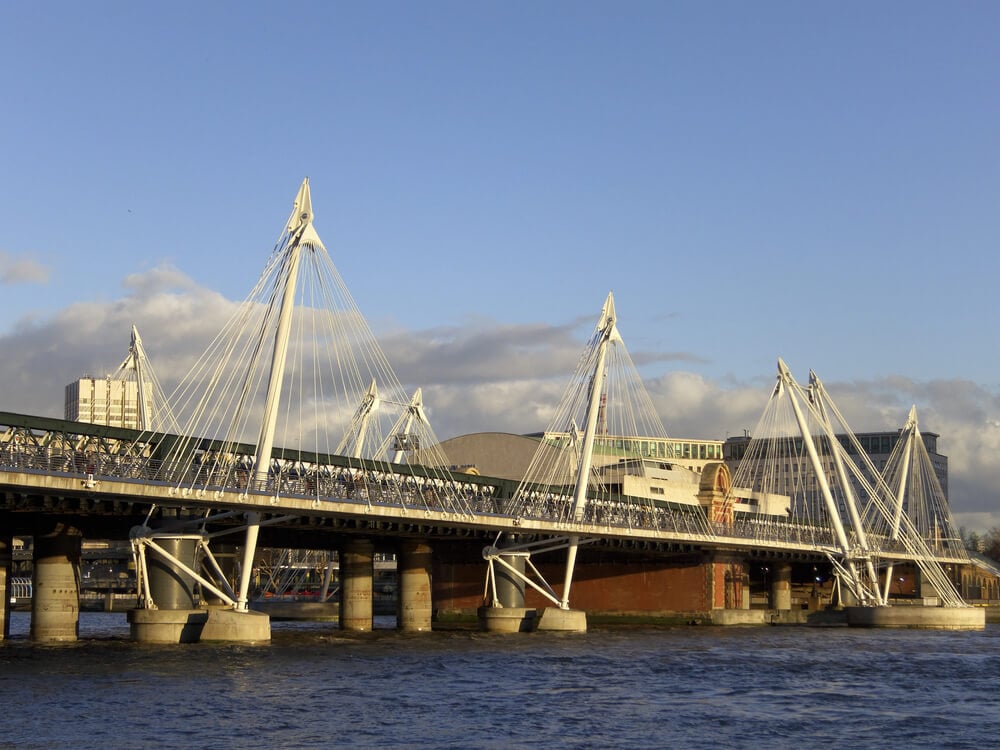
Isambard Kingdom Brunel designed a suspension footbridge across the Thames at Hungerford, which opened in 1845. It was replaced by a railway bridge to Charing Cross in 1864, and the chains were reused on the Clifton Suspension Bridge in Bristol.
The same ironwork that crossed the Thames now hangs over the Avon gorge.
Ponte Santa Trinita in Florence
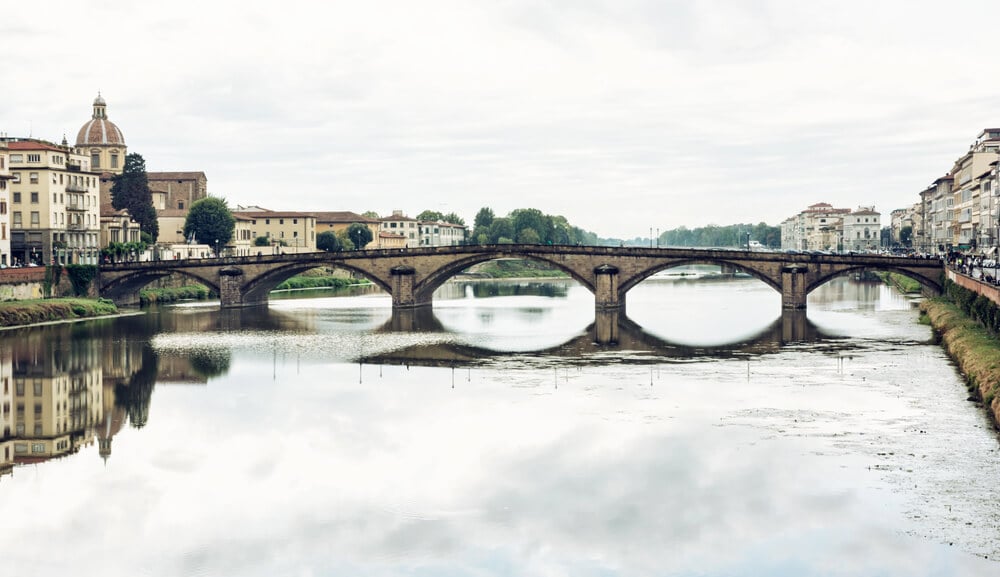
Earlier Florentine bridges on this site were swept away by floods, and the current form was designed in the sixteenth century by Bartolomeo Ammannati. German forces destroyed it in August 1944.
It was rebuilt with stone recovered from the river and reopened in 1958.
The Bridge That Remembers
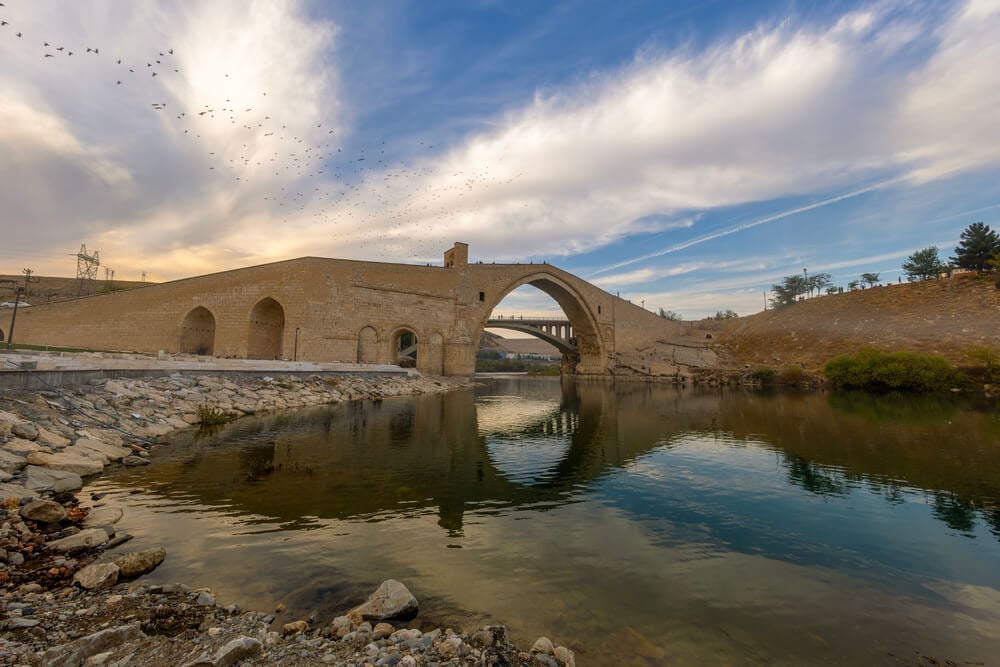
A bridge is often a monument to the one before it. Builders chose new materials, shapes and locations because earlier spans failed, and their lessons are visible in every arch and cable.
Several of these crossings were also rebuilt after wars, which adds a second layer of memory. Each one stands as an argument that a river is worth crossing again.
More from Go2Tutors!

- 27 Silver Dollars and Half Dollars Worth Keeping
- 28 Restaurant Menu Items Nobody Orders Anymore
- 17 Places Built in Seemingly Impossible Spots
- 27 Vintage Rings Worth More Than They Look
- 25 Restricted Sites Tourists Can’t Enter
Like Go2Tutors’s content? Follow us on MSN.