16 Historical Figures Who Lived Under Fake Names
Throughout history, adopting a fake name wasn’t just about secrecy—it was a clever way to dodge danger, reinvent oneself, or even gain a fresh start in a world that didn’t always welcome certain voices. Whether to protect personal safety, avoid political backlash, or simply to create a more memorable identity, these figures made their aliases part of their story. Sometimes these fake names became even more famous than their original ones.
Here is a list of 16 historical figures who lived under fake names. Their choices reveal the many reasons why a simple change of name could open doors, hide threats, or build legacies that might never have existed otherwise.
Mark Twain
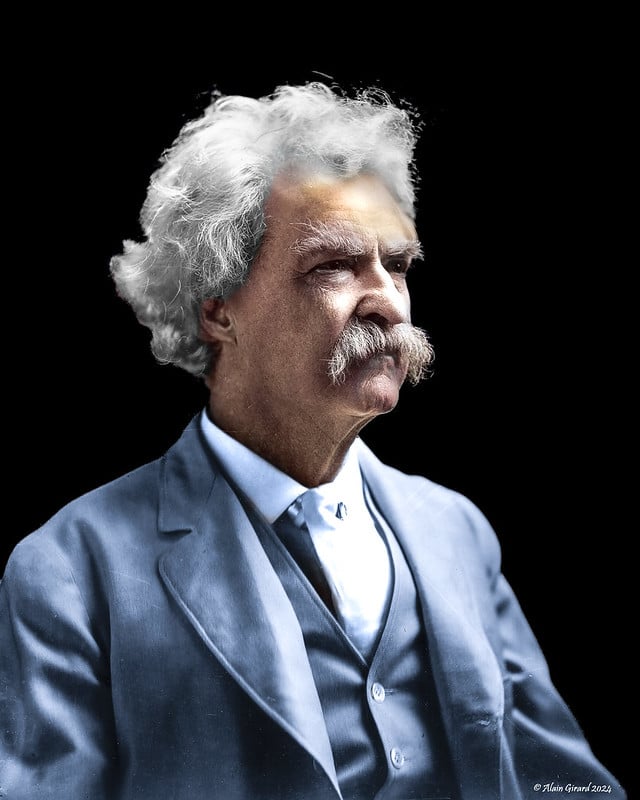
Samuel Clemens adopted the pen name Mark Twain during his time as a riverboat pilot on the Mississippi River. The phrase ‘mark twain’ means two fathoms deep, a safe depth for steamboats, and Clemens liked the connection to his river days.
Using this name gave him a distinctive, memorable brand as a writer and allowed him to tell stories with a voice that felt approachable and full of humor. Mark Twain wasn’t just a pen name—it became a symbol of Americana and sharp social commentary.
George Orwell

Eric Arthur Blair chose the name George Orwell to keep his personal and political lives separate. His real identity was tied to his family and background, but his writings tackled some of the most controversial ideas of his time—like totalitarianism and social injustice.
Orwell wanted his work to be judged on its own, without the baggage of his personal life. The name helped him speak boldly and clearly, creating classics like 1984 and Animal Farm that shook the literary and political worlds.
Like Go2Tutors’s content? Follow us on MSN.
Coco Chanel
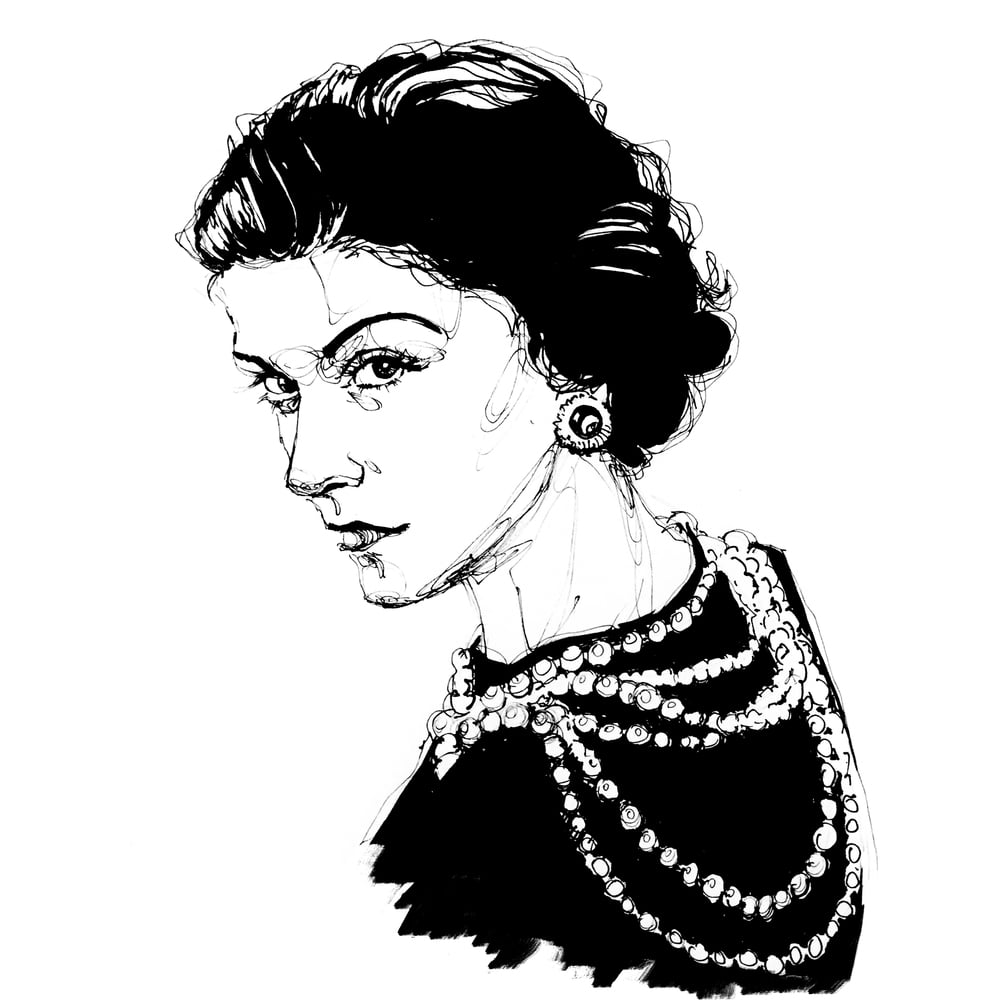
Gabrielle Bonheur Chanel earned the nickname ‘Coco’ while performing as a singer early in her life, but she carried it into her fashion empire. ‘Coco’ was catchy and easy to remember, unlike her longer given name, which suited the glamorous image she was building.
This name became synonymous with timeless style and independence, helping her stand out in a male-dominated industry. The simplicity of the name matched her approach to fashion—clean, bold, and unforgettable.
Voltaire
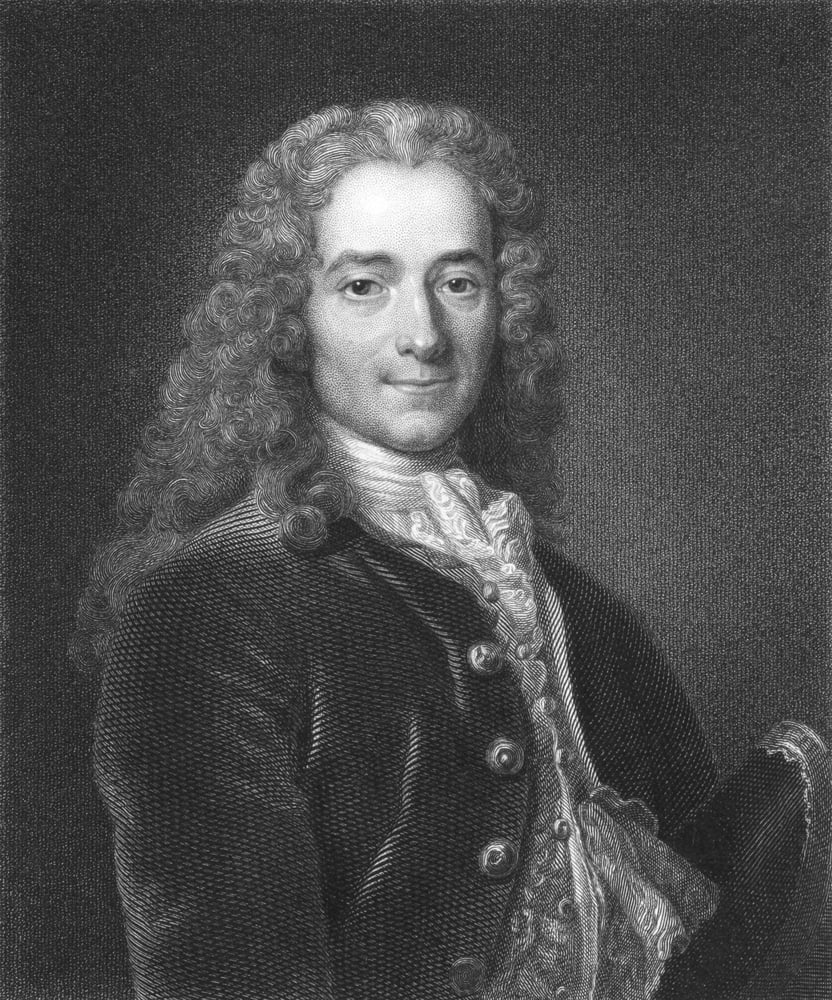
François-Marie Arouet lived under the name Voltaire to protect himself while criticizing the French monarchy and Church during the 1700s. His sharp wit and satirical writing could have landed him in serious trouble, so the fake name offered a layer of protection.
Voltaire used his alias to challenge authority and push Enlightenment ideas, influencing modern thinking on freedom and human rights. His pen name became a rallying cry for intellectual rebellion.
Pablo Neruda
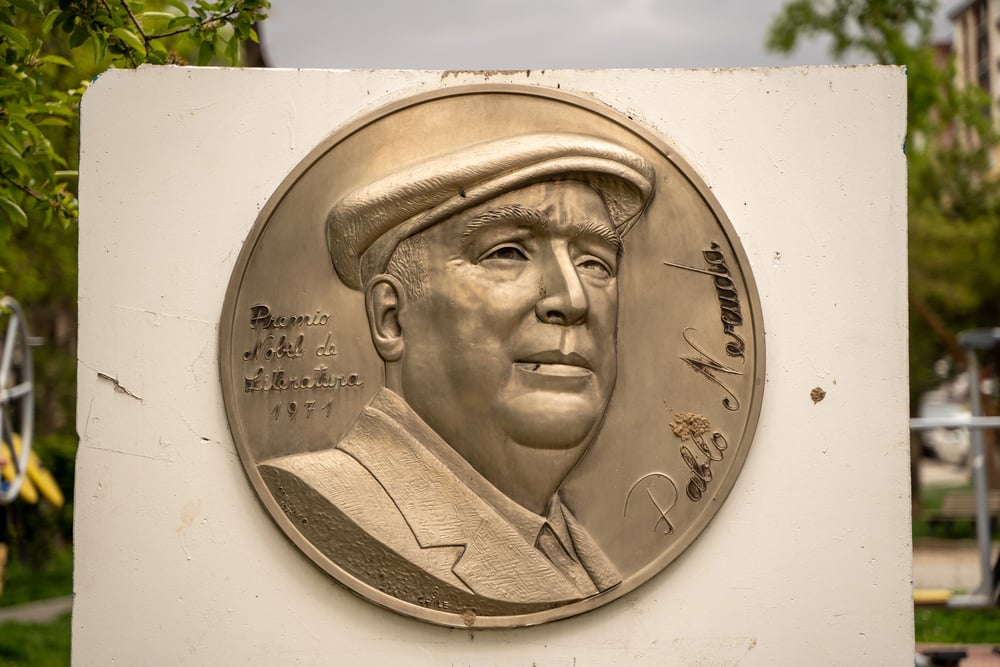
Ricardo Eliécer Neftalí Reyes Basoalto adopted the pen name Pablo Neruda to separate his poetry from his personal life and political activism. The pseudonym gave him a fresh literary identity that was easier to remember and pronounce internationally.
Neruda’s poems, rich with passion and political themes, gained worldwide acclaim, showing how a name change can sometimes help a voice reach farther than it might otherwise.
Like Go2Tutors’s content? Follow us on MSN.
Joseph Conrad
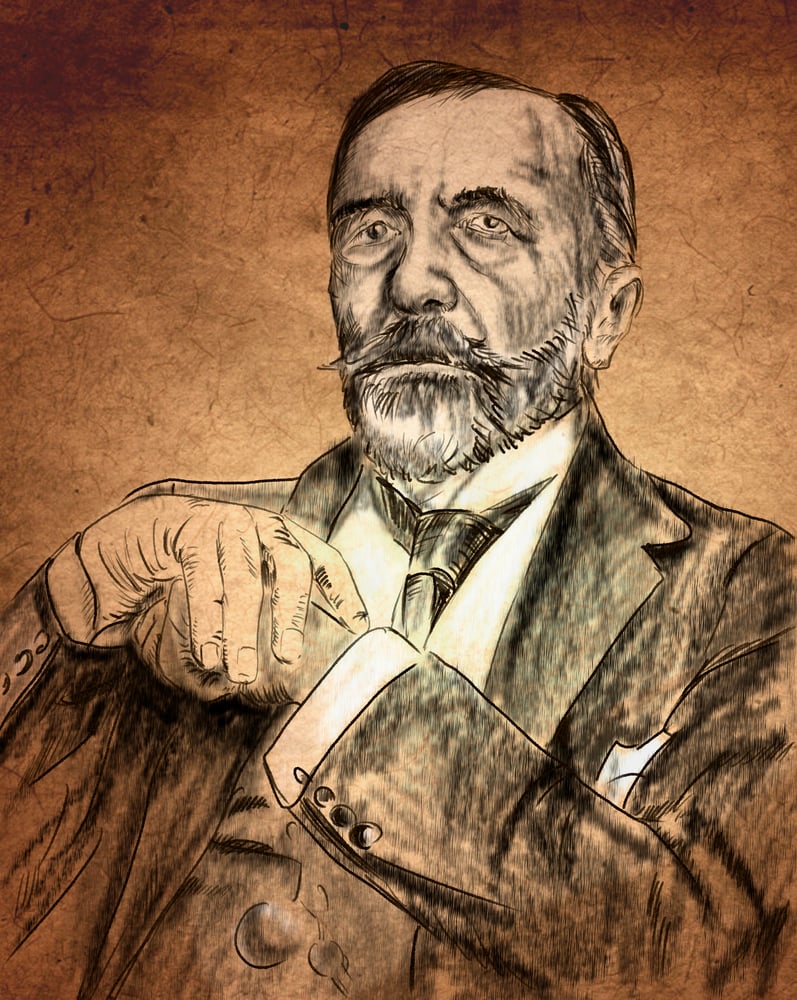
Born Józef Teodor Konrad Korzeniowski in Poland, he chose Joseph Conrad as his English pen name to help his writing fit the British literary world. His original name was difficult for English readers to pronounce, so Conrad’s simpler name opened doors in a new country.
Despite starting as a foreigner, he became one of the greatest novelists in English literature, with his alias playing a key role in his success.
Banksy
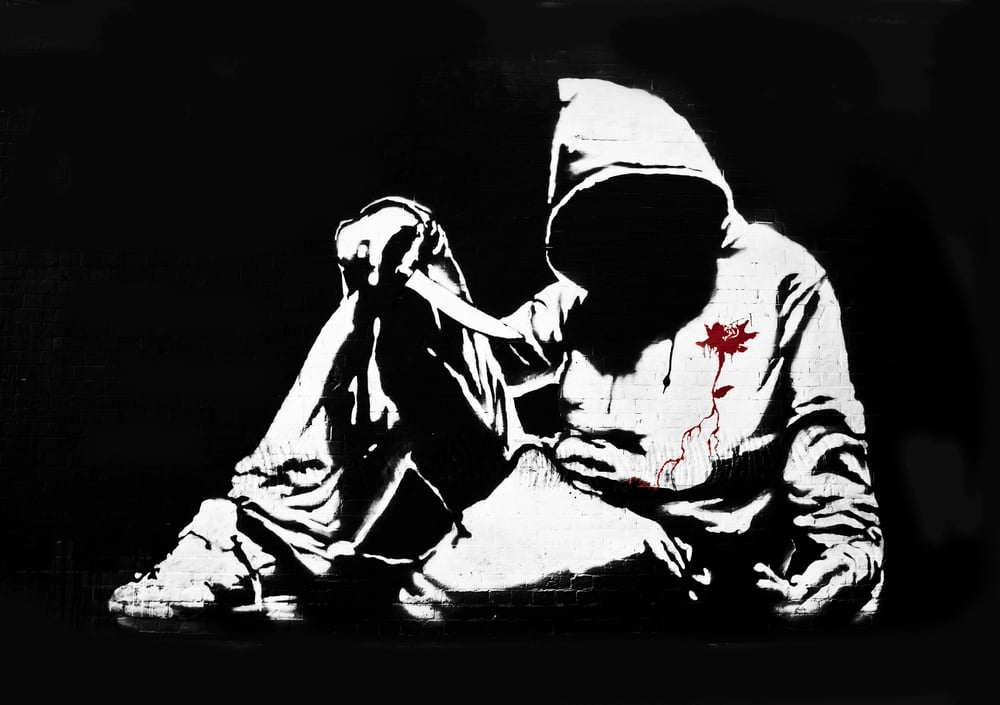
The elusive street artist Banksy keeps his real identity hidden behind his pseudonym, creating a mysterious persona that adds to the power of his art. His fake name protects him from legal trouble since much of his work challenges political and social norms through unauthorized graffiti.
Banksy’s anonymity also fuels public fascination, making his art feel like a secret message shared with the world.
Anne Frank
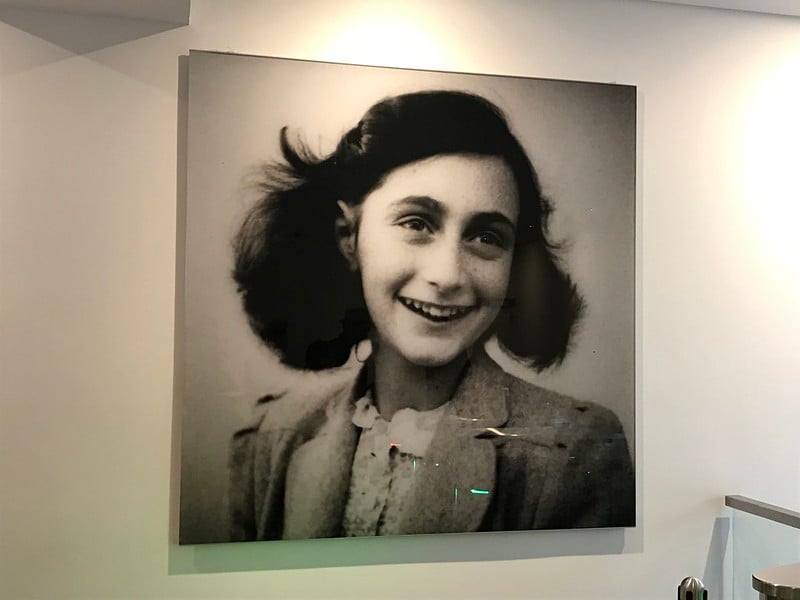
During the Holocaust, Anne Frank and her family used false identities and fake names while hiding in an attic in Amsterdam. This wasn’t just a clever tactic but a crucial lifeline that kept them hidden from Nazi soldiers hunting for Jews.
The fake names provided a fragile shield in a dangerous time, allowing Anne to write a diary that now stands as one of the most poignant testimonies of that dark period.
Like Go2Tutors’s content? Follow us on MSN.
Karl Marx
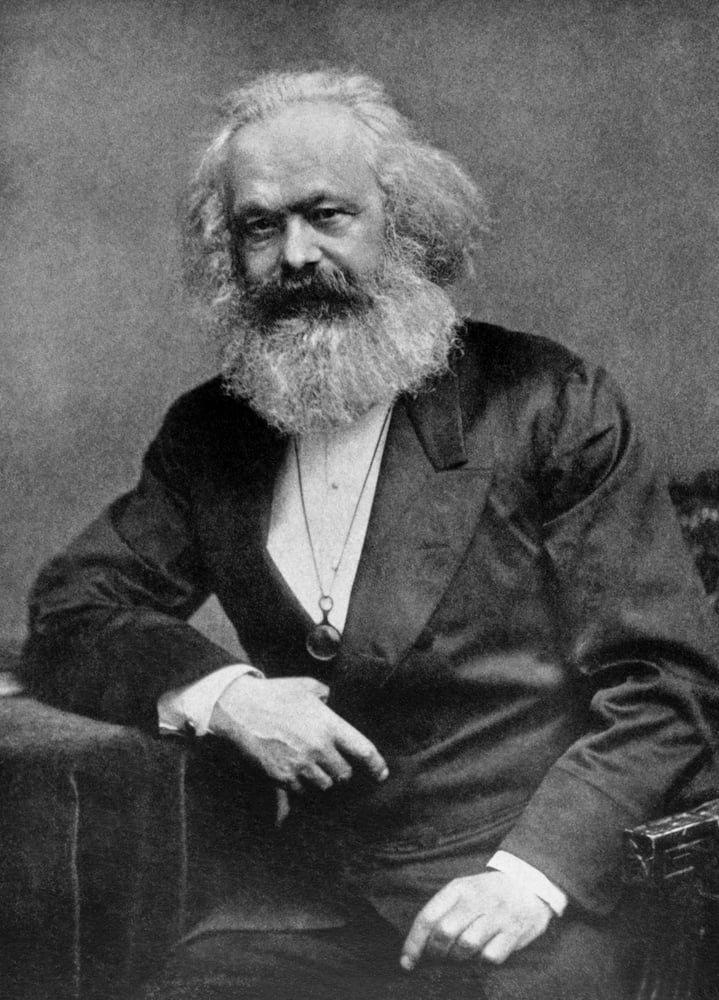
Early in his career, Karl Marx used pseudonyms when writing political articles to avoid censorship and government retaliation. His ideas about capitalism and revolution were considered dangerous, and fake names gave him a chance to spread his views without immediate persecution.
This anonymity helped him build a powerful intellectual movement that still influences politics today.
Agatha Christie
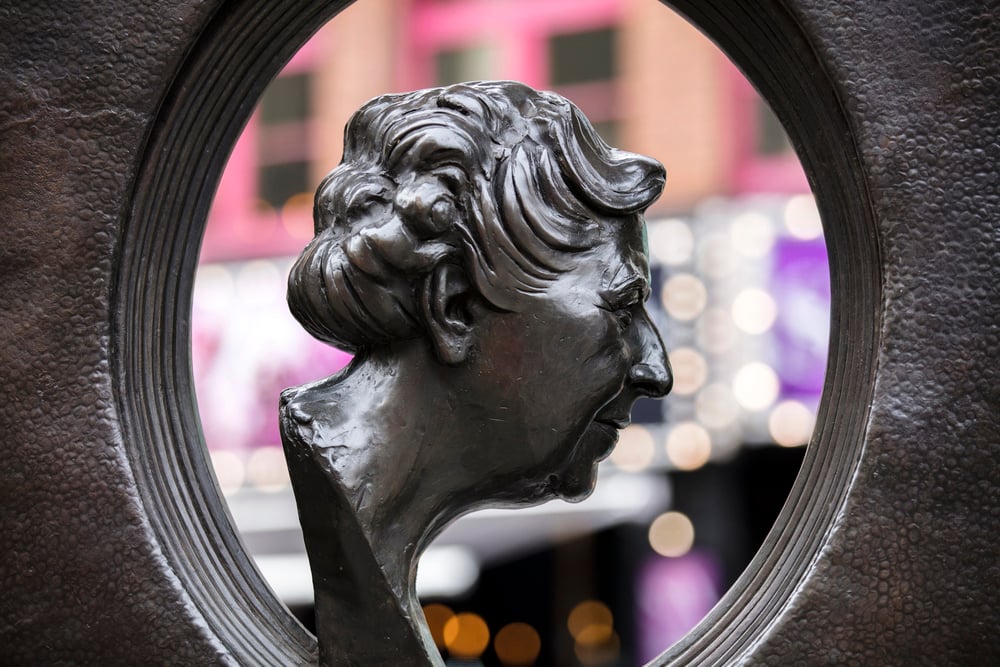
While famous for her mystery novels, Agatha Christie wrote romance novels under the pen name Mary Westmacott. She used this alias to separate her different writing styles and avoid confusing her audience.
The fake name gave her freedom to experiment with themes of love and human emotion without risking her reputation as the ‘Queen of Crime.’
Frederick Douglass
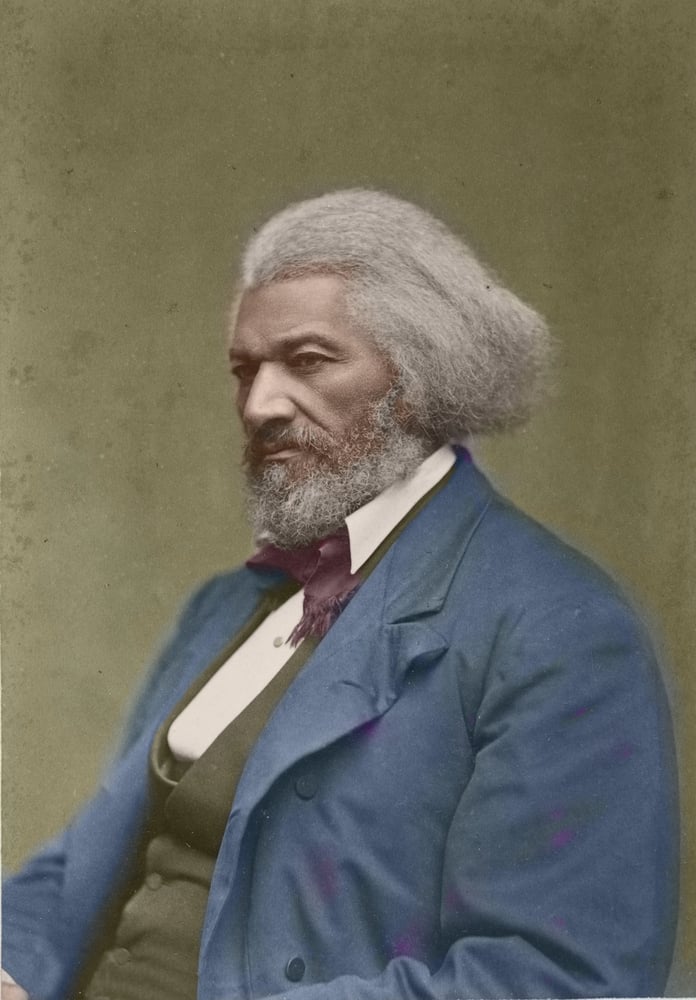
Born into slavery as Frederick Augustus Washington Bailey, he escaped and took the name Frederick Douglass to protect himself from being captured. The new identity allowed him to speak openly against slavery and become a leading abolitionist voice.
His name change wasn’t just about safety—it was a bold declaration of freedom and new beginnings.
Like Go2Tutors’s content? Follow us on MSN.
Jean-Paul Sartre
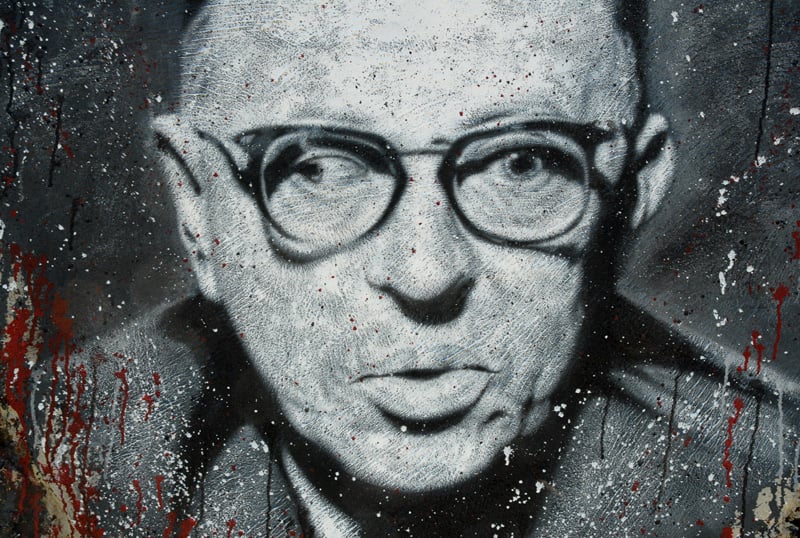
Jean-Paul Sartre occasionally used pseudonyms early on to explore different literary forms without confusing his audience or risking his philosophical reputation. Using fake names gave him room to try new ideas and develop his voice.
Sartre’s willingness to write under different identities shows how fake names can support creative freedom.
Stendhal
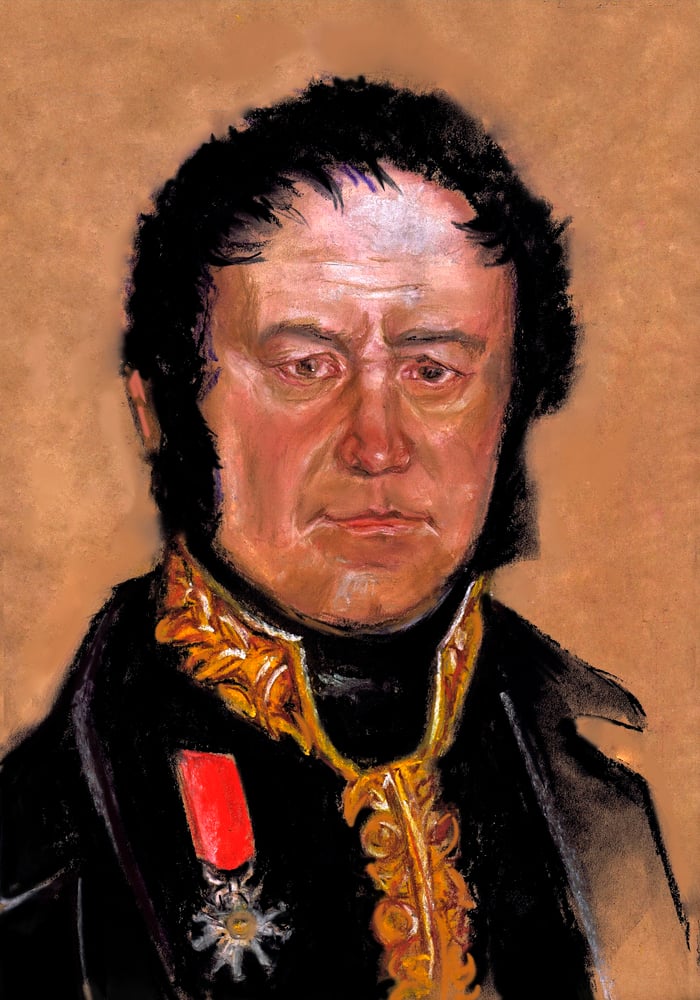
Marie-Henri Beyle chose the pen name Stendhal to craft a separate literary identity from his personal one. The name gave his writings a distinct flair that stood out in French literature.
Stendhal’s work gained recognition partly because the fake name made him easier to remember and added an air of sophistication to his storytelling.
David Banks
David Banks, a controversial political writer in the early 1900s, used pen names to publish bold articles without risking legal trouble or social backlash. Fake names gave him a shield to voice radical opinions safely.
His example shows how writers often rely on aliases to challenge powerful institutions in times of censorship.
Like Go2Tutors’s content? Follow us on MSN.
Mata Hari
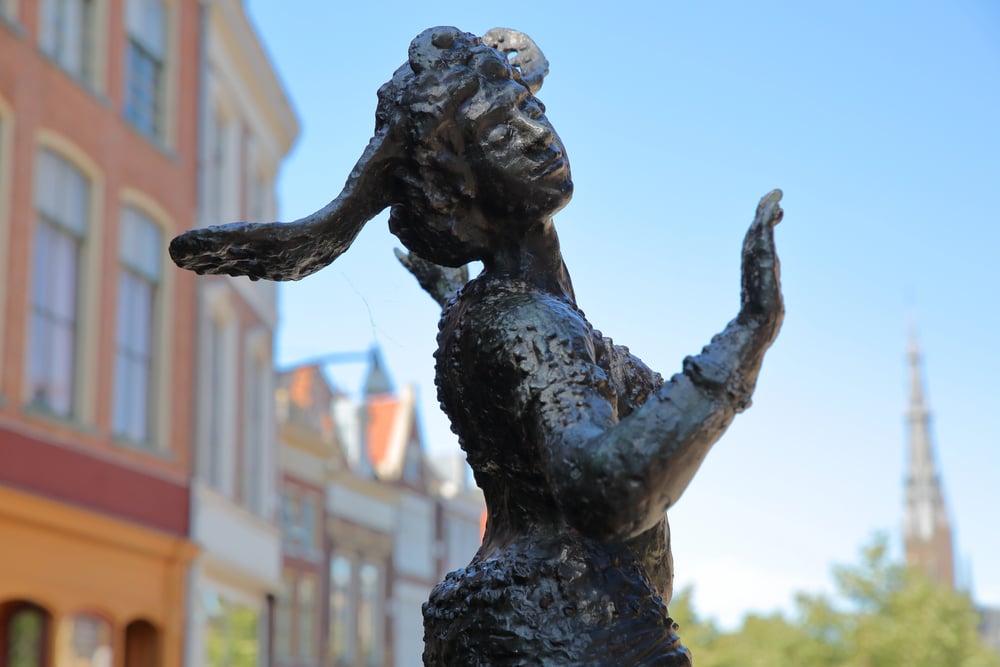
Margaretha Geertruida Zelle reinvented herself as Mata Hari, an exotic dancer and spy. The stage name helped her create a mysterious and seductive persona that was far removed from her Dutch origins.
This fake name was essential for her espionage work and made her a legendary figure in both entertainment and intelligence circles.
Harriet Tubman
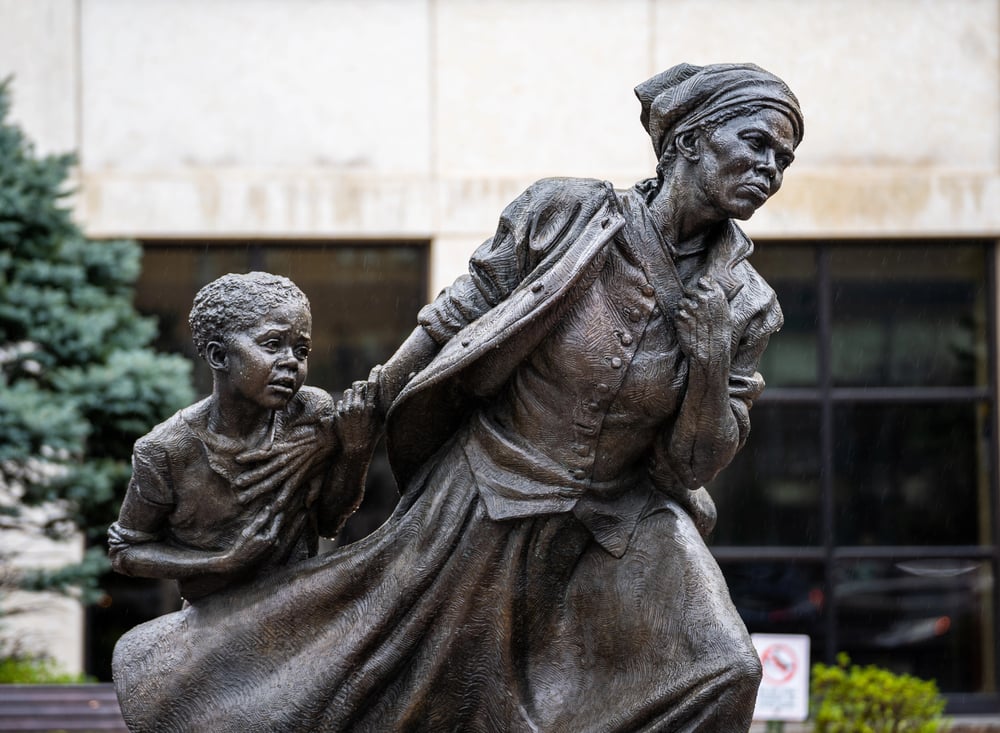
Born Araminta Ross, Harriet Tubman used many aliases while guiding enslaved people to freedom on the Underground Railroad. These fake names were critical in avoiding capture by slave catchers.
Tubman’s multiple identities reflect her cleverness and bravery in navigating one of the most dangerous journeys in American history.
Names That Shaped History
The power of a fake name goes far beyond hiding one’s identity—it can be a tool for survival, creativity, and change. These 16 figures show how adopting a different name often allowed them to take risks, share bold ideas, or protect those they cared about.
Their stories prove that sometimes, the right name at the right time can rewrite a person’s future and leave a mark on history that wouldn’t exist otherwise. Names can open doors, shield from danger, and craft legends that last long after the original identity fades.
More from Go2Tutors!

- 16 Historical Figures Who Were Nothing Like You Think
- 12 Things Sold in the 80s That Are Now Illegal
- 15 VHS Tapes That Could Be Worth Thousands
- 17 Historical “What Ifs” That Would Have Changed Everything
- 18 TV Shows That Vanished Without a Finale
Like Go2Tutors’s content? Follow us on MSN.



