13 Historical Figures Who Died in Bizarre Ways
Death comes to everyone, but some historical figures managed to exit this world in ways that were downright strange. From freak accidents to bizarre circumstances that sound like they belong in a comedy sketch, these deaths remind us that life can be unpredictable right up until the very end. While most people hope for a peaceful passing, these individuals found themselves caught up in situations so odd that their final moments became the stuff of legend.
History is filled with tales of remarkable people whose extraordinary lives were matched only by their unusual deaths. Here is a list of 13 historical figures who met their end in the most bizarre ways imaginable.
Aeschylus

The ancient Greek playwright Aeschylus met his end in 456 BCE when an eagle dropped a tortoise on his head. According to legend, the eagle mistook his bald head for a rock and was trying to crack the tortoise’s shell.
This seems like a cruel twist of fate for someone who wrote some of the most profound tragedies in Western literature.
Chrysippus

This ancient Greek philosopher supposedly died from laughing too hard at his own joke around 206 BCE. After watching a donkey eat figs, he quipped that someone should give the animal wine to wash them down.
The comment struck him as so hilarious that he couldn’t stop laughing and eventually died from the fit.
Like Go2Tutors’s content? Follow us on MSN.
King Adolf Frederick
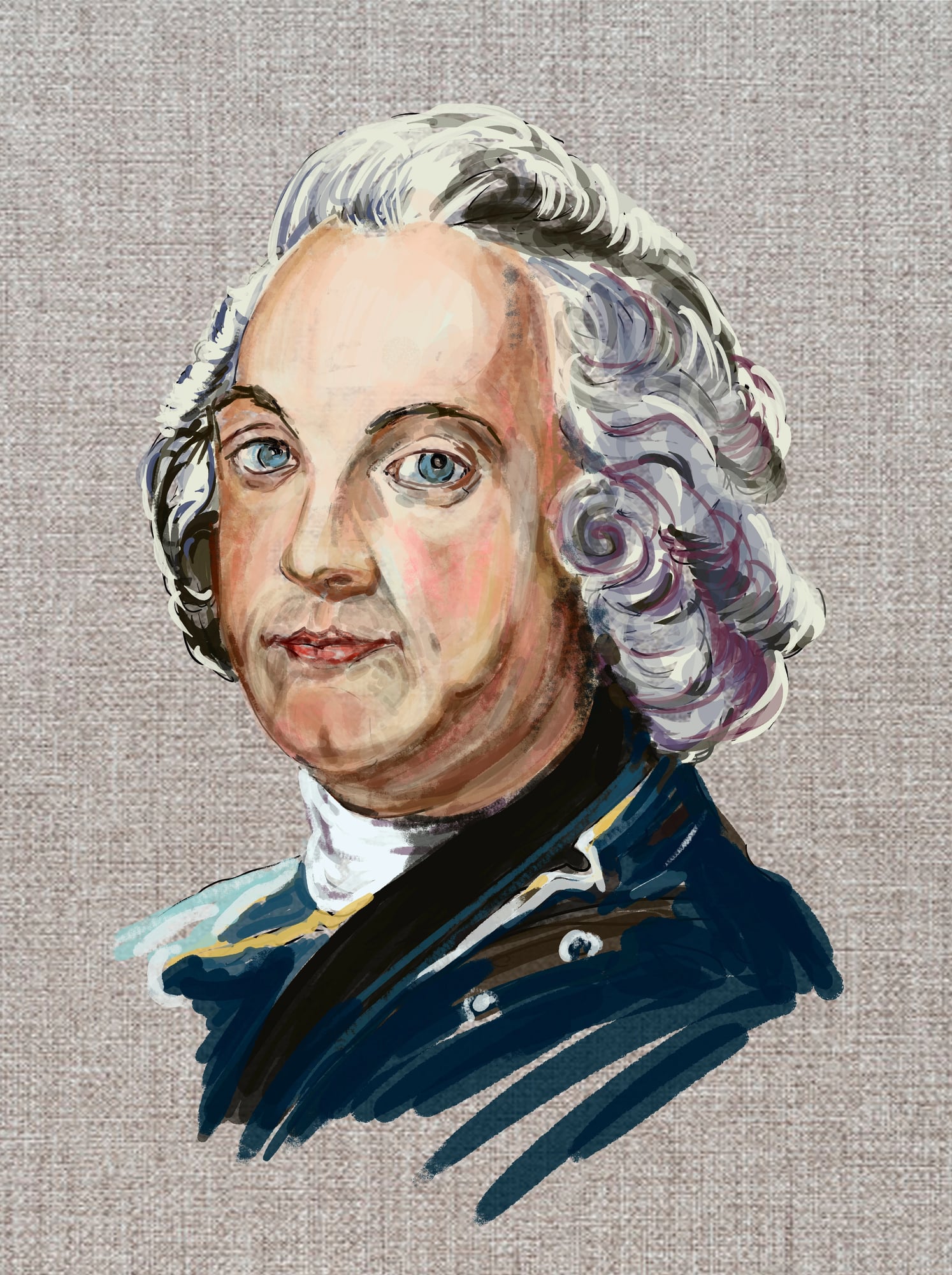
Sweden’s King Adolf Frederick died in 1771 after eating an enormous meal that would make any food lover cringe. His final feast included lobster, caviar, sauerkraut, kippers, champagne, and fourteen servings of his favorite dessert.
The royal stomach simply couldn’t handle such an epic culinary adventure, proving that even kings have limits.
Francis Bacon

The English philosopher and scientist caught a fatal case of pneumonia in 1626 while conducting an experiment on food preservation. He was stuffing a chicken with snow to see if cold temperatures would keep meat fresh longer.
Bacon literally died for science, though his experiment with the chicken was reportedly successful.
Tycho Brahe
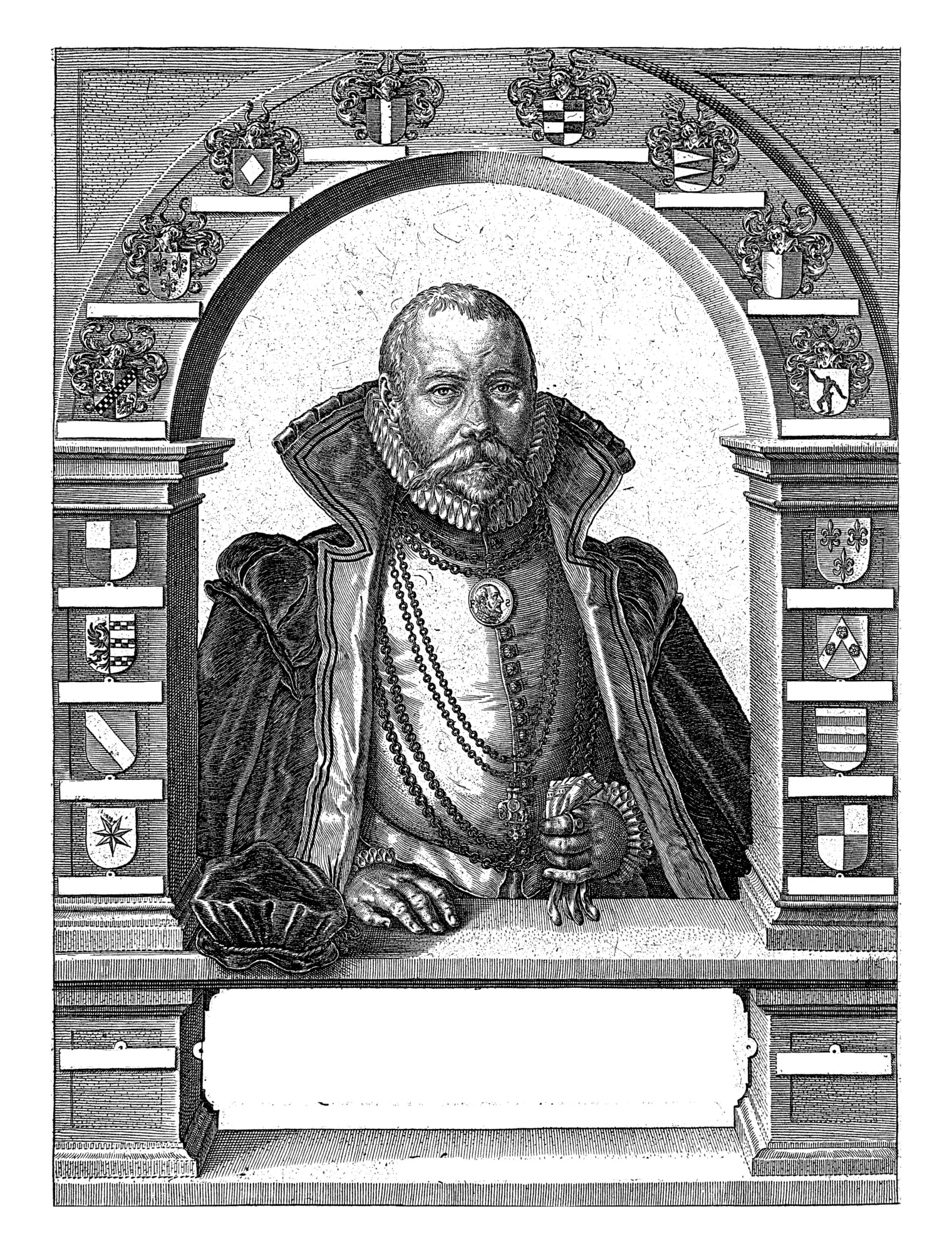
The famous Danish astronomer died in 1601 after his bladder burst during a banquet. Court etiquette prevented him from leaving the table to relieve himself, so he held it in for hours until his bladder gave out.
Modern medical analysis suggests he might have died from mercury poisoning, but the bladder story has become legendary among astronomy buffs.
Like Go2Tutors’s content? Follow us on MSN.
Jean-Baptiste Lully
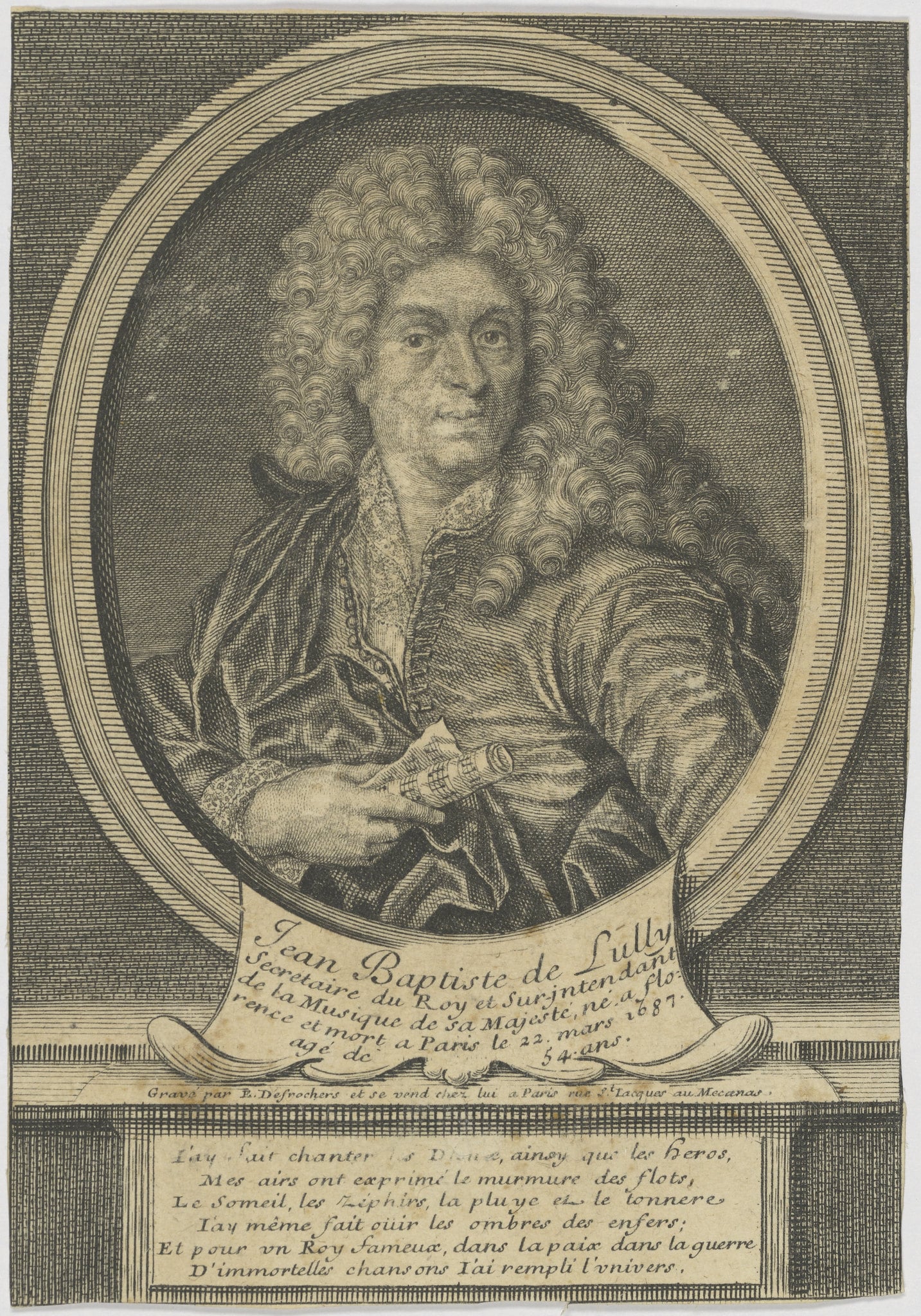
This French composer died in 1687 after accidentally stabbing himself in the foot with his conducting staff. The wound became infected, and gangrene set in when he refused to have his toe amputated.
Lully was apparently more concerned about his dancing career than his life, showing that artistic vanity can be literally deadly.
Molière

The French playwright collapsed and died during a performance of his own play ‘The Imaginary Invalid’ in 1673. He was playing a hypochondriac who pretended to be sick — but Molière was actually ill and died shortly after the curtain fell.
The irony wasn’t lost on audiences who watched the master of comedy become the subject of his own dark humor.
Attila the Hun

The fearsome Hun leader who terrorized Europe died on his wedding night in 453 CE, though the exact cause remains debated. Some sources suggest he died from a severe nose flow that caused him to choke while passed out drunk.
For someone who conquered much of Europe, it’s a surprisingly undignified way to go.
Like Go2Tutors’s content? Follow us on MSN.
King John
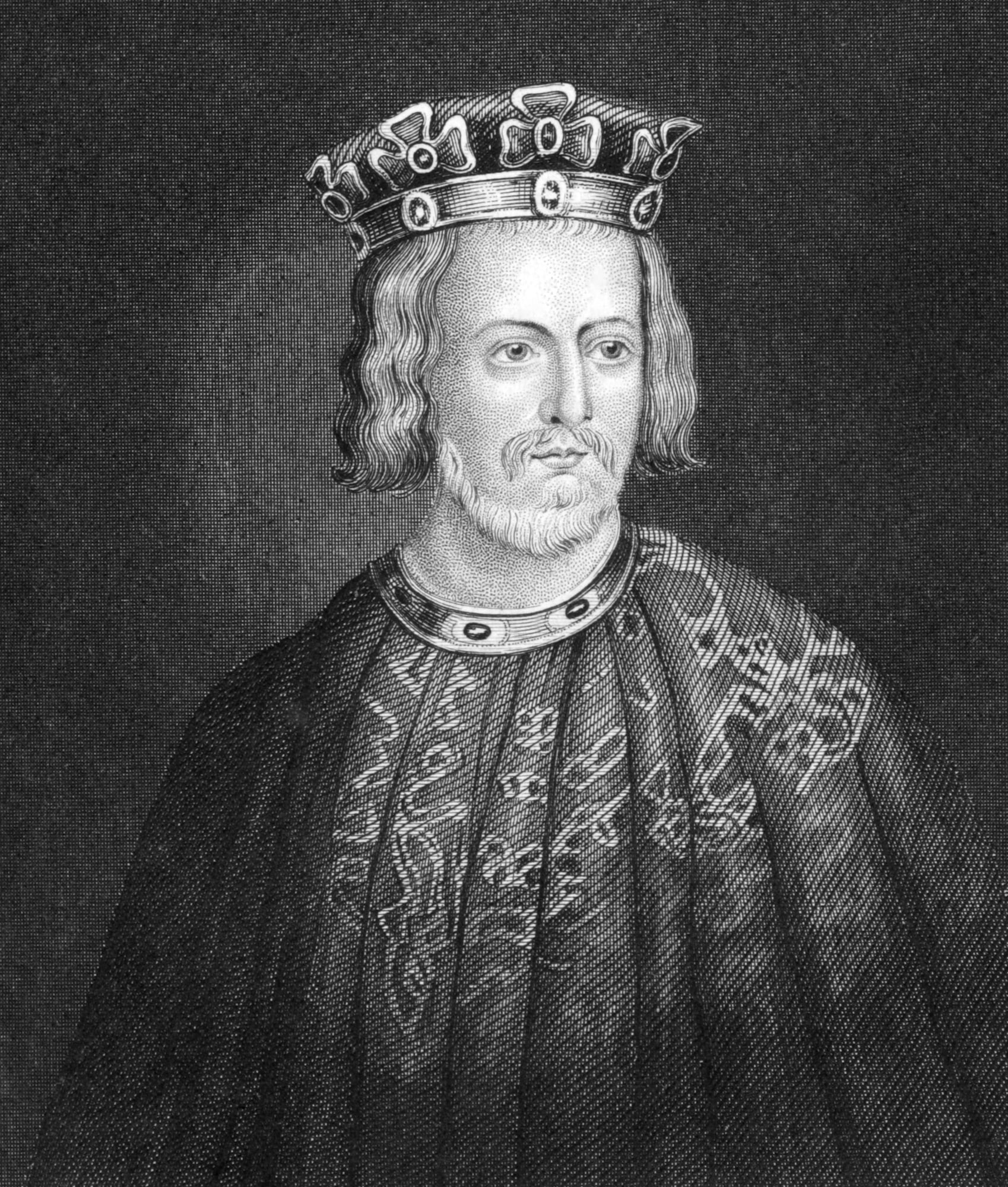
England’s King John died in 1216 after reportedly eating too many peaches and new cider, which gave him severe dysentery. Some historians suggest he was poisoned by a monk, but the official cause was listed as overeating fruit.
Either way, it’s not exactly the heroic death you’d expect from a medieval king.
Pope Adrian IV

The only English Pope died in 1159 after allegedly choking on a fly that landed in his wine. While some historians dispute this account, the story has persisted for centuries as one of the most unusual papal deaths.
It’s certainly not the kind of martyrdom most religious leaders would choose.
King Alexander I of Greece

This Greek monarch died in 1920 after being bitten by his pet monkey. The animal attacked him during a walk in the palace gardens, and the wounds became infected.
The incident led to a series of political upheavals that changed Greek history, proving that even small pets can have enormous consequences.
Like Go2Tutors’s content? Follow us on MSN.
Isadora Duncan

The famous American dancer died in 1927 when her flowing scarf got caught in the wheel of her convertible car. She was known for her dramatic scarves and free-flowing dance style, but this signature accessory ultimately became her downfall.
Duncan’s death epitomized the tragic irony of an artist destroyed by their own art.
Tennessee Williams

The renowned American playwright died in 1983 after choking on a bottle cap in his hotel room. He had been using the cap to take his medication and accidentally swallowed it.
For someone who wrote such powerful dramas about human nature, it’s a surprisingly mundane way to meet one’s end.
The Final Curtain

These unusual deaths remind us that history’s greatest figures were just as vulnerable to life’s random absurdities as anyone else. Whether they were kings, philosophers, or artists, none of their achievements could protect them from the bizarre circumstances that claimed their lives.
What makes these stories particularly compelling is how they humanize these historical giants, showing that even the most powerful and brilliant people can fall victim to the most ordinary mishaps. These tales have endured through the centuries not just because they’re strange, but because they capture something essentially human about our shared mortality and life’s unpredictable nature.
More from Go2Tutors!

- 16 Historical Figures Who Were Nothing Like You Think
- 12 Things Sold in the 80s That Are Now Illegal
- 15 VHS Tapes That Could Be Worth Thousands
- 17 Historical “What Ifs” That Would Have Changed Everything
- 18 TV Shows That Vanished Without a Finale
Like Go2Tutors’s content? Follow us on MSN.



