13 Historical Events Taught Wrong for Decades
Textbooks compress complicated history into digestible narratives, and sometimes that compression hardens into a version of events that is simply inaccurate. The following historical episodes have been corrected by decades of subsequent scholarship, yet the simplified, and often wrong, version still circulates widely.
Columbus Did Not Prove the Earth Was Round
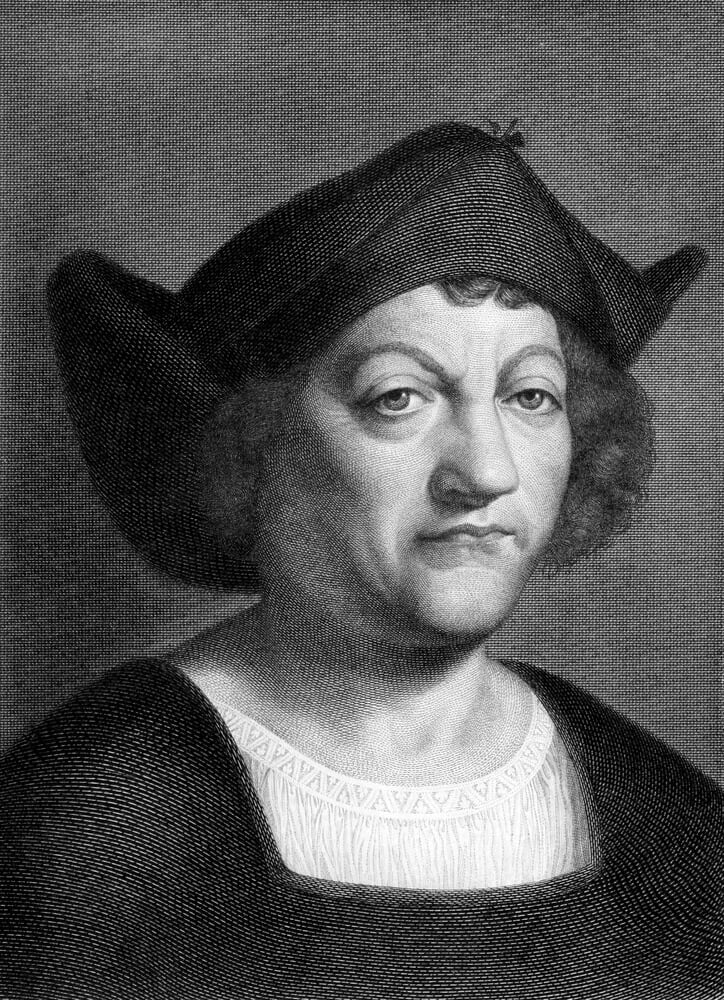
Educated Europeans in 1492, including the scholars who initially rejected funding Columbus’s voyage, already knew the Earth was spherical; the dispute was over the planet’s circumference, not its shape. The myth that Columbus faced ridicule over a flat Earth was largely popularized by Washington Irving’s fictionalized 1828 biography of Columbus.
The Salem Witch Trials Were Not About Witchcraft Hysteria Alone
While religious fervor played a role, historians now point to specific local factors in the 1692 trials, including a bitter land dispute between Salem Village and Salem Town families and unusually harsh winters that heightened economic stress. The rigid “mass hysteria” narrative taught for decades understates how many accusations tracked closely with existing property and inheritance conflicts between accusers and the accused.
Vikings Did Not Wear Horned Helmets
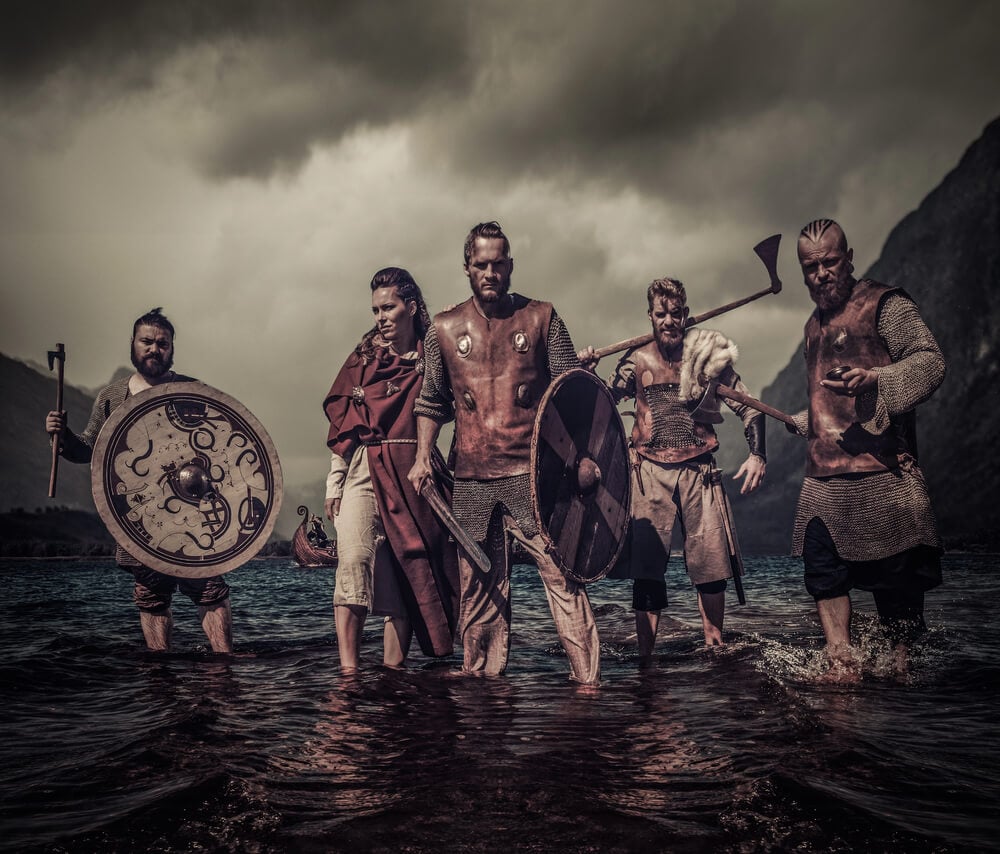
No archaeological evidence from the Viking Age, roughly 793 to 1066 CE, supports the popular image of horned helmets; the association originated from 19th-century Romantic-era opera costumes, particularly Carl Emil Doepler’s designs for Wagner’s Ring Cycle in 1876. Actual Viking-era helmets recovered by archaeologists are plain, rounded, and functional.
Napoleon Was Not Unusually Short
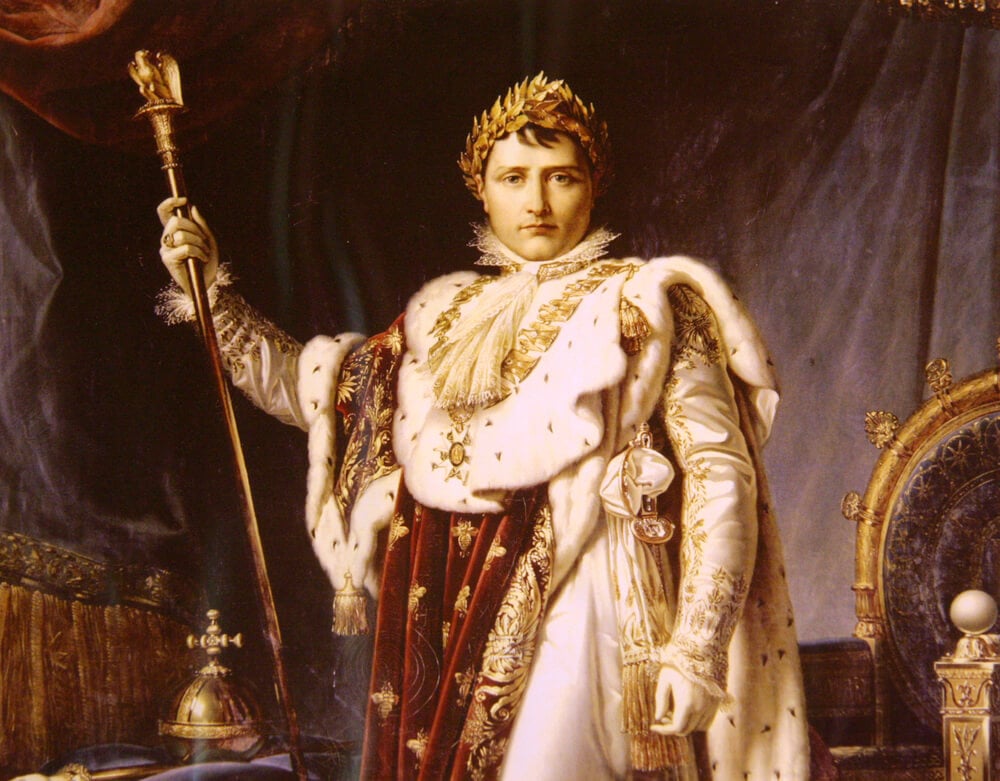
Napoleon Bonaparte stood approximately 5 feet 6 or 7 inches, roughly average height for a Frenchman of his era, but the “short” myth persists partly due to a measurement discrepancy between French and English inches at the time and partly from British propaganda cartoons deliberately exaggerating his stature. His nickname among troops, “le petit caporal,” was a term of affection rather than a literal physical description.
The Great Wall of China Is Not Visible from Space Unaided

Despite being a persistent claim in textbooks for decades, multiple astronauts, including NASA’s own confirmations, have stated the wall is not distinguishable from low Earth orbit without aid, given its narrow width relative to the vast distances involved. The myth predates spaceflight entirely, tracing back to a 1932 Ripley’s Believe It or Not claim made decades before anyone had actually orbited the planet.
Marie Antoinette Never Said “Let Them Eat Cake”
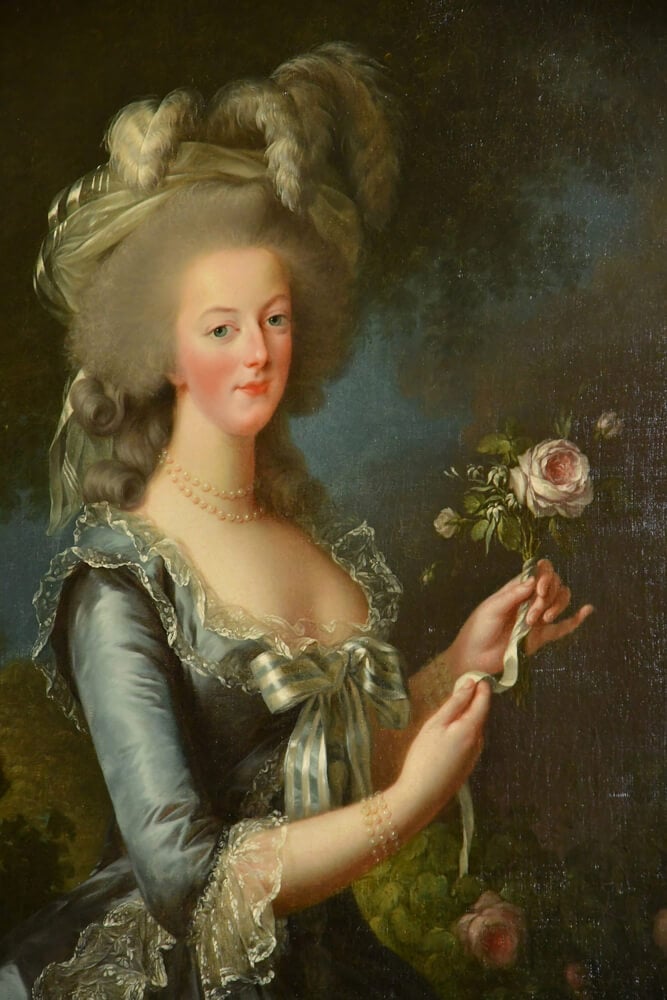
There is no documented evidence Marie Antoinette ever uttered this phrase, and Jean-Jacques Rousseau attributed a similar quote to an unnamed “great princess” in his Confessions, written when Marie Antoinette was still a child in Austria. Historians generally regard the attribution as a piece of revolutionary-era propaganda designed to paint the monarchy as detached from public suffering.
The Boston Tea Party Participants Were Not Anonymous to Contemporaries
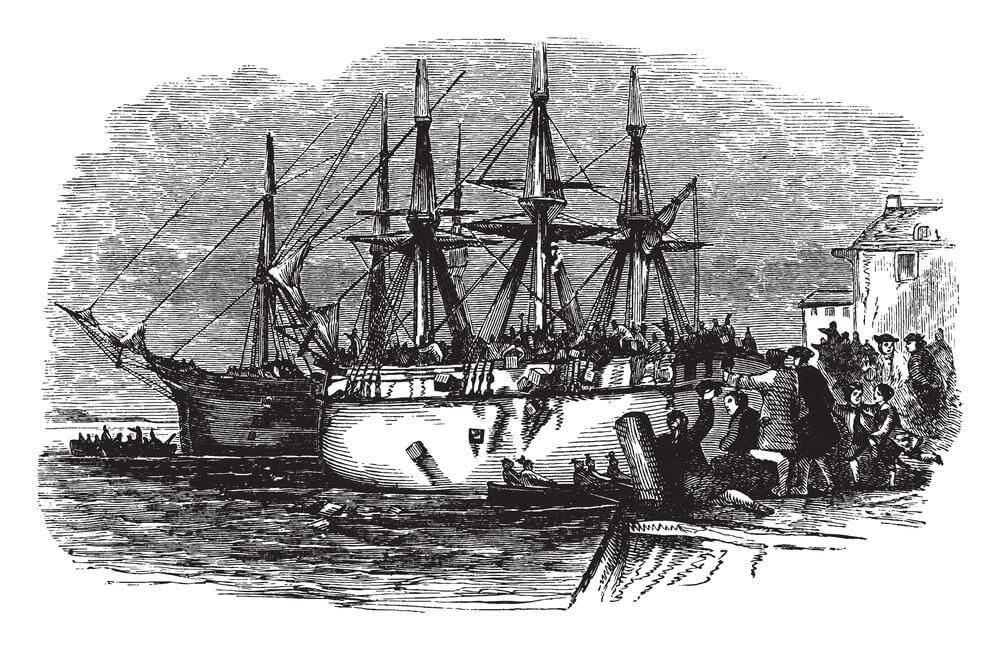
While often taught as a spontaneous, secretive act by ordinary colonists, the December 16, 1773 event was organized by the Sons of Liberty and many participants’ identities, including Samuel Adams’s involvement in planning, were known within Boston’s political circles at the time. The romanticized “identity lost to history” framing understates how coordinated and semi-public the protest actually was among the city’s political class.
Einstein Did Not Fail Math
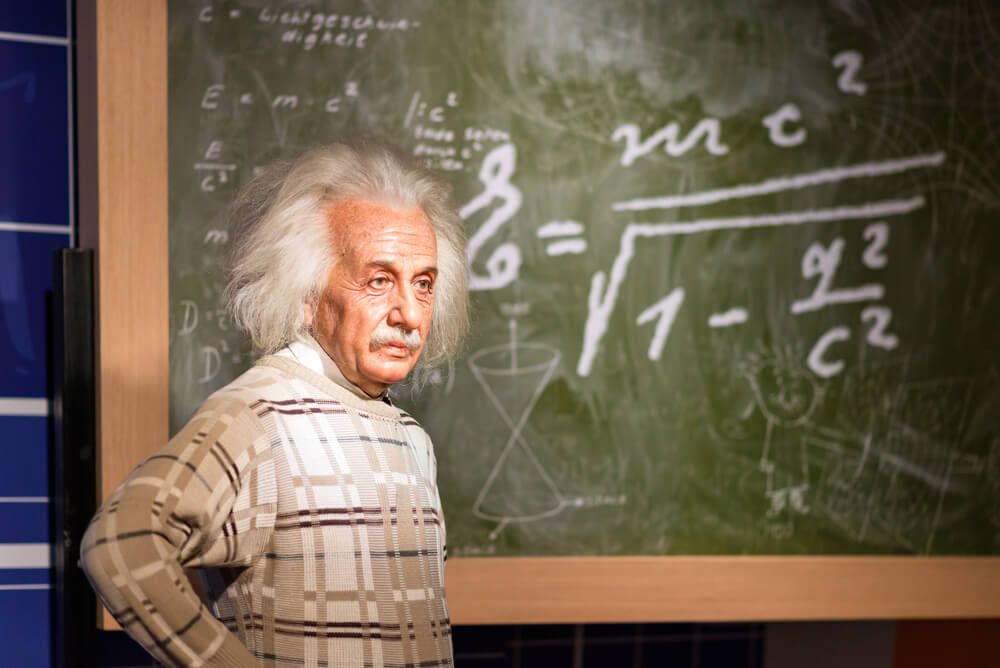
Albert Einstein excelled in mathematics from an early age and had mastered calculus by age 15; the failing-grades myth likely originated from a misreading of his Swiss school records, which used an inverted 1-to-6 grading scale compared to the German system he’d previously attended. Einstein himself denied the rumor in his own lifetime when it began circulating in American newspapers.
The Pilgrims Did Not Wear Only Black and White
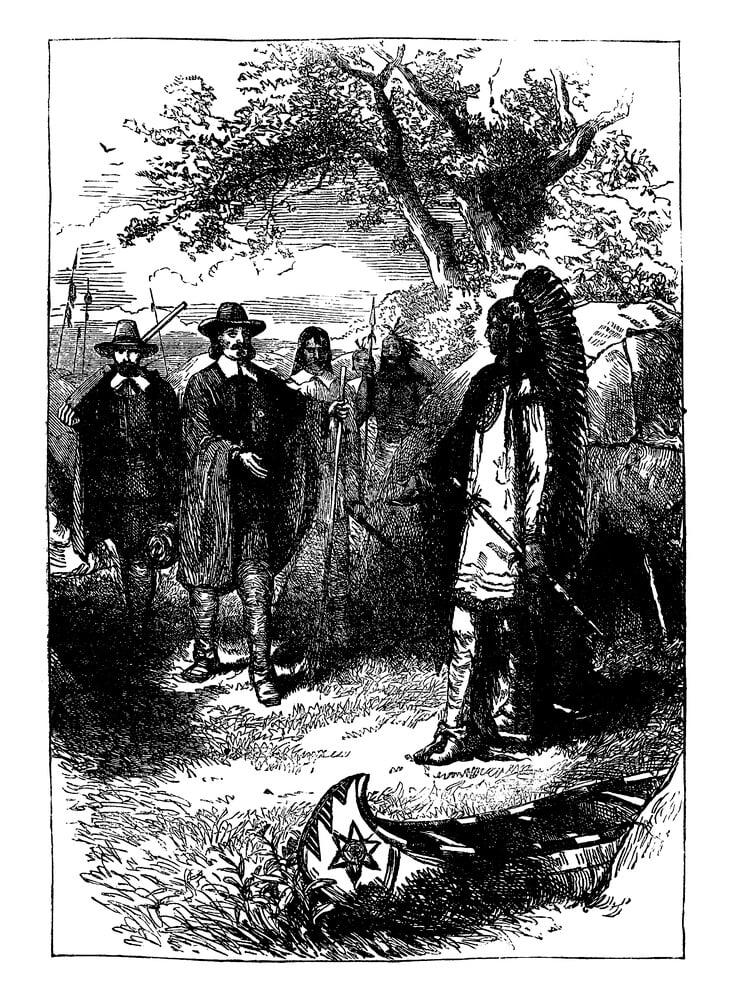
Surviving inventories and portraits from the Plymouth Colony, established in 1620, show colonists wore a range of colors including reds, greens, and purples for everyday clothing, reserving somber black exclusively for formal occasions like church services. The all-black stereotype largely stems from 19th-century illustrations rather than any 17th-century sartorial reality.
Thomas Edison Did Not Invent the Light Bulb Alone
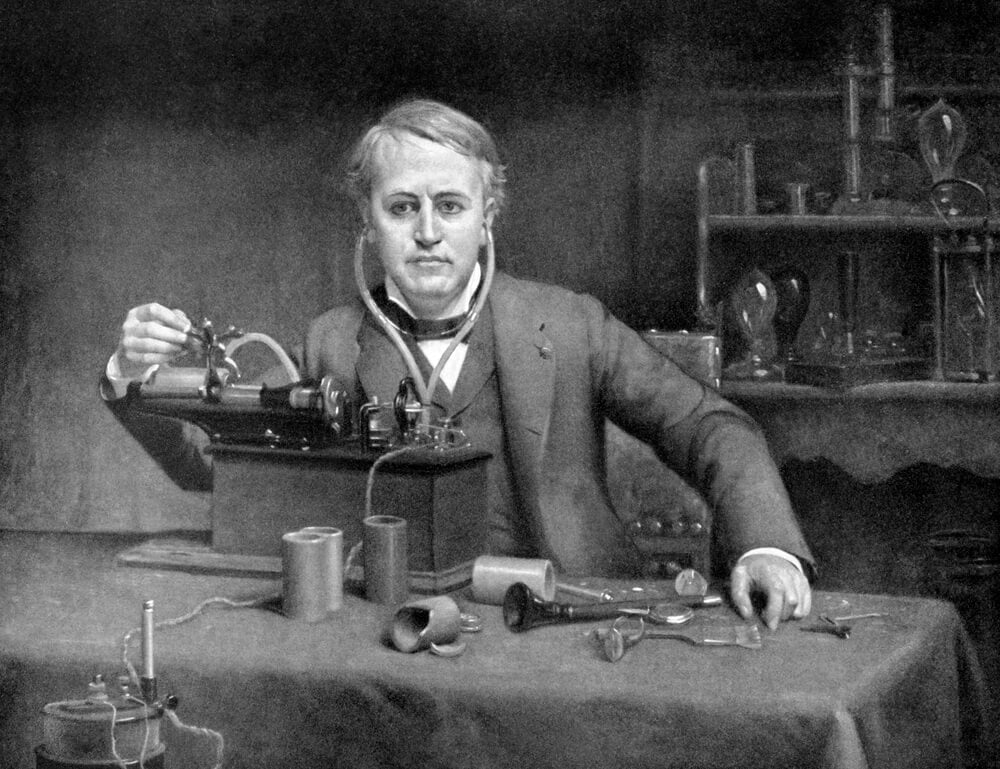
Multiple inventors, including Britain’s Joseph Swan, had developed working incandescent bulbs before Edison’s 1879 patent, and Edison’s actual contribution was refining the filament and developing a commercially viable, longer-lasting bulb suitable for mass electrical distribution. Edison and Swan eventually merged their competing patent claims into a joint company, Ediswan, in 1883 rather than litigating the dispute to conclusion.
The Stock Market Crash of 1929 Did Not Single-Handedly Cause the Great Depression

While the October 1929 crash is taught as the Depression’s direct trigger, economic historians now emphasize a combination of factors including bank failures, contractionary Federal Reserve policy, and a collapse in international trade following the Smoot-Hawley Tariff Act of 1930. The crash was a major catalyst, but the Depression’s depth and decade-long duration stemmed from policy responses that followed rather than the crash itself.
Paul Revere Did Not Ride Alone
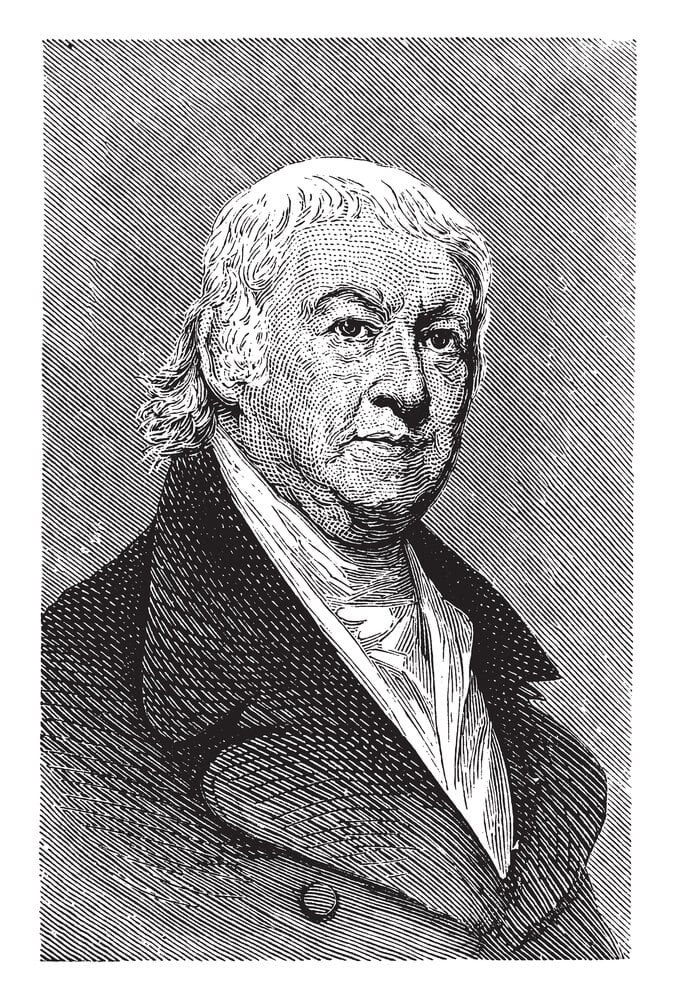
Revere’s April 18, 1775 ride is typically taught as a solo mission, but he rode alongside William Dawes and later Samuel Prescott, and it was Prescott, not Revere, who actually completed the ride to Concord after Revere was detained by a British patrol. Henry Wadsworth Longfellow’s 1861 poem “Paul Revere’s Ride” is largely responsible for cementing the simplified, solo version in American memory.
The Wright Brothers Were Not the First to Achieve Powered Flight in Every Contested Account
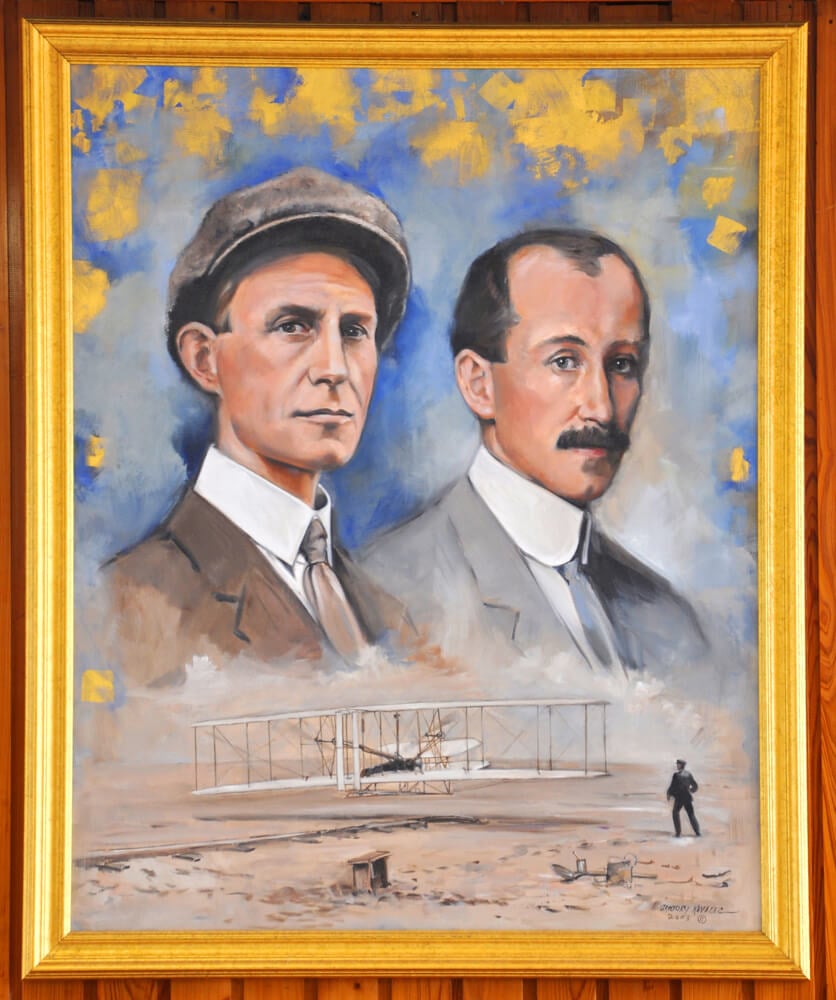
While the Wright brothers achieved the first sustained, controlled, powered flight of a heavier-than-air craft on December 17, 1903 at Kitty Hawk, several inventors including Gustave Whitehead and Richard Pearse made contested earlier flight claims that lacked the Wrights’ rigorous documentation and repeatability. The Wrights’ achievement is generally considered historically secure specifically because of their meticulous record-keeping, not because they were the only ones attempting powered flight.
Why the Simple Version Survives

Historical myths rarely persist out of malice; they persist because they are easier to teach, easier to remember, and easier to fit inside a single class period than the far messier reality. A tidy anecdote about a naive Columbus or a spontaneous Boston protest does real narrative work that a footnote-heavy account cannot match in a classroom setting.
The correction rarely erases the myth entirely, either. Decades after historians settled these questions, the simplified versions still appear in casual conversation, trivia nights, and the occasional textbook reprint, proof that a good story often outcompetes an accurate one long after the record has been set straight.
More from Go2Tutors!

- The Romanov Crown Jewels and Their Tragic Fate
- 13 Historical Mysteries That Science Still Can’t Solve
- Famous Hoaxes That Fooled the World for Years
- 15 Child Stars with Tragic Adult Lives
- 16 Famous Jewelry Pieces in History
Like Go2Tutors’s content? Follow us on MSN.