Old Travel Brochures That Preserve Vanished American Attractions
A folded brochure from the 1950s or 1960s can promise things that no longer exist anywhere on a map. The glossy photos, bold type, and cheerful price lists are often the clearest record of places that were demolished, burned, or quietly dismantled.
These twenty attractions once anchored vacations across the country. Each one drew crowds, earned a place in guidebooks, and then vanished for reasons that ranged from fire to falling attendance to a single stormy night.
The Nightly Firefall at Yosemite
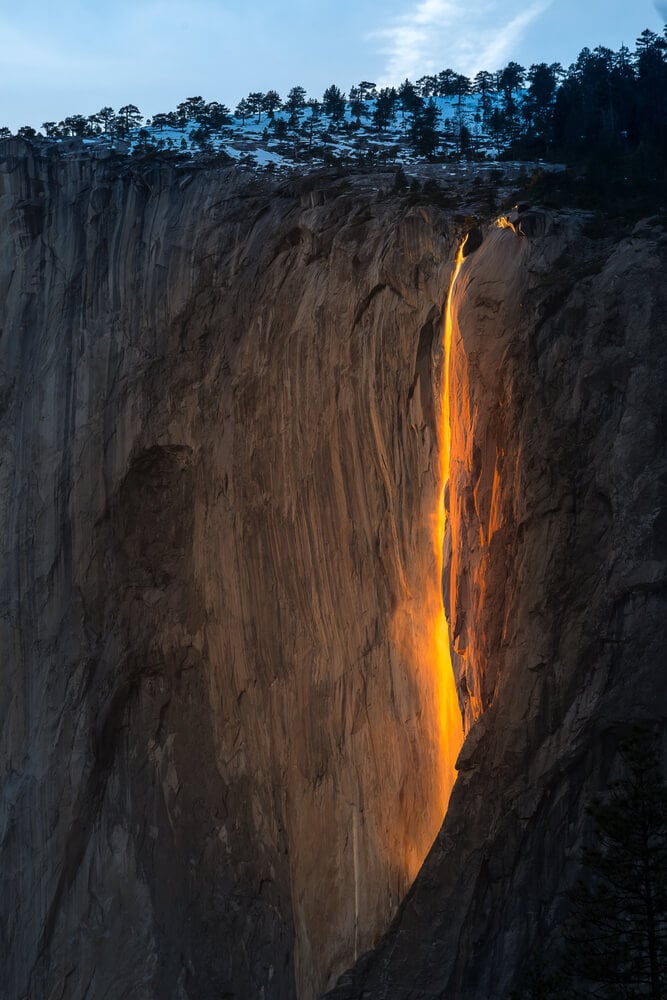
Every evening at 9 p.m., a bonfire of red fir bark was pushed off Glacier Point, creating a glowing cascade roughly 3,000 feet above Camp Curry. The tradition began in 1872 under hotel owner James McCauley and ran for nearly a century.
National Park Service Director George Hartzog ended it, and the final firefall dropped on January 25, 1968, before almost no audience.
The Wawona Tunnel Tree
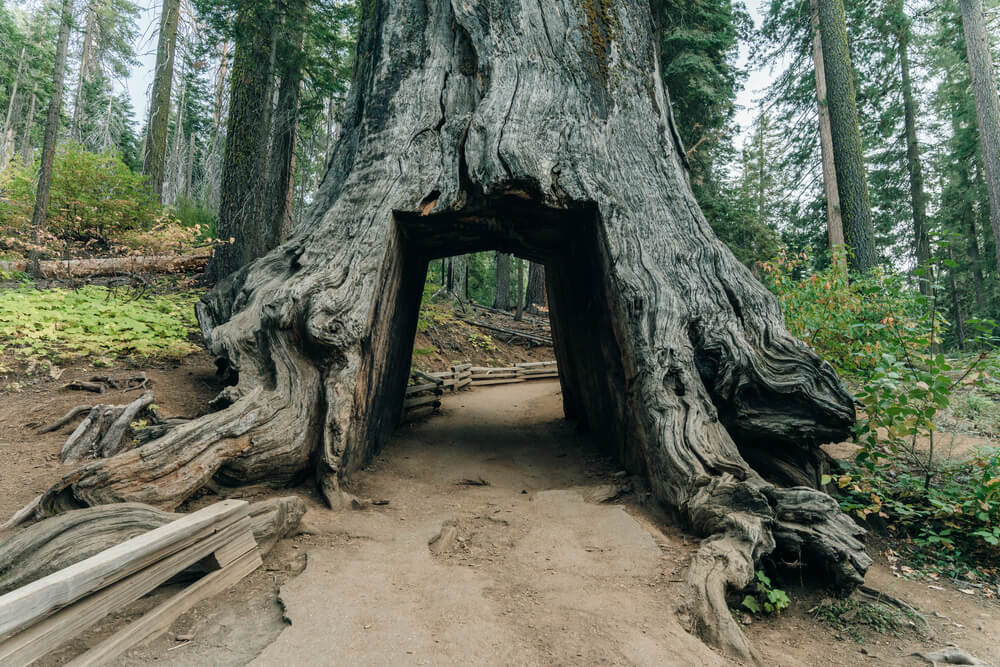
Visitors to Yosemite’s Mariposa Grove once drove straight through a living giant sequoia. The tunnel was cut in 1881, reportedly for a fee of $75 paid to the Scribner brothers, and the tree stood another 88 summers.
It toppled in the heavy winter of 1968-69, estimated at about 2,100 years old and 234 feet tall.
The Old Man of the Mountain
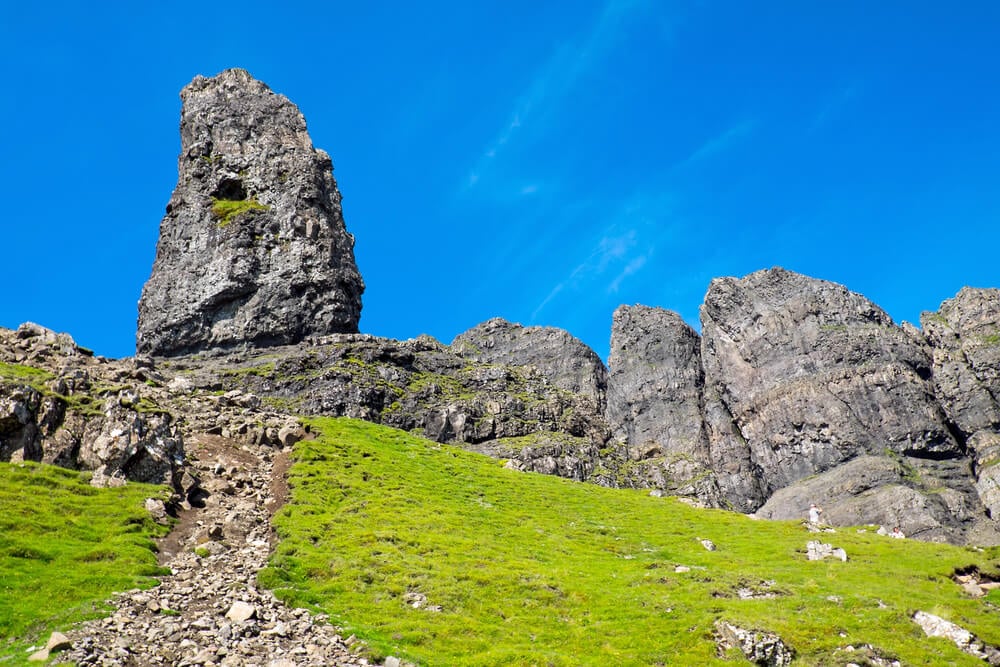
Five granite ledges in Franconia Notch, New Hampshire, lined up to form a stern profile about 40 feet tall and high above Profile Lake. The face appeared on postcards, license plates, and the state’s quarter.
It collapsed on May 3, 2003, and visitors now stand at a memorial that uses steel rods to show where the profile once hung.
Sutro Baths
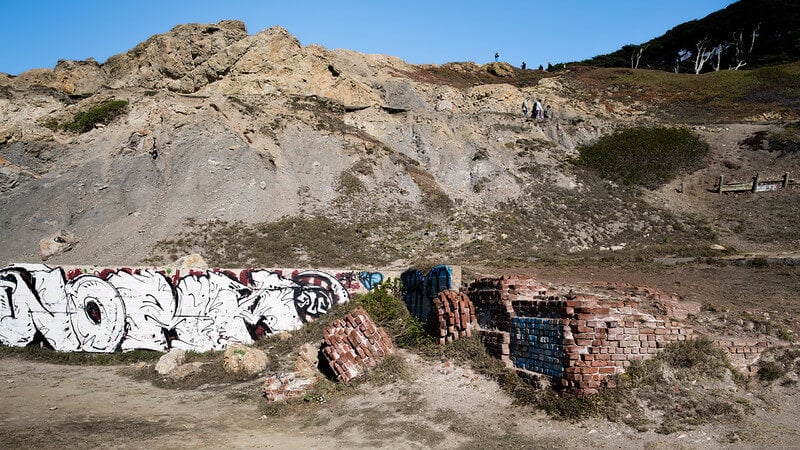
San Francisco’s Sutro Baths opened March 14, 1896, as the world’s largest indoor swimming complex. Seven pools, six filled with seawater and one with fresh water, sat under a vast glass roof beside the Cliff House.
A fire destroyed the building in June 1966, and its concrete ruins can still be explored at Lands End.
Playland-at-the-Beach
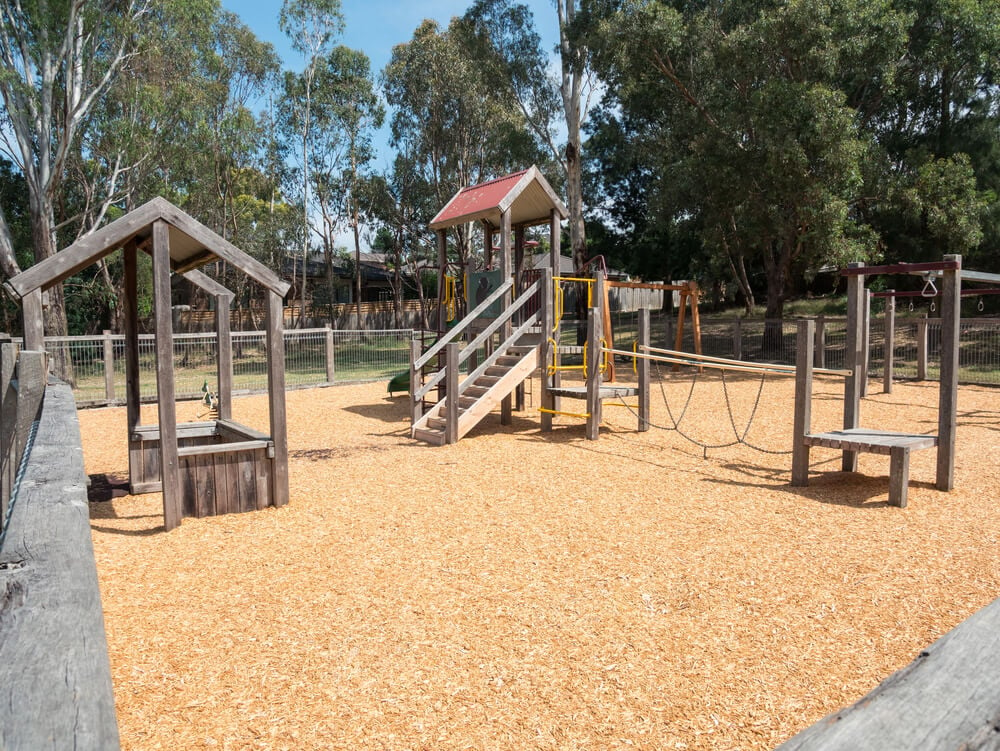
San Francisco’s oceanfront amusement zone closed in 1972 after decades of roller coasters, a funhouse, and the ice cream sandwich known as the It’s-It. Its mechanical laughing figure, Laffing Sal, survived and now greets visitors at the Musée Mécanique.
Condominiums replaced the rides along the Great Highway.
Freedomland U.S.A.
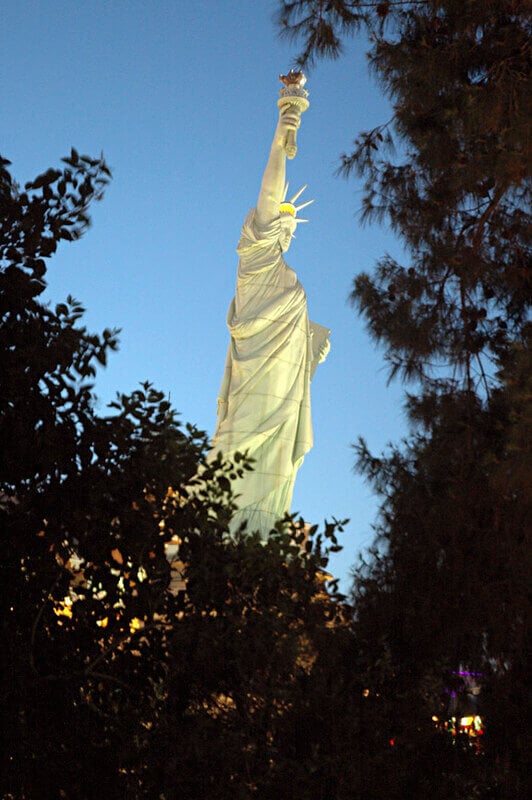
Opened June 19, 1960, in the Bronx, this park covered about 85 acres laid out in the shape of the continental United States. Visitors moved from Little Old New York to the Old Southwest and a Chicago fire show.
Poor attendance doomed it, and it closed after the 1964 season. Co-op City now occupies the site.
Pacific Ocean Park
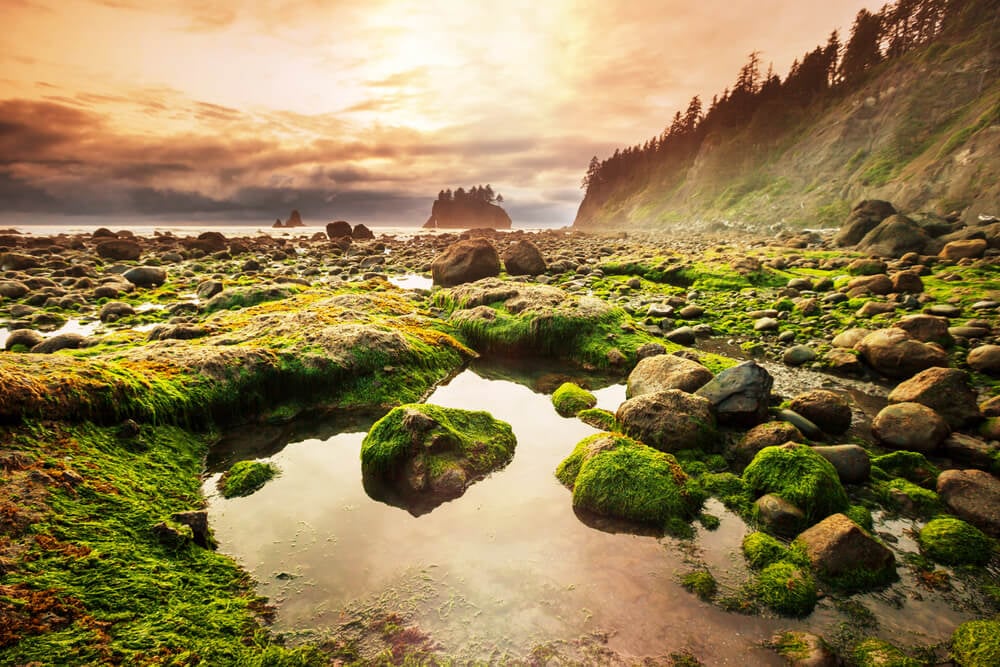
Pacific Ocean Park rose on a pier in Venice, California, in 1958 as a nautical-themed rival to Disneyland. About 20,000 people attended opening day, and the following day it drew 37,262 paying guests, more than Disneyland that day.
Urban renewal work around the park hurt access, creditors moved in, and the park closed October 6, 1967.
Steeplechase Park
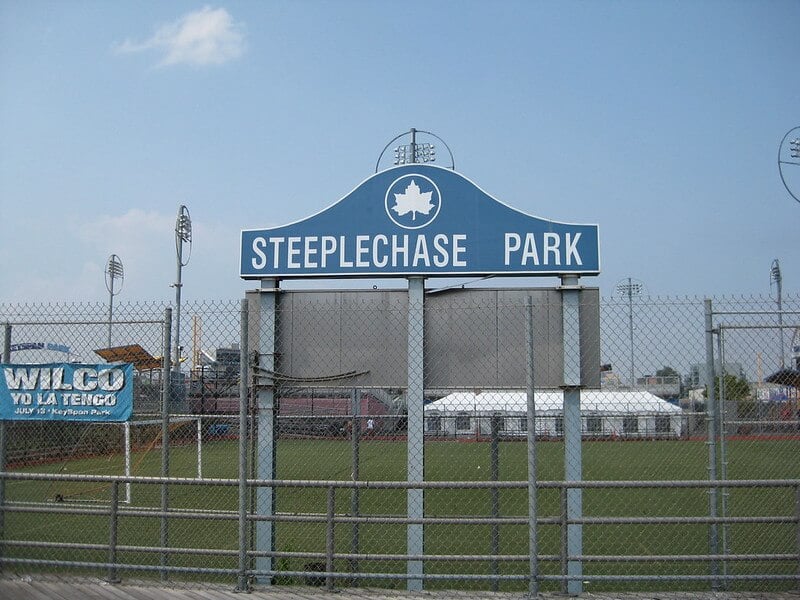
George C. Tilyou opened Steeplechase Park at Coney Island in 1897, building it around a mechanical horse race and the grinning Funny Face emblem. Rides, a glass-roofed Pavilion of Fun, and the Parachute Jump, moved from the 1939 World’s Fair, filled the grounds.
The park closed in 1964, though the tall Parachute Jump tower still stands.
Dreamland at Coney Island
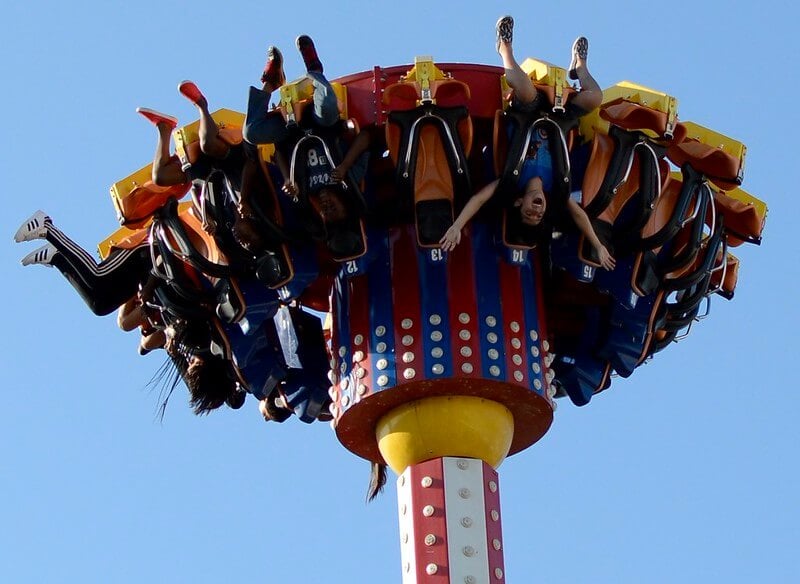
Dreamland opened in 1904 with a tower and a famous claim of a million electric lights glowing against the night sky. It competed directly with its neighbors Luna Park and Steeplechase.
On May 27, 1911, a fire that began in a ride tore through the park, and it never reopened.
Palisades Amusement Park
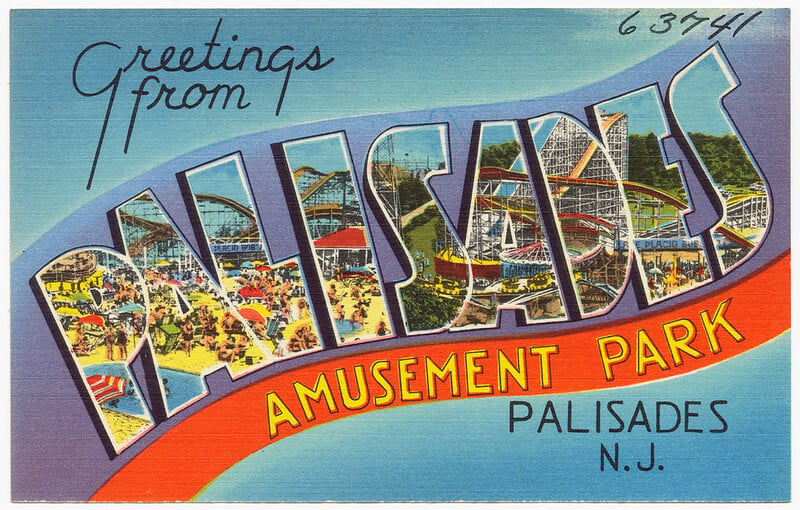
High above the Hudson in New Jersey, Palisades Park ran from 1898 until it closed on September 12, 1971. Its saltwater pool, a Cyclone roller coaster, and the radio jingle “Come on over” fixed it in memory.
After a developer bought the property, high-rise condominiums replaced the midway.
Riverview Park
Chicago’s Riverview Park opened in 1904 and advertised itself with the slogan “Laugh Your Troubles Away.” Its wooden Bobs coaster, built in 1924, was one of the most feared in the country.
After a final season, the park shut down in October 1967 and left a large vacant site on the city’s North Side.
Cypress Gardens
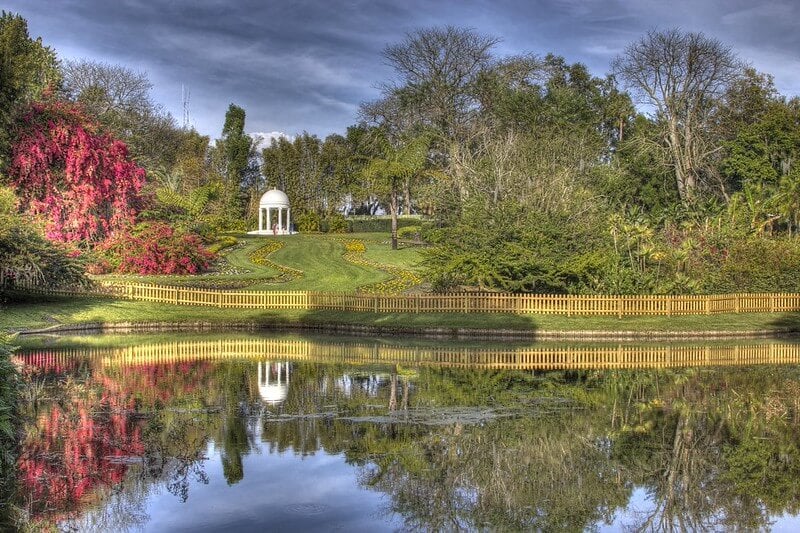
Julie Pope and her husband opened Cypress Gardens near Winter Haven, Florida, in 1936 as a botanical garden. Water-ski shows and costumed Southern belles soon turned it into a national postcard staple.
The park closed in 2009, and Legoland Florida opened on much of the same land in 2011.
Marineland of the Pacific
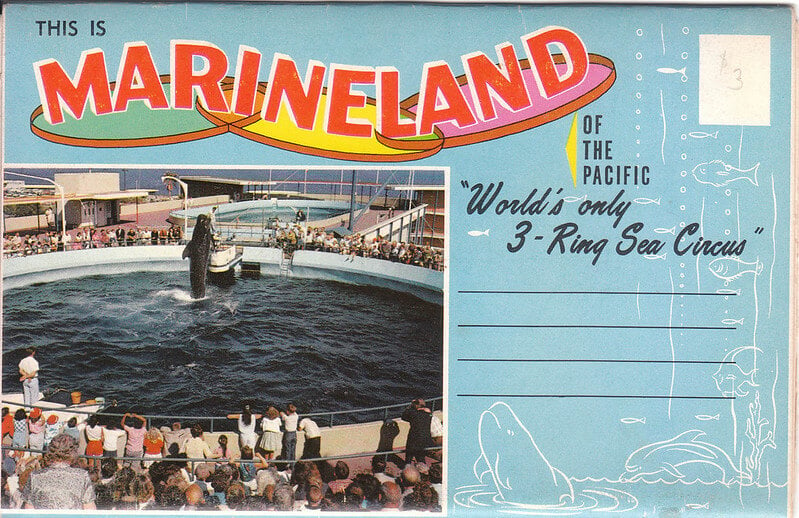
On the Palos Verdes Peninsula, Marineland opened August 28, 1954, and was billed as the world’s largest oceanarium. Its star was Bubbles, a pilot whale captured in 1957 and the first of her species kept alive in captivity.
The park closed on February 11, 1987, shortly after its sale to the owners of SeaWorld.
Astroworld
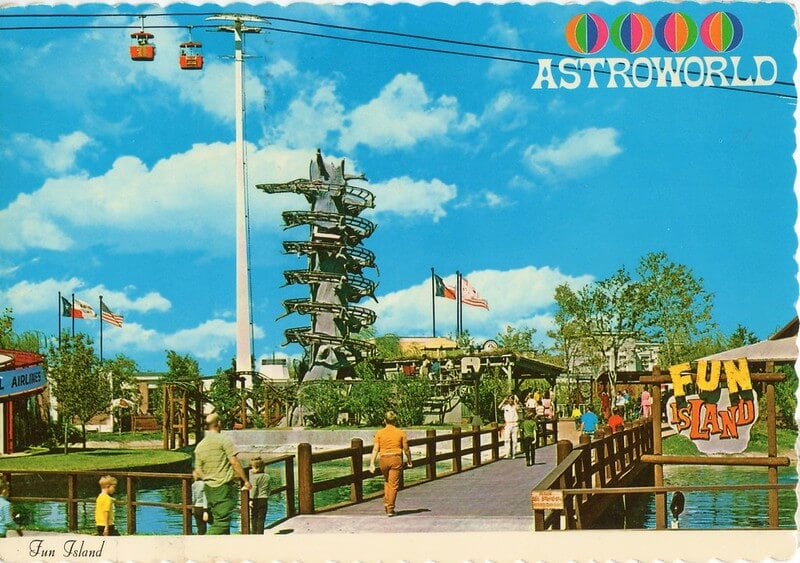
Judge Roy Hofheinz, builder of the Astrodome, opened Astroworld across the highway in Houston in 1968. The park ran for decades, and its Texas Cyclone coaster was a regional favorite.
It closed on October 30, 2005, and the buildings were later demolished.
Opryland USA
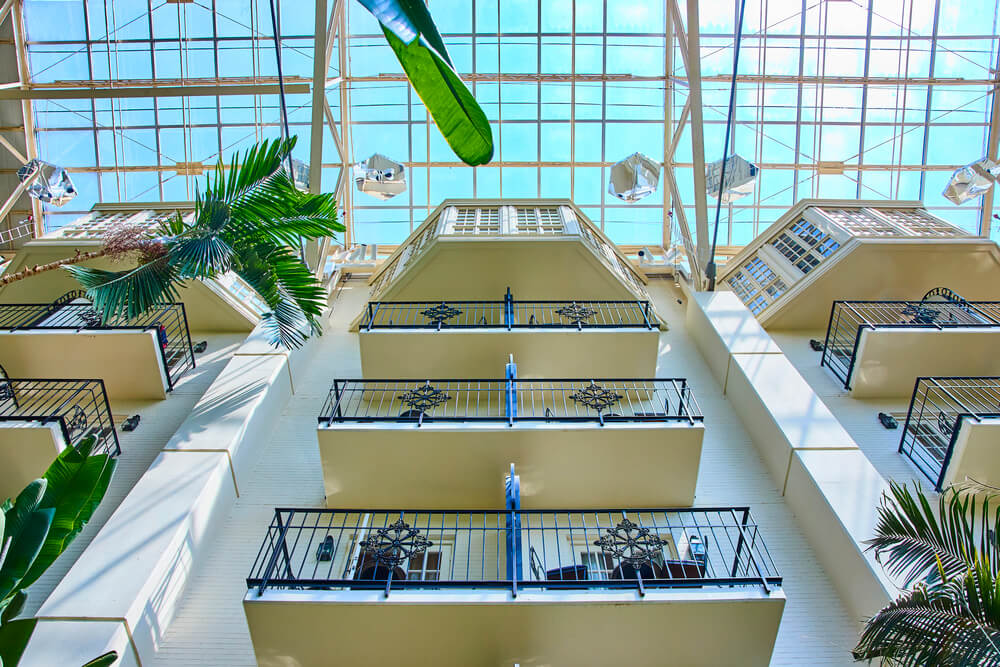
Nashville’s Opryland USA debuted in 1972 as a music-themed park with live shows built around country performers. Its live stage revues and rides filled the brochures for a quarter century.
The park closed after the 1997 season, and the Opry Mills shopping center later opened on the land.
The Land of Oz
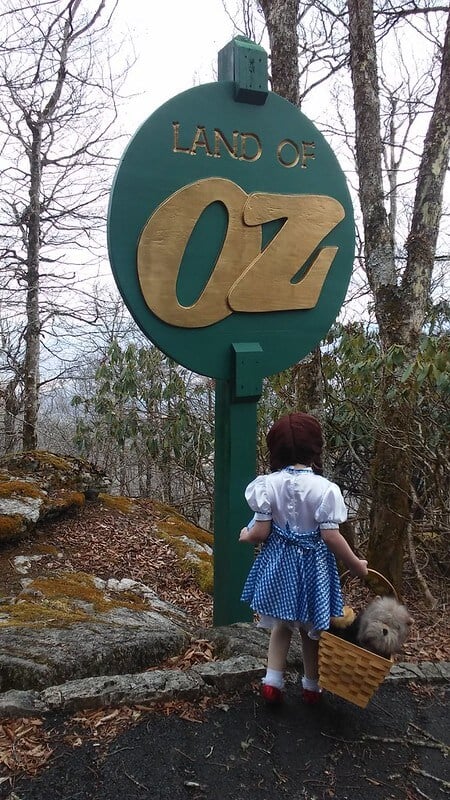
Opened June 15, 1970, atop Beech Mountain in North Carolina, the Land of Oz sent visitors along a Yellow Brick Road made of about 44,000 bricks. Actress Debbie Reynolds cut the ribbon on opening day, and the park drew roughly 400,000 visitors that first season.
Fire, theft, and money troubles closed it in 1980, though part of the site now reopens for special events.
Miracle Strip Amusement Park
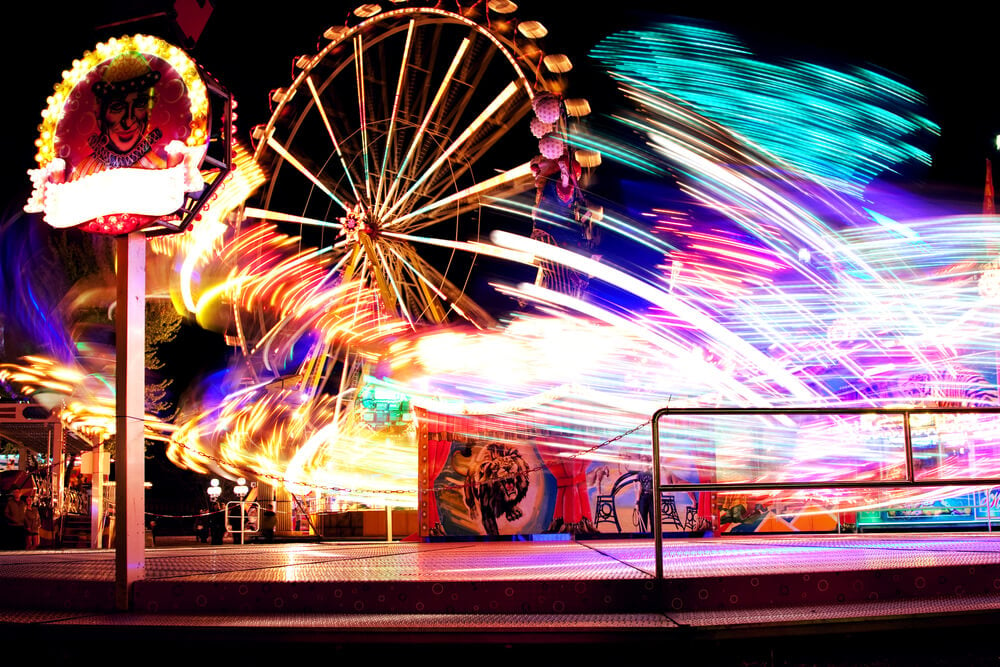
Panama City Beach, Florida, had a classic seaside amusement park that opened May 25, 1963, just across the road from the Gulf. Its wooden Starliner coaster was the centerpiece, drawing riders for four decades.
The park closed September 5, 2004, and the Starliner was later moved to Cypress Gardens.
Boblo Island
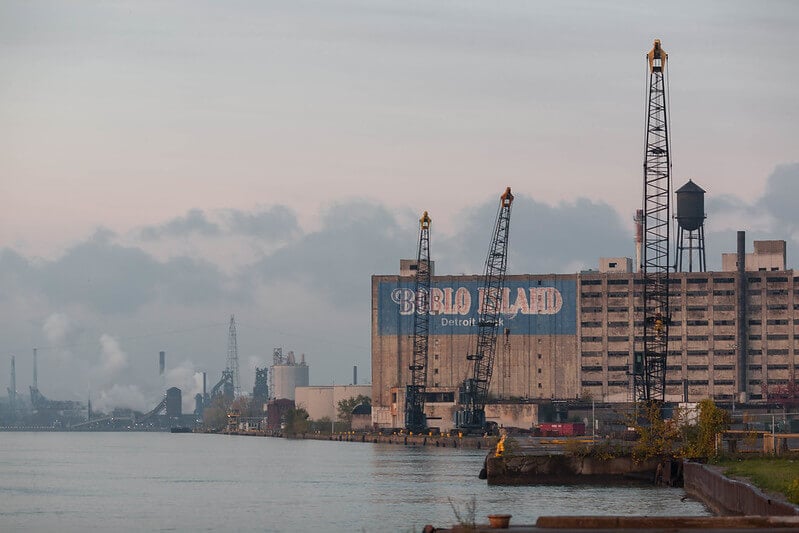
For generations, Detroiters reached Boblo Island by steamer down the Detroit River to an amusement park on the Canadian side. The ships Columbia, built in 1902, and Ste. Claire, built in 1910, were nearly as famous as the rides.
The park closed in 1993.
Euclid Beach Park
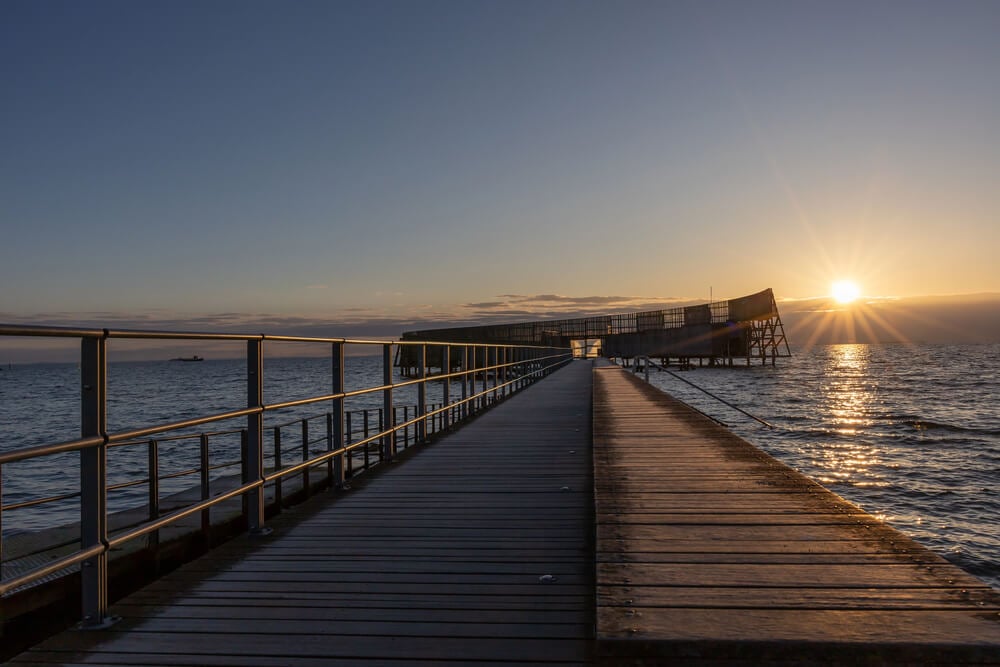
Euclid Beach Park drew Clevelanders to the shore of Lake Erie from 1895 until 1969. Its wooden Thriller coaster and a grand carousel were highlights of a park that Cleveland families treated as a summer tradition.
After it closed, the arched entrance gate remained as a landmark.
The Diving Horses of Steel Pier

At Atlantic City’s Steel Pier, a horse and rider plunged from a platform about 40 feet high into a tank of water, an act that ran from 1929 until the late 1970s. Rider Sonora Webster Carver lost her sight after a 1931 dive yet continued performing until 1942.
The act became the basis of a 1991 Disney film and has no modern equivalent.
Promises Printed in Color
A brochure is a strange kind of document because it was never meant to last. Its job was to convince a family to book a room, buy a ticket, and drive a few hundred extra miles.
That makes it an honest record of what a place wanted to be, even when the place itself no longer exists.
Many of these attractions disappeared because the country changed around them. Highways rerouted traffic, land values rose, and tastes moved on to larger theme parks and screens.
The folded paper outlived the rides, the horses, and the fire, and it now serves as the surest proof that they were ever there.
More from Go2Tutors!

- 27 Silver Dollars and Half Dollars Worth Keeping
- 28 Restaurant Menu Items Nobody Orders Anymore
- 17 Places Built in Seemingly Impossible Spots
- 27 Vintage Rings Worth More Than They Look
- 25 Restricted Sites Tourists Can’t Enter
Like Go2Tutors’s content? Follow us on MSN.