26 Historical Photos Inside American Textile Mills
For more than a century, American textile mills ran on the labor of people small enough to fit between the machines. A camera could capture what a payroll ledger never did: the height of a child against a spinning frame, the set of a striker’s jaw, the long brick flank of a mill that employed an entire town.
The photographs below come from mill floors, mill yards, and picket lines across New England, the Mid-Atlantic, and the Piedmont South. Some were made to change laws. Others were made to document a building or a strike, and ended up saying far more than their makers intended.
Sadie Pfeifer at the Lancaster Cotton Mills
Lewis Hine photographed Sadie Pfeifer in November 1908 while documenting South Carolina mills for the National Child Labor Committee. His caption gave her height, 48 inches, before it gave her age, and noted that she had worked in the spinning room for half a year. The image shows her standing beside a spinning frame in Lancaster, South Carolina, dwarfed by the machinery she was hired to tend. Prints are held by major museums, including the Art Institute of Chicago and the Museum of Modern Art.
Addie Card in the North Pownal Cotton Mill
Hine photographed Addie Card in the summer of 1910 at a cotton mill in North Pownal, Vermont, and his notes recorded her as a twelve-year-old spinner. Her pale, steady gaze made the picture one of the most reproduced images of American child labor. Decades later, a researcher traced her through census and family records, a search later retold in books and in Vermont newspapers. The National Gallery of Art holds a print of the portrait.
Spinners and Doffers at the Lancaster Cotton Mills

Hine’s Lancaster series also includes a group portrait of spinners and doffers lined up for his camera in the mill where Sadie Pfeifer worked. Doffers were the workers who pulled full bobbins from the frames and replaced them with empty ones, a job that favored small, quick hands. The image appears among the primary sources on DocsTeach, the National Archives education site. Seen together, the row of young faces shows that a single mill could supply an entire roster of child workers in one frame.
A Little Spinner at the Newberry Mill
During the same 1908 trip, Hine photographed mill children in Newberry, South Carolina, including a small girl in the picture titled A Little Spinner. His caption noted that she was tending her sides, the rows of spindles that a spinner was assigned along a frame. A child could be responsible for several sides at once, which meant running up and down the aisle for the entire shift. The photograph has been reproduced in magazines, classroom materials, and bar association galleries for more than a century.
A Spinner at the Whitnel Cotton Manufacturing Company
In late 1908, Hine photographed a young spinner at the Whitnel Cotton Manufacturing Company in Lenoir, North Carolina. His caption recorded that when he asked her age, she hesitated before admitting she was not old enough to work. He also noted that she sometimes worked at night, a detail that makes the picture a record of hours as well as height. The portrait has become a standard illustration of mill labor in the Carolina Piedmont.
Larger Spinners at the Catawba Cotton Mills
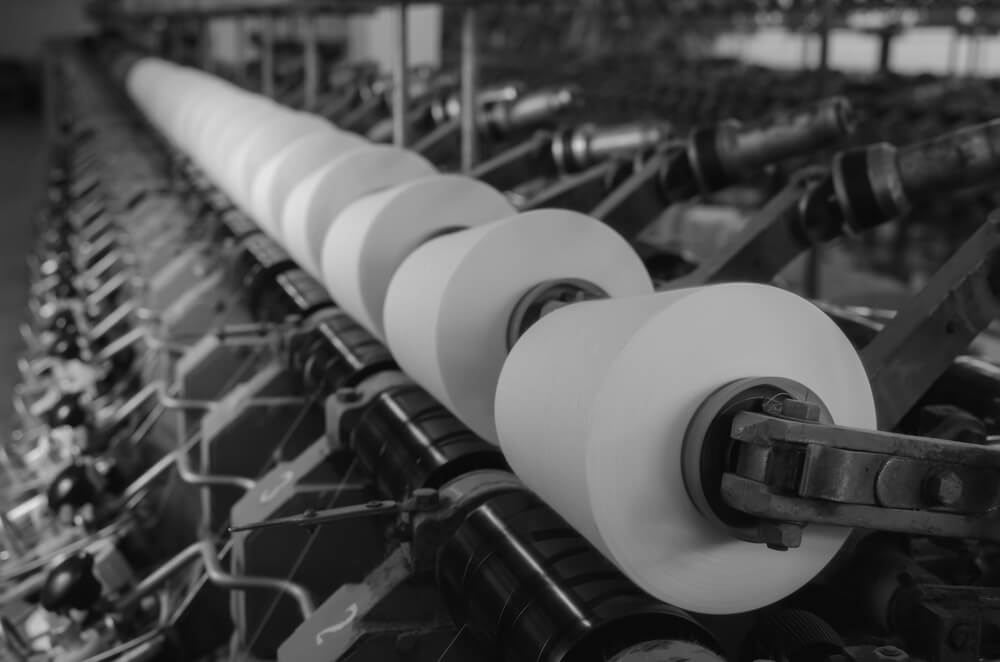
Hine’s caption for this photograph, Some of the Larger Spinners in Catawba Cotton Mills, carries its own quiet irony. The mill operated in Newton, North Carolina, in Catawba County, and the children lined up in the picture were the biggest ones available. If these were the larger spinners, the smaller ones were somewhere out of frame, still at their machines. NCpedia, the state’s online encyclopedia, reproduces the image.
Children at the Bibb Mill in Macon
— Photo by Klodien
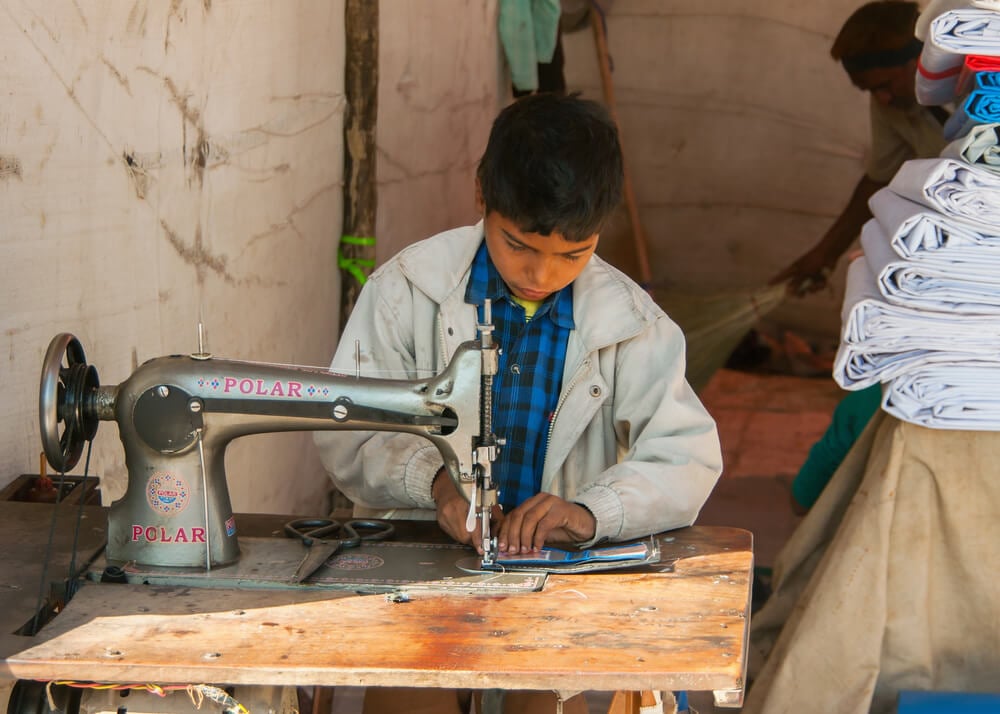
Hine photographed the Bibb Manufacturing Company’s mill in Macon, Georgia, in 1909, and the National Archives DocsTeach site files the image as Children Working in a Textile Mill in Georgia. The Macon pictures show that the pattern he had recorded in the Carolinas held across the Deep South: young spinners, young doffers, and little interference from regulators. Hine often estimated a child’s height by comparing it with the buttons on his coat, a habit that explains why his captions give measurements in inches.
Mule Room Boys in Fall River

— Photo by nd3000
In June 1916, Hine photographed workers in Fall River, Massachusetts, a city nicknamed Spindle City for its mills. Getty’s archive preserves his captions, including one naming Charles Cavanaugh as a back boy in a mule spinning room and another describing a tube boy and a doffer boy at work. The job titles alone show how finely the labor was divided among the youngest hands. The pictures also show that child labor was never only a Southern problem.
Young Workers of the Merrimack Mill in Huntsville
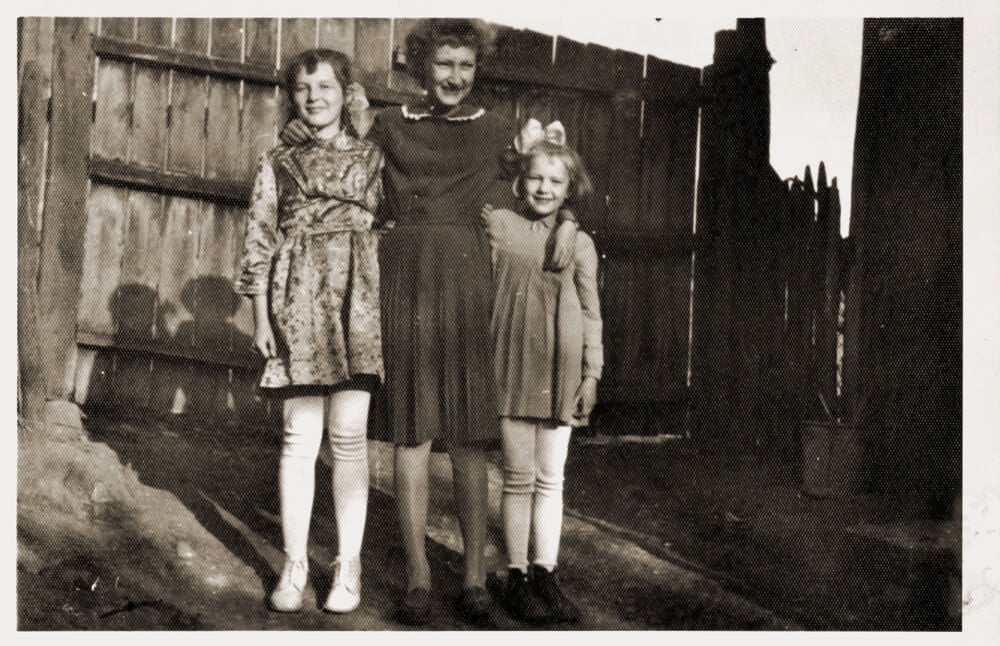
Hine photographed child workers at the Merrimack Mill in Huntsville, Alabama, in 1910. The Chrysler Museum holds a print titled One of the Young Workers of the Merrimack Mill, and the Museo Reina Sofia in Madrid holds a portrait titled for a worker named Pete Henson. The titles show that Hine’s pictures crossed the Atlantic and entered European museum collections as fine photography. Together they also show that he treated the people in front of his lens as individuals rather than types.
A Child Laborer at the Amoskeag Mills
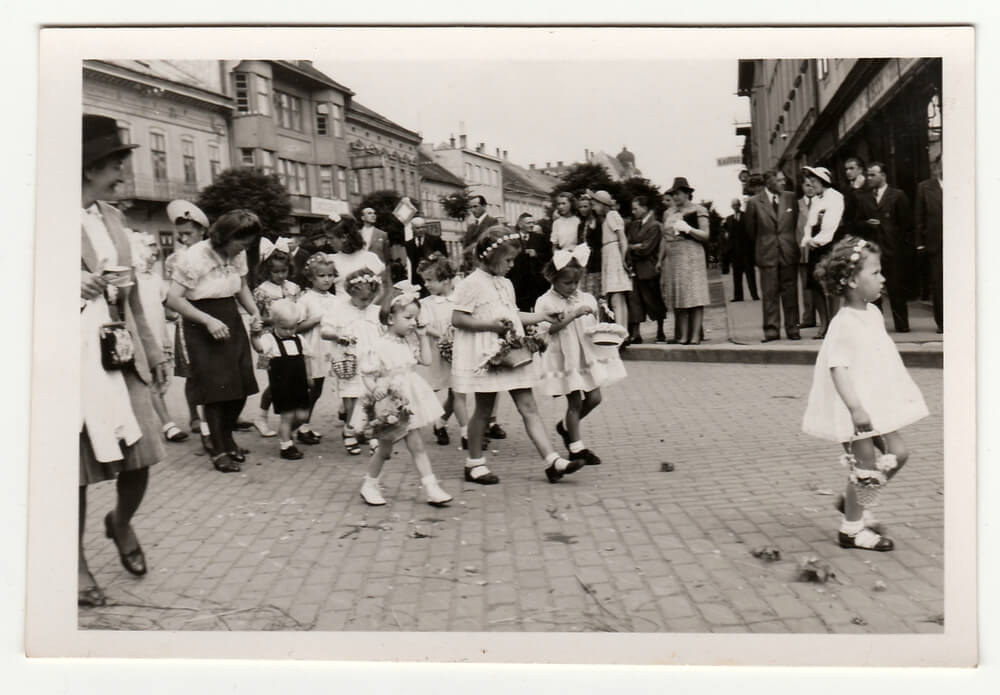
Hine photographed a child laborer at the Amoskeag Manufacturing Company in Manchester, New Hampshire, in 1909, inside one of the largest textile complexes in the world. The red brick mills stretched for roughly a mile along the Merrimack River, and the company had been incorporated in 1831. It would close in 1935, ending a century of continuous operation. The photograph captures a single worker inside a place built to make thousands of workers look interchangeable.
The Amoskeag Archive at Manchester
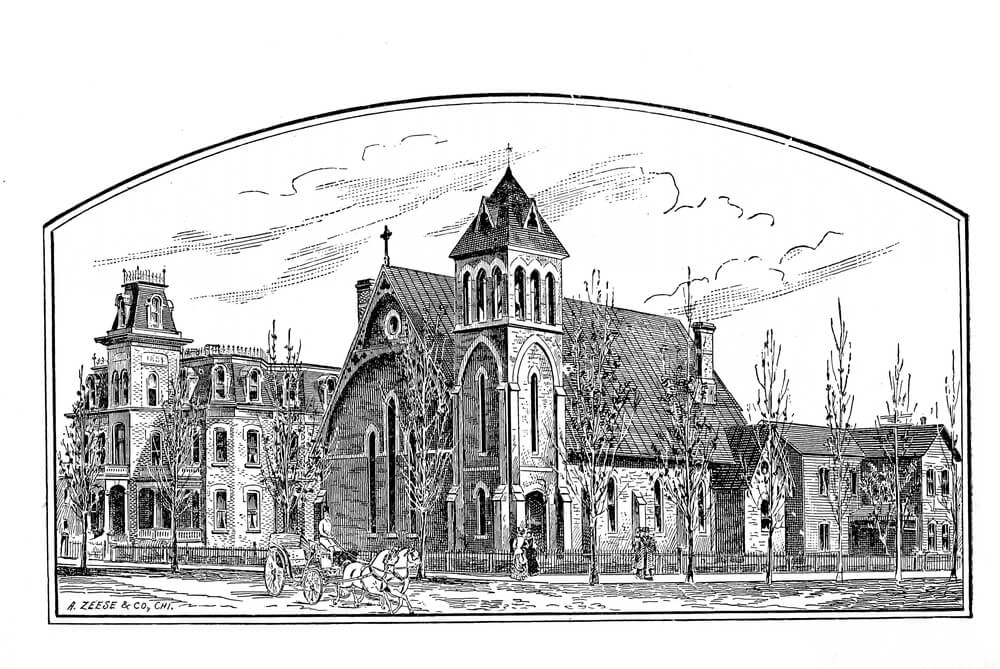
The Manchester Historic Association preserves a deep collection of Amoskeag photographs, searchable online through its PastPerfect catalog. At its peak the company employed roughly 17,000 people, and the images record weave rooms, mill yard scenes, and workers who came from French Canada, Greece, and Poland. New Hampshire Public Radio has described Amoskeag as the center of the state’s immigration story. The archive makes a mill town visible as a crowd of individual families.
When the Whistle Blows in Danville
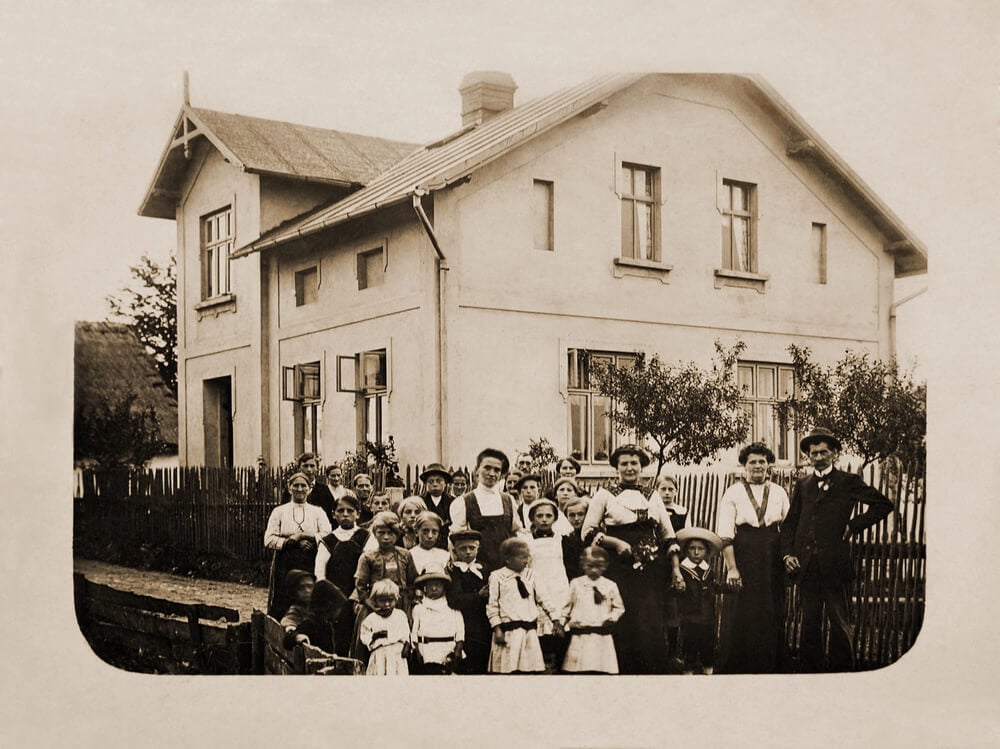
Hine’s photograph titled When the Whistle Blows, Closing Hour at the Danville, Va., Cotton Mills, was made in 1911 and is held by the Chrysler Museum. It captures the instant the shift ended, when a mill emptied into the street. The Danville mills later became the site of a bitter strike that ran into January 1931, when novelist Sherwood Anderson addressed the striking workers on January 13. The same gates that Hine photographed at closing hour became a picket line two decades later.
Cotton Mill Workers in Dallas
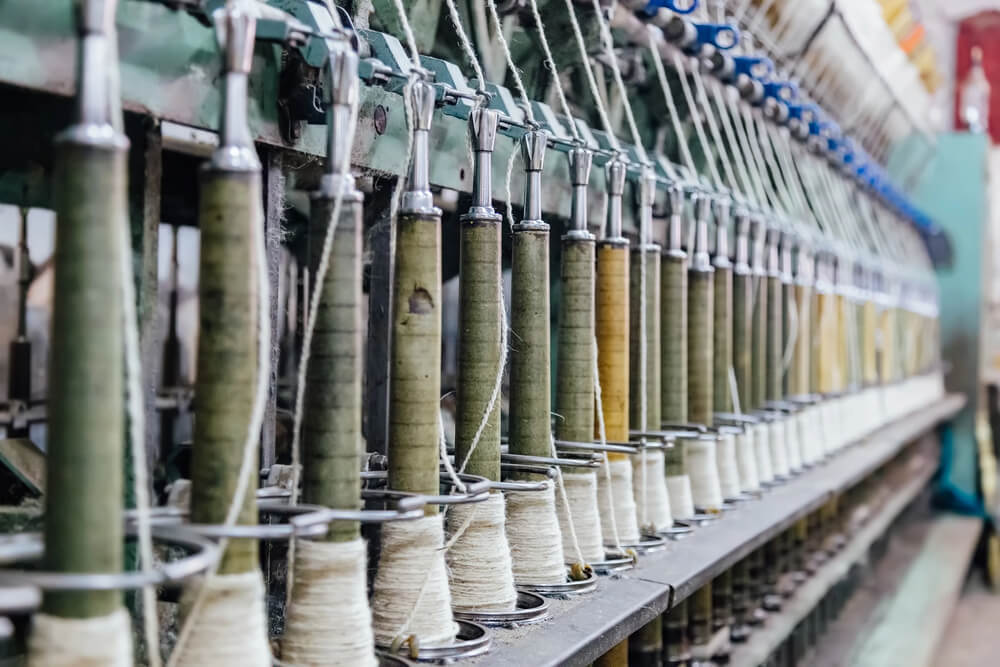
Hine’s trip to Dallas in the fall of 1913 produced pictures of cotton mill workers, newsboys, and kindergarten students, all part of the Library of Congress collection of the National Child Labor Committee. The Minneapolis Institute of Art holds a print titled Cotton Mill Worker, Texas. The Dallas images show that textile labor reached well west of the Southeast. Dallas newspapers have revisited the trip as part of the city’s lost visual history.
The Wamsutta Mill in New Bedford
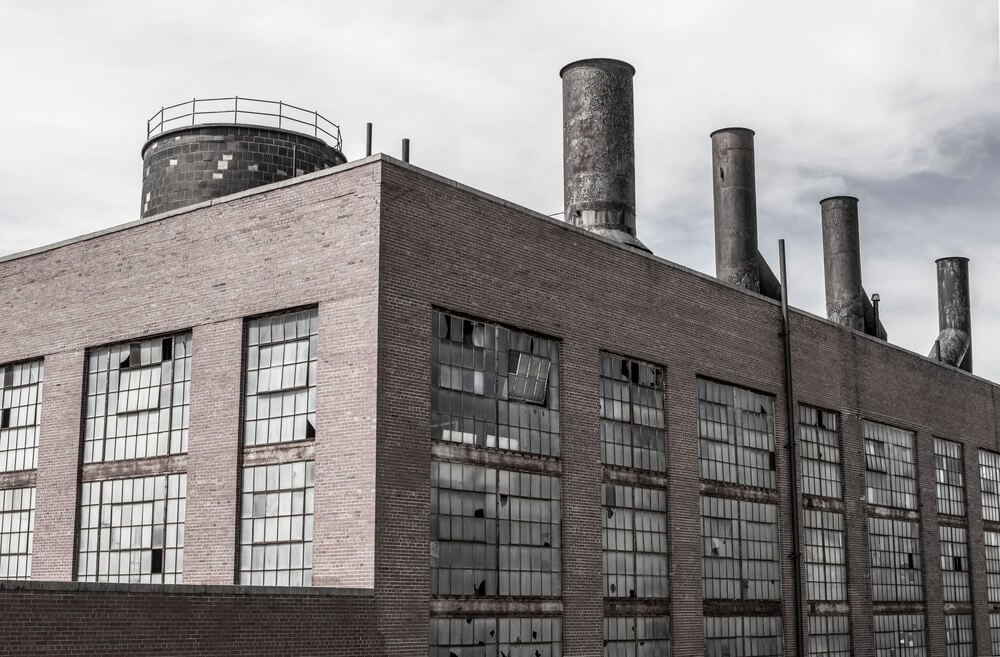
New Bedford’s Wamsutta Mills were established in the 1840s in a city better known for whaling than for cloth, and Hine photographed the mill in 1912. The picture documents a mill that outlasted the whaling trade that helped pay for it. Wamsutta sheets and cloth carried the city’s name into households across the country. The photograph is a reminder that a famous brand was also a workplace with a time clock and a mill whistle.
Lawrence Mill Children Before the Strike

Hine photographed children in the mills of Lawrence, Massachusetts, in the years before the great strike of 1912. The Lewis Hine Project at Mornings on Maple Street collects those pictures in an index of Lawrence textile mill stories, tracing many of the children through census records. Lawrence was a city of immigrants, and the index shows how many of those children carried the names and languages of places far from the Merrimack River. The result is a record of who stood at the machines before the walkout.
Strike Children on a Lawrence Sidewalk
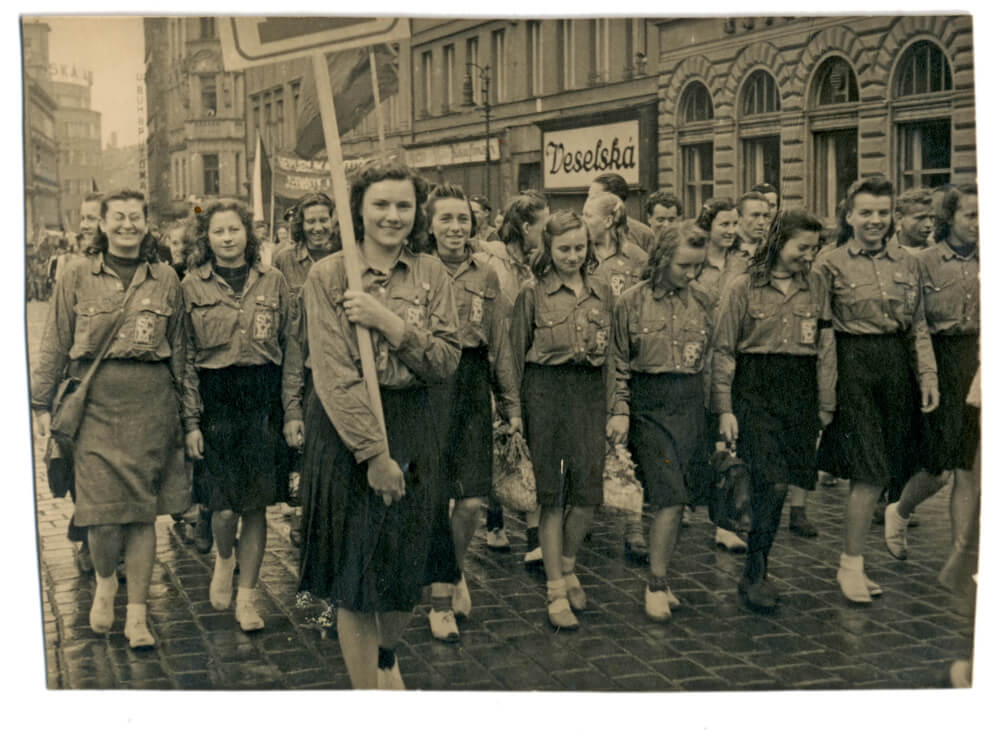
A photograph of the 1912 Lawrence strike shows children posed on a sidewalk, and it is reproduced by NCpedia and held in related collections at the Library of Congress. The walkout followed a pay cut, and tens of thousands of mill workers left their machines for roughly two months. Strikers sent hundreds of their children to families in other cities so the youngsters could be fed, and the departures drew national attention. The strike became known by the phrase Bread and Roses, and the sidewalk photograph is among its quieter images.
Elizabeth Gurley Flynn in Paterson
The New York Public Library holds a photograph of Elizabeth Gurley Flynn speaking at the Industrial Workers of the World strike headquarters on Water Street in Paterson, New Jersey. The 1913 silk strike drew roughly 24,000 workers and ran for about five months in a city known as Silk City. Strike supporters staged a pageant at Madison Square Garden in New York in June 1913 to raise money. Flynn’s presence on Water Street shows that the fight over silk was also a fight over who could speak.
Paterson Strikers’ Children in New York
Bain News Service photographed the children of Paterson strikers during a May Day parade in New York City in 1913. The image is part of the news agency’s collection at the Library of Congress. Children marched because their parents had no wages, and the sight of them in a big-city parade carried the strike’s hardship to people who had never seen a silk mill. The photograph turns the silk loom into a political symbol.
Passaic Strikers in Helmets and Gas Masks
— Photo by josefpittner
The 1926 Passaic textile strike produced photographs of strikers wearing steel helmets and gas masks to protect themselves from police tear gas and fire hoses. About 16,000 woolen and worsted mill workers walked out in January 1926, and the strike lasted more than a year. Albert Weisbord, a young organizer, led the early weeks, and the strikers’ wives and children became a visible force on the picket line. The helmets and masks made the dispute look like a battlefield, which is how many New Jersey residents began to see it.
Inside the Loray Cotton Mill in Gastonia
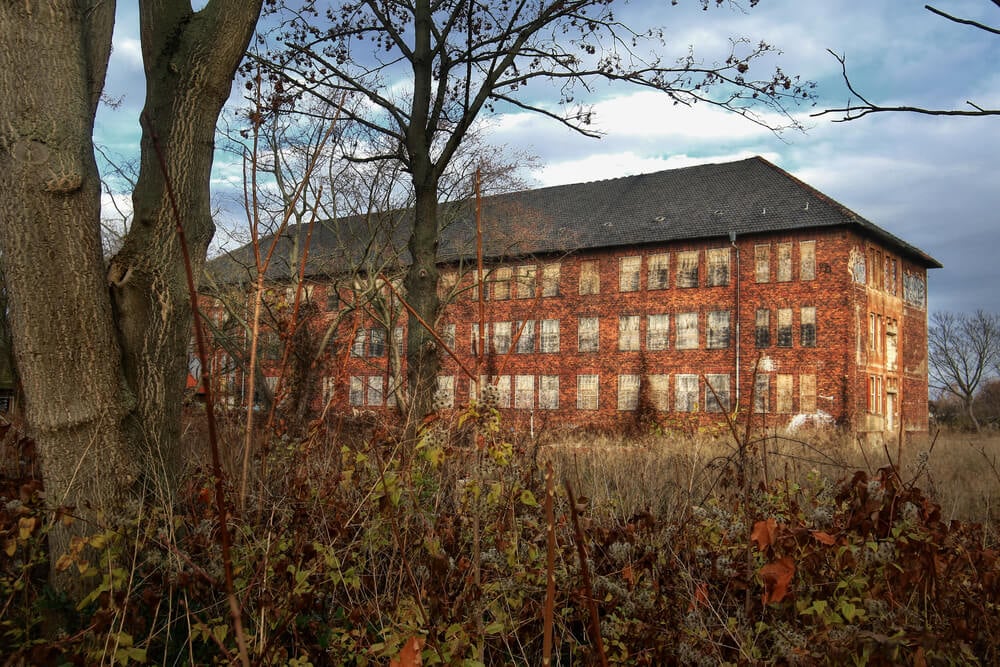
North Carolina State University Libraries holds a photograph of the interior of the Loray Cotton Mill in Gastonia, Gaston County, North Carolina. The room is the kind of space that strikers left in spring 1929, when the National Textile Workers Union organized a walkout there. After the strike began, workers were pushed out of company-owned mill houses and set up a tent colony. Seen against the strike that followed, the orderly rows of machinery look like a stage waiting for its drama.
Loray Strikers and the Death of Ella May Wiggins

The Museum of the New South in Charlotte hosts a photograph of Loray strikers as part of its teaching materials on the 1929 Gastonia strike. In June, Gastonia police chief Orville Aderholt died after a night clash at the tent colony, and in September, union songwriter Ella May Wiggins was killed on her way to a meeting. Wiggins was a mother who wrote songs about the lives of mill families, and her death became a rallying point. The photograph puts a crowd of ordinary faces at the center of a story usually told through its victims.
Hine in Gaston County
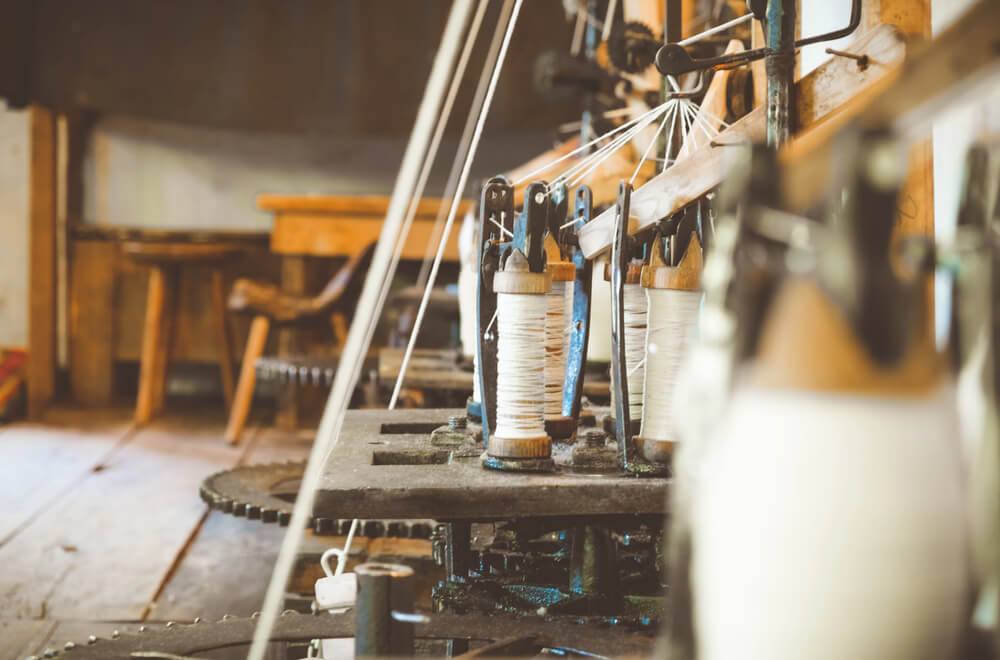
The Gaston County Public Library has gathered Hine’s North Carolina photographs in a Digital Gaston County guide, linking them to the mills that surrounded Gastonia. Hine visited the county in 1908, long before the Loray strike made the city famous. His pictures show young spinners and doffers in the same industrial landscape that would erupt two decades later. The library’s guide lets researchers see what one county’s mills looked like before it became a symbol.
Chiquola Mill in Honea Path

Photographs of the Chiquola Mill in Honea Path, South Carolina, are among the few images that survive of the site where, on September 6, 1934, seven strikers were killed during the national textile strike. The shooting became known locally as Bloody Thursday. For decades the town said little about it, and a 2024 report described Honea Path as finally ready to own its history. The mill photographs now serve as a memorial to a day many residents once preferred to forget.
The Boott Cotton Mills at Lowell
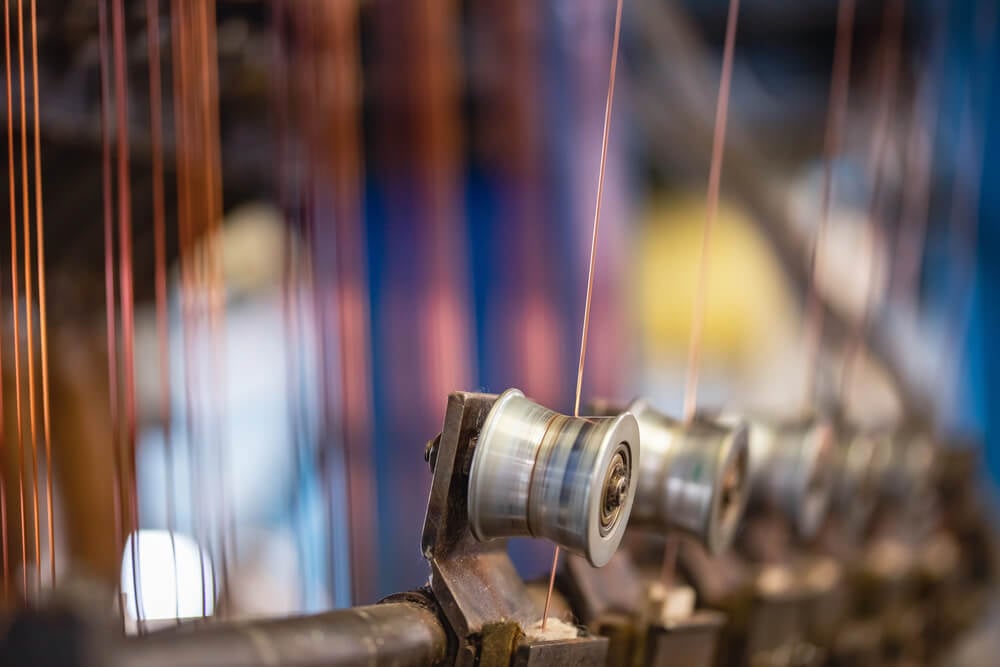
The Historic American Engineering Record photographed the Boott Cotton Mills complex in Lowell, Massachusetts, and the images are held by the Library of Congress. The mills date to the 1830s, in the city named for Francis Cabot Lowell. Lowell became famous for its mill girls, young women who lived in company boardinghouses and earned wages before most Americans thought women could. The HAER pictures preserve the shape of a mill that employed thousands and now anchors a national historical park.
Old Slater Mill in Pawtucket
DepositPhotos
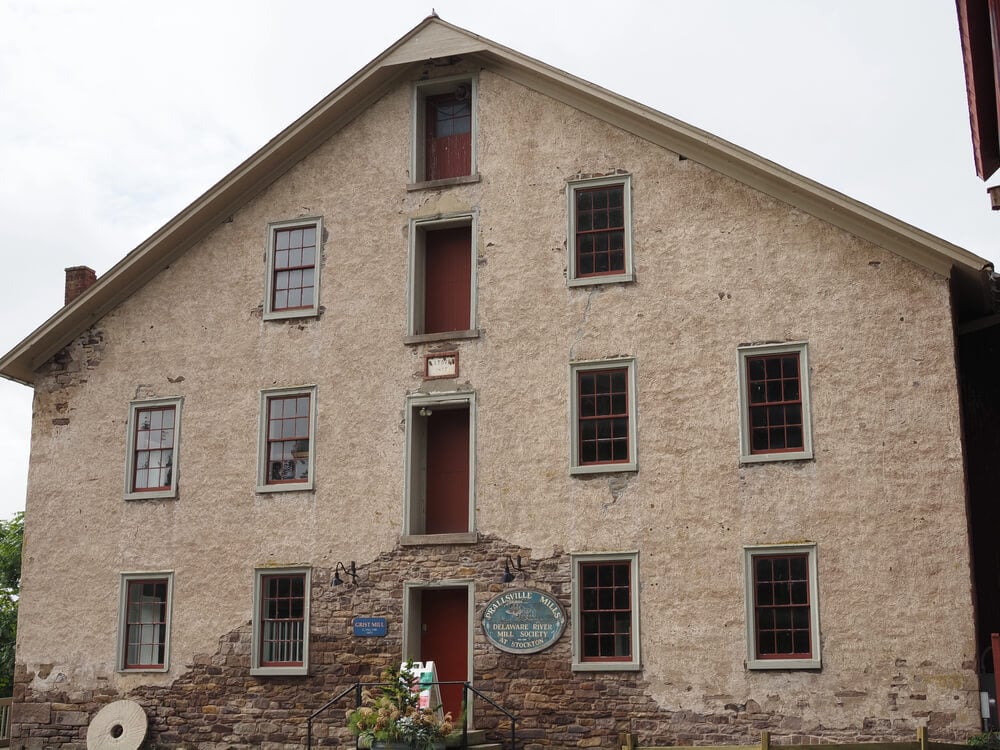
The Library of Congress holds Historic American Engineering Record photographs of Slater Mill in Pawtucket, Rhode Island. Samuel Slater, an English-born mechanic who carried the design of British spinning machinery in his memory, built the mill in 1793 on the Blackstone River. It is usually described as the first successful water-powered cotton spinning mill in the country. The photographs show a plain wooden building where American industry took its first steady steps.
Strikers at Austell in the General Strike of 1934

DepositPhotos
The Walter P. Reuther Library at Wayne State University holds a photograph titled Strikes, Textile Workers, Austell, Georgia, 1934. The General Textile Strike of 1934 pulled hundreds of thousands of workers out of mills from Maine to Alabama. In Georgia, Governor Eugene Talmadge declared martial law and sent the National Guard against pickets. The Austell image places a small Georgia town inside the largest walkout the textile industry had ever seen.
What the Camera Could Not Fix
DepositPhotos
Many of these photographs were made as evidence, not as art. Hine and the National Child Labor Committee used them in lectures, pamphlets, and legislative hearings, and the images helped build public pressure for child labor laws. Federal limits on child labor were not secured until the Fair Labor Standards Act of 1938, decades after the first of these pictures was taken. A photograph could shame the public long before the law caught up.
The strike photographs tell a related story from the other direction. Lawrence, Paterson, Passaic, Gastonia, and Honea Path each produced images of workers who refused to leave the machines quietly. Taken together, the mill floor pictures and the picket line pictures show an industry that was built on small bodies and, eventually, on large crowds.
More from Go2Tutors!

- 27 Silver Dollars and Half Dollars Worth Keeping
- 28 Restaurant Menu Items Nobody Orders Anymore
- 17 Places Built in Seemingly Impossible Spots
- 27 Vintage Rings Worth More Than They Look
- 25 Restricted Sites Tourists Can’t Enter
Like Go2Tutors’s content? Follow us on MSN.