13 Natural Wonders That Glow by Themselves
Nature has a way of surprising us with phenomena that seem almost magical. From tiny organisms creating underwater light shows to minerals that shine without any external power source, our planet is home to countless wonders that produce their own illumination through fascinating biological and chemical processes.
The natural world’s ability to create light spans across oceans, forests, caves, and even the night sky. Here is a list of 13 remarkable natural wonders that glow by themselves.
Bioluminescent Plankton
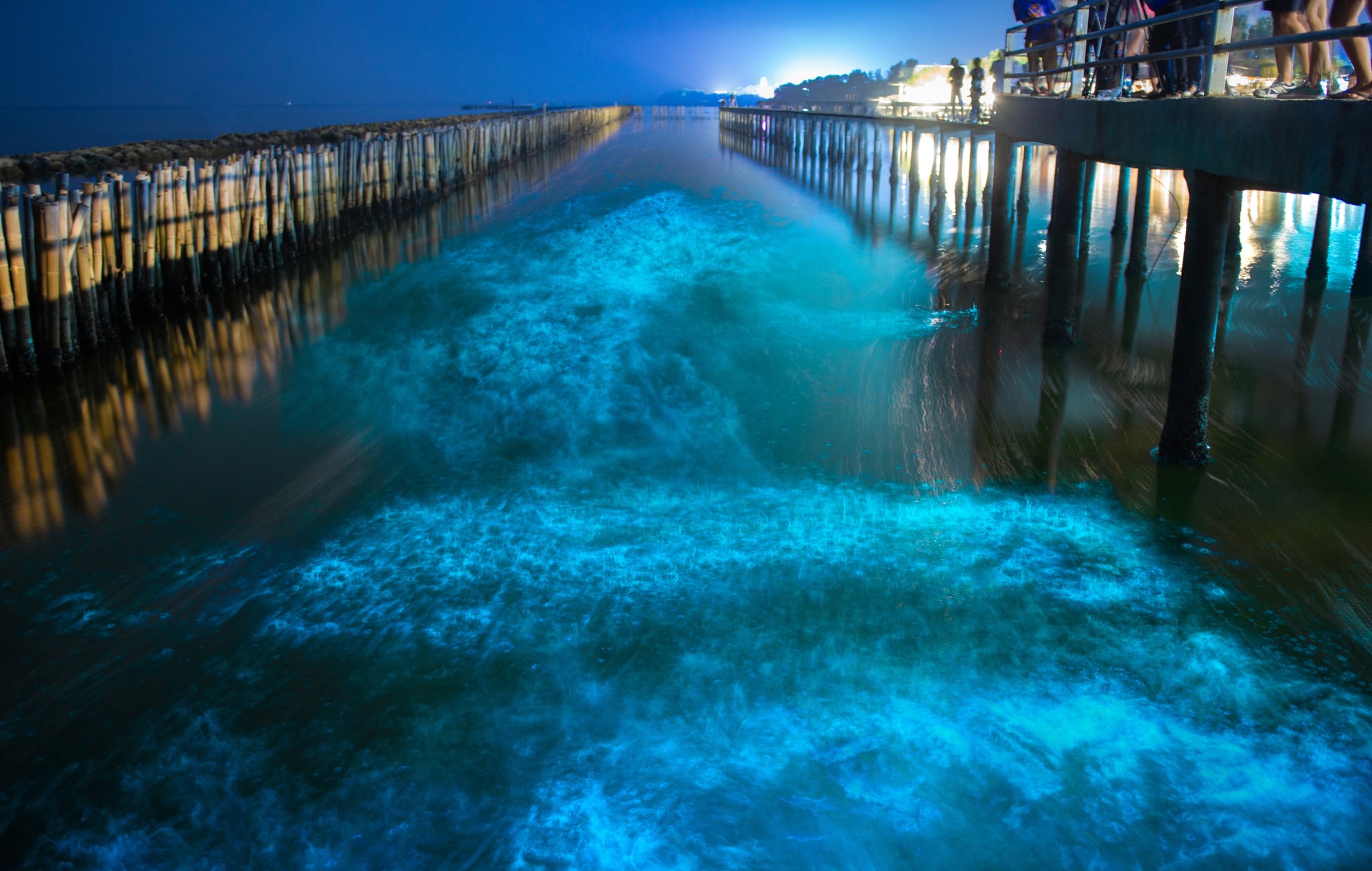
When waves crash along certain coastlines at night, they light up with an ethereal blue glow that looks like something from a fantasy movie. This stunning display comes from microscopic marine plankton called dinoflagellates, which emit light when disturbed by movement.
The organisms use this bioluminescence as a defense mechanism, creating flashes to startle predators or attract larger fish that might eat whatever’s threatening them. Places like the Maldives, Puerto Rico’s Mosquito Bay, and parts of California’s coast offer some of the most spectacular displays of this natural light show.
Aurora Borealis and Aurora Australis
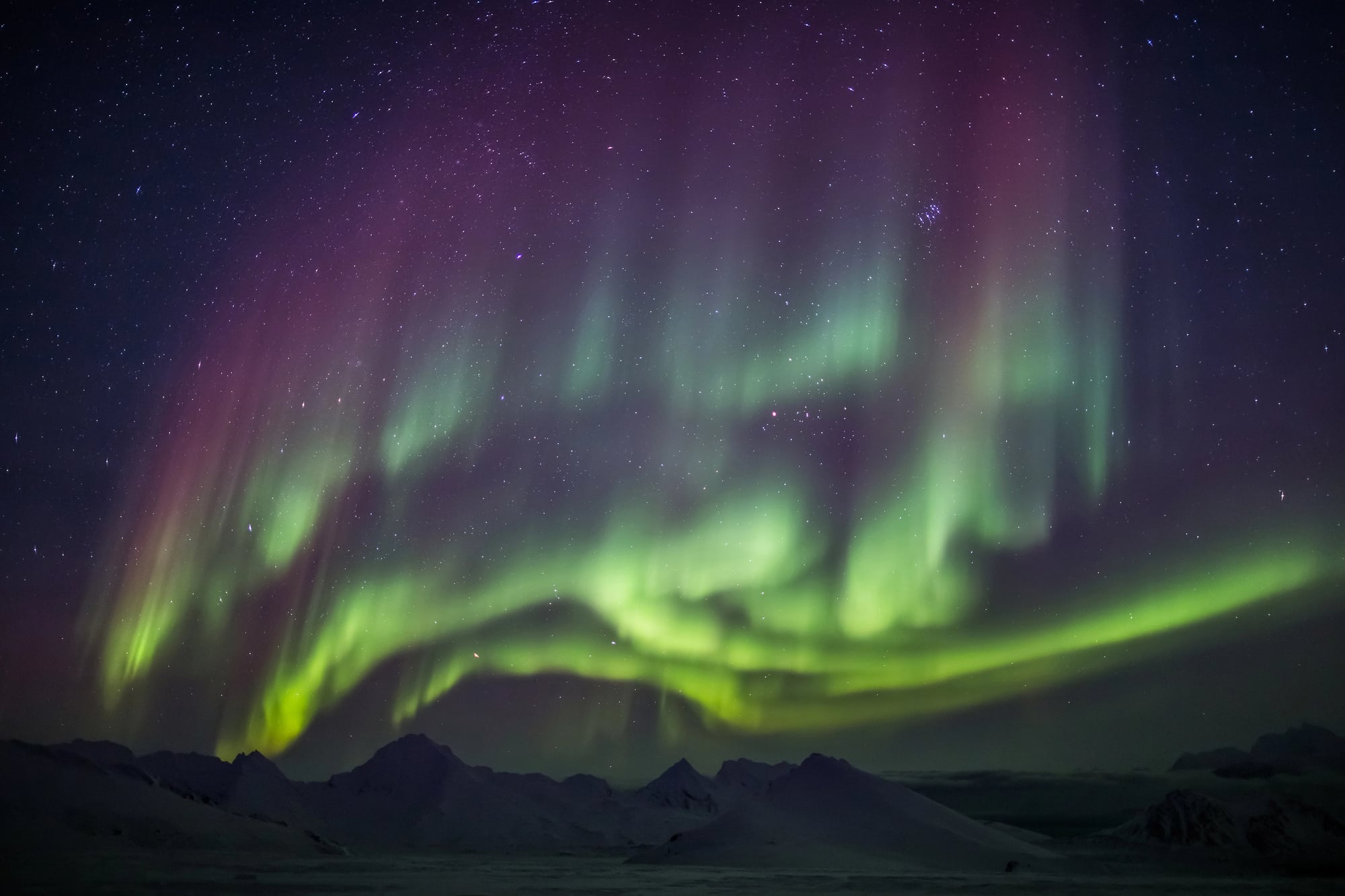
The northern and southern lights paint the polar skies with dancing curtains of green, pink, and purple light that can stretch for hundreds of miles. These auroras occur when charged particles from the sun collide with Earth’s magnetic field and atmosphere, creating a natural light display that’s visible from space.
The colors depend on which atmospheric gases are being excited – oxygen creates green and red hues, while nitrogen produces blue and purple shades. While these lights are most commonly seen near the poles, strong solar storms can push aurora activity far enough south for people in northern U.S. states to witness the spectacle.
Like Go2Tutors’s content? Follow us on MSN.
Glowworms
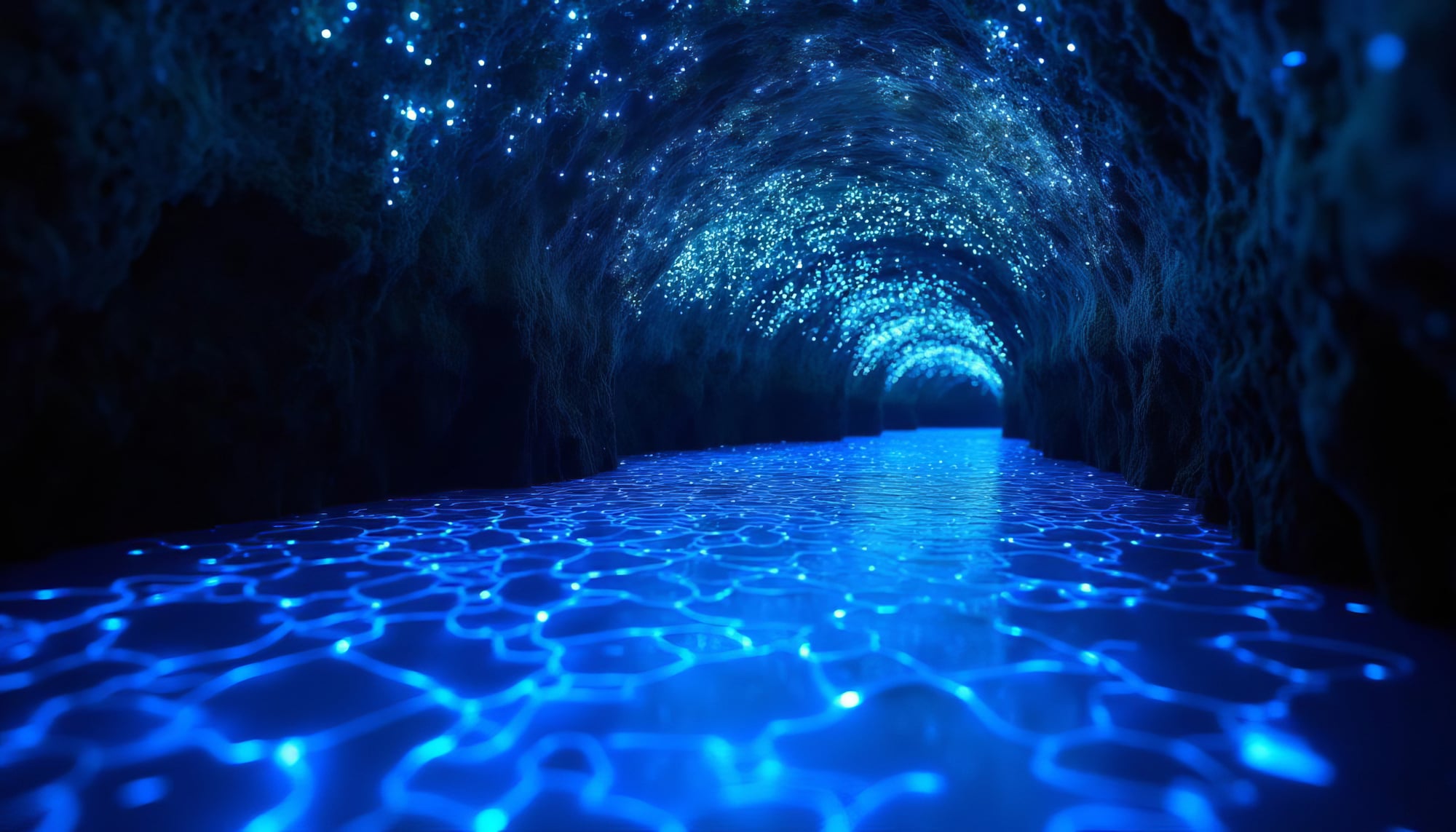
Deep in caves and forest areas around the world, tiny larvae create their own starry night displays on cave ceilings and rock walls. These glowworms, particularly famous in New Zealand’s Waitomo Caves, aren’t actually worms but the larvae of fungus gnats that produce a blue-green light to attract prey.
The larvae hang silk threads from cave ceilings and use their bioluminescent glow to lure flying insects into their sticky traps. The result is a magical underground constellation that rivals any planetarium show.
Foxfire Fungi
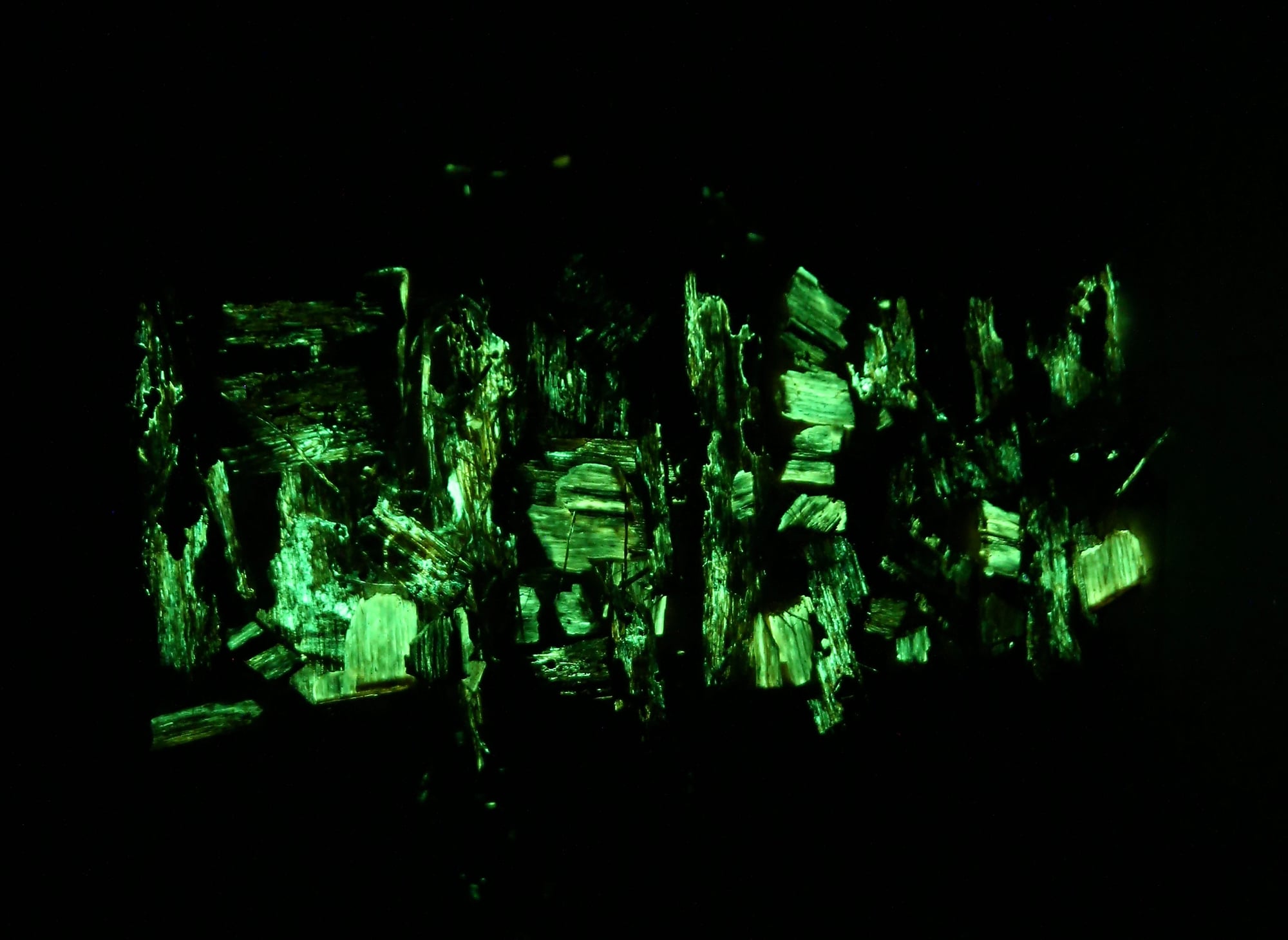
Certain mushrooms and fungi have the remarkable ability to glow in the dark, creating an eerie green light in forests around the world. This phenomenon, known as foxfire, occurs when luciferin compounds in the fungi react with oxygen and enzymes to produce light.
Scientists believe this bioluminescence might help attract insects for spore dispersal or could serve as a warning to potential predators. The honey mushroom and jack-o’-lantern mushroom are among the most well-known species that exhibit this ghostly glow.
Lightning Bugs
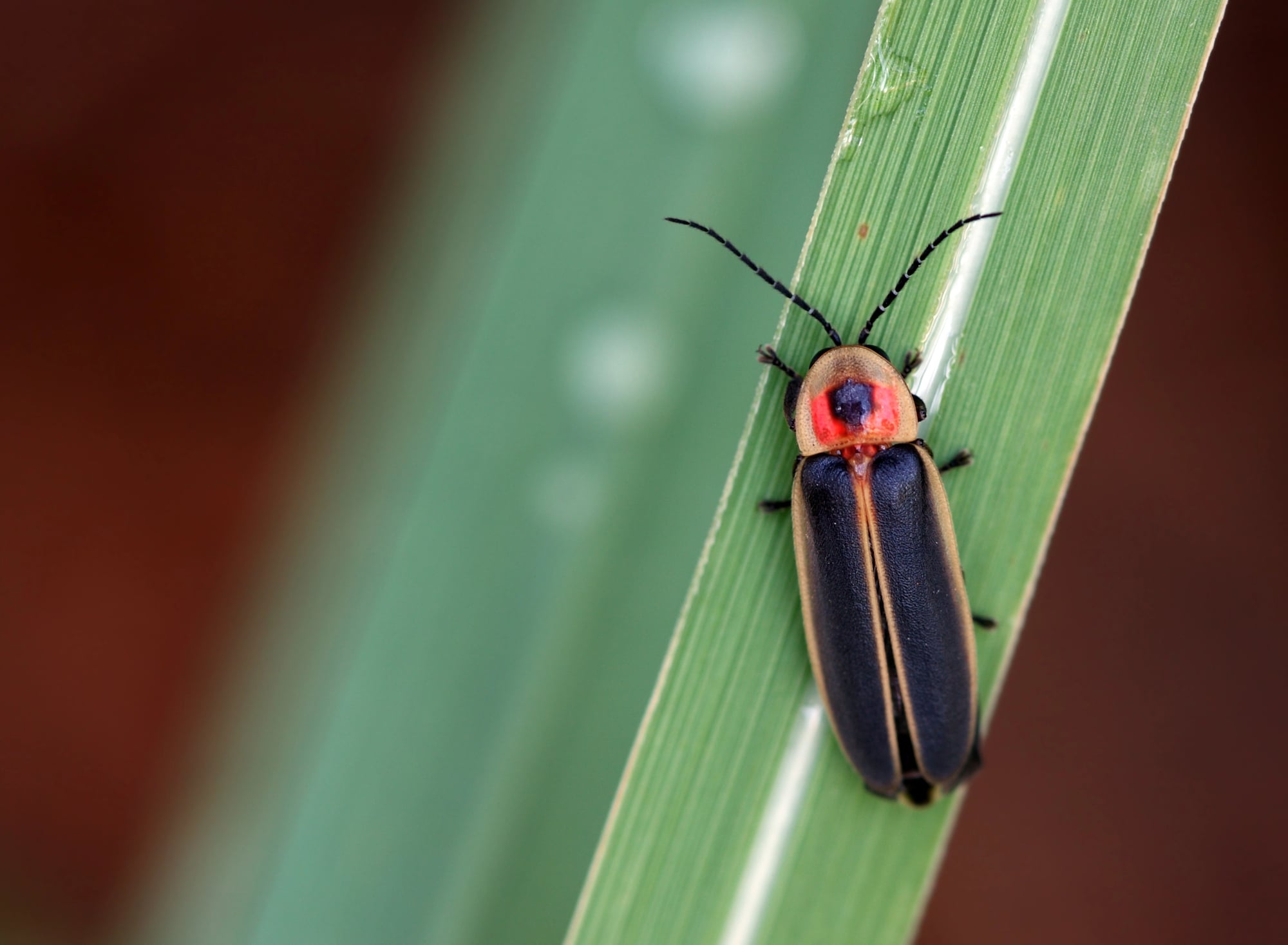
Summer evenings wouldn’t be the same without the twinkling lights of fireflies dancing through gardens and meadows. These beetles use a chemical reaction in their abdomens to produce flashes of yellow, green, or orange light for communication and mating purposes.
Each species has its own unique flashing pattern, like a biological morse code that helps them find the right mate in the darkness. The synchronous fireflies of the Great Smoky Mountains even coordinate their flashing, creating a natural light symphony that draws thousands of visitors each year.
Like Go2Tutors’s content? Follow us on MSN.
Fluorescent Minerals
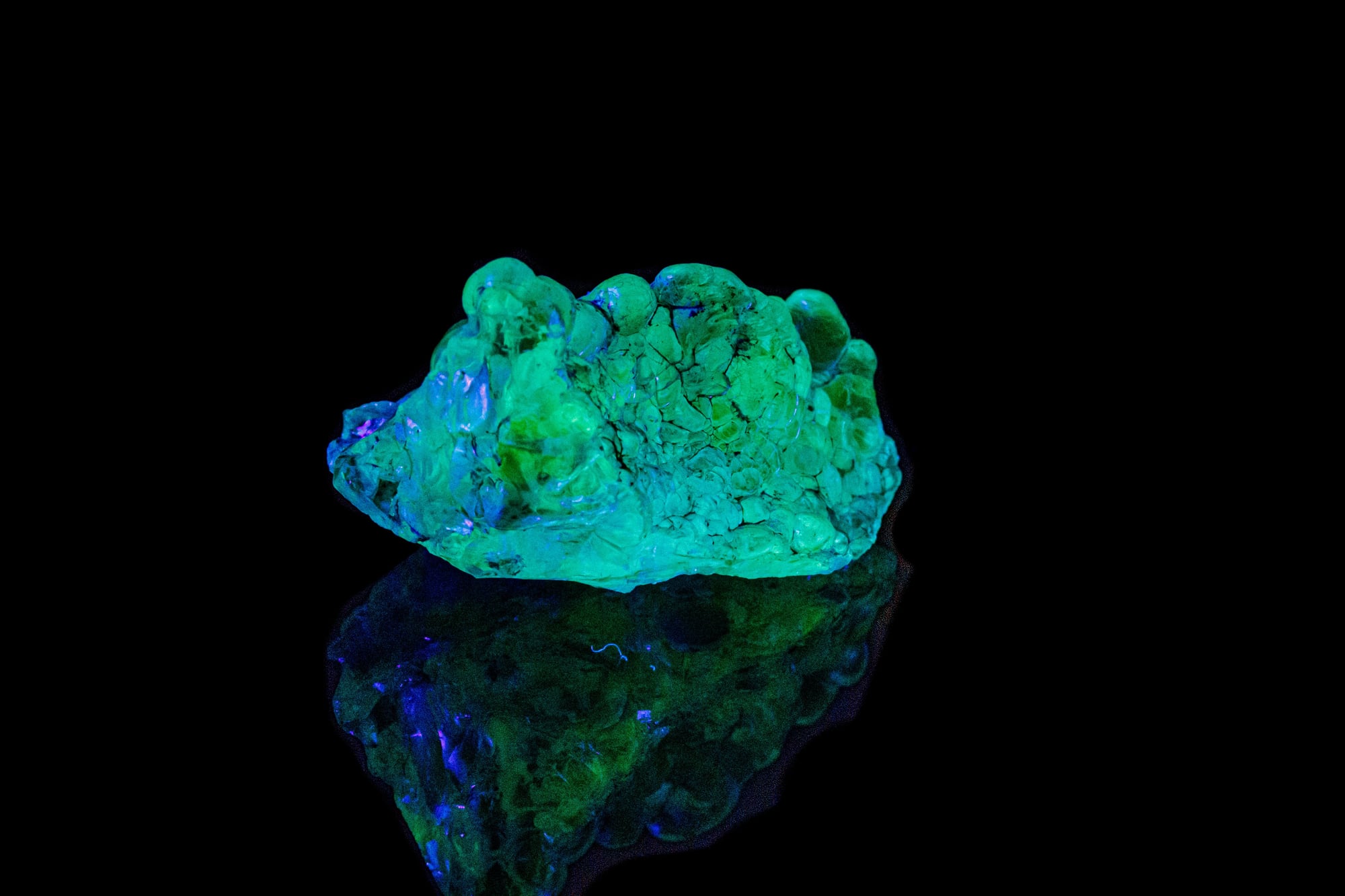
Underground treasure hunters have long marveled at rocks and minerals that burst into vivid colors under ultraviolet light, but some minerals can actually glow on their own without any external light source. This self-illumination, called phosphorescence, occurs when certain minerals absorb energy and then slowly release it as visible light over time.
Minerals like willemite, calcite, and some varieties of fluorite can continue glowing for minutes or even hours after the initial energy source is removed, creating natural night lights in caves and rock formations.
Crystal Cave Formations
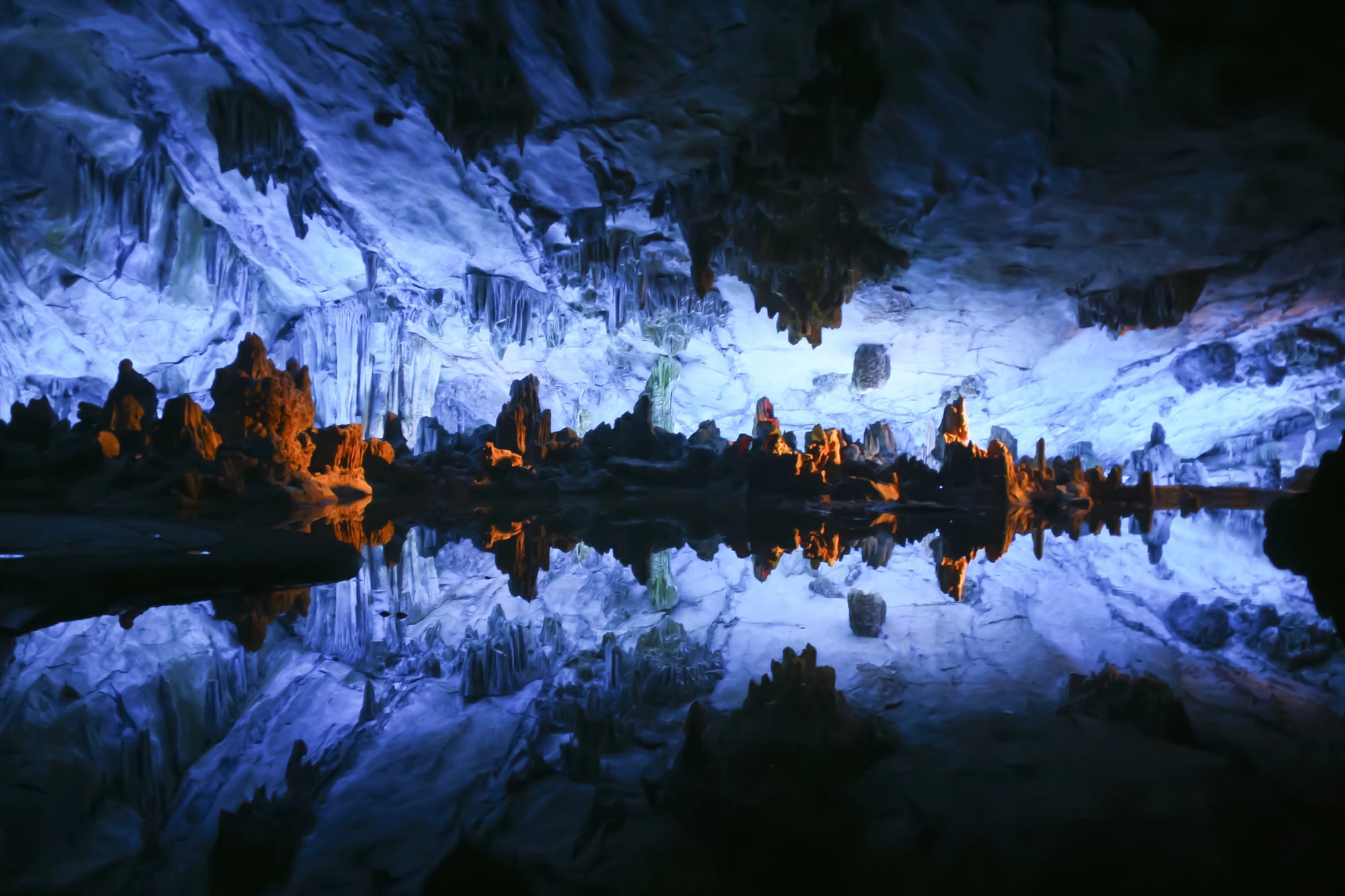
Deep within certain caves, crystalline formations create their own subtle glow through a combination of mineral composition and trace radioactivity. These formations slowly emit light as radioactive elements within the crystals decay and release energy.
While the glow is often too faint for the human eye to detect without long exposure photography, some cave systems feature enough accumulated luminescence to create a barely perceptible shimmer along crystal walls and formations.
Bioluminescent Jellyfish
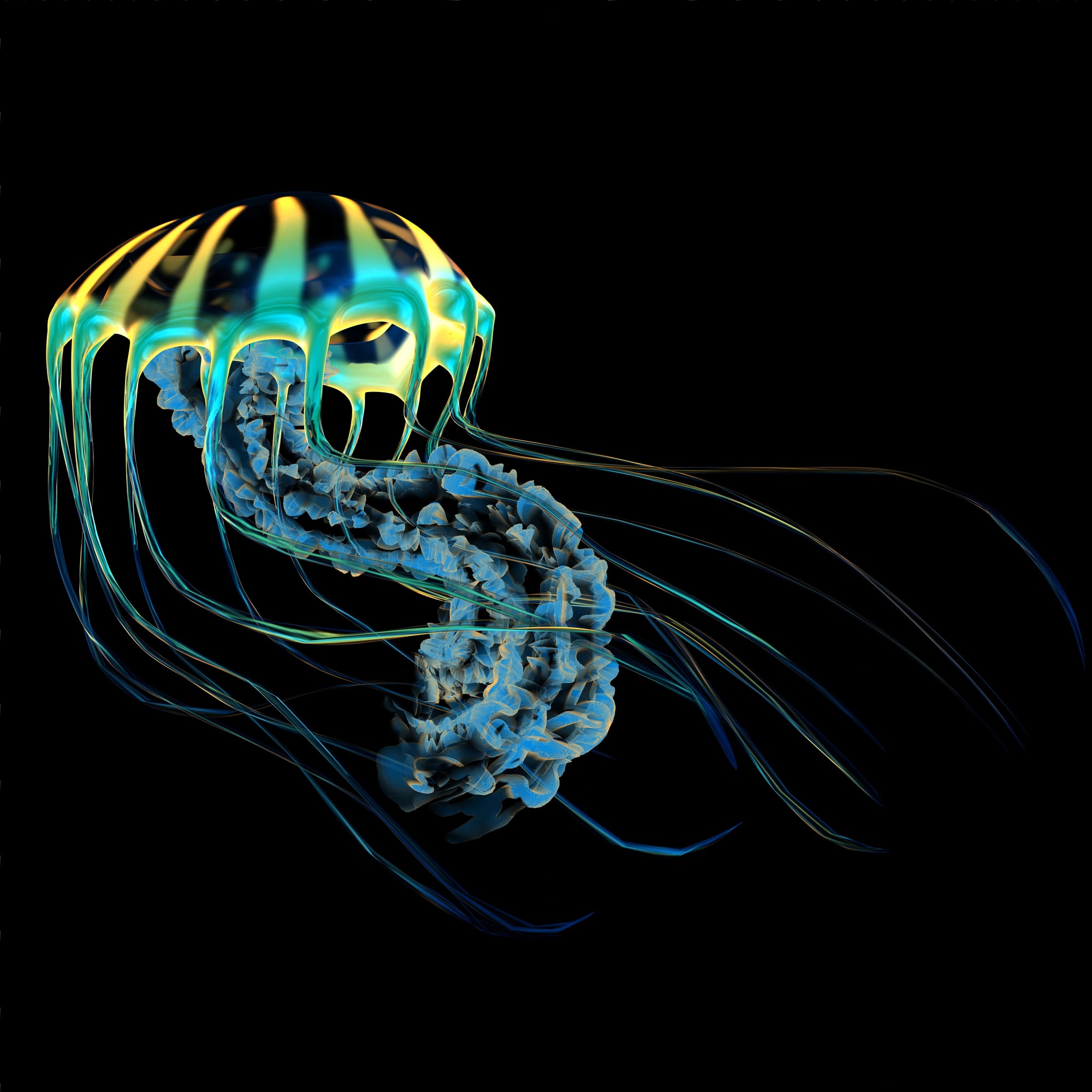
The ocean’s most ethereal creatures include jellyfish that pulse and glow with their own internal light shows. These transparent animals use bioluminescence for defense, communication, and sometimes to confuse predators or prey.
The crystal jelly, for instance, produces a beautiful blue-green glow around its bell-shaped body, while some deep-sea species create elaborate light displays that can be seen from considerable distances underwater. Their bioluminescent proteins have even been harvested by scientists for medical research and biotechnology applications.
Like Go2Tutors’s content? Follow us on MSN.
Radium Springs
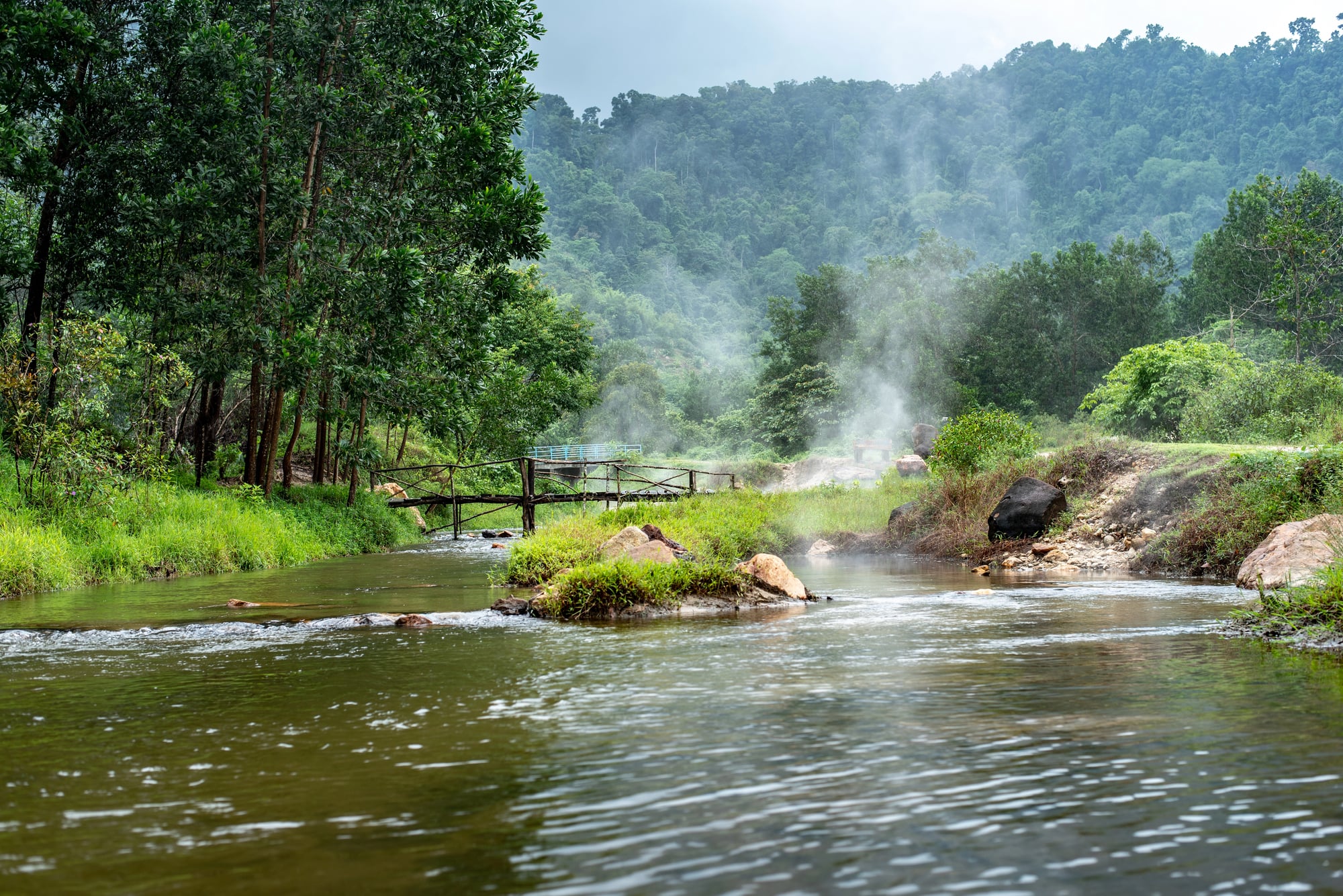
Before the dangers of radioactivity were fully understood, certain natural springs were famous for their mysterious glow in the dark. These springs contain naturally occurring radium, which causes the water to emit a faint luminescence that was once considered therapeutic.
While we now know the health risks associated with radium exposure, these springs remain fascinating examples of how radioactive elements in nature can create visible light. Most famous radium springs have been closed to public access for safety reasons.
Glowing Clouds

High-altitude clouds sometimes exhibit a phenomenon called noctilucent clouds, which appear to glow with a silvery-blue light against the dark sky. These clouds form in the mesosphere, about 50 miles above Earth’s surface, and become visible when the sun is below the horizon but still illuminates these high-altitude ice crystals.
The effect is most commonly seen during summer months at high latitudes, creating an ethereal glow that seems to emanate from within the clouds themselves.
Bioluminescent Algae
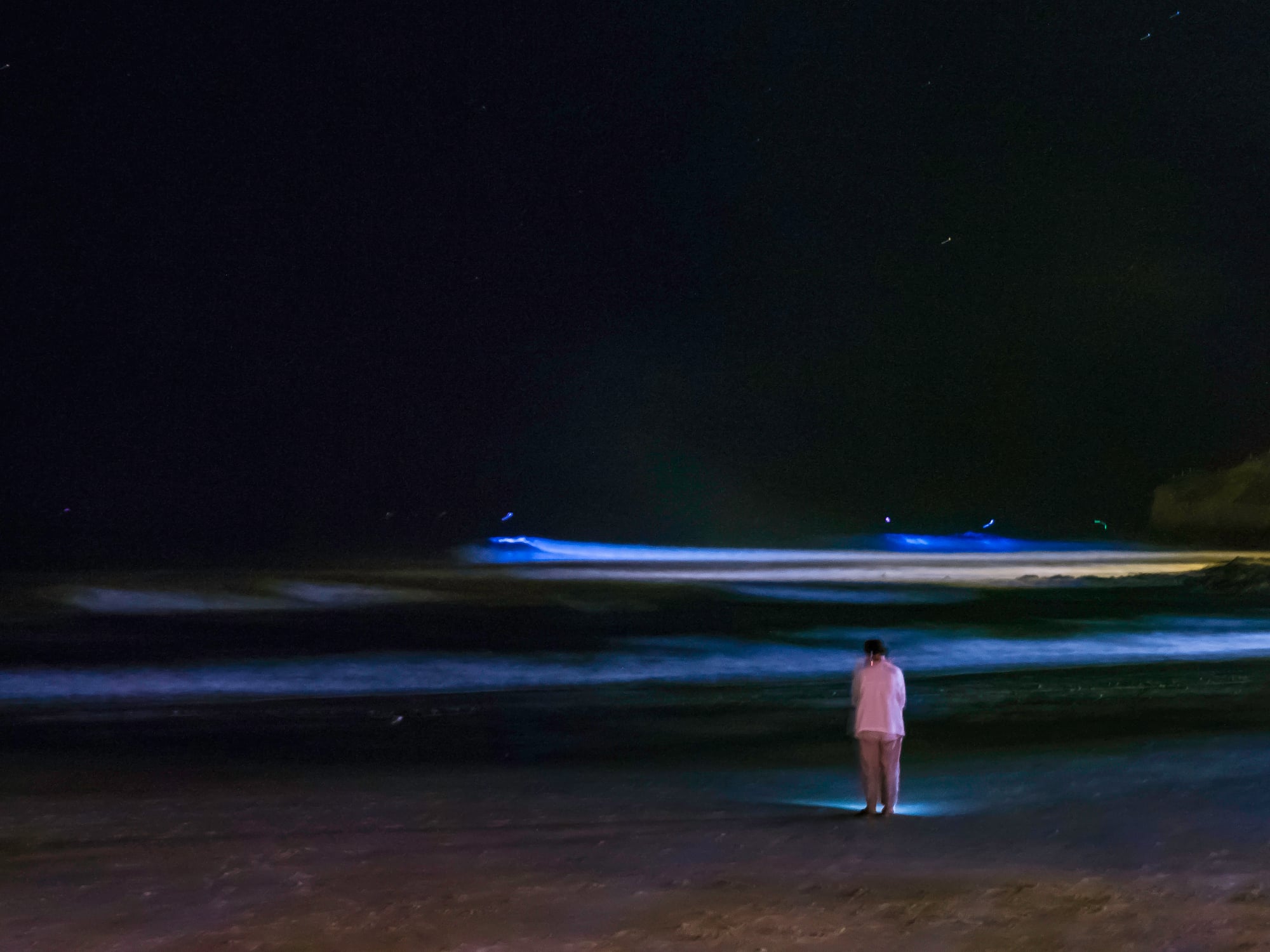
Large-scale algae blooms can transform entire bays and coastlines into glowing bodies of water that pulse with life. These single-celled organisms produce light through the same biochemical processes as other bioluminescent creatures, but their sheer numbers can create displays visible for miles.
The phenomenon often occurs during warmer months when nutrient conditions favor rapid algae reproduction. While beautiful, these blooms can sometimes indicate ecological imbalances in marine environments.
Like Go2Tutors’s content? Follow us on MSN.
Luminous Moss

In certain humid climates and cave environments, some species of moss exhibit a subtle bioluminescent glow that becomes visible in complete darkness. This natural light helps the moss attract insects and other small creatures that aid in its reproductive cycle.
The glow is typically green and requires the eye to adjust to darkness for several minutes before becoming apparent. These luminous mosses create an otherworldly atmosphere in their natural habitats, particularly in tropical cave systems and deep forest environments.
Lightning
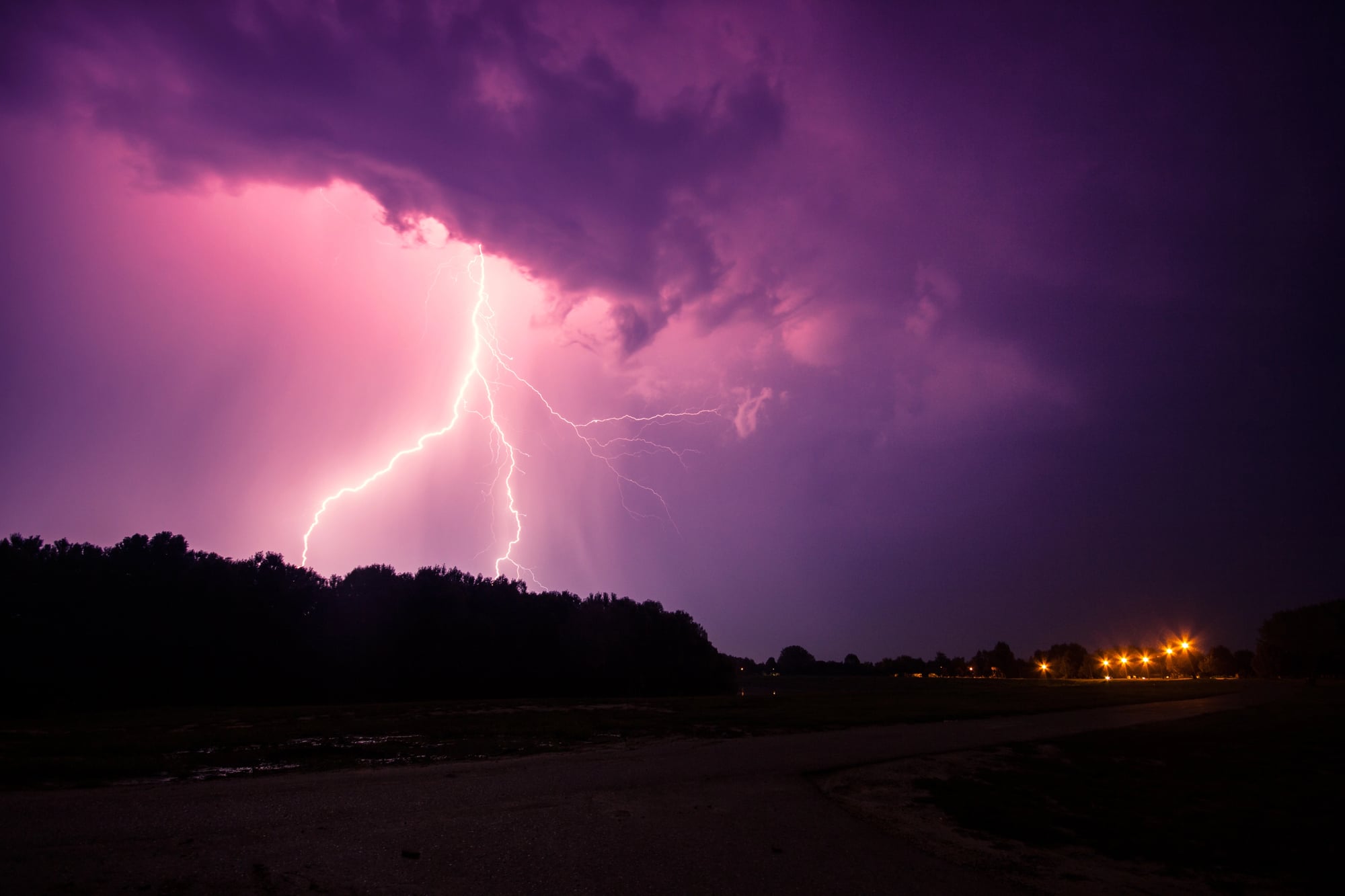
While technically a brief phenomenon, lightning represents one of nature’s most powerful displays of self-generated light. The electrical discharge during thunderstorms creates temperatures hotter than the surface of the sun, producing brilliant flashes that can illuminate entire landscapes for brief moments.
Lightning occurs when electrical charges build up in storm clouds and discharge in dramatic arcs of plasma that can stretch for miles across the sky. The accompanying thunder is simply the sound of air rapidly expanding and contracting around these natural electrical displays.
When Nature Lights the Way
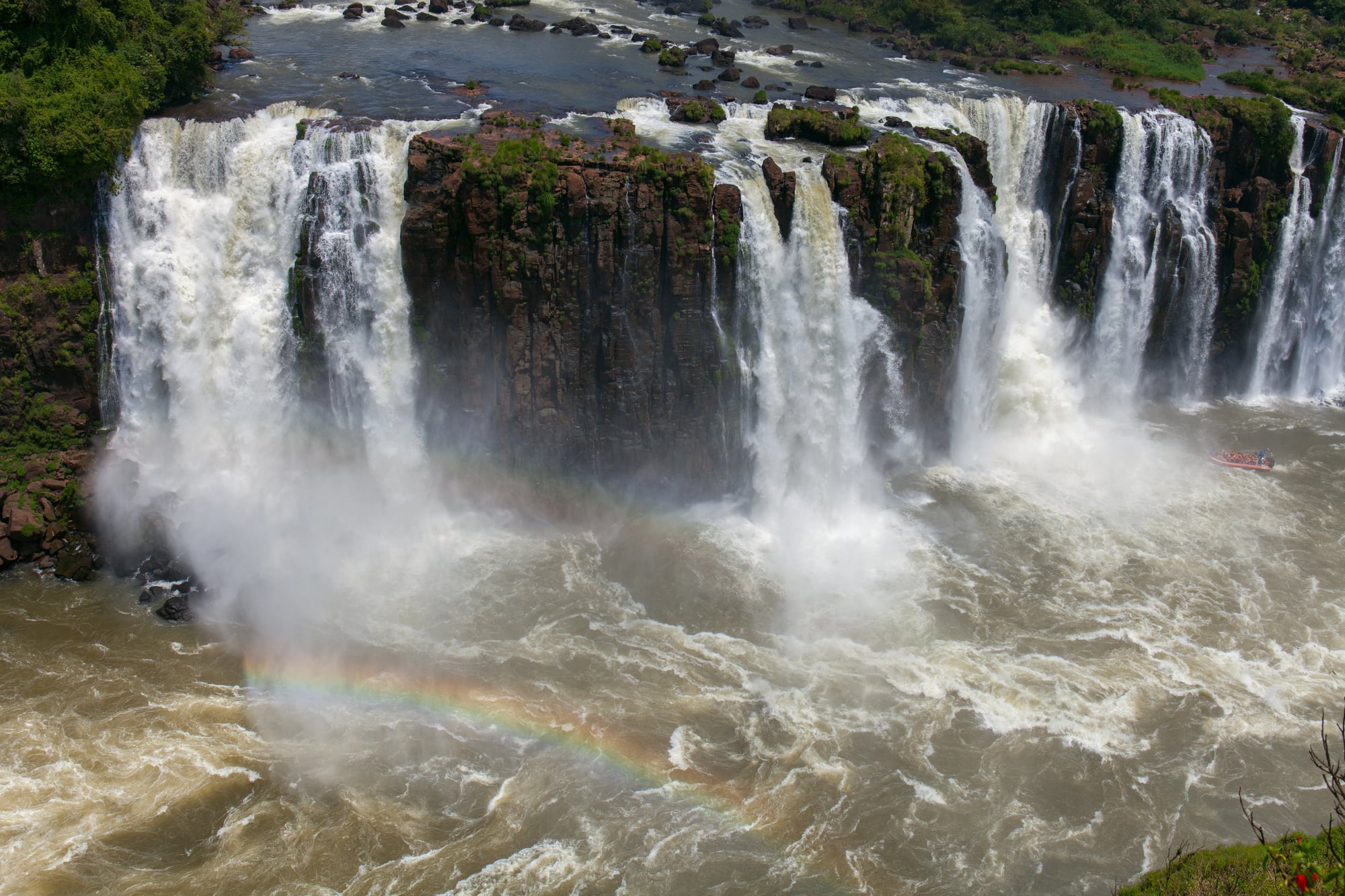
These natural light sources remind us that our planet has been creating its own illumination long before humans discovered electricity. From the microscopic bacteria lighting up ocean waves to the massive auroras painting polar skies, nature’s ability to generate light continues to inspire scientists, artists, and anyone lucky enough to witness these phenomena firsthand.
Each glowing wonder represents millions of years of evolution and natural processes that turn simple chemistry into magical displays. The next time you see fireflies in your backyard or catch a glimpse of the northern lights, remember that you’re witnessing some of the most ancient and beautiful light shows on Earth.
Like Go2Tutors’s content? Follow us on MSN.
More from Go2Tutors!

- 16 Historical Figures Who Were Nothing Like You Think
- 12 Things Sold in the 80s That Are Now Illegal
- 15 VHS Tapes That Could Be Worth Thousands
- 17 Historical “What Ifs” That Would Have Changed Everything
- 18 TV Shows That Vanished Without a Finale
Like Go2Tutors’s content? Follow us on MSN.