13 Old Tech Brands That Don’t Exist Anymore
The tech world moves fast, and what’s hot today might be forgotten tomorrow. While companies like Apple and Microsoft have managed to stay relevant for decades, many once-dominant tech brands have vanished completely. Some fell victim to poor business decisions, others couldn’t adapt to changing markets, and a few simply got swallowed up by bigger fish.
These companies weren’t just footnotes in tech history—they shaped entire industries and influenced how we use technology today. Here is a list of 14 old tech brands that no longer exist.
Digital Equipment Corporation (DEC)

DEC dominated the minicomputer market from the 1950s through the 1980s with its PDP series, which became staples in universities and businesses. Despite pioneering many networking concepts still used today, DEC misjudged the rise of personal computers, dismissing them as insignificant toys.
As PCs began replacing minicomputers, DEC’s failure to pivot caused its market to collapse. A company once seen as untouchable faded because it could not recognize the next wave of computing.
Commodore

Commodore introduced millions to home computing with affordable machines like the PET, VIC-20, and especially the Commodore 64. The C64 became one of the best-selling home computers of all time during the early 1980s.
However, poor leadership and the inability to compete with IBM-compatible systems led to a rapid decline. Commodore filed for bankruptcy in 1994, taking an entire era of budget-friendly computing with it.
Like Go2Tutors’s content? Follow us on MSN.
Tandy/RadioShack Computers

RadioShack’s TRS-80 line made personal computers accessible when most cost the equivalent of a new car. The TRS-80 Model I was extremely popular despite being mocked as the “Trash-80” for its technical limitations.
RadioShack eventually abandoned computer manufacturing as competition grew fierce and margins shrank. The company shifted its focus back to retail electronics, leaving behind its brief legacy as a PC pioneer.
CompuServe

Before the modern internet, CompuServe connected users with email, forums, and file downloads through dial-up modems. It served as a gateway to online life when most people had no idea what the internet was.
But America Online’s easier-to-use interface and aggressive marketing crushed CompuServe’s more technical approach. The platform never recovered as mainstream users flocked to AOL’s friendlier design.
Palm
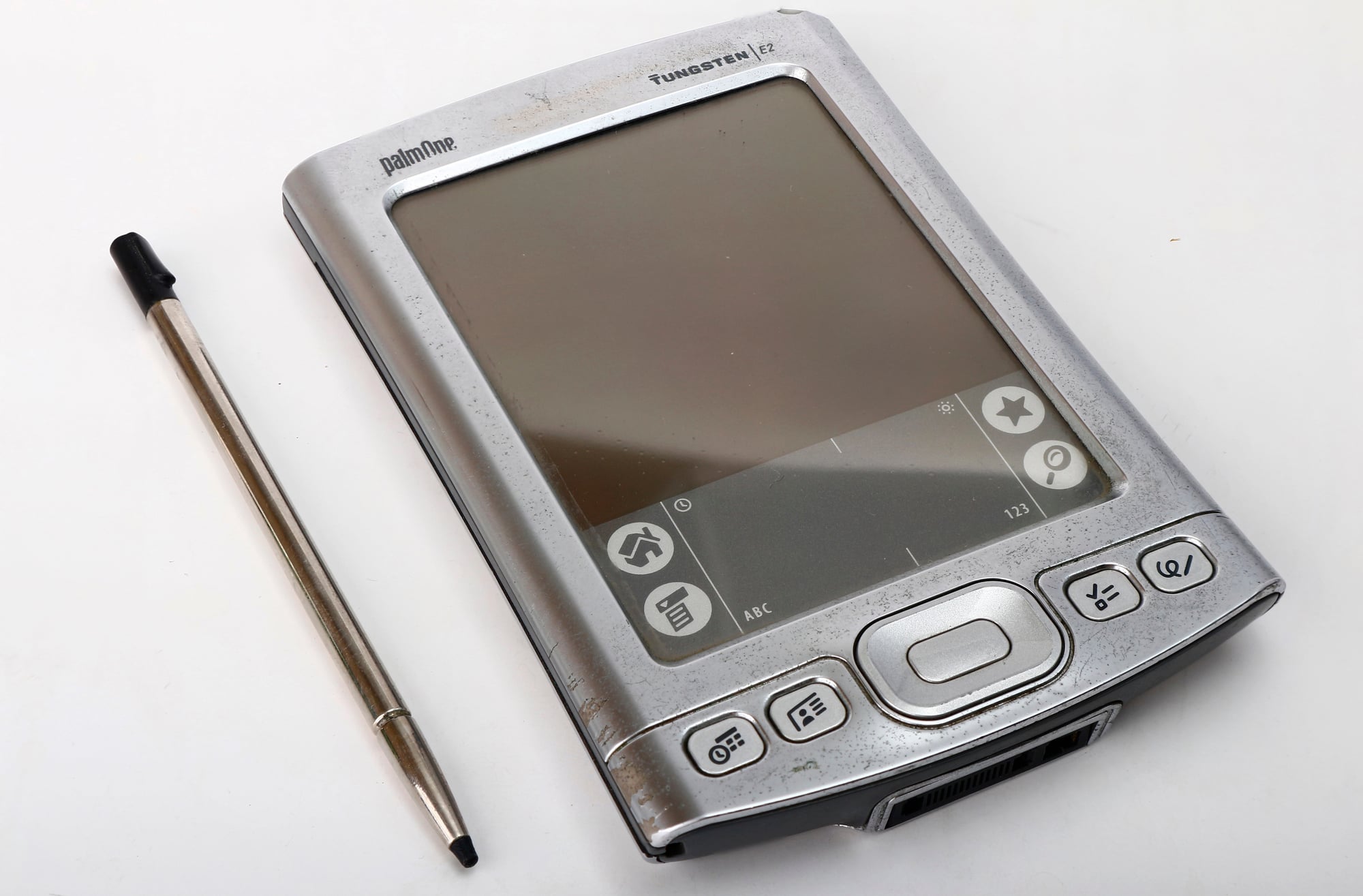
Palm revolutionized mobile devices with the Palm Pilot, offering pocket-sized computing that synced with desktop PCs. These personal digital assistants felt futuristic in the 1990s and set the stage for mobile productivity.
Despite inventing many concepts later used in smartphones, Palm failed to evolve quickly enough once touchscreen phones arrived. It was eventually absorbed by HP after failing to compete in the smartphone era.
Like Go2Tutors’s content? Follow us on MSN.
Gateway
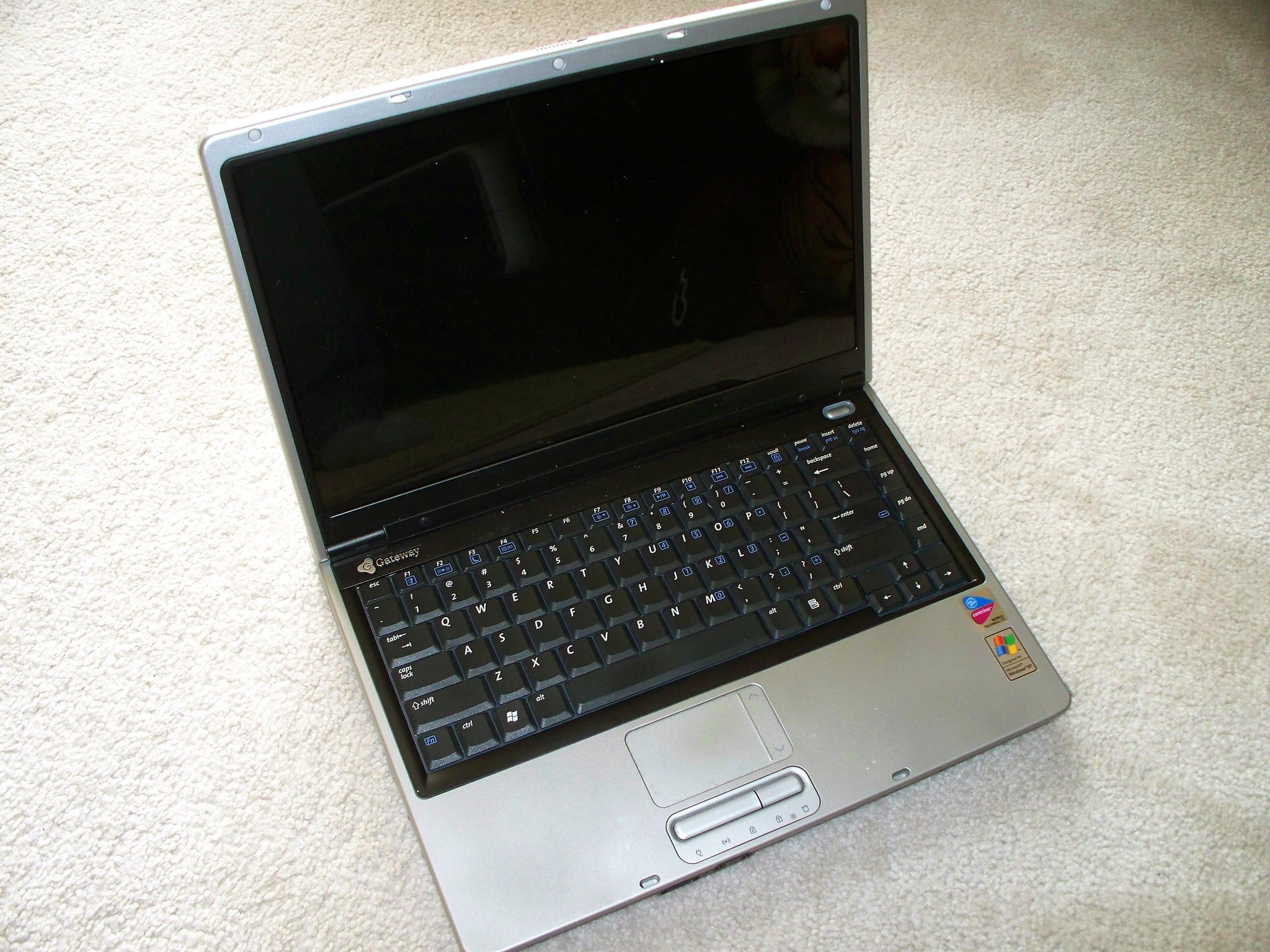
Gateway became famous for its cow-print boxes and direct-to-consumer sales model in the 1990s PC boom. Customers could configure PCs by phone and have them shipped directly to their door.
As competition from Dell and shifts toward retail stores grew, Gateway lost its edge. It was eventually acquired by Acer, ending an iconic American computer brand.
Netscape

Netscape built the browser that introduced much of the world to the World Wide Web. In the mid-1990s, its Navigator browser held over 80% of the market.
Microsoft’s decision to bundle Internet Explorer with Windows gradually destroyed Netscape’s business. The company was eventually acquired by AOL, and Navigator vanished from the mainstream.
WordPerfect Corporation

WordPerfect dominated word processing in the 1980s and early 1990s, especially in law firms and business environments. It offered features Microsoft Word couldn’t match at the time.
A slow transition to Windows allowed Microsoft Word to gain market share. WordPerfect never fully recovered and lost its crown as the standard for office word processing.
Like Go2Tutors’s content? Follow us on MSN.
3dfx

3dfx introduced graphics cards that changed PC gaming forever with the Voodoo series. Their hardware acceleration made games like Quake and Unreal run smoother than anything before it.
But NVIDIA released more advanced, versatile cards, and 3dfx failed to keep pace. Eventually, the company was acquired and dissolved, leaving only its legacy behind.
Be Inc

Be Inc developed BeOS, a highly advanced operating system with features years ahead of Windows or Mac OS. It offered true multitasking, multimedia prowess, and a sleek interface.
Despite its technical strengths, BeOS never gained enough market share to threaten Microsoft or Apple. The company couldn’t secure a hardware partner large enough to survive and ultimately faded away.
Sun Microsystems

Sun Microsystems powered much of the early internet with its servers and workstations. Its slogan, “The Network is the Computer,” proved prophetic as networking became central to modern computing.
Java, one of Sun’s greatest contributions, still runs on billions of devices. Oracle acquired Sun in 2010, primarily for Java and server technologies, effectively ending the Sun brand.
Like Go2Tutors’s content? Follow us on MSN.
Silicon Graphics (SGI)

SGI workstations produced the groundbreaking CGI in films like Jurassic Park and Terminator 2. Their machines were so powerful that they were restricted from export due to national security concerns.
As PC graphics cards became cheaper and more capable, SGI’s high-end workstations lost their audience. The dot-com collapse further crushed the company, leading to its downfall.
NeXT

Steve Jobs founded NeXT after leaving Apple and created computers far ahead of their time with cutting-edge software and networking. Though they sold in small numbers, NeXT machines profoundly influenced software developers and designers.
Apple eventually acquired NeXT in 1997, bringing Jobs back and using NeXT’s operating system as the foundation for Mac OS X. In the end, NeXT’s tech reshaped Apple from the inside.
When Giants Fall

The history of technology is filled with giants that once dominated, only to fade into obscurity. Many of these companies invented tools and ideas we still rely on today, yet they fell because they couldn’t adapt.
Their stories highlight that success in tech is never permanent. Innovation moves quickly, and even visionary companies can become obsolete if they fail to evolve.
Like Go2Tutors’s content? Follow us on MSN.
More from Go2Tutors!

- 16 Historical Figures Who Were Nothing Like You Think
- 12 Things Sold in the 80s That Are Now Illegal
- 15 VHS Tapes That Could Be Worth Thousands
- 17 Historical “What Ifs” That Would Have Changed Everything
- 18 TV Shows That Vanished Without a Finale
Like Go2Tutors’s content? Follow us on MSN.