13 Photos Taken Inside Factories a Century Ago
Factory floors a hundred years ago were loud, crowded, and bright with sparks, and photographers who were allowed inside left behind some of the most revealing images of the age. They show machines of astonishing size next to people who look small beside them.
These thirteen scenes cover assembly lines, steel mills, textile mills, and munitions plants. Together they show how much of modern life was built under the same roof.
Ford’s Highland Park Assembly Line
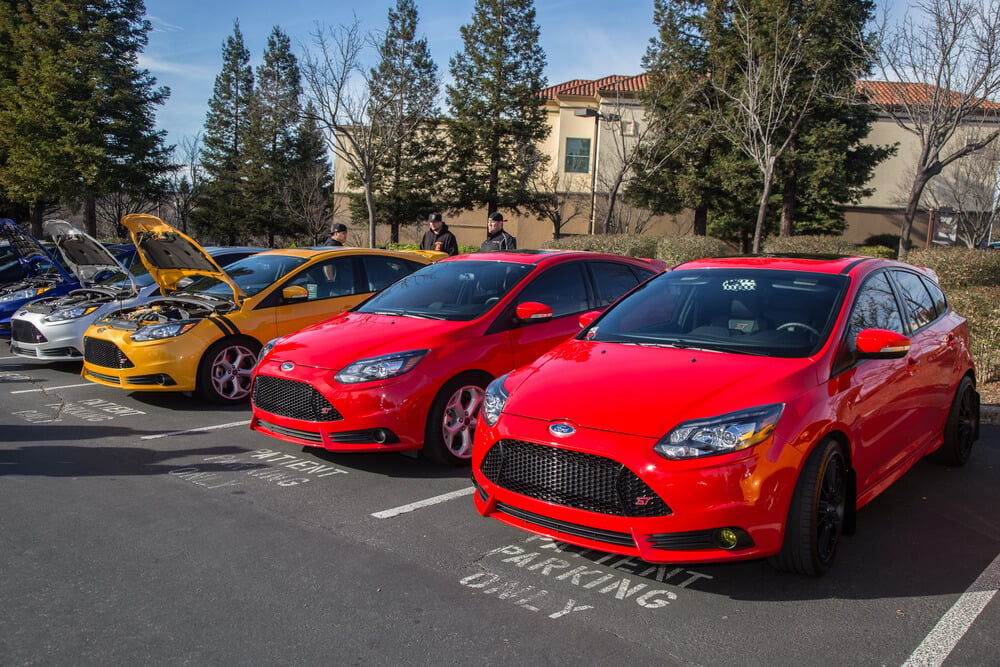
In 1913, Ford began moving chassis along a line at its Highland Park plant in Michigan, and photographs of the plant show workers standing at fixed stations as the car came to them. The change cut the time to build a chassis from well over twelve hours to roughly an hour and a half within about a year.
The images show how plain the idea looked: a rope, a winch, and a line of men doing one task each.
Charles Sheeler at the River Rouge
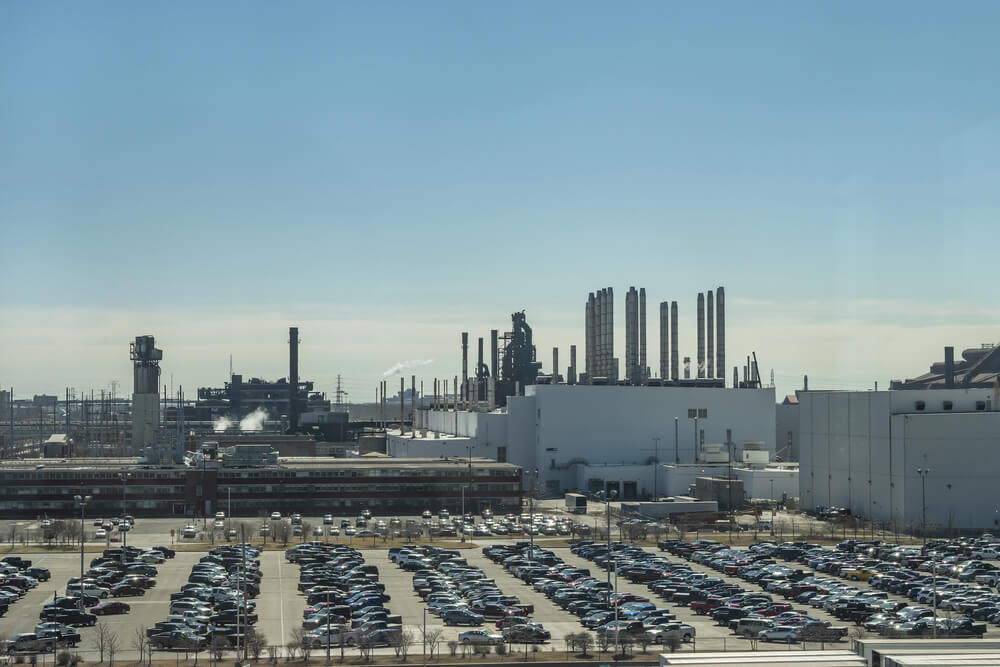
In 1927, Ford hired the painter and photographer Charles Sheeler to document its River Rouge complex, and he spent about six weeks there. His precise, clean images treat blast furnaces and conveyors like temples.
The photographs became the basis for some of his best-known paintings.
Addie Card in a Vermont Cotton Mill
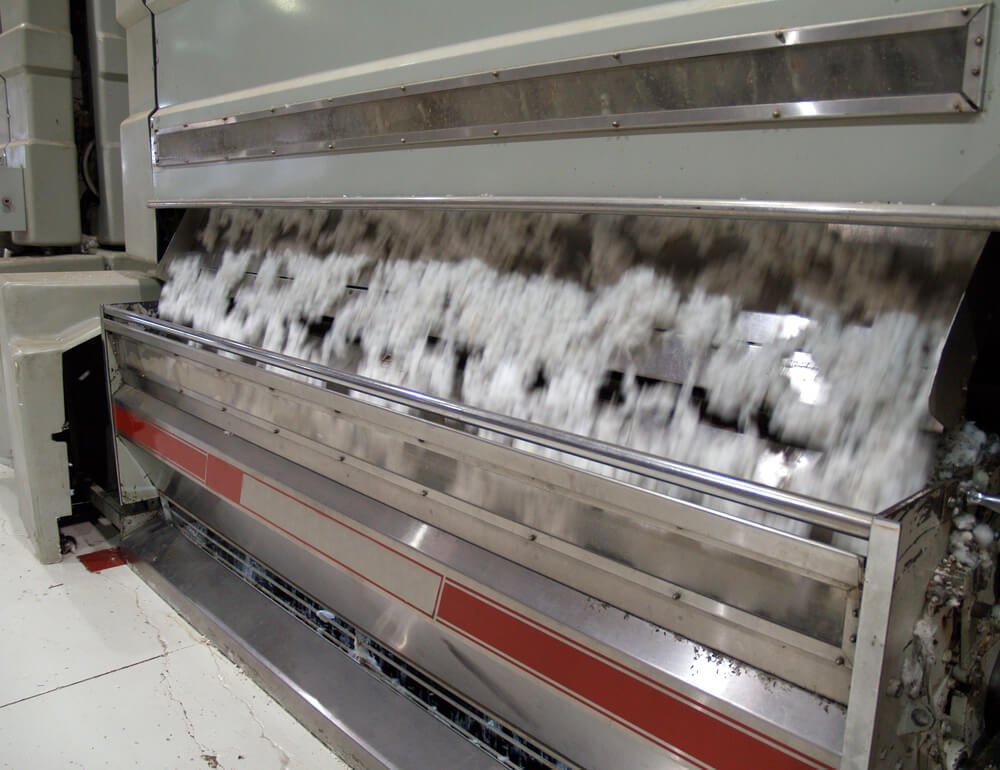
Lewis Hine photographed a young spinner named Addie Card in 1910 at a cotton mill in North Pownal, Vermont. The image of the child standing barefoot beside the machinery became one of the best-known pictures of child labor.
Her name was lost for decades before researchers identified her.
Women at Woolwich Arsenal
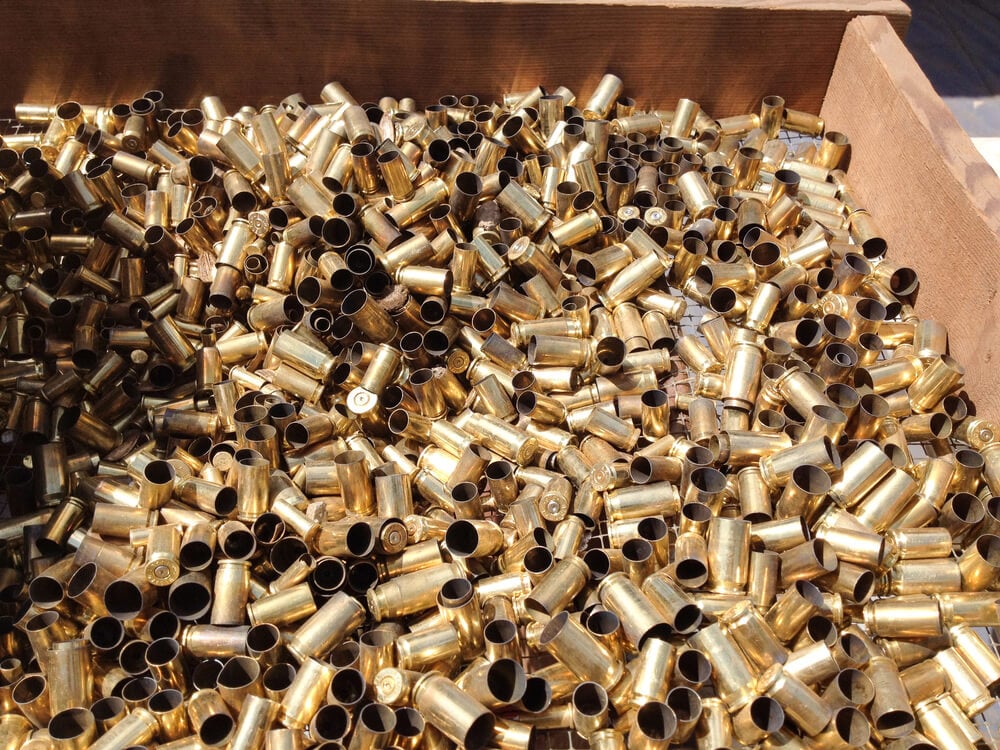
During the First World War, women filled the Royal Arsenal at Woolwich in southeast London to make shells and cartridges. Handling explosive chemicals turned some workers’ skin yellow, and they were nicknamed canaries.
Photographs show rows of women in caps working at benches with an unsettling calm.
Western Electric’s Hawthorne Works

The Hawthorne Works in Cicero, Illinois, employed tens of thousands of people making telephone equipment. Researchers began studying worker productivity there in the 1920s, and their work gave rise to the term Hawthorne effect.
Photographs of the plant show large rooms of women assembling telephone parts under bright lights.
Margaret Bourke-White at Otis Steel
Margaret Bourke-White photographed the Otis Steel works in Cleveland in the late 1920s, climbing close to molten metal to get her shots. Her pictures of glowing ladles and furnaces helped launch her career as an industrial photographer.
They also caught the eye of the editors who would soon launch Fortune magazine.
Baldwin Locomotive Works
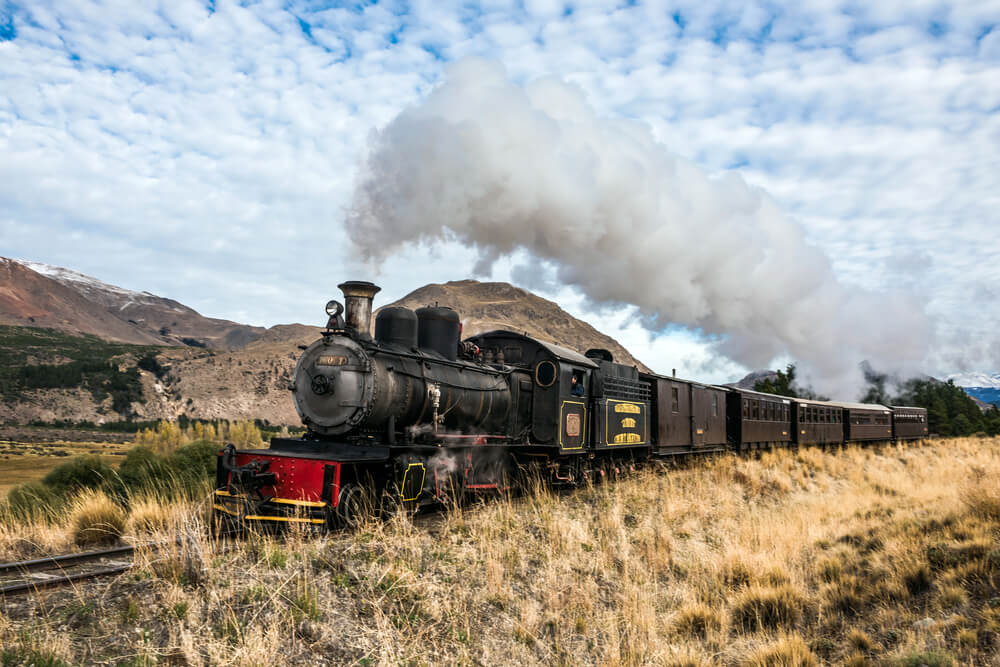
Baldwin in Philadelphia was among the largest locomotive builders in the world, and photographs of its shops show boilers and frames the size of houses. Rows of workers stand beside machinery that dwarfs them.
The pictures make clear why locomotive building was a feat of organization as much as engineering.
The Pullman Works

The Pullman Palace Car Company built railroad sleeping cars on the south side of Chicago and housed many of its workers in a company town. Photographs of the car shops show craftsmen finishing polished woodwork for passengers who would never see the factory.
The town became famous for the bitter strike of 1894.
Lewis Hine’s Powerhouse Mechanic
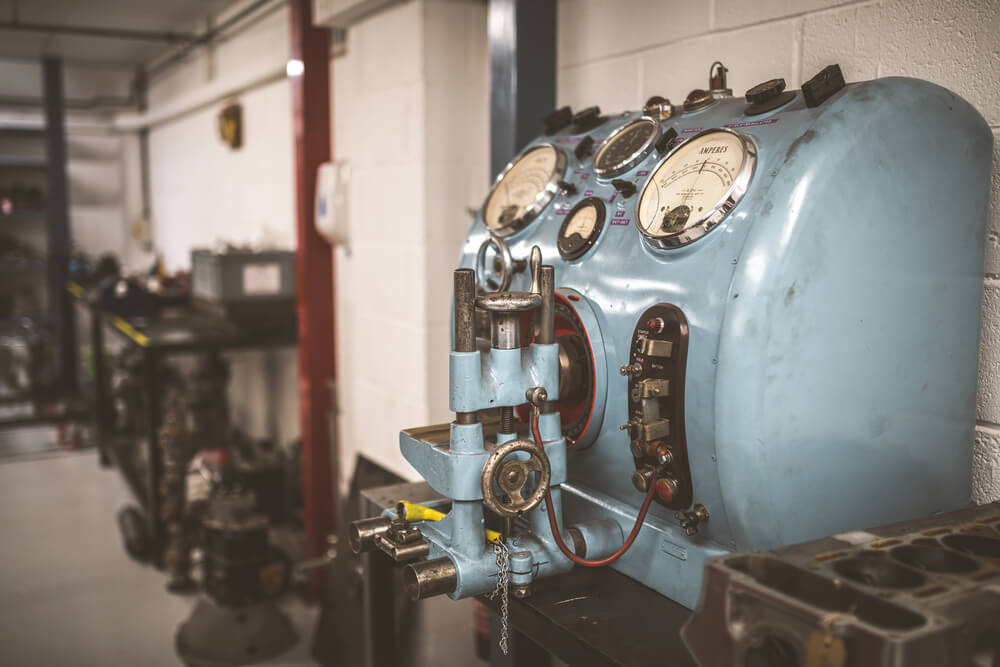
In 1920, Hine began a series of portraits of workers at their machines, and his image of a mechanic leaning into a giant wrench became the best known. He wanted the pictures to show dignity rather than hardship.
The result is a portrait of skill that is still reproduced today.
Eastman Kodak Park
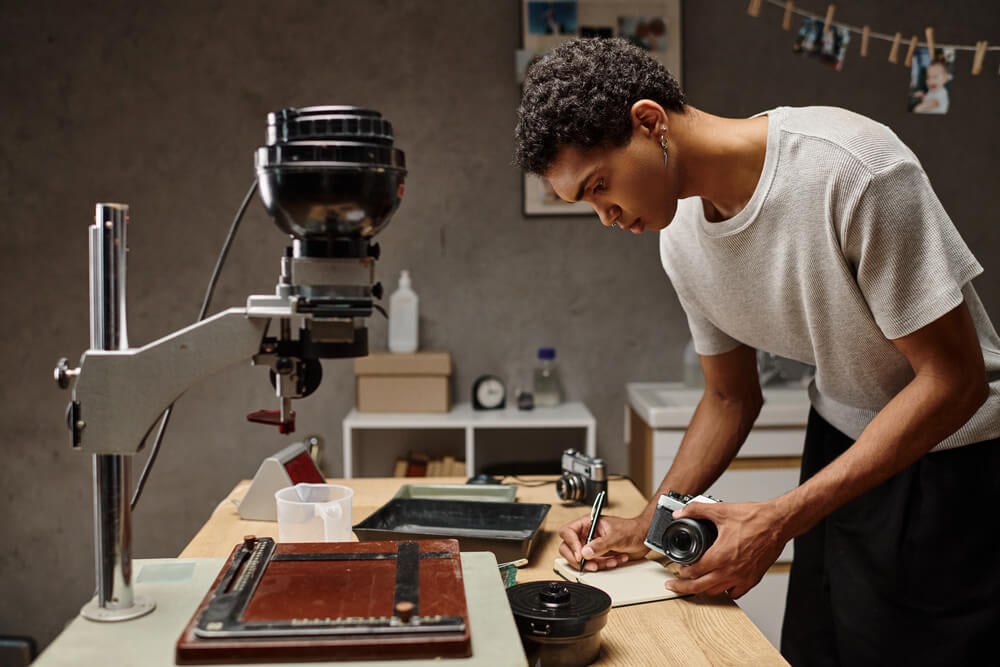
Kodak Park in Rochester, New York, grew into a huge complex for making film and photographic paper. Some of the work had to happen in darkness, so photographs of those rooms are rare and show workers lit by dim safelights.
The scale of the plant explains why one company could supply so much of the world’s film.
Bethlehem Steel
Bethlehem Steel’s plant in Pennsylvania produced steel for bridges, ships, and skyscrapers, and period photographs show the glow of the open-hearth furnaces. Workers stood in heat and noise that would be unthinkable today.
The main works closed in the 1990s, so these pictures are now records of a vanished landscape.
Cadbury at Bournville
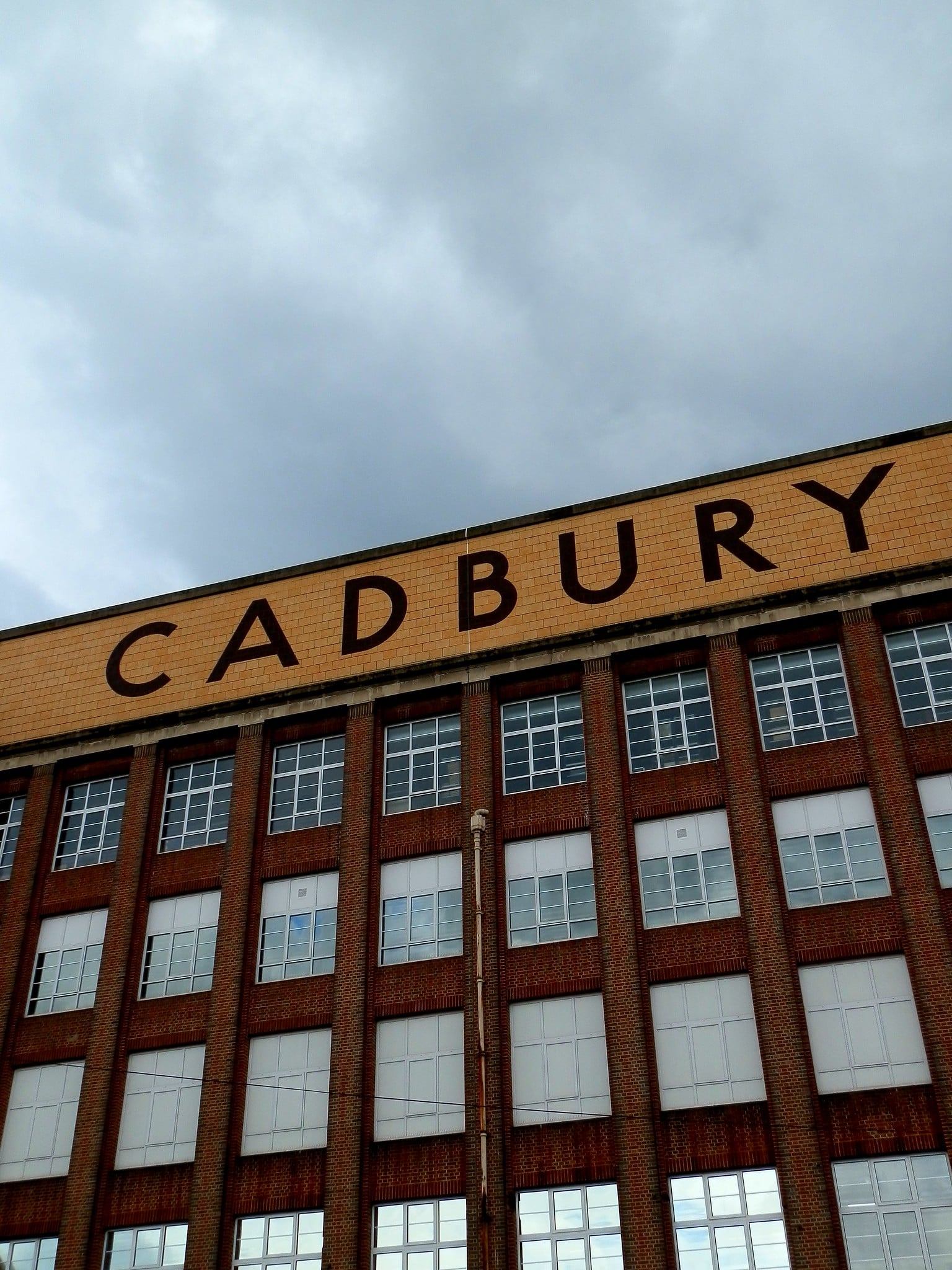
Cadbury moved to Bournville, near Birmingham, in 1879, and the factory was built in a landscape of gardens and housing. Photographs from the early twentieth century show women in white uniforms packing chocolates by hand.
The setting was meant to prove that factory life did not have to be bleak.
A Garment Shop Before the Triangle Fire
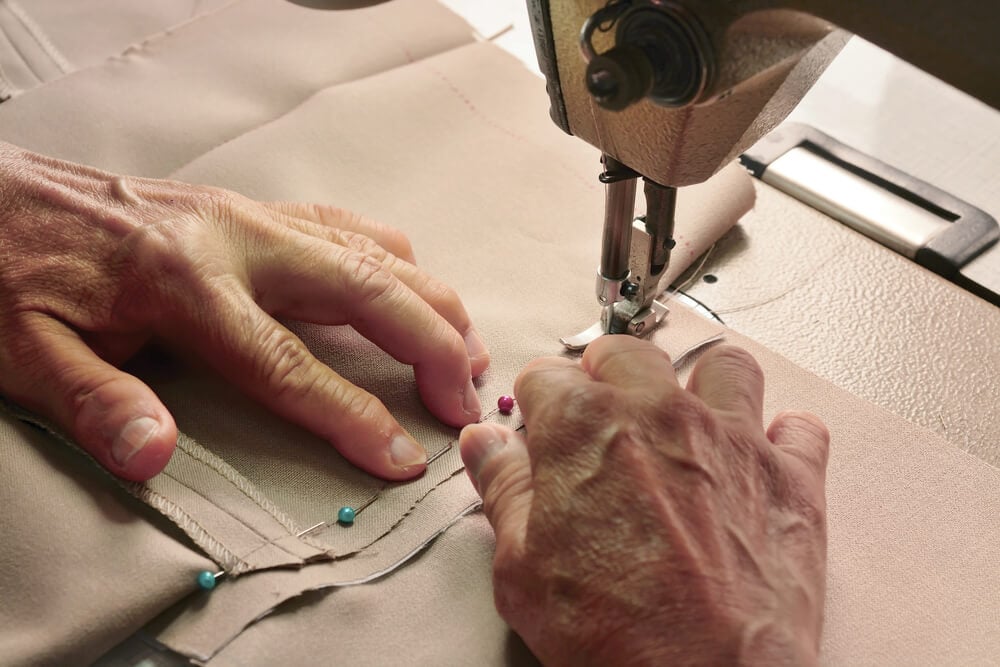
The Triangle Waist Company occupied the upper floors of a building in New York City, and a fire there in March 1911 killed 146 workers, most of them young women. Photographs of garment shops from the period show crowded tables and tightly packed machines.
The disaster led to major reforms in factory safety laws.
What the Cameras Caught by Accident

None of these photographers set out to write a history of work, yet that is what their pictures became. They recorded who stood where, what they wore, and how closely people worked beside dangerous machines.
A century later, the same images make a quiet argument. Much of what makes a modern workplace safer was won because someone pointed a camera at a place where the work was hard.
More from Go2Tutors!

- 27 Silver Dollars and Half Dollars Worth Keeping
- 28 Restaurant Menu Items Nobody Orders Anymore
- 17 Places Built in Seemingly Impossible Spots
- 27 Vintage Rings Worth More Than They Look
- 25 Restricted Sites Tourists Can’t Enter
Like Go2Tutors’s content? Follow us on MSN.