15 Products That Were Pulled from the Market Due to Unexpected Dangers
Consumer safety is something we often take for granted today, but history shows us that many seemingly harmless products ended up causing significant harm before regulators stepped in. These product recalls remind us that innovation sometimes outpaces our understanding of long-term safety implications.
Here is a list of 15 products that were ultimately pulled from the market after their hidden dangers came to light.
Thalidomide

Thalidomide was marketed as a wonder drug for morning sickness in pregnant women during the late 1950s. The medication was widely distributed in Europe and other countries before its devastating side effects became apparent.
Thousands of babies were born with severe birth defects, including malformed or missing limbs, leading to its rapid withdrawal and stronger pharmaceutical testing regulations worldwide.
Lawn Darts

These seemingly innocent backyard toys consisted of large, weighted darts meant to be tossed at rings on the ground. Despite their recreational purpose, lawn darts essentially functioned as weapons with their heavy, pointed metal tips.
After they caused numerous injuries and the death of several children, the Consumer Product Safety Commission banned their sale in the United States in 1988.
Tylenol Capsules (Temporary)

In 1982, Johnson & Johnson faced a crisis when seven people in Chicago died after taking Tylenol capsules that had been tampered with and laced with cyanide. The company immediately recalled 31 million bottles of Tylenol worth $100 million.
This incident led to the development of tamper-evident packaging now standard in over-the-counter medications.
Vioxx

Merck’s painkiller Vioxx was once a blockbuster arthritis medication that generated billions in sales. After being on the market for five years, studies revealed it significantly increased the risk of heart attacks and strokes.
The medication was pulled in 2004 after being linked to approximately 140,000 heart attacks and an estimated 60,000 deaths in the United States alone.
Ford Pinto

The Ford Pinto became infamous for its fuel tank design flaw that made it prone to explosion during rear-end collisions. Internal Ford documents revealed the company calculated it would be cheaper to pay settlements for injuries and deaths than to fix the design problem.
After numerous accidents and lawsuits, Ford finally recalled 1.5 million Pintos in 1978.
Lead Paint

For decades, lead paint was widely used in homes across America due to its durability and moisture resistance. As research revealed the severe neurological damage lead exposure could cause, especially in children, this once-common product was banned for residential use in 1978.
Countless homes built before this ban still contain lead paint, requiring careful remediation during renovations.
Hoverboards (Certain Models)
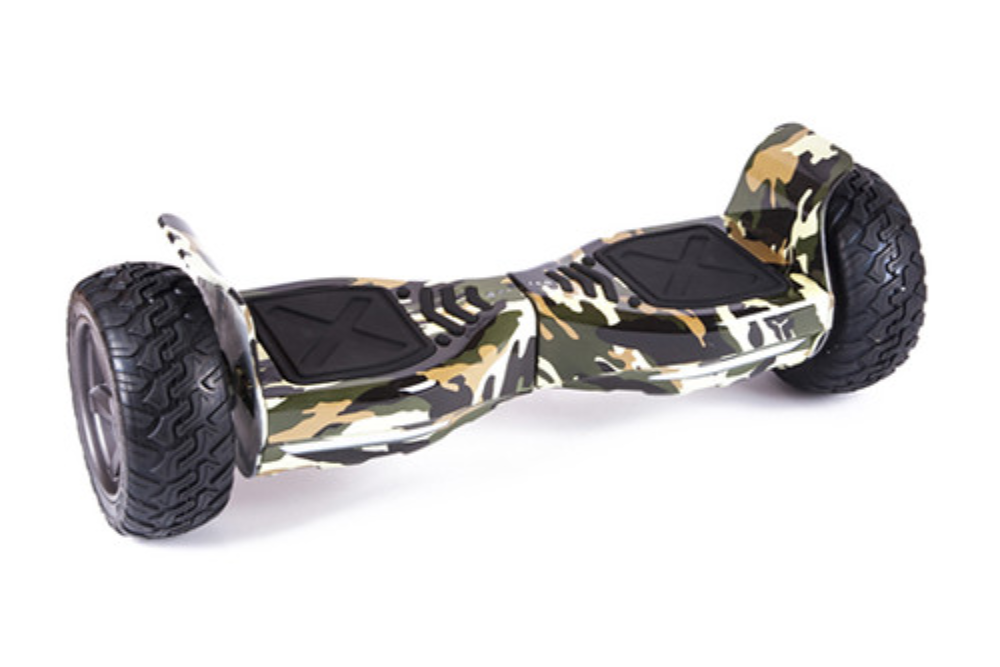
When self-balancing scooters known as hoverboards surged in popularity around 2015, reports of spontaneous fires soon followed. The lithium-ion batteries in poorly manufactured models would overheat and combust, sometimes while charging or even while in use.
Multiple retailers pulled these products, and airlines banned them from flights before safety standards were implemented.
Samsung Galaxy Note 7

Samsung’s flagship smartphone became notorious when numerous devices began catching fire or exploding shortly after its 2016 release. After an initial partial recall and replacement program failed to solve the problem, Samsung took the extraordinary step of permanently discontinuing the device and recalling all units worldwide.
The recall cost the company an estimated $5.3 billion.
Fisher-Price Rock ‘n Play Sleepers
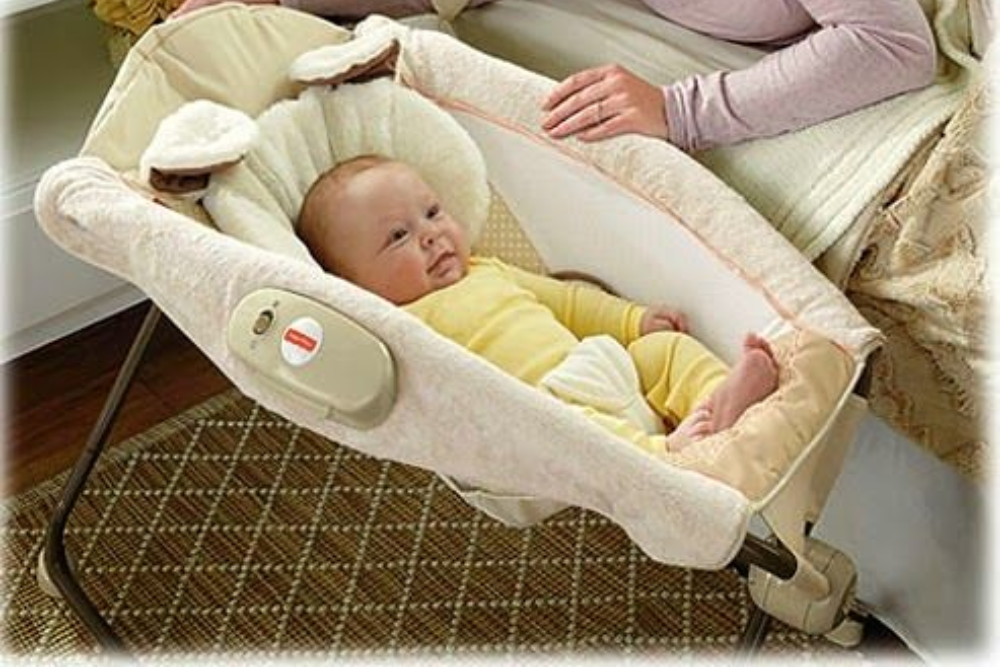
These inclined infant sleepers were incredibly popular with parents seeking to soothe fussy babies. After being linked to over 30 infant deaths due to suffocation when babies rolled over in the sleepers, Fisher-Price recalled all 4.7 million units in 2019.
The product had been on the market for a decade before its dangers were fully recognized.
Firestone Tires

In 2000, Firestone recalled 6.5 million tires after investigations revealed they were prone to tread separation, particularly when used on Ford Explorer SUVs. The tire failures were linked to numerous rollover accidents resulting in at least 271 deaths and over 800 injuries.
The scandal damaged both Firestone’s and Ford’s reputations and ended their century-long business relationship.
Hydroxycut

This popular weight loss supplement was pulled from shelves in 2009 after the FDA received reports of serious liver injuries, including one death. The product contained a combination of ingredients that proved harmful to some users’ livers.
After reformulation to remove the problematic compounds, Hydroxycut returned to the market with a different ingredient profile.
Aqua Dots
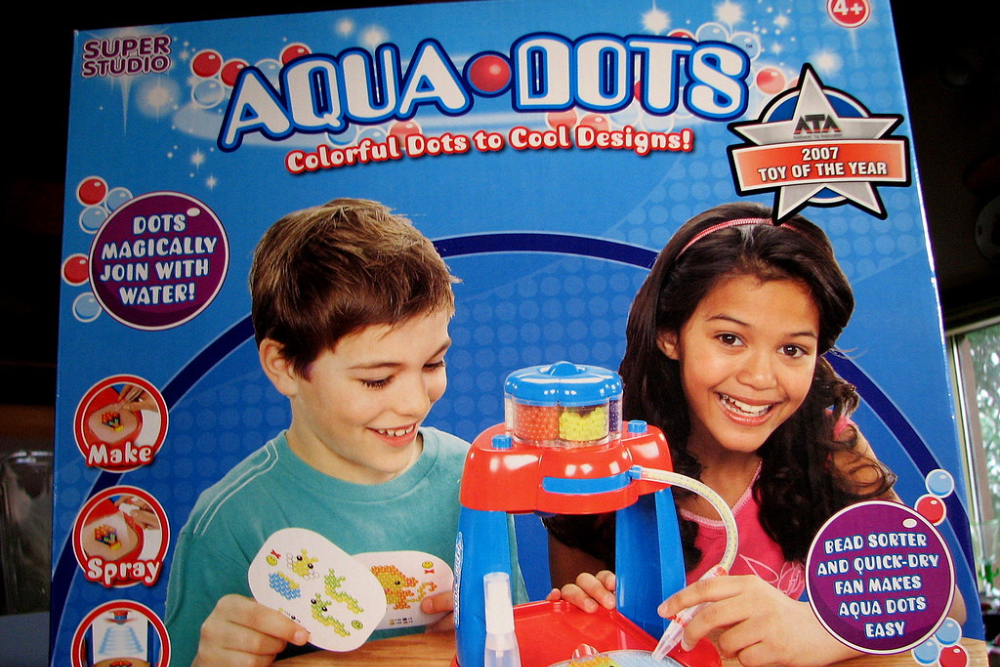
This children’s craft toy consisted of colorful beads that could be arranged into designs and then sprayed with water to fuse together. In 2007, it was discovered that the coating on the beads contained a chemical that, when ingested, metabolized into GHB, commonly known as the ‘date rape drug.’
Several children became seriously ill after swallowing the beads, leading to an immediate worldwide recall.
Olestra (Olean)

Procter & Gamble’s fat substitute Olestra appeared in snack foods like potato chips under the brand name WOW chips. While it provided the taste of fat without the calories, it came with unpleasant digestive side effects including cramps and loose stools, famously requiring warning labels about “anal leakage.”
Though not officially banned, negative publicity and poor sales effectively removed it from the market.
Drop-Side Cribs

For decades, cribs with sides that could be lowered for easier access to babies were standard in American homes. After being linked to at least 32 infant deaths due to suffocation or strangulation, drop-side cribs were banned in 2011.
The movable sides could detach or create dangerous gaps where infants could become trapped.
Bon Vivant Vichyssoise Soup

In 1971, a can of Bon Vivant’s vichyssoise soup caused a fatal case of botulism poisoning. FDA testing found additional contaminated cans, prompting a recall of the entire product line.
The small company couldn’t survive the financial impact and public relations disaster, filing for bankruptcy within a month. This incident significantly strengthened FDA oversight of commercial canning processes.
Transforming Consumer Protection

These recalled products stand as sobering reminders of how unexpected dangers can lurk in everyday items. Each market withdrawal contributed to the strengthening of safety protocols, testing requirements, and regulatory frameworks that protect consumers today.
The financial and human costs of these failures fundamentally changed how companies approach product development, with safety engineering now integrated from the earliest design stages rather than treated as an afterthought. What we gain from studying these cautionary tales is a deeper appreciation for the vigilance required to keep harmful products off store shelves.
More from Go2Tutors!

- The Romanov Crown Jewels and Their Tragic Fate
- 13 Historical Mysteries That Science Still Can’t Solve
- Famous Hoaxes That Fooled the World for Years
- 15 Child Stars with Tragic Adult Lives
- 16 Famous Jewelry Pieces in History
Like Go2Tutors’s content? Follow us on MSN.