15 Fashion Fads Sparked by Saturday Cartoons
Saturday morning cartoons weren’t just entertainment—they were powerful fashion influencers that shaped how kids dressed throughout the week. From the 1980s through the early 2000s, animated characters became unlikely style icons, inspiring everything from hairstyles to footwear choices that parents either embraced or endured.
Here’s a list of 15 fashion trends that originated from Saturday morning cartoon shows, proving that animated characters had just as much influence on style as any celebrity or fashion magazine.
Teenage Mutant Ninja Turtles Headbands

Colorful fabric headbands became essential accessories after the Ninja Turtles showed kids how cool they could look. Every playground had children wearing red, blue, purple, or orange headbands to represent their favorite turtle, often paired with matching t-shirts.
The trend was so widespread that sporting goods stores couldn’t keep colored headbands in stock, and many kids learned to tie bandanas specifically to achieve that authentic turtle look.
He-Man’s Furry Underwear Look

The barbarian aesthetic of He-Man inspired a trend of furry vests, boots with fur trim, and even faux fur underwear worn as outerwear by bold kids. This caveman-meets-superhero style showed up at costume parties, school dress-up days, and sometimes just regular Tuesday afternoons.
While parents were often baffled by their children’s sudden interest in primitive fashion, toy stores capitalized by selling He-Man costume sets that flew off the shelves.
Like Go2Tutors’s content? Follow us on MSN.
Smurfette’s White Go-Go Boots

High white boots became a must-have item for young girls who wanted to emulate Smurfette’s distinctive footwear. These boots were paired with miniskirts, white tights, and blonde wigs to complete the Smurf village princess look.
The trend was so popular that children’s shoe stores began marketing white boots specifically as ‘Smurfette boots,’ making the connection between cartoon and fashion explicitly clear.
Inspector Gadget Trench Coats

Detective-style trench coats saw a surge in popularity among kids who wanted to look like the bumbling but well-equipped Inspector Gadget. These coats were often accessorized with toy gadgets hanging from the pockets, creating a functional and fashionable look that parents actually appreciated for its practicality.
The trend taught children that outerwear could be both stylish and useful, laying the groundwork for the utility vest trend that would follow years later.
My Little Pony Rainbow Streaks

Temporary hair color streaks in rainbow patterns became commonplace after My Little Pony showed girls the beauty of multicolored manes. Hair salons began offering kid-friendly chalk and spray options to create these colorful looks for special occasions and everyday wear.
Some brave children even convinced their parents to let them get permanent rainbow highlights, creating a generation of kids who weren’t afraid to experiment with bold hair colors.
Like Go2Tutors’s content? Follow us on MSN.
ThunderCats Metallic Accessories
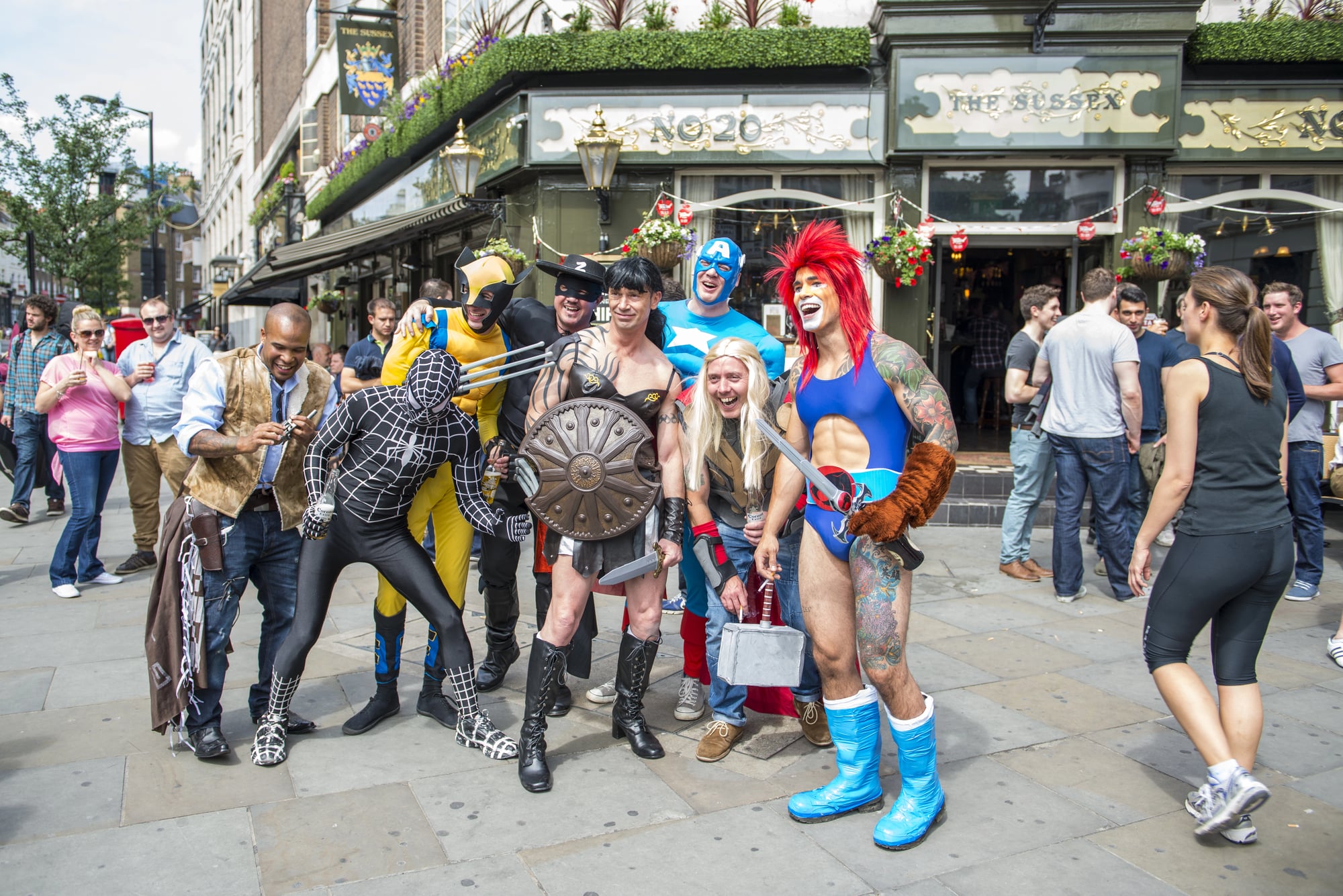
Shiny silver and gold accessories experienced a boom thanks to the ThunderCats and their gleaming weapons and armor. Kids wore metallic headbands, wristbands, and even spray-painted their sneakers silver to achieve that futuristic warrior look.
The trend extended beyond accessories to include metallic fabric patches sewn onto jackets and backpacks, creating a distinctly 1980s aesthetic that screamed cartoon influence.
Strawberry Shortcake Layered Looks

The practice of layering multiple pastel-colored clothing items became popular among young girls inspired by Strawberry Shortcake’s distinctive style. This meant wearing pink tights under green shorts, topped with a yellow vest and finished with a red hat—all in soft, candy-inspired colors.
The look was sweet and whimsical, encouraging children to view clothing as a form of creative expression rather than just a practical necessity.
Scooby-Doo Ascots

Neckerchiefs and ascots made an unlikely comeback among children who wanted to emulate Fred’s preppy detective style. Boys who had never shown interest in formal accessories suddenly wanted colorful neck scarves to complete their mystery-solving outfits.
The trend was particularly strong among kids who participated in school drama clubs or detective-themed birthday parties, where the ascot became a symbol of sophisticated problem-solving.
Like Go2Tutors’s content? Follow us on MSN.
Jem’s Glitter Everything
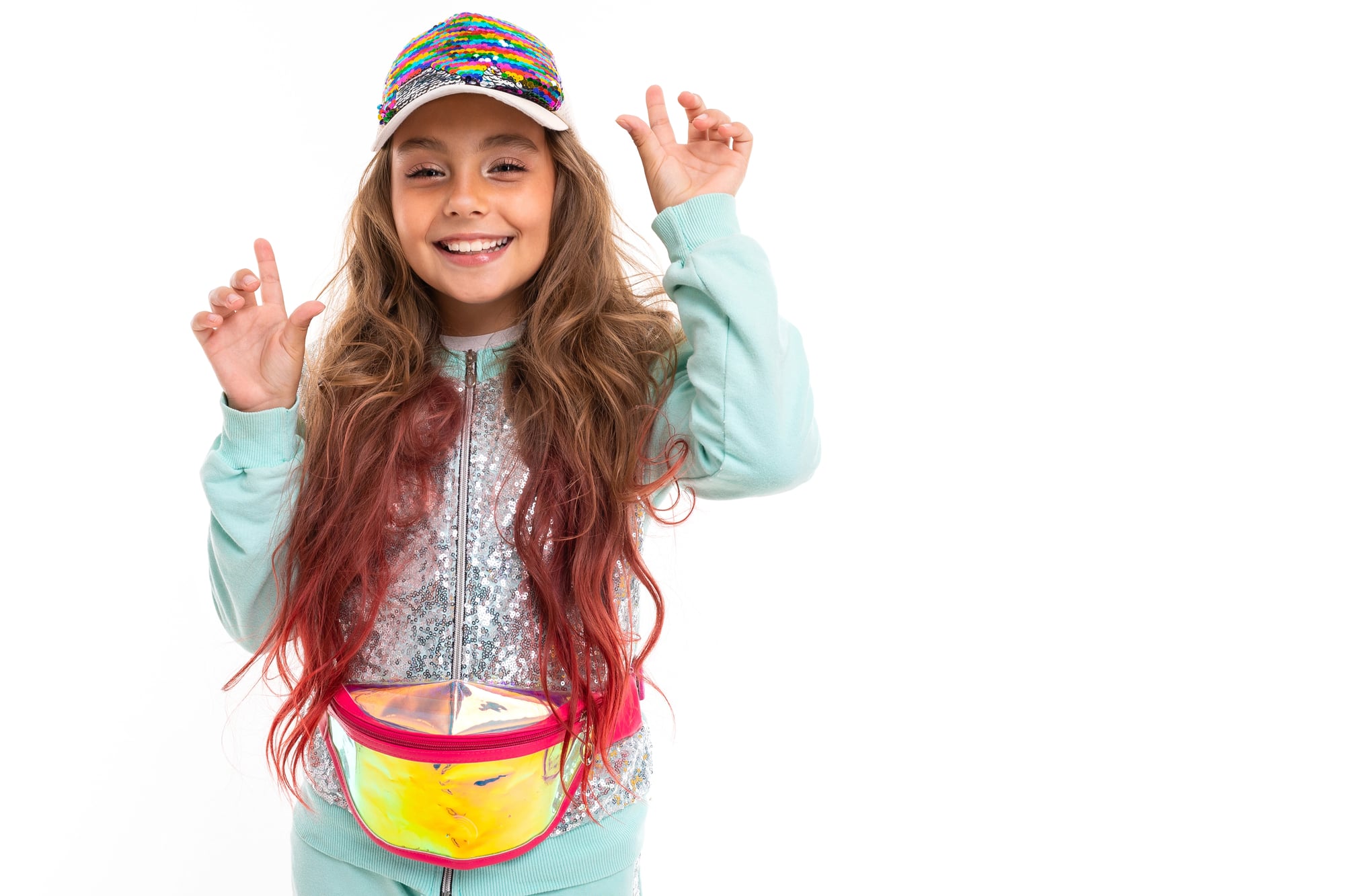
The rock star lifestyle of Jem and the Holograms inspired an explosion of glittery clothing, accessories, and makeup among young fans. Glitter hairspray, sparkly t-shirts, and sequinned headbands became essential items for achieving that truly outrageous look.
The trend was so pervasive that teachers began implementing ‘no glitter’ policies at some schools due to the mess factor, but this only made the sparkly accessories more desirable to rebellious young fashionistas.
Garfield’s Striped Shirts

Orange and black horizontal stripes became a wardrobe staple for kids who identified with the lazy but lovable cat. This simple pattern was easy for parents to find and affordable to maintain, making it one of the more practical cartoon-inspired trends.
The Garfield stripe influence was so strong that it expanded beyond orange and black to include other color combinations, creating a broader acceptance of bold horizontal stripes in children’s fashion.
DuckTales Adventure Vests

Multi-pocket vests gained popularity among kids who wanted to be prepared for treasure hunting adventures like Huey, Dewey, and Louie. These practical garments allowed children to carry all their essential items while looking ready for action and adventure.
The vest trend appealed to both boys and girls and had the added benefit of being genuinely useful for school supplies, trading cards, and small toys.
Like Go2Tutors’s content? Follow us on MSN.
Care Bears Belly Symbols

Custom t-shirts featuring symbols on the stomach area became popular as kids tried to replicate the Care Bears’ distinctive belly badges. Children would draw their own symbols on plain shirts or convince parents to buy iron-on patches representing their personality traits.
This trend encouraged kids to think about their individual characteristics and express them through clothing, making fashion a form of personal identity exploration.
Voltron Shoulder Pads
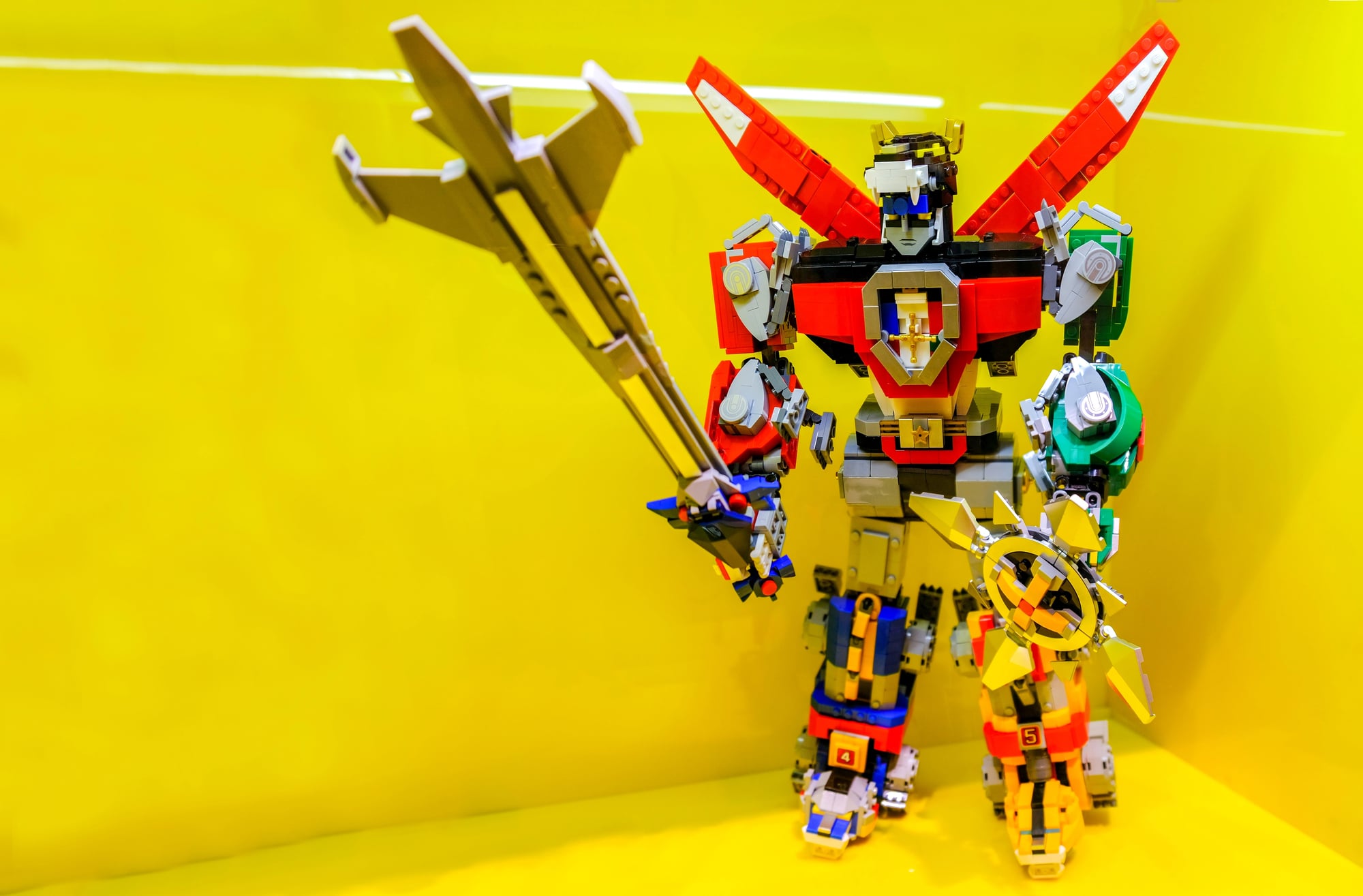
Structured shoulders in children’s clothing saw an uptick as kids tried to achieve the robotic, powerful silhouette of the Voltron lions. This trend manifested in padded jackets, shoulder-enhanced costume pieces, and even homemade cardboard additions to regular clothing.
The look was bold and futuristic, giving children a sense of strength and importance that regular clothing couldn’t provide.
Rainbow Brite’s Color Coordination

Monochromatic dressing in bright, saturated colors became popular as children chose single rainbow colors to represent throughout their entire outfit. A child might wear all red, all blue, or all yellow from head to toe, inspired by Rainbow Brite’s color-themed world.
This trend taught kids about color theory and coordination while allowing them to make bold fashion statements that reflected their favorite characters.
G.I. Joe Camouflage Patterns

Military-inspired camouflage patterns entered mainstream children’s fashion through the influence of G.I. Joe cartoons and action figures. Camo pants, jackets, and even backpacks became standard playground attire for kids who wanted to look ready for action.
The pattern was practical for hiding dirt and stains, making it popular with parents as well as children who enjoyed the tough, adventurous image it projected.
Like Go2Tutors’s content? Follow us on MSN.
From Screen to Style Icons
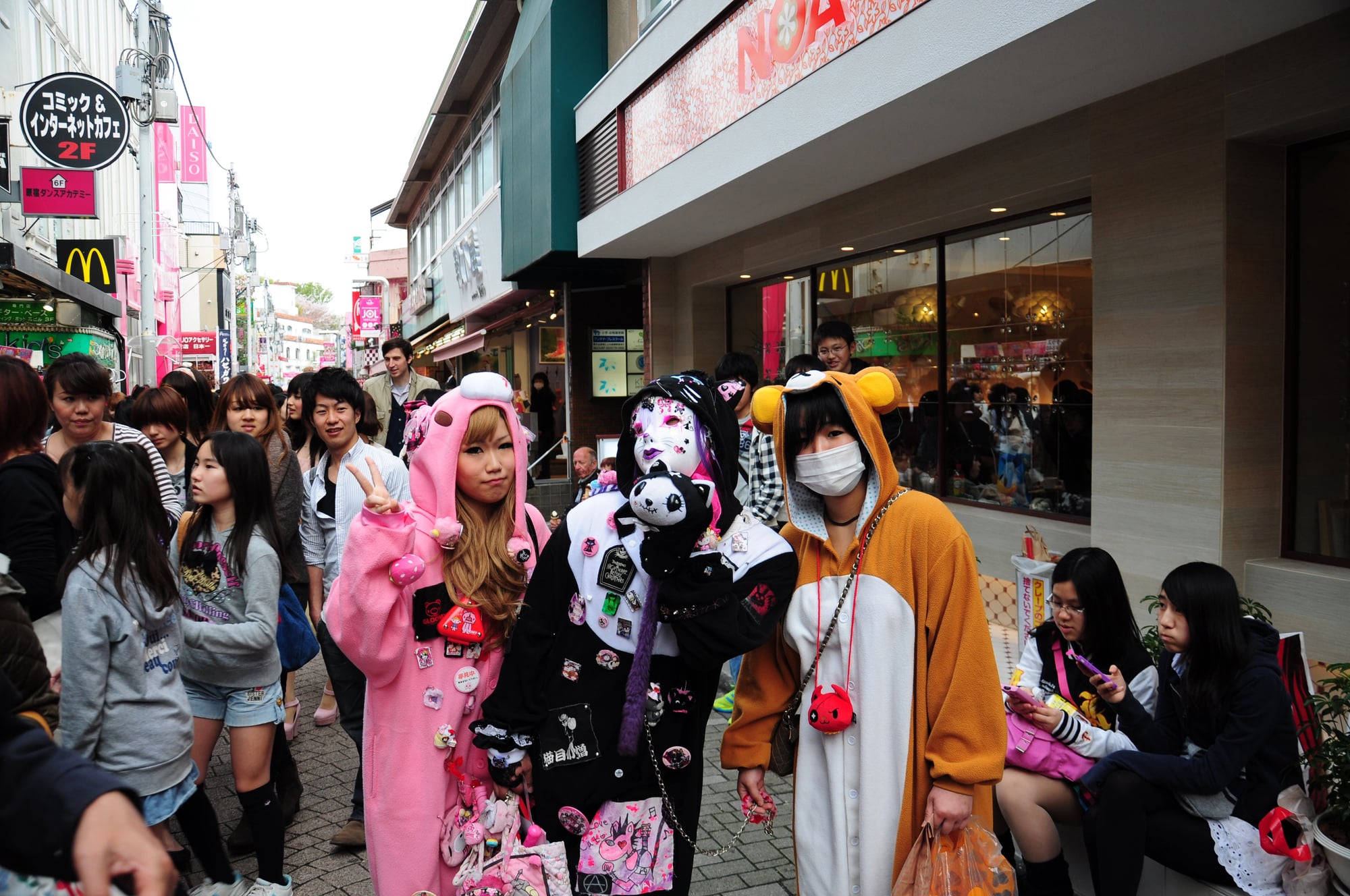
These cartoon-inspired fashion trends demonstrate the powerful influence that animated characters had on an entire generation’s style choices and self-expression. While some trends were short-lived novelties, others established lasting patterns in children’s fashion that continue to influence design decisions today.
The willingness of kids to embrace bold colors, unusual accessories, and creative combinations showed that cartoon characters could be just as influential as any human celebrity when it came to setting style trends. Saturday morning cartoons didn’t just entertain—they empowered children to see fashion as a playground for creativity and individual expression, lessons that many carried into their adult style sensibilities.
More from Go2Tutors!

- 18 Unexpectedly Valuable Collectibles You Might Have Lying Around
- 20 Little-Known Historical Battles That Had Huge Consequences
- 20 Historical Artifacts That Scientists Can’t Explain
- 15 Inventions That Were Immediately Banned After Being Created
- 20 Actors Who Were Almost Cast in Iconic Roles
Like Go2Tutors’s content? Follow us on MSN.