13 Places Where People Still Barter to Trade
In our digital world of credit cards, online banking, and cryptocurrency, it’s easy to forget that money itself is a relatively recent invention in human history. For thousands of years, people traded goods and services directly without currency as the middleman. While cash economies dominate most of the world today, there are still fascinating pockets where bartering remains an essential part of daily life.
Here is a list of 13 places around the world where the ancient practice of bartering continues to thrive alongside modern economic systems.
Jonestown, Pennsylvania
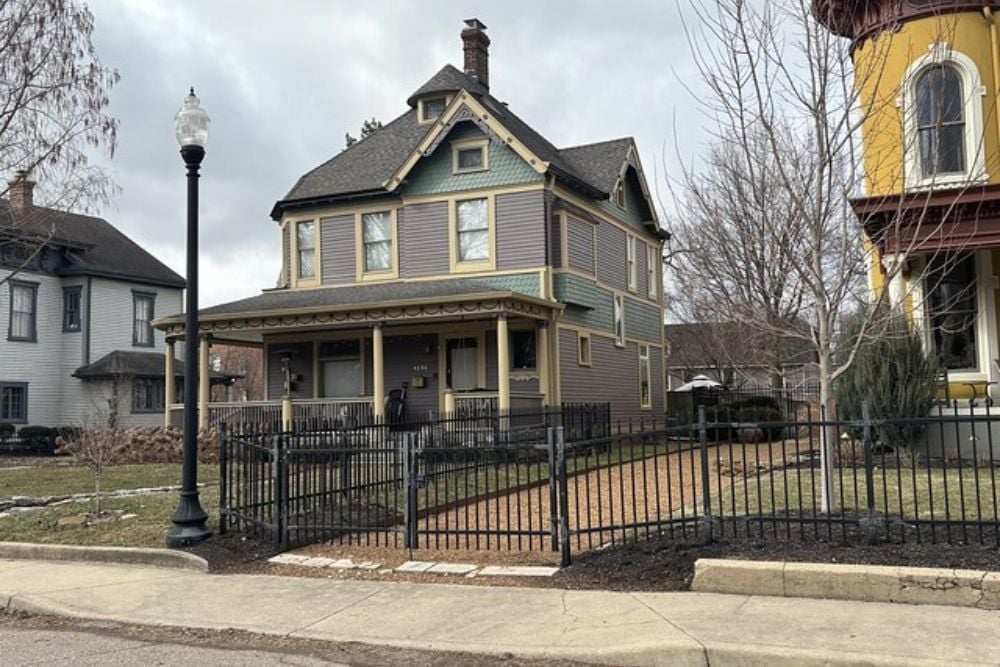
This small American town hosts one of the country’s largest barter exchanges, where local residents trade everything from plumbing services to homemade baked goods. The tradition began during the Great Depression, when cash was scarce but community bonds were strong.
Local businesses participate in a formalized system where they earn trade credits that can be exchanged for goods or services from other members. The town celebrates this heritage with an annual Barter Fair each summer, attracting visitors who can experience this alternative economy firsthand.
Ngalia Valley, Papua New Guinea
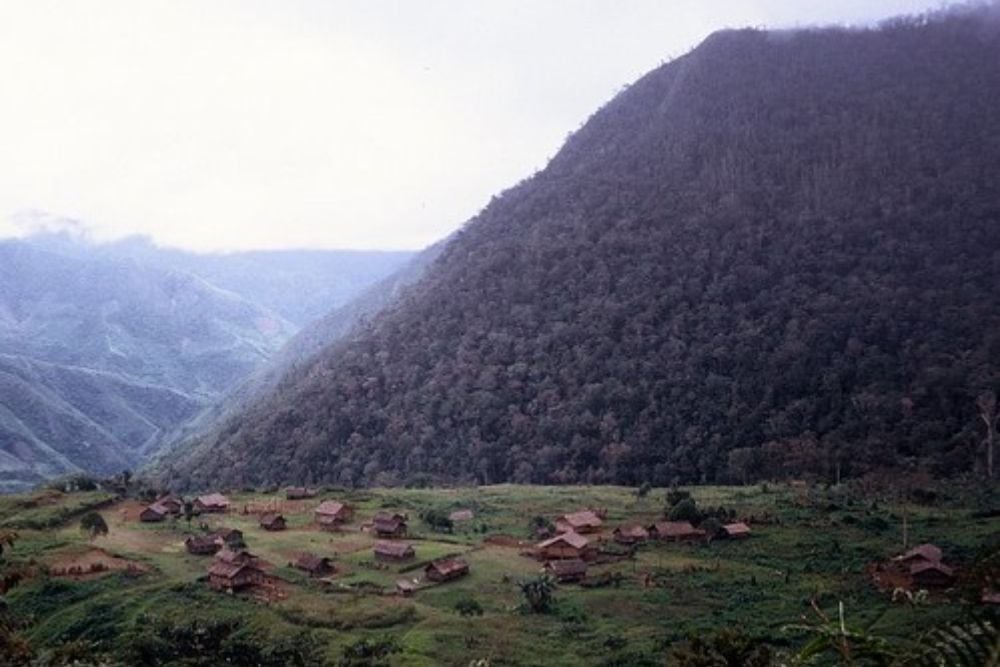
In this remote highland region, the Moka exchange system operates as a sophisticated barter economy. Tribal communities exchange pigs, cassowary birds, and handcrafted items in ceremonial gatherings that strengthen social bonds between different groups.
The exchanges aren’t just about obtaining goods but also about creating obligations and alliances between families and clans. A person who receives valuable items is expected to reciprocate with even more valuable goods in the future, creating a continuous cycle of exchange and relationship-building.
Like Go2Tutors’s content? Follow us on MSN.
Iqaluit, Nunavut, Canada
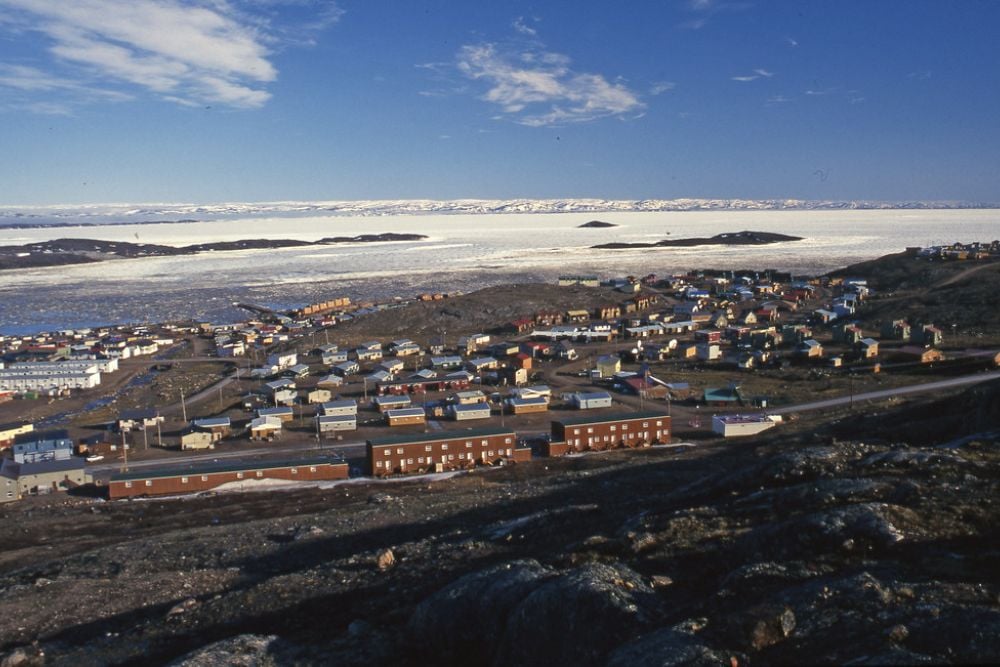
In this Arctic capital, many Inuit residents participate in a vibrant barter economy alongside the cash economy. Hunters regularly trade freshly caught seal meat, caribou, and Arctic char for childcare, equipment repairs, or handmade clothing.
The challenging Arctic environment makes this system not just culturally significant but practically essential. Government surveys have found that nearly 40% of households regularly participate in some form of food sharing or barter, showing how these traditional practices help communities thrive in one of the world’s harshest climates.
Gavdos, Greece

On Greece’s southernmost inhabited island, the economic crisis of the 2010s revived bartering practices that had been dormant for generations. The tiny population of about 100 permanent residents developed a system where olive oil, fresh fish, and homegrown vegetables are traded for labor, household items, and services.
Local tavernas even accept payment in produce from regular customers when cash is tight. The isolation of the island—seven hours by ferry from Crete—makes this system particularly valuable during the winter months, when fewer supplies arrive from the mainland.
East Wind Community, Missouri
In the Ozark hills of Tecumseh, Missouri, the East Wind Community operates as a modern-day barter and income-sharing society. Founded in 1974, it is home to around 70 members who live without personal income, instead contributing labor in exchange for shared food, housing, medical care, and other essentials.
Members earn ‘labor credits’ for work such as farming, cooking, childcare, and operating the community’s nut butter business. These credits are used to access goods and services within the community, making traditional money largely unnecessary for day-to-day life.
Like Go2Tutors’s content? Follow us on MSN.
Dharamshala, India
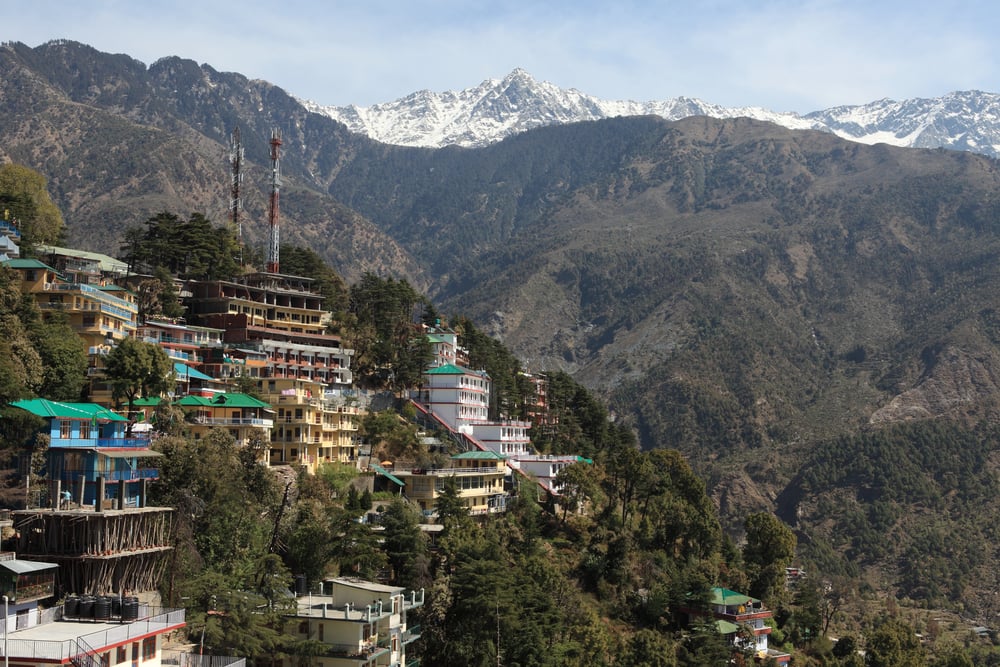
In this Himalayan city, home to the Tibetan government-in-exile, a unique barter system operates within the refugee community. Tibetans trade traditional medicines, butter tea, handicrafts, and religious items among themselves, preserving cultural practices while adapting to life in exile.
Many elderly refugees who aren’t comfortable with Indian currency rely primarily on these exchanges. The local monastery plays a central role in facilitating larger trades and ensuring fair exchanges, especially for newcomers who have recently fled Tibet.
Kokopo, Papua New Guinea
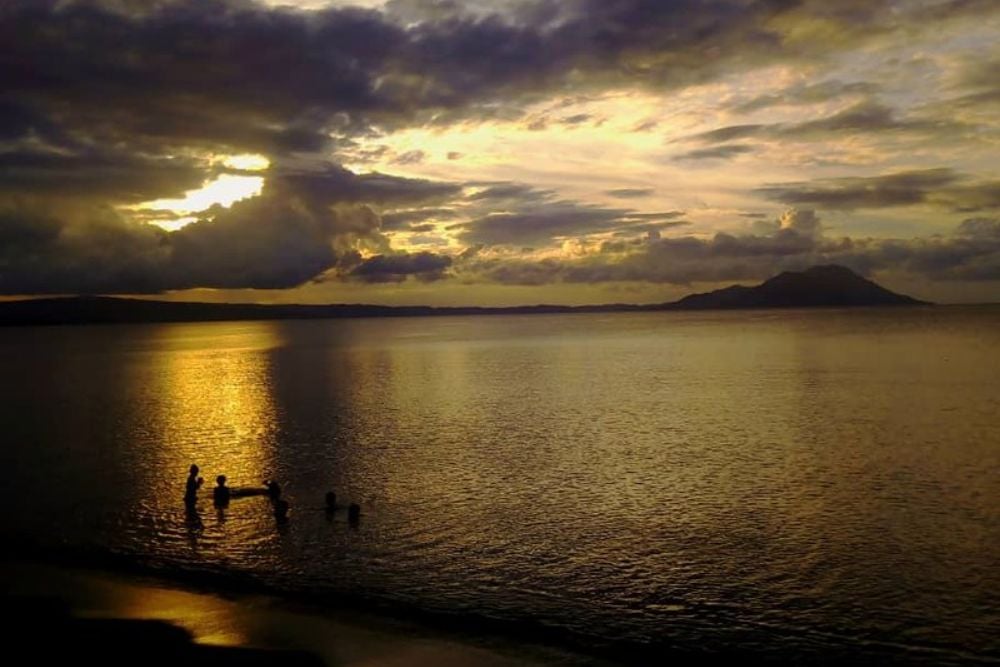
The shell money economy of the Tolai people continues to thrive in this coastal region. Called ‘tambu,’ strings of small shells are still used for important traditional payments like marriages, funeral ceremonies, and conflict resolution. Young people accumulate tambu alongside regular currency, seeing it as cultural wealth that brings status and security.
Local markets have special sections where goods can only be purchased with tambu, not cash. The provincial government even allows payment of some local taxes in shell money, recognizing its ongoing significance in Tolai society.
Paris, Texas
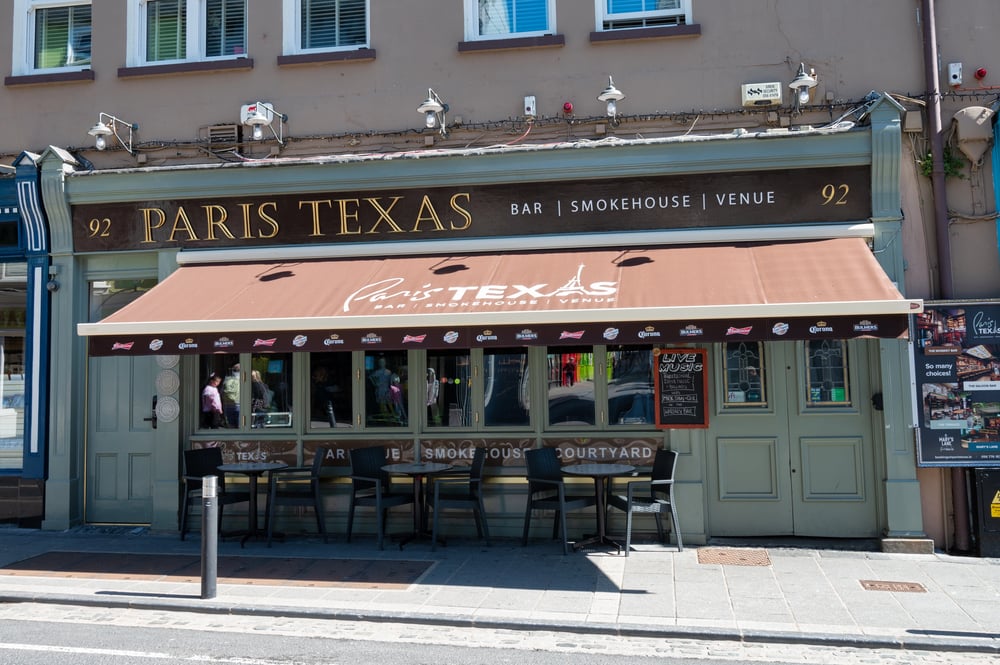
This small American town has developed a thriving barter network among its artists and craftspeople. The ‘Paris Exchange’ connects painters, woodworkers, musicians, and food producers who trade their creations among themselves.
The system started in 2012, when budget cuts eliminated funding for local arts programs. Artists began teaching classes in exchange for goods from students and their families. The network now has over 300 members who log their exchanges through a simple online platform, though most arrangements happen face-to-face at monthly meetups.
Like Go2Tutors’s content? Follow us on MSN.
Pendjari Region, Benin
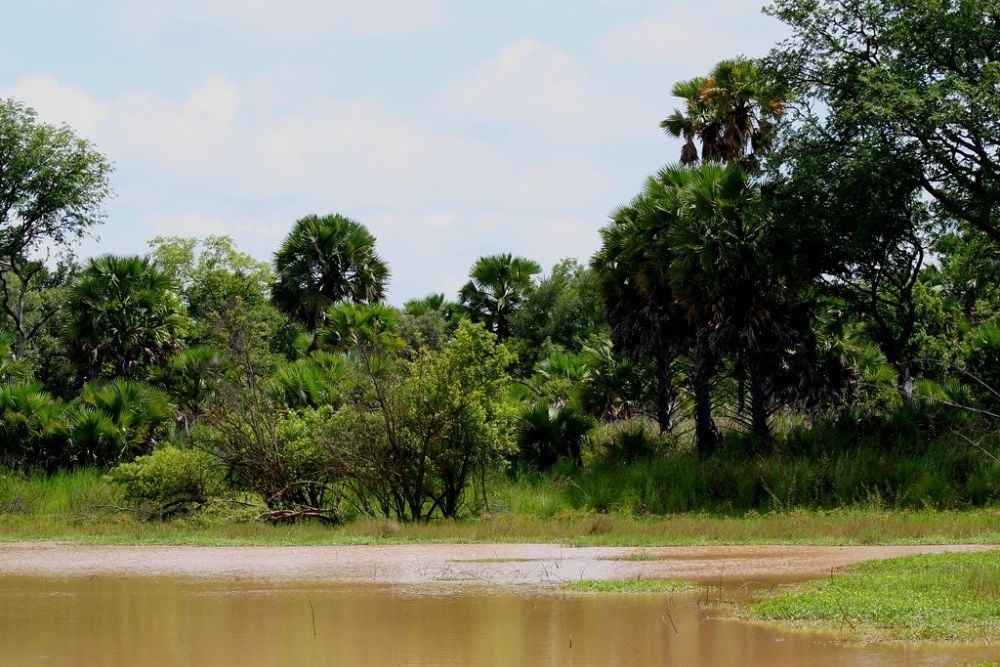
In this West African region bordering Pendjari National Park, weekly markets operate largely on barter principles, especially among women traders. Peanuts might be exchanged for millet, handwoven textiles for medicinal herbs, or pottery for dried fish.
The system helps participants overcome cash shortages while maintaining essential trade networks between different ethnic groups. Market days are important social occasions where news is exchanged alongside goods. Anthropologists studying the region have documented complex value systems that determine fair exchanges without using currency as a reference point.
Christiania, Denmark
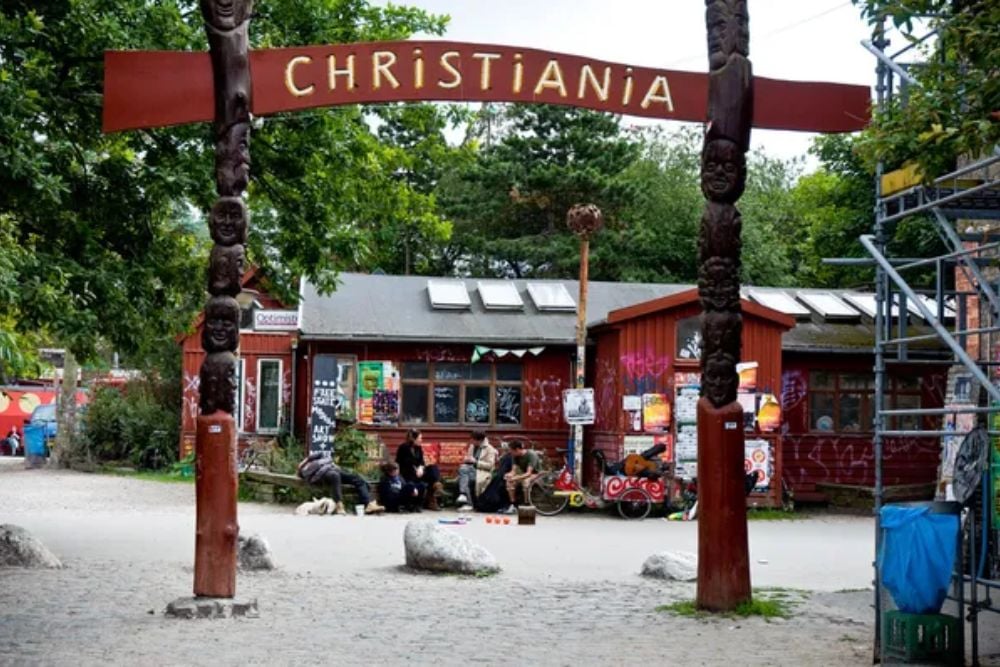
This autonomous neighborhood in Copenhagen operates with its own economic system, where barter plays a significant role. The self-proclaimed ‘freetown’ was established in 1971, when squatters took over an abandoned military base.
Residents trade services, handmade goods, and food within a community that partly rejects mainstream economic structures. Many artists and craftspeople exchange their creations directly for what they need.
The community restaurant even allows regular volunteers to eat for free in exchange for their labor, creating a modern version of ancient sharing economies.
Sado Island, Japan
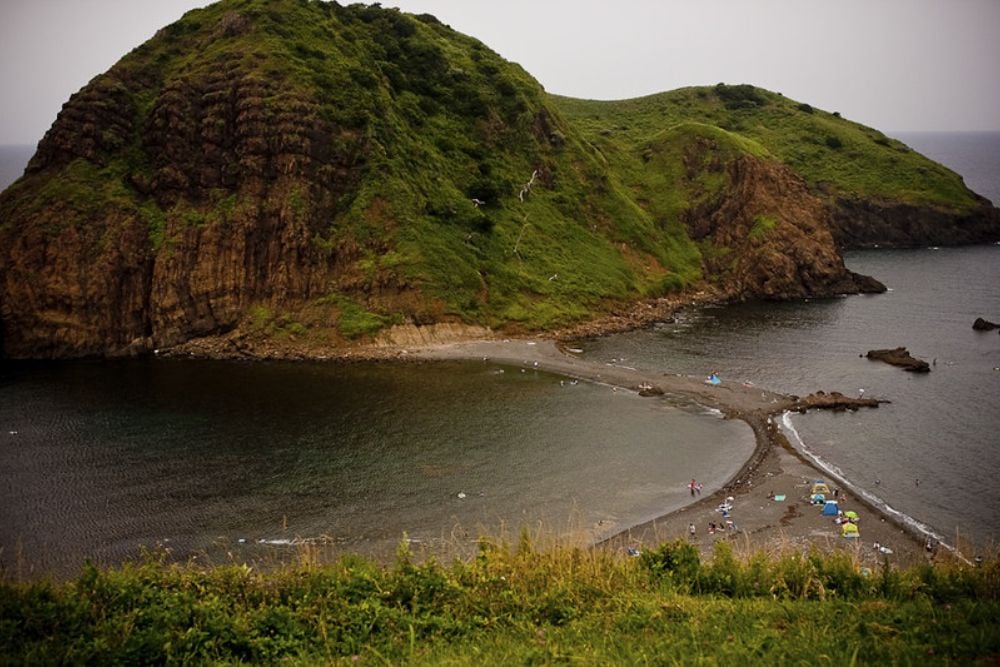
On this isolated island in the Sea of Japan, an ancient barter system called ‘yui’ continues among farming communities. Families exchange labor during intensive periods like rice planting and harvesting, keeping meticulous records of hours worked to ensure everyone contributes and benefits equally.
The system extends beyond labor to include homegrown vegetables, locally caught fish, and handicrafts. Island officials have actively worked to preserve these traditions as the population ages and younger residents leave for mainland opportunities.
School programs now teach students about yui as part of cultural heritage education.
Like Go2Tutors’s content? Follow us on MSN.
El Trueque, Argentina
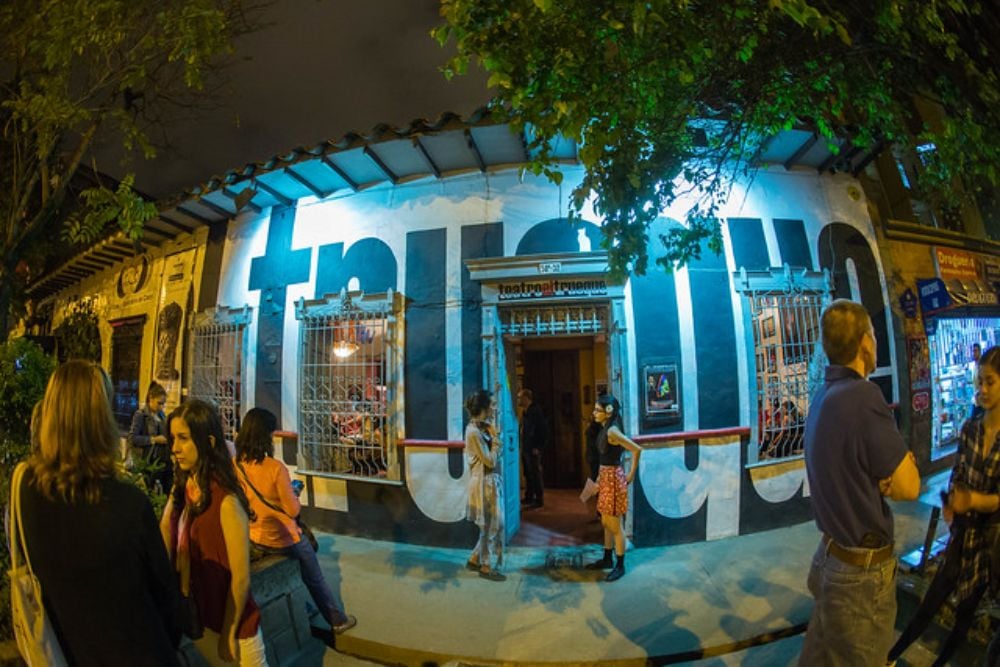
This network of barter clubs emerged during Argentina’s economic collapse in 2001-2002 and continues in many communities today. When the banking system failed and currency lost its value, neighborhoods organized markets where people could exchange goods and services without money.
Participants issue their own alternative currency called ‘créditos’ to facilitate trades when direct barter isn’t practical. At its peak, nearly two million Argentinians participated in these clubs.
Though smaller today, the system reactivates quickly during economic downturns, demonstrating how barter provides resilience during financial crises.
Orania, South Africa
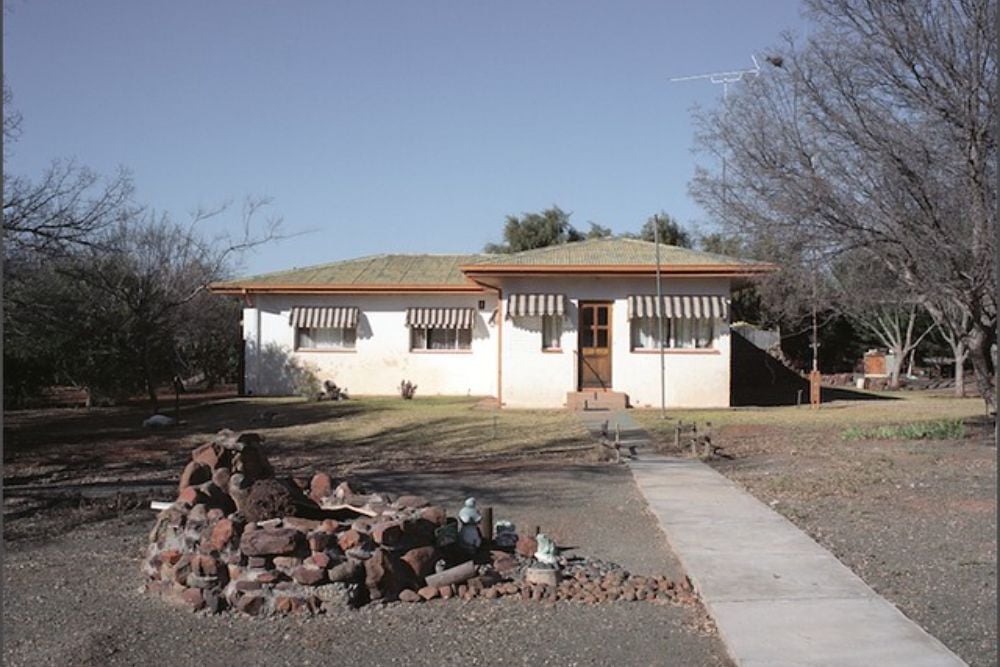
This controversial self-governed community operates its own local currency called the Ora, but direct barter remains common for many transactions. Residents frequently exchange farm produce, baked goods, and services without using national currency or the local Ora.
The isolated nature of the community and its emphasis on self-sufficiency have created conditions where direct trade flourishes. Weekly farmers’ markets serve as major barter hubs where everything from homemade soap to livestock might be traded directly for other goods or services.
Ancient Trade in Modern Times
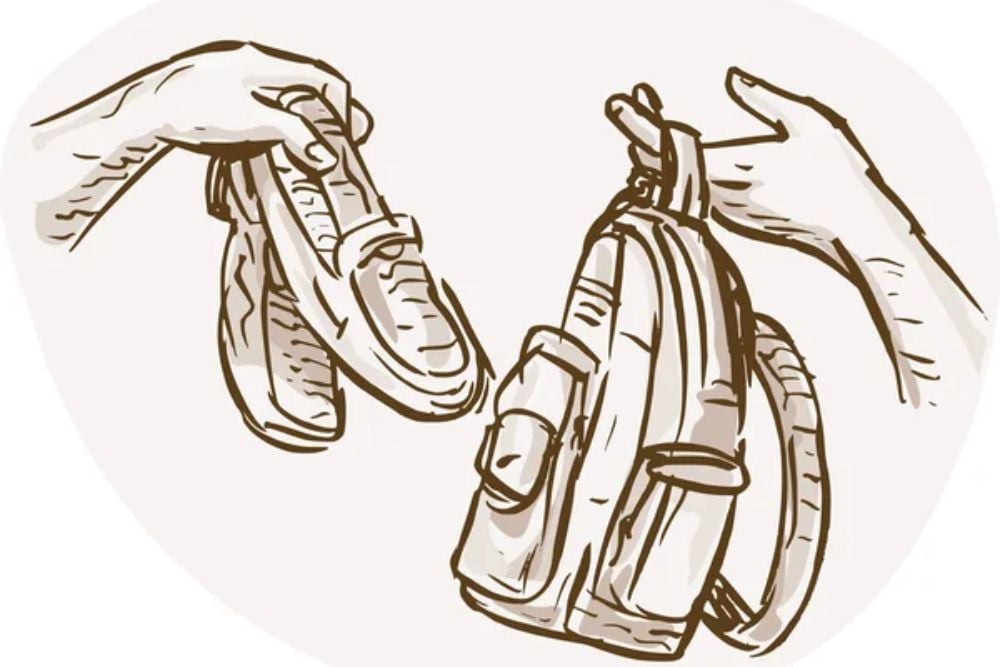
These diverse examples show that bartering isn’t just a historical curiosity but a living economic practice that continues to serve communities around the world. From Indigenous peoples preserving cultural traditions to modern communities seeking alternatives to mainstream economies, barter systems demonstrate remarkable resilience and adaptability.
In an increasingly cashless world, these direct exchanges remind us that, at its core, all commerce is simply people meeting each other’s needs through mutual exchange—something we’ve been doing since long before money existed.
Like Go2Tutors’s content? Follow us on MSN.
More from Go2Tutors!

- 18 Unexpectedly Valuable Collectibles You Might Have Lying Around
- 20 Little-Known Historical Battles That Had Huge Consequences
- 20 Historical Artifacts That Scientists Can’t Explain
- 15 Inventions That Were Immediately Banned After Being Created
- 20 Actors Who Were Almost Cast in Iconic Roles
Like Go2Tutors’s content? Follow us on MSN.