Classic Media Moments That Changed Entertainment
Entertainment history has plenty of moments that looked ordinary when they happened. A TV show aired, a video premiered, or a broadcast went live.
Nobody knew these events would reshape how millions of people watched, listened, and consumed media for decades to come. Some of these moments broke records.
Others broke rules. A few broke the internet before the internet even existed.
Looking back, you can trace clear lines from these events to the way you watch shows, discover music, and experience entertainment today.
The Night Four Musicians Changed Television Forever
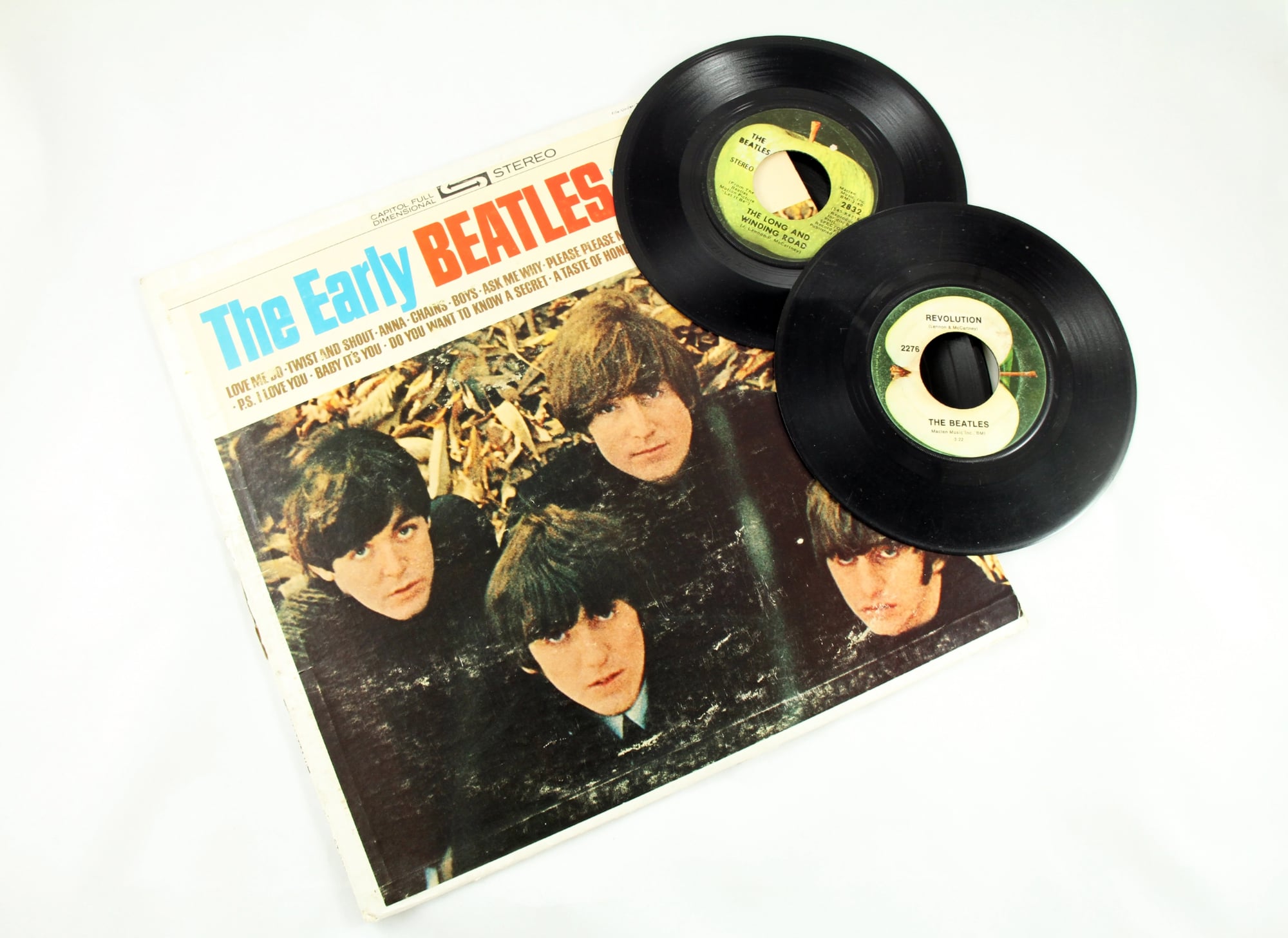
The Ed Sullivan Show brought The Beatles to American living rooms in February 1964. More than 73 million people tuned in—about 40% of the entire U.S. population at the time.
That single appearance didn’t just introduce a band. It proved television could create shared cultural experiences on a scale radio never managed.
Every major music act wanted their Sullivan moment after that night.
A Summer Cliffhanger That Stopped the Nation

Dallas ended its 1980 season with three words: “Who shot J.R.?” The “Who Shot J.R.?” episode turned a primetime soap into a global phenomenon.
Betting pools opened in Las Vegas. International newspapers ran speculation pieces.
When the answer finally aired that November, it became the second-most-watched episode in U.S. television history. Networks learned that leaving viewers hanging for months could build anticipation into something massive.
Season finales have never been the same.
When Music Got a Visual Language

MTV launched in 1981 with “Video Killed the Radio Star.” The channel gave musicians a new way to express their art.
Artists who understood visual storytelling suddenly had an advantage over those who just made good songs. Music videos became their own art form.
Directors experimented with narrative, animation, and special effects. Your favorite song now needed to look as good as it sounded.
Thirteen Minutes That Redefined Pop Culture
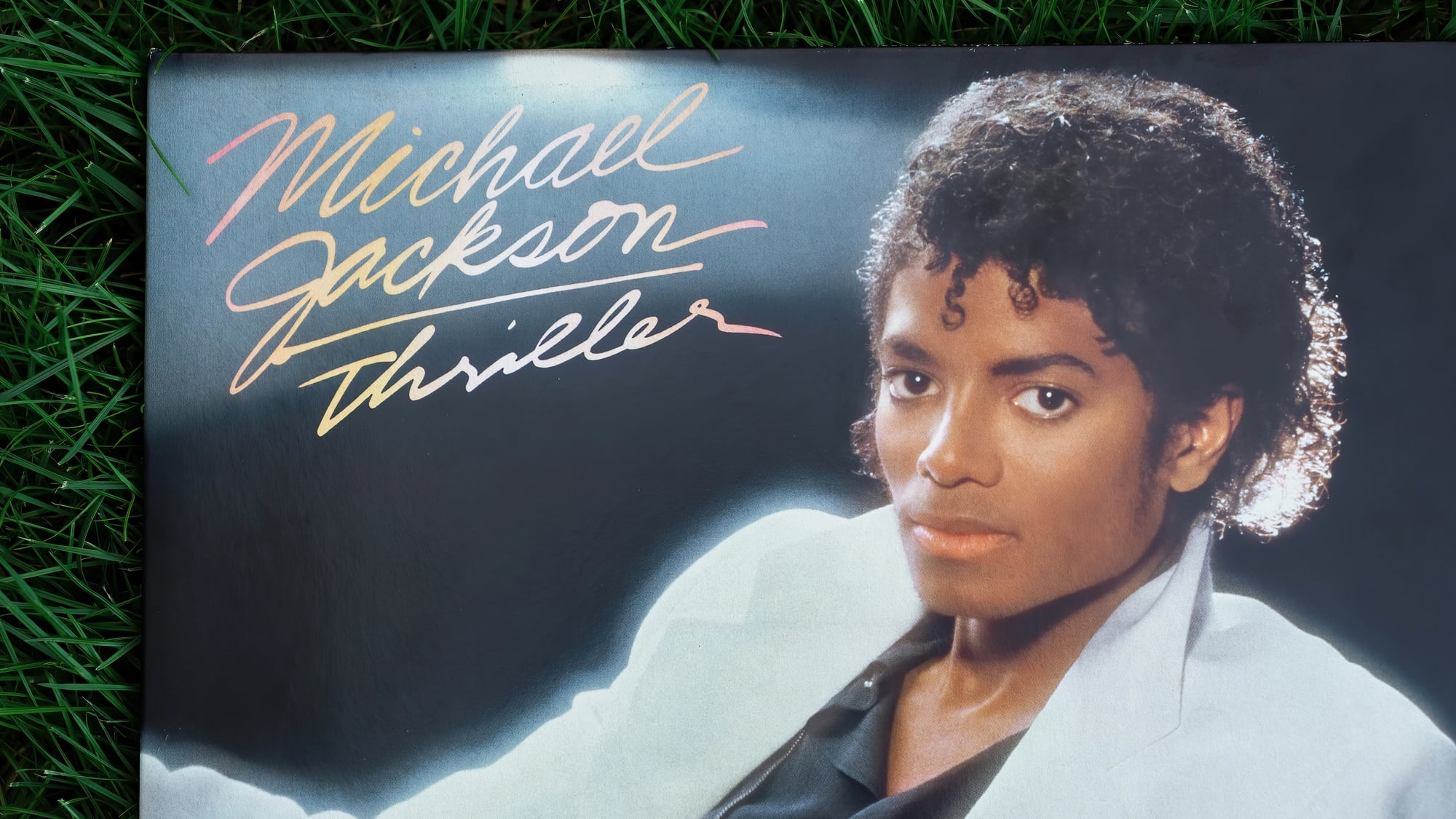
Michael Jackson’s “Thriller” video premiered in December 1983 as a 13-minute short film with a budget that rivaled actual movies. It featured choreographed zombies, horror movie effects, and a narrative structure that went beyond simple performance footage.
The video turned Jackson into something bigger than a musician. It made MTV essential viewing and proved that music videos could be cultural events worth scheduling your evening around.
A Broadcast That United the Planet

Princess Diana’s funeral in 1997 drew an estimated 2.5 billion viewers worldwide. The broadcast demonstrated how satellite technology and global networks could create truly worldwide moments.
Networks coordinated coverage across time zones and languages. The event showed that certain stories could transcend borders and unite viewers across cultures in ways that seemed impossible just decades earlier.
The Episode That Everyone Watched Together

The series finale of MAS*H in 1983 pulled in 105.9 million viewers. That record for a scripted television episode still stands today.
Water usage reportedly surged during commercial breaks as half the country used their bathrooms at the same time. This was appointment television at its peak.
Streaming didn’t exist. DVRs were science fiction.
If you wanted to know how Hawkeye’s story ended, you watched when CBS told you to watch.
Two Seconds That Changed Live Television

Janet Jackson’s Super Bowl performance in 2004 lasted half a second, but it reshaped broadcast television. Networks implemented longer delays for live events.
The FCC increased fines. YouTube, which launched a year later, partly emerged from the frustration of not being able to replay the moment.
That incident accelerated the shift toward on-demand viewing. People wanted control over what they watched and when they watched it.
Television executives couldn’t put that genie back in the bottle.
Strangers on an Island Started Everything

“Survivor” premiered in summer 2000 and averaged 28 million viewers. The show proved that regular people could be more compelling than actors reading scripts.
Production costs were lower. Drama was unpredictable.
Audiences were hooked. Reality television exploded after that.
Networks filled schedules with competition shows, dating shows, and lifestyle programs. Scripted television had to compete with real people doing real things—or at least what passed for real on camera.
The Ending That Everyone Talked About

The Sopranos finale in 2007 cut to black in the middle of a scene. Viewers thought their cable went out.
Message boards exploded. People debated the meaning for years.
That abrupt ending showed that prestige television could take risks. Shows didn’t need to wrap everything in a bow.
Audiences would stick around even when writers challenged their expectations.
A Teenager Dancing Started a Revolution
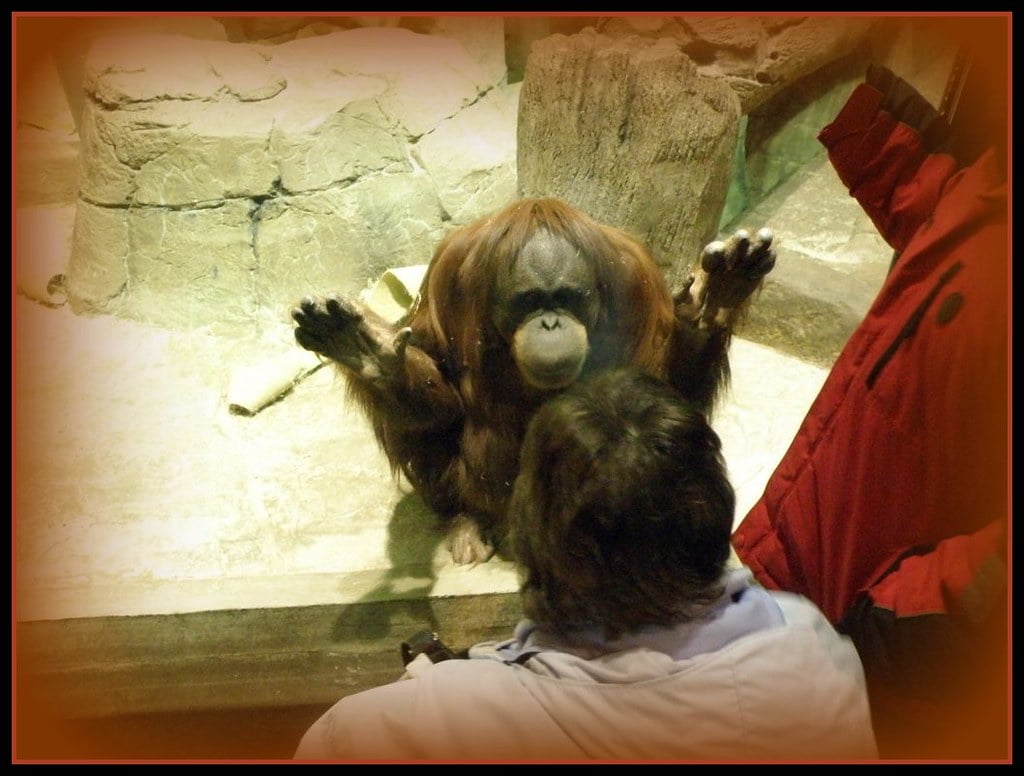
“Me at the zoo” became YouTube’s first video in April 2005. The platform turned everyone into potential broadcasters.
You didn’t need a network deal or a production company. Within years, YouTube stars built audiences that rivaled traditional celebrities.
The entertainment industry had to acknowledge that gatekeepers were losing power. Anyone with a camera and an idea could find an audience.
The Day Streaming Changed Everything

Netflix released all episodes of “House of Cards” at once in February 2013. Binge-watching went from guilty pleasure to normal behavior.
Networks that released one episode weekly suddenly looked outdated. The streaming model changed how writers structured shows.
They could build slower burns because viewers would keep watching. Cliffhangers happened within seasons, not just at the end of them.
A Low-Speed Chase Watched by Millions
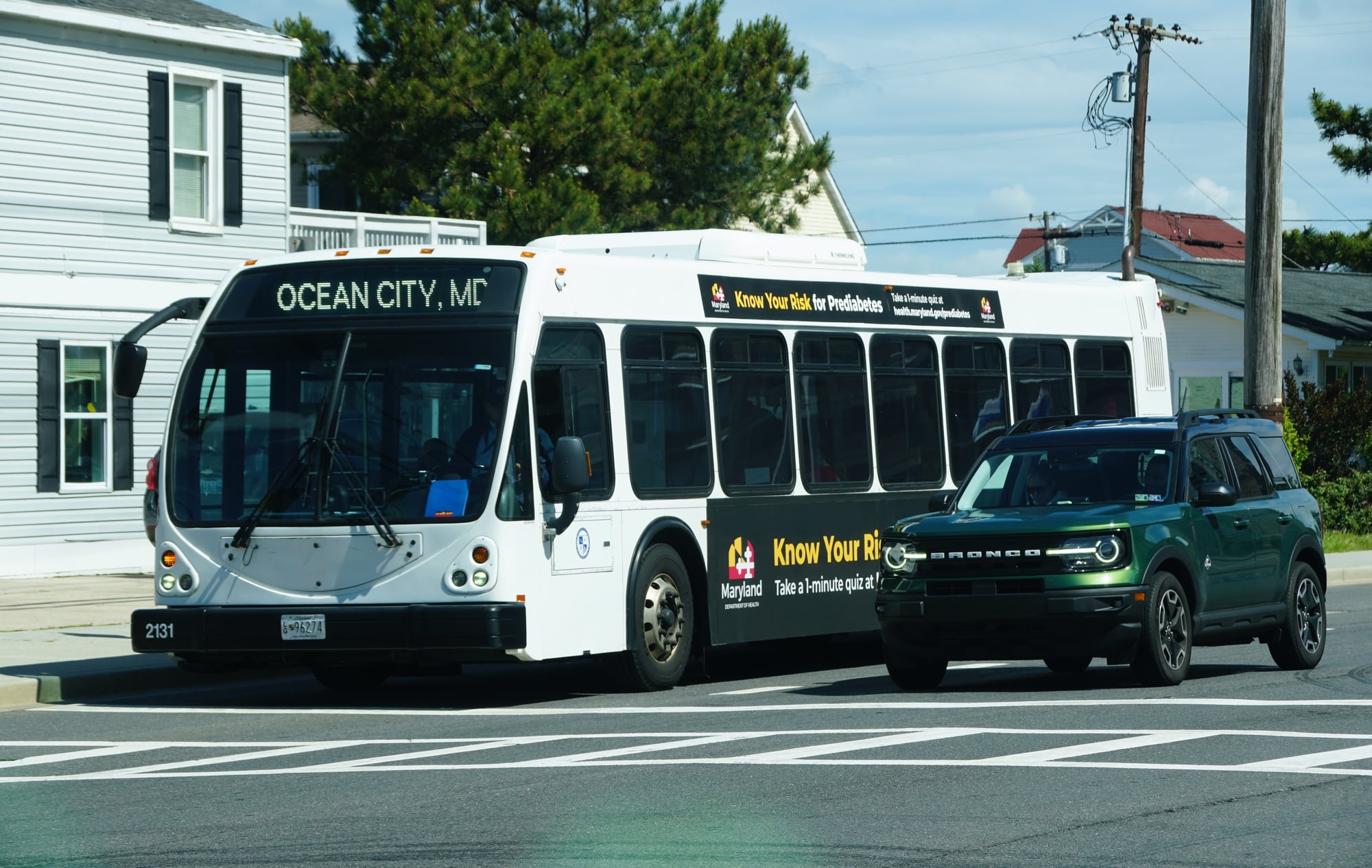
O.J. Simpson’s Bronco chase in June 1994 interrupted the NBA Finals. Ninety-five million people watched a white Ford Bronco drive slowly down a California freeway.
Networks stayed with it for hours. The coverage proved that live, unpredictable events could command attention in ways that planned programming couldn’t.
Reality was more gripping than fiction. News channels learned this lesson and never forgot it.
Ninety Minutes That Changed Comedy

Saturday Night Live kicked off in October ’75 – George Carlin was the host. It ran super late, used fresh faces instead of stars, while pushing edgy ideas networks usually avoided.
Experts figured it’d flop fast. That debut season set up a setup still used now – sharp jokes, famous guest hosts, music acts, while airing live with everything on the line every week.
Humor turned fast-paced rather than lasting.
Moments That Echo Forward
Back then wasn’t just entertaining. In fact, it turned the TV upside down.
A few brought bold new looks. At the same time, some proved gadgets could deliver.
Others arrived exactly when culture started moving a different way. You can find tons of these videos online now – shows precisely what they were talking about.
TV became something you control, not something that controls you. These changes? That’s what made the difference.
More from Go2Tutors!

- The Romanov Crown Jewels and Their Tragic Fate
- 13 Historical Mysteries That Science Still Can’t Solve
- Famous Hoaxes That Fooled the World for Years
- 15 Child Stars with Tragic Adult Lives
- 16 Famous Jewelry Pieces in History
Like Go2Tutors’s content? Follow us on MSN.



