15 Countries That Have Official Languages That Almost No One Speaks
Languages serve as more than just communication tools—they embody cultural heritage, national identity, and historical legacy. While many nations maintain official status for languages spoken by only a small percentage of their people, others do so based on broad usage.
Rather than being a result of pragmatic communication requirements, these linguistic irregularities frequently represent intricate histories of colonization, migration, and political symbolism. Here is a list of countries where certain official languages have surprisingly few speakers despite their protected status.
Ireland

Although just over 2% of Irish people speak Irish Gaelic on a daily basis, it is officially recognized as the country’s first national language. English is still the most common language in almost every situation, even after years of being taught in Irish schools and government initiatives to revive it.
Even while fluent speakers are still very few outside of particular Gaeltacht regions in the western sections of the country, road signs, official communications, and government documents all use both languages, preserving a symbolic link to Irish heritage.
Paraguay
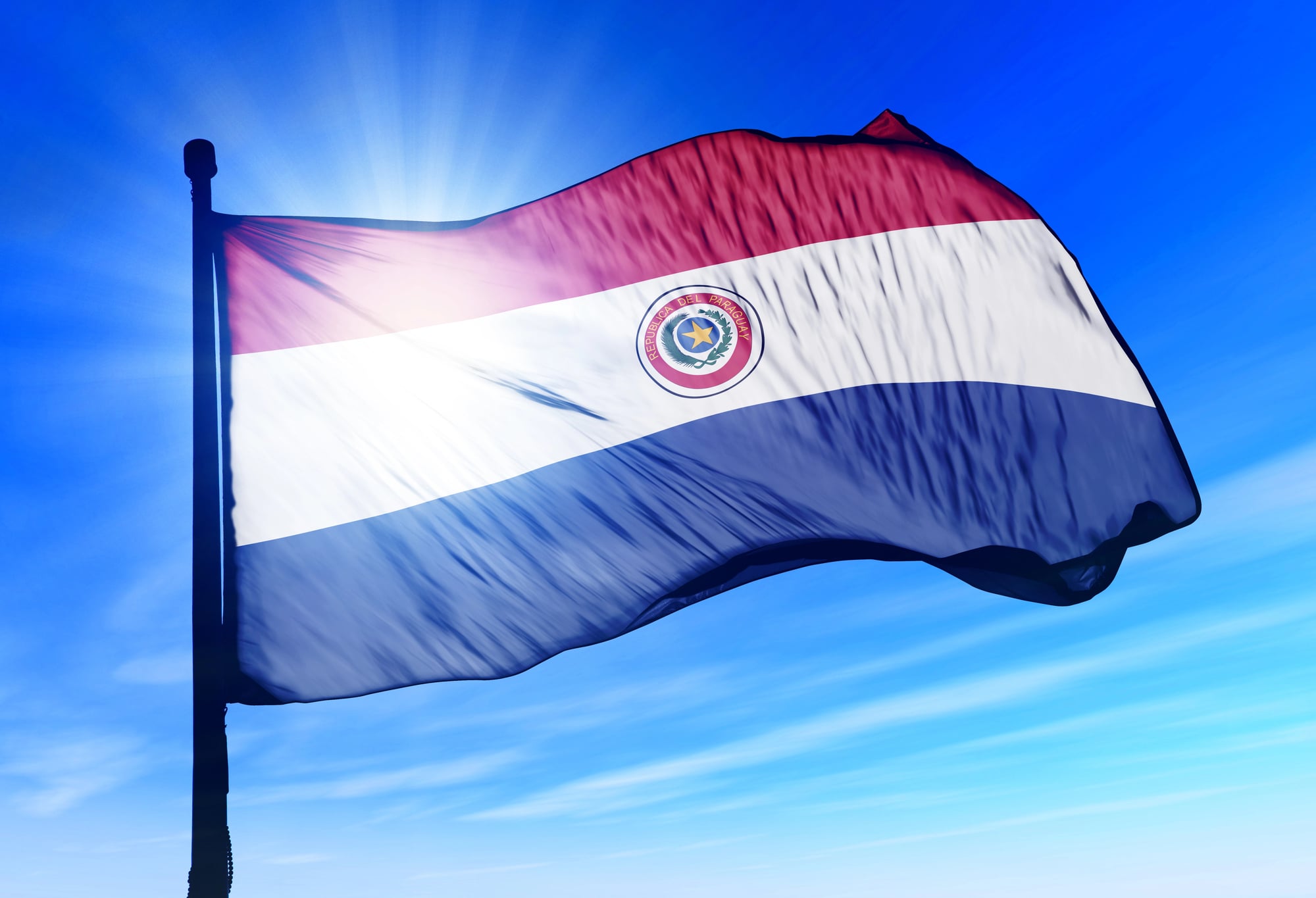
Guaraní enjoys equal official status with Spanish in Paraguay, representing a rare example of an indigenous language receiving full constitutional recognition. While most Paraguayans understand at least some Guaraní, only about 20% speak it as a primary language, mainly in rural areas.
The situation inverts the typical pattern of indigenous language decline, as many urban Spanish speakers actively study Guaraní as a symbol of national identity, creating a unique linguistic balancing act between colonial and native heritage.
Malta
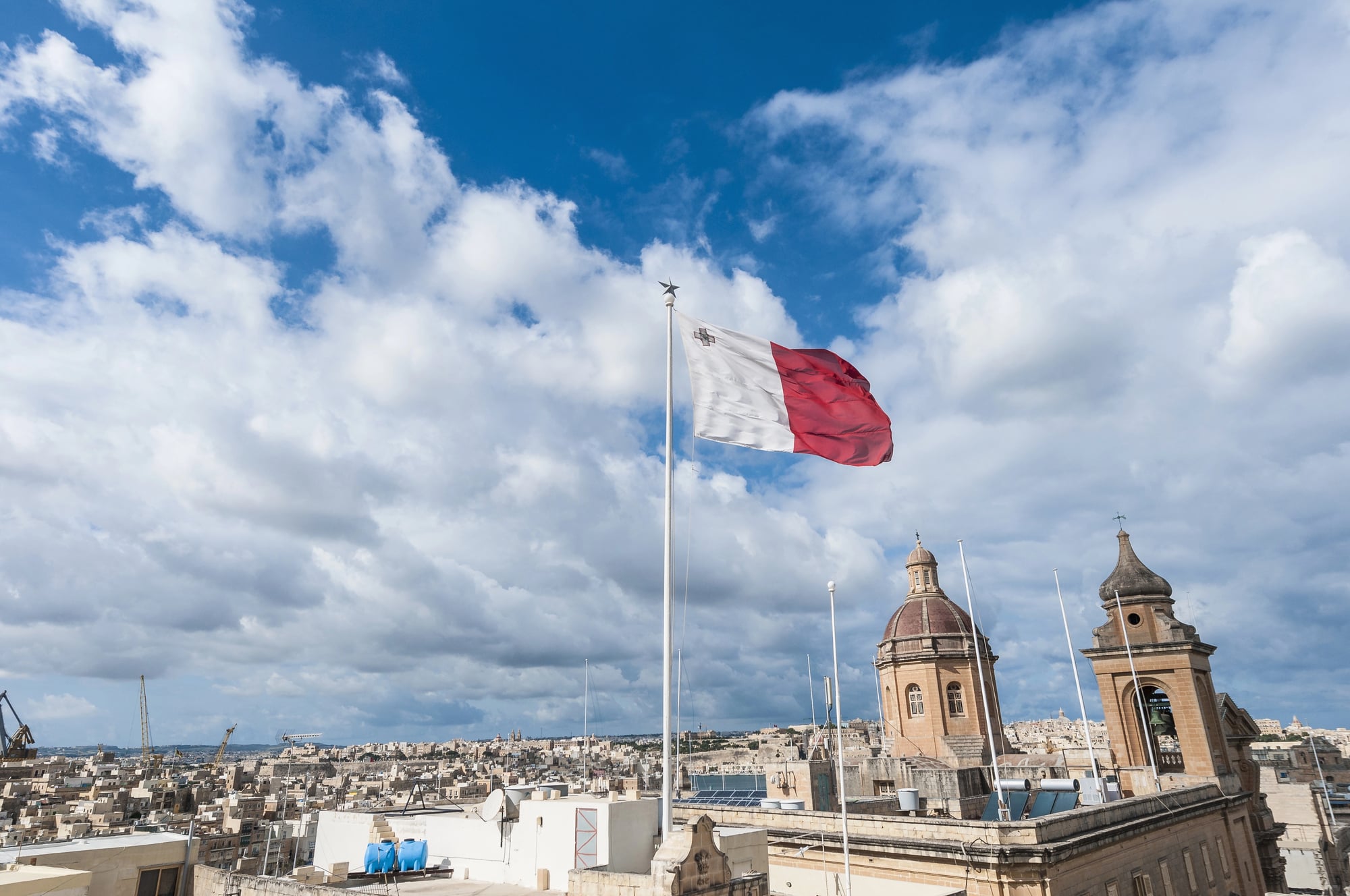
Maltese and English share official status in this Mediterranean island nation, but a third official language—Italian—has virtually disappeared from everyday use. Political unrest during World War II significantly decreased the use of Italian, which had been an official language for centuries throughout times of strong cultural ties to Sicily and Italy.
Though many Maltese can grasp basic sentences due to their closeness to Maltese, which itself developed from a Sicilian Arabic dialect mixed with Italian terminology, less than 1% of Maltese inhabitants speak Italian fluently today.
New Zealand
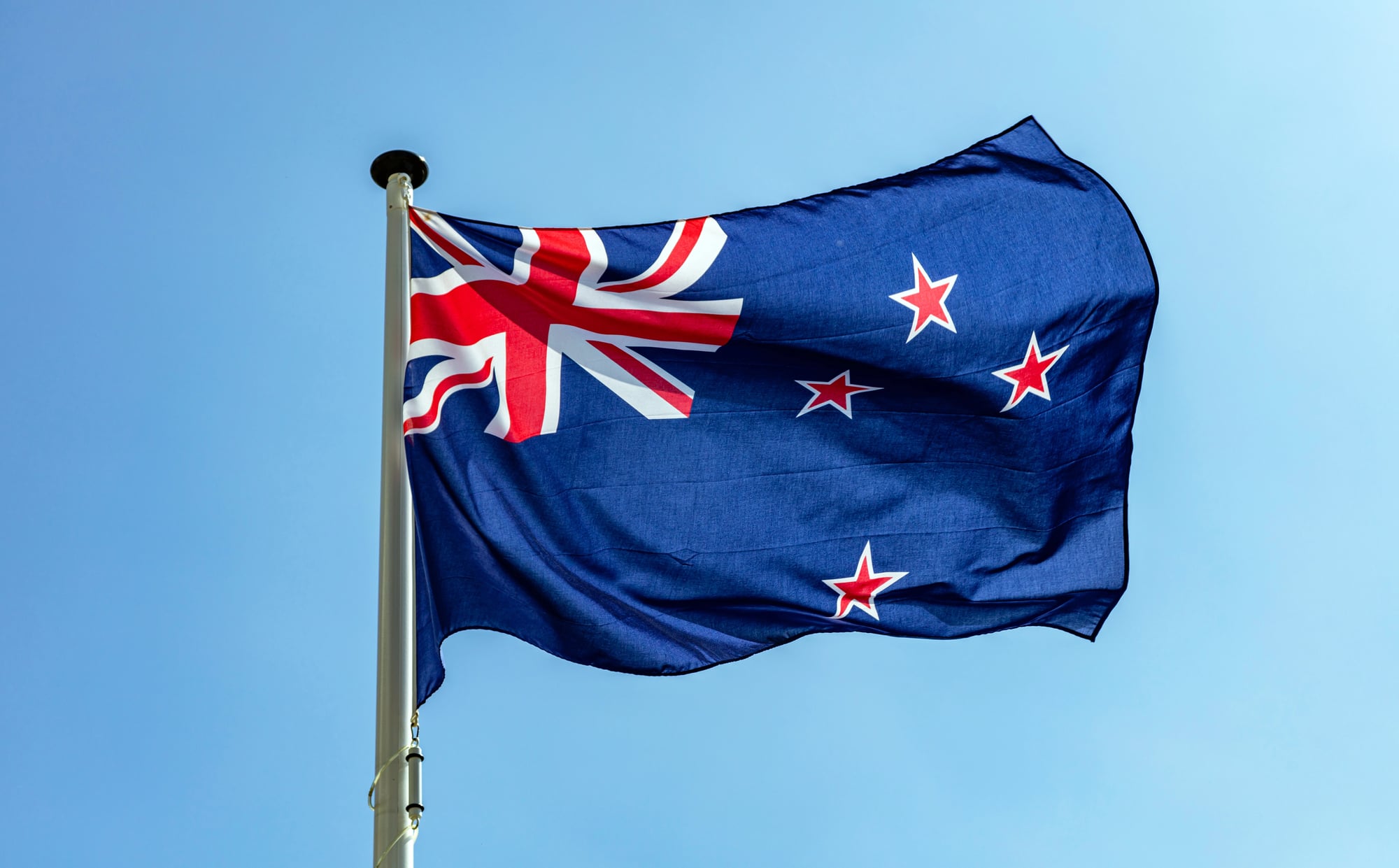
Although only over 3% of New Zealanders are fluent in Māori, the language was made an official one in 1987. Despite the establishment of Māori language schools and growing awareness of the language in public life due to government-backed revitalization efforts, English still dominates everyday speech.
Although interest in studying Māori has increased dramatically among both indigenous and non-indigenous New Zealanders in recent years, the language’s official status is a significant acknowledgment of indigenous rights rather than a reflection of its widespread usage.
Finland

Finland has two official languages—Finnish and Swedish—though Swedish speakers make up only about 5% of the population. Prior to Russian governance and eventual independence, Sweden ruled for centuries, which is where this multilingual status originated.
Despite their tiny numbers, Swedish-speaking Finns continue to have a proportionately large cultural effect and are given language rights in government services, educational institutions, and schools. There is a distinct linguistic topography where entire towns operate primarily in the minority language due to the concentration of Swedish speakers along the coast.
South Africa

With eleven official languages, South Africa holds the record for the most official languages in a single country. Several of these languages, including Ndebele, Swati, and Venda, are spoken by less than 3% of the population as first languages.
The inclusive language policy emerged during the post-apartheid era as a deliberate move toward recognizing cultural diversity after decades of enforced Afrikaans and English dominance. While practical implementation varies widely, the constitutional protection of these languages serves important symbolic purposes in national reconciliation.
Eritrea
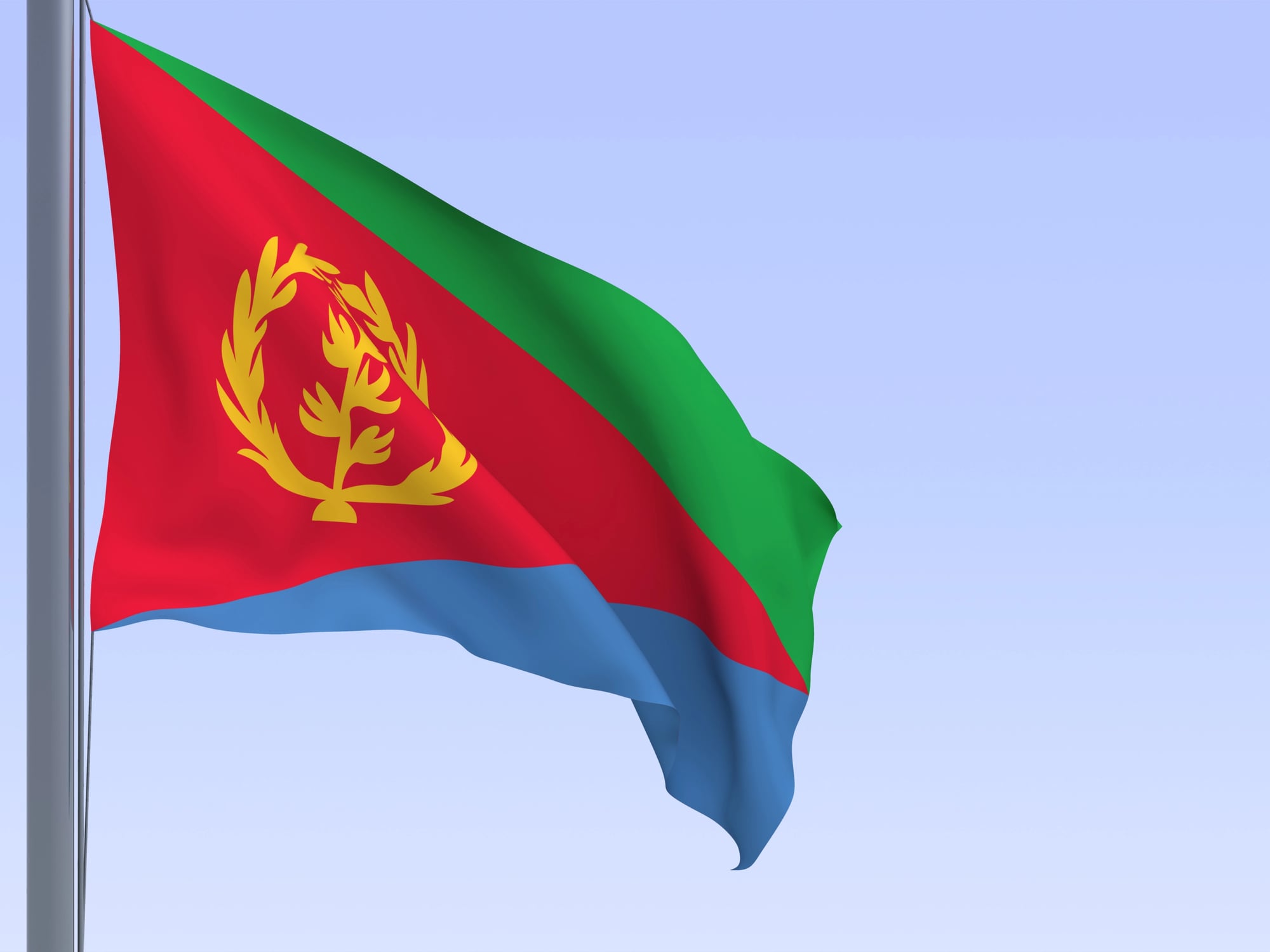
This East African nation recognizes no official language at the national level but grants equal status to nine working languages—including Kunama, Nara, and Afar, which collectively account for less than 4% of native speakers. Eritrea’s remarkable language diversity and complex colonial past—it was ruled by Ethiopia, Britain, and Italy before gaining its independence—are reflected in the peculiar policies.
The government recognizes the cultural importance of even the tiniest language communities within national identity by publishing resources in these minority languages, even though their speaker population is small.
Singapore
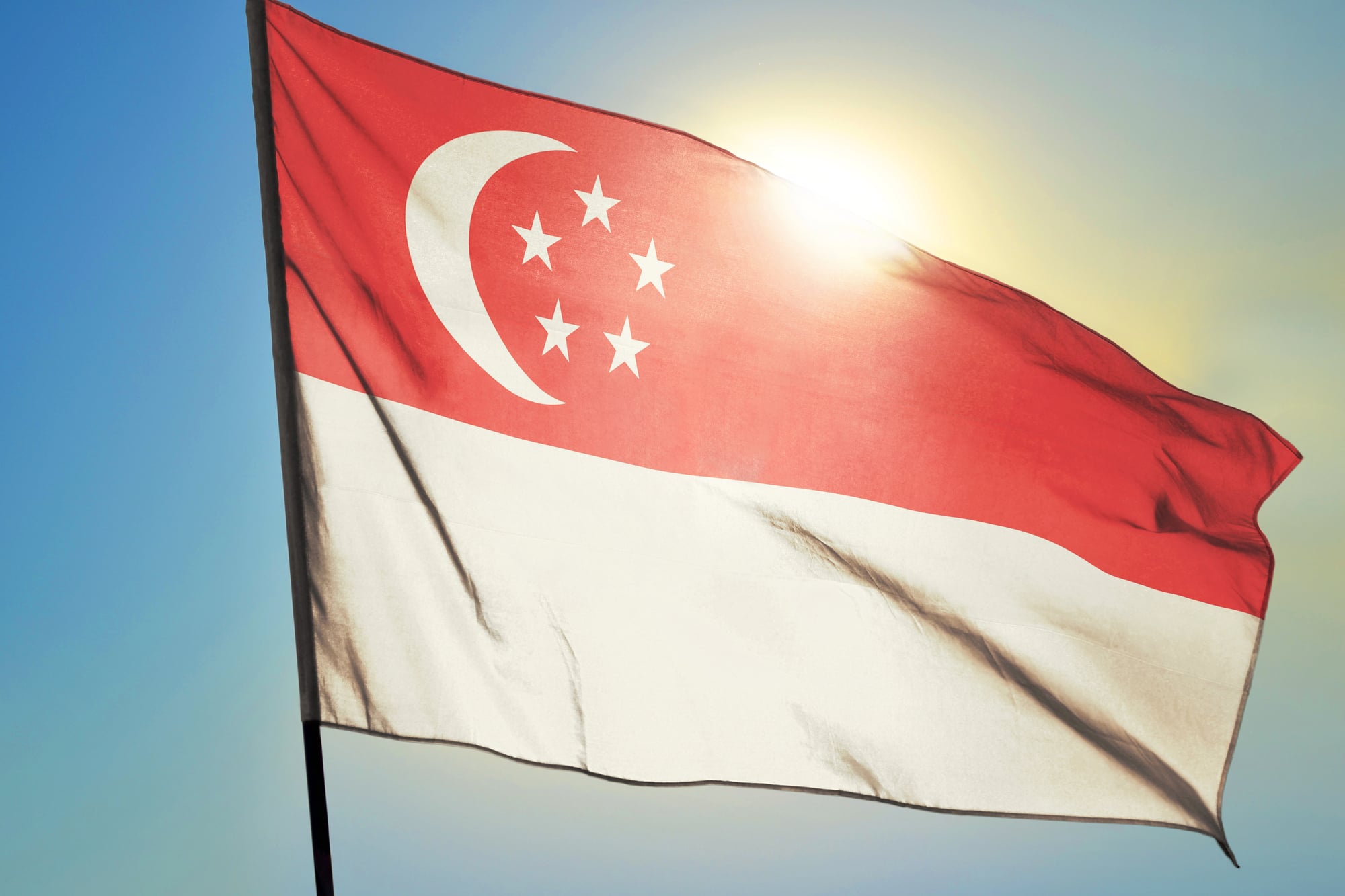
Although less than 4% of Singaporeans speak Tamil, the languages of English, Malay, Mandarin Chinese, and Tamil are all recognized as official languages. Singapore’s dedication to multiculturalism and the historical significance of Tamil-speaking immigrants in the country’s growth are reflected in the language’s official status.
Regardless of the proportion of the speaker population, all four languages are equally represented on government documents, public signage, and currency. The majority of Singaporeans speak English as their first language, whereas the Indian community is the main user of Tamil.
Switzerland
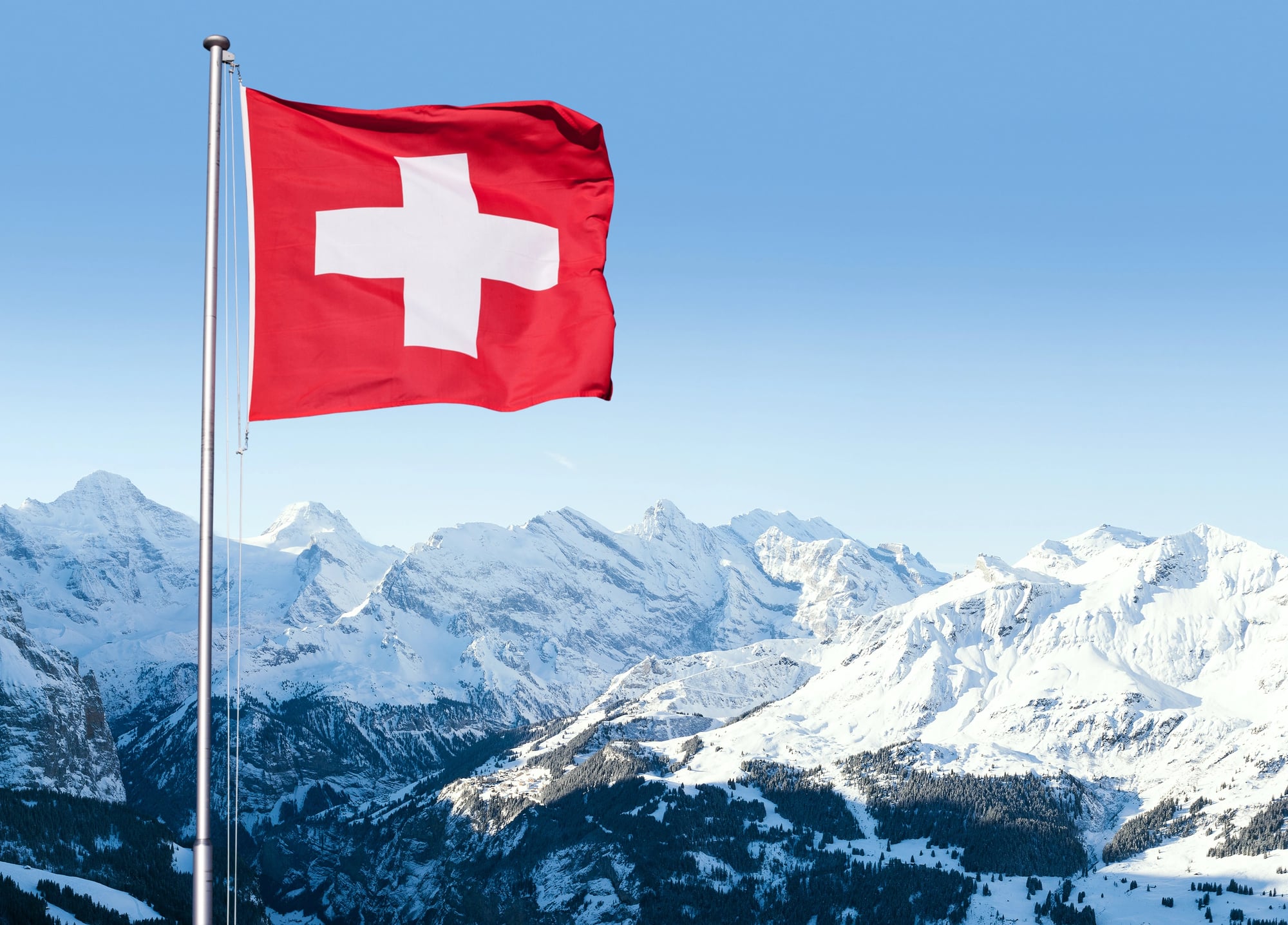
Switzerland recognizes four national languages—German, French, Italian, and Romansh—but the latter claims only about 0.5% of the population as native speakers. Concentrated in the mountainous eastern canton of Grisons, Romansh survives as five distinct dialects descended from Latin with significant German influence.
The Swiss government provides substantial support for Romansh media and education despite its tiny speaker base, seeing the language as an integral part of Switzerland’s cultural heritage and identity as a multilingual federation.
Kiribati
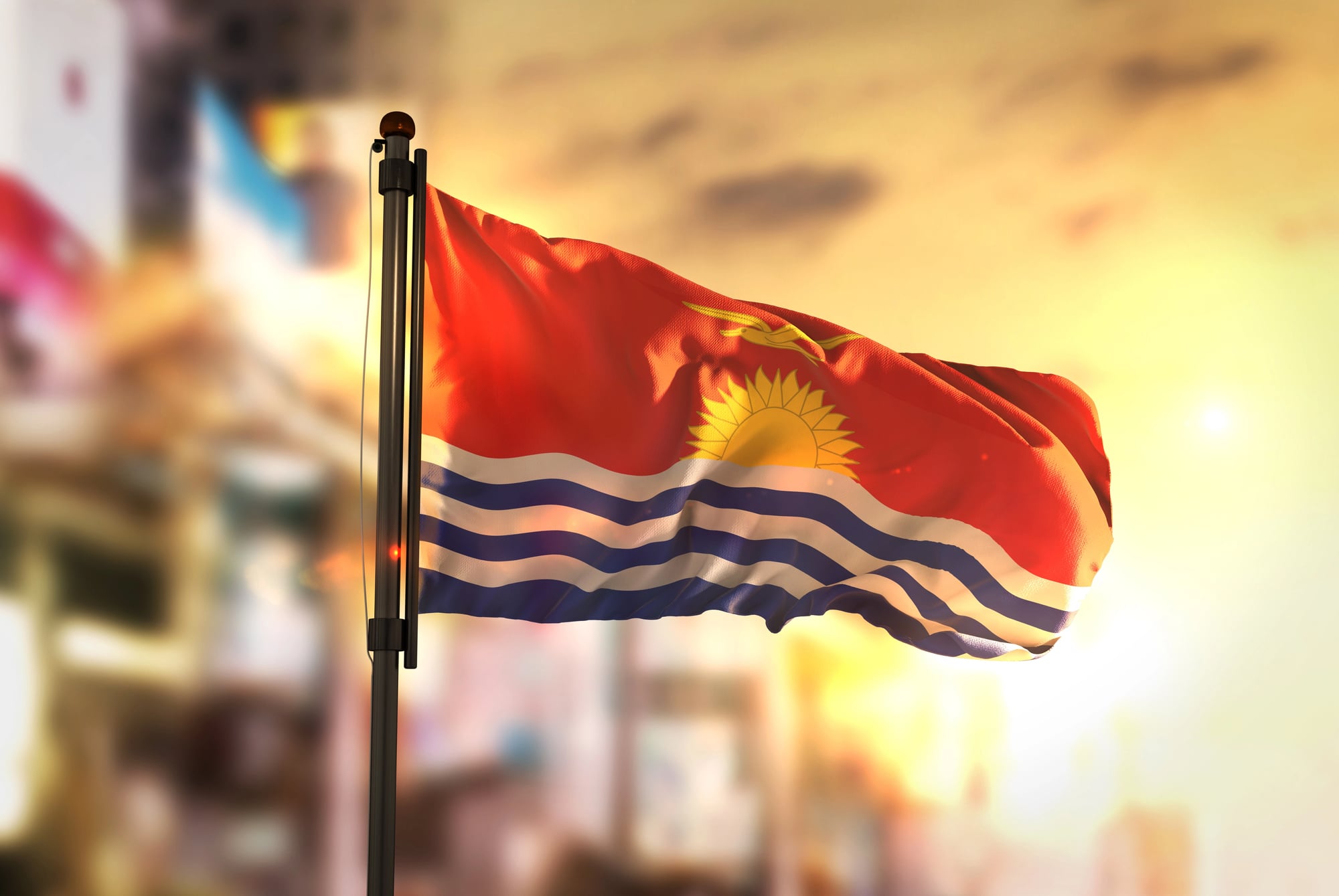
This Pacific island nation counts English among its official languages despite only about 10% of its 120,000 citizens speaking it fluently. The Micronesian language Gilbertese (or Kiribati) serves as the primary communication method for most residents, with English usage largely confined to government, international relations, and tourism.
The language’s official status represents a colonial legacy from British rule rather than widespread usage, though English education continues in schools as a practical link to international opportunities.
Luxembourg
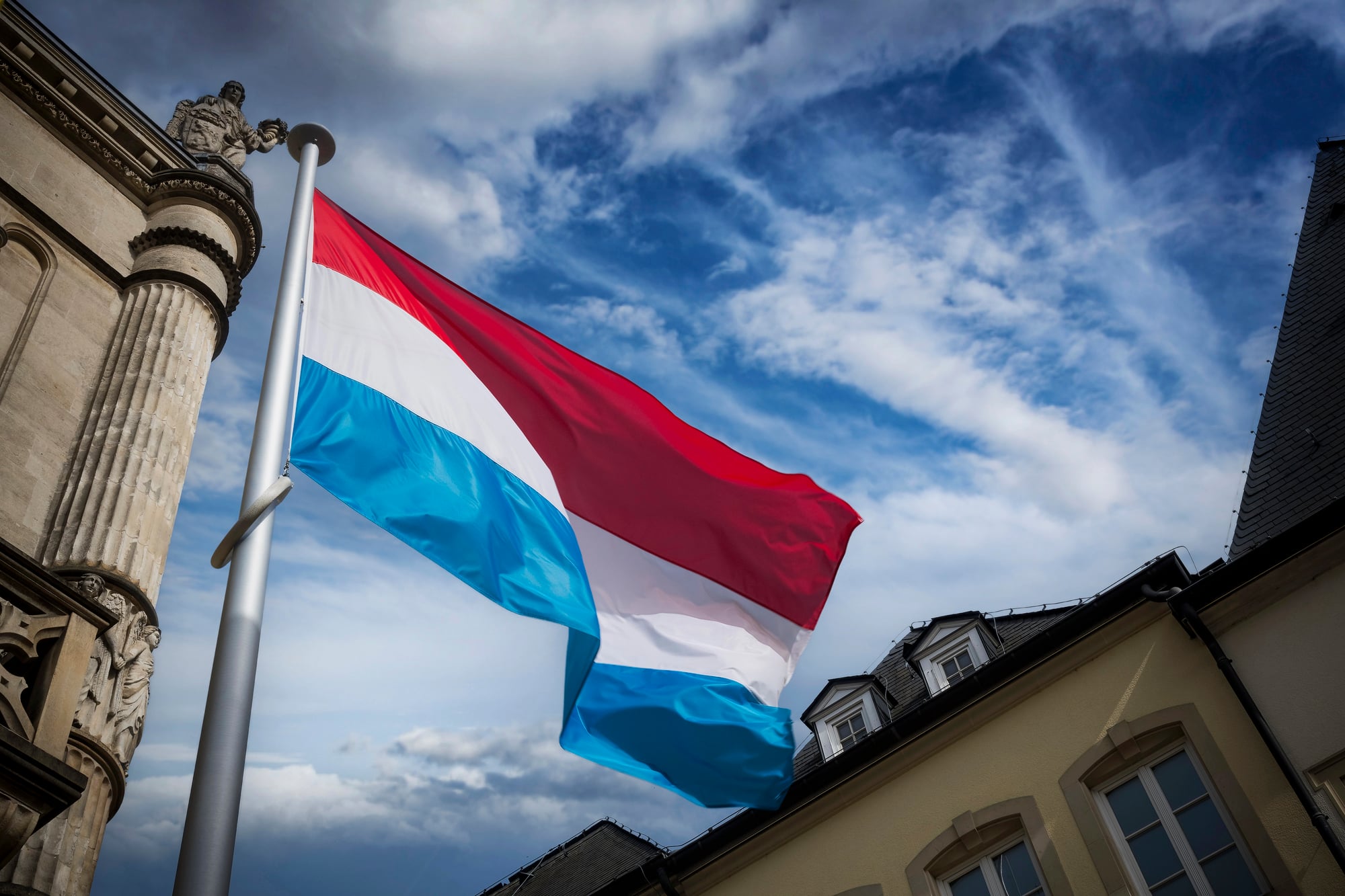
Luxembourg recognizes three official languages—Luxembourgish, French, and German—in a remarkable linguistic arrangement for a country of just 600,000 people. While most citizens speak Luxembourgish in daily life, it wasn’t granted official status until 1984, long after French and German.
French dominates the legal and political spheres, German appears in media and early education, while Luxembourgish serves as the national language. This intricate system reflects Luxembourg’s position between Germanic and Romance language regions and its history of foreign governance.
Vanuatu
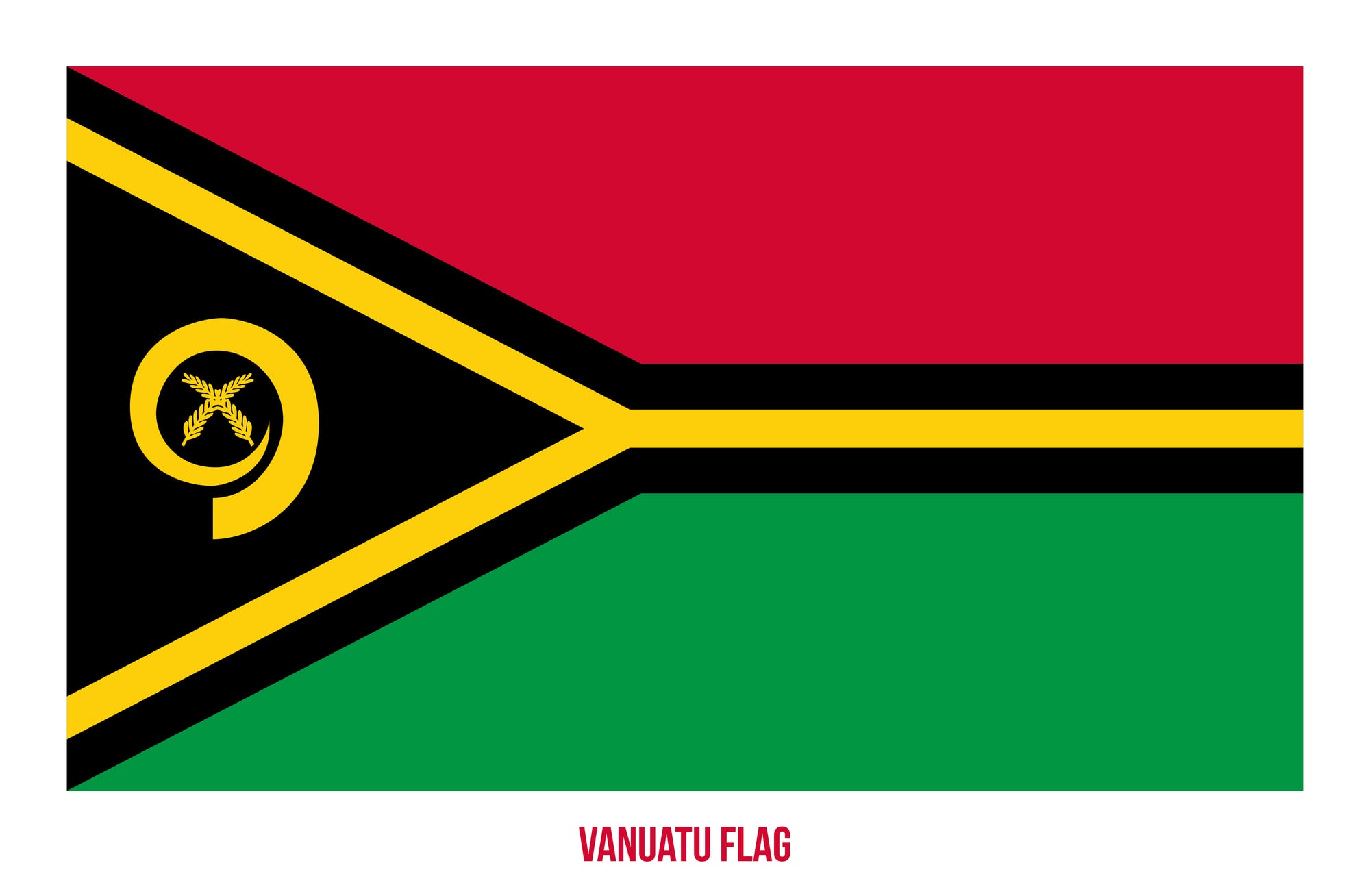
This South Pacific nation holds the Guinness World Record for most languages per capita, with over 100 indigenous languages spoken by a population of just 300,000. Bislama (an English-based creole), English, and French share official status, though the latter two are spoken fluently by less than 20% of the population combined.
The trilingual policy emerged from the unusual colonial arrangement where Britain and France jointly administered the islands as the New Hebrides. Today, most Vanuatuans speak their local indigenous language at home, Bislama for wider communication, and have limited proficiency in the European official languages.
Belarus
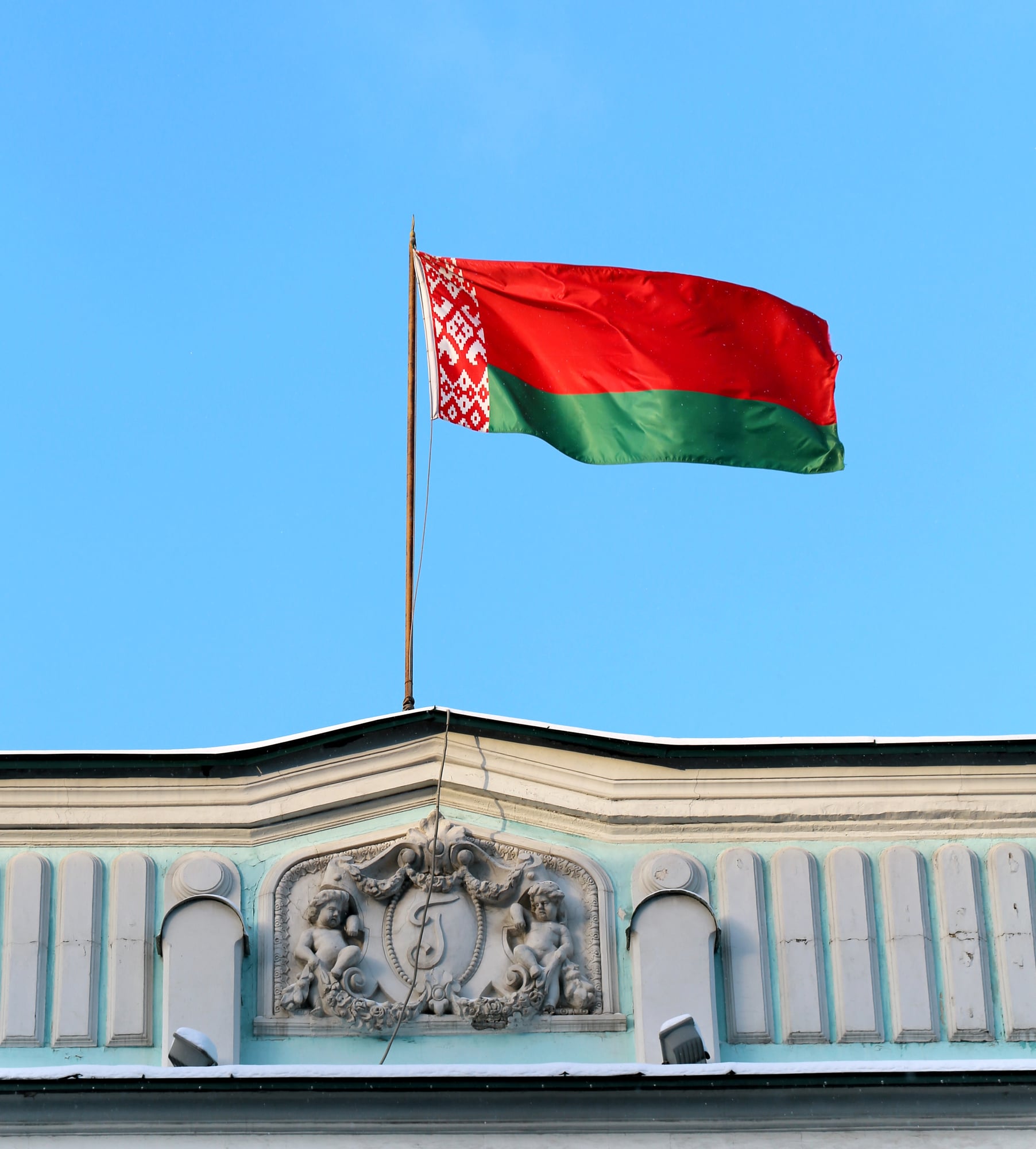
Belarusians share official language status with Russian, yet fewer than 10% of Belarusians use it as their primary language despite government efforts to promote its usage. Historical Russian cultural influence, Soviet linguistic policies, and the languages’ similarity contributed to Belarusian’s decline in everyday use, especially in urban areas.
The language retains powerful symbolic value as a marker of national identity distinct from Russia, appearing on currency, official documents, and public signage alongside the much more widely spoken Russian.
Palau
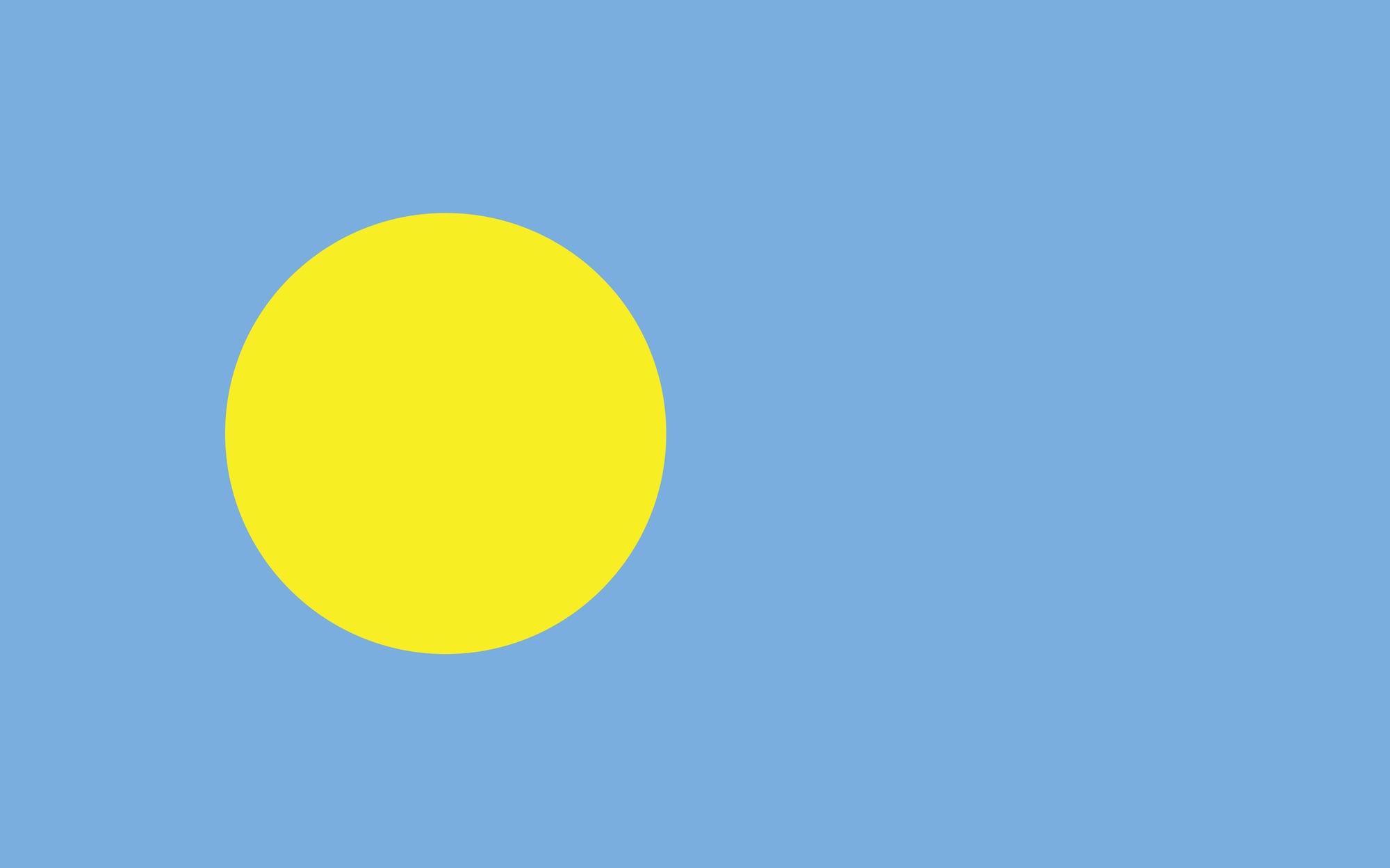
English holds official status in this Pacific island nation alongside Palauan, but only around 20% of the 18,000 citizens speak it fluently. The language’s official recognition stems from American administration of the islands after World War II until independence in 1994.
Japanese was once widely spoken due to Japanese colonial rule but has declined significantly. Most Palauans speak the indigenous Palauan language in everyday life, with English primarily used in government, education, and tourism contexts as a practical bridge to international affairs.
Namibia
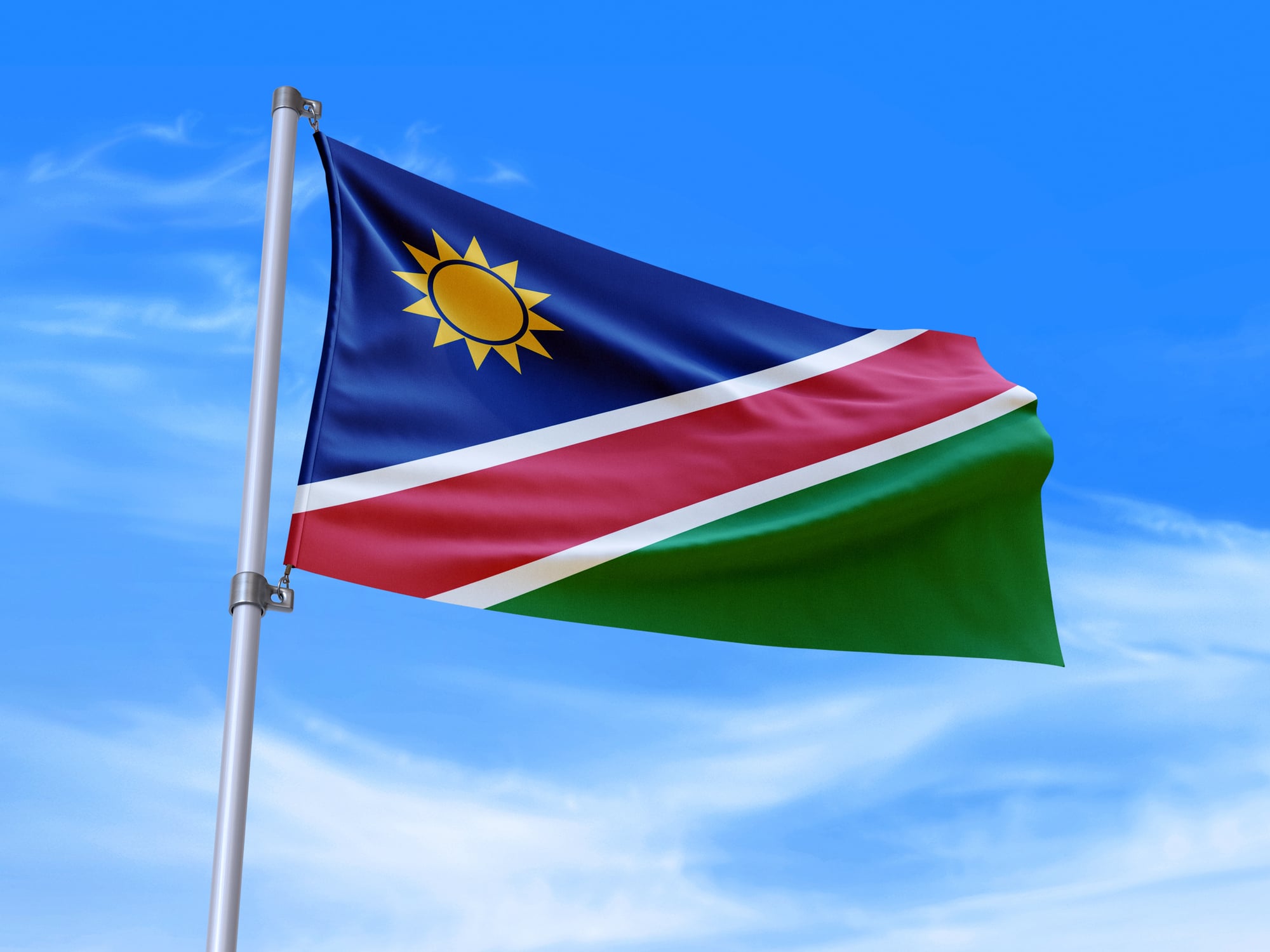
English serves as Namibia’s sole official language despite being the native language of less than 2% of the population. This unusual choice followed independence from South Africa in 1990, with English selected as a neutral option among the country’s many linguistic groups and to distance the new nation from Afrikaans, which was associated with apartheid.
Most Namibians speak Oshiwambo languages, with German, Afrikaans, and various indigenous languages also widely used. English functions more as a unifying symbol and international link than a common communication tool in daily life.
Linguistic Legacies

These official yet rarely spoken languages reveal how nations balance practicality, history, and identity in their language policies. Far from being mere bureaucratic designations, these linguistic choices reflect deep questions about cultural preservation, colonial legacies, indigenous rights, and national character.
While critics sometimes question the resources devoted to maintaining languages with few speakers, supporters point to the intrinsic value of linguistic diversity and the unique perspectives each language represents. As globalization continues to pressure smaller languages, these official designations may prove crucial in determining which voices from the past will continue speaking into the future.
More from Go2Tutors!

- The Romanov Crown Jewels and Their Tragic Fate
- 13 Historical Mysteries That Science Still Can’t Solve
- Famous Hoaxes That Fooled the World for Years
- 15 Child Stars with Tragic Adult Lives
- 16 Famous Jewelry Pieces in History
Like Go2Tutors’s content? Follow us on MSN.