20 Most Memorable TV Show Theme Songs
A great TV theme song has an almost magical quality.
It turns into a portal rather than merely introducing a show.
Those opening notes bring back memories of late-night binge sessions when you promised yourself just one more episode, family get-togethers on the couch, or after-school snacks.
Though those with lyrics frequently end up becoming unintentional karaoke standards, a truly memorable theme can enter your head without lyrics.
The best ones never truly leave us; they’re time machines masquerading as music.
Weekly rotation may cause the shows to wane, be rebooted, or vanish into streaming archives.
However, their themes linger and hum in the background of our existence.
Here’s a closer look at twenty that succeeded in becoming independent cultural landmarks.
The Fresh Prince of Bel-Air

Will Smith rapping about his life journey from West Philadelphia became an entire generation’s party trick.
The song ‘Yo Home to Bel-Air,’ composed by Quincy Jones with lyrics by Will Smith and DJ Jazzy Jeff, tells a complete origin story in under a minute, which is efficient storytelling by any standard.
It’s playful, autobiographical, and instantly recognizable from the first fingersnap.
The theme became so embedded in pop culture that people still recite it word-for-word decades later, often with surprisingly accurate delivery.
It turned a sitcom intro into a viral phenomenon before virality was even a thing.
Cheers

‘Where Everybody Knows Your Name’ feels less like a theme song and more like a warm hug set to music.
Written by Gary Portnoy and Judy Hart Angelo, the vocals carry a gentle melancholy that perfectly captures the show’s blend of humor and heart.
The lyrics speak to a universal longing for connection and belonging, which explains why the song resonates far beyond the show itself.
It won an Emmy in 1983 for Outstanding Achievement in Music Composition and became a legitimate radio hit, proving that TV themes could stand alone as real songs.
Decades after the last call at Cheers, the melody still feels like coming home.
The Simpsons

Danny Elfman composed what might be the most efficient theme in television history in 1989.
In roughly sixty seconds, the sequence establishes an entire town, introduces a family, and sets a madcap tone that’s never wavered across more than three decades.
The orchestral arrangement feels epic yet whimsical, perfectly matching a show that’s both satirical and surprisingly sincere.
That couch gag variation keeps each episode feeling fresh while the music remains comfortingly constant.
It’s probably the only TV theme that toddlers and their grandparents both recognize instantly.
Friends

The Rembrandts weren’t exactly household names before ‘I’ll Be There for You’ became a global phenomenon.
Written by Michael Skloff and Allee Willis, the song’s opening claps became Pavlovian triggers for an entire generation to settle in for 22 minutes of comfort viewing.
It’s relentlessly upbeat without being annoying, which is a narrow tightrope to walk.
The theme captured the show’s spirit so perfectly that it ended up reaching number one on the Billboard charts.
Even people who never watched the show regularly can probably sing the chorus.
The X-Files

Mark Snow’s eerie whistling melody sounds like paranoia given musical form.
The theme doesn’t need words to communicate its message — something’s out there, and you probably shouldn’t look too closely.
Those first few notes create an instant atmosphere, transforming any room into a place where shadowy conspiracies feel plausible.
The composition relies heavily on synthesizers and unconventional sounds, giving it an otherworldly quality that never feels dated.
It’s creepy enough to be memorable but not so scary that networks worry about airing it during family hours.
The Sopranos
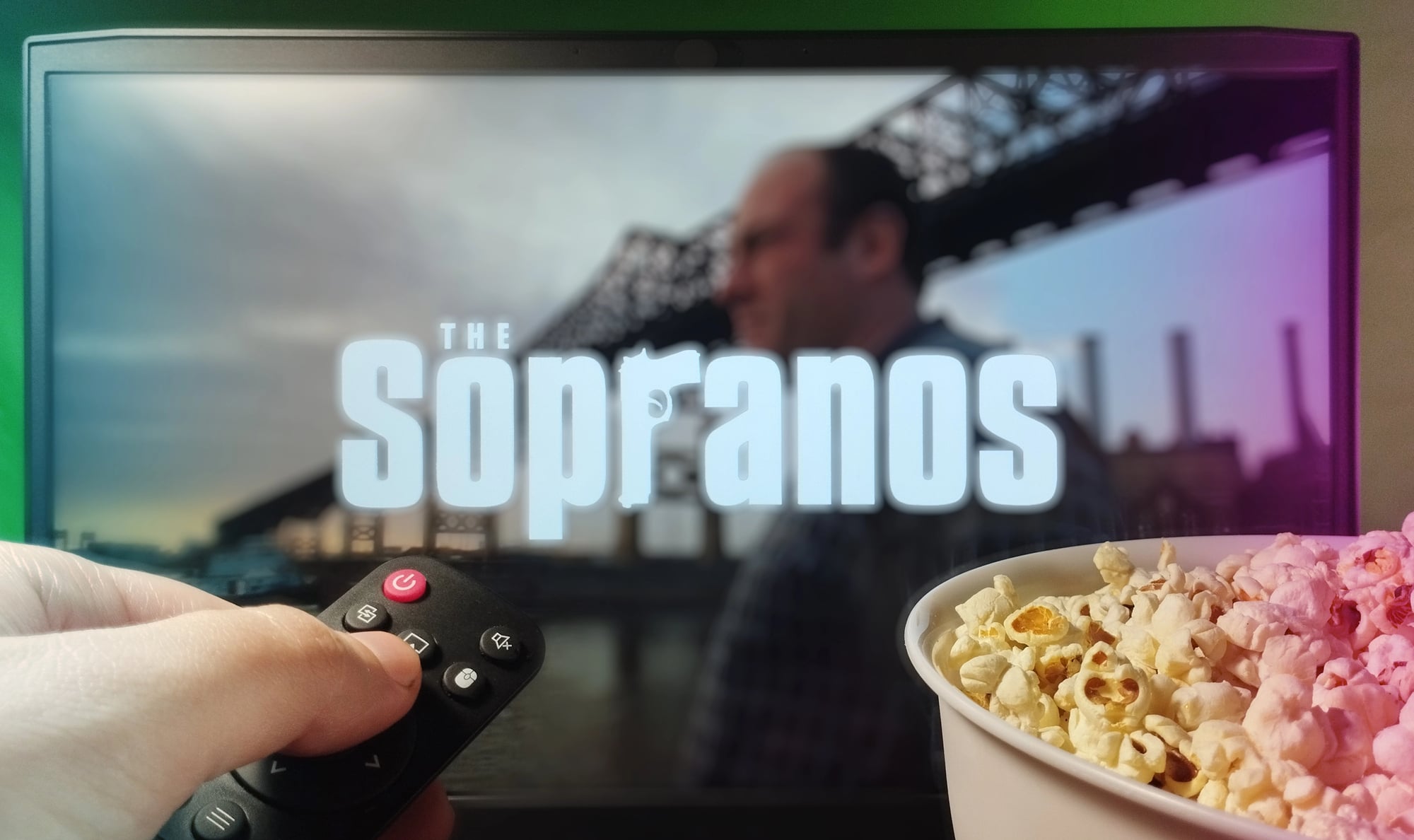
‘Woke Up This Morning (Chosen One Mix)’ by Alabama 3 wasn’t written for the show, but it became inseparable from Tony Soprano’s world.
The bluesy, slightly menacing track from 1997 sets the tone for a series that never lets viewers get too comfortable.
Images of New Jersey highways and industrial landscapes roll past while the music promises something darker lurking beneath suburban normalcy.
The song choice was so perfect that it’s hard to imagine the show opening any other way.
It turned a relatively obscure British band into TV soundtrack legends.
Game of Thrones
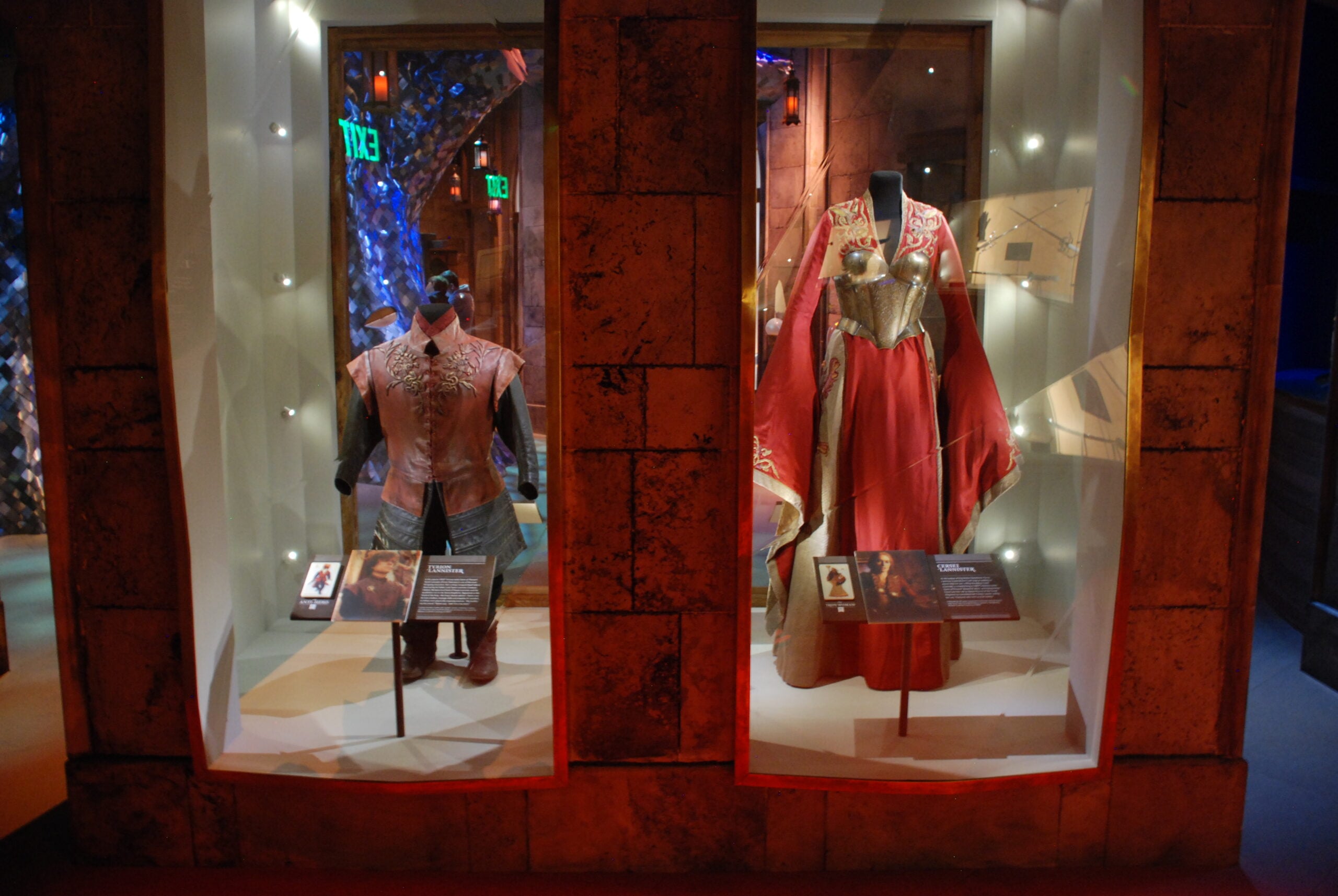
Ramin Djawadi created a theme that sounds like it was excavated from some ancient fantasy realm.
The cello-driven melody builds with such deliberate intensity that by the time it reaches full orchestral swell, you’re ready to pledge allegiance to whichever house has the best bannermen.
The composition manages to feel both medieval and cinematic, no small feat for a show filmed in locations that range from Iceland to Morocco.
Even viewers who never watched past the first season probably recognize those opening notes.
It became one of the rare modern themes to inspire full orchestral covers and concert performances.
The Office

The bouncy, mockumentary-style theme for the U.S. version was composed by Jay Ferguson and arranged by Jeanne Kinney.
Those opening piano notes feel like Monday morning arriving whether you’re ready or not.
The brevity works in its favor — short, punchy, and impossible to skip even when binge-watching at 2 AM.
It’s cheerful without being cloying, matching a show that found genuine sweetness in fluorescent-lit cubicles and awkward staff meetings.
The theme also cleverly shifts slightly throughout the series, reflecting the documentary crew’s evolving relationship with Dunder Mifflin’s employees.
Twin Peaks

Angelo Badalamenti’s haunting synth composition, co-written with David Lynch, feels like it’s emerging from fog-covered forests.
The theme doesn’t so much introduce the show as envelop viewers in its unsettling atmosphere.
Those languid, dreamy notes somehow convey both beauty and dread, perfectly matching Lynch’s surreal storytelling.
The music became so iconic that it’s often referenced in discussions of how sound design shapes television.
It proved that TV themes didn’t need to be catchy or upbeat to burrow into cultural consciousness.
MAS*H
The instrumental theme carries one of the most somber titles in TV history, though most viewers never heard the lyrics.
Composed by Johnny Mandel with lyrics by Mike Altman, the version used for television transformed a deeply cynical song into something oddly peaceful and contemplative.
The melody captures the show’s delicate balance between comedy and tragedy, never letting audiences forget the war setting even during lighter moments.
The theme’s gentle melancholy prepared viewers for a series that could pivot from pratfalls to profound loss within the same episode.
It remains one of television’s most emotionally complex opening sequences.
Law & Order

Mike Post’s theme, with sound designer John Beal creating the iconic ‘doink doink’ sound effect, might be the most recognizable audio cue in television history.
Premiering on NBC in 1990, the theme is all business — no nonsense, no sentimentality, just a driving rhythm that says something terrible happened and now justice needs serving.
That distinctive percussion sound was created by combining various studio noises, proving that innovation sometimes comes from experimentation.
The theme works so efficiently that the franchise has used variations of it across multiple spinoffs for decades.
It’s become shorthand for procedural drama itself.
The Twilight Zone
Marius Constant’s unsettling composition from the 1960 revamp, which replaced Bernard Herrmann’s earlier theme, sounds like reality bending at the edges.
Those wavering, dissonant notes prepare viewers for stories where logic takes a vacation and the impossible becomes mundane.
The theme manages to be creepy without relying on typical horror tropes, instead creating a sense of unease through pure musical tension.
It’s been parodied and referenced so often that even people born decades after the show ended recognize its eerie promise of weirdness ahead.
The music essentially became the sound of things that are about to get strange.
Stranger Things

Kyle Dixon and Michael Stein of the band S U R V I V E crafted a synth-heavy throwback that sounds like it escaped from 1983.
The pulsing electronic melody captures both nostalgia and menace, perfectly matching a show that’s equal parts Spielberg wonder and Stephen King dread.
The theme builds tension masterfully, with each layer adding to a sense that something’s lurking just out of frame.
It won an Emmy in 2017 for Main Title Theme Music, sparked renewed interest in vintage synthesizers, and proved modern audiences still respond to retro sounds.
The composition feels simultaneously comforting and unsettling, much like the show itself.
Sesame Street

‘Can You Tell Me How to Get to Sesame Street?’ written by Joe Raposo, Jon Stone, and Bruce Hart, has been teaching kids the concept of neighborhood for over fifty years.
The simple, friendly melody became many children’s first experience with TV theme songs.
It’s deliberately uncomplicated, designed to be memorable for the youngest viewers, yet it never talks down to its audience.
The song underwent subtle updates over the decades while maintaining its core warmth and invitation.
Multiple generations can sing it together, which creates its own kind of magic.
The Andy Griffith Show
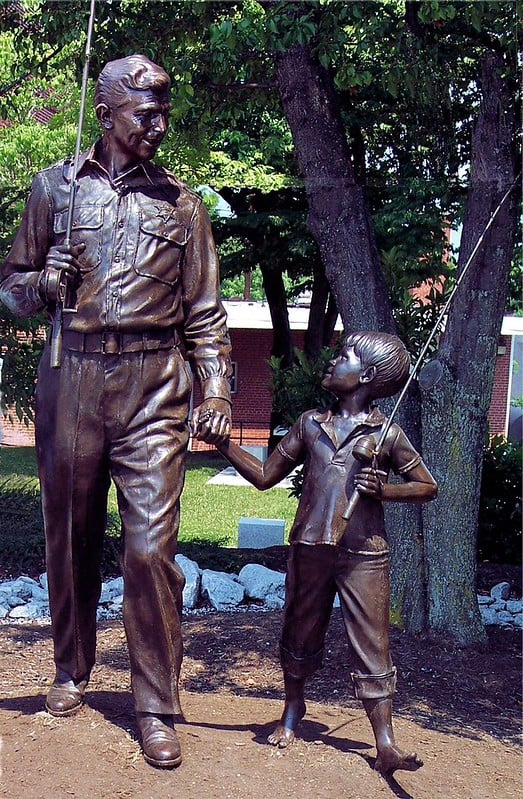
That whistled tune, composed and whistled by Earle Hagen himself, might be the most peaceful opening in television history.
The composition sounds like a lazy summer afternoon in rural America, all easygoing contentment and front porch simplicity.
The whistling gives it a human quality that feels personal rather than produced.
It’s impossible to whistle those notes and remain stressed, which was probably the point.
The theme established Mayberry as a place where problems stay small and solutions involve common sense rather than drama.
Gilligan’s Island

George Wyle and Sherwood Schwartz wrote a theme that somehow makes a shipwreck sound cheerful.
The song manages to introduce seven characters and explain the entire premise in under a minute, which is impressively economical storytelling.
Its bouncy calypso rhythm turned what could have been a tragic situation into the setup for a goofy adventure.
The lyrics are so ingrained in American culture that references to three-hour tours still land decades later.
It proved that even the most absurd premise can work if the theme song sells it with enough enthusiasm.
Breaking Bad

Dave Porter’s main title theme lasts only about 20 seconds, making it one of television’s shortest openings when it debuted on AMC in 2008.
The brief, moody instrumental perfectly captures the show’s lean, no-nonsense approach to storytelling.
Those few bars of music prepare viewers for moral ambiguity and consequences without wasting a second.
The brevity became part of the show’s identity, respecting audience time while still establishing atmosphere.
Sometimes less really is more, especially when every note counts.
The Mary Tyler Moore Show

‘Love Is All Around’ by Sonny Curtis became an anthem for independent women finding their way in the world.
The upbeat, optimistic melody matched Mary Richards’ determination to make it after all.
The lyrics spoke to a cultural moment when women’s roles were expanding beyond traditional expectations.
The theme won an Emmy in 1971 for Outstanding Achievement in Music, and that iconic hat toss became inseparable from the music, creating one of TV’s most memorable opening sequences.
The theme promised something important was shifting in how television portrayed women’s lives.
Westworld
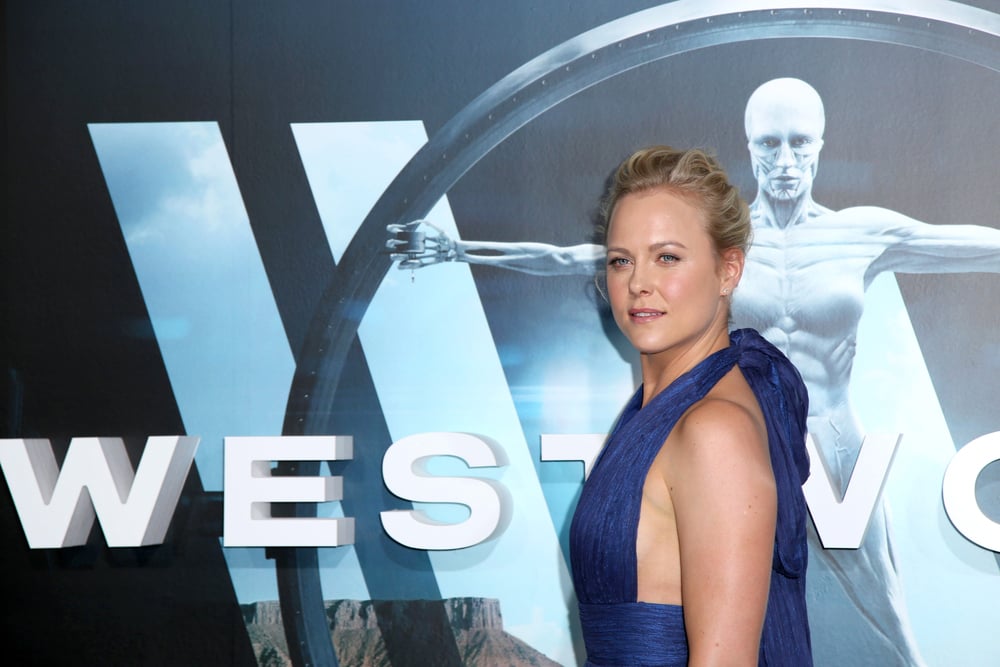
Ramin Djawadi returned to create something completely different from his Game of Thrones work when the show premiered on HBO in 2016.
The player piano arrangements of modern songs create an uncanny valley effect that mirrors the show’s exploration of artificial consciousness.
Hearing contemporary music rendered in Old West style perfectly captures the series’ blend of genres and time periods.
The theme itself builds from delicate piano to sweeping orchestra, suggesting both the park’s beauty and the darkness beneath.
It’s one of the few modern themes that feels genuinely innovative in approach.
The Addams Family

Vic Mizzy’s finger-snapping theme turned a macabre family into America’s weirdest sweethearts when it premiered on ABC in 1964.
The song’s playful creepiness matches a show that found humor in the gothic and bizarre.
Those snaps became interactive, turning passive viewers into participants.
The lyrics celebrate the family’s oddness without judgment, suggesting that being different might actually be pretty great.
It’s remained so culturally embedded that every Halloween brings new covers and references, proof that weird never goes out of style.
Still Playing After All These Years

Beyond their clever composition or catchiness, these twenty themes have one thing in common.
Because they captured something fundamental about their shows and the times when those shows were most important to viewers, they became cultural touchstones.
A strong theme does more than simply introduce a show; it captures an emotion, a time period, or an idea in a few musical selections that transcend the actual episodes.
Television is constantly changing, and the right melody and memory can still have an impact on audiences that are dispersed in the streaming era.
These songs demonstrate that sometimes the most effective storytelling takes place in those fleeting moments when music gets us ready for whatever is about to happen.
More from Go2Tutors!

- The Romanov Crown Jewels and Their Tragic Fate
- 13 Historical Mysteries That Science Still Can’t Solve
- Famous Hoaxes That Fooled the World for Years
- 15 Child Stars with Tragic Adult Lives
- 16 Famous Jewelry Pieces in History
Like Go2Tutors’s content? Follow us on MSN.