17 Quirky Currency Designs Around the World
While most people think of money as boring rectangles covered in portraits of dead presidents, some countries have gotten incredibly creative with their currency designs. Rather than sticking to traditional formats, these nations have embraced everything from transparent windows to glow-in-the-dark features, turning everyday transactions into mini art exhibitions.
From coins shaped like guitars to bills that smell like maple syrup, creative currency designers have pushed boundaries in ways that make collecting money almost as fun as spending it. Here is a list of 17 quirky currency designs around the world that prove money doesn’t have to be mundane.
Canada’s Scratch-and-Sniff Bills
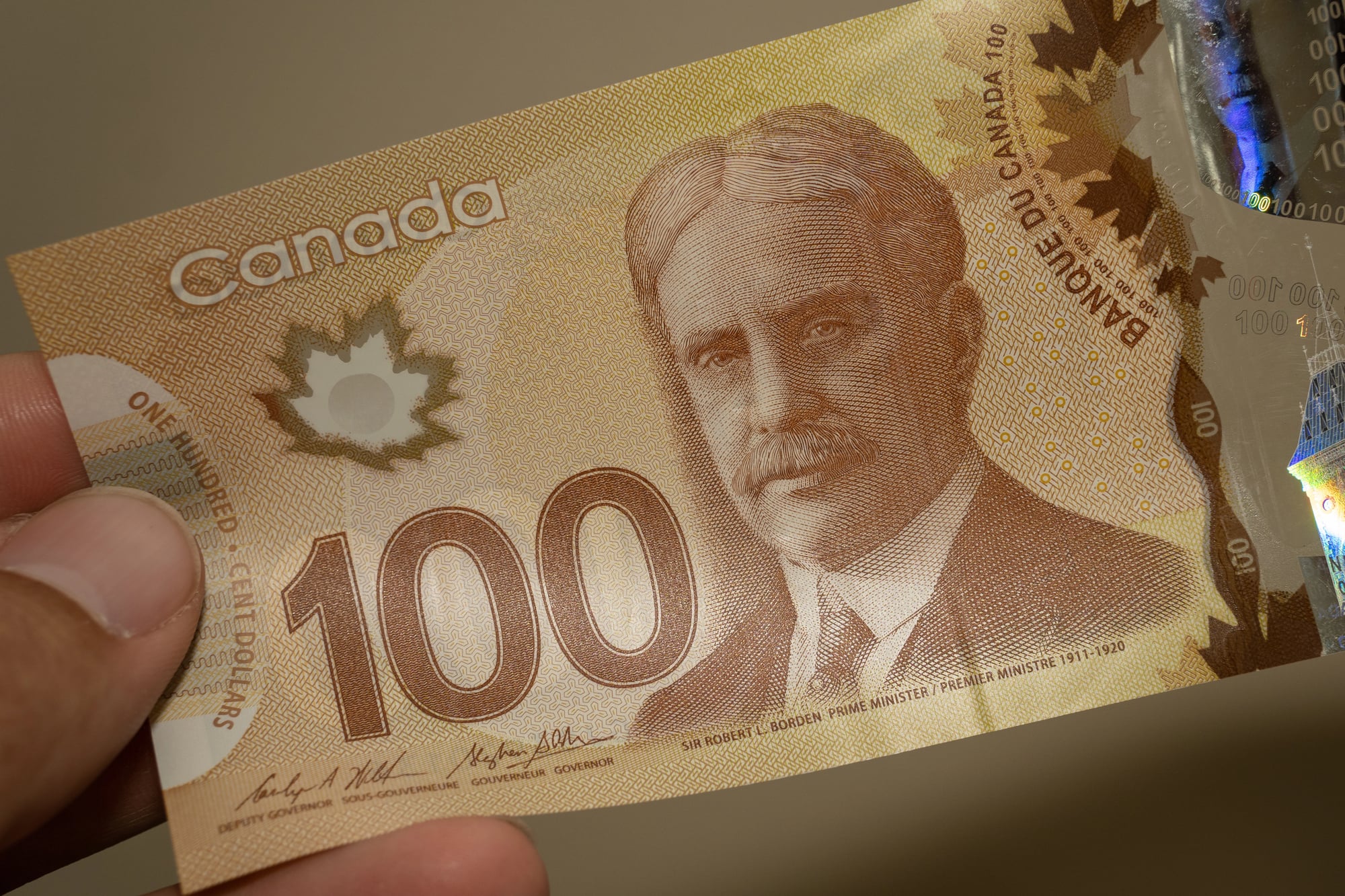
One surprise characteristic of Canada’s 2011 $100 polymer notes was that, when you scratched them, they genuinely smelled like maple syrup. At first, the Bank of Canada denied that this was deliberate, saying that consumers were just imagining the pleasant aroma that the bills appeared to have.
One of the most deliciously enigmatic characteristics of cash ever made, they eventually acknowledged that the smell of maple was real, but argued that it wasn’t intentionally included.
Cook Islands’ Triangular Coins
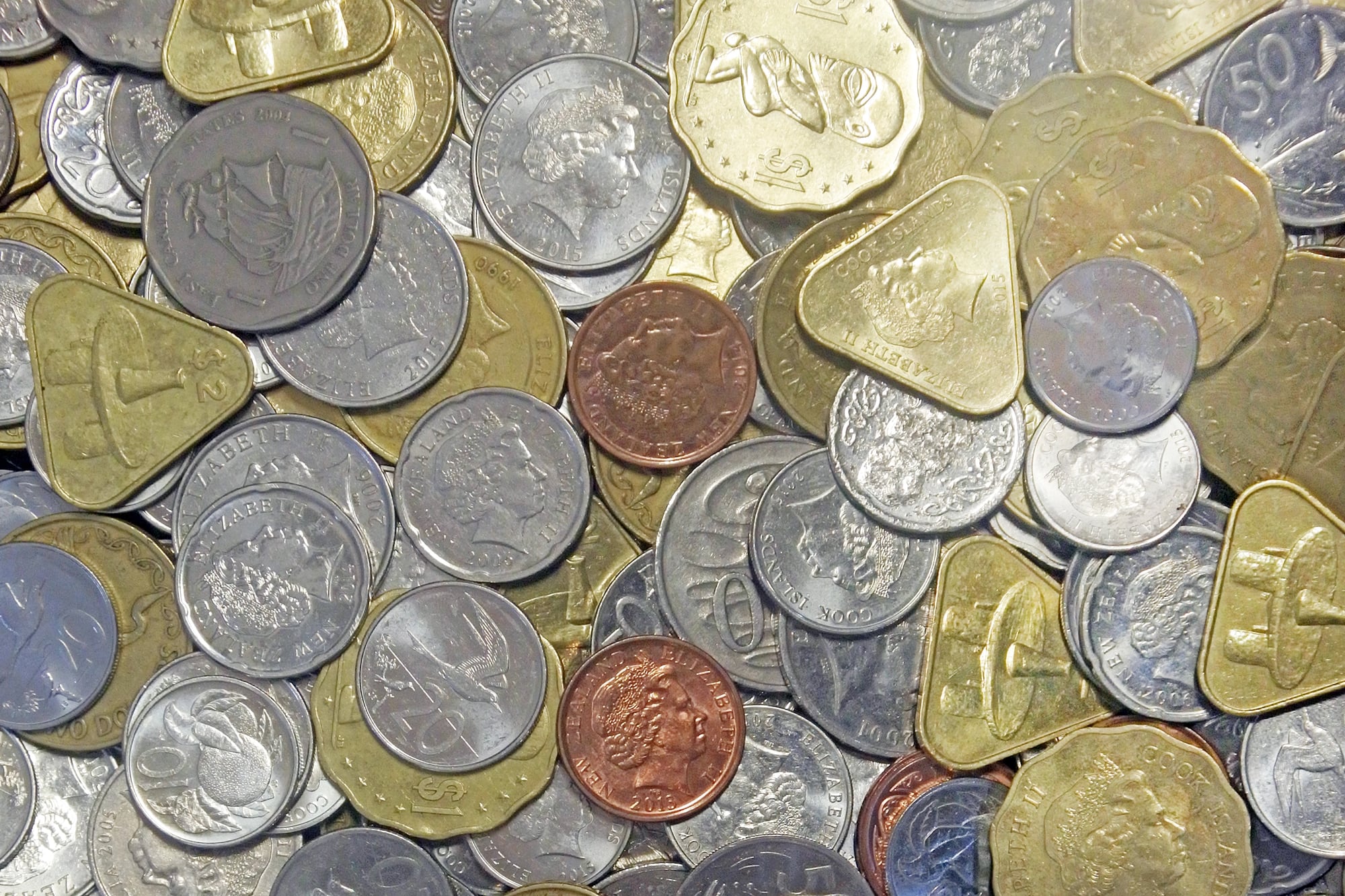
In 1992, the Cook Islands began minting triangular two-dollar coins after deciding that round coins were too common. Even though these geometric curiosities were difficult to fit into conventional coin purses, their vibrant designs made them surprisingly popular with collectors around the world.
Locals soon discovered that they made great guitar picks in an emergency, but their triangular shape prevented them from rolling like ordinary coins.
Switzerland’s Vertical Money
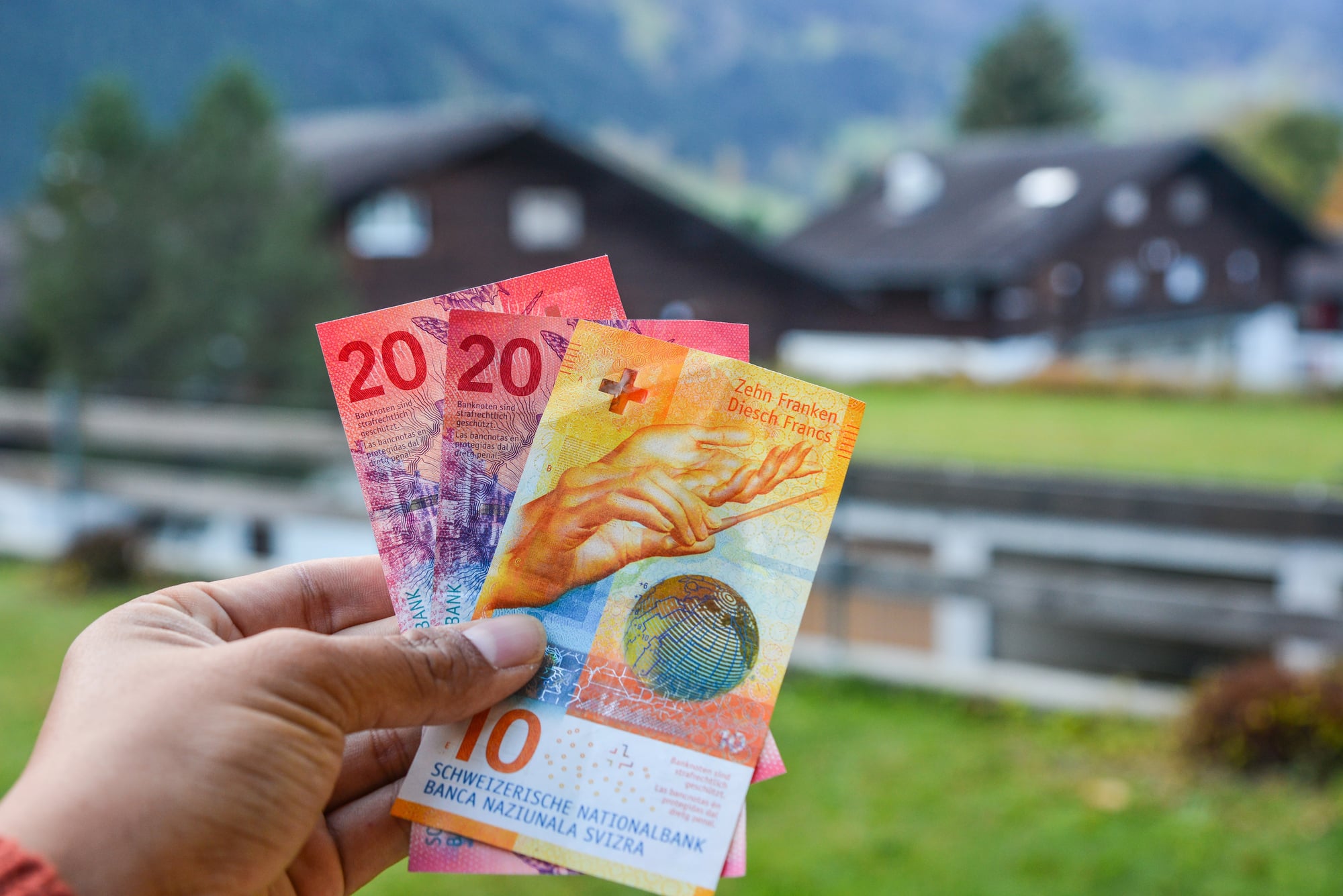
Swiss banknotes break every rule of traditional currency design by featuring vertical layouts instead of the standard horizontal format. The bills look more like concert tickets than money, with bold graphics and text running from top to bottom rather than left to right.
This radical departure from conventional design reflects Switzerland’s reputation for innovation, though it definitely confuses tourists who aren’t sure which way to hold the money.
Fiji’s Rugby Ball Bills

Fiji’s seven-dollar polymer note celebrates the country’s rugby dominance with a design that actually mimics the texture and shape of a rugby ball when folded correctly. The bill features raised dots that recreate the feeling of a real rugby ball’s surface, making it possibly the only currency in the world you can practice your grip with.
Rugby fans from around the globe have started collecting these bills as the ultimate sports memorabilia that also happens to be legal tender.
Kazakhstan’s Curved Coins

Kazakhstan issued commemorative coins in 2006 that were deliberately curved rather than flat, creating a three-dimensional effect that made them look like tiny bowls. The curved design was supposed to represent traditional Kazakh culture, though it made the coins practically impossible to stack or store properly.
Collectors loved the unique design, but merchants complained that cash registers weren’t designed to handle bowl-shaped money.
Samoa’s Colorful Polymer Series

Samoa’s polymer banknotes feature some of the most vibrant colors ever used on currency, with bills that look more like tropical vacation brochures than legal tender. The designers went all-out with bright blues, hot pinks, and sunset oranges that capture the island nation’s natural beauty in ways that black-and-white engravings never could.
These bills are so visually striking that tourists often frame them as artwork rather than spending them on souvenirs.
Romania’s Transparent Windows

Romanian currency features large transparent windows cut right through the middle of the bills, creating a see-through effect that makes them look like futuristic money from science fiction movies. The plastic windows serve important security purposes while also making the bills incredibly photogenic when held up to light sources.
Money changers love showing off these bills to tourists, who often think they’re looking at some kind of novelty item rather than real currency.
Botswana’s Raised Dots

Botswana incorporated Braille-like raised dots into their banknote designs to help visually impaired citizens identify different denominations by touch alone. The tactile features work so well that even sighted people quickly learn to identify bills without looking at them, turning everyday transactions into mini-sensory experiences.
This practical innovation has influenced currency designers worldwide, proving that accessibility features can also be aesthetically pleasing.
Costa Rica’s Sloth Money

Costa Rica’s 10,000 colón note features a three-toed sloth so prominently that locals nicknamed the bill “the sloth money,” embracing their country’s reputation for taking life slowly. The sloth design became so popular with tourists that Costa Rican souvenir shops started selling sloth-themed wallets specifically designed to hold these bills.
The slow-moving mammal perfectly captures Costa Rica’s pura vida lifestyle, making this possibly the most zen currency design ever created.
Maldives’ Underwater Theme

The Maldives designed their polymer notes with underwater scenes that make you feel like you’re scuba diving every time you open your wallet. Each bill features different marine life rendered in stunning detail, from colorful reef fish to majestic manta rays that seem to swim across the currency’s surface.
The aquatic theme perfectly represents this island nation’s economy, which depends heavily on underwater tourism and the fishing industry.
New Zealand’s Braille Features
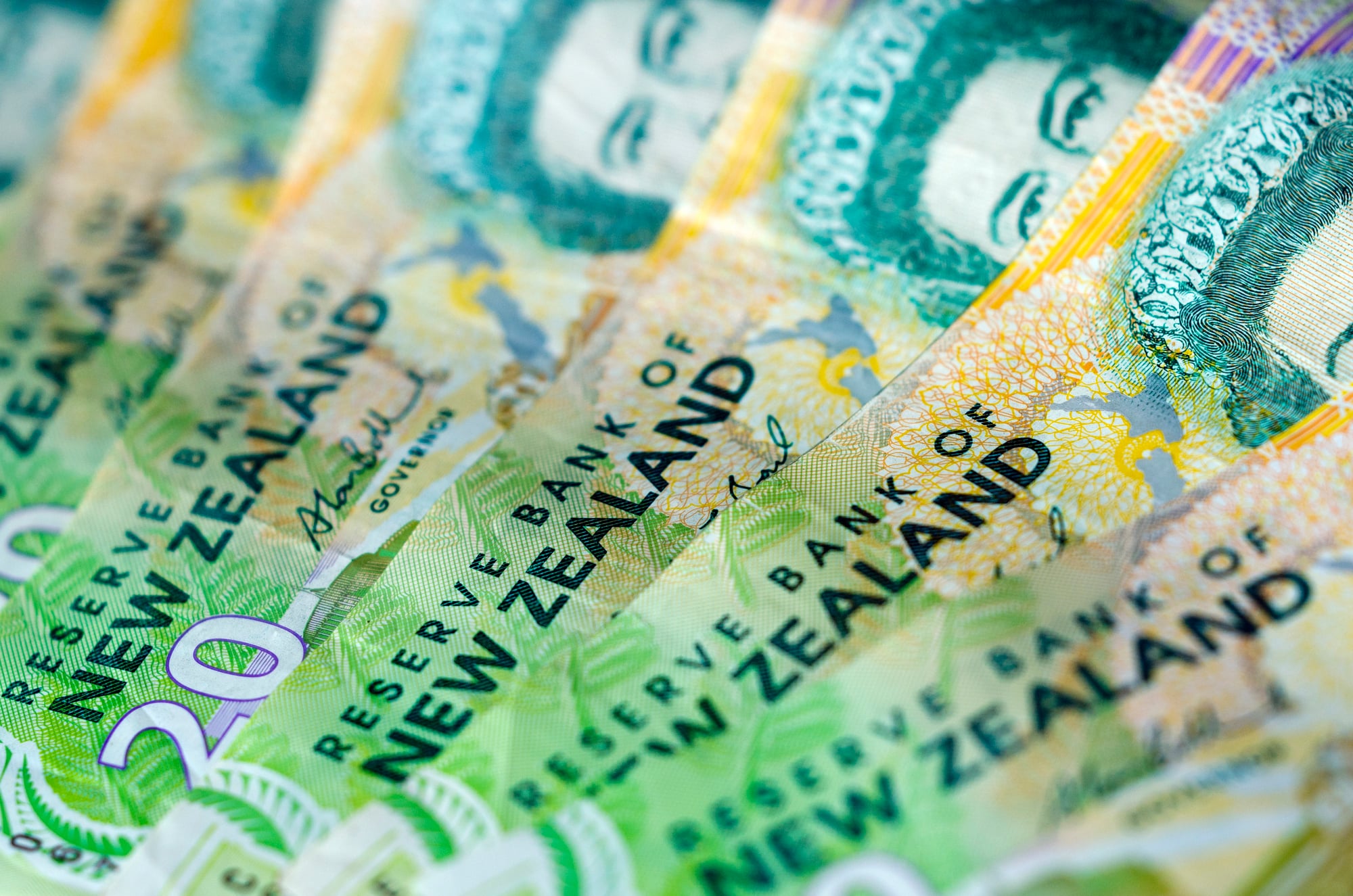
New Zealand became one of the first countries to include raised Braille dots on all their banknotes, making them accessible to visually impaired citizens while also creating interesting texture patterns that everyone can appreciate. The Braille integration was done so elegantly that most people don’t realize the raised bumps serve a practical purpose rather than just being decorative elements.
This innovation has inspired other nations to rethink how currency can serve diverse populations more effectively.
Lesotho’s Vertical Portrait
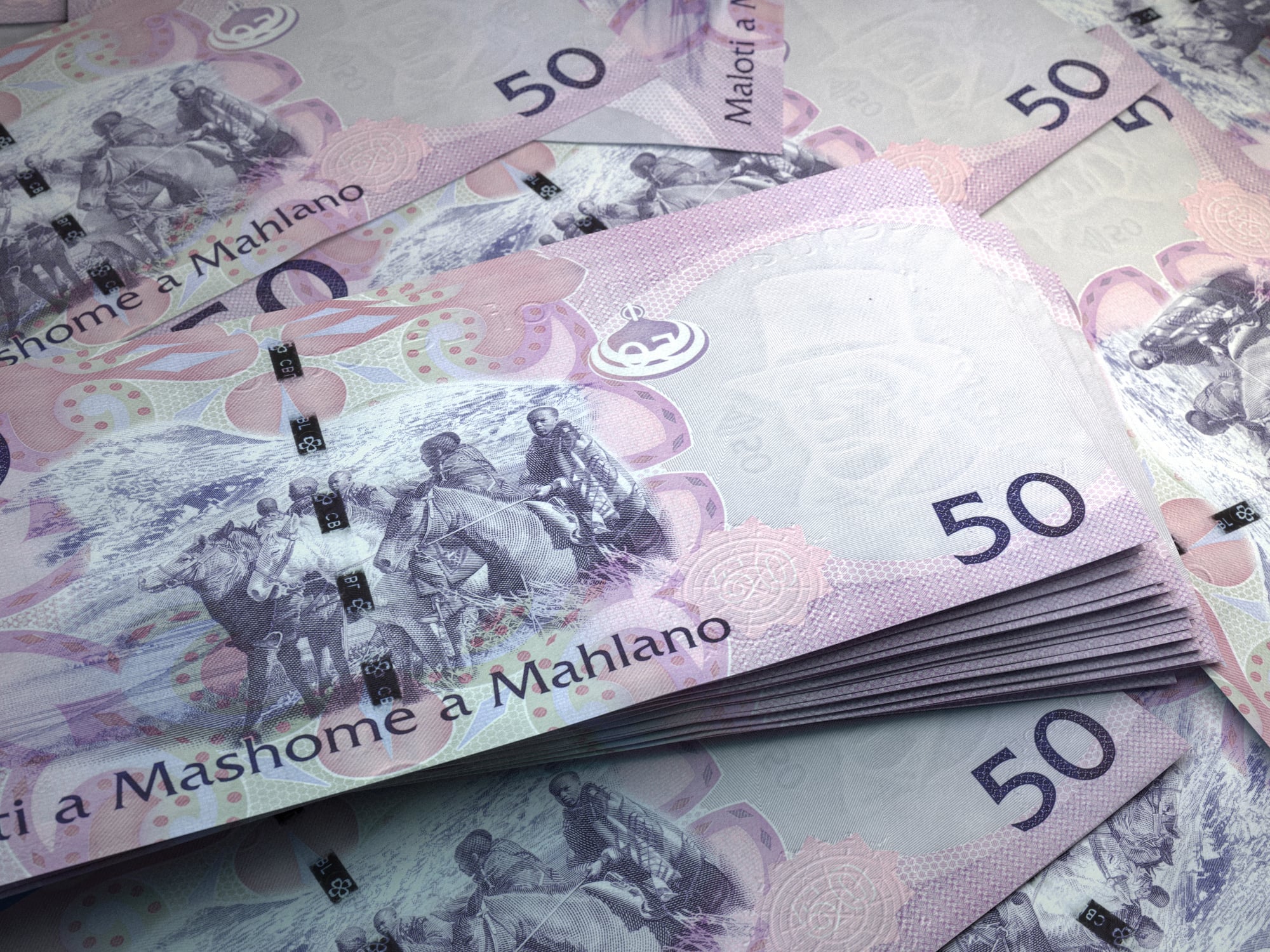
Lesotho’s banknotes feature portraits oriented vertically rather than horizontally, forcing you to turn the bills sideways to see the faces properly. This unusual orientation was designed to make the currency instantly recognizable and harder to counterfeit, though it also confuses cashiers who aren’t used to handling sideways money.
The vertical design actually makes mathematical sense since most portraits are taller than they are wide, though tradition has kept most currencies stubbornly horizontal.
Bhutan’s Spiritual Symbols

Bhutan’s ngultrum banknotes incorporate traditional Buddhist symbols and spiritual imagery that reflect the country’s unique focus on Gross National Happiness rather than just economic growth. The bills feature mandalas, prayer wheels, and other sacred designs that turn everyday transactions into reminders of spiritual values and cultural heritage.
Money in Bhutan feels more like religious art than commercial currency, perfectly matching a country that prioritizes happiness over material wealth.
Solomon Islands’ Hybrid Bills
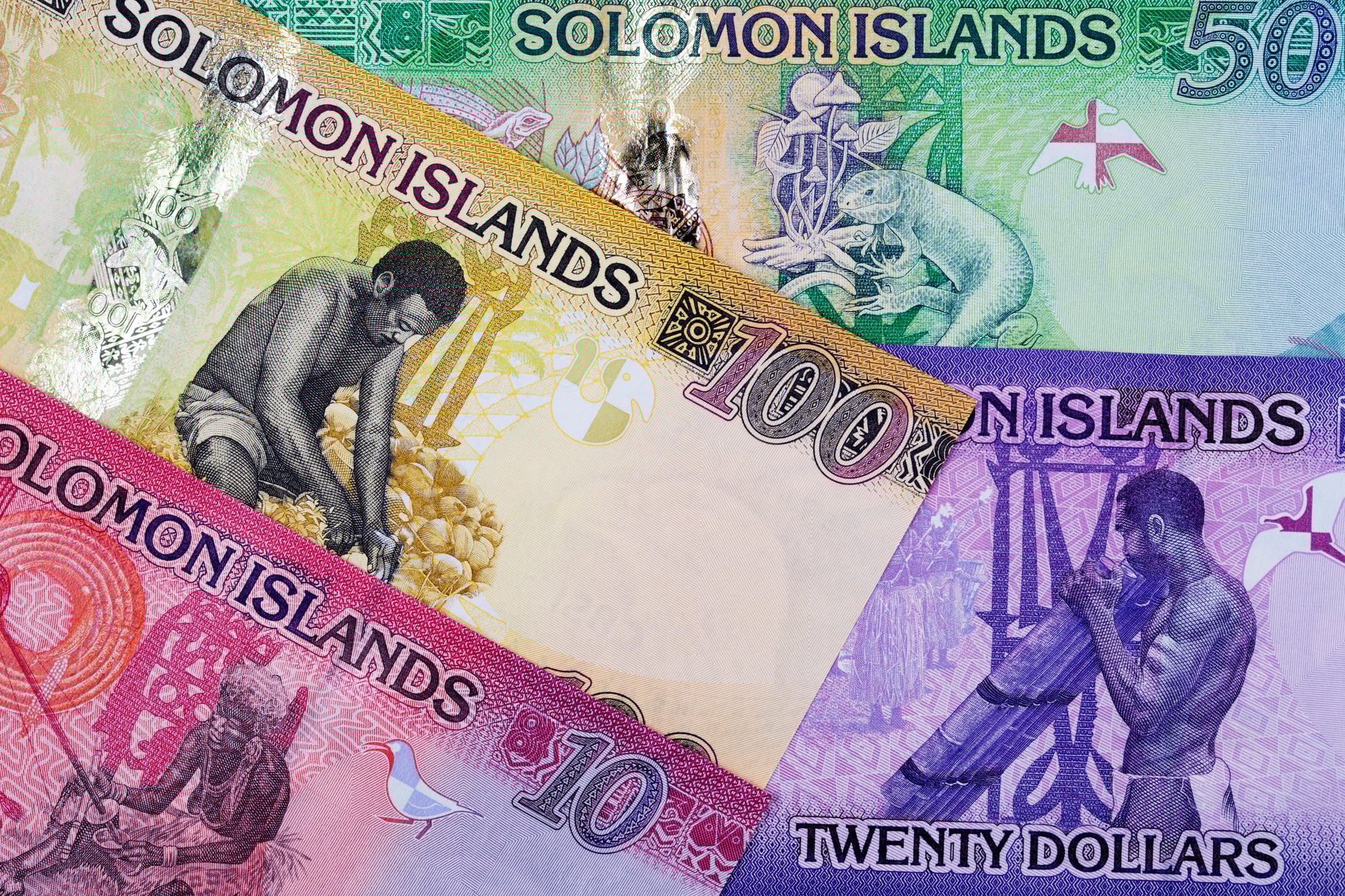
The Solomon Islands created hybrid banknotes that combine traditional paper elements with modern polymer sections, resulting in bills that feel part old-school and part futuristic. The paper portions feature classic engravings while the polymer sections showcase vibrant colors and transparency effects that make each bill look like a small work of mixed-media art.
This hybrid approach satisfies both traditionalists who prefer paper money and modernists who embrace new technology.
Vanuatu’s Cultural Stories

Vanuatu’s banknotes tell complete cultural stories through sequential designs that connect across different denominations, creating a narrative that unfolds as you collect the full series. Each bill represents a different chapter in Vanuatu’s history and traditions, from ancient customs to modern achievements that locals take pride in sharing with visitors.
The storytelling approach turns currency collection into cultural education, making these bills popular with anthropologists and travelers who want to understand Pacific Island heritage.
Papua New Guinea’s Bird Paradise

Papua New Guinea’s kina banknotes showcase the country’s incredible bird diversity with designs so detailed that ornithologists use them as field guides for identifying native species. Each denomination features different birds rendered with scientific accuracy, from tiny colorful parrots to massive birds of paradise that seem ready to fly off the currency.
The bird theme celebrates Papua New Guinea’s status as one of the world’s most biodiverse countries while creating some of the most beautiful money ever printed.
Northern Ireland’s Multiple Designs
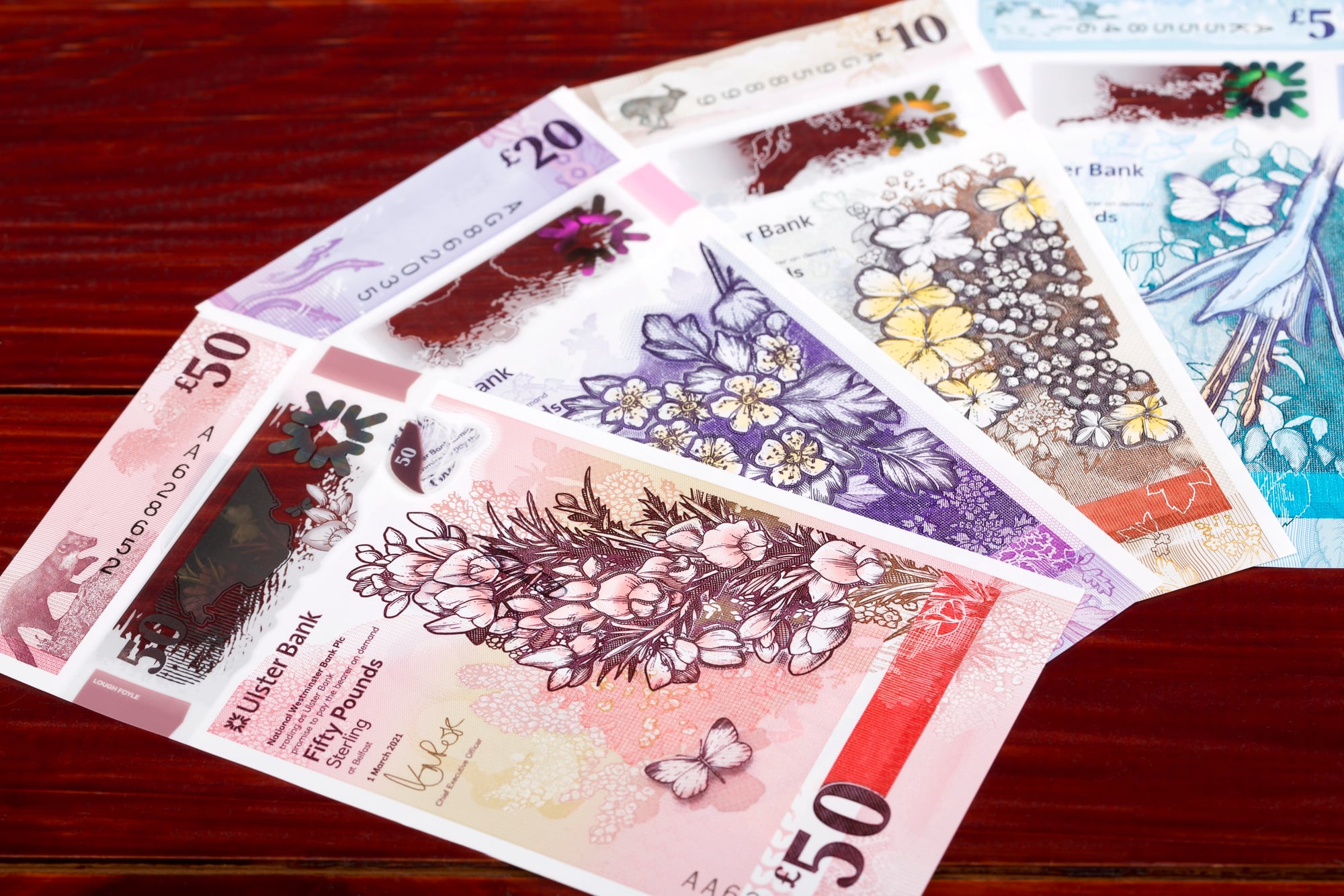
Northern Ireland allows multiple banks to issue their own unique banknote designs, resulting in several completely different currencies that are all equally valid legal tender. This system means you might get change that looks completely different from the money you used to pay, creating constant variety that keeps transactions interesting.
The multiple design approach reflects Northern Ireland’s complex political situation while giving residents and visitors more visual diversity than anywhere else in the United Kingdom.
When Money Becomes Art
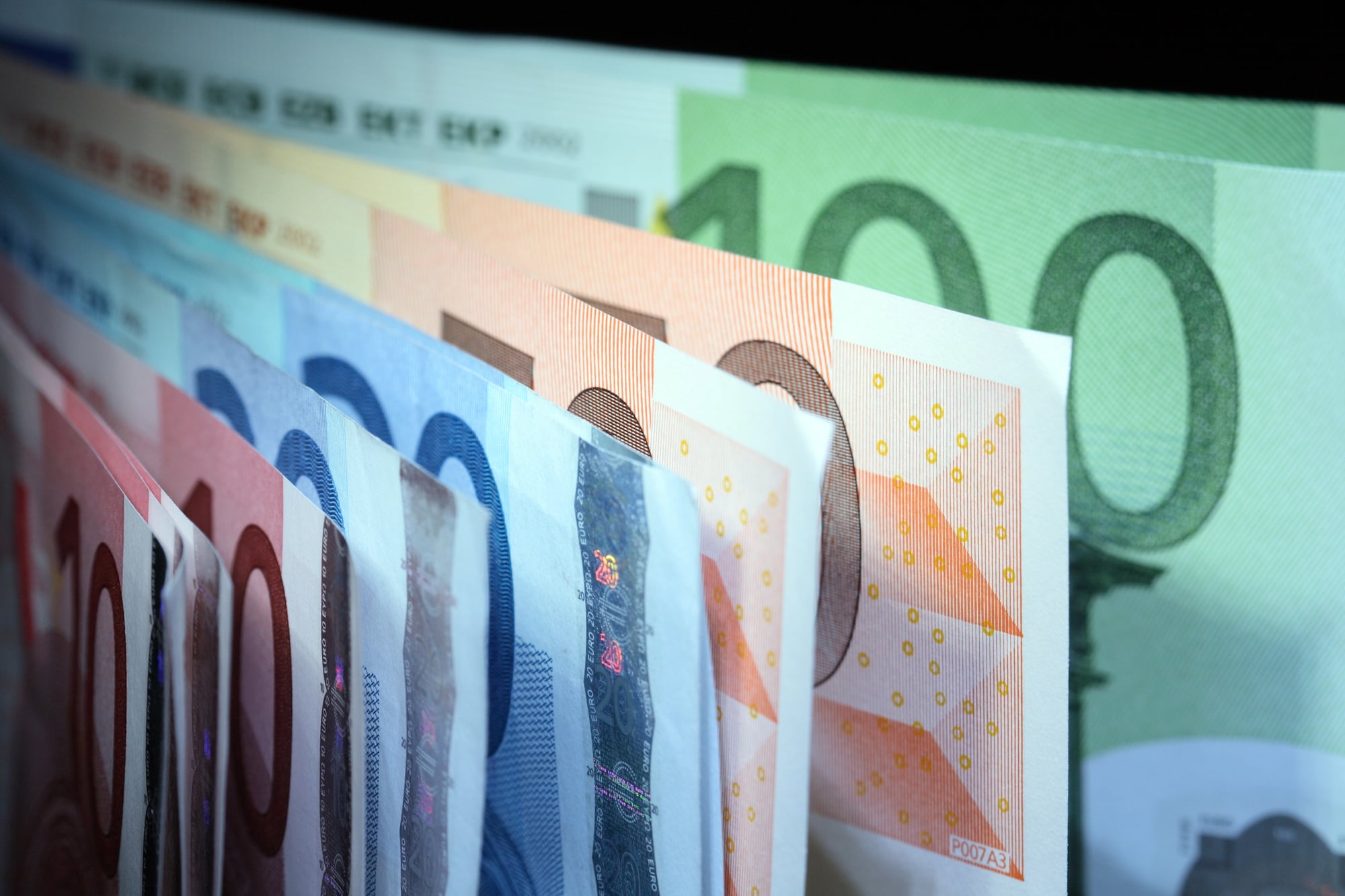
These seventeen examples prove that currency design has evolved far beyond simple portraits and national monuments into genuine artistic expression that reflects each country’s unique identity and values.
Rather than treating money as purely functional objects, these nations have embraced the opportunity to showcase their creativity, culture, and technological capabilities through everyday transactions that millions of people handle daily.
The most successful quirky designs manage to balance practical security features with aesthetic innovation, creating currency that’s both beautiful and difficult to counterfeit.
Today’s digital payment systems might be reducing our daily contact with physical money, though these creative designs remind us that sometimes the most mundane objects can become sources of unexpected joy and cultural pride.
More from Go2Tutors!

- The Romanov Crown Jewels and Their Tragic Fate
- 13 Historical Mysteries That Science Still Can’t Solve
- Famous Hoaxes That Fooled the World for Years
- 15 Child Stars with Tragic Adult Lives
- 16 Famous Jewelry Pieces in History
Like Go2Tutors’s content? Follow us on MSN.