True Stories Behind Popular Nursery Rhymes
Nursery rhymes seem harmless enough—catchy little tunes you sing to kids without thinking twice. They’re all about falling down, sitting on walls, and going up hills, right? Turns out, many of these innocent-sounding verses have roots in some pretty dark chapters of history.
We’re talking plagues, political scandals, religious persecution, and the occasional beheading. The cheerful melodies were often clever ways to comment on events when openly criticizing the powerful could get you in serious trouble.
Most nursery rhymes date back to the 16th, 17th, and 18th centuries, when they served as a kind of underground news network in verse form. People couldn’t exactly tweet their outrage about unfair taxes or murderous monarchs, so they wrapped their complaints in catchy rhymes that kids would memorize and repeat.
Here is a list of 15 nursery rhymes with fascinating, and sometimes disturbing, backstories that might change how you hear them forever.
Mary Had a Little Lamb
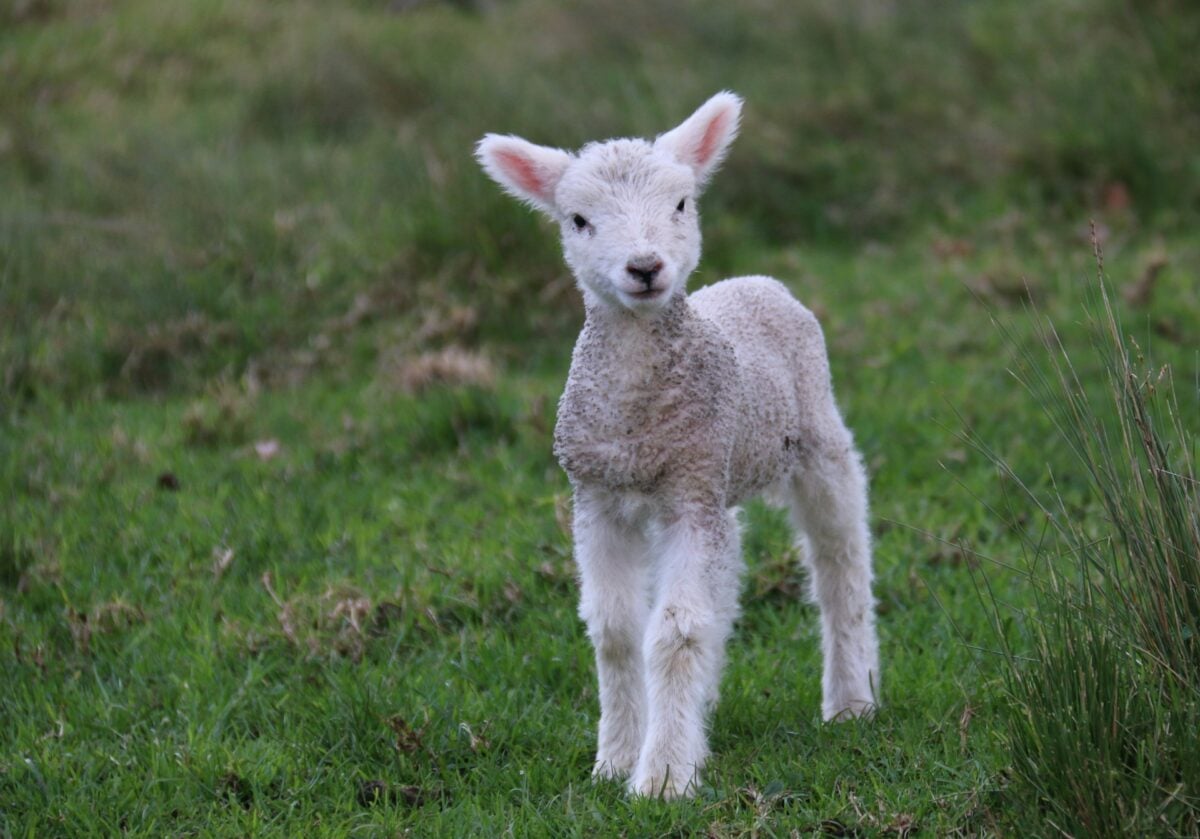
This one actually has a documented true story behind it, making it the exception rather than the rule. Sarah Josepha Hale published the poem in 1830 in her book Poems for Our Children, and a young girl named Mary Elizabeth Sawyer later claimed her real-life experience inspired it.
In the 1820s in Sterling, Massachusetts, Mary brought her pet lamb to school, causing quite a commotion when the animal followed her into the classroom. Mary came forward in 1876 at age 70 to confirm she was indeed the girl whose story became the rhyme, providing one of the few nursery rhymes with a verified, wholesome origin.
Ring Around the Rosie
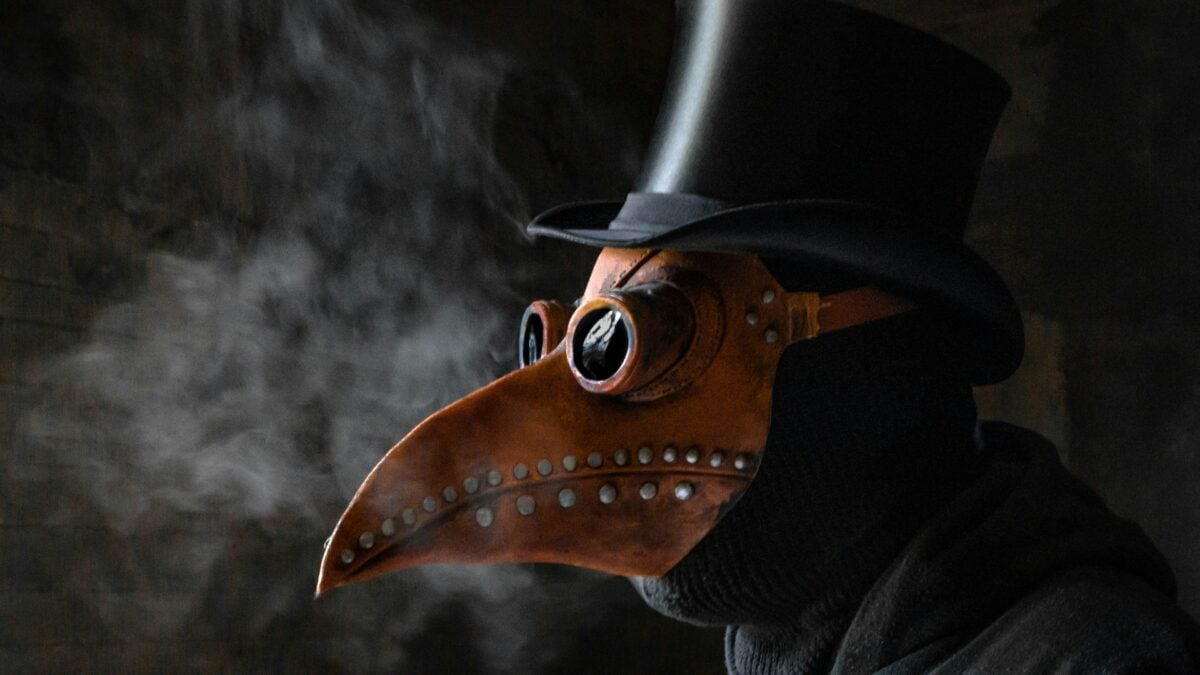
The plague theory is probably the most famous nursery rhyme backstory out there, but it’s actually been debunked by historians. The popular interpretation claims the rhyme describes the Great Plague of 1665 in London, where victims developed red circular rashes, carried flowers to mask the stench of death, and eventually fell down dead.
The problem is that the rhyme didn’t appear in print until 1881, more than two centuries after the plague. Scholars now consider the plague connection to be folklore about folklore rather than historical fact, noting that many versions originally featured a curtsy instead of falling down, suggesting it was simply a children’s game all along.
Like Go2Tutors’s content? Follow us on MSN.
Mary, Mary Quite Contrary

The popular interpretation links this rhyme to Queen Mary I of England, better known as Bloody Mary, who executed hundreds of Protestants during her 16th-century reign. One theory claims the silver bells and cockle shells were names for medieval torture devices, though these terms were also used for garden decorations and jewelry motifs in Tudor England.
The pretty maids all in a row might refer to executions or miscarriages, depending on which version you hear. While the Bloody Mary connection makes for a compelling story, it remains unproven speculation rather than documented history.
Three Blind Mice

This cheerful tune about rodents getting their tails chopped off is often linked to Bloody Mary and her violent reign. The theory suggests the three blind mice represent three Protestant bishops—Hugh Latimer, Nicholas Ridley, and Thomas Cranmer—who Mary had burned at the stake for heresy after they plotted against her.
The farmer’s wife with the carving knife would be Mary herself, and the blindness refers to their religious beliefs, which she considered misguided. While it’s a thematically plausible interpretation, the rhyme wasn’t published until 1609, decades after Mary’s reign ended in 1558, making a direct historical connection doubtful.
Baa Baa Black Sheep
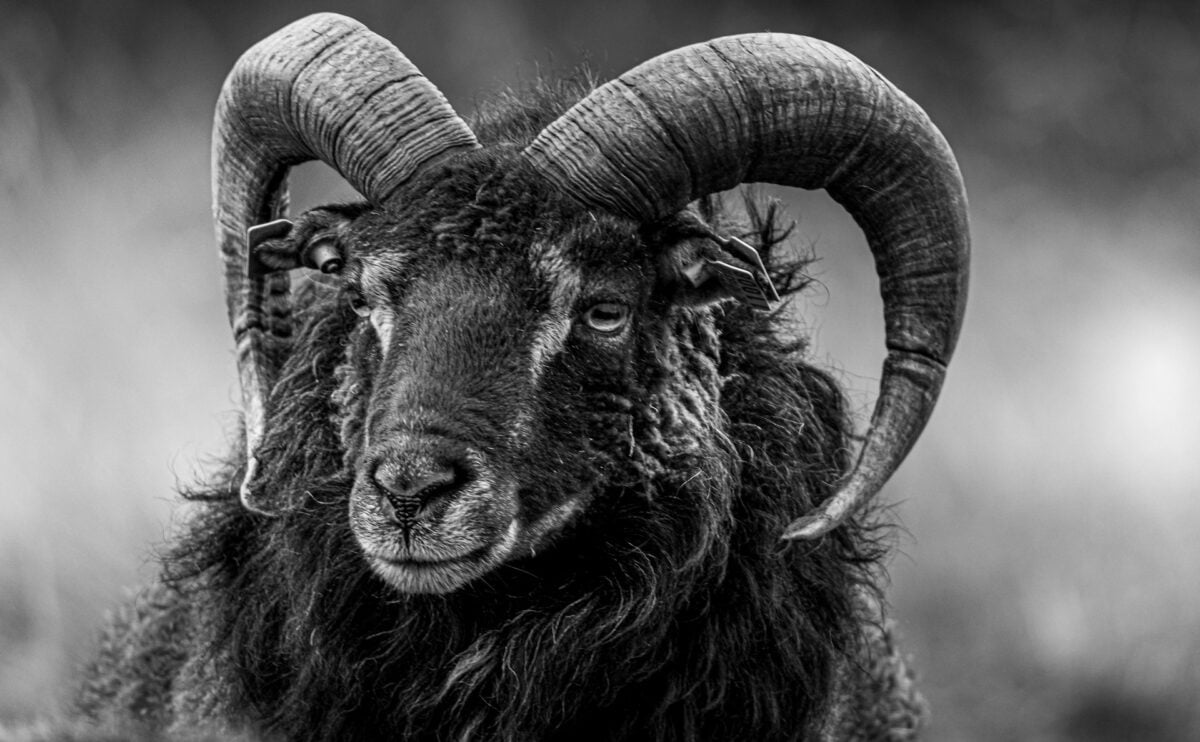
This seemingly innocent rhyme about a generous sheep has roots in medieval economics, not racial politics. Most scholars agree it refers to the Great Custom, a hefty wool tax introduced by King Edward I in 1275.
One-third of the profits went to the king, one-third to the church, and the farmer got to keep whatever was left—with the master being the king’s tax collector. Black sheep wool was worth less because it couldn’t be dyed, making it an apt metaphor for getting the short end of the stick.
The racial interpretation only emerged in the 1980s as a modern misconception, not as part of the rhyme’s original economic meaning.
Like Go2Tutors’s content? Follow us on MSN.
Jack and Jill

There are competing theories about this rhyme, and none of them can be confirmed as the true origin. One popular interpretation links it to King Louis XVI and Marie Antoinette of France, who both lost their heads during the French Revolution—Jack falling down and Jill tumbling after making a grim kind of sense.
Another theory traces it back to King Charles I of England, who tried to increase alcohol taxes measured in jacks and gills, then reduced the size of these measurements when that failed. The rhyme appeared in print in 1765, which is long before the French Revolution but after Charles I, making all these historical connections purely speculative.
Humpty Dumpty

Everyone pictures an egg, but the rhyme never actually describes what Humpty Dumpty is. The cannon theory is wildly popular but has been thoroughly debunked by historians.
The story claims that during the 1648 Siege of Colchester in the English Civil War, a large cannon nicknamed Humpty Dumpty sat atop a church wall until enemy fire knocked it down, but there’s no contemporary evidence this ever happened. The rhyme first appeared in print in 1797 as a riddle, where the answer was an egg.
The egg imagery became the standard depiction after Lewis Carroll featured Humpty as an egg character in Through the Looking-Glass in 1871.
London Bridge Is Falling Down

This rhyme has been around so long that pinpointing its origin is nearly impossible, but theories abound. One popular story attributes it to a Viking attack led by Olaf II of Norway around 1014, though some historians question whether that attack even happened.
The more mundane explanation is that it simply describes the normal deterioration of an old bridge that needed constant repairs. The child sacrifice theory—that builders believed human sacrifices buried in the foundation would protect the structure—has no archaeological evidence to support it, and while skeletons were found when the bridge was dismantled in the 1960s, there’s no connection between those findings and the rhyme itself.
Like Go2Tutors’s content? Follow us on MSN.
Rock-a-Bye Baby

One popular interpretation links this lullaby about a baby crashing down from a treetop to the son of King James II of England and Mary of Modena, born in 1688. Rumors swirled that the baby wasn’t theirs at all, but rather someone else’s child smuggled into the birthing room to ensure a Catholic heir to the throne.
The wind blowing would represent the Protestant opposition, the cradle rocking the unstable political situation, and the falling cradle the eventual downfall of the Stuart dynasty. An alternate theory suggests it originated in colonial America, inspired by Native American cradleboards hung in trees, making this one of several possible explanations with no confirmed origin.
Pop Goes the Weasel

The lyrics to this one are genuinely confusing until you understand the old slang. In London slang, pop meant pawning something, and weasel could refer to either a tailor’s iron or a winter coat, depending on who you ask.
The rhyme is actually about poverty and desperation—specifically, about having to pawn your coat or tools just to make ends meet. The Eagle mentioned in the song refers to a real pub on City Road in London that still exists today.
The cheerful melody masks a pretty bleak reality of working-class life in Victorian England, where people spent their last pennies at the pub before pawning their basic necessities.
Goosey Goosey Gander

Any rhyme with goosey goosey in the title seems harmless, but this one’s connected to religious persecution during a dark period in English history. When Catholic priests were forbidden from saying Latin prayers, even in private homes, they had to hide to practice their faith.
The old man who wouldn’t say his prayers represents these hidden priests, and the narrator discovering him and throwing him down the stairs depicts the violent persecution Catholics faced. First printed in 1784, the rhyme may blend religious symbolism with domestic violence imagery typical of moral rhymes from that era, though it likely circulated orally long before being written down.
Like Go2Tutors’s content? Follow us on MSN.
Here We Go Round the Mulberry Bush

Published in 1840, this rhyme has two competing origin stories that are both pretty grim. Historian R.S. Duncan claimed it refers to a 400-year-old tradition at Wakefield Prison in England, where female inmates were forced to exercise by walking in circles around a mulberry tree in the prison yard.
The other theory suggests it commemorates Britain’s failed attempt to start a silk industry by cultivating domestic silkworms, which eat mulberry leaves. The endeavor flopped, but the rhyme about going round and round stuck, possibly representing the futility of the whole enterprise.
Ladybird Ladybird

The version most people know goes something like this: your house is on fire and your children are gone, except for little Ann who’s hiding under the frying pan. Cheerful stuff for kids.
One interpretation links the ladybird to the Virgin Mary and, by extension, Catholics during the English Reformation, with the burning house representing the persecution Catholics faced for practicing their religion. Those who stayed hidden, like Ann under the frying pan, might escape detection and survive.
The rhyme didn’t appear in print until 1820, long after the Reformation, so this religious connection is more folklore than verified history.
Little Jack Horner
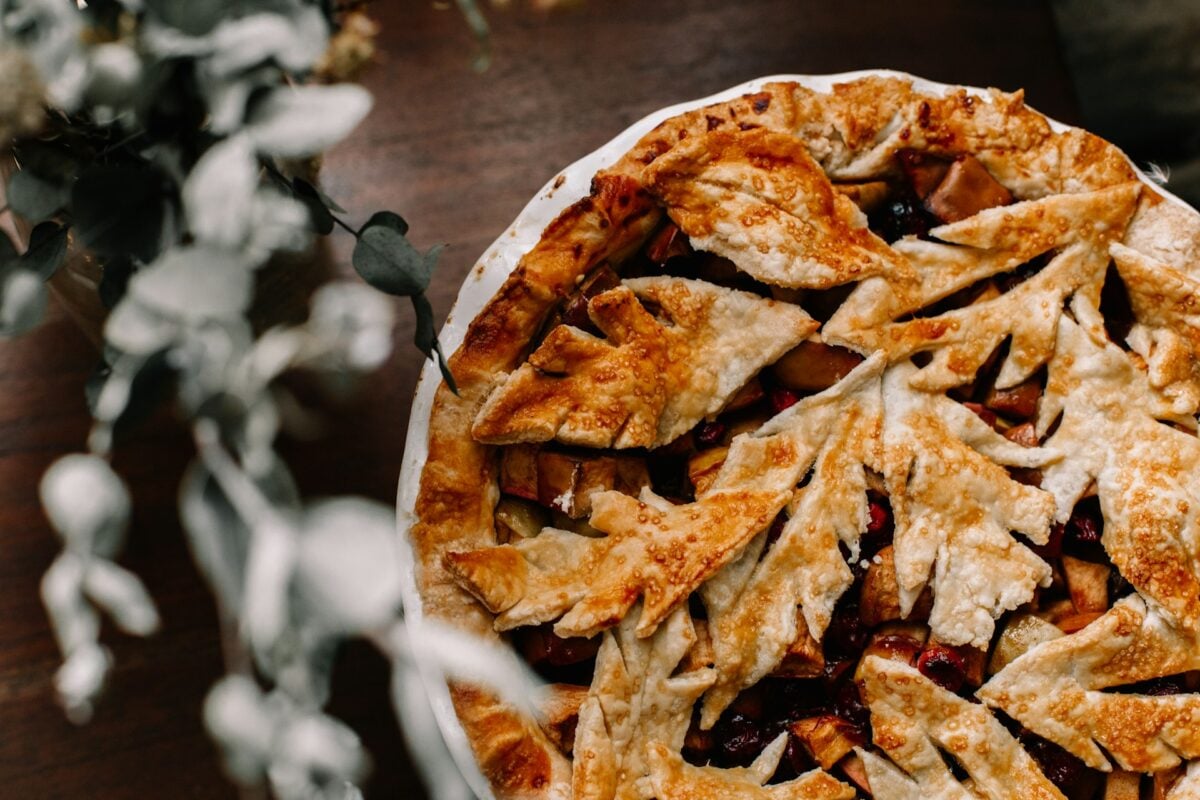
This rhyme about a boy pulling a plum from a Christmas pie has connections to the dissolution of monasteries under King Henry VIII through Somerset legend rather than documented fact. According to local tradition, it refers to Thomas Horner of Mells, who supposedly acquired valuable property during this period.
The story claims the Bishop of Glastonbury sent Horner to London with a pie containing deeds to twelve manor estates, hoping to appease the king, and that Horner stuck his thumb in, pulled out the deed to Mells Manor, and kept it for himself. While Thomas Horner did acquire the manor during the dissolution period, there’s no historical evidence the pie story actually happened.
Like Go2Tutors’s content? Follow us on MSN.
Old Mother Hubbard

On the surface, this is about a woman whose cupboard is bare when her dog wants a bone. The rhyme was actually written by Sarah Catherine Martin in 1805 as a satirical children’s verse, though some later interpretations linked it to Cardinal Thomas Wolsey and King Henry VIII.
In that reading, Mother Hubbard represents Wolsey, the dog is Henry himself, and the bare cupboard symbolizes Wolsey’s failed trip to Rome to ask Pope Clement VII for an annulment of Henry’s marriage. While it makes for an interesting political allegory, the Tudor connection is a later interpretation rather than Martin’s original intent when she penned the verse.
Beyond the Rhymes

These seemingly innocent verses served multiple purposes throughout history—entertainment, sure, but also social commentary, political satire, and coded messages during dangerous times. Many theories remain unproven, and historians continue to debate which backstories are legitimate history and which are folklore about folklore.
Whether the stories are true or not, they reveal how people have always found creative ways to talk about the world around them, even when doing so openly could be deadly. The next time you hear a nursery rhyme, remember there might be more going on beneath those cheerful melodies than meets the ear.
More from Go2Tutors!

- 16 Historical Figures Who Were Nothing Like You Think
- 12 Things Sold in the 80s That Are Now Illegal
- 15 VHS Tapes That Could Be Worth Thousands
- 17 Historical “What Ifs” That Would Have Changed Everything
- 18 TV Shows That Vanished Without a Finale
Like Go2Tutors’s content? Follow us on MSN.



